President Donald Trump has made several strong requests regarding the U.S. Navy. He wants the Navy to return to using steam power, declared the Strait of Hormuz should be U.S. territory, and asked for new aircraft carriers to have a different design.
Key Facts
President Trump wants the Navy to go back to using steam technology.
He declared the Strait of Hormuz to be U.S. territory.
He demanded that new aircraft carriers be redesigned.
The focus is on changing military technology and territorial claims linked to the Navy.
The Strait of Hormuz is an important waterway for global shipping.
Aircraft carriers are warships that carry planes and help control the seas.
The Navy currently uses more modern propulsion methods than steam.
These actions involve U.S. military policy and international maritime areas.
Read the Original
Want the full story? Tap a source to open the original
article.
President Donald Trump plans to campaign in South Carolina to support Republican Senator Darline Graham before a special GOP primary runoff election. Senator Graham, new to politics, replaced her late brother Lindsey Graham and is competing against Representative Ralph Norman.
Key Facts
President Trump will campaign in South Carolina on Friday.
The goal is to support Republican Senator Darline Graham in the upcoming runoff.
The runoff election will be held on Tuesday.
Darline Graham is a political newcomer.
She took over the Senate seat after her brother, Lindsey Graham, passed away.
Darline Graham is running against Representative Ralph Norman.
The race is a special GOP primary runoff.
Read the Original
Want the full story? Tap a source to open the original
article.
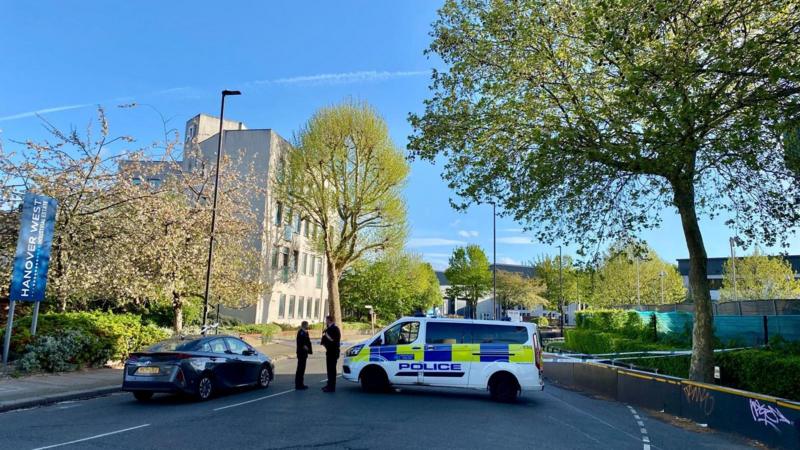
Three people have admitted to being involved in an arson attack at the offices of Volant Media, which owns the Persian news channel Iran International, in northwest London. The fire started when an ignited container was thrown at the site in April 2026, but no one was hurt.
Key Facts
The attack happened on April 15, 2026, at Volant Media's offices in Park Royal, London.
An ignited container was thrown towards the building, causing a fire.
Nathan Dunn, 19, pleaded guilty to reckless arson, which means he admits to starting a fire that could have endangered lives.
A 17-year-old boy denied reckless arson but admitted to a lesser charge of arson; his trial is scheduled for February 1, 2027.
Oisin McGuinness, 21, pleaded guilty to arson, dangerous driving, and possession of cocaine.
No injuries occurred because the fire went out quickly after landing in a car park.
McGuinness and Dunn are being held in custody, while the 17-year-old is in local authority care for legal reasons.
The case is being handled at the Old Bailey court in London.
Read the Original
Want the full story? Tap a source to open the original
article.
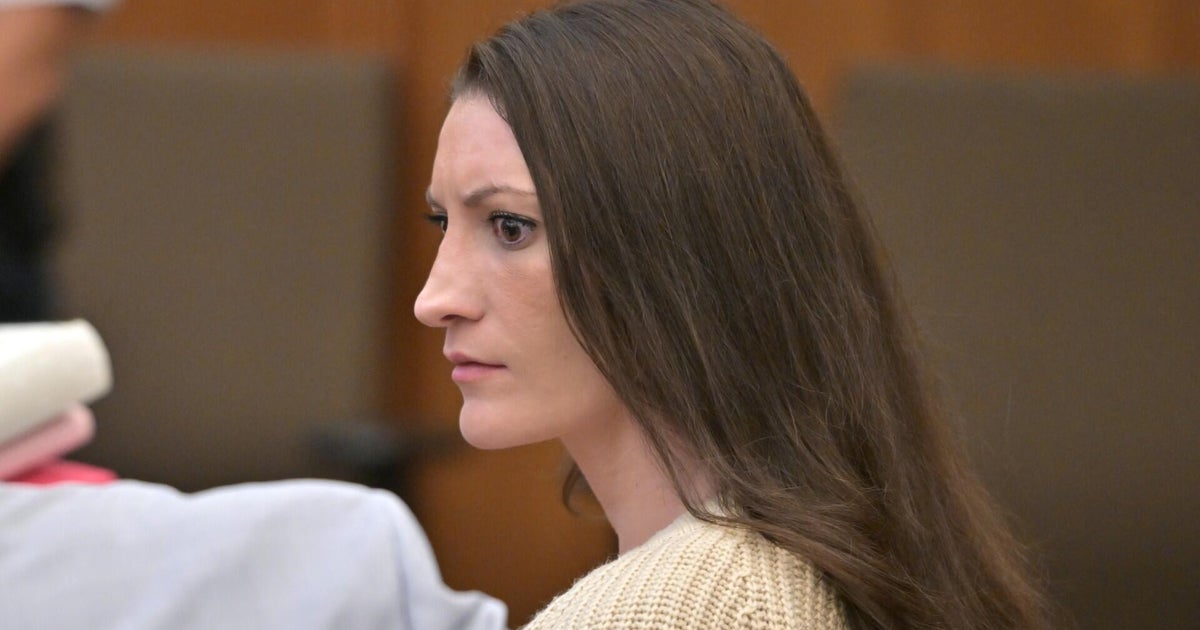
Lindsay Clancy is on trial in Massachusetts for the murder of her three young children. A forensic psychiatrist who testified in a similar case in Texas is expected to speak for Clancy’s defense, which argues she suffered from postpartum psychosis and was not responsible for her actions.
Key Facts
Lindsay Clancy faces first-degree murder charges for killing her three children in January 2023.
The trial is taking place in Plymouth Superior Court, Massachusetts.
Dr. Phillip Resnick, a forensic psychiatrist from the Andrea Yates case, will testify for the defense via Zoom.
Andrea Yates was found not guilty by reason of insanity after killing her five children in Texas.
The defense claims Clancy suffered from postpartum psychosis and was overmedicated.
The prosecution claims Clancy planned the murders and faked a suicide attempt.
If convicted, Clancy faces life in prison without parole; if found not responsible due to mental illness, she would be sent to a psychiatric hospital.
Closing arguments are expected soon, possibly as early as Monday.
Read the Original
Want the full story? Tap a source to open the original
article.
Five activists who vandalized a Barclays bank branch in Burnley to protest the bank’s ties to an Israeli weapons company were found guilty of causing significant damage but will not be sentenced as terrorists. The judge decided not to treat their actions as terrorism despite initially considering a possible connection during the trial.
Key Facts
The five activists are Brendon O’Hagan (28), Amanda Kelly (31), Hmeera Atiqnisar (31), Mohammed Malik (28), and Alma Yaniv (70).
They damaged a Barclays bank branch in Burnley by breaking windows and throwing red paint, causing over £200,000 in damage.
Their protest was against Barclays holding shares in Elbit Systems, an Israeli weapons company.
The group did not know their case might be treated as terrorism until after being found guilty.
The jury was also unaware that the case might have a terrorism element.
After the guilty verdict, the judge considered if there was any terrorist connection based on new information.
Barclays later sold all of its shares in Elbit Systems.
Barclays stated they held the shares only for client transactions and were not investors or shareholders in the arms company.
Read the Original
Want the full story? Tap a source to open the original
article.
An Alabama jury awarded $9.25 million to Kai Spears, a former University of Alabama basketball player, after finding that the New York Times wrongly reported he was involved in a fatal shooting. The Times admitted its error but plans to consider legal options following the verdict.
Key Facts
Kai Spears sued the New York Times in 2023 for defamation over a false report linking him to a 2023 fatal shooting.
The Times said a source, speaking anonymously, told them Spears was a passenger in the car involved in the shooting.
The Times later corrected the story and apologized for the mistake.
The jury reached its decision after a nine-day trial and awarded Spears $9.25 million.
Spears said the false report caused him emotional distress and wrongly connected him to a murder.
The person actually involved in the car was a team manager, who was not charged.
The New York Times said it was an honest mistake and plans to review legal options.
Spears has also played basketball for Marshall and West Liberty after transferring from Alabama.
Read the Original
Want the full story? Tap a source to open the original
article.
A charter plane crashed near a military radar site in western Alaska, killing all eight people on board. The crash happened near Cape Newenham Long Range Radar Site airport, and the plane was carrying both pilots and passengers, including two US Army Corps of Engineers employees.
Key Facts
The crash occurred near Cape Newenham Long Range Radar Site airport, about 450 miles west of Anchorage, Alaska.
All eight people on board, including two pilots and six passengers, died in the crash.
The plane was a twin-engine Cessna 441 that took off from Anchorage’s international airport headed to Cape Newenham.
The aircraft was described as a “civilian-contracted” plane carrying workers on a mission related to the military radar site.
Two of the people killed worked for the US Army Corps of Engineers, which chartered the flight.
The site is part of a network that monitors Alaska’s airspace and is managed by the Pacific Air Forces Regional Support Center.
Officials are providing support to the victims’ families and conducting search and recovery efforts.
Alaska Senator Lisa Murkowski expressed condolences and appreciation for the emergency responders.
Read the Original
Want the full story? Tap a source to open the original
article.
A UK court ruled that the Home Office must consider new guidance before deporting young male trafficking victims back to Albania, as they remain at risk of harm. The court found that despite Albania's efforts, corruption and lack of support for trafficking victims persist, making deportation unsafe.
Key Facts
Thousands of young Albanian males in the UK are identified as potential victims of trafficking.
Many have been deported to Albania, which the Home Office says is a safe place for them to return.
A court case involved a 21-year-old Albanian male trafficked into cannabis farming in the UK, who was recognized as a victim but denied asylum.
A tribunal ruled he faces a "real risk" if returned to Albania due to ongoing threats from traffickers.
The court issued new guidance requiring the Home Office to carefully assess risks before deporting male trafficking victims to Albania.
Albania has problems with corruption and lacks shelters for adult male trafficking victims.
Albanian criminal gangs use violence and threats, including sharing abuse videos, to control trafficking victims.
The Home Office is considering whether to appeal the ruling.
Read the Original
Want the full story? Tap a source to open the original
article.
Authorities in the UK are warning young children, pregnant women, older adults, and people with health issues to avoid eating undercooked or runny eggs at restaurants because of a salmonella outbreak. The outbreak has caused hundreds of illnesses and one death, and it is linked to imported eggs or dishes made with them.
Key Facts
Vulnerable groups advised to avoid runny or undercooked eggs when eating out.
Salmonella outbreak declared a national emergency in the UK after one death and many illnesses.
Over 200 cases in the UK, mostly in England, are linked to the outbreak.
Imported eggs or dishes containing them are believed to be the source.
British eggs are considered safe because local chickens are vaccinated against salmonella.
Salmonella bacteria can cause stomach pain, diarrhea, vomiting, and fever.
People with weak immune systems, babies, and older adults are at higher risk of severe illness.
Anyone worried about symptoms should contact a doctor or medical service quickly.
Read the Original
Want the full story? Tap a source to open the original
article.
Nineteen migrant bodies, including children, were found along the Arizona-Mexico border last month, marking the highest monthly death toll there in 2024. These deaths reflect harsh conditions faced by migrants and policies that limit legal entry to the U.S., leading many to take dangerous routes through the desert.
Key Facts
19 migrant remains, including children, were recovered along the Arizona border last month.
This is the highest number of migrant deaths in one month in the area for 2024.
A total of 73 remains have been found so far this year, 14 more than the same time last year.
Causes of death include dehydration, exposure, hypothermia, and accidents like blunt force trauma.
Experts say many deaths go undiscovered due to the desert’s harsh conditions and scavengers.
Migrants continue risky journeys despite extreme heat and fear of arrest by U.S. immigration authorities (ICE).
U.S. policies have made legal border crossings harder, pushing people to travel through dangerous areas.
Humanitarian groups help migrants by providing rescue services and tracking deaths along the border.
Read the Original
Want the full story? Tap a source to open the original
article.
Norah O'Donnell talked about how she would like people to remember and honor her after she dies. She encouraged others to think about how they want their own lives to be celebrated in the future.
Key Facts
Norah O'Donnell spoke publicly about her wishes for how she wants to be honored after death.
She shared these thoughts during an interview with Kate Doerge.
O'Donnell suggested that thinking about how to be remembered is important for everyone.
The interview was featured on CBS News.
The topic was briefly discussed as part of a personal reflection by O'Donnell.
Read the Original
Want the full story? Tap a source to open the original
article.
Recent polls have shown inaccurate results, causing people to question their reliability. The article suggests that voters should research information on their own before making decisions.
Key Facts
Many polls have failed to predict accurate outcomes recently.
These mistakes have led to doubts about poll reliability.
Polls are surveys that try to measure public opinion.
Poll results can vary based on methods and samples used.
Voters are encouraged to look beyond polls.
Doing personal research helps voters make better choices.
Relying only on polls can be misleading.
It is important to check multiple sources for information.
Read the Original
Want the full story? Tap a source to open the original
article.
The U.S. has deported over 160 people to Haiti, marking the first removals since President Trump’s administration ended Temporary Protected Status (TPS) protections for Haitians. Deportees arrived in a northern city instead of the capital due to gang violence and unsafe conditions in Haiti.
Key Facts
The deportation involved more than 160 Haitians, including TPS holders and people who had served prison sentences.
The plane landed in Cap-Haitien, a northern city in Haiti, because the main airport in Port-au-Prince is considered too unsafe.
U.S. commercial flights to Port-au-Prince are banned through early September due to ongoing gang violence.
Gang violence controls about 70% of Port-au-Prince and parts of Haiti, making travel within the country dangerous.
Some deportees were born outside of Haiti but have Haitian heritage. Efforts are being made to reunite them with family.
Deportees were given up to $65, food, and drinks upon arrival, and those who couldn’t reach homes immediately were housed in secure spaces.
The U.S. Supreme Court ended the TPS program in late June, affecting around 1 million people from multiple countries, including Haiti.
Haiti faces a humanitarian crisis with over half its population needing aid due to gang violence, poverty, and hunger.
Read the Original
Want the full story? Tap a source to open the original
article.
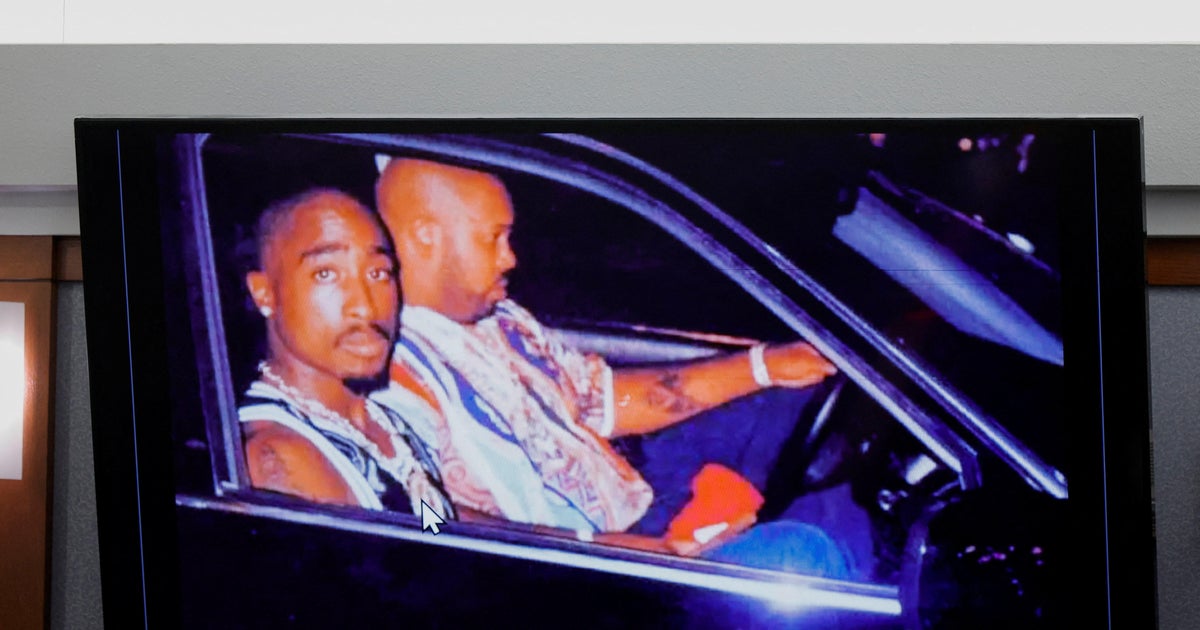
Duane "Keffe D" Davis is on trial for the 1996 murder of rapper Tupac Shakur. In a recorded 2008 police interview, Davis said his nephew Orlando Anderson fired the shots that killed Tupac, but Davis denies involvement and has pleaded not guilty.
Key Facts
Tupac Shakur was killed in a 1996 shooting in Las Vegas.
Duane Davis says in a 2008 interview that his nephew Orlando Anderson fired the gun.
Davis was in the car during the shooting, according to his statements.
Davis has pleaded not guilty to charges related to Tupac’s murder.
The 2008 recording is an important piece of evidence in the trial.
Davis had previously told the FBI different stories about the shooting.
The shooting followed a fight involving Anderson and Tupac’s group hours earlier.
Prosecutors rely heavily on Davis’ interviews, statements, and a 2019 memoir he co-wrote.
Read the Original
Want the full story? Tap a source to open the original
article.
A jury in Alabama ordered The New York Times to pay $9.25 million after wrongly saying former University of Alabama basketball player Kai Spears was at a fatal shooting scene. The Times admitted the mistake and corrected the story, but the jury found the newspaper defamed Spears and caused him harm.
Key Facts
Kai Spears sued The New York Times in 2023 for wrongly reporting he was involved in a fatal shooting.
The incorrect report cited an anonymous source about Spears being a passenger in the car at the shooting.
The shooting happened in Tuscaloosa in January 2023 and resulted in the death of a 23-year-old woman.
The Times later admitted the mistake and corrected the story with an editor’s note.
An eight-person jury trial lasted nine days in the Northern District of Alabama federal court.
The jury decided The New York Times defamed Spears and awarded him $9.25 million.
Alabama law will reduce the final award by over $2 million due to legal limits on damages.
The Times said it believes the verdict was wrong and is considering its legal options.
Spears said the false report caused him emotional distress and publicly denied the claim.
Read the Original
Want the full story? Tap a source to open the original
article.
An audit of Jefferson County Public Schools in Kentucky showed serious problems in how the district is managed. This district, the largest in the state with about 100,000 students, was found to have major failures. The audit was made public at the end of June 2024.
Key Facts
Jefferson County Public Schools is the largest school district in Kentucky.
The district includes Louisville and has nearly 100,000 students.
The audit was done by auditor Allison Ball.
The report shows the school system has major management issues.
One in every seven students in Kentucky attends this district.
The audit results were released publicly in late June 2024.
The report called the district an "institutional failure."
Kentucky lawmakers in 2024 are considering next steps based on the audit.
Read the Original
Want the full story? Tap a source to open the original
article.
Texas Democratic Senate candidate James Talarico is using two controversies involving Texas Attorney General Ken Paxton to criticize him in the Senate race. These issues include animal welfare concerns about research dogs at Texas A&M University and an incident where Paxton took a $1,000 pen but later returned it.
Key Facts
James Talarico is running as a Democrat to win a Texas U.S. Senate seat currently held by Republican Ken Paxton.
Talarico focuses his attacks on Paxton by highlighting simpler, more understandable controversies rather than Paxton’s complex legal problems.
One controversy involves efforts to get veterinary records for research dogs at Texas A&M, which the university and Paxton’s office have blocked, citing confidentiality.
Talarico’s campaign uses animal welfare as a theme in social media and events to appeal to voters.
Another controversy is from 2013, when Paxton was caught on camera taking a $1,000 Montblanc pen but later returned it after being contacted.
Joe Joplin, the owner of the pen, now supports Talarico and appears in a campaign ad against Paxton.
Recent polls show the Senate race in Texas is very close between Talarico and Paxton.
Democrats see this race as a key chance to win a U.S. Senate seat in Texas for the first time since 1988.
Read the Original
Want the full story? Tap a source to open the original
article.
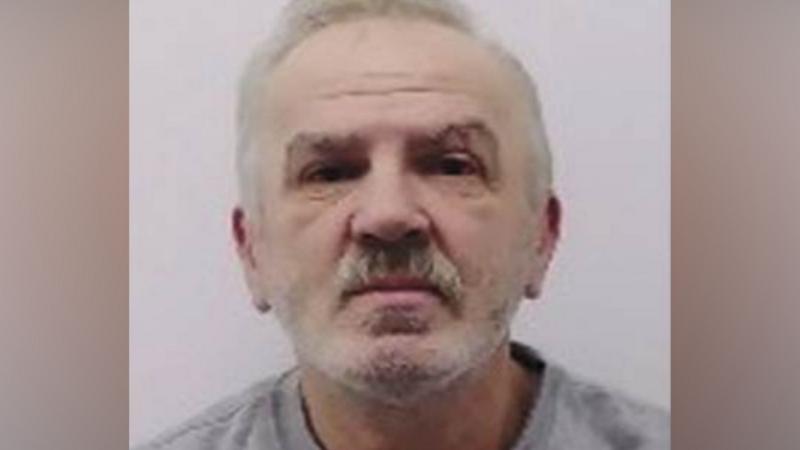
Eugeniu Neamtu was sentenced to life in prison for stabbing his flatmate, Gheorghe Trica, to death in London in 2026. Neamtu had previously served 15 years in a Romanian prison for a similar murder and was in the UK illegally when the killing happened.
Key Facts
Eugeniu Neamtu, 59, killed his flatmate Gheorghe Trica, 63, in Walthamstow, east London.
The murder occurred on 20 February 2026.
Neamtu received a life sentence with a minimum of 27 years in prison.
He had previously murdered another flatmate in Romania in 2006.
Neamtu was jailed in Romania for 15 years and released before moving to the UK in 2023.
He came to the UK as a visitor and did not declare his earlier conviction or work plans.
The 2026 killing was triggered by a dispute over repaying £5.
The judge described Neamtu as a dangerous individual who showed no remorse.
Read the Original
Want the full story? Tap a source to open the original
article.
Starting at a new school can be hard for children who worry about making friends. Parents can help by arranging playdates, attending events, and encouraging kids to join activities where they can meet others. It is also important for kids to learn how to choose and manage friendships on their own.
Key Facts
Children often feel nervous about meeting new classmates when starting at a new school.
Parents can help by planning playdates, attending birthday parties, and connecting with other parents.
Experts say parents’ actions have a big impact on how children make friends at first.
Kids need to learn what qualities they want in a friend, such as kindness and honesty.
Difficult social experiences can teach children how to handle conflicts in friendships.
Parents can ask questions to help children think about their friendships and what they value.
Encouraging children to join clubs, sports, or other activities helps them meet people with similar interests.
Trying new activities can lead to making new friends, as some teens report from experience.
Read the Original
Want the full story? Tap a source to open the original
article.
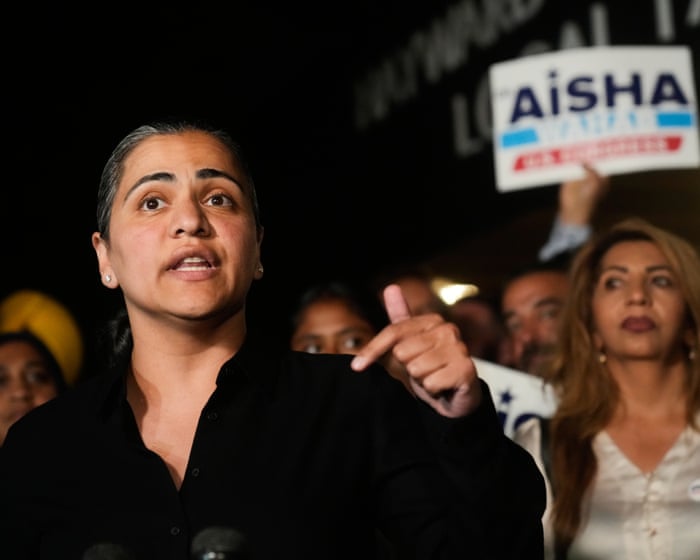
Aisha Wahab won a special election in California to fill a vacant Congressional seat. She is the first Muslim woman and Afghan American elected to the California legislature, and she received support from progressive Democrats despite opposition and spending by groups linked to AIPAC.
Key Facts
Aisha Wahab won a special election to Congress in California.
She is the first Muslim woman and Afghan American elected to the California legislature.
The seat was previously held by Eric Swalwell, who resigned amid sexual misconduct allegations he denies.
Wahab led throughout the race despite a boost in funding for her opponent, Melissa Hernandez, from groups tied to AIPAC.
Progressive Democrats, including House minority leader Hakeem Jeffries, publicly supported Wahab.
Congresswoman Pramila Jayapal praised Wahab’s campaign and her work on issues like Medicare and immigration.
California Democratic delegation chair Zoe Lofgren did not congratulate Wahab and criticized her prior opposition to a caretaker plan for the seat.
Other political news includes Michael Cohen praising President Trump, questions about a Trump aide’s security clearance, and debates over renaming a Navy ship after Trump instead of a Black war hero.
Read the Original
Want the full story? Tap a source to open the original
article.