Voters in Alaska are voting to choose candidates for the November election. First-term Republican Rep. Nick Begich is trying to keep his seat, while independent Bill Hill is leading among many challengers. Democrat Matt Schultz withdrew and supported Bill Hill.
Key Facts
Alaska voters are voting in a primary election.
Nick Begich, a Republican, currently holds Alaska’s at-large House seat.
Bill Hill, an independent candidate, is leading among challengers.
Matt Schultz, a Democrat and pastor from Anchorage, was initially leading Hill in polls.
Matt Schultz dropped out of the race.
Schultz endorsed Bill Hill after leaving the race.
The seat is for Alaska’s single (at-large) House seat.
The winner will compete in the November general election.
Read the Original
Want the full story? Tap a source to open the original
article.
The Department of Justice’s independent watchdog is reviewing how the Drug Enforcement Agency investigates cases involving fentanyl, a powerful and dangerous synthetic opioid. Some DEA agents, both current and former, say the agency has used tactics that let drug dealers move large amounts of fentanyl without getting arrested.
Key Facts
The DOJ’s independent watchdog is conducting a review of DEA investigation methods related to fentanyl.
Fentanyl is a synthetic opioid that is highly potent and linked to many overdoses.
Some DEA agents have reported that the agency’s tactics involve allowing traffickers to transport large quantities of fentanyl.
These tactics aim to catch bigger targets in the drug trade rather than arresting smaller dealers immediately.
The review will examine whether these investigative methods are appropriate and legally sound.
The DEA’s goal is to reduce fentanyl availability on the streets while disrupting major drug networks.
Read the Original
Want the full story? Tap a source to open the original
article.
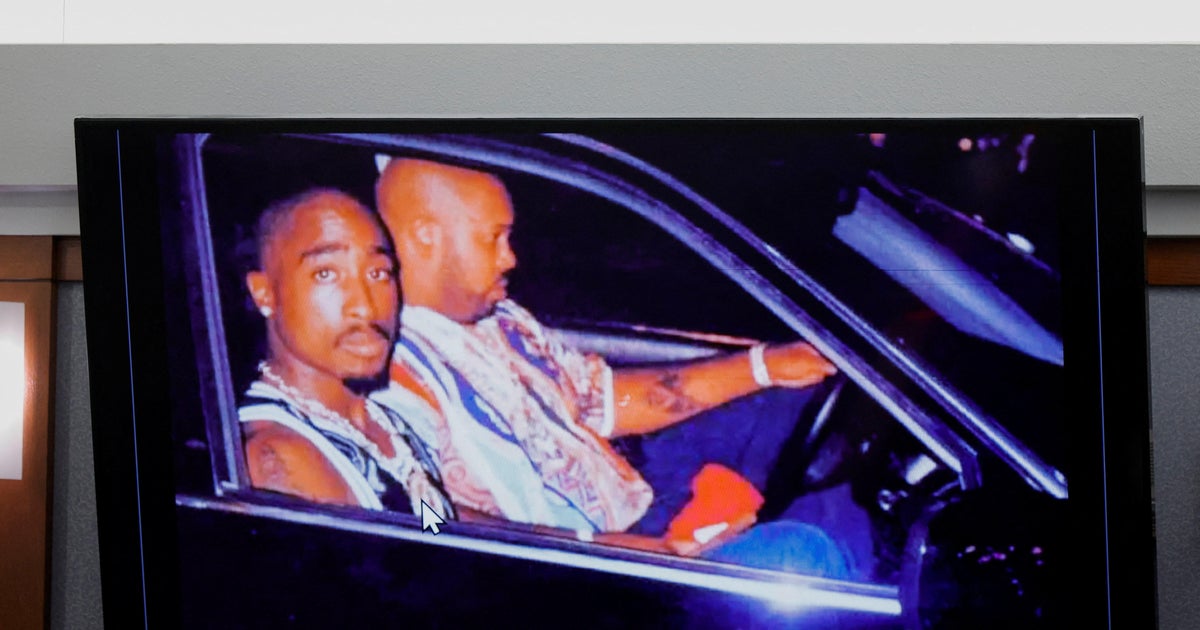
At the murder trial of Duane "Keffe D" Davis in Las Vegas, prosecutors showed autopsy photos of rapper Tupac Shakur, who was killed in a 1996 drive-by shooting. A forensic expert explained the injuries Tupac suffered, while family members had mixed reactions, with some leaving the courtroom and others staying for closure.
Key Facts
Duane "Keffe D" Davis faces trial for planning the 1996 shooting that killed Tupac Shakur.
Autopsy photos were shown in court, including images of Tupac’s injuries and chest tubes.
Forensic pathologist Dr. Lisa Gavin explained that Tupac was shot three times, including a bullet that pierced his lung causing it to collapse.
Tupac spent six days in the hospital before dying from his wounds.
Some family members left the courtroom during the graphic images, while others stayed to learn more about what happened.
Prosecutors showed a video of a fight involving Tupac’s entourage and Orlando "Baby Lane" Anderson hours before the shooting.
The shooting happened after Tupac and Marion "Suge" Knight left the MGM Grand casino, where Anderson and Davis were present.
Davis is charged with organizing the killing but not accused of firing the gun.
Read the Original
Want the full story? Tap a source to open the original
article.
The article discusses how the media coverage of Jeffrey Epstein’s crimes mostly focused on celebrities, money, and politics, rather than the broader issue of child sexual abuse. Experts highlight that child sexual abuse is a widespread public health problem affecting one in five children and often involves other children, not just adults, emphasizing that education and prevention are key.
Key Facts
Jeffrey Epstein’s case was heavily covered with a focus on celebrities, wealth, and politics, not on child sexual abuse itself.
One in five children will experience sexual abuse before turning 18.
About 70% of child sexual abuse involves other children as offenders, often due to lack of knowledge about consent.
Less than 3% of juveniles convicted of sex crimes commit another offense, showing most are first-time incidents.
The authors believe child sexual abuse is preventable through education and open conversations.
Social media and the internet play a big role in both risks and communication related to child sexual abuse.
Experts argue that new technologies like AI should be designed to protect children from harm from the start.
Read the Original
Want the full story? Tap a source to open the original
article.
Tyrone Noling, an Ohio death row inmate, had a rare hearing to ask the parole board for a full pardon after 30 years on death row for a double murder he says he did not commit. His case includes new evidence and support from the Ohio Innocence Project, with the parole board’s recommendation going to Governor Mike DeWine, who will decide on the pardon.
Key Facts
Tyrone Noling was convicted in 1996 for the 1990 murders of an elderly couple in Ohio.
He has maintained his innocence and has gathered new evidence with help from the Ohio Innocence Project.
New evidence includes recanted witness statements, changed opinions from a sheriff and a juror, and possible involvement of another suspect who was executed.
Noling is one of the few death row inmates in Ohio to get a clemency hearing without having an execution date.
The parole board will decide on a recommendation for Governor Mike DeWine, who has the final authority to grant a pardon.
Governor DeWine recently called for ending the death penalty in Ohio, citing doubts about its effectiveness in preventing crime.
No physical evidence tied Noling to the crime, and the murder weapon was never found.
Noling refuses to accept life without parole, insisting on full exoneration and release.
Read the Original
Want the full story? Tap a source to open the original
article.
Dan J. Sullivan, who is starting a Republican campaign for Alaska’s Senate seat, voted for Democrat Mary Peltola in both the 2022 and 2024 House races. He is running against Peltola, Senator Dan S. Sullivan, and other candidates in the upcoming primary election.
Key Facts
Dan J. Sullivan is a retired teacher launching a Republican Senate campaign in Alaska.
He voted for Democrat Mary Peltola in the 2022 and 2024 House races.
Mary Peltola is a former Alaska House Representative and is running for the Senate seat.
Senator Dan S. Sullivan, a Republican, is also running in the open primary for the Senate.
The primary election will take place on Tuesday.
Dan J. Sullivan has voted for Democratic presidential nominees in the last three cycles.
Read the Original
Want the full story? Tap a source to open the original
article.
The U.S. government under President Trump has been deporting migrants from Mexico to countries in Central America like Guatemala and Honduras. This is happening even though Mexico has said it is willing to take back all its own citizens.
Key Facts
The Trump administration is deporting migrants from Mexico to Guatemala and Honduras.
Mexico has expressed willingness to accept all returned Mexican citizens.
Despite Mexico's position, some migrants are being sent to other Central American countries.
This information comes from two officials in the Department of Homeland Security.
The news was reported by CBS News immigration correspondent Camilo Montoya-Galvez.
The deportation process is happening quietly, without much public attention.
This involves migrants crossing through or staying in Mexico before deportation.
Read the Original
Want the full story? Tap a source to open the original
article.
Liberia will accept up to 1,200 people deported from the United States who are from other countries, including Africa, the Americas, and the Caribbean. The first group of 20 people is expected to arrive soon, and Liberia has agreed to allow those deported to stay or leave freely.
Key Facts
Liberia agreed to take 1,200 third-country deportees from the US.
The first group of 20 deportees is expected to arrive shortly.
Deportees include people from Africa, North and South America, and the Caribbean.
These deportees will be treated as guests and can leave Liberia whenever they want.
The US has agreements with 35 countries to accept third-country deportees.
Liberia’s deal is the largest for third-country deportations so far.
The US has deported about 22,000 people to 26 countries that are not their home countries.
Liberia and the US made an agreement to protect asylum seekers deported there and improve Liberia’s health system funding.
The deportation deal with Liberia is currently facing lawsuits in US courts.
Read the Original
Want the full story? Tap a source to open the original
article.
A federal judge approved the Trump administration's plan to paint the outside of the Eisenhower Executive Office Building white. The building is next to the White House, and the paint job may cost taxpayers at least $7.5 million.
Key Facts
A federal judge gave permission for the Trump administration's painting project.
The plan is to paint the outside of the Eisenhower Executive Office Building white.
The building is located next to the White House.
The project may cost taxpayers $7.5 million or more.
The decision was announced on a Tuesday.
A White House official provided the cost estimate.
The painting is part of a building makeover.
Read the Original
Want the full story? Tap a source to open the original
article.
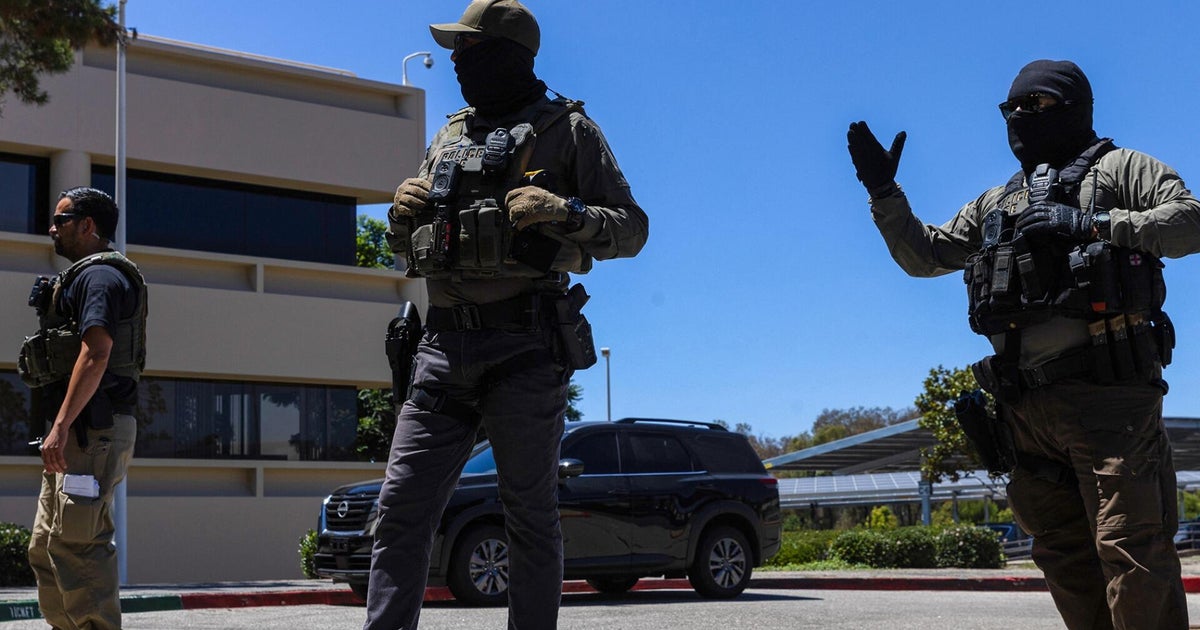
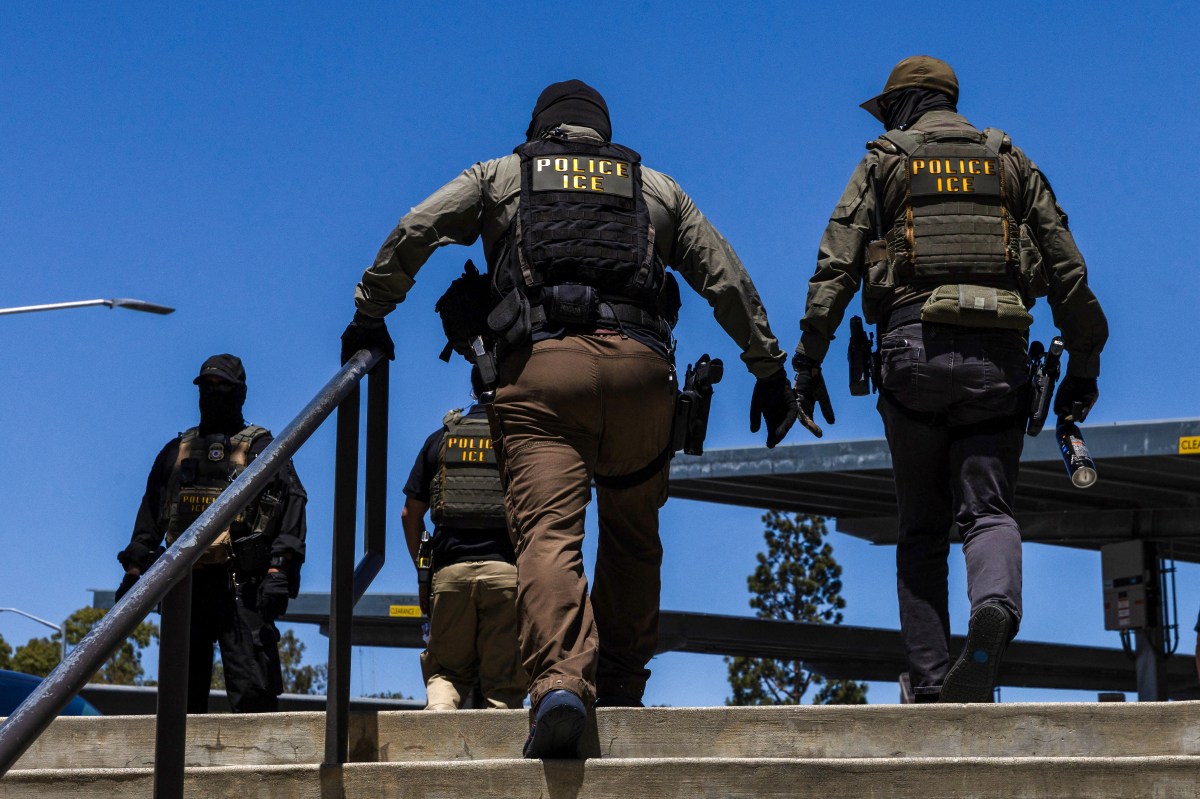
An immigrant named Jose Mejia Hernandez claims he suffered a brain injury after being arrested by ICE agents in Virginia. The Department of Homeland Security disputes these claims, saying he was not unconscious, was treated properly, and was released under GPS monitoring while awaiting immigration decisions.
Key Facts
Jose Mejia Hernandez says he was hospitalized with a brain bleed after a violent arrest on August 11, 2026.
He alleges he was struck with a stun device and guarded by ICE agents in the hospital.
His family reportedly did not know where he was for several days after the arrest.
DHS calls some of his claims false and says he tried to run away during the arrest.
DHS says Mejia Hernandez was taken to a hospital as a safety measure and later released under GPS monitoring.
Officials deny he lost consciousness and say officers followed proper procedures.
Mejia Hernandez entered the U.S. illegally in 2006, returned voluntarily to Mexico, reentered illegally in 2008, and was convicted of public intoxication in 2020.
GPS monitors can be removed temporarily for medical treatment if proper documents are shown.
Read the Original
Want the full story? Tap a source to open the original
article.
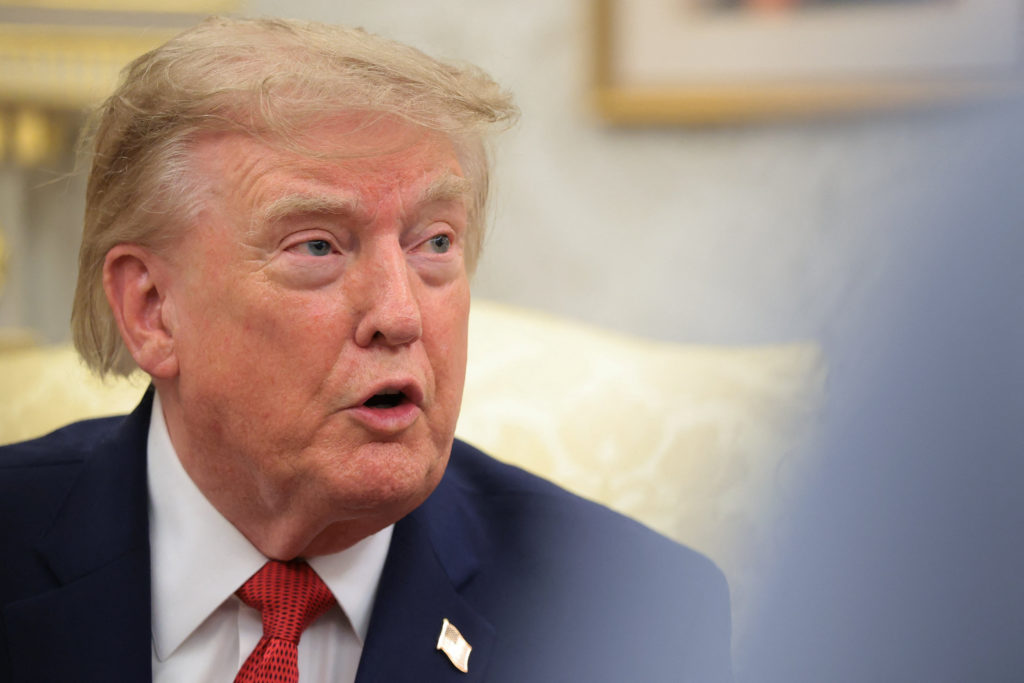
President Donald Trump voted by mail in Florida’s recent primary election. This is notable because he has previously claimed, without evidence, that mail voting is prone to fraud and has pushed to limit its use.
Key Facts
President Donald Trump used a mail-in ballot in the Florida primary.
The primary included important races such as the election for governor.
Trump has publicly stated that mail voting leads to widespread fraud, though these claims are false.
Records from Palm Beach County confirmed Trump’s mail vote.
The issue of mail voting is a significant topic in U.S. elections, especially for the midterms.
Trump’s statements have contributed to debates about the reliability and security of mail ballots.
The article was originally published by PolitiFact and PolitiFact fact-checked these false claims.
Read the Original
Want the full story? Tap a source to open the original
article.
A man wearing a scary doll mask has been threatening people near City Hall in Philadelphia. Police are looking for him after several incidents where he chased and scared residents while filming some encounters.
Key Facts
The suspect wore a mask similar to the doll from the "Chucky" movies.
He has threatened at least six people in the area around Philadelphia’s City Hall.
One woman was chased during her morning run, stumbled, and got hurt.
The man was seen holding a cellphone with the light on, possibly filming the incidents.
Police have charged the man with terroristic threats and simple assault.
The suspect fled into an underground rail station after one of the incidents.
Police shared photos and videos to help the public identify him.
Some locals are changing their routines, like where they run, to avoid him.
Read the Original
Want the full story? Tap a source to open the original
article.
A U.S. Navy destroyer called USS Benfold lost power for four days in the Pacific Ocean due to generator problems. The ship's crew had no water, meals, toilets, or air conditioning during this time, and the ship was later towed to the Philippines for repairs.
Key Facts
The USS Benfold broke down on July 24 and lost power for four days.
About 300 sailors were aboard the ship during this time.
The crew did not have access to drinking water, meals, functioning toilets, or air conditioning while powerless.
No crew members were injured during the incident.
Help came from the USS Robert Smalls, which provided meals to the Benfold crew.
The Benfold was towed to Subic Bay in the Philippines for repairs, arriving on July 28.
The ship left port on August 8 with all systems working normally again.
This event raised concerns about living conditions and supply issues on U.S. Navy ships during ongoing conflicts.
Read the Original
Want the full story? Tap a source to open the original
article.
Hayden Panettiere’s on-and-off boyfriend, Brian Hickerson, and his brother were at the South Carolina apartment where the actor was found unresponsive and later pronounced dead. Police found no obvious injuries or signs of foul play, and her death is still under investigation.
Key Facts
Hayden Panettiere was found unresponsive in her apartment in Greenville, South Carolina.
Brian Hickerson, her on-and-off boyfriend, and his brother were present at the scene.
Emergency workers tried to save her but declared her dead at 2:31 p.m.
Police saw no signs of physical trauma or foul play at the apartment.
The cause of death has not been determined and investigations are ongoing.
Hickerson previously faced felony abuse charges related to Panettiere and served jail time.
He pleaded no contest to injuring a partner, received probation, anger management, and Alcoholics Anonymous classes.
Panettiere wrote about their relationship and his jail time in her memoir, published in May 2023.
Read the Original
Want the full story? Tap a source to open the original
article.
Many people in Maine use private wells for their drinking water, but less than 55% have tested their wells for arsenic, a harmful contaminant. The state has tried to help low-income homeowners test and treat their wells, but funding is limited, and treatment can be expensive.
Key Facts
About half of Maine homes rely on private wells for drinking water.
Only 53% of homeowners had tested their wells for arsenic as of 2023, up slightly from 48% in 2014.
The Maine CDC aimed for 65% of wells to be tested by 2020 but fell short.
Lower-income households (under $25,000 yearly income) were least likely to test their wells.
Arsenic is found naturally in Maine’s bedrock and can dissolve into groundwater.
Arsenic cannot be detected by taste, smell, or sight but can harm health, especially children’s development.
Testing and treating wells can cost thousands of dollars, and state help programs have limited, temporary funding.
A proposed $1 million fund to help homeowners test and treat wells did not pass in the state legislature.
Read the Original
Want the full story? Tap a source to open the original
article.
New photos show damage to the Lincoln Memorial Reflecting Pool during repairs connected to President Donald Trump's renovation project. The damage was caused by mistakes made during installation, not vandalism, and crews are still working to fix the pool.
Key Facts
The Lincoln Memorial Reflecting Pool shows peeling and patching damage after recent renovation work.
Federal prosecutors said the damage was caused by contractor errors, not vandalism.
President Trump acknowledged some contractor mistakes but also claimed vandalism happened.
The pool renovation included adding a new blue coating called "American flag blue."
The project cost over $15 million, more than originally expected.
Algae quickly returned to the pool after cleaning efforts, causing the water to look green again.
Repairs are ongoing as crews work to restore the pool.
The White House referred questions about the pool to the National Park Service.
Read the Original
Want the full story? Tap a source to open the original
article.
A court case has started against Meta, the company that owns Facebook and Instagram. Several U.S. states claim Meta broke rules by harming children’s privacy and using manipulative features to keep kids using its apps too much.
Key Facts
The lawsuit involves 29 attorneys general from both Democratic and Republican states.
States accuse Meta of designing features that keep children scrolling and using the platforms compulsively.
The lawsuit claims Meta misled the public by hiding the true harms of its products.
States say Meta broke the Children’s Online Privacy Protection Act by collecting children’s data without parent permission.
Meta denies all allegations and argues that its products are not addictive and public statements were not misleading.
Meta says it has age restrictions and that children who misuse the apps do so by lying or fraud.
Research on social media’s effects on children is unclear, showing both positive and negative impacts.
Experts say moderate social media use can help kids connect, but too much use may cause problems like negative self-image.
Read the Original
Want the full story? Tap a source to open the original
article.
John Bolton, who used to advise President Trump on national security, criticized the president’s approach to dealing with the war involving Iran. Bolton said that President Trump’s recent threat to Oman shows he is confused and unsure about how to handle the situation.
Key Facts
John Bolton was President Trump’s national security advisor in the past.
Bolton spoke on the show "State of Play" with Peter Alexander.
The discussion focused on President Trump’s foreign policy during the Iran conflict.
Bolton said President Trump’s threat to Oman is a sign of confusion.
Bolton believes President Trump does not have a clear plan to manage the Iran war tensions.
The comments were made on a TV program called MS NOW.
This criticism highlights public disagreement about the U.S. approach to Iran under President Trump.
Read the Original
Want the full story? Tap a source to open the original
article.
A former Justice Department lawyer claims that investigations into antisemitism at three Ivy League universities had outcomes decided before the facts were fully checked. The lawyer filed a complaint saying the investigations did not follow normal rules and sometimes ignored objections from staff.
Key Facts
The complaint was filed by Haley Van Erem, a former DOJ Civil Rights Division attorney with nearly 10 years of experience.
The investigations involved Brown, Columbia, and Harvard Universities and focused on alleged antisemitism.
The complaint says DOJ and Health and Human Services officials ignored standard investigative procedures to ensure fairness and accuracy.
Some investigations started without enough factual reason and had results planned before evidence was reviewed.
In the Brown University case, no legal violation was found, but DOJ leaders still pushed for a settlement.
Columbia’s investigation was rushed due to media attention, while Harvard faced proposed funding freezes and changes before any violations were proven.
Brown settled with the DOJ to restore some federal funding; Harvard and Columbia cases remain in court.
The DOJ reportedly warned Van Erem not to create a written record when she raised concerns about these methods.
Read the Original
Want the full story? Tap a source to open the original
article.
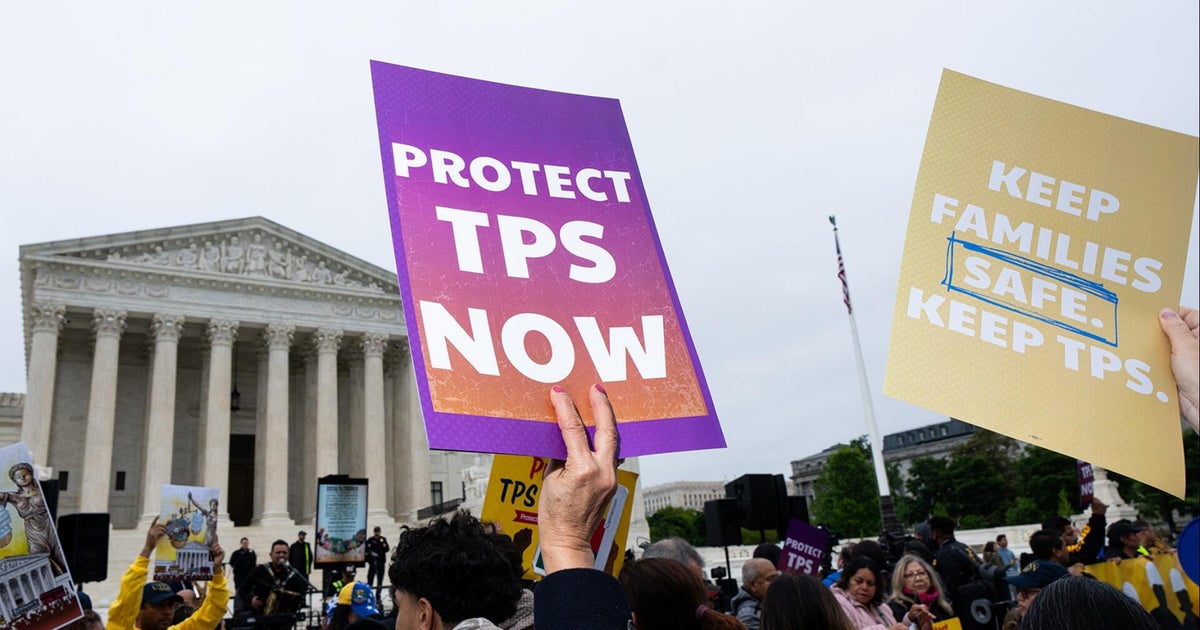
The U.S. government has ended Temporary Protected Status (TPS) for over 1 million people from 13 countries. This means these individuals no longer have special permission to live and work in the United States temporarily.
Key Facts
Temporary Protected Status allows people from certain countries affected by disasters or conflicts to stay in the U.S. temporarily.
More than 1 million people from 13 different countries had TPS revoked.
When TPS ends, those individuals may lose their legal right to work and remain in the U.S. temporarily.
The affected countries experienced changes in conditions that led to the government ending the protections.
People with TPS may have to leave the U.S. unless they have another legal status.
This change impacts many families and workers living in the United States.
The decision was reported by CBS News and covered by immigration correspondent Camilo Montoya-Galvez.
Read the Original
Want the full story? Tap a source to open the original
article.