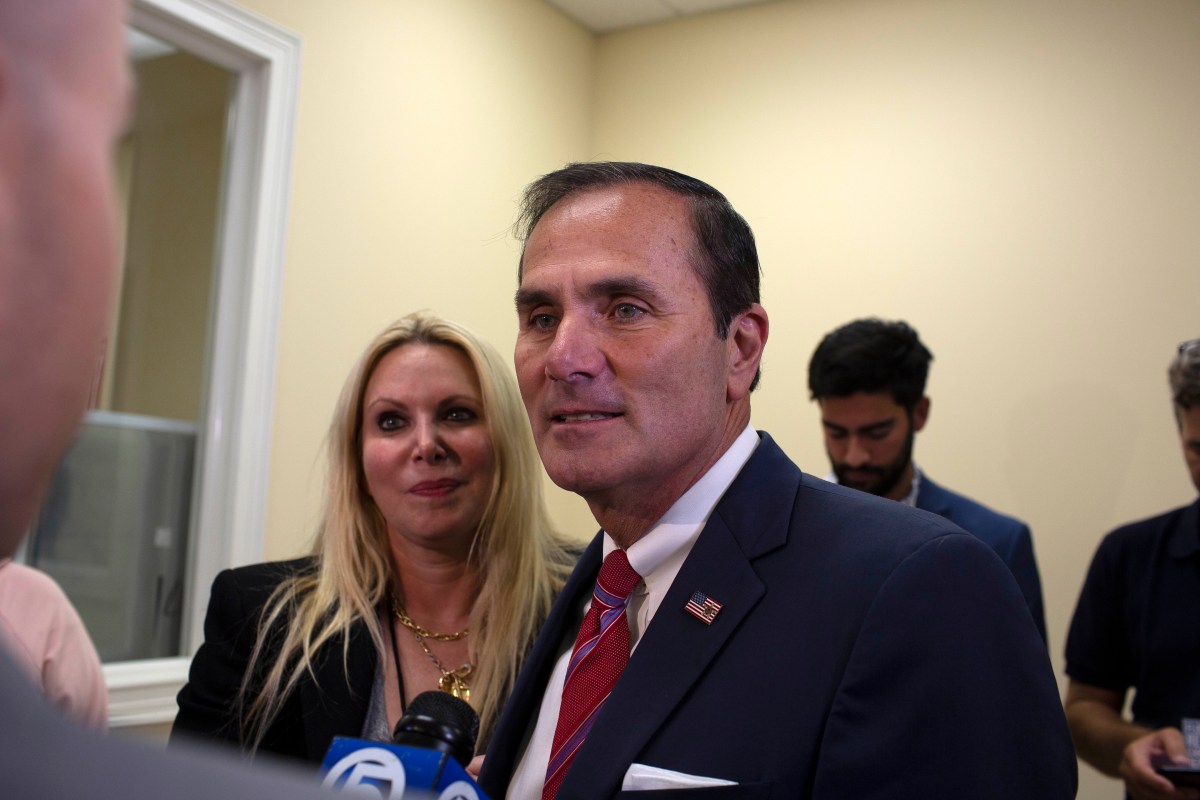
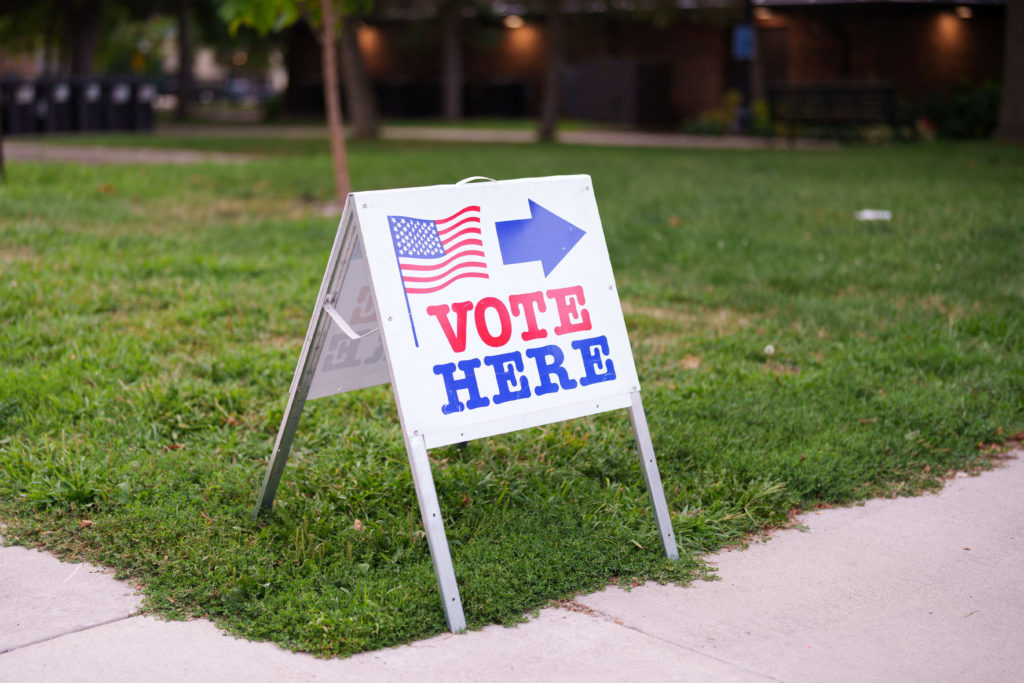
Jim Schwartzel is expected to win the Republican primary for the House seat in Florida that Rep. Byron Donalds is leaving. President Trump had supported Catalina Lauf, but she lost to Schwartzel.
Key Facts
Jim Schwartzel is set to become the Republican nominee for Byron Donalds’s open House seat in Florida.
Catalina Lauf received President Trump's endorsement but lost the primary election.
Schwartzel is the president of Sun Broadcasting.
Byron Donalds is leaving his current House seat, creating the open race.
The result is reported by the election tracking group Decision Desk HQ.
The primary contest was between Schwartzel and Lauf within the GOP (Republican party).
President Trump publicly supported Lauf's campaign last week.
Schwartzel's win means the President's preferred candidate did not win the nomination.
Read the Original
Want the full story? Tap a source to open the original
article.
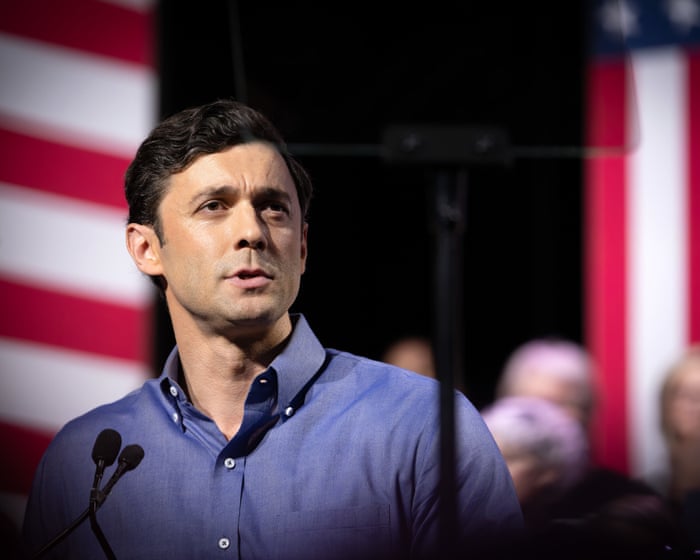
Senator Jon Ossoff criticized President Trump strongly during a campaign event in Georgia, calling him a "draft-dodging, crook president" and accusing him of mishandling a war and targeting a veteran senator. Ossoff's remarks are part of an ongoing political dispute between him and President Trump, who responded with personal attacks.
Key Facts
Senator Jon Ossoff called President Trump a "draft-dodging, crook president" at a Georgia campaign event.
Ossoff defended Senator Mark Kelly, a former navy captain, against President Trump's attacks.
President Trump previously called for arrests of Kelly and other Democrats for a video opposing illegal military orders.
Ossoff accused President Trump of ignoring the U.S.-Israel war and spending time golfing and trading stocks instead of working.
Ossoff mentioned Trump's executive assistant Natalie Harp in his criticism.
The White House responded by mocking Ossoff, with President Trump calling him “Pee-wee Herman.”
White House communications director labeled Ossoff a “radical, extremist Democrat.”
Ossoff is running for re-election and is rumored to consider a 2028 presidential run.
Read the Original
Want the full story? Tap a source to open the original
article.
Mike Beltran won the Republican primary for Florida’s 14th Congressional District. He will run against long-time Democratic Representative Kathy Castor in the general election this November.
Key Facts
Mike Beltran is a former state representative in Florida.
He won the GOP primary for the 14th Congressional District.
Beltran defeated several candidates, including state Rep. Kevin Steele.
The 14th District has been redrawn or changed recently.
Beltran will face Kathy Castor, the current Democratic congresswoman, in the November election.
Decision Desk HQ projected the results of the Republican primary.
The race is for a U.S. House seat representing part of Florida.
Read the Original
Want the full story? Tap a source to open the original
article.
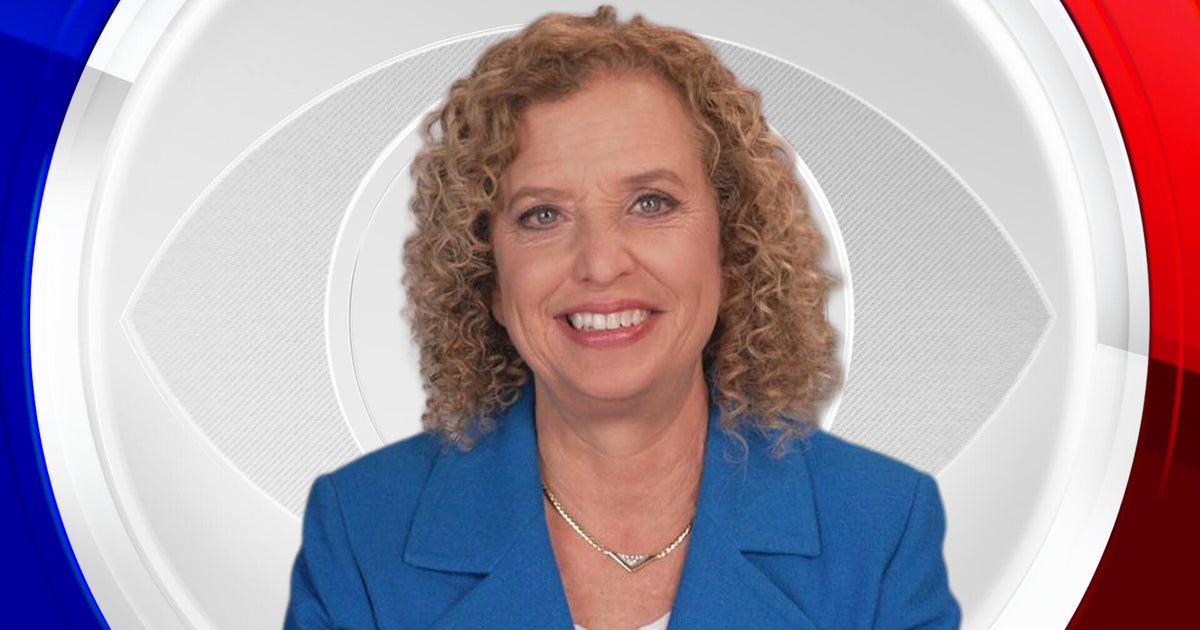
Congresswoman Debbie Wasserman Schultz won the Democratic primary for Florida’s new Congressional District 20. She will compete in the November general election against a Republican and an independent candidate.
Key Facts
Debbie Wasserman Schultz won the Democratic primary for Florida’s District 20.
She defeated four opponents: Sheila Cherfilus-McCormick, Dale Holness, Elijah Manley, and Luther Campbell.
The new district was created through Republican-led redistricting, eliminating her previous district.
District 20 includes mostly Black communities in central and western Broward County.
Wasserman Schultz emphasized making life more affordable as a top priority, including costs for gas, groceries, housing, and health care.
Her opponents tried but failed to unite behind fewer candidates to avoid splitting the Black vote.
Cherfilus-McCormick had previously resigned amid a congressional ethics investigation.
Wasserman Schultz will face Republican and independent candidates in the November election.
Read the Original
Want the full story? Tap a source to open the original
article.
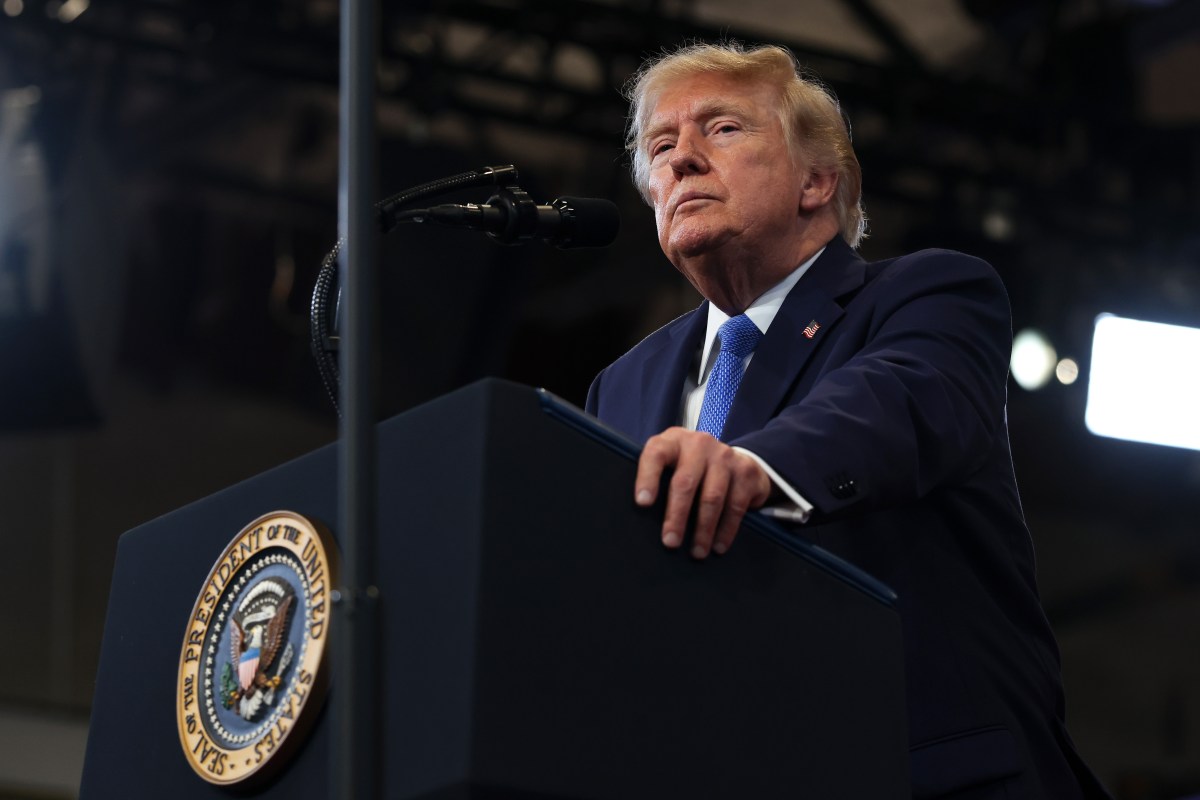
A recent poll shows President Donald Trump's approval rating is falling among millennials, with only 26% of people aged 30 to 44 approving of his presidency. Overall, 35% of adults approve of Trump’s job performance, while 61% disapprove, according to the Economist/YouGov poll conducted in mid-August.
Key Facts
President Trump’s approval among millennials (ages 30-44) dropped to 26%, down from 29% the previous week.
The poll surveyed 1,611 U.S. adults and has a margin of error of 3.4%.
Overall approval rating for Trump stands at 35%, with 61% of adults disapproving.
Among younger voters aged 18 to 29, 30% approve and 67% disapprove of Trump’s job.
Approval ratings for Trump’s handling of foreign policy and tariffs are particularly low among millennials and younger adults.
White House officials highlighted Trump’s policy achievements, including tax cuts, a drop in violent crime, lower prescription drug prices, and strong border enforcement.
Millennials are now the largest age group in the U.S. and are a key voting demographic for the 2024 election.
Other recent polls also show Trump’s approval rating is low among younger voters and the general population.
Read the Original
Want the full story? Tap a source to open the original
article.
On August 18, 2026, primary elections took place in Alaska, Florida, and Wyoming to select candidates for important Senate, House, and governor races. These primaries are shaping the choices voters will have in the November general elections, with notable candidates including incumbents, newcomers, and those endorsed by President Donald Trump.
Key Facts
Alaska held a nonpartisan top-four primary where the top four candidates, regardless of party, move to the general election.
Incumbent Republican Senator Dan Sullivan faces over a dozen challengers, including another Republican also named Dan Sullivan.
Former Democratic Rep. Mary Peltola is running for Senate in Alaska.
In Florida, redistricting by the Republican-controlled legislature created more GOP-friendly congressional districts.
Florida’s House seat vacated by Rep. Byron Donalds, who is running for governor, attracted several candidates including former members of Congress.
Wyoming’s Republican Rep. Harriet Hageman is running for the Senate seat of retiring Republican Sen. Cynthia Lummis, with President Trump’s endorsement.
Primaries in these states are crucial in narrowing the field for the upcoming general elections in key races.
Some candidates in Florida and Alaska have controversial backgrounds or legal issues, and some have been supported or endorsed by President Trump.
Read the Original
Want the full story? Tap a source to open the original
article.
Florida, Alaska, and Wyoming are holding important primary elections on Tuesday night. California is also having a special election to choose a new representative to finish former Rep. Eric Swalwell's term.
Key Facts
Florida, Alaska, and Wyoming have key primary elections happening on the same day.
These primaries will help decide some party candidates for upcoming elections.
California is holding a special election to fill the seat left by Rep. Eric Swalwell.
Rep. Eric Swalwell left his position before the end of his term.
The elections are part of the U.S. political process to select leaders.
CBS News is providing coverage and analysis of these elections.
Primary elections determine which candidates represent their parties in general elections.
Read the Original
Want the full story? Tap a source to open the original
article.
Rep. Jared Moskowitz won the Democratic primary in Florida against Oliver Larkin, a progressive challenger supported by the Democratic Socialists of America. Moskowitz is seeking his third term in a competitive House district.
Key Facts
Jared Moskowitz is a Democratic congressman from Florida.
He is running for his third term in the U.S. House of Representatives.
Moskowitz faced a challenger named Oliver Larkin in the Democratic primary.
Larkin is a progressive union organizer.
The Democratic Socialists of America supported Larkin’s campaign.
Moskowitz was projected to win the primary race.
The House seat is considered a toss-up, meaning it is competitive and could be won by either party.
Read the Original
Want the full story? Tap a source to open the original
article.
Rep. Debbie Wasserman Schultz won the Democratic primary for a U.S. House seat in South Florida. Some members of the party wanted a Black Democrat to represent the district, which has a plurality of Black voters, but Wasserman Schultz still won against four other Democratic candidates.
Key Facts
Debbie Wasserman Schultz is the current representative from Florida.
She ran in a Democratic primary for a House seat in Broward County, South Florida.
The district has a plurality of Black voters, meaning Black people make up the largest group but not the majority.
Some Democrats wanted a Black candidate to win the seat.
Wasserman Schultz defeated four other Democratic candidates in the primary.
Decision Desk HQ projected Wasserman Schultz as the winner.
The seat is important because it represents an area with a diverse population.
Read the Original
Want the full story? Tap a source to open the original
article.
Michael Caruso, a Palm Beach County Court clerk and former Florida Republican legislator, was arrested on multiple child sex abuse charges involving a relative. He previously supported a law allowing the death penalty for adults convicted of sexually abusing children under 12.
Key Facts
Michael Caruso, 67, was arrested for five felony child sex abuse charges including kidnapping and child molestation.
The alleged abuse occurred multiple times between fall 2024 and August 2025.
The victim is a relative who has been receiving therapy since April 2026.
Caruso was appointed court clerk by Florida Governor Ron DeSantis in August 2025.
Caruso had supported the 2023 Florida law allowing the death penalty for adults who sexually abuse children under 12.
Governor DeSantis suspended Caruso immediately after the arrest.
Caruso is running uncontested for reelection in November but is not on the primary ballot.
The investigation is ongoing, and prosecutors expect more charges.
Read the Original
Want the full story? Tap a source to open the original
article.
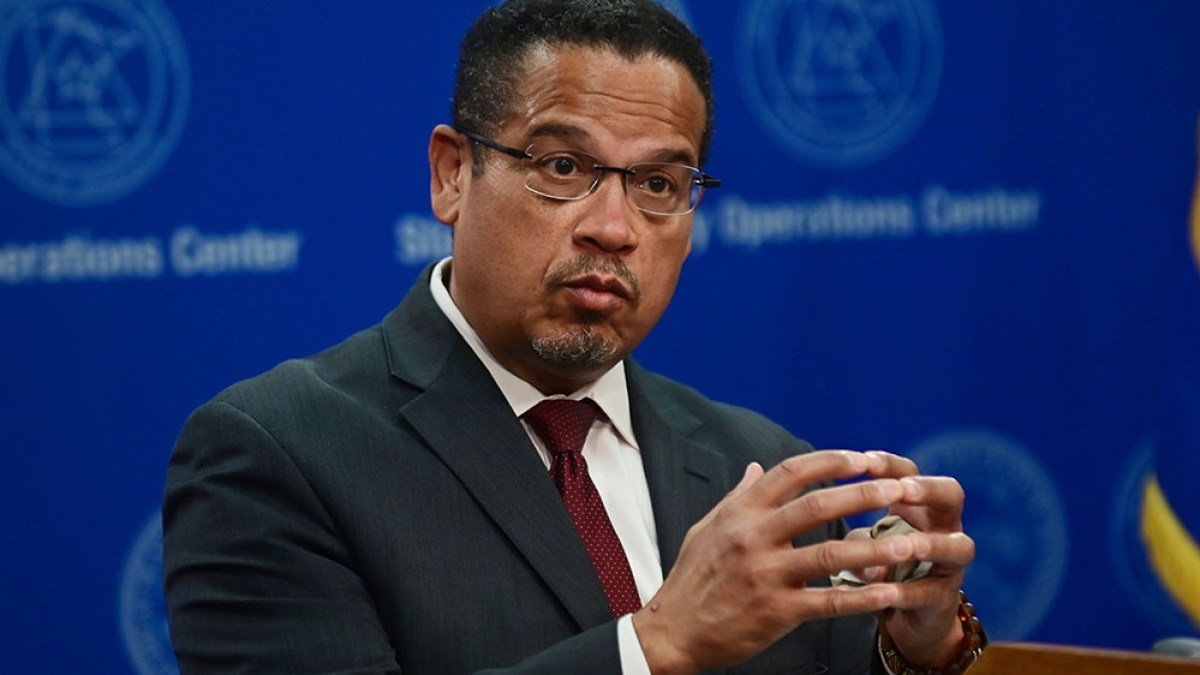
Minnesota’s attorney general is suing Texas Governor Greg Abbott to force the extradition of an ICE agent charged with shooting a man during an immigration operation in Minneapolis. The agent, Christian Castro, was arrested in Texas but has not been transferred to Minnesota for trial due to Texas officials delaying the process.
Key Facts
Minnesota Attorney General Keith Ellison filed a lawsuit against Texas Governor Greg Abbott.
The goal is to make Texas extradite ICE agent Christian Castro to Minnesota for trial.
Castro is charged with shooting Julio Cesar Sosa-Celis in Minneapolis during an immigration crackdown.
The shooting happened on January 14 during President Donald Trump’s immigration enforcement campaign.
Initial government claims said agents acted in self-defense, but video evidence contradicted this.
Federal prosecutors dropped charges against Sosa-Celis, and ICE agents involved were put on leave.
Castro faces state charges including second-degree assault and falsely reporting a crime.
Minnesota fears Castro might flee to Mexico if released in Texas.
Texas law allows Castro to be released after 90 days if extradition isn't approved.
Read the Original
Want the full story? Tap a source to open the original
article.
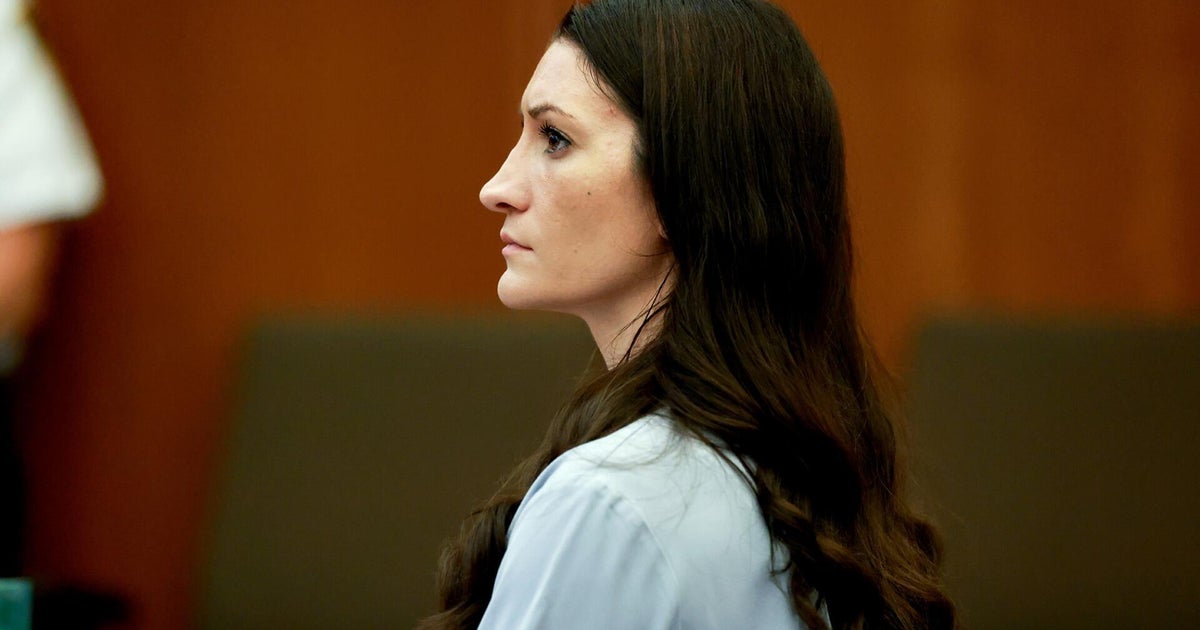
Lindsay Clancy admitted to killing her three young children in 2023. She is on trial for murder but says she had serious mental illnesses and was given too many medications.
Key Facts
Lindsay Clancy faces a murder trial for the deaths of her three children.
Clancy has admitted to the killings but pleads not guilty to murder charges.
Her defense says she had postpartum psychosis and bipolar disorder.
The defense argues that Clancy was overmedicated before the killings.
Multiple witnesses were called to testify at the trial on Tuesday.
The case highlights the treatment of severe mental illness in the U.S. legal system.
Experts and family members may provide testimony about her mental health.
Read the Original
Want the full story? Tap a source to open the original
article.
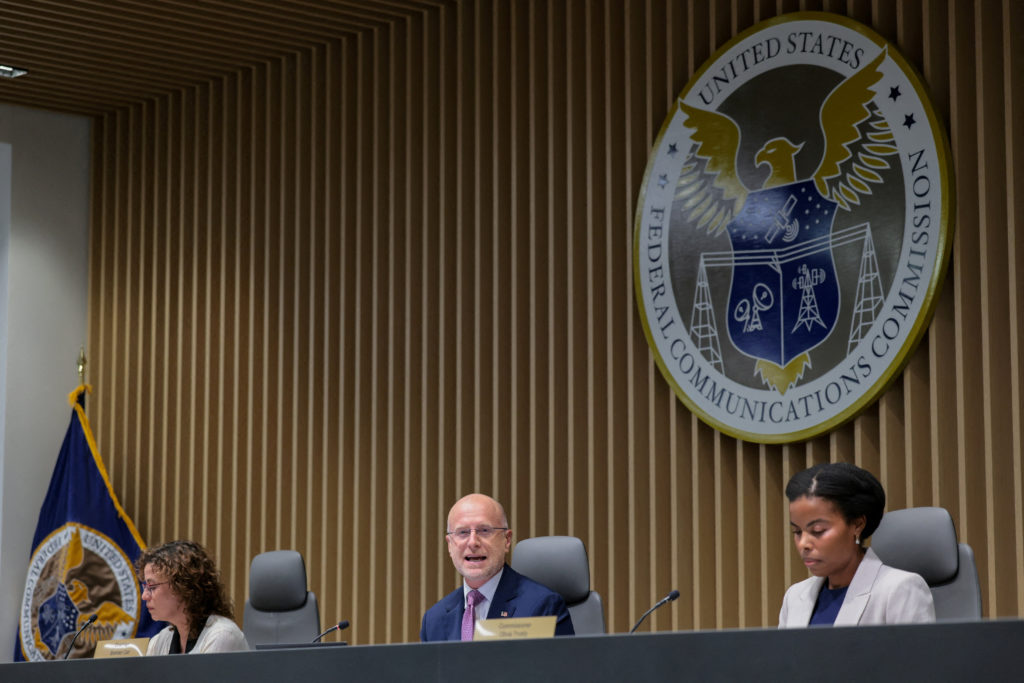
ABC has filed a lawsuit against the Federal Communications Commission (FCC), claiming the agency is using its power to punish the network and limit its free speech rights. The network says the FCC has launched investigations and threatened to revoke licenses of local ABC stations.
Key Facts
ABC sued the FCC over what it calls a retaliatory campaign.
The network accuses the FCC of trying to censor its broadcasts.
ABC says the FCC is using investigations as a way to pressure the network.
The FCC allegedly threatened to remove broadcast licenses from ABC’s local stations.
ABC claims these actions violate its right to free speech.
The issue was discussed with FCC Commissioner Anna Gomez on a news program.
Read the Original
Want the full story? Tap a source to open the original
article.
The U.S. Justice Department charged 17 Iranian nationals with running a large cyber theft operation. The group is accused of stealing data from American and other international organizations to benefit Iran’s Islamic Revolutionary Guard Corps (IRGC).
Key Facts
The DOJ unsealed an indictment against 17 Iranians on Tuesday.
The suspects are linked to the Mabna Institute, a company based in Iran.
They are accused of carrying out a coordinated cyber theft campaign.
The stolen information targeted U.S. and foreign institutions.
The operation was allegedly done to support Iran’s IRGC.
The indictment contains 14 charges related to cyber crimes.
The campaign is described as “massive” by U.S. officials.
This case reflects ongoing cyber conflicts involving Iran and the U.S.
Read the Original
Want the full story? Tap a source to open the original
article.
In important battleground states, some Republican candidates who doubt the 2020 election results are running for major state offices. If they win roles like governor or secretary of state, they could influence how future elections are run and confirmed.
Key Facts
The article focuses on key battleground states in the U.S.
Several Republican candidates question the legitimacy of the 2020 election.
These candidates are running for important statewide offices.
Offices include governor and secretary of state.
Winning these positions could affect election processes.
The election administration includes organizing and confirming election results.
The report is by White House correspondent Liz Landers.
Read the Original
Want the full story? Tap a source to open the original
article.
Voters in Alaska are deciding on a ballot measure to limit the power of large money donors in state and local elections. This comes amid broader national discussions about money in politics after the Supreme Court removed limits on coordinated spending by political parties.
Key Facts
Alaska voters are considering a ballot measure about campaign finance.
The measure aims to reduce the influence of big-money donors in elections.
The focus is on state and local elections in Alaska.
The issue relates to nationwide debates about money in politics.
A recent Supreme Court ruling struck down spending limits for political parties in national races.
The Supreme Court decision allows more coordinated spending with candidates.
Discussion on this topic was highlighted by Geoff Bennett and Daniel Weiner.
Read the Original
Want the full story? Tap a source to open the original
article.
The Agency for Healthcare Research and Quality (AHRQ), which helps improve healthcare in the U.S., has seen major staff cuts and grant cancellations recently. Lawmakers and experts are concerned that these actions, led by Health Secretary Robert F. Kennedy Jr. during President Trump’s second term, are harming important health research.
Key Facts
AHRQ works on patient safety, healthcare quality, and new medical practices since the 1990s.
The agency’s staff has been cut by about 75 percent during President Trump’s second term.
Around 150 research grants worth over $250 million have been canceled abruptly.
Despite Congress approving $345 million for AHRQ in 2026, only about $15 million has been spent on grants.
These cuts have caused research programs in more than 30 states to stop, with layoffs and halted projects.
Thirty Democratic senators called the grant cancellations “sabotage” and demanded the funding be restored.
Canceled research included projects on rural healthcare, maternal emergencies, home dialysis, antibiotic use, autism care, and pain management.
The health department under Secretary Kennedy defended the cuts, but senators asked for a response by August 25.
Read the Original
Want the full story? Tap a source to open the original
article.
President Trump is reducing joint military exercises with South Korea, one of the United States’ closest allies. He said this is because of the costs, his positive relationship with North Korean leader Kim Jong Un, and South Korea’s decision not to support the Iran conflict.
Key Facts
President Trump is cutting back joint military exercises with South Korea.
He mentioned the high cost of these exercises as a reason.
Trump highlighted his personal relationship with North Korean leader Kim Jong Un.
South Korea decided not to join the U.S. in any conflict involving Iran.
The changes show Trump’s focus on giving and receiving benefits in alliances.
Geoff Bennett spoke about this topic with retired Navy Rear Adm. Mark Montgomery.
Read the Original
Want the full story? Tap a source to open the original
article.
A whistleblower, a former Justice Department lawyer, claims that a task force created under President Donald Trump to fight antisemitism at universities pressured schools into settlements without proper investigations or evidence. The lawyer says the task force targeted schools for political reasons and ignored legal rules in its efforts.
Key Facts
The task force was started by the Justice Department under then-Attorney General Pam Bondi in February 2025.
The whistleblower is Haley Van Erem, who worked in the Civil Rights Division and was later assigned to investigate universities.
Investigations focused on Ivy League schools, including Columbia and Brown, originally starting with complaints about antisemitism at medical school ceremonies.
The complaint says investigations were rushed, incomplete, and outcomes were decided before looking at evidence.
The whistleblower left the department in May 2025 due to concerns over political pressure and lack of facts.
Allegations include targeting some faculty for their academic work or Muslim faith.
The Justice Department says it stands behind its investigations.
The issue is part of a larger debate about antisemitism and free speech on campus during protests related to Israel and Gaza.
Read the Original
Want the full story? Tap a source to open the original
article.
David Morens, a former senior adviser and associate of Dr. Anthony Fauci, pleaded guilty to a conspiracy charge related to trying to avoid responding to Freedom of Information Act (FOIA) requests from the U.S. government. The Justice Department released this information recently.
Key Facts
David Morens worked as a senior adviser at the National Institute of Allergy and Infectious Diseases (NIAID).
He was once an associate of Dr. Anthony Fauci.
Morens pleaded guilty to conspiracy to defraud the U.S. government.
The conspiracy involved efforts to evade FOIA requests, which are laws that allow the public to request government information.
The Justice Department announced this guilty plea.
The case was publicly reported after the plea was entered.
Read the Original
Want the full story? Tap a source to open the original
article.