The Centers for Disease Control and Prevention (CDC) reported that vaccination rates for U.S. kindergartners have dropped again for the 2025–2026 school year. At the same time, the number of children exempted from vaccines for personal or religious reasons has increased.
Key Facts
Only 92.4% of kindergartners received the MMR vaccine in 2025–2026, below the 95% threshold needed to prevent disease outbreaks.
Vaccination rates for other vaccines like DTaP (diphtheria, tetanus, whooping cough) also declined slightly.
More than half of U.S. states saw decreases in vaccination coverage for several common vaccines.
Nonmedical exemptions rose from 3.2% to 4% of kindergartners between 2024–2025 and 2025–2026.
Medical exemptions remained steady at 0.2%.
Twenty-four states now have exemption rates of 5% or higher, which is too high to reach the 95% vaccination goal.
Measles cases in the U.S. are at a 34-year high and the country is close to losing its measles elimination status.
President Donald Trump and Health Secretary Robert F. Kennedy Jr. recently supported reducing the number of child vaccines recommended, despite lacking scientific support.
Read the Original
Want the full story? Tap a source to open the original
article.
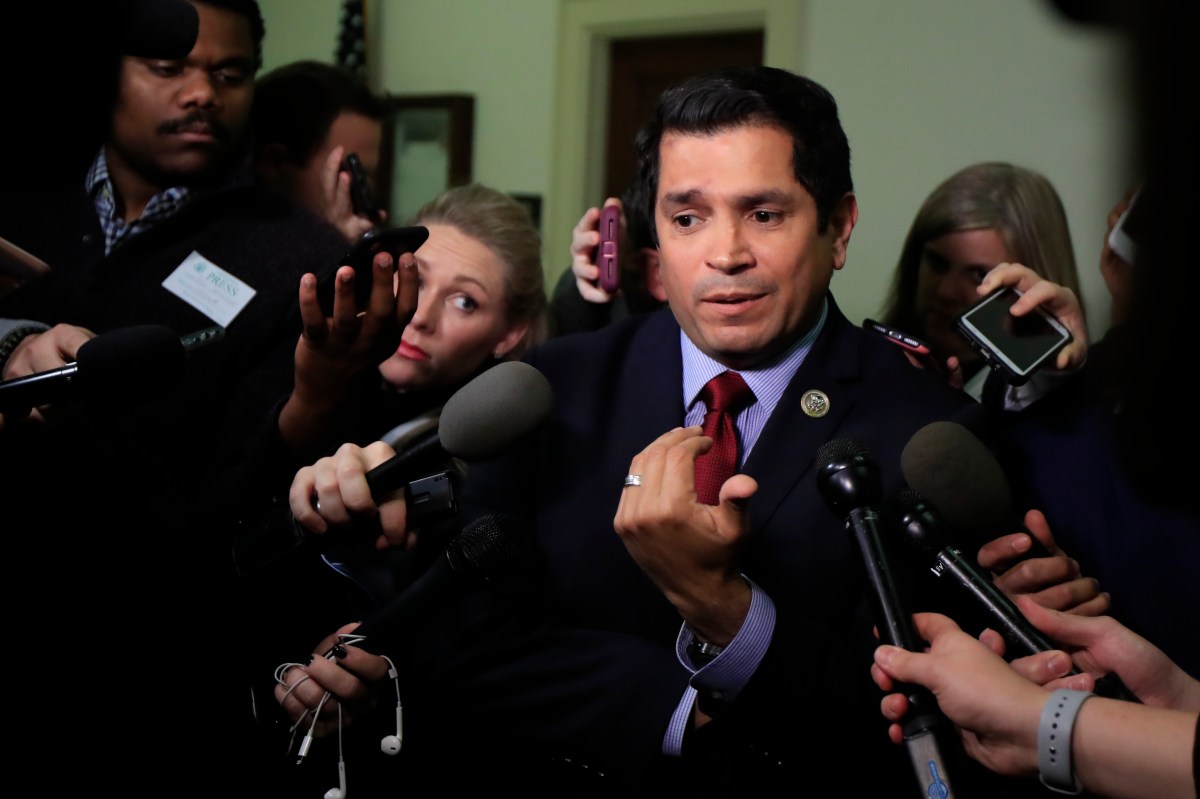
Congressman Jimmy Gomez from California is being investigated by the House Ethics Committee for allegedly having inappropriate sexual contact with a congressional staffer. Gomez denies breaking any rules and says the conduct was consensual, while promising to cooperate with the inquiry.
Key Facts
Jimmy Gomez is a Democratic congressman representing California’s 34th District.
The House Ethics Committee is investigating allegations of inappropriate sexual contact between Gomez and a congressional staffer.
The reported misconduct allegedly took place in 2023 and involved a staffer working for another lawmaker.
House rules ban sexual relationships between members and their own office staffers, but relationships with staffers in other offices have no clear rule.
Gomez says he made personal mistakes but did not violate any House rules or laws.
The investigation is ongoing, and no final decision has been made about wrongdoing.
Gomez has served in Congress since 2017 and holds leadership roles, including deputy whip and membership on the Ways and Means Committee.
His primary election opponent has criticized him, using the investigation to question his fitness for office.
Read the Original
Want the full story? Tap a source to open the original
article.
President Donald Trump’s approval rating among Hispanic and Latino men has dropped sharply in recent months, despite winning this group in the 2024 election. Polls show that economic concerns are a major reason for this decline, which could affect the midterm elections in states with large Hispanic and Latino populations.
Key Facts
President Trump won Hispanic and Latino men by 10 points in the 2024 election.
Hispanic and Latino voters typically support Democrats but shifted toward Trump in 2024 in key states like Arizona and Nevada.
Trump’s approval rating among Hispanic men has fallen to a negative 41 points according to CNN polling data.
Economic issues are a significant factor in the decline of Trump’s support among Hispanic men, with a -49 point approval on the economy.
Hispanic men currently favor Democrats by 20 points for the upcoming midterm elections.
Redistricting in states like Florida and Texas was influenced by 2024 voting patterns, but shifts back to Democrats could make districts more competitive.
A poll from Civiqs shows 59% of Hispanic and Latino men disapprove of Trump, while 36% approve.
White House spokesperson stated President Trump continues working on jobs, inflation, and housing to benefit Americans.
Read the Original
Want the full story? Tap a source to open the original
article.
President Donald Trump has directed the U.S. military to decrease joint military exercises with South Korea. He made this decision after South Korea chose not to support the U.S. in its efforts to eliminate nuclear weapons in Iran.
Key Facts
President Trump ordered a reduction in joint military exercises between the U.S. and South Korea.
The decision came after South Korea did not join the U.S. campaign to denuclearize Iran.
The Pentagon is responsible for carrying out military exercises with South Korea.
Joint military exercises involve training and cooperation between the two countries' armed forces.
This announcement was made over a weekend and reported by CBS News.
Read the Original
Want the full story? Tap a source to open the original
article.
The Trump administration has paused construction work on a border-security project inside Big Bend National Park in Texas. U.S. Customs and Border Protection Commissioner Rodney Scott will personally review the project and meet local groups before deciding how to proceed.
Key Facts
Construction in Big Bend National Park has been stopped temporarily by the Trump administration.
Commissioner Rodney Scott announced the pause to perform a personal review and talk to local people.
The project includes building one new access road, improving current roads, placing vehicle barriers, and installing detection technology.
Officials say there is no plan to build a traditional 30-foot border wall inside the park.
Environmental groups, tribal advocates, and local residents have raised concerns about damage to the park’s natural and cultural areas.
The park covers over 800,000 acres and is an important and remote natural area along the U.S.-Mexico border.
Critics worry that road construction and barriers could harm wildlife and the landscape, especially near Mariscal Mountain.
Legal actions have been started by environmental and tribal groups to try to stop the work.
Read the Original
Want the full story? Tap a source to open the original
article.
Nevada ranchers, including fifth-generation cattle rancher Justin Snow, are opposing the U.S. Navy’s plan to expand a military training area on public lands they use for grazing cattle. The ranchers rely on permits that allow them to use public land for cattle feed at low cost, but the Navy’s expansion could force them to close their family operations.
Key Facts
Justin Snow and his family have grazed cattle on federal land in Nevada for generations under a permit system.
The Snows bought their grazing permit with a loan and pay a small fee per cow to use the public land.
Grazing on public land saves the Snows about $25,000 a month compared to buying all feed.
The U.S. Navy wants to expand the Fallon Range Training Complex for military training, affecting the ranchers’ grazing land.
The Navy says the expansion is important for national security but acknowledges the impact on ranchers’ families and livelihoods.
Ranchers fear losing their ability to graze cattle could end traditional family ranching operations.
This land conflict is one of the largest military expansions in decades and may influence grazing rights across the Western U.S.
The issue has attracted attention from ranchers and leaders in other states who watch its outcome closely.
Read the Original
Want the full story? Tap a source to open the original
article.
A New Hampshire nonprofit group filed a lawsuit against a new state law that stops students from using their school IDs to vote. The group says the law, signed by Governor Kelly Ayotte, will make it harder for young voters who do not have driver’s licenses to prove their identity when voting.
Key Facts
The Coalition for Open Democracy filed the lawsuit in U.S. District Court.
The lawsuit challenges House Bill 323, passed in June 2026, which bans student IDs as valid voter identification.
Governor Kelly Ayotte signed HB 323 into law in June 2026.
Secretary of State David Scanlan issued a directive extending the ban on student IDs beyond the original law.
Many young voters between 18-24 years old do not have driver’s licenses and rely on student IDs.
Alternative IDs like passports and military IDs are still accepted but less commonly used by youth.
The group argues the law adds unnecessary barriers that do not improve election security.
A court hearing on the case is scheduled for August 31, 2026.
Read the Original
Want the full story? Tap a source to open the original
article.
President Donald Trump honored a 16-year-old lifeguard, Ryder Williams, and the 10-year-old boy he rescued, Nathaniel Rai, at the White House. The rescue happened off the coast of California in July and was caught on a video that became very popular online.
Key Facts
Ryder Williams is a 16-year-old lifeguard who rescued Nathaniel Rai, a 10-year-old boy, from the ocean in Santa Cruz, California.
The rescue video went viral and has been seen millions of times around the world.
President Trump met both boys and their families in the Oval Office on August 17, 2026.
Trump called Williams a “real hero” and praised Nathaniel for staying calm during the rescue.
Williams credited his training for helping him act quickly and safely during the emergency.
Williams wants to train as a paramedic and become a firefighter in the future.
Trump invited the boys to see the Lincoln Bedroom and hinted at giving Williams good recommendations for his future goals.
Lifeguard Aaron Bohnen also helped in the rescue and joined the meeting.
Read the Original
Want the full story? Tap a source to open the original
article.
U.S. Immigration and Customs Enforcement (ICE) is proposing to help local police officers by subsidizing liability insurance when they make immigration arrests. This plan aims to reduce officers’ financial risks if they face claims of wrongdoing while enforcing federal immigration laws.
Key Facts
ICE wants to pay part of the cost for local officers’ liability insurance, which covers legal fees and settlements if officers are accused of misconduct.
Officers would buy insurance with coverage up to $500,000 and get reimbursed up to $250 a year.
This proposal is meant for local officers trained and authorized to enforce federal immigration laws under a program called 287(g).
ICE’s local partnerships have grown since President Trump returned to office in 2024, with about 1,600 agencies in 32 states involved.
These partnerships allow local officers to arrest and charge people suspected of being in the country illegally.
Arrests by local partners increased to around 3,000 per month in early 2026.
The plan is still under review, and ICE is asking for feedback from industry sources before moving forward.
Critics worry this insurance might protect officers from being held accountable for violating rights.
Read the Original
Want the full story? Tap a source to open the original
article.
People in Merced, California, held a rally to ask for justice for a husky named Sweetie, who is part of an animal cruelty investigation. Sweetie was taken from her owner after reports of neglect, and the local police and prosecutors are deciding if charges will be filed.
Key Facts
Sweetie is a husky dog involved in an animal cruelty case in Merced, California.
Authorities are investigating allegations of abuse and neglect by Sweetie's owner, who is an unhoused man.
Photos and videos of Sweetie, showing her in poor condition, went viral online.
Animal advocates want the owner to lose custody and be prevented from having animals in the future.
Sweetie is currently in protective custody and is reported to be eating well and showing affection.
The police collected evidence over weeks and sent it to the District Attorney’s Office for review.
Supporters encourage residents to speak up at the Merced City Council meeting to raise awareness.
The Merced Society for the Prevention of Cruelty to Animals is actively involved in the case.
Read the Original
Want the full story? Tap a source to open the original
article.
Lindsay Clancy is on trial for killing her three children in January 2023. Her defense says she was suffering from postpartum mental illness and not fully responsible for her actions, while the prosecution argues otherwise.
Key Facts
Lindsay Clancy killed her three children aged five, three, and eight months in January 2023.
Clancy’s mother testified that Lindsay had expressed thoughts of harming the children before the killings.
Lindsay told her mother she felt the medication for postpartum depression was harming her mind.
Lindsay sent a text saying she was very sick, struggling daily, and did not want to be alone shortly before the incident.
Family members said Lindsay showed symptoms of depression, paranoia, and suicidal thoughts before the tragedy.
Defense lawyers argue Lindsay was affected by postpartum mental illness and lacked criminal responsibility.
If convicted of first-degree murder, Lindsay faces life in prison without parole.
Digital evidence showed Lindsay searched online for depression treatments and symptoms of postpartum psychosis days before the killings.
Read the Original
Want the full story? Tap a source to open the original
article.
A recent Gallup poll found that fewer American adults are gambling now compared to ten years ago. In the poll, 45% of people said they gambled in the past year, which is a decrease from 64% ten years ago and 63% in 2007.
Key Facts
The poll shows a drop from 64% to 45% in adults gambling over the past decade.
In 2007, 63% of American adults reported gambling.
The poll was conducted by Gallup, a well-known polling company.
The decrease in gambling participation suggests changed habits or interests.
The poll asked about any gambling activity in the past year.
The results cover American adults across various ages and groups.
No specific reasons for the decline were mentioned in the article.
Read the Original
Want the full story? Tap a source to open the original
article.
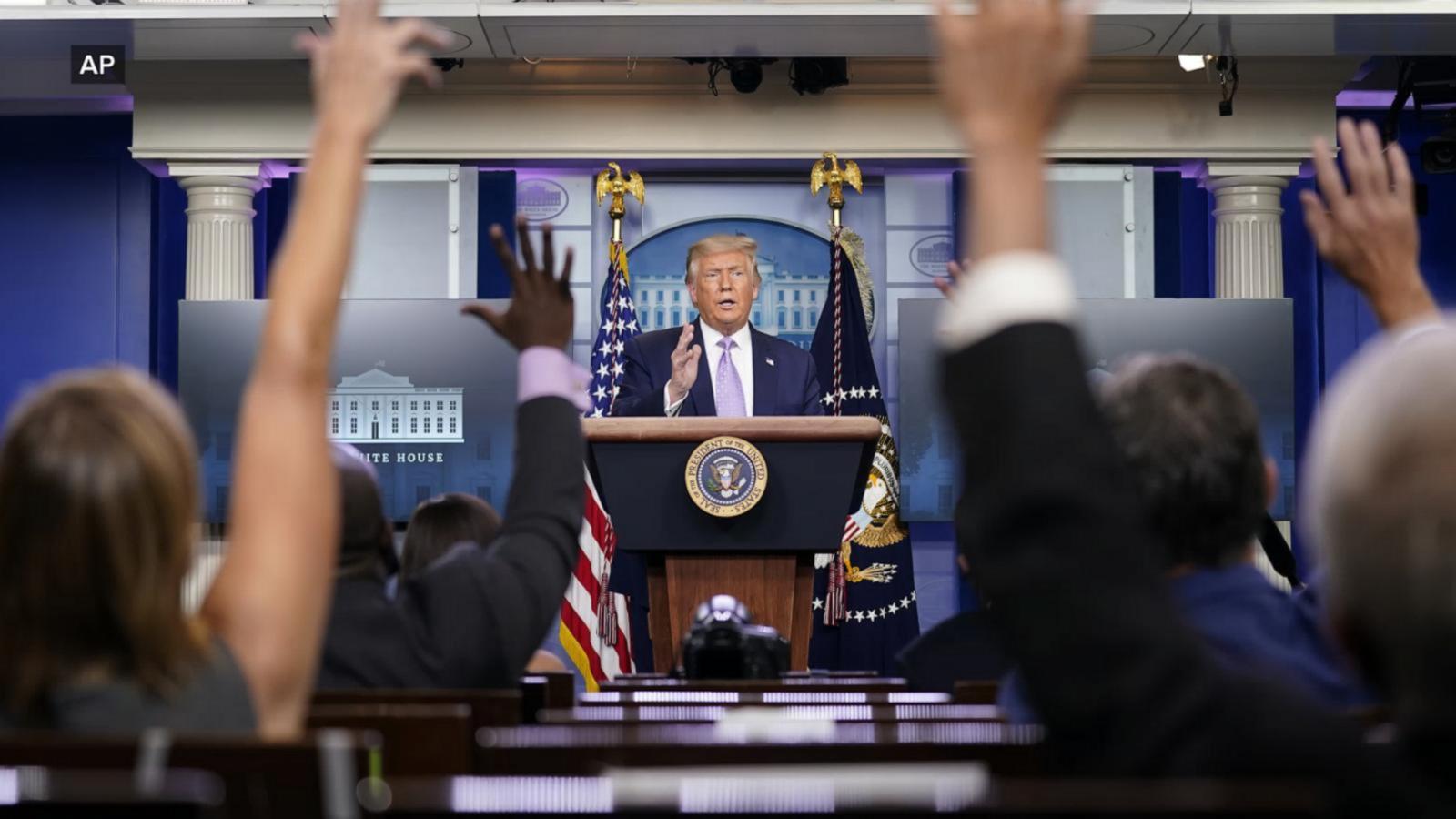
President Donald Trump is facing a lawsuit for selling early access to his social media posts. The article discusses the details of who is suing the president and expert views on how this intersects with politics and prediction markets.
Key Facts
President Donald Trump is being sued over allowing some people to see his social media posts before others.
The lawsuit relates to selling early access, which is being challenged legally.
The article features commentary from ABC News' Mike Dobuski.
Prediction markets expert Robin Hanson provides insight into the connection between politics and prediction markets.
The situation highlights new legal questions about social media use by a sitting president.
The lawsuit was reported on August 17, 2026.
No detailed information about the plaintiffs or specific legal claims is provided in the article snippet.
The issue involves digital communication and political activities of President Trump.
Read the Original
Want the full story? Tap a source to open the original
article.
The trial of Duane Davis, accused of arranging the 1996 murder of rapper Tupac Shakur, has started in Las Vegas. Prosecutors say Davis planned the shooting as revenge for an attack on his nephew and supplied the gun, but he denies the charges. The case is significant because it may resolve a high-profile killing that happened over 30 years ago.
Key Facts
Duane Davis is charged with murder using a deadly weapon and promoting a criminal gang.
The shooting occurred in 1996 near the Las Vegas Strip and resulted in Tupac Shakur’s death.
Prosecutors claim Davis was the leader behind the attack, motivated by the beating of his nephew by Shakur’s group.
Davis has pleaded not guilty and says there is little evidence against him after three decades.
Davis is accused of providing the gun used in the shooting but not firing it himself.
The trial could last up to six weeks and follows Davis’s recent public statements about the case.
Tupac Shakur was a famous rapper who became an icon during the 1990s.
Death Row Records co-founder Marion “Suge” Knight, who was with Tupac during the shooting, may testify; he is currently serving prison time for another crime.
Read the Original
Want the full story? Tap a source to open the original
article.
From April 2027, disabled people in England will be able to use their free bus passes at any time of day. This policy, led by Mayor Andy Burnham and supported by the government, aims to make bus travel more accessible and affordable for disabled people across the country.
Key Facts
Disabled bus pass holders currently can only use their passes between 9:30 a.m. and 11 p.m. on weekdays in England.
Starting April 1, 2027, these time limits will be removed, allowing free bus travel all day and night.
Andy Burnham provided £60 million in funding for this change, with £40 million from the Department for Work and Pensions and £20 million from the Department for Transport.
The policy has been in place in Greater Manchester since March and will now apply nationwide.
The government says the change will help disabled people access work, education, healthcare, and reduce living costs.
Transport Secretary Heidi Alexander said the move will end unequal support based on location.
The government is also keeping a £2 bus fare cap throughout 2027 and will offer free bus travel to under-16s this summer.
Disability charities and bus user groups praised the policy for promoting independence and reducing barriers.
Read the Original
Want the full story? Tap a source to open the original
article.
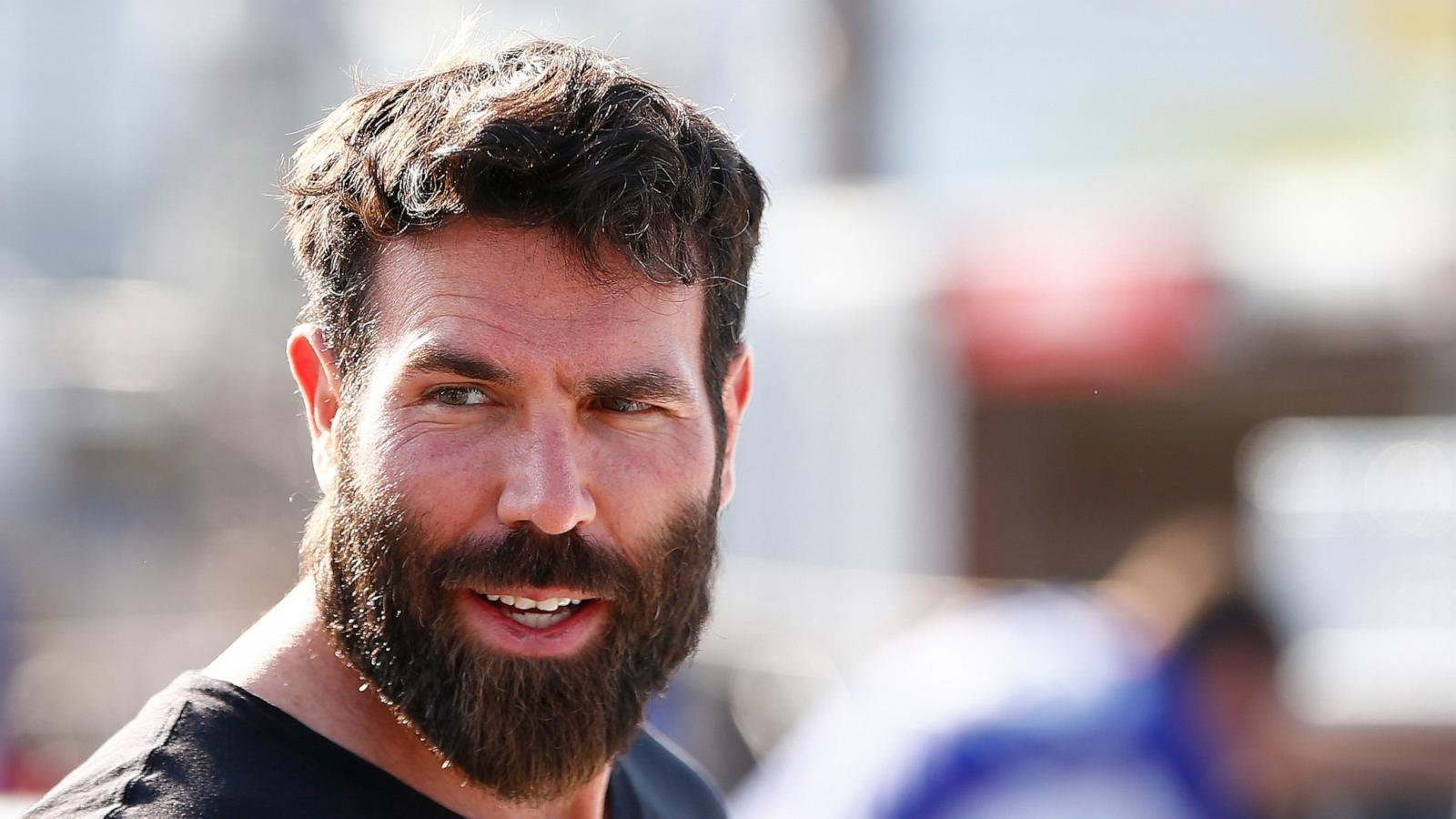
Dan Bilzerian, a far-right candidate running in Florida’s 6th Congressional District Republican primary, has been widely criticized by leaders from both parties for spreading antisemitic attacks against Jewish Rep. Randy Fine. Both House Speaker Mike Johnson and Minority Leader Hakeem Jeffries condemned Bilzerian’s rhetoric, calling it hateful and unacceptable in U.S. politics.
Key Facts
Dan Bilzerian is challenging Rep. Randy Fine in the Republican primary for Florida’s 6th Congressional District.
Bilzerian has posted antisemitic ads and messages, including references to Adolf Hitler and harmful Jewish stereotypes.
House Speaker Mike Johnson and Minority Leader Hakeem Jeffries publicly condemned Bilzerian’s antisemitic campaign.
Other Republicans, including Rep. Don Bacon and Sen. Ted Cruz, also expressed disgust at Bilzerian’s rhetoric.
U.S. Ambassador to Israel Mike Huckabee called Bilzerian’s statements “possibly the most disgusting political thread” he had seen.
Rep. Randy Fine, who is Jewish, has also faced criticism for past remarks about Muslims and Palestinians.
Bilzerian supports ending all U.S. foreign aid, including aid to Israel, and promotes claims that Jewish interest groups control the country.
Several far-right candidates in Florida have been critical of Israel during this election cycle.
Read the Original
Want the full story? Tap a source to open the original
article.
The CDC reported that vaccine rates for kindergartners in the U.S. fell during the 2025-2026 school year, with more children exempted from vaccines. This decline took place while President Trump made changes to vaccine policies and as measles cases rose.
Key Facts
Vaccine exemptions in kindergartners rose to 4.2% nationwide, up from 3.6% the previous year.
Declines in vaccine coverage occurred for MMR (measles, mumps, rubella), DTaP (diphtheria, tetanus, pertussis), polio, and varicella vaccines.
About 280,000 kindergartners did not have proof of completing the two-dose MMR vaccine series in 2025-2026.
Approximately 155,000 kindergartners were exempt from one or more vaccines.
Twenty-four states reported vaccine exemption rates above 5%.
MMR vaccine coverage ranged from 98.9% in West Virginia to 75.2% in Idaho.
President Trump signed an executive order recommending a shorter childhood vaccine schedule and splitting the MMR vaccine into three doses.
Experts warn that small drops in vaccination rates can significantly reduce community protection against diseases like measles.
Read the Original
Want the full story? Tap a source to open the original
article.
The Justice Department has created a new rule that allows some people with felony convictions to apply to get their gun rights back. This rule was introduced by Attorney General Todd Blanche to help nonviolent felons restore their legal right to own guns.
Key Facts
The Justice Department finalized a new rule on gun rights restoration.
It applies to people barred from owning guns due to felony convictions.
The rule creates a formal process for these people to apply to get their gun rights restored.
Attorney General Todd Blanche approved the new process.
The change aims to help nonviolent felons regain their Second Amendment rights.
Second Amendment advocates support this new pathway.
The rule is focused on legal gun ownership restoration after felony convictions.
Read the Original
Want the full story? Tap a source to open the original
article.
Health Net, a major insurer for California’s Medi-Cal program, is ending its assisted living benefit at the end of the year. This decision affects about 3,500 elderly patients who rely on this coverage to pay for assisted living care, raising concerns about their future housing and care.
Key Facts
Health Net will stop providing assisted living benefits to Medi-Cal members after this year.
Around 3,500 disabled or elderly people depend on this benefit in California.
Assisted living helps cover most costs of 24-hour care in board-and-care or memory care homes.
The monthly cost for assisted living is typically $5,000 to $7,000; nursing homes cost about $10,000 or more.
Some patients may face homelessness or emergency hospital visits due to the loss of coverage.
Medi-Cal is California’s public health insurance program for low-income residents and people with disabilities.
Other plans linked to Health Net have also announced plans to end this benefit.
The state says assisted living support is optional for insurers and can be changed yearly.
Read the Original
Want the full story? Tap a source to open the original
article.
Vaccination rates among U.S. kindergarten children slightly dropped again in the 2025-26 school year, while more parents are choosing to exempt their kids from vaccines for reasons other than medical issues. Experts link this decline partly to recent changes and mixed messaging about vaccine recommendations from federal health officials under President Donald Trump’s administration.
Key Facts
About 4.2% of kindergarten children were exempted from vaccines in 2025-26, up from 3.6% the previous year, totaling roughly 155,000 kids.
Exemption rates have set new records for four years in a row and rose in 41 states plus Washington, D.C.
Vaccination coverage for measles, mumps, and rubella decreased slightly to 92.4%, down from 95% before the COVID-19 pandemic.
Rates also fell for polio, the diphtheria-tetanus-pertussis combo vaccine, and chickenpox vaccines, while hepatitis B vaccine rates stayed steady.
Health experts say confusion caused by changing federal vaccine guidelines has contributed to the drop in vaccination rates.
President Donald Trump has promoted spacing out childhood vaccines across multiple doctor visits, a practice not supported by most medical research.
The U.S. is experiencing its worst measles outbreak since 1991, with over 250,000 kindergarten children possibly vulnerable.
Public health officials emphasize the importance of vaccines to keep children healthy and prevent disease outbreaks in schools.
Read the Original
Want the full story? Tap a source to open the original
article.