Vaccination rates among U.S. kindergarten children slightly dropped again in the 2025-26 school year, while more parents are choosing to exempt their kids from vaccines for reasons other than medical issues. Experts link this decline partly to recent changes and mixed messaging about vaccine recommendations from federal health officials under President Donald Trump’s administration.
Key Facts
About 4.2% of kindergarten children were exempted from vaccines in 2025-26, up from 3.6% the previous year, totaling roughly 155,000 kids.
Exemption rates have set new records for four years in a row and rose in 41 states plus Washington, D.C.
Vaccination coverage for measles, mumps, and rubella decreased slightly to 92.4%, down from 95% before the COVID-19 pandemic.
Rates also fell for polio, the diphtheria-tetanus-pertussis combo vaccine, and chickenpox vaccines, while hepatitis B vaccine rates stayed steady.
Health experts say confusion caused by changing federal vaccine guidelines has contributed to the drop in vaccination rates.
President Donald Trump has promoted spacing out childhood vaccines across multiple doctor visits, a practice not supported by most medical research.
The U.S. is experiencing its worst measles outbreak since 1991, with over 250,000 kindergarten children possibly vulnerable.
Public health officials emphasize the importance of vaccines to keep children healthy and prevent disease outbreaks in schools.
Read the Original
Want the full story? Tap a source to open the original
article.
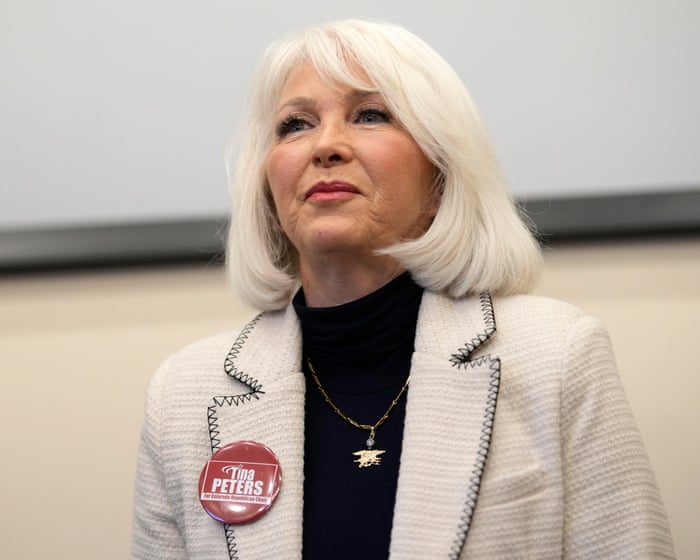
A California county plans to hire Tina Peters, a Colorado election official convicted of crimes related to voting system breaches, as a consultant on elections. Peters, recently released from prison, will not have access to voting machines, but her hiring highlights ongoing election distrust in the county.
Key Facts
Shasta County, California, will hire Tina Peters as an election consultant.
Tina Peters was convicted of multiple crimes in 2024 for allowing unauthorized access to voting equipment in Colorado.
Peters was released from prison in June after Colorado’s Democratic governor commuted her nine-year sentence.
The Shasta County election official, Clint Curtis, supports hiring Peters but says she will not access voting systems.
Shasta County has a history of rejecting voting machine companies like Dominion and pushing hand-count votes, despite expert warnings.
The county has seen candidates and officials promote baseless claims of election fraud and legal challenges to election results.
Curtis, also a critic of voting machines, faces accusations of creating a hostile workplace and violating county rules.
Colorado’s Secretary of State said it is troubling that Peters could influence election administration in California.
Read the Original
Want the full story? Tap a source to open the original
article.
Many people in the United States are protesting against the use of Flock surveillance cameras by the police. Some reports say officers have used these cameras to follow people they know, like ex-wives or girlfriends, which has raised privacy concerns.
Key Facts
Flock cameras are used by police for surveillance in communities.
There are growing protests from Americans about the use of these cameras.
Some police officers are reported to misuse the cameras to stalk civilians.
Misuse includes following people the officers know personally, such as ex-wives or girlfriends.
CBS News reporter Anna Schecter interviewed Flock's CEO, Garrett Langley, about these issues.
The controversy centers on privacy and proper use of surveillance technology by law enforcement.
Read the Original
Want the full story? Tap a source to open the original
article.
The Centers for Disease Control and Prevention (CDC) reported that the number of kindergarten children vaccinated for measles, mumps, and rubella (MMR) in the U.S. is still below the level needed to stop large outbreaks. The data also show that more parents are choosing to exempt their children from this vaccine.
Key Facts
The CDC monitors MMR vaccination rates among kindergarteners across the U.S.
Current vaccination coverage is below the target needed to prevent disease outbreaks.
The ideal vaccination rate helps create herd immunity, protecting those who cannot be vaccinated.
The number of vaccine exemptions has increased recently.
Exemptions allow children to skip vaccinations for medical, religious, or personal reasons.
Lower vaccination rates raise the risk of measles, mumps, or rubella outbreaks in schools.
The CDC released these latest vaccination figures on a recent Monday.
Read the Original
Want the full story? Tap a source to open the original
article.
A new Reuters/Ipsos survey shows that 33% of Americans approve of President Donald Trump’s job performance, while 64% disapprove. The poll was done with 1,166 people and has a margin of error of 3 points.
Key Facts
The poll took place from Friday through Monday.
33% of respondents said they approve of President Trump’s work.
64% said they disapprove of his job performance.
The survey included 1,166 participants.
The margin of error for the poll is plus or minus 3 percentage points.
This approval rating is 2 points lower than two weeks ago.
The poll was conducted by Reuters and Ipsos.
The survey measures public opinion on President Trump’s current job performance.
Read the Original
Want the full story? Tap a source to open the original
article.
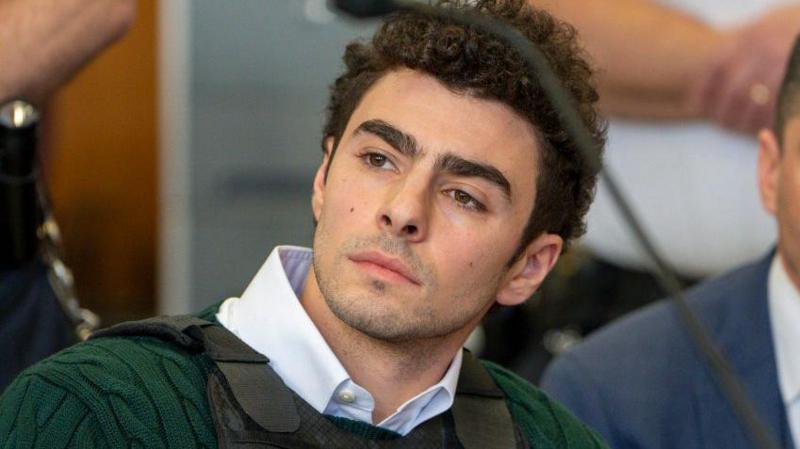
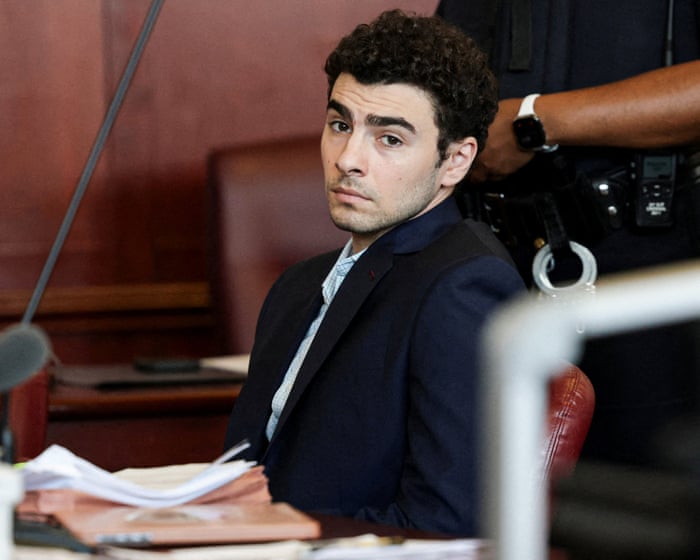
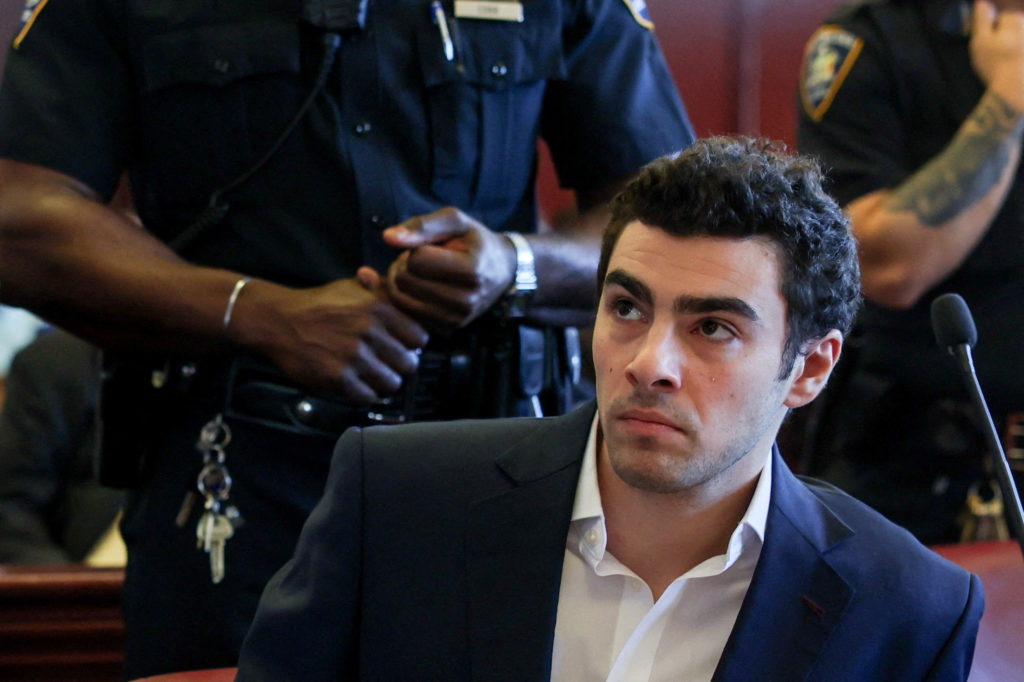
Luigi Mangione’s state murder trial was delayed after he pleaded guilty to federal charges for killing United Healthcare CEO Brian Thompson. His lawyers are asking a judge to dismiss the state case, saying it would be double punishment for the same crime.
Key Facts
Luigi Mangione pleaded guilty to federal criminal stalking charges related to killing Brian Thompson.
Brian Thompson was the CEO of United Healthcare.
Mangione admitted to killing Thompson in December 2024.
His state murder trial in New York was postponed.
The defense argues that the state case should be dismissed due to double jeopardy, which means being tried twice for the same crime.
The Manhattan District Attorney must reply to the dismissal request by 9 October.
Jury selection for the state trial was planned for 8 September but is now delayed.
The next court date is set for 10 December.
Read the Original
Want the full story? Tap a source to open the original
article.
President Donald Trump said Iran will not agree to the type of deal he thinks is needed to stop it from getting a nuclear weapon. He said Iran cannot have a nuclear weapon and that previous U.S. strikes have set back Iran’s nuclear program.
Key Facts
President Donald Trump believes Iran will not accept a deal to prevent nuclear weapons.
He insists Iran should not have a nuclear weapon.
Trump mentioned that past U.S. military actions damaged Iran’s nuclear capabilities.
He thinks it will take Iran a long time to rebuild its nuclear program.
The statement reflects ongoing U.S. concerns about Iran’s nuclear ambitions.
Read the Original
Want the full story? Tap a source to open the original
article.
The U.S. Supreme Court has for the second time refused to hear President Donald Trump’s appeal in a civil case where he was found liable for sexually abusing and defaming writer E Jean Carroll. This means the jury's verdict and the court’s $5.8 million judgment against Trump are final and cannot be changed.
Key Facts
The Supreme Court denied Trump’s request to reconsider its earlier decision rejecting his appeal.
The case involves allegations that Trump sexually abused E Jean Carroll in 1996.
A jury found Trump liable for sexual abuse and defamation in 2023.
Carroll has received about $5.8 million in damages after Trump’s failed appeals.
This is the second defamation lawsuit Carroll has won against Trump.
Trump denied the abuse claim and called Carroll’s allegations false.
Trump is also appealing a separate $83.3 million judgment linked to a related defamation case.
The dispute began after Carroll published a memoir accusing Trump of rape, which he denies.
Read the Original
Want the full story? Tap a source to open the original
article.
President Donald Trump’s approval rating has dropped to 33 percent, the lowest of his current term. Many Americans worry the US involvement in the war with Iran will continue for a long time, and rising fuel prices are causing concern.
Key Facts
A Reuters/Ipsos poll found 33% of Americans approve of President Trump’s job performance.
The 33% approval matches the lowest rating from December 2017 during his first term.
64% of Americans disapprove of how President Trump is handling his job.
80% of Americans believe US involvement in the Iran conflict will last a long time.
Gasoline prices have risen nearly 33% compared to a year ago, according to the American Automobile Association.
President Trump said paying slightly more for gas is worth stopping Iran from having nuclear weapons.
Only 16% of Americans think the Iran conflict will end in a few weeks.
Just one-third of self-identified MAGA voters think the economic costs of the war with Iran are justified.
Read the Original
Want the full story? Tap a source to open the original
article.
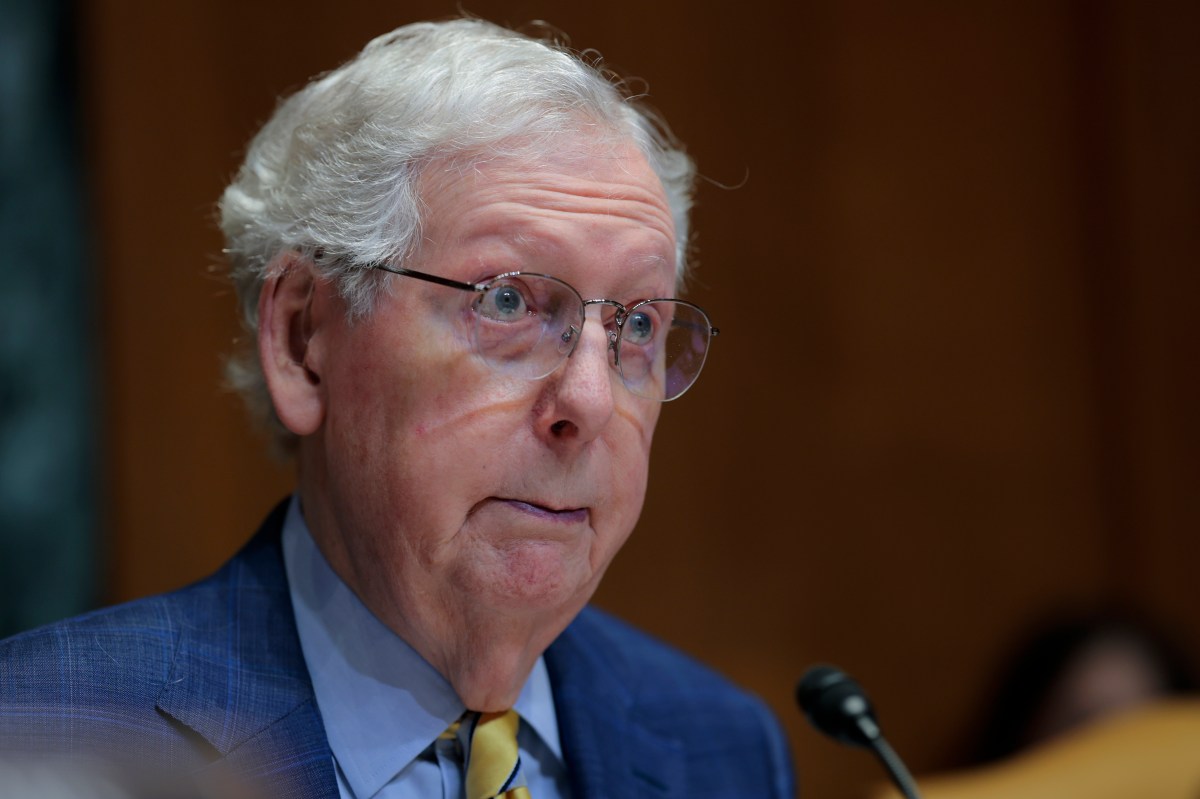
Senator Mitch McConnell has been receiving full pay while taking medical leave after a fall in June, highlighting the difference between congressional leave and maternity leave for many Americans. Unlike members of Congress, most U.S. workers, especially women giving birth, do not have guaranteed paid leave under federal law.
Key Facts
Senator Mitch McConnell has been on paid medical leave since mid-June due to a fall.
Congress does not have an official paid sick leave policy, but members keep their salary during medical absences.
Most American women who give birth do not receive guaranteed paid maternity leave.
The U.S. is the only wealthy country without a federal paid parental leave law for most workers.
The Family and Medical Leave Act (FMLA) offers up to 12 weeks of unpaid, job-protected leave, but not paid leave.
Some states have paid family leave programs, but many do not, leaving workers without pay after childbirth.
Federal civilian employees can receive 12 weeks of paid parental leave under a newer law.
Experts say postpartum recovery is a serious medical need deserving paid leave similar to other illnesses.
Read the Original
Want the full story? Tap a source to open the original
article.
A New York judge delayed Luigi Mangione’s murder trial after Mangione pleaded guilty to separate federal crimes. The trial was postponed to allow prosecutors to respond to Mangione’s request to dismiss state charges, citing legal protections against being charged twice for the same conduct.
Key Facts
Luigi Mangione is charged with murder and weapons offenses in a 2024 killing of a health insurance company CEO.
Mangione pleaded guilty last week to federal stalking charges related to the case.
The state trial was originally set to start on September 8 but is now postponed.
Mangione’s lawyers asked to dismiss the state charges to avoid double jeopardy, a legal rule preventing multiple punishments for the same act.
Judge Gregory Carro gave prosecutors until October 9 to reply to the dismissal request.
Mangione’s next state court appearance is scheduled for December 10.
Mangione admitted to shooting Brian Thompson outside a New York hotel in December 2024.
Mangione had disputes with UnitedHealthcare, the company Thompson led, related to his back pain treatment and insurance issues.
Read the Original
Want the full story? Tap a source to open the original
article.
Progressive House lawmakers and left-wing Democratic candidates are traveling to Montevideo, Uruguay, to attend the PanAmerican Congress from August 21 to 23. They plan to oppose President Trump’s policies in Latin America, which they refer to as the "Donroe Doctrine."
Key Facts
The event is the PanAmerican Congress, held in Montevideo, Uruguay.
The dates of the Congress are August 21 to August 23.
Progressive House members and far-left Democratic candidates are attending.
Their purpose is to challenge President Trump’s approach to Latin America.
They have labeled Trump’s policy the "Donroe Doctrine."
The lawmakers want to create a strong, lasting group of progressives.
This effort is a response to current U.S. policies toward Latin American countries.
Read the Original
Want the full story? Tap a source to open the original
article.
Luigi Mangione's state murder trial for the death of UnitedHealthcare CEO Brian Thompson, originally scheduled for September 8, has been delayed indefinitely. This delay is due to Mangione's lawyers arguing that the trial should be stopped because he already pleaded guilty to related federal charges.
Key Facts
Luigi Mangione was set for a state murder trial in New York.
The trial involves the killing of Brian Thompson, CEO of UnitedHealthcare.
The trial date was planned for September 8.
Mangione recently pleaded guilty to federal charges connected to the case.
His lawyers are asking to dismiss the state trial based on double jeopardy, a legal rule preventing someone from being tried twice for the same crime.
The state trial is now postponed with no new date announced.
Read the Original
Want the full story? Tap a source to open the original
article.
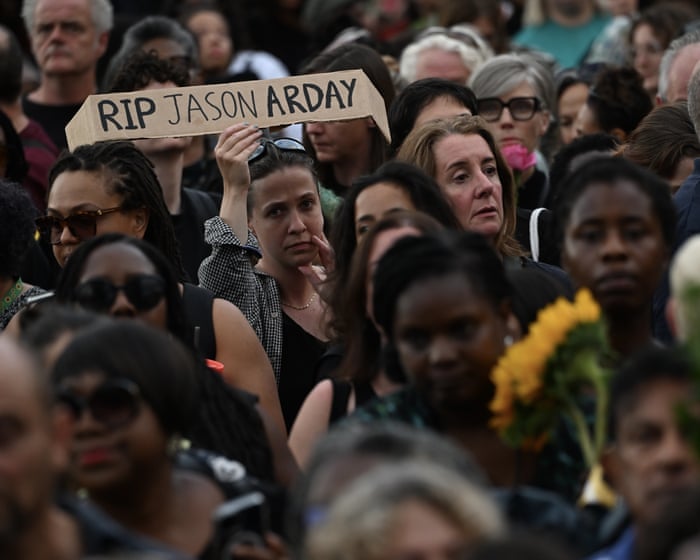
About 30,000 people gathered at Trafalgar Square in London to remember Jason Arday, a Cambridge professor who recently died. The vigil included speeches from politicians and friends, focusing on Arday’s life and concerns about the media coverage and pressure he faced before his death.
Key Facts
Jason Arday was a sociology of education professor at Cambridge University.
He died after emergency services were called to his home in south London.
Arday had recently resigned amid allegations of plagiarism, which he denied.
Around 30,000 people attended the vigil, organized by Stand Up to Racism.
Speakers included MPs, friends, and campaigners who highlighted his positive impact.
Many mourners wore black, brought flowers, and held signs reading “rest in power.”
Some speakers criticized the media’s heavy coverage, saying it worsened his situation.
Calls were made to examine racism and institutional support for vulnerable people like Arday.
Read the Original
Want the full story? Tap a source to open the original
article.
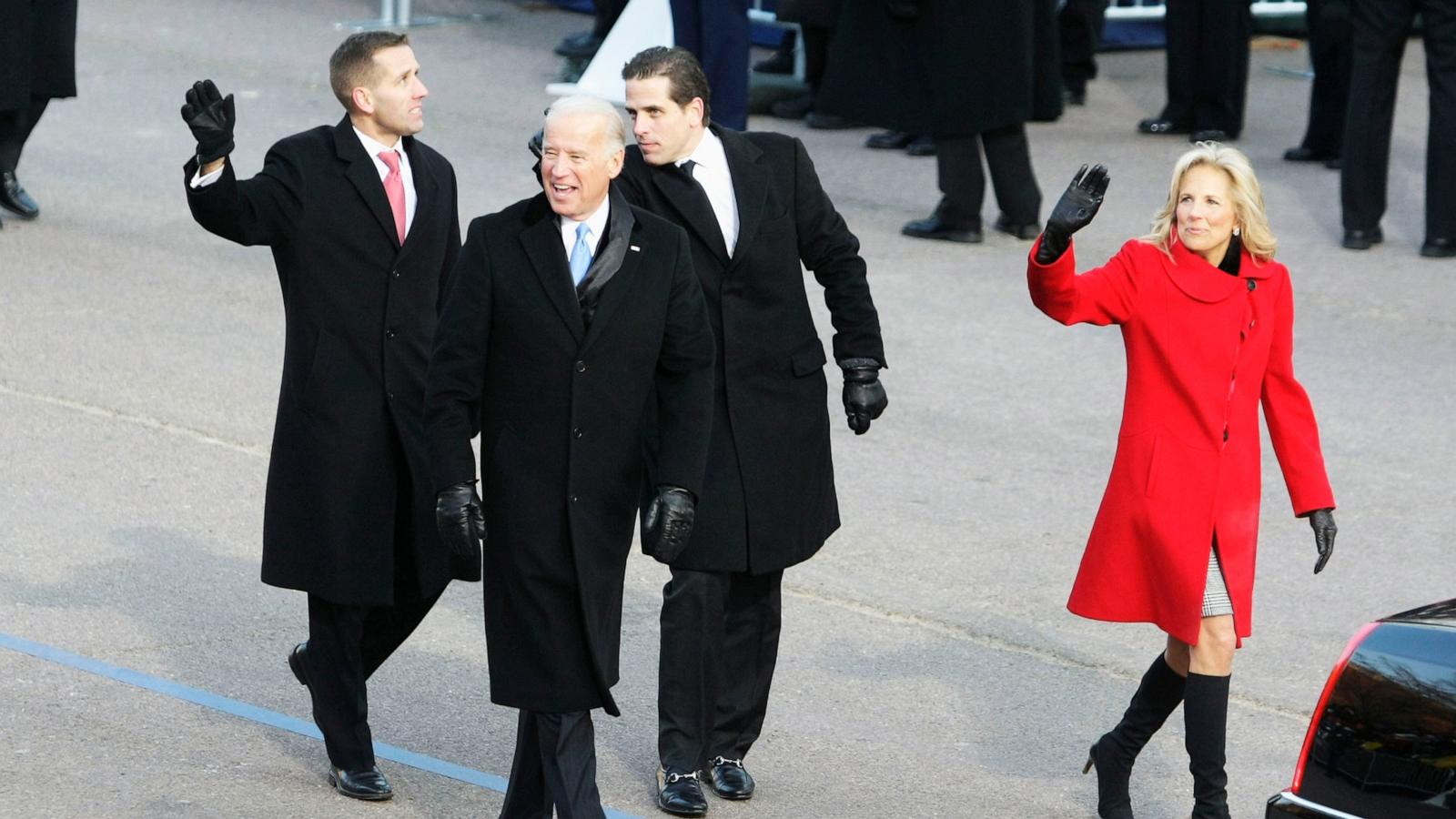
Jill Biden said she prays to her late son Beau Biden while supporting President Joe Biden, who has aggressive prostate cancer that has spread to his bones. She also spoke about her son Hunter Biden’s struggles with drug addiction and legal issues, noting his recent efforts to share his story publicly.
Key Facts
Beau Biden died in 2015 from brain cancer at age 46.
Jill Biden prays to Beau for support during President Biden’s cancer battle.
President Biden’s prostate cancer has metastasized, meaning it has spread to his bones.
Jill Biden recently published a memoir called "View from the East Wing."
Hunter Biden was found guilty on three felony gun charges related to possession while using narcotics in 2018.
Hunter has publicly discussed his addiction and recovery to help others.
Jill Biden said it is difficult to hear Hunter talk about his past drug use but believes this is his time to shine.
Jill Biden has spoken about the family’s faith and coping during Beau’s illness and death.
Read the Original
Want the full story? Tap a source to open the original
article.
U.S. Customs and Border Protection (CBP) has paused construction of a border barrier in Big Bend National Park after multiple lawsuits challenged the project. CBP Commissioner Rodney Scott is conducting a personal review of the site amid concerns about environmental and cultural impacts raised by local residents and officials.
Key Facts
CBP stopped all construction work in Big Bend National Park to review the project on site.
The border barrier being built is a limited barrier, not the originally planned 30-foot wall.
Lawsuits have been filed to stop construction, citing damage to sacred land, wildlife, and the local economy.
Texas Senator John Cornyn expressed concerns about the wall harming native sites and the park’s environment.
The project began after certain laws were waived by former Homeland Security Secretary Kristi Noem.
Texas State Senator Roland Gutierrez filed a federal lawsuit, calling the construction a waste of taxpayer money and harmful to protected land.
Big Bend National Park is located along the Texas-Mexico border and is known for its natural and cultural significance.
CBP said it remains committed to national security while protecting America’s natural treasures.
Read the Original
Want the full story? Tap a source to open the original
article.
Vaccination rates for U.S. kindergartners dropped slightly last year, while the number of children exempted from vaccine requirements reached a new high. About 4.2% of kindergarten students, or roughly 155,000 children, were exempt during the 2025-2026 school year.
Key Facts
Kindergarten vaccination rates in the U.S. declined slightly in the last year.
The percentage of children exempted from vaccine rules increased to 4.2%.
This is up from 3.6% the previous year.
Around 155,000 kindergarten students had vaccine exemptions in 2025-2026.
The data comes from federal sources and was released on Monday.
An exemption means a child does not have to get certain vaccines to attend school.
The rise in exemptions is the highest recorded so far.
Read the Original
Want the full story? Tap a source to open the original
article.
Luigi Mangione’s state murder trial for killing Brian Thompson has been postponed indefinitely. His lawyers want the case dropped because Mangione already pleaded guilty to federal stalking charges related to the same crime, and they argue this means he cannot be tried twice for the same act.
Key Facts
Luigi Mangione is accused of killing Brian Thompson, the CEO of UnitedHealthcare, in 2024.
Mangione pleaded guilty in federal court to stalking charges connected to the murder.
The federal charges carry a potential sentence of life in prison, with guidelines suggesting 24 to 30 years.
Mangione’s state murder trial, initially set for September 8, 2026, was postponed indefinitely by a judge.
His lawyers argue the state trial violates double jeopardy rules, which prevent someone from being tried twice for the same crime.
The Manhattan District Attorney’s office opposes dismissing the state case because the federal sentence is not finalized.
A hearing on the double jeopardy claim is scheduled for December 10, 2026.
The judge’s ruling on this issue can be appealed by either side.
Read the Original
Want the full story? Tap a source to open the original
article.
Civil rights groups have asked the U.S. Supreme Court to review a Texas law that requires public schools to display the Ten Commandments in classrooms. The law was upheld by a federal appeals court, but challengers argue it violates the First Amendment, which separates church and state.
Key Facts
The Texas law requires public school classrooms to display the Ten Commandments, taken from the King James Bible.
The 5th U.S. Circuit Court of Appeals ruled 9-8 to uphold the law in April 2025.
Civil rights groups, including the American Civil Liberties Union, filed a petition asking the Supreme Court to overturn this ruling.
The challengers say the law forces religious messages on students, violating the First Amendment.
Republican Governor Greg Abbott signed the law, which started in September 2024.
The 5th Circuit previously reversed a lower court blocking some Texas school districts from putting up the posters.
The law only requires classrooms to display the posters if they are donated.
Similar laws have been passed in Louisiana, Arkansas, and Alabama since 2024.
Read the Original
Want the full story? Tap a source to open the original
article.
U.S. kindergarten vaccination rates dropped slightly in the 2025-2026 school year, while the number of children exempted from vaccines reached a record high of 4.2%. Most exemptions are for nonmedical reasons, and experts connect the trend to mixed messages from federal health officials, including Health Secretary Robert F. Kennedy Jr.
Key Facts
The exemption rate for vaccine requirements rose to 4.2% from 3.6% the previous year, affecting about 155,000 children nationally.
Exemptions increased in 41 states plus the District of Columbia.
The required measles-mumps-rubella vaccine coverage fell to 92.4% in kindergartners, down from 95% before the COVID-19 pandemic.
Vaccination rates also declined for polio, diphtheria-tetanus-pertussis, and chickenpox vaccines.
Most exemptions come from parents refusing vaccines for nonmedical reasons.
Federal health leaders, including Health Secretary Robert F. Kennedy Jr., have proposed changes to vaccination guidelines that contribute to confusion.
President Trump supports revising vaccine schedules to space shots out, a theory that experts say is incorrect.
The U.S. is experiencing its worst measles outbreak since 1991, partly because of lowered vaccination rates.
Read the Original
Want the full story? Tap a source to open the original
article.