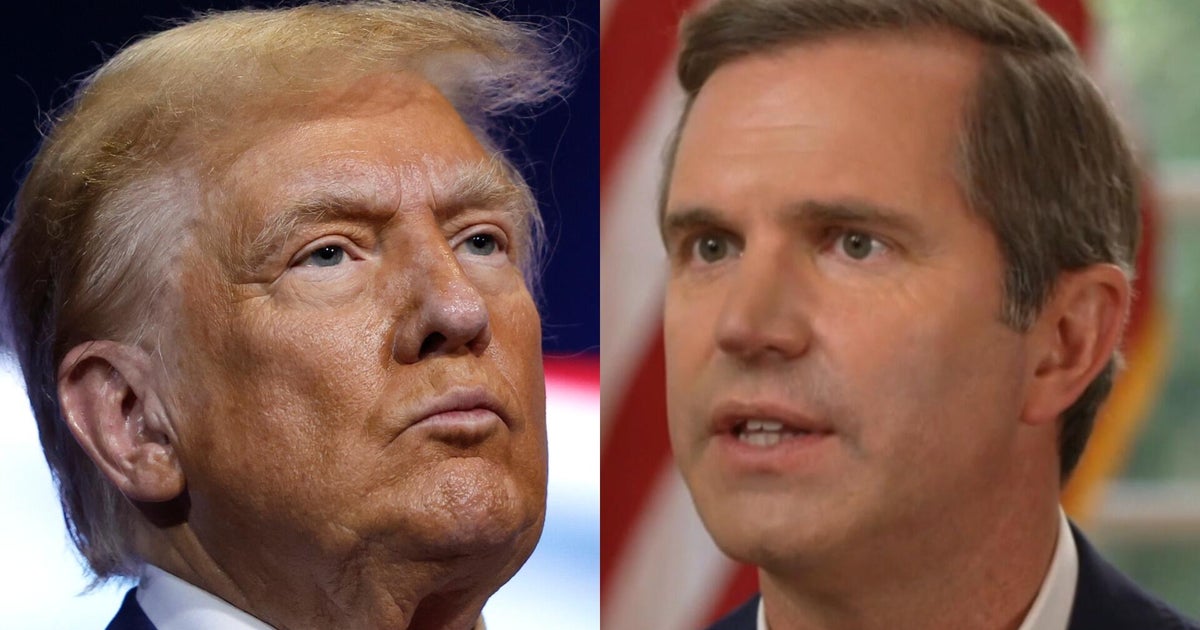
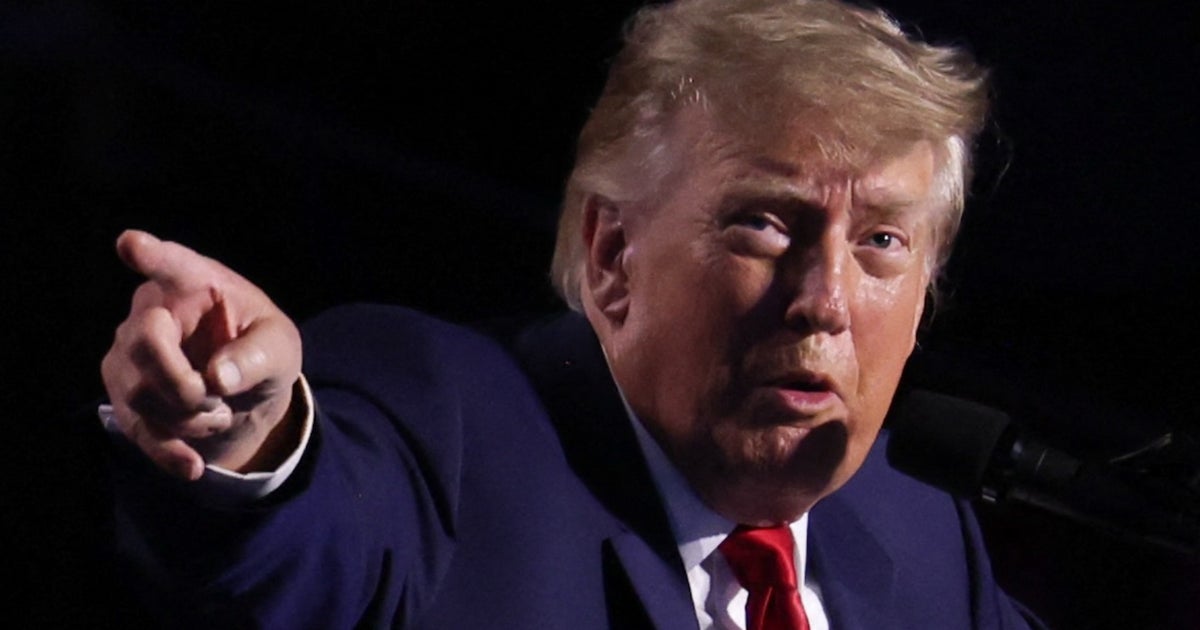
Kentucky Governor Andy Beshear criticized President Trump for wanting to reduce SNAP benefits, which help people buy food. Beshear said cutting these benefits does not align with Christian values.
Key Facts
Andy Beshear is the governor of Kentucky and a Democrat.
He has support from some Republican voters in his state.
Beshear spoke in an interview with CBS News.
He discussed his new book and his opinions on President Trump's policies.
Beshear criticized President Trump's plan to cut food assistance through SNAP.
SNAP stands for Supplemental Nutrition Assistance Program, a government food aid program.
Beshear said reducing SNAP benefits is not consistent with Christian values.
He is seen as a possible candidate for the 2028 presidential election.
Read the Original
Want the full story? Tap a source to open the original
article.
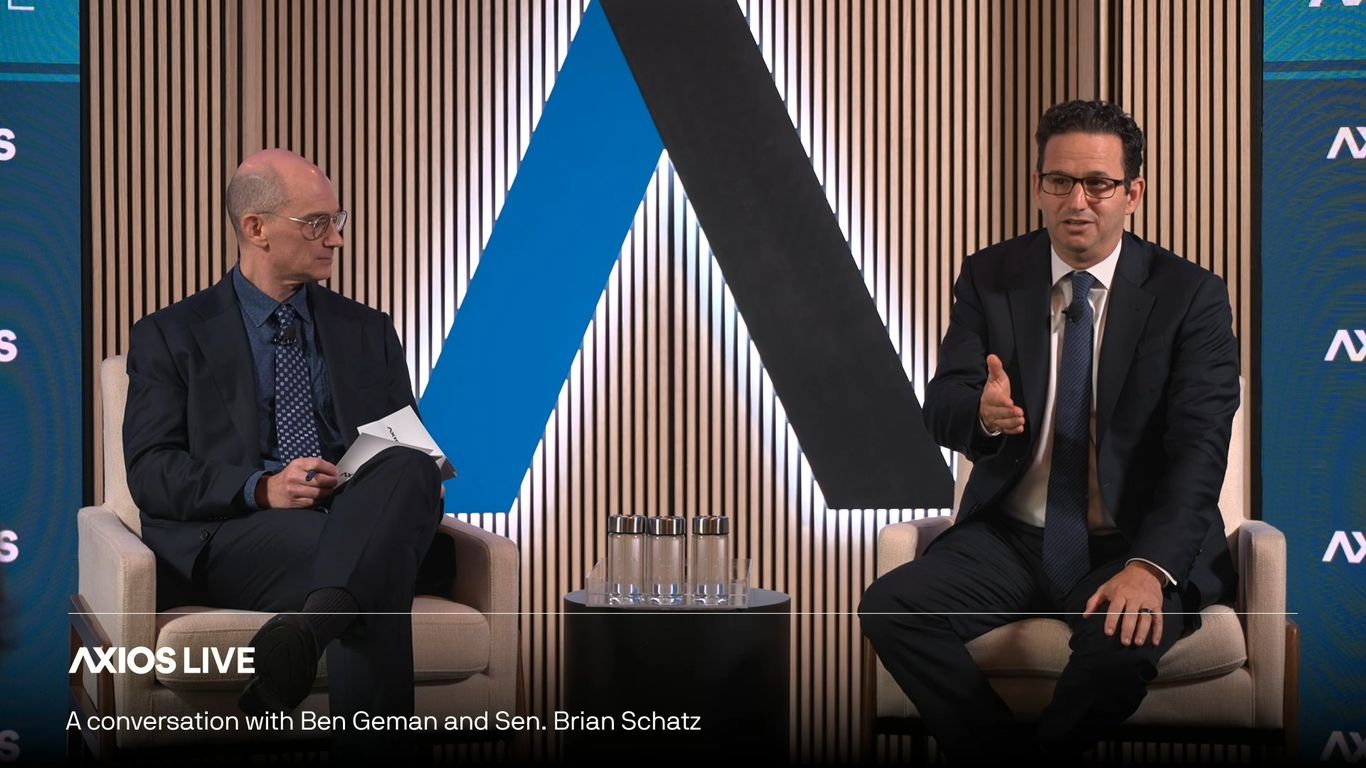
Senator Brian Schatz of Hawaii says many Americans now see a clear connection between climate change and the rising costs of daily life, like gas and utility bills. While affordability is the main concern for voters, Schatz believes climate issues should be discussed as part of these financial challenges.
Key Facts
Senator Brian Schatz spoke about climate and affordability during Climate Week and the UN General Assembly.
He noted that people face high costs for insurance, gas, and utilities, which relate to climate problems.
Schatz argues that addressing climate change can also help reduce expenses, so they should be tackled together.
He criticizes the federal government for slowing down renewable energy progress.
Hawaii, which Schatz represents, depends a lot on petroleum but aims for 100% renewable energy by 2035 on some islands.
President Trump signed a budget last year that ended some support for wind, solar, and electric vehicles.
The Trump administration has rolled back some Biden-era climate policies and slowed renewable energy projects, especially wind power.
Despite this, growth in artificial intelligence (AI) is expected to increase demand for clean energy.
Read the Original
Want the full story? Tap a source to open the original
article.
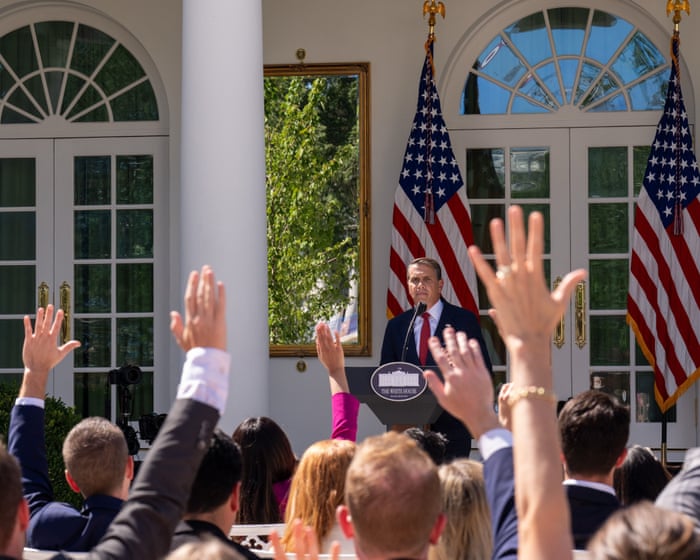
Three news organizations—CNN, MSNBC, and Politico—are suing President Donald Trump and his advisers after they were blocked from White House events. Some major news outlets are considering boycotting White House briefings to protest the restrictions on press access.
Key Facts
CNN, MSNBC, and Politico were banned from the White House, leading to a lawsuit against President Trump and top advisers.
The lawsuit argues that blocking these outlets is a violation of the First Amendment, which protects freedom of the press.
The ban is seen by legal experts as “viewpoint discrimination,” meaning access was removed because of negative coverage.
The major TV networks have decided to suspend shared ("pool") coverage of presidential events in support of the banned outlets.
Some news organizations are being urged to report on the White House from outside the premises as a form of protest.
President Trump has frequently criticized and limited access to news organizations he disagrees with.
Despite tensions, Trump still attends major press events like the White House Correspondents’ Dinner and invites certain reporters to briefings.
Experts say this type of action against the press is serious and part of a pattern seen in authoritarian regimes.
Read the Original
Want the full story? Tap a source to open the original
article.
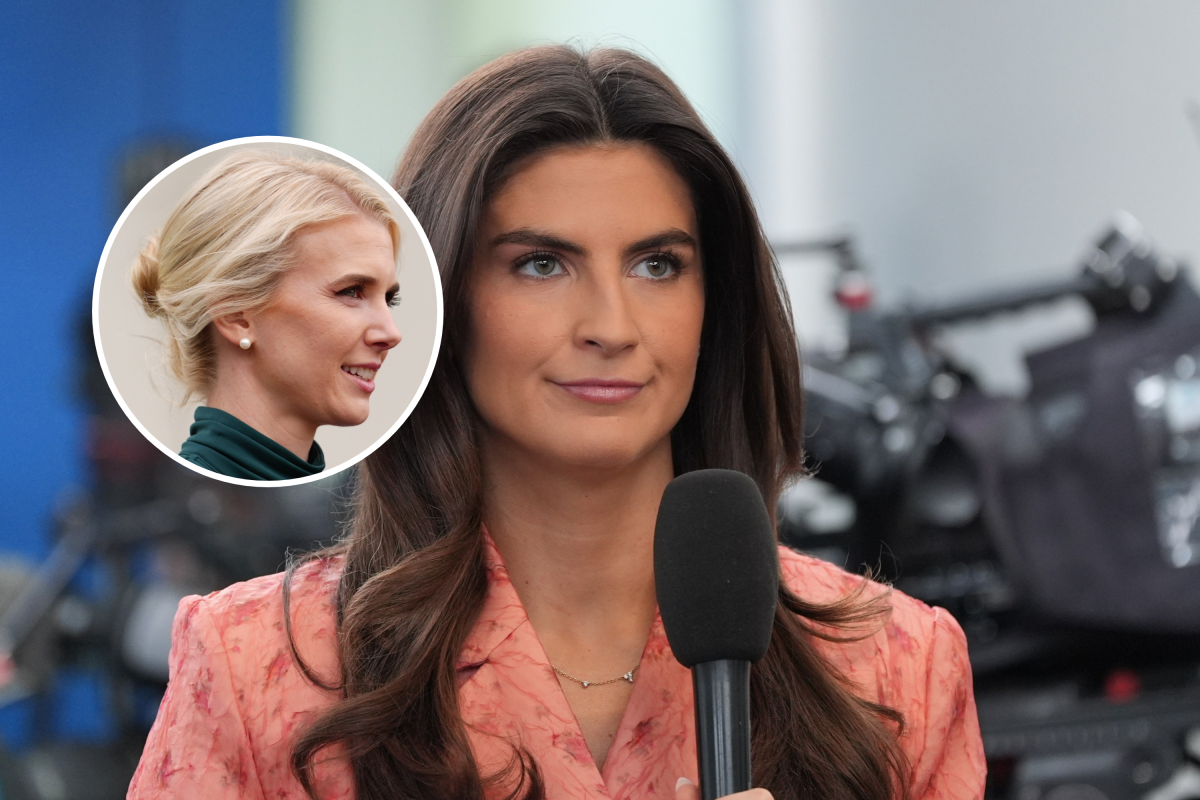
A close aide to President Donald Trump, Natalie Harp, showed him media coverage that led to the White House banning CNN, MSNBC, and Politico from access. The three news companies are now suing the White House to get their access back.
Key Facts
Natalie Harp, an aide to President Trump, showed him a Politico graphic and TV clips that upset him.
President Trump decided to ban CNN, MSNBC, and Politico from the White House last week.
Key advisers like Chief of Staff Susie Wiles and Vice President JD Vance were not present when Trump made this decision.
The three banned news outlets have filed a lawsuit claiming their First Amendment rights are violated.
President Trump stated on Truth Social that the ban is against "fake news," not free press.
Fox News announced it will stop covering events where it has to share coverage with the banned outlets.
Democratic Senator Jon Ossoff mentioned Natalie Harp in a speech criticizing President Trump.
The White House has not yet responded to requests for comment from Newsweek.
Read the Original
Want the full story? Tap a source to open the original
article.
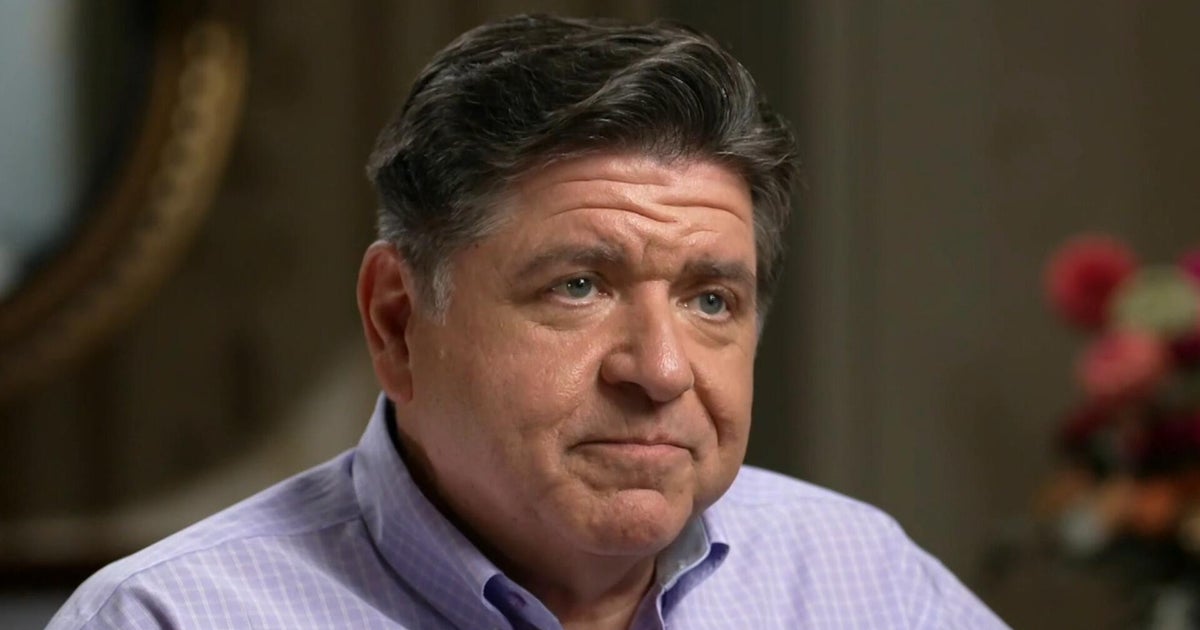
Illinois Governor JB Pritzker shared that he has been using a GLP-1 medication for two years to help lose weight, resulting in an 80-pound loss. He said he started the treatment after being diagnosed with diabetes and that Illinois is covering the medication for state employees.
Key Facts
JB Pritzker has been using GLP-1 medication for weight loss for two years.
He has lost 80 pounds so far.
Pritzker was diagnosed with diabetes two years ago.
His family history includes his father dying of a heart attack at age 39.
The governor walks about 4 miles nearly every morning for exercise.
Illinois state insurance covers GLP-1 medication for 55,000 employees.
Pritzker said covering the medication will save money by reducing diabetes and related diseases.
He is focused on being Illinois governor and running for reelection, making no decisions about a presidential run.
Read the Original
Want the full story? Tap a source to open the original
article.
The author shares her experience of being diagnosed with cancer twice, first with thyroid cancer and later with another treatable cancer. She reflects on the challenges, treatments, and emotional impact, and discusses changing views on how to approach cancer beyond the idea of fighting a war against it.
Key Facts
The author was first diagnosed with early-stage thyroid cancer in 2004.
Treatment included surgery to remove the thyroid, hormone replacement, radioactive iodine, and isolation for one week.
Seventeen years later, she faced a second, slow-growing cancer that was also treated with surgery.
She lost two organs: her thyroid and uterus, and now depends on medications for health.
The author questions the traditional "war on cancer" metaphor and considers a more compassionate approach suggested by her sister.
Oncologists are typically taught to see cancer as an enemy to be hated, which contrasts with the author's reflection on love as a possible response.
The article references Susan Sontag's critique of using illness metaphors that stigmatize patients.
Read the Original
Want the full story? Tap a source to open the original
article.
Three news organizations that President Trump recently stopped from reporting at the White House have filed a lawsuit. They claim that blocking them breaks the First Amendment, which protects freedom of speech and the press.
Key Facts
President Trump banned three news outlets from covering the White House last week.
The banned outlets have filed a lawsuit against the Trump administration.
The lawsuit was filed in federal court in Washington, D.C.
The news outlets say banning them stops them from sharing government news with the public.
They argue this action violates their First Amendment rights.
The First Amendment protects freedom of speech and freedom of the press in the U.S.
The lawsuit demands that the ban be lifted so the news outlets can resume coverage.
Read the Original
Want the full story? Tap a source to open the original
article.
CNN, MSNBC, and Politico have sued the Trump administration after they lost access to report from the White House. President Donald Trump criticized these news outlets for what he thinks is negative reporting about his administration.
Key Facts
CNN, MSNBC, and Politico are involved in a legal case against the Trump administration.
The dispute started because these news organizations were denied White House access.
They are suing to regain the ability to cover events inside the White House.
President Donald Trump publicly criticized these outlets for unfavorable coverage.
The news organizations claim their First Amendment rights to press access are being violated.
The lawsuit reflects ongoing tensions between the Trump administration and some media groups.
White House press access is important for journalists to report directly on government actions.
Read the Original
Want the full story? Tap a source to open the original
article.
Senator Gary Peters from Michigan, who is retiring after his current term, will become a professor at the University of Southern California (USC). He will also co-direct USC’s Center for the Political Future with Republican strategist Mike Murphy.
Key Facts
Senator Gary Peters represents Michigan and is a member of the Democratic Party.
Peters is retiring from the U.S. Senate at the end of his current term.
He will join USC as a professor.
Peters will co-lead the Center for the Political Future (CPF) at USC.
His co-director at CPF will be Mike Murphy, a Republican political strategist.
The Center for the Political Future focuses on politics and public affairs education.
Read the Original
Want the full story? Tap a source to open the original
article.
Major U.S. TV networks have decided to stop sharing White House coverage among themselves after President Trump banned three news outlets from the White House. The networks said they are doing this to support the banned outlets and to stand for public access to information.
Key Facts
President Trump banned three media outlets from the White House last week.
Major TV networks involved are Fox News Media, ABC News, CBS News, NBC News, and CNN.
These networks usually take turns covering the president and share that coverage.
After the ban, the networks said they will no longer share their White House coverage.
The networks released a joint statement expressing their reaction to the ban.
They said they are acting to support the banned media outlets.
The networks emphasized the importance of public access to news from the White House.
Read the Original
Want the full story? Tap a source to open the original
article.
Many Americans have experienced decades of fear in politics and now want change. There is a growing desire among the public to move beyond fear-based political tactics.
Key Facts
Americans have faced about 30 years of politics that use fear to influence people.
Many are feeling tired of this approach.
There is a strong wish for new, more positive ways of doing politics.
People want to stop using fear to divide and motivate voters.
The article suggests a possible shift toward less fear-driven political discussions.
Read the Original
Want the full story? Tap a source to open the original
article.
Senate Majority Whip John Barrasso said the Republican Party needs to make more efforts to reduce costs for Americans. He mentioned this during an interview on NBC’s “Meet the Press,” recognizing that many people across the country are struggling with high expenses as the midterm elections approach.
Key Facts
John Barrasso is the Senate Majority Whip and a Republican senator from Wyoming.
He spoke about the need to lower costs for Americans during an NBC interview.
Barrasso said people across the country are feeling financial strain.
He specifically mentioned hearing concerns from Wyoming ranchers.
The comments came about six weeks before the U.S. midterm elections.
Barrasso emphasized that the GOP should take stronger action on affordability.
Read the Original
Want the full story? Tap a source to open the original
article.
Rep. Maria Elvira Salazar said she spoke with President Donald Trump about concerns regarding Hispanic voters and immigration policies. She described President Trump as polite and open to hearing her warning.
Key Facts
Rep. Maria Elvira Salazar represents Florida as a Republican congresswoman.
She spoke to President Trump about the impact of his immigration policies on Hispanic voters.
Salazar said President Trump was courteous and listened carefully.
The conversation took place before or during her interview on CBS News’s “Face the Nation.”
She aimed to warn the president about potential voter reactions related to immigration.
The topic focuses on how immigration policies affect political support among Hispanic communities.
Read the Original
Want the full story? Tap a source to open the original
article.
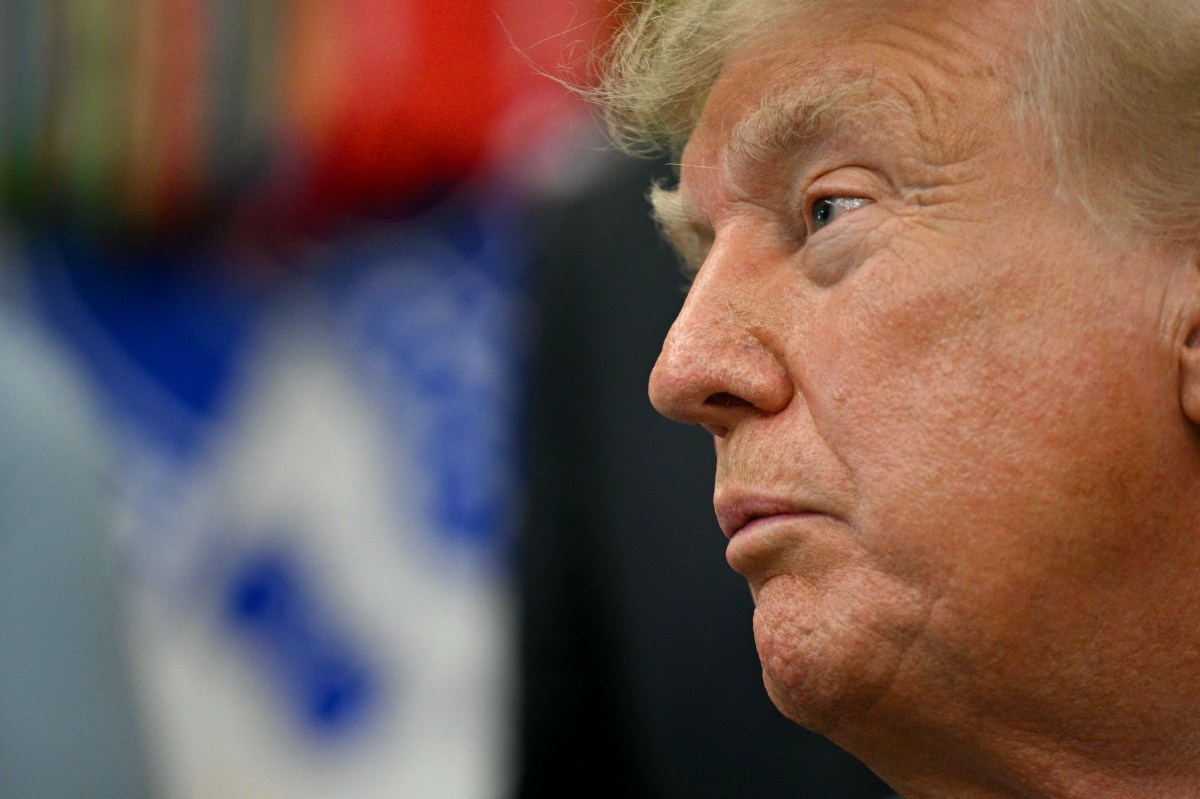
President Donald Trump's approval rating has dropped below 30 percent for the first time during both his White House terms, according to a recent poll. Many Americans are unhappy with the economy, with high prices for gas and groceries affecting their views.
Key Facts
A poll by American Research Group surveyed 1,100 American adults from September 16-20.
President Trump’s overall approval rating is 29 percent.
Only 26 percent of people had a positive view of the economy.
72 percent of those surveyed said the U.S. economy was getting worse.
68 percent disapproved of President Trump's job performance, an increase from August.
71 percent disapproved of how he was handling the economy.
Less than 20 percent felt good about their household finances, while 75 percent felt negatively.
The last time a U.S. president's approval rating was below 30 percent was President George W. Bush in 2008 during the financial crisis.
Read the Original
Want the full story? Tap a source to open the original
article.
President Donald Trump banned CNN, MS NOW, and Politico journalists from the White House. The three news outlets announced they will sue the Trump administration, saying the ban harms free press rights and was done without warning.
Key Facts
CNN, MS NOW, and Politico were banned from the White House by President Trump last week.
The news outlets are filing a lawsuit to protect their First Amendment rights, which guarantee freedom of the press.
The White House took away their press credentials without notice or any formal process.
President Trump called the banned media "fake news" and said they threaten national security.
He accused some media outlets of writing "fiction and lies" about his administration.
The ban marks a new step in Trump's ongoing conflict with news organizations critical of him.
Trump warned that other media outlets might also face similar bans but did not name any.
CNN was scheduled to be the White House TV pool but was replaced after the ban.
Read the Original
Want the full story? Tap a source to open the original
article.
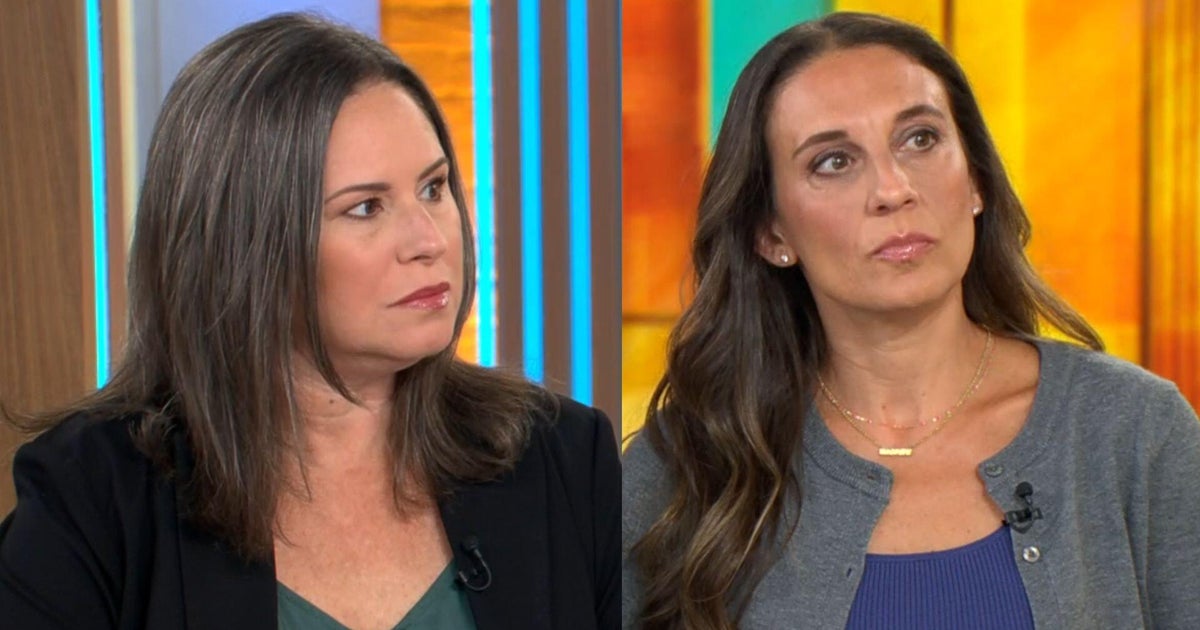
Two criminologists from Fairleigh Dickinson University discussed Patrick Clancy's interview on "60 Minutes" during a CBS Mornings segment. They analyzed whether the interview might influence how people view the situation involving Clancy.
Key Facts
Patrick Clancy gave an interview on the TV program "60 Minutes."
Meghan Sacks and Amy Shlosberg are criminologists and associate professors at Fairleigh Dickinson University.
They appeared on CBS Mornings to talk about Clancy's interview.
The discussion focused on whether Clancy’s interview could change public opinions.
Criminologists study crime and the criminal justice system.
The interview and discussion relate to a topic of interest in the U.S. justice system or criminal cases.
Read the Original
Want the full story? Tap a source to open the original
article.
This article discusses how the Trump administration is working to influence the upcoming midterm elections. It says the administration is trying to make mail-in voting harder while supporting other efforts to benefit Republican candidates.
Key Facts
The article focuses on the midterm elections in the United States.
It mentions efforts to make mail-in voting more difficult.
These efforts are connected to the Trump administration.
The goal is to help Republican candidates win.
There is no actual $5,000 check being sent to voters.
The phrase "your ballot could be in the mail" suggests voting by mail is still happening.
The article implies that election rules may be changed to affect the vote outcome.
Read the Original
Want the full story? Tap a source to open the original
article.
In 2026, eleven people have been shot by U.S. federal immigration agents, including Immigration and Customs Enforcement (ICE) and Customs and Border Protection (CBP). Many shootings occurred during increased immigration enforcement operations early in the year, leading to injuries and deaths and sparking protests and investigations.
Key Facts
Eleven people have been shot by ICE and Border Patrol agents in 2026 so far.
Six of the shootings happened in January during intensified immigration enforcement.
Some shootings resulted in deaths, including Renée Good in Minneapolis and Alex Pretti.
Several of those shot were involved in confrontations considered threats by agents.
Investigations have followed many shootings, and charges have been filed against some agents and individuals involved.
Large operations like Minnesota’s “Operation Metro Surge” increased the presence of federal agents in communities.
A 28-year-old Venezuelan DoorDash driver was shot in Austin, marking the latest incident.
Officials from ICE, CBP, FBI, and the Department of Homeland Security have been contacted for comment.
Read the Original
Want the full story? Tap a source to open the original
article.
A woman gave birth to a baby girl while stuck in heavy traffic in San Francisco near Golden Gate Park. Emergency responders were delayed by the traffic, but a passing doula helped deliver the baby safely before paramedics arrived.
Key Facts
The couple, named Karollyn and Nate, were stuck in traffic when Karollyn went into labor.
They called emergency services, but ambulances were delayed by the same traffic.
A doula named Katie Higgins stopped to help the couple with the birth.
The baby girl was born safely in the car before paramedics reached them on foot.
Both the mother and baby were taken to a hospital and are in good condition.
Medical professionals trapped in the traffic also provided support during the birth.
The San Francisco Fire Department congratulated the family and announced the safe delivery.
Read the Original
Want the full story? Tap a source to open the original
article.