A small migrant boat reached the UK shore at Folkestone without being stopped by border security. Five people from the boat were detained, and an investigation is underway. This type of unescorted arrival is rare.
Key Facts
A dinghy (small boat) arrived at Folkestone in Kent on Monday morning without being intercepted.
Five people from the boat were detained and handed to border security officers.
The UK Home Office started an investigation into how the boat reached the shore.
Usually, migrants crossing the English Channel are intercepted by border security or rescue boats.
The last recorded unescorted arrival was on 6 September 2025.
Kent Police were alerted around 09:25 BST and responded quickly.
About 17,480 migrants have crossed the Channel to the UK by boat so far this year, which is 46% fewer than last year.
French lifeboat and navy vessels are tracking other migrant boats in the Channel near Normandy.
Read the Original
Want the full story? Tap a source to open the original
article.
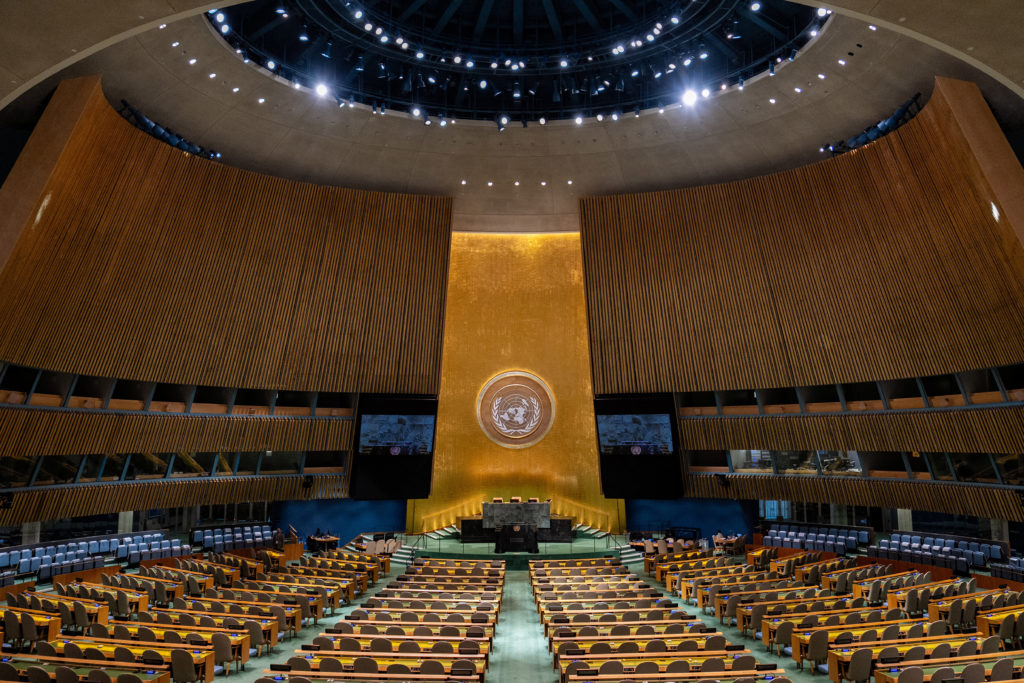
President Donald Trump will speak at the 81st United Nations General Assembly in New York as the war with Iran approaches its eighth month, affecting global oil prices and Middle East stability. He will meet with Gulf leaders and other world leaders on the sidelines, while top Iranian officials will also attend the assembly.
Key Facts
The UN General Assembly's 81st session begins with a general debate on Tuesday, including speeches by President Trump, UK Prime Minister Andy Burnham, and French President Emmanuel Macron.
President Trump plans to meet Gulf leaders impacted by the Iran war’s economic effects, including recent attacks by Yemen’s Houthis on Saudi Arabia.
Discussions at the UN will cover freedom of navigation in key shipping routes like the Strait of Hormuz and Bab al-Mandeb Strait, which have seen attacks disrupting trade.
Iran’s President Masoud Pezeshkian will attend the assembly, but there are no plans for Trump to meet Iranian officials.
The UN released a report accusing the U.S. of war crimes in Iran related to attacks causing civilian deaths, but the U.S. rejected the report’s credibility.
President Trump will also meet with New York City Mayor Zohran Mamdani, France’s President Macron, and Venezuela’s interim leader Delcy Rodriguez during the summit.
The Trump administration withdrew from the UN Human Rights Council, criticizing it for anti-American bias and failure to uphold rights.
The Iran war, initially predicted by Trump to last 4-6 weeks, is now entering its eighth month.
Read the Original
Want the full story? Tap a source to open the original
article.
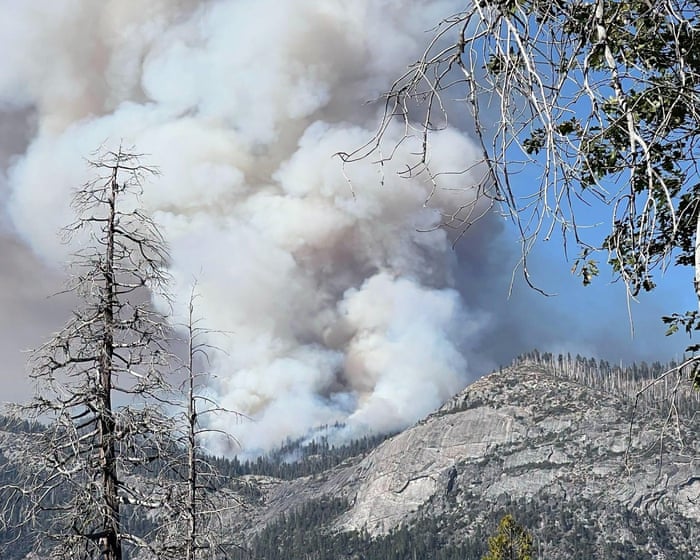
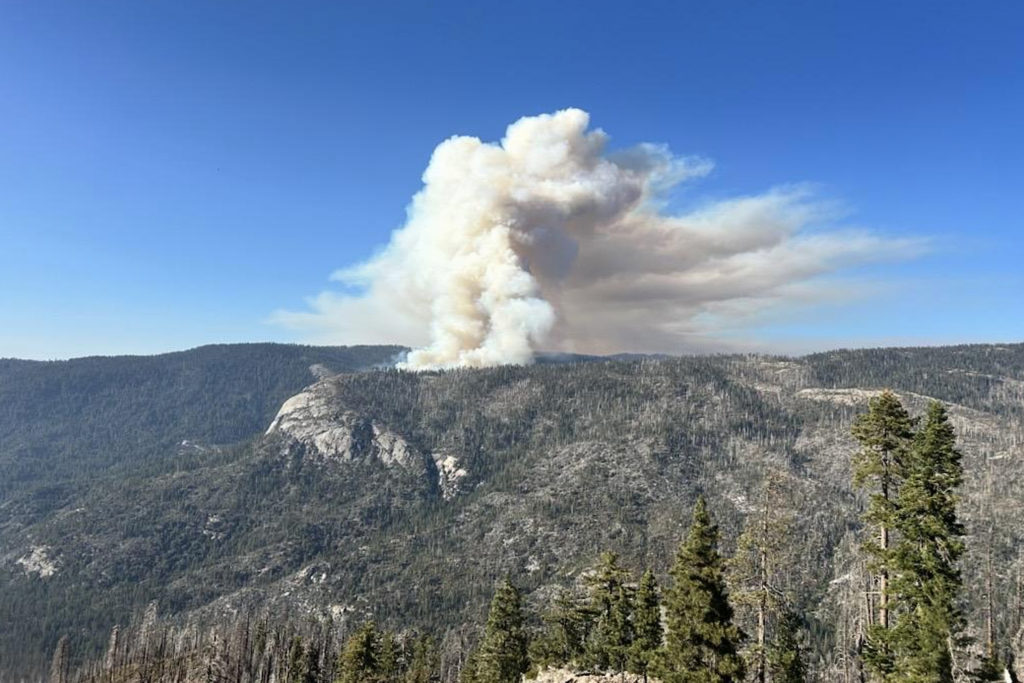
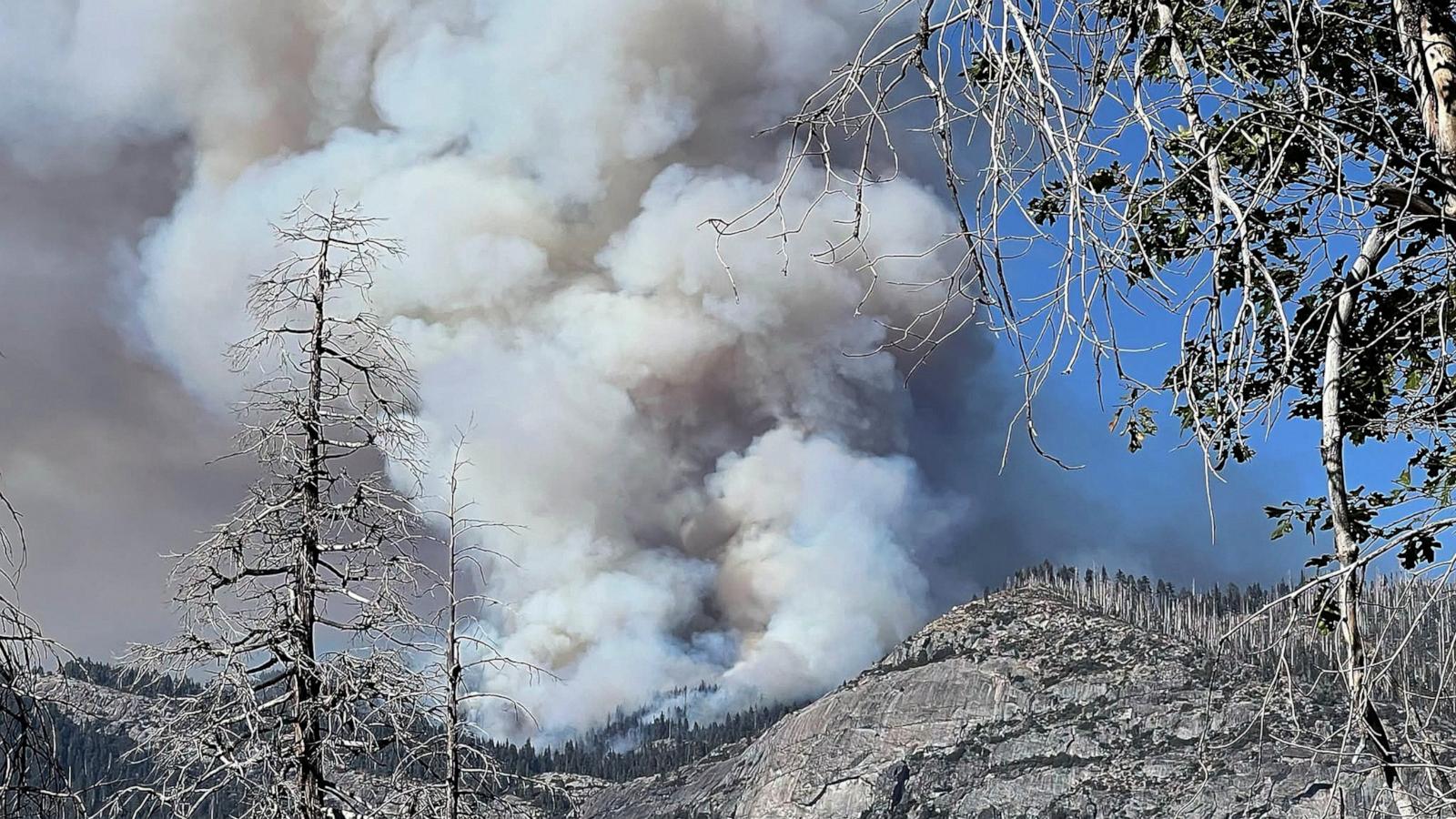
Two helicopter pilots died while fighting the Dome fire in Yosemite National Park. Their helicopter crashed during water drops, and an investigation is underway.
Key Facts
The crash happened around 3 p.m. Sunday near Ostrander Lake in Yosemite National Park.
The pilots worked for the company Precision and helped with a firefighting technique called helitack rappelling.
The Dome fire has burned over 3,000 acres and is about 15% contained.
About 580 people are currently fighting the fire in difficult terrain.
Helicopters dropping water have been important in controlling the fire.
At least 14 firefighters have died in the U.S. this year while fighting wildfires.
The cause of the crash will be investigated by the Federal Aviation Administration and the National Transportation Safety Board.
The names of the pilots have not been released, and their company has asked for privacy for the families.
Read the Original
Want the full story? Tap a source to open the original
article.
Earl Spencer, the brother of Princess Diana, has written a new book about her life that has caused a public dispute with Buckingham Palace. The book shows Diana’s struggles with the royal family, media, and personal challenges, and has become a best-seller before its official release.
Key Facts
Earl Spencer’s book is called *Swan Song: Diana, My Sister*.
The book has caused a public argument between Earl Spencer and Buckingham Palace over claims about the King’s behavior after Diana’s death.
Diana is described as kind but troubled, facing self-doubt, eating disorders, and a lack of warmth from the royal family.
Earl Spencer criticizes the way Diana was treated by the media and seen as “royal property.”
The book shares personal stories, including a fight between Diana and her stepmother Raine Spencer.
Meghan, Duchess of Sussex, is not mentioned in the book.
Diana’s favorite TV show was the soap opera *Crossroads*, she liked David Bowie’s music, and watched *The Sound of Music* many times.
Earl Spencer is also remembered for a strong speech he gave at Diana’s funeral, which criticized the press and royals.
Read the Original
Want the full story? Tap a source to open the original
article.
A woman named Leia and her mother were staying in a hotel in Mallorca when a stray cat they met gave birth to kittens in their hotel room. They cared for the cat and her kittens during their stay and worked with a local rescue group to find them a foster home.
Key Facts
Leia and her mother were visiting Mallorca to see a solar eclipse.
A pregnant stray cat they had seen earlier came to their balcony late at night.
The cat entered their hotel room and gave birth to three healthy kittens.
Leia and her mother stayed up to care for the cat and kittens after the birth.
They provided food, water, and a safe space while the cat rested.
The hotel helped by donating money to a local animal rescue group.
The rescue group named the mother cat Nala and found a foster home.
Leia plans to return and hopes to see the cat family again in October.
Read the Original
Want the full story? Tap a source to open the original
article.
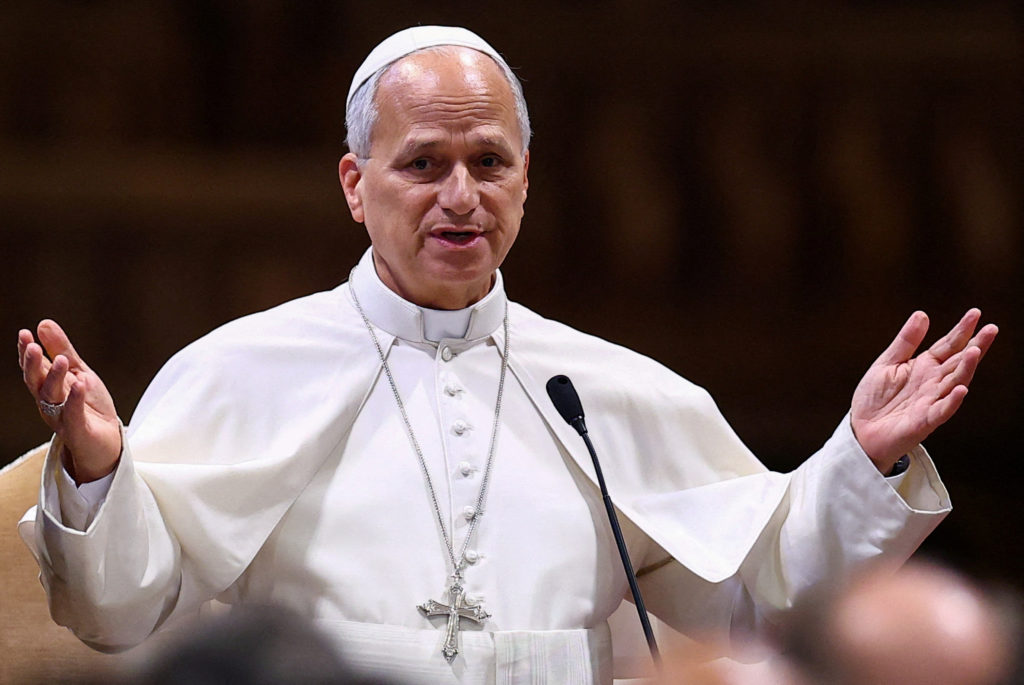
Pope Leo XIV will visit Latin America in November, including Uruguay, Argentina, and Peru, marking his longest trip as pope. The trip is special because he will return to places important in his past, like his old diocese in Peru, and also visit Argentina, which Pope Francis never returned to after becoming pope.
Key Facts
Pope Leo XIV’s trip will last from November 6 to 17 and cover over 31,000 kilometers (19,000 miles).
The journey includes stops in Uruguay, Argentina, and Peru.
Uruguay is very secular, with Christmas called Family Day and Holy Week named Tourism Week.
Leo will visit a poor, dangerous neighborhood in Uruguay’s capital.
About 7 million people are expected for the pope’s visit to Argentina.
Pope Francis never returned to Argentina after becoming pope due to political tensions.
In Argentina, Leo will meet with President Javier Milei, whose policies have strained relations with the Catholic Church.
Leo will celebrate Mass at a historic monument in Buenos Aires and visit a care home for people with disabilities.
The main highlight is Leo’s return to Peru, where he was bishop before becoming pope.
Read the Original
Want the full story? Tap a source to open the original
article.
President Vladimir Putin’s United Russia party won a large majority in Russia’s recent parliamentary elections. The vote was marked by the exclusion of almost all real opposition parties and included regions of Ukraine that Russia annexed in 2022.
Key Facts
United Russia secured over 58% of the vote and is expected to win more than three-quarters of seats in the State Duma (Russia’s lower house of parliament).
The election was the first parliamentary vote since Russia invaded Ukraine in 2022.
Four Ukrainian regions annexed by Russia were included in the vote.
The only registered anti-war party, Yabloko, was removed from the ballot and failed to win seats at the national level.
The Communist Party won 13.8% of the vote and 40 seats but avoided criticizing President Putin directly.
The nationalist LDPR party won 25 seats, and the New People party won 20 seats in parliament.
Russia did not allow observers from the Organization for Security and Cooperation in Europe (OSCE).
Western leaders criticized the election as unfair and called it a show of democracy without real competition.
Read the Original
Want the full story? Tap a source to open the original
article.
Two helicopter pilots died when their firefighting helicopter crashed near Yosemite National Park while dropping water on a wildfire. The crash is under investigation by federal aviation authorities, and the pilots worked for a company contracted to assist with wildfires.
Key Facts
The crash happened Sunday near Ostrander Lake in Yosemite during firefighting efforts.
Both pilots were the only people on board and worked for the company Precision.
The helicopter was a Super Puma using a water bucket to fight the fire.
The wildfire, called the Dome Fire, has burned about 4.7 square miles and is 15% contained.
Around 580 people are battling the Dome Fire, which started on September 15 near Wawona, California.
The names of the pilots have not been released yet.
The Federal Aviation Administration and National Transportation Safety Board will investigate the crash.
This year, at least 14 people have died fighting wildfires in the U.S., including several helicopter-related incidents.
Read the Original
Want the full story? Tap a source to open the original
article.
UN Secretary-General António Guterres said that artificial intelligence (AI) should not be allowed to make decisions about life and death. He called for a ban on autonomous weapons, often called "killer robots," which can operate without human control.
Key Facts
The UN Secretary-General is António Guterres.
He spoke about the dangers of AI in weapons.
Guterres wants a ban on autonomous weapons that can kill on their own.
These weapons are sometimes called "killer robots."
The warning was issued during a program called On the Record.
The full discussion is available on Al Jazeera’s website.
The concern is about AI making life-or-death decisions without human involvement.
The call aims to prevent the use of AI in lethal military actions.
Read the Original
Want the full story? Tap a source to open the original
article.
A helicopter fighting the Dome Fire in Yosemite National Park crashed while dropping water, killing the two pilots on board. The cause of the crash is still being investigated by authorities.
Key Facts
The helicopter was actively fighting the Dome Fire in Yosemite National Park when it crashed.
Both pilots on the Eurocopter AS32 died in the crash.
The helicopter was owned by a contractor called FlyPrecision.
The crash happened southeast of Lake Ostrander in Yosemite.
The remains of the pilots have been recovered, but their names were not released.
Nearly 600 ground and air firefighters are working to control the Dome Fire.
The fire started on September 15, 2026, has burned over 3,200 acres, and is 15% contained.
The fire is still spreading at a moderate rate, and some trails in Yosemite are closed due to the fire.
Read the Original
Want the full story? Tap a source to open the original
article.
People communicate more than ever using phones, apps, and AI tools, but many still feel ignored and lonely. Experts say this lack of real listening and attention hurts social trust and community everywhere, not just individuals.
Key Facts
We live in a time with many ways to communicate quickly, like texting, emails, and AI helpers.
Despite constant talking, many people feel they are not truly heard or paid attention to.
The World Health Organization found that one in six people worldwide felt lonely between 2014 and 2023.
Social connection is important for healthy societies because it supports trust and cooperation.
Technology encourages fast responses but makes it harder to have focused, meaningful conversations.
Artificial intelligence can write and create content quickly but cannot replace human qualities like patience and emotional understanding.
Music created in real time, without a script, can help people feel seen and understood in a unique way.
People may be craving more emotional connection rather than more digital information or content.
Read the Original
Want the full story? Tap a source to open the original
article.
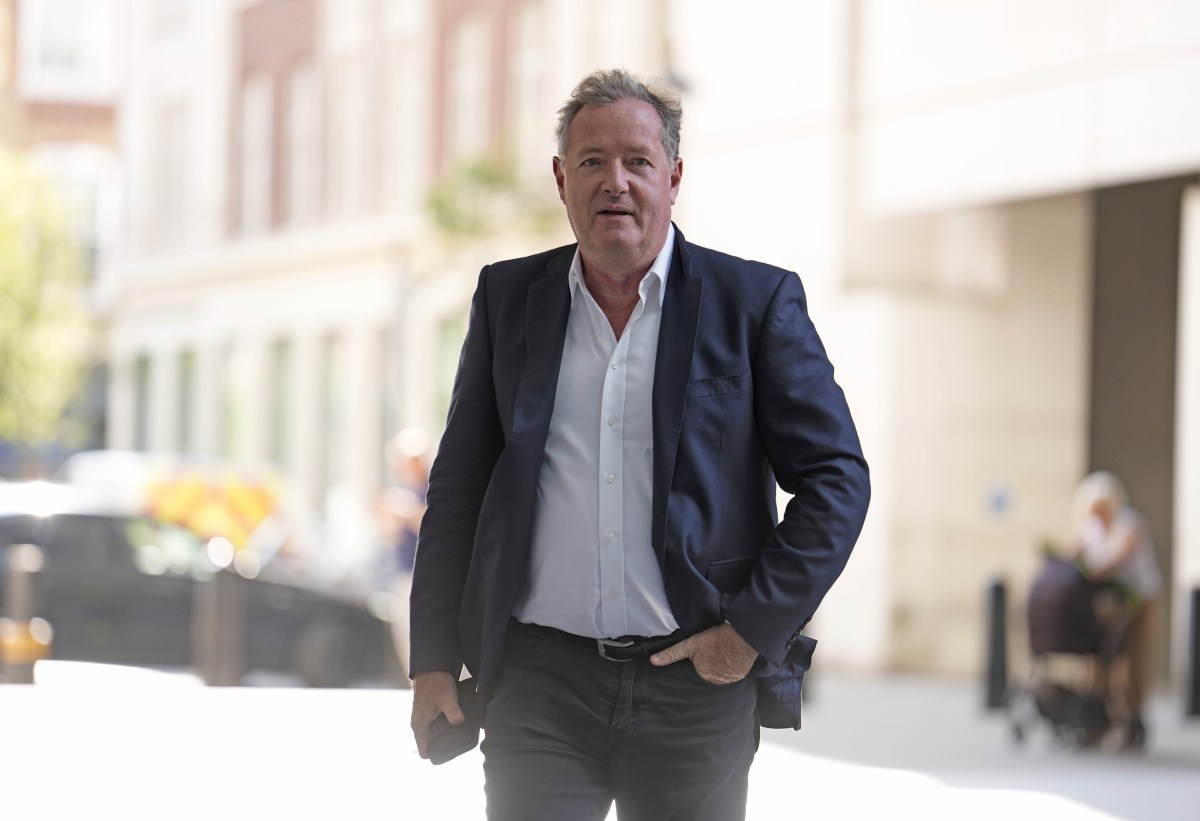
Piers Morgan plans to take legal action over claims made by Earl Charles Spencer, Princess Diana’s brother, in his new book. Spencer says Morgan was angry when asked not to attend Diana’s funeral, but Morgan denies this and calls the claims false.
Key Facts
Earl Charles Spencer wrote a memoir called *Swan Song: Diana, My Sister*.
Spencer claims he asked newspaper editors not to attend Diana’s 1997 funeral to protect her family from media pressure.
Most editors agreed to stay away, but Spencer says Morgan, then editor of the Daily Mirror, reacted angrily.
Morgan denies the claim and says he will take legal action, calling the allegation untrue.
Spencer also alleges King Charles made insensitive remarks about Diana after her death, which Buckingham Palace denies.
There is an ongoing debate about the intense media attention on Diana and how it affected her family, including Prince Harry and Meghan.
Morgan criticizes Spencer for criticizing media coverage while making claims against King Charles.
The memoir’s full text has not been released yet and Newsweek is seeking comments from both Spencer and Morgan.
Read the Original
Want the full story? Tap a source to open the original
article.
FIFA President Gianni Infantino has suggested an independent review of FIFA's decision-making process after criticism of a failed plan to sell part of FIFA’s commercial rights to private investors. He wants to discuss changes to improve transparency and decide who should have authority over big decisions.
Key Facts
Gianni Infantino proposed an external review of FIFA’s governance for major projects.
The plan to sell 20% of FIFA’s commercial rights to private investors was abandoned after strong opposition.
The sale aimed to raise money for football development but would not affect control of sports decisions.
The proposal was leaked before full approval and caused concern among members.
Infantino said decisions on big issues could be debated by the FIFA Council and member associations.
Any changes to FIFA’s rules would need approval from the congress, which represents all members.
Infantino promised that FIFA’s programs and treatment of members would continue normally, regardless of their opinion on the proposals.
He expressed his commitment to leading FIFA and working with members on improvements.
Read the Original
Want the full story? Tap a source to open the original
article.
The UK has charged a man, Vincent Brown, for his alleged role in the 1994 Rwanda genocide, marking the first such case in the country. Brown is accused of directing and encouraging murders during the genocide and is due to appear in court soon.
Key Facts
Vincent Brown, 65, is charged with conduct related to genocide and aiding crimes against humanity in Rwanda.
These are the first charges in the UK connected to the 1994 Rwanda genocide.
The charge involves allegations that Brown helped organize and incite killings of Tutsis during the genocide.
Brown was first arrested in 2006, but extradition to Rwanda was refused in 2017.
UK police began a new investigation in 2019 at Rwanda’s request.
Brown, originally from Kigali, Rwanda, has lived in London since 1998 and once worked for a charity.
He changed his name when he became a UK citizen in 2004.
Police are still investigating other suspected Rwanda genocide criminals living in the UK.
Read the Original
Want the full story? Tap a source to open the original
article.
Belarus’s leader Alexander Lukashenko said there is no fertilizer left to send to the United States. This statement followed President Donald Trump’s announcement that he was trying to make a big deal to buy potash fertilizer from Belarus at a low price during a trade conflict with Canada.
Key Facts
Alexander Lukashenko is the leader of Belarus.
Lukashenko said Belarus has no available fertilizer to export to the U.S.
President Donald Trump announced plans for a large purchase of potash from Belarus.
Potash is a type of fertilizer used to help plants grow.
Trump’s effort to buy potash from Belarus relates to trade tensions with Canada.
Belarus is an authoritarian country with centralized control over exports.
The dispute involves supply and pricing of fertilizer important for farming.
Lukashenko’s statement suggests Belarus cannot fulfill the fertilizer deal that Trump mentioned.
Read the Original
Want the full story? Tap a source to open the original
article.
World and business leaders are meeting at the United Nations General Assembly in New York to discuss urgent problems like climate change, high energy prices, and recent natural disasters such as floods in Nepal. This year, the impact of artificial intelligence and data centers on energy use is a major new topic, alongside ongoing issues from fossil fuel dependence and climate disasters.
Key Facts
The UN General Assembly began high-level discussions on Sept. 22, 2025, focusing on climate change and energy costs.
Recent extreme weather events include deadly flooding in Nepal caused by a glacier collapse.
Climate change is pushing up global food prices and inflation, in part due to fossil fuel reliance.
Wars in Iran and Ukraine have raised fossil fuel prices, costing U.S. consumers over $100 billion.
Renewable energy is growing quickly, making clean energy more affordable and widespread.
Artificial intelligence and data centers use a lot of energy, raising concerns about more pollution and higher energy costs.
Experts say data centers may become water neutral in 5 years and stop adding to global warming in about 10 years.
Leaders call for urgent global cooperation to address the growing climate crisis and energy challenges.
Read the Original
Want the full story? Tap a source to open the original
article.
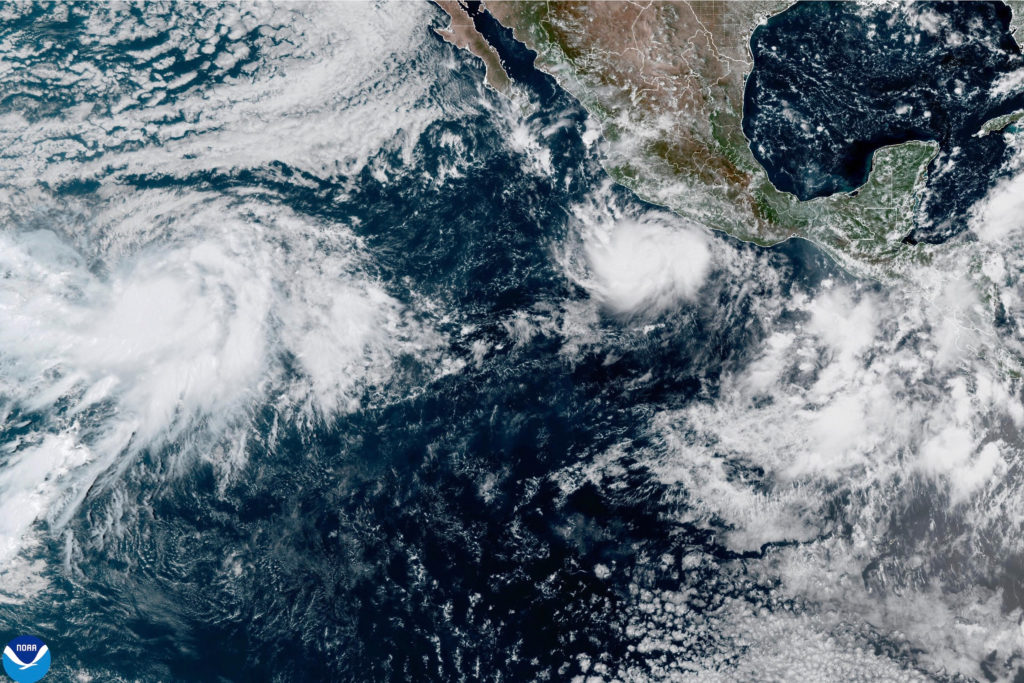
Hurricane Polo is quickly getting stronger in the Pacific Ocean and is expected to become a major hurricane soon. It may cause heavy rain, strong waves, and strong winds in some parts of Mexico from late Tuesday to early Wednesday.
Key Facts
Hurricane Polo is forming in the Pacific Ocean.
It is expected to strengthen rapidly and become a major hurricane.
The National Hurricane Center in Miami is tracking the storm.
Polo could affect parts of Mexico with heavy rain.
The storm may bring strong winds like those in tropical storms.
Rough waves along the coast of Mexico are possible.
The impact is expected between late Tuesday and early Wednesday.
Read the Original
Want the full story? Tap a source to open the original
article.
California is preparing for a very strong El Niño, a climate event expected to cause heavy storms and flooding this winter. Governor Gavin Newsom has declared a state of emergency to help communities get ready and support emergency responders.
Key Facts
El Niño is a natural climate event caused by warm water in the eastern Pacific Ocean, affecting global weather.
This year’s El Niño is breaking temperature records and is expected to be very strong and possibly historic in strength.
California usually sees more severe storms and flooding during El Niño events, especially in coastal areas.
Governor Newsom declared a state of emergency to provide supplies, prepare infrastructure, and deploy the National Guard.
The emergency declaration aims to help families stay safe, keep communities connected, and support first responders.
Climate change is making El Niño events stronger and more intense.
Several California counties have also declared emergencies after recent severe weather.
The state is preparing for rain, flooding, landslides, coastal flooding, and power outages caused by this event.
Read the Original
Want the full story? Tap a source to open the original
article.
A recent Gallup poll shows that many Americans are unhappy with the United Nations (U.N.). Most people think the U.N. is not doing well in its main jobs, especially in keeping peace and security around the world.
Key Facts
73% of Americans are critical of the U.N.’s work to maintain international peace and security.
Only 25% of Americans think the U.N. is doing a good job overall.
The poll focuses on five key areas of U.N. performance.
The survey was released by Gallup on a Sunday.
The article highlights a generally negative view of the U.N. among Americans.
The poll reflects public opinion about an international organization based in the United States.
The U.N. is expected to work on peace, security, and other global issues.
The survey results show challenges in how Americans see the U.N.’s effectiveness.
Read the Original
Want the full story? Tap a source to open the original
article.
Nine protesters stopped access to an Elbit Systems factory in Staffordshire by locking themselves to objects at the site. They want to stop the company from supplying military equipment to Israel.
Key Facts
Nine protesters took part in the action at the Elbit Systems factory.
They used five “lock-ons,” a method to attach themselves and block entry.
The protest was organized by a group called Silence Elbit Drones.
The group wants to disrupt Elbit Systems’ work.
Their concern is about Elbit supplying weapons to Israel.
The factory is located in Staffordshire, England.
The protest was covered by Al Jazeera news.
The spokesperson for the group is Audrey Corno.
Read the Original
Want the full story? Tap a source to open the original
article.