An American Israeli man who was held hostage by Hamas in Gaza for almost 500 days performed a concert in the Israeli town of Nir Oz. The town was severely damaged during the terrorist attacks on October 7. The man used songs to share his experience of survival and hope.
Key Facts
The concert took place in Nir Oz, a small Israeli town hit hard by attacks on October 7.
The singer is an American Israeli who was kidnapped by Hamas.
He spent nearly 500 days as a hostage in Gaza.
He is not a professional musician but performed songs about survival and hope.
The event was reported by producer Karl Bostic and journalist Nick Schifrin.
Hamas is a Palestinian group involved in conflicts with Israel.
The concert was seen as a symbol of resilience after the attacks.
Read the Original
Want the full story? Tap a source to open the original
article.
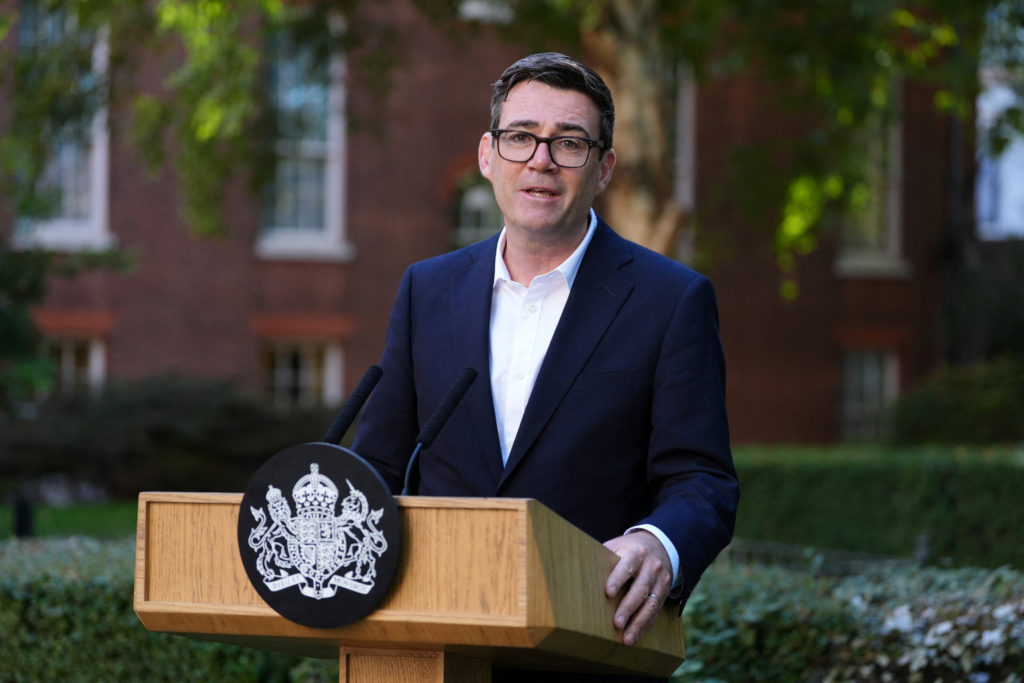
Britain's Prime Minister Andy Burnham will meet U.S. President Donald Trump for the first time. They plan to discuss important topics including the war in Ukraine, artificial intelligence, and the rising costs of conflict in the Middle East.
Key Facts
Andy Burnham is the Prime Minister of Britain.
This will be his first meeting with President Donald Trump.
The meeting will cover issues about Ukraine.
Artificial intelligence risks and opportunities will be discussed.
They will talk about the increasing cost of conflicts in the Middle East.
Burnham previously said he would not meet President Trump.
Britain has offered military support to Saudi Arabia.
The meeting will also include Britain’s debut at the United Nations.
Read the Original
Want the full story? Tap a source to open the original
article.
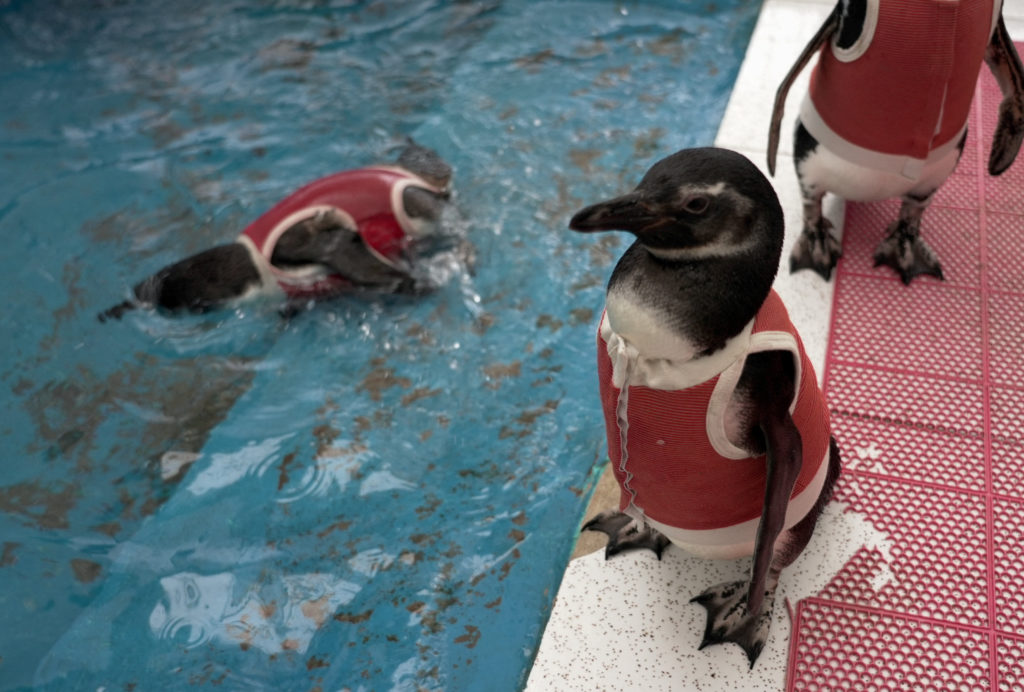
In Chile, scientists are using special copper vests to help injured penguins heal more quickly. These suits support the penguins’ recovery by aiding their injured bodies.
Key Facts
The treatment involves copper vests made for injured penguins.
The vests are designed to help the penguins recover faster.
The project is taking place in Chile.
Penguins wearing the vests receive support for their injuries.
The suits are part of a new approach to wildlife care.
Read the Original
Want the full story? Tap a source to open the original
article.
Fat Bear Week is an annual event run by Katmai National Park in Alaska where people vote online to see which brown bear has gained the most weight before winter hibernation. The contest runs from September 22 to 29 and compares photos of bears from early and late summer.
Key Facts
Fat Bear Week is held by Katmai National Park in Alaska.
It is now in its 13th year.
The event runs from September 22 to 29.
Fans vote online for the bear that has put on the most weight.
Photos show bears at the start and end of summer for comparison.
Last year, over 1.7 million votes came from more than 100 countries.
The competition highlights brown bears preparing for winter hibernation.
The event is popular worldwide and helps raise awareness about wildlife.
Read the Original
Want the full story? Tap a source to open the original
article.
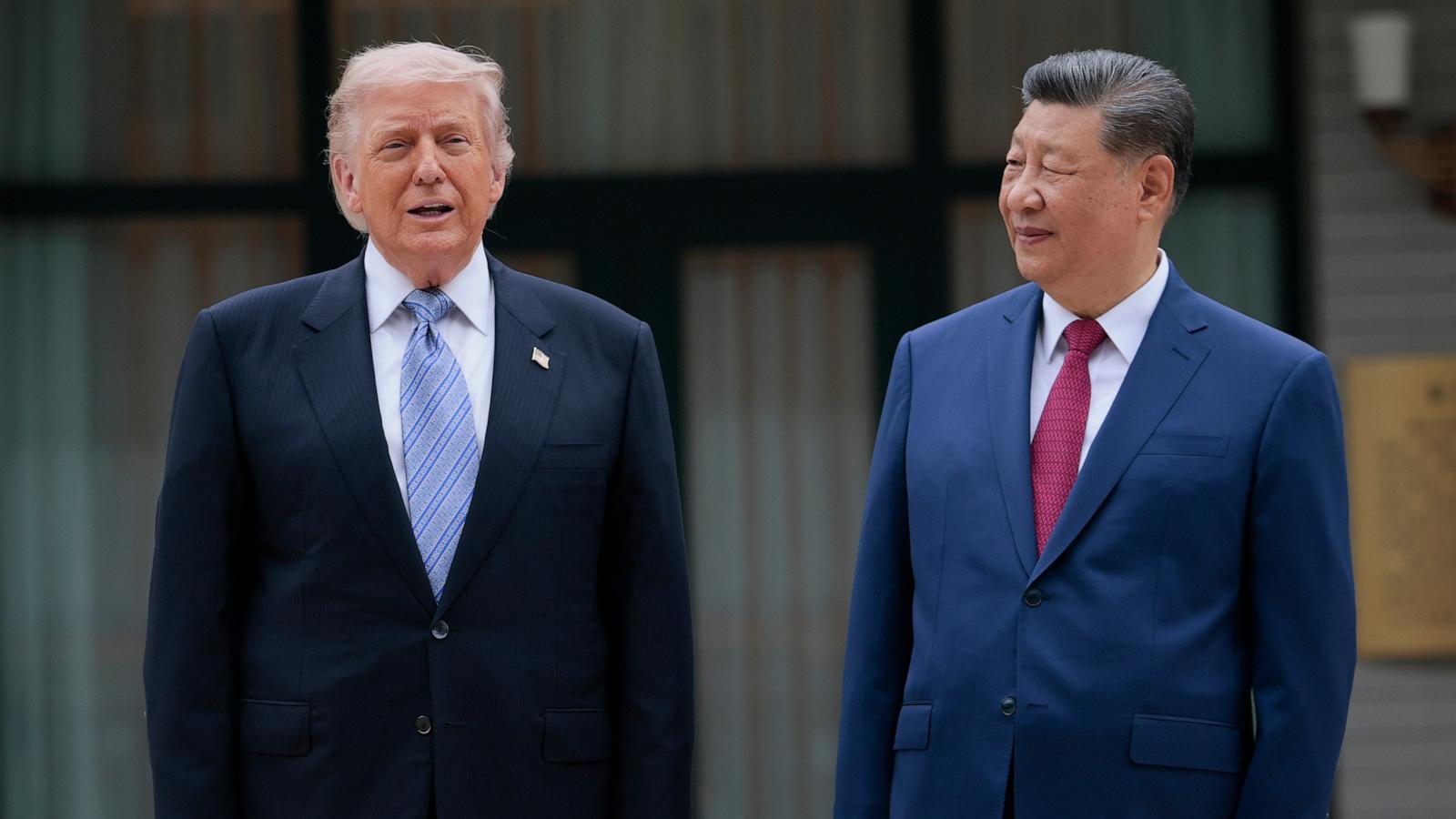
Some U.S. lawmakers ask President Donald Trump to confront Chinese President Xi Jinping about reports that Chinese companies gave Iran satellite images used in military attacks. These attacks reportedly killed American soldiers, and the lawmakers want China to stop supporting Iran in the ongoing conflict.
Key Facts
President Trump and President Xi are meeting in Washington for their second summit since the Iran war began in February 2026.
Democratic lawmakers, many with military backgrounds, wrote to President Trump urging him to challenge China’s support for Iran.
A U.S. report says Chinese companies provided satellite images to Iran, which helped Iran strike a Jordanian airbase in July, killing three U.S. soldiers.
The U.S. State Department sanctioned four Chinese entities in May for sharing satellite data with Iran’s military.
China denies that its companies are helping Iran in the war.
Republican Rep. John Moolenaar described China’s actions as similar to an act of war against the U.S.
President Trump has said China spies on the U.S., but has also said Xi has “behaved reasonably well.”
Analysts expect the summit to focus on the energy crisis and economic actions against Iran, but doubt China will make big changes without demands or benefits in return.
Read the Original
Want the full story? Tap a source to open the original
article.
CIA Director John Ratcliffe met Ukrainian President Volodymyr Zelensky at Shannon Airport in Ireland while both were waiting for their planes to refuel. The meeting was brief and happened during their journey to the United States.
Key Facts
John Ratcliffe is the director of the CIA.
Volodymyr Zelensky is the president of Ukraine.
They met on Monday at an airport in Ireland.
The airport was Shannon Airport.
Both leaders were en route to the U.S. and stopped for refueling.
The meeting was short and informal.
The information comes from a source familiar with the meeting.
Read the Original
Want the full story? Tap a source to open the original
article.
This news article highlights current popular culture updates, including Rebel Wilson's legal situation regarding her first movie as a director and George Lucas starting his largest production. It also mentions various other trending topics without going into detail.
Key Facts
Rebel Wilson is involved in a legal dispute related to her work as a director.
George Lucas is beginning his biggest production project to date.
Zach Cregger is mentioned as part of what is currently trending in pop culture.
The article is part of a broader set of news covering various topics.
No further details about the legal case or production are provided in the article excerpt.
The article focuses on entertainment and popular culture stories.
It is shared by ABC News and presented by Rocsi Diaz.
Read the Original
Want the full story? Tap a source to open the original
article.
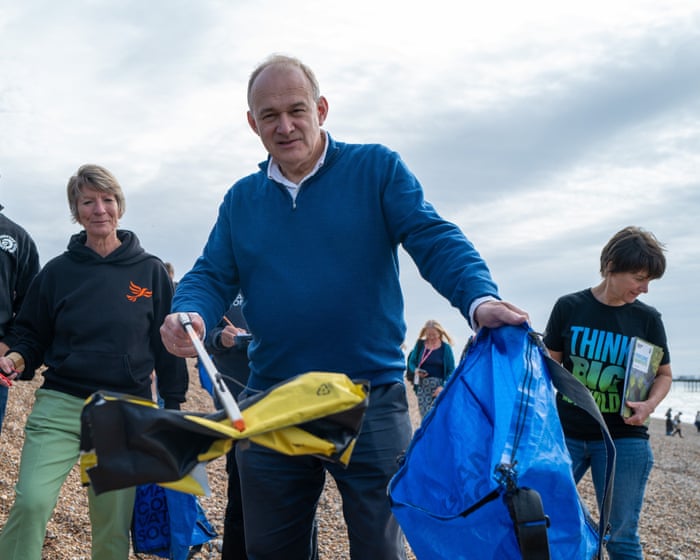
Ed Davey, leader of the UK Liberal Democrats, will call for a global treaty to stop the uncontrolled development of super-intelligent AI. He compares AI to nuclear weapons and suggests creating an international agency to ensure AI safety, warning that the current development is driven by a few powerful tech leaders without enough oversight.
Key Facts
Ed Davey wants a global AI non-proliferation treaty, like those for nuclear weapons, to prevent dangerous AI development.
He proposes a new international agency to oversee AI safety, similar to the International Atomic Energy Agency (IAEA).
Davey warns that super-intelligent AI could pose a risk to humanity’s survival.
He criticizes current AI development as being controlled by a small group of powerful tech leaders mainly in California and Beijing.
The UK government announced a new AI partnership with the US, but Davey says it is not enough and risks increasing reliance on tech companies connected to President Trump.
The Liberal Democrats also plan a tax on big tech companies and want to regulate new technologies like smart glasses to protect privacy.
Davey supports cutting fuel duty and transport costs as part of broader economic plans.
He emphasizes cooperation among nations in controlling dangerous technologies and warns against leaving AI regulation to just a few billionaires.
Read the Original
Want the full story? Tap a source to open the original
article.
World leaders gathered in New York for the UN General Assembly and Climate Week to discuss the growing climate crisis amid extreme weather events and a strong El Niño. Leaders from Australia and Iceland shared their countries’ efforts to shift away from fossil fuels and highlighted the need for global action against climate change.
Key Facts
Climate Week runs alongside the UN General Assembly and focuses on climate issues.
Extreme heat, wildfires, flooding, and a record-breaking El Niño have affected many regions globally.
Australia’s Prime Minister Anthony Albanese emphasized supporting Pacific nations in climate action.
Iceland’s Prime Minister Kristrún Frostadóttir explained Iceland’s switch to geothermal energy after an oil crisis in the 1970s.
Nearly all homes in Iceland now use renewable energy, with over 90% from geothermal sources.
The article noted US government actions that have blocked some climate efforts, such as paying to stop offshore wind projects under President Trump’s administration.
UN official Selwin Hart linked the Iran war to a global call to end reliance on fossil fuels quickly.
A retired British army officer highlighted the need for militaries to adapt to changing environments caused by climate change.
Read the Original
Want the full story? Tap a source to open the original
article.
The Bishop of Lincoln, Stephen Conway, has resigned while under investigation for a sexual assault allegation. His resignation will take effect on 1 October, and the Church of England continues to handle the case through its disciplinary process.
Key Facts
Stephen Conway, Bishop of Lincoln, resigned amid a sexual assault investigation.
He was arrested in February following an allegation of sexual assault from 2018 to 2025.
Conway was suspended from his church duties when the complaint was made.
The Church of England confirmed the complaint process is still ongoing after his resignation.
Dr. Nicholas Chamberlain, Bishop of Grantham, will act as Bishop of Lincoln until a new one is appointed.
Conway’s resignation will officially start on 1 October.
The police investigation is still active.
The Diocese of Lincoln and the Church of England are involved in the case.
Read the Original
Want the full story? Tap a source to open the original
article.
Several major armed groups in Ethiopia have joined together to form an alliance that opposes the government led by Prime Minister Abiy Ahmed. This coalition aims to challenge the current ruling administration.
Key Facts
Ethiopia’s main armed opposition groups have created a united alliance.
The alliance’s goal is to oppose Prime Minister Abiy Ahmed’s government.
The coalition represents different groups that have been in conflict with the government.
Ethiopia is facing political instability due to this alliance.
This development adds to ongoing tensions and conflicts within the country.
Read the Original
Want the full story? Tap a source to open the original
article.
An equipment outage in the Northeast United States caused delays and stops at major East Coast airports. Many flights were affected as aviation systems temporarily stopped working.
Key Facts
The outage happened in the Northeastern U.S.
It caused ground stops, meaning flights could not take off or land for a time.
Major airports on the East Coast experienced delays and cancellations.
The problem was related to equipment used in airport or air traffic control operations.
CBS News reported the situation and provided updates through their correspondent.
Travelers at the affected airports faced disruptions to their plans.
The issue was being addressed by authorities to restore normal operations.
Read the Original
Want the full story? Tap a source to open the original
article.
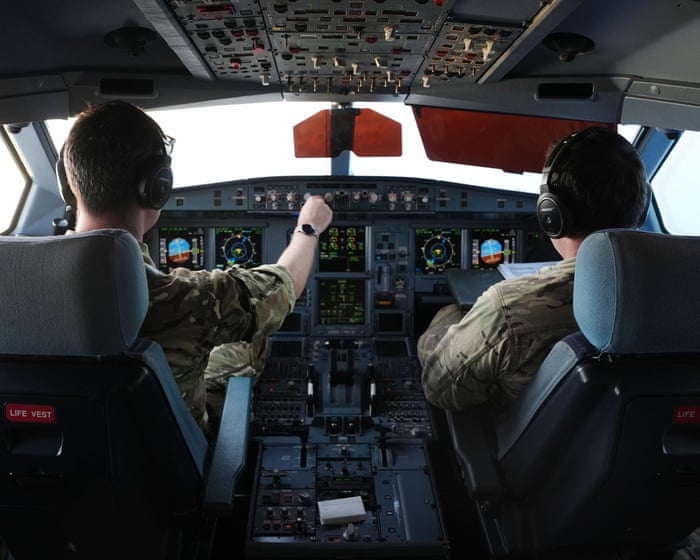
The UK has agreed to provide air-to-air refueling support to Saudi jets to help defend against Houthi fighters and protect energy supplies in the Middle East. UK Prime Minister Andy Burnham plans to use his meeting with President Trump to urge a reduction in conflict with Iran and address the impact of global instability on economies.
Key Facts
The UK will deploy an RAF Voyager aircraft to refuel Saudi jets for several weeks.
This support aims to protect energy infrastructure and keep oil flowing through the Gulf.
The Houthi fighters are Iran-backed rebels active near the Bab al-Mandab strait, a key oil shipping route.
The UK already operates an air defense system called Sky Sabre in the region.
Prime Minister Burnham wants to use his meeting with President Trump to encourage reducing conflict with Iran.
Rising Middle East tensions have increased global energy prices and inflation in the UK.
Burnham will discuss other global issues at the UN, such as the war in Ukraine and artificial intelligence.
The meeting between Burnham and Trump is significant due to past UK-US tensions over Middle East policies.
Read the Original
Want the full story? Tap a source to open the original
article.
A Ukrainian naval drone destroyed a Russian explosive drone boat in the Black Sea on September 12. This was the first known battle between unmanned surface vessels, showing a new type of naval warfare using drones.
Key Facts
Ukraine detected a Russian unmanned surface vessel (USV) called an Orcan drone in the Black Sea.
The Orcan drone is designed to ram targets and explode, previously used against Ukrainian ports and ships.
Ukraine’s Sargan-3000 drone boat, equipped with a remote-controlled 12.7 mm machine gun, sank the Russian drone.
The Ukrainian drone disabled the Russian drone’s communication antenna from 1 kilometer away before sinking it.
Sargan-3000 can travel up to 1,600 kilometers and reach speeds of 40 to 55 knots, carrying up to 450 kilograms.
Ukraine uses drone boats for attacks on Russian naval forces, oil supply ships, and Crimea supply routes.
Russia also uses naval drones and has deployed them near European gas platforms.
Naval drones are becoming important in conflicts such as Ukraine-Russia and US-Israel-Iran tensions.
Read the Original
Want the full story? Tap a source to open the original
article.
Ed Sheeran’s US tour faced controversy after rapper Macklemore was removed due to pro-Palestinian comments, which led some supporting artists to quit the tour. False claims went viral online saying Sheeran’s music was removed from Spotify and that he was performing solo without any new band members, but these claims were proven false.
Key Facts
Rapper Macklemore was removed from Ed Sheeran’s US tour for pro-Palestinian comments.
Several support acts, including Lukas Graham, Aaron Rowe, and Finneas, withdrew from the tour in solidarity with Macklemore and Palestinians in Gaza.
False videos and posts falsely claimed Sheeran’s music was taken off Spotify, but his songs remain available on the platform.
One viral video showed Sheeran performing alone, but it used old footage from 2022, not the current tour.
After backing band Beoga left, Sheeran brought in other musicians he has worked with before for the Philadelphia show.
Irish radio station Classic Hits Radio removed Sheeran’s music from its playlist after listener feedback, but that is separate from the false Spotify claim.
The pro-Palestinian controversy sparked many online rumors around Sheeran’s tour.
Read the Original
Want the full story? Tap a source to open the original
article.
About 72,000 migrants crossed from Morocco to the Spanish enclave of Ceuta in two days, creating a large humanitarian situation. Authorities say at least 10,000 migrants still remain in Ceuta, putting pressure on local resources.
Key Facts
In late July, around 72,000 migrants crossed from Morocco into Ceuta over two days.
This number is a record surge, much higher than normal.
At least 10,000 migrants remain stranded in Ceuta as of now.
The sudden increase overwhelmed local services and resources.
Ceuta is a small Spanish territory located on the north coast of Africa.
Local authorities are managing a growing humanitarian challenge.
Read the Original
Want the full story? Tap a source to open the original
article.
A man fired a shotgun at a police officer outside a synagogue in Belleville, Ontario, during Yom Kippur, leading to a gunfight with around 30 shots fired. The man and a police officer were seriously injured, and no one inside the synagogue was hurt.
Key Facts
The shooting happened outside the Sons of Jacob Synagogue in Belleville, about 110 miles east of Toronto.
The alleged shooter is Sean Ward, 29, from Quinte West, and the injured officer is Constable Jeff Smith, a 13-year veteran.
About 24 people were inside the synagogue during the shooting, but none were injured.
Gunfire damaged nearby vehicles and homes, but it is not confirmed if the synagogue was hit.
Police have not yet identified the motive or if the Jewish community was targeted.
The Special Investigations Unit is checking police actions, and Belleville police are investigating the shooter’s motive.
The synagogue canceled remaining Yom Kippur services, and police increased security at places of worship.
Canadian Prime Minister Mark Carney condemned the attack and promised government support for law enforcement.
Read the Original
Want the full story? Tap a source to open the original
article.
The UK will provide Saudi Arabia with defensive air-to-air refueling support to help Saudi jets protect against attacks by Houthi militants in Yemen. This support will likely start soon using a British Voyager aircraft based in Cyprus and is planned to last for a few weeks.
Key Facts
The UK agreed to give Saudi Arabia air-to-air refueling help to defend against missile and drone attacks.
A single British RAF Voyager aircraft, based in Cyprus, will carry out the operation.
The support is time-limited and expected to last for weeks initially.
Saudi Arabia faces attacks from the Iran-backed Houthis who are fighting Yemen's recognized government.
The Houthis have recently attacked Saudi targets including the capital Riyadh and energy sites on the Red Sea coast.
The UK decision was made following a request from Saudi Arabia and advice from UK defense and foreign ministers.
The Red Sea is a key global shipping route, and recent Houthi control of parts of Yemen threatens this area.
In 2024, the UK and US jointly launched air strikes against Houthi targets to protect shipping and lives.
Read the Original
Want the full story? Tap a source to open the original
article.
Sanna Manjang, the former leader of a Gambian paramilitary group called the “Junglers,” has appeared in military court accused of deserting the armed forces after fleeing in 2017. This trial is part of The Gambia’s efforts to address crimes, including killings and torture, that happened under former President Yahya Jammeh’s rule.
Key Facts
Sanna Manjang led the “Junglers,” a paramilitary group accused by the UN of illegal killings and torture.
Manjang fled The Gambia in 2017 after President Yahya Jammeh lost power in 2016.
He was arrested in Senegal in November and returned to The Gambia in December 2024.
Manjang faces trial for desertion, accused of abandoning the military for nine years intentionally.
Previous murder charges against Manjang, including for killing journalist Deyda Hydara, were dropped due to lack of witnesses.
The Gambian Truth, Reconciliation and Reparations Commission found that 240-250 people were killed by the state under Jammeh.
Other members linked to Jammeh’s regime have been prosecuted in Germany, Switzerland, and the United States.
Manjang is also currently on trial for assaulting two men in separate cases.
Read the Original
Want the full story? Tap a source to open the original
article.
A small migrant boat reached the UK shore at Folkestone without being stopped by border security. Five people from the boat were detained, and an investigation is underway. This type of unescorted arrival is rare.
Key Facts
A dinghy (small boat) arrived at Folkestone in Kent on Monday morning without being intercepted.
Five people from the boat were detained and handed to border security officers.
The UK Home Office started an investigation into how the boat reached the shore.
Usually, migrants crossing the English Channel are intercepted by border security or rescue boats.
The last recorded unescorted arrival was on 6 September 2025.
Kent Police were alerted around 09:25 BST and responded quickly.
About 17,480 migrants have crossed the Channel to the UK by boat so far this year, which is 46% fewer than last year.
French lifeboat and navy vessels are tracking other migrant boats in the Channel near Normandy.
Read the Original
Want the full story? Tap a source to open the original
article.