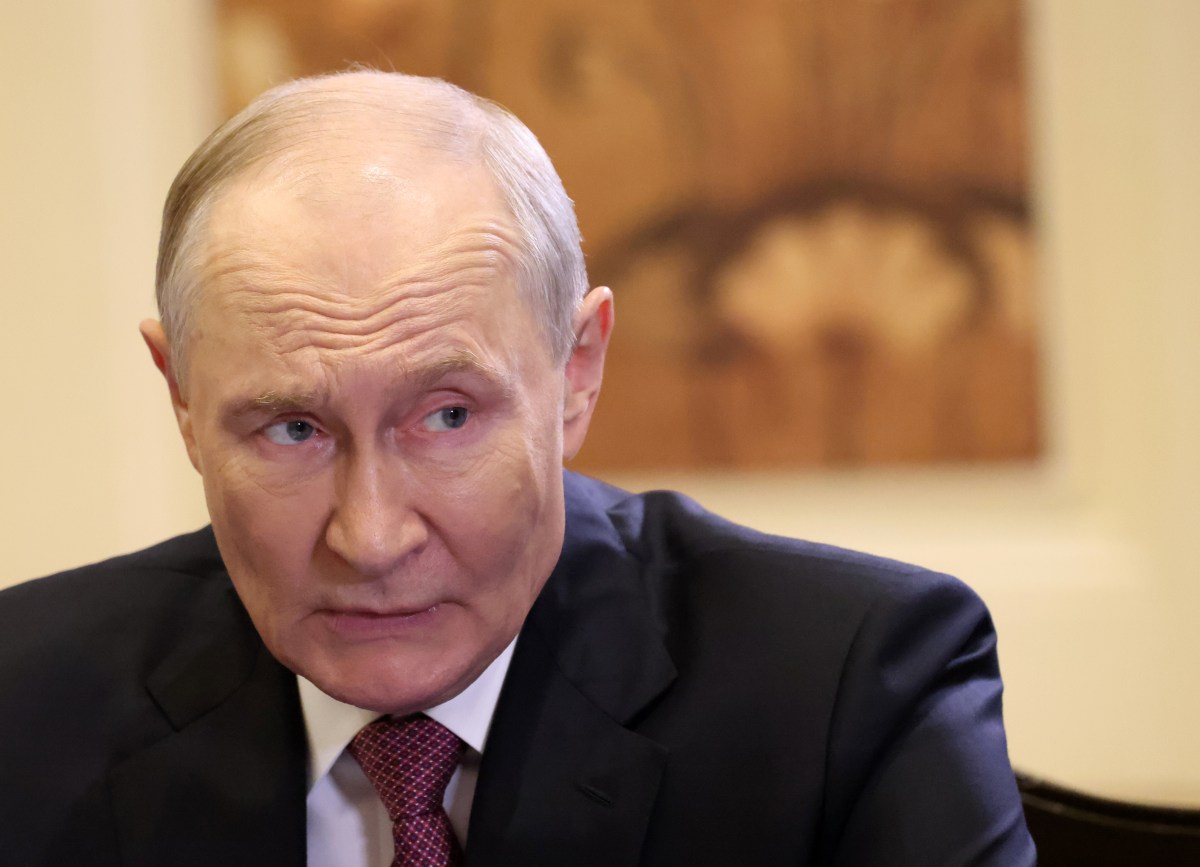
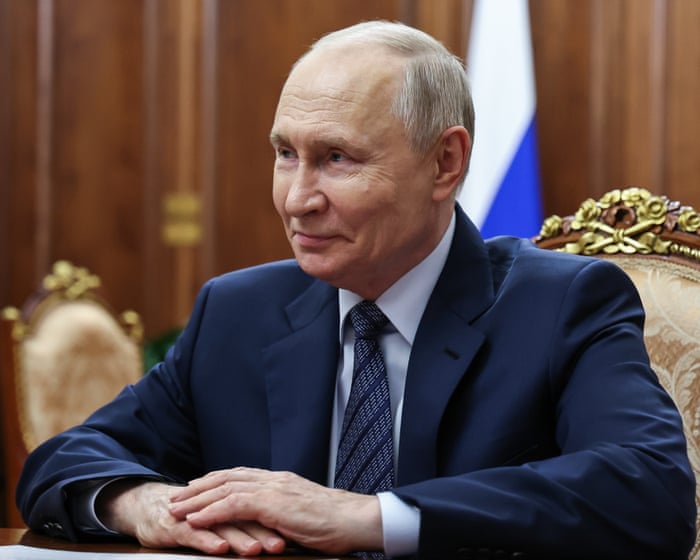
European leaders and Western intelligence officials warn that Russia may soon escalate its conflict with Ukraine by attacking NATO territory. However, experts say Russia’s military is weakened from losses in Ukraine and depends heavily on China, which limits Russia’s ability to wage a wider war against NATO.
Key Facts
European leaders, including Poland’s Prime Minister, warn that Russia might target NATO countries with drones or missiles.
Czech intelligence predicts such attacks could happen within months, not years.
CIA Director John Ratcliffe visited Moscow to warn Russia against escalating the war.
Russia has suffered heavy losses in Ukraine, with an estimated 1.4 million casualties since 2022.
The pace of Russian advances in Ukraine is very slow, sometimes losing more ground than they gain.
Russia heavily relies on China for technology and trade, with China controlling most of Russia’s imports.
The relationship favors China, which has not promised military support to Russia in the Ukraine war.
Russia’s war economy and military strength are weakened, making a large conflict with NATO unlikely.
Read the Original
Want the full story? Tap a source to open the original
article.
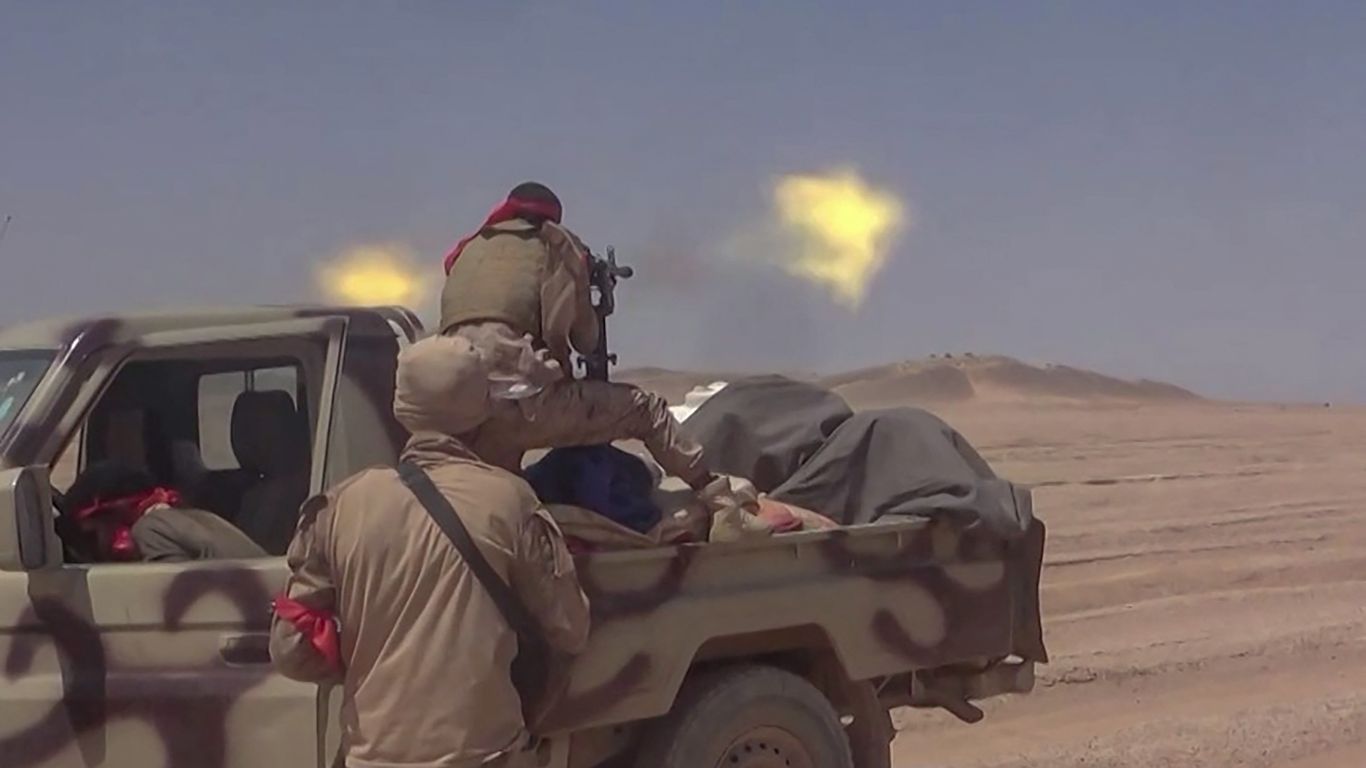
Thousands of Yemeni families are fleeing their homes because of increased fighting between Houthi forces and Saudi-backed government forces near the Red Sea coast. Many refugees have crossed the sea to a camp in Djibouti, where they seek safety from the violence caused by air strikes, drone attacks, and missile launches.
Key Facts
Over 3,000 Yemeni refugees have recently arrived at the Markazi camp in northern Djibouti.
The UN estimates more than 120,000 Yemenis have been displaced due to the recent fighting near the Red Sea coast.
The Houthis have advanced quickly toward the Bab al-Mandab strait, a strategic and narrow waterway connecting the Red Sea to the Gulf of Aden.
Saudi Arabia, supporting Yemen's recognized government, has launched hundreds of air strikes against Houthi positions along the coastal plain.
The Houthis have responded with drone and missile attacks on cities and infrastructure in southwestern Saudi Arabia.
Many refugees fled to protect their families from the constant bombings, regardless of which side is responsible.
Djibouti hosts large international military bases, including a U.S. base and a major Chinese base, but it does not want to get involved in this war.
Some refugees arrived with only the clothes they wore, while others brought small personal belongings or animals on their boats.
Read the Original
Want the full story? Tap a source to open the original
article.
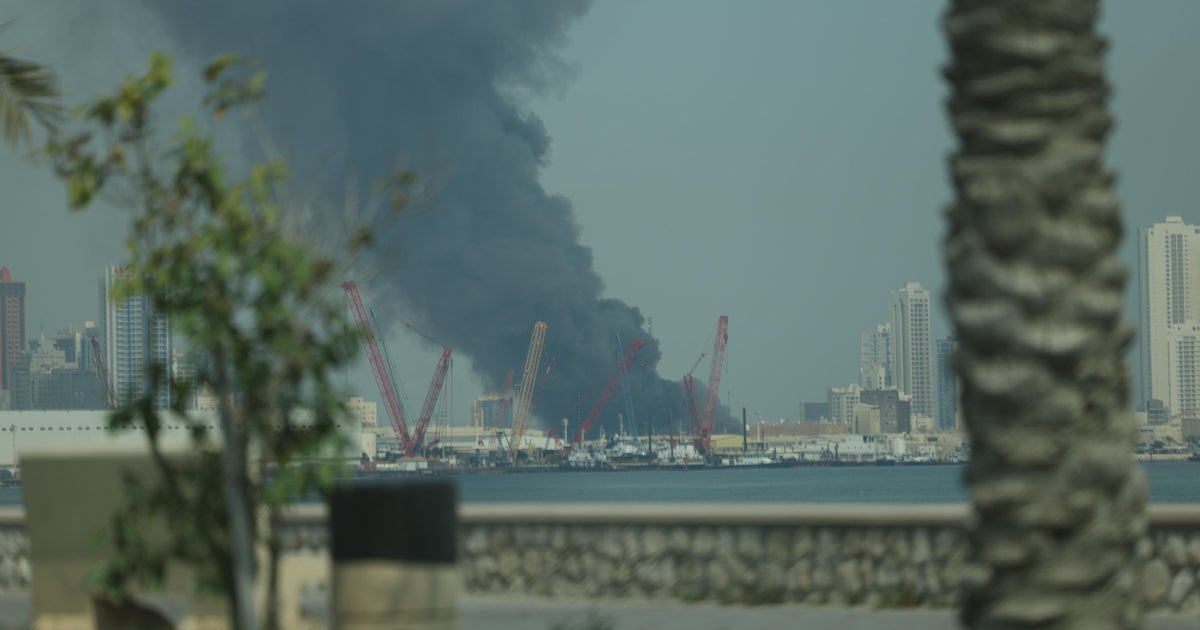
Iran attacked the U.S. Navy’s Middle East headquarters in Bahrain on the first day of the war, before all military families were evacuated. The attacks continued for several days, causing damage to the base and forcing the U.S. Navy to change its supply routes for ships in the region.
Key Facts
Iran launched ballistic missile and drone attacks against the Navy's base in Bahrain as soon as the war began.
Many military families were still living off base when attacks started; some waited a week or more before evacuation.
No U.S. military personnel were killed, but the base suffered significant damage, including to a key radar system.
The Navy had evacuated headquarters buildings but did not expect the scale of attacks they faced.
The base serves about 8,300 military and civilian personnel and their families and is a key logistics center for the U.S. Navy’s Fifth Fleet.
Due to damage in Bahrain, the USS Abraham Lincoln experienced food shortages and supply deliveries had to be rerouted through an island much farther away.
The Navy is not planning to return to the same level of presence at Bahrain’s base soon.
Service members can send household goods from Bahrain or arrange help to do so if outside the country.
Read the Original
Want the full story? Tap a source to open the original
article.
Canada agreed in January 2024 to reduce tariffs on Chinese electric vehicles (EVs) from 100% to 6.1%, allowing 49,000 Chinese-made EVs into Canada. This decision came after a policy proposal linked to a Chinese businessman with ties to China’s United Front system urged the government to lower the tariffs, raising concerns about foreign influence in Canada.
Key Facts
Canada cut tariffs on Chinese EVs from 100% to 6.1% as part of a trade deal with China in January 2024.
The tariff cut allows 49,000 Chinese electric vehicles to enter Canada.
The change breaks with the United States, which still restricts Chinese EVs.
A businessman named Shui Shousong, linked to China’s United Front system, submitted a policy proposal to the Canadian government to reduce the tariff.
Shui Shousong is president of the Sino-Canada Entrepreneurs Association (SinoCann).
The United Front is a Chinese Communist Party agency that works to influence overseas communities and foreign governments.
Canadian politicians and diplomats attended an event organized by Shui promoting Canada-China EV cooperation.
Canadian authorities and Newsweek have sought comments from government offices and Shui’s organization but received limited responses.
Read the Original
Want the full story? Tap a source to open the original
article.
Typhoon Dujuan has hit Japan, causing nearly two million people to evacuate and leading to power outages, flight cancellations, and suspensions of rail services. The storm brought strong winds and heavy rain, and officials have issued various warnings, with some still in place in parts of Japan.
Key Facts
Around two million people in Japan are under evacuation orders due to Typhoon Dujuan.
The typhoon has sustained winds of 130 km/h (81 mph) and gusts up to 194 km/h (121 mph).
Over 50,000 people lost power because of strong winds.
Hundreds of flights were canceled and many train services suspended.
Some heavy rain and landslide warnings remain in certain areas like Shinagawa Ward and Niijima Village.
The storm occurred during a five-day holiday, causing cancellations of concerts and events like the Tokyo Game Show.
Japan’s Prime Minister delayed a trip to the U.S. to monitor the storm’s effects.
The typhoon is linked to the super El Niño weather pattern, which warms ocean waters and can make storms stronger.
Read the Original
Want the full story? Tap a source to open the original
article.
Cate Blanchett asked the audience at London’s National Theatre to stop filming during the show Electra/Persona because it disrupts the experience for others. She noticed someone recording during the break between acts and reminded the audience to stay present during the performance.
Key Facts
Cate Blanchett is acting in Electra/Persona at London’s National Theatre.
She asked people not to film the show, explaining it spoils the experience for future audiences.
The filming happened during the interval between two acts, when cast and staff were still on stage.
Blanchett noticed the filming herself and signaled for it to stop during the break.
Many theatres ask audiences to switch off phones to respect the performance.
Other actors, like Rosamund Pike and Cynthia Erivo, have also spoken out against filming or phone use during shows.
Electra/Persona mixes a Greek tragedy and a famous film, with Blanchett and co-star Nina Hoss sharing roles decided by a coin toss.
The play runs until October 10.
Read the Original
Want the full story? Tap a source to open the original
article.
A tanker was hit by an unknown projectile while entering the Strait of Hormuz, injuring two crew members lightly. The tanker is continuing to its next port, and no environmental damage has been reported.
Key Facts
The incident occurred in the Strait of Hormuz, a key waterway for global oil transport.
Two crew members on the tanker suffered minor injuries.
The tanker is sailing on its own power to the next port.
No signs of environmental harm have been detected so far.
Iran controls much of the Strait of Hormuz following the war that started on February 28 involving the US and Israel.
The strait normally handles about 20 million barrels of oil per day, around 20% of the world’s supply.
Tanker traffic in the strait is lower than usual due to ongoing conflict.
Additional news in the article includes heavy casualties from fighting in Yemen and diplomatic talks between Iran and Pakistan.
Read the Original
Want the full story? Tap a source to open the original
article.
Scientists say that seven out of nine important Earth limits, called planetary boundaries, have been crossed at the worst levels ever. These boundaries include climate change and damage to ecosystems, which threaten the stability needed for human life.
Key Facts
There are nine planetary boundaries that help keep Earth safe for life.
Seven boundaries are currently crossed at their highest levels, including climate change and ocean acidification.
Only two boundaries, ozone layer depletion and atmospheric aerosols, have improved somewhat recently.
Crossing these boundaries raises the risk of large-scale and irreversible damage to the planet.
Human activities like burning fossil fuels, cutting forests, and polluting water are major causes.
Natural systems like forests and oceans, which absorb carbon dioxide, are weakening.
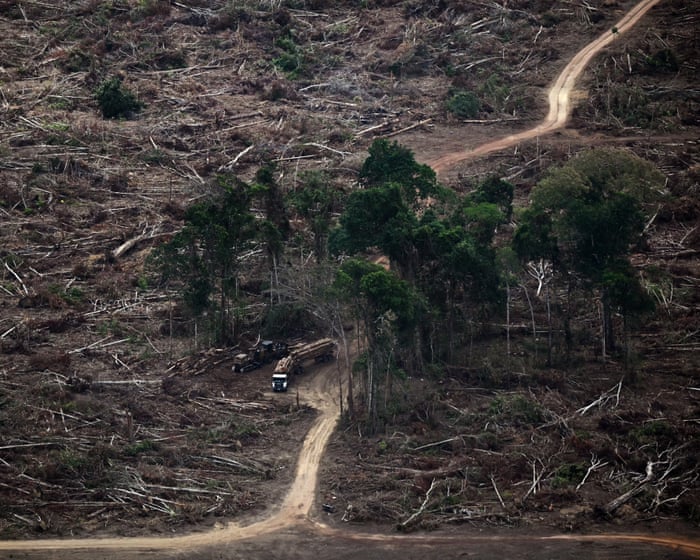
The Amazon rainforest could change into a savannah, which would harm climate, food, and water security globally.
Recent extreme weather events like floods, heatwaves, and wildfires are linked to these planetary changes.
Read the Original
Want the full story? Tap a source to open the original
article.
The article talks about how Americans have heard many warnings about environmental problems for over 40 years. It describes concerns like acid rain, the ozone hole, melting ice caps, and climate change, which have caused fear about the future of the planet.
Key Facts
Americans have been warned about environmental dangers for more than 40 years.
Early issues included acid rain and the hole in the ozone layer.
Later concerns focused on melting ice caps and rising sea levels.
Warnings also mentioned powerful storms and mass loss of animal species.
Climate change became a bigger focus with leaders like Al Gore promoting the issue.
The term "global warming" has since been changed to other names.
These messages have caused fear and concern across two generations.
Read the Original
Want the full story? Tap a source to open the original
article.
The United States is proposing a system to share alerts with China about risks related to artificial intelligence (AI). This idea aims to help both countries communicate quickly about AI issues that might affect national security before talks between President Trump and Chinese leader Xi Jinping.
Key Facts
U.S. Treasury Secretary Scott Bessent announced the proposal on Sunday.
The system is called the “U.S.-China AI dialogue.”
It would allow Washington and Beijing to notify each other about serious AI incidents.
The goal is to reduce risks AI could pose to humanity.
The proposal comes before planned talks between President Donald Trump and Xi Jinping.
This dialogue would help prevent misunderstandings or conflicts related to AI technology.
Both countries are considered major world powers with significant AI development.
Read the Original
Want the full story? Tap a source to open the original
article.
Prime Video launched *Neagley*, a new spinoff series in the same world as *Reacher*. The show follows Frances Neagley, a corporate security professional investigating the suspicious death of her childhood friend, uncovering a dangerous plot involving a cult and a secret drug.
Key Facts
*Neagley* is a spinoff of the hit series *Reacher*, now in its fourth season.
Frances Neagley, played by Maria Sten, is the main character investigating her friend Tommy’s death.
Tommy’s death was ruled an accident, but Neagley suspects foul play.
The investigation leads to Echo Canyon Farm, a commune run by cult leader Lawrence Cole.
A pharmaceutical company is secretly developing a psychoactive drug linked to the farm.
Neagley works with detective Hudson Riley and assistant Renee Birdwhistle on the case.
Neagley also faces personal struggles, including grief and a fear of physical touch.
The show mixes mystery, crime, and drama within a new yet connected universe.
Read the Original
Want the full story? Tap a source to open the original
article.
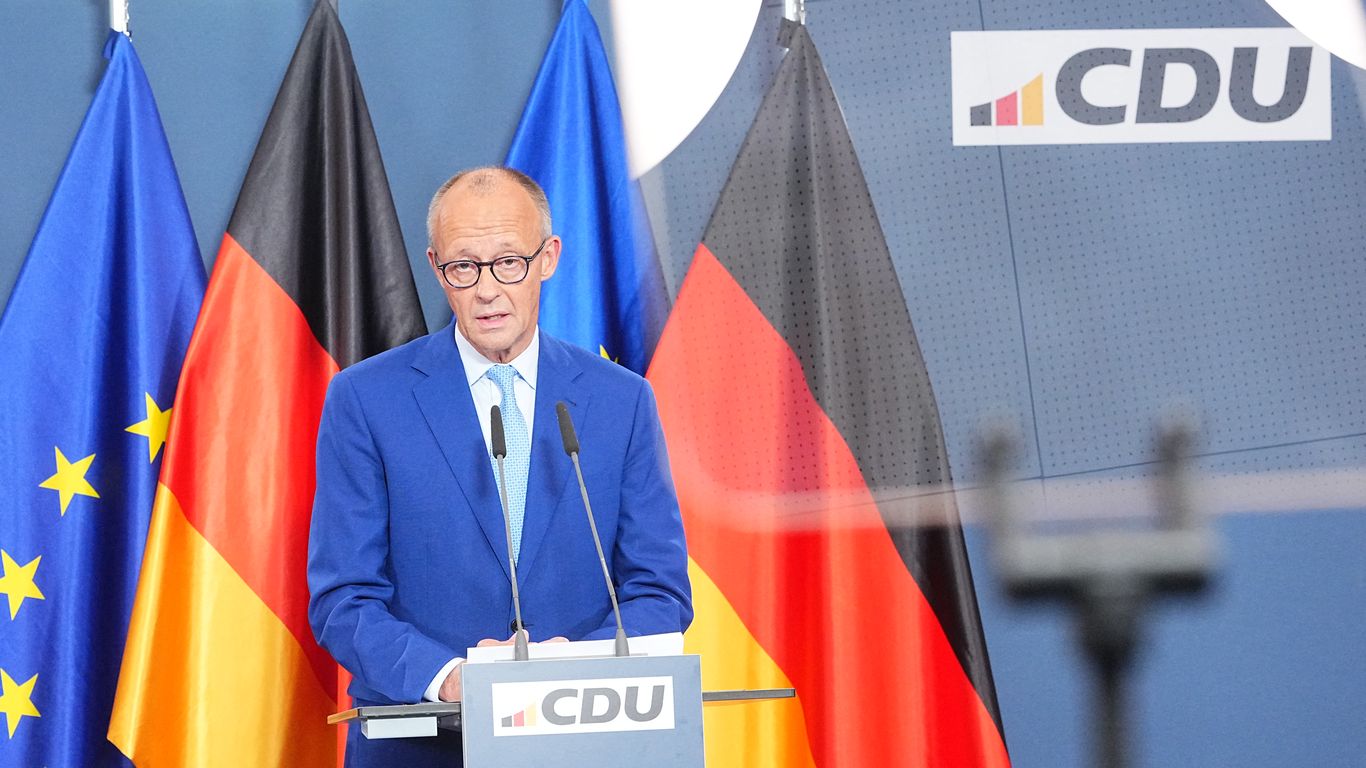
Germany’s far-right party, Alternative for Germany (AfD), won its second state election this month and a third overall. The ruling center-right party, Christian Democratic Union (CDU), led by Chancellor Friedrich Merz, performed very poorly and lost all seats in one state parliament for the first time.
Key Facts
AfD won about 38% of the vote in Mecklenburg-Western Pomerania, marking its growing strength.
CDU’s vote share in that state dropped from 13% to 4.9%, losing all representation.
AfD also won in Saxony-Anhalt earlier this month with 43.8% but fell short of a majority by three seats.
The Left party doubled its vote share in Berlin to 25.7% and took first place there.
Other German parties refuse to form coalitions with AfD due to its far-right positions and concerns about extremism.
Germany’s domestic intelligence monitors AfD as a suspected extremist group but cannot officially classify the whole party as extremist yet.
AfD supports policies like mass deportations of immigrants, abandoning the euro, ending sanctions on Russia, and stopping weapons aid to Ukraine.
AfD leader Alice Weidel called for CDU to reconsider its policy of excluding AfD from power, especially in eastern Germany.
Read the Original
Want the full story? Tap a source to open the original
article.
President Trump thought about launching attacks against the Houthi rebels in Yemen but decided not to. He wanted to help Saudi Arabia while avoiding deeper involvement in the Middle East conflict.
Key Facts
Saudi Crown Prince Mohammed bin Salman asked President Trump to strike the Houthis twice by phone about 10 days ago.
The Houthis are an Iran-backed group moving toward an important Red Sea passage called Bab-al-Mandeb.
President Trump refused airstrikes but agreed to share intelligence with Saudi Arabia.
U.S. diplomats met the Houthis and got promises they would not block ship traffic through Bab-al-Mandeb.
Saudi Arabia asked the U.S. again for military help as the Houthis advanced.
U.S. military leaders prepared strike options, but President Trump chose not to attack.
The concern was that strikes might make the Houthis block the Bab-al-Mandeb, causing higher oil prices.
Meanwhile, the Saudis and Yemeni government forces are planning a counterattack, but it has been delayed.
Read the Original
Want the full story? Tap a source to open the original
article.
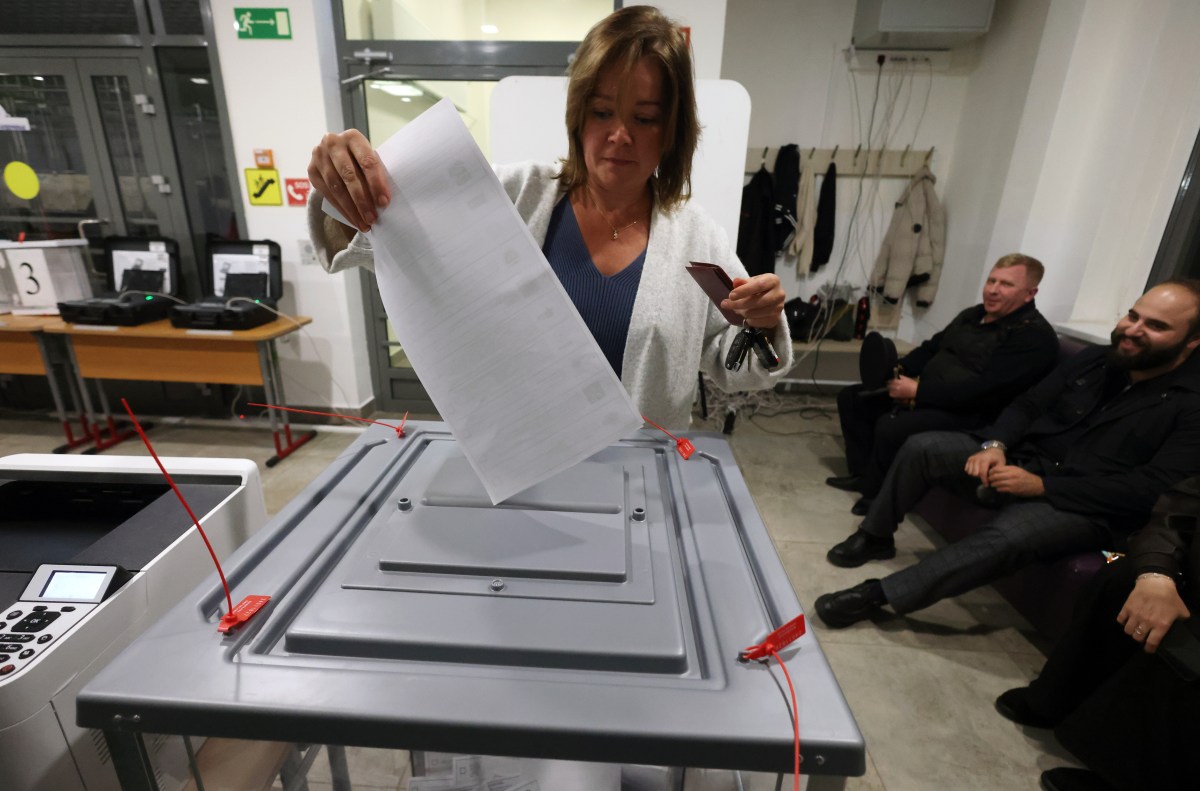
Russia’s ruling United Russia party has won a record 355 out of 450 seats in the parliamentary election, which took place amid reports of voting problems and claims the election was controlled. Experts say President Putin may use this victory to justify continuing the war in Ukraine and possibly to start drafting more soldiers.
Key Facts
United Russia won 355 seats, beating its previous record of 343 seats from 2016.
The election reportedly involved ballot stuffing, faulty voting machines, and inflated voter turnout.
Official turnout was nearly 60%, the highest since 2003, but analysts call this figure unrealistic.
The anti-war party Yabloko was banned from running by Russia’s Supreme Court.
President Putin is likely to use the election result to show Russians support tightening their budgets during the war.
There is speculation Putin might announce a large military draft to replace losses in Ukraine, but the Kremlin denies this.
Russia has built digital systems to support easier drafting and to prevent people from avoiding conscription.
Russian military losses in Ukraine may be as high as 1,000 soldiers per day, according to Ukrainian and Western estimates.
Read the Original
Want the full story? Tap a source to open the original
article.
Russia’s ruling United Russia party won a large majority in the recent parliamentary elections, securing 355 out of 450 seats. Among the new parliament members are 49 veterans who fought in the war against Ukraine. The elections happened during ongoing conflict and were criticized by Western governments as unfair.
Key Facts
United Russia won 355 seats in Russia’s 450-seat Duma parliament.
49 deputies elected are veterans from Russia’s war in Ukraine.
The elections were the first since Russia’s full-scale invasion of Ukraine in 2022.
The only party opposing the war, Yabloko, was banned from the election.
Western countries called the elections a “sham” and said they lacked fairness and transparency.
Russia continues its military attacks on Ukrainian cities, while Ukraine also strikes deep into Russian territory.
Inside Russia, anti-war criticism is banned, and opponents face arrests or disqualification from running in elections.
Other parties supporting the war, like the Communists and nationalist LDPR, also won seats in parliament.
Read the Original
Want the full story? Tap a source to open the original
article.
Senator John Kennedy said he believes the U.S. will leave Iran in about six months, as the conflict nears seven months. He also noted that the war has caused prices for oil and fertilizer to rise.
Key Facts
Senator John Kennedy is from Louisiana and is a Republican.
He made his statement while supporting Senator Pete Ricketts from Nebraska.
The conflict involving the U.S. and Iran has lasted nearly seven months.
Kennedy predicts U.S. forces will withdraw from Iran within six months.
The war has caused an increase in oil and fertilizer prices.
Kennedy talked about these issues during a campaign event.
The article does not provide details on the nature of the conflict or U.S. involvement.
Read the Original
Want the full story? Tap a source to open the original
article.
German Chancellor Friedrich Merz said he will keep his ruling coalition with the Social Democratic Party (SPD) despite major election losses for his party, the Christian Democratic Union (CDU). The far-right Alternative for Germany (AfD) won most votes in Mecklenburg-Vorpommern, and the CDU performed poorly in Berlin and Saxony-Anhalt.
Key Facts
Chancellor Friedrich Merz leads a coalition government between the CDU and SPD in Germany.
The CDU faced heavy defeats in state elections in Mecklenburg-Vorpommern and Berlin.
The far-right AfD party won the most votes in Mecklenburg-Vorpommern and made gains in Berlin.
In Berlin, the CDU came second to the hard-left Die Linke party.
The CDU failed to enter the state parliament in Mecklenburg-Vorpommern due to low votes.
Merz called the Mecklenburg-Vorpommern election result “a heavy blow” and a “turning point.”
Merz rejected the idea that his low popularity alone caused the election losses.
There are rumors that Merz might be replaced as chancellor before the end of his term.
Read the Original
Want the full story? Tap a source to open the original
article.
The United States has proposed a special communication system, called an "AI hotline," with China to alert each other about serious artificial intelligence threats that could affect national security. This idea was discussed in talks between US and Chinese officials ahead of a planned meeting between President Donald Trump and President Xi Jinping. China has not yet confirmed if it agrees to this proposal.
Key Facts
The US wants a new notification system with China to share alerts about AI incidents that might threaten national safety.
US Treasury Secretary Scott Bessent and Chinese Vice Premier He Lifeng discussed this proposal in New York before a summit.
The notification mechanism would improve transparency between the two top AI powers.
The exact details of what triggers a notification have not been shared publicly.
China’s official news agency said the talks were in-depth but did not confirm acceptance of the AI notification system.
The US and China already have other hotlines, including a military hotline since 2008 for communication during crises.
Experts say this kind of AI communication is important to manage risks as AI technology rapidly advances.
President Trump and President Xi are expected to consider a broader AI dialogue.
Read the Original
Want the full story? Tap a source to open the original
article.
Germany's Chancellor Friedrich Merz is facing a political crisis after poor election results hurt his Conservative CDU party. Meanwhile, the right-wing party Alternative for Germany (AfD) has gained strong support and may soon govern in one state, challenging the long-standing political stability in Germany.
Key Facts
Chancellor Friedrich Merz’s popularity is at 13%, the lowest ever recorded for a German chancellor since polling began.
Merz’s CDU party has had three major losses in recent regional elections.
In Mecklenburg-Vorpommern, the CDU failed to pass the 5% vote threshold to enter the regional parliament.
The AfD party, known for its anti-immigration stance, won the most votes in two of the recent state elections.
AfD may govern in Saxony-Anhalt, despite concerns from German authorities about extremist views within the party.
National polls show the AfD leading in voter support, which is significant given Germany’s history with far-right politics.
Merz promised to reduce AfD support and improve Germany’s economy, but voters feel he has failed on both.
There are rumors of a possible leadership challenge within the CDU due to Merz’s weakened position.
Read the Original
Want the full story? Tap a source to open the original
article.
President Donald Trump said that Ukraine’s military strikes have damaged many Russian diesel refineries. He stated that Russia has lost control of its diesel industry because of the war and called for the war to end.
Key Facts
President Trump made comments about the Ukraine war on Monday.
He acknowledged that Ukraine has carried out major attacks on Russian energy facilities.
Many Russian diesel refineries have been destroyed or damaged.
The damage has caused these refineries to stop working, at least for now.
Trump said Russia no longer controls its diesel oil industry.
He called for the war to come to an end.
Read the Original
Want the full story? Tap a source to open the original
article.