Drone footage captured off the coast of New York shows large groups of cownose rays swimming near the surface. Scientists believe these rays may be migrating farther north due to rising ocean temperatures caused by climate change.
Key Facts
The video shows hundreds of cownose rays swimming together off Southampton, Long Island.
Cownose rays have a distinctive head shaped like a cow’s nose and a wingspan of about 3 feet.
These rays usually migrate north during warmer months from southern areas like Chesapeake Bay.
Rising ocean temperatures are likely causing the rays to move farther north and stay longer.
Similar northward shifts in migration have been observed in other marine animals, such as blacktip sharks.
Cownose rays prefer water temperatures between 70-79°F (21-26°C), which fits New York’s coastal water conditions in spring and summer.
They have been present in New York waters for at least 25 years and were documented there since the 1800s.
Increased drone use helps people see these animals more clearly and frequently.
Read the Original
Want the full story? Tap a source to open the original
article.
Only 20 people out of 6,613 staff at the UK’s Department for Environment, Food and Rural Affairs (Defra) work on climate adaptation. Experts warn the UK is not prepared for extreme weather caused by climate change, such as droughts, wildfires, and floods, which could cost the economy billions each year by 2050.
Key Facts
Just 0.3% of Defra staff focus on adapting to climate change effects.
Climate change could increase river flooding by up to 45% and cause daily water shortages over 5 billion litres.
Economic losses from failing to adapt could reach £60 billion to £260 billion per year by 2050.
The UK faces heatwaves, droughts, and wildfires, including nearly 1,000 wildfires so far this year.
Firefighters say the UK needs 5,000 more staff and better equipment to handle wildfires.
Environmental groups urge government action to cut pollution, prepare communities, and protect nature.
The current environment secretary, Angela Eagle, and regional leaders like Andy Burnham are called upon to improve climate policies.
The UK lacks specialized wildfire-fighting planes that other European countries have.
Read the Original
Want the full story? Tap a source to open the original
article.
Rescuers saved over 100 people from a ferry fire in Indonesia. The ferry was traveling between the tourist islands of Bali and Lombok, and one person died in the incident.
Key Facts
A ferry caught fire in Indonesia while traveling between Bali and Lombok.
More than 100 passengers and crew members were rescued from the fire.
One person was confirmed dead due to the fire.
The ferry was on a route popular with tourists.
Rescue teams responded quickly to save the passengers and crew.
Read the Original
Want the full story? Tap a source to open the original
article.
Ukrainian President Volodymyr Zelenskyy reported a large nighttime attack using missiles and drones on a key Russian naval base at Novorossiysk on the Black Sea. The strike damaged port defenses, piers, and infrastructure, while Russia claimed to have shot down many drones but reported some civilian casualties.
Key Facts
Ukraine used anti-ship missiles, jet-powered drones, and sea drones in the nighttime attack on Russia’s Black Sea naval base.
The attack targeted the naval base in Novorossiysk, Russia’s last major Black Sea fleet stronghold.
The strike damaged air defenses, piers, and other port structures in the Krasnodar region.
Russia said its air defenses destroyed over 500 Ukrainian drones during the attack.
An eight-year-old child was killed, and several other civilians were wounded in the region due to the attacks.
Novorossiysk hosts a major international oil terminal important for Russian and Kazakh oil exports.
Ukraine’s drone attacks have limited Russian naval movements in the Black Sea since the war began.
President Zelenskyy cited intelligence that Russian President Vladimir Putin plans to mobilize more troops before the end of the year.
Read the Original
Want the full story? Tap a source to open the original
article.
A total solar eclipse will cross northern Spain on August 12, marking the first total eclipse visible in mainland Europe since 2006. This rare event is drawing interest from millions and offers scientists a chance to study the Sun’s outer atmosphere and effects on nature.
Key Facts
The total solar eclipse will occur on August 12, 2026.
It will be visible mainly across northern Spain.
This is the first total solar eclipse seen in mainland Europe since 2006.
During a total eclipse, the Moon completely covers the Sun, revealing the Sun’s corona (outer atmosphere).
Scientists study eclipses to learn more about the Sun and how such events affect animal behavior and human emotions.
Millions of people are preparing to watch this rare event.
The eclipse is considered one of the most awaited astronomical events in Europe this decade.
Read the Original
Want the full story? Tap a source to open the original
article.
Zambia’s President Hakainde Hichilema held a large rally in the capital city Lusaka to gain support before the general election. Major concerns for voters include unemployment, which is about 10%, and the rising cost of living.
Key Facts
The rally took place in Lusaka, Zambia’s capital.
Tens of thousands of people attended the rally.
President Hichilema is seeking a second term in office.
The general election is coming up soon.
Unemployment in Zambia is around 10 percent.
High living costs are a major issue for voters.
The president’s campaign focuses on addressing these economic challenges.
Read the Original
Want the full story? Tap a source to open the original
article.
A strong earthquake hit western Colombia, killing at least 240 people. Rescue teams are still searching for survivors in the rubble of collapsed buildings.
Key Facts
The earthquake is the worst in Colombia in many years.
At least 240 people have died so far.
Many victims were found trapped under destroyed homes.
Rescuers continue to look for people still alive.
A 32-year-old woman was recently rescued alive from a collapsed apartment.
The event caused widespread damage in the western region of Colombia.
Rescue efforts are ongoing and challenging due to the destruction.
Read the Original
Want the full story? Tap a source to open the original
article.
Brazilian President Lula da Silva accused the US of interfering in Brazil’s elections by sending officials to influence the outcome. The US government denied these claims and called them baseless. This situation highlights ongoing discussions about US involvement in foreign elections, especially under President Donald Trump’s administration.
Key Facts
Brazilian President Lula da Silva said US officials tried to meddle in Brazil’s elections.
The US government rejected these accusations and called them groundless.
The US has a long history of involvement in political events in other countries.
Past US actions ranged from subtle influence to supporting coups.
President Donald Trump openly endorses foreign candidates who support his political views.
This approach may represent a change in US foreign policy strategy.
The article includes insights from BBC and Politico correspondents on the topic.
The issue has caused diplomatic tension between the US and Brazil.
Read the Original
Want the full story? Tap a source to open the original
article.
Many Americans have started using GLP-1 medications like Ozempic and Wegovy to lose weight. This fast weight loss often leads to loose skin, increasing demand for plastic surgery procedures that remove excess skin and reshape the body.
Key Facts
GLP-1 drugs help people lose significant weight by controlling appetite and blood sugar.
Use of GLP-1 medications in the U.S. nearly quadrupled since 2024, with about 11% of the population using them.
More Americans take GLP-1 drugs for weight loss than those who smoke cigarettes (9.9%).
Rapid weight loss can cause loose skin and changes in body shape.
Procedures like tummy tucks, arm lifts, and breast reshaping are becoming more common after GLP-1 weight loss.
Plastic surgeons say patients should wait until their weight is stable before surgery.
A 2026 study found that fast weight loss before surgery increases the risk of complications.
Careful medical checkups and personalized advice are important before undergoing body-contouring surgery.
Read the Original
Want the full story? Tap a source to open the original
article.
The Danube River is becoming less reliable for Ukraine to export grain because of drought and slowing water flow, while Russian attacks on Ukrainian ports and infrastructure have increased. Russia cannot control the weather, but the hotter, drier conditions in Europe are making Ukraine’s alternative export routes and power sources harder to use during the ongoing conflict.
Key Facts
The Danube River near Serbia shows sunken German warships from World War II due to drought lowering the water level.
Ukraine uses the Danube as a key route to export grain when Black Sea ports are too dangerous.
This summer, drought slowed the Danube’s flow in Romania, hurting shipping and power generation.
Russia has increased attacks on Ukrainian ports around Odesa and destroyed related infrastructure like the Mayaki bridge.
Ukrainian grain exports shift between sea ports, rail, roads, and the Danube depending on conditions.
Ukraine also imports electricity from Europe when its own power plants are hit by Russian strikes.
Extreme heat and drought put extra pressure on Ukraine’s backup systems during the conflict.
Russian analysts describe Europe’s heatwaves and failed harvests as economic weaknesses.
Read the Original
Want the full story? Tap a source to open the original
article.
This article reviews several cultural events and personalities at the end of summer. It discusses Lollapalooza losing ground to Coachella, Ryan Murphy adapting Bret Easton Ellis's novel for TV, and Ariana Grande taking a break from public appearances amid body image discussions.
Key Facts
Lollapalooza is a long-running music festival in Chicago since 2005 but is seen as less exciting than Coachella recently.
The article suggests that if Lollapalooza returned to being a traveling festival, it could regain cultural influence.
TV producer Ryan Murphy is adapting Bret Easton Ellis's 1980s-set horror novel *The Shards* for the FX network.
Bret Easton Ellis is well known for novels like *American Psycho* and *Less Than Zero*, which have been adapted before.
Ariana Grande faced public comments about her body after a new video release.
In response, she announced a planned break from public work starting in September to focus on herself.
Grande clarified her decision was long planned, not impulsive or reactionary.
The article reflects on how these stories relate to public attention and culture.
Read the Original
Want the full story? Tap a source to open the original
article.
A mom named Amelia was told her unborn baby had serious health problems at 20 weeks and was unlikely to survive. Despite the doctors’ warnings, she chose to continue the pregnancy, and her son Lucas was born healthy enough to breathe and drink on his own, surprising everyone.
Key Facts
Amelia and her husband Trent learned at a 20-week ultrasound that their baby had severe skeletal and neurological abnormalities.
Doctors said the abnormalities likely meant the baby would not survive long and there was a high chance of stillbirth.
The couple canceled baby celebrations and prepared for the worst during the pregnancy.
Amelia never considered ending the pregnancy, choosing to continue despite the prognosis.
The pregnancy surprisingly progressed into the third trimester, with doctors expressing surprise.
Around weeks 32–33, doctors told them Lucas had a good chance of survival.
Lucas was born by planned C-section at 37 weeks, weighing 4.5 pounds, breathing on his own and feeding shortly after birth.
Lucas only spent a few days in intensive care and went home with his parents; he is now seven weeks old but continues to face health challenges.
Read the Original
Want the full story? Tap a source to open the original
article.
Joshua Smith, a healthy 34-year-old man, experienced extreme migraines for 10 days before doctors discovered a tumor in his brain. He was diagnosed with glioblastoma, an aggressive brain cancer with a poor outlook, and began surgery and treatment to slow the disease.
Key Facts
Joshua Smith had severe migraines lasting 10 days starting February 4, 2026.
Initial medical visits resulted in pain medication but no serious diagnosis.
A CT scan later revealed a 4.5-centimeter mass in his right frontal lobe.
Doctors suspected the mass was glioblastoma, a fast-growing brain cancer.
Glioblastoma symptoms include headaches, vision problems, and seizures.
The prognosis for glioblastoma is usually 12 to 18 months.
Joshua had surgery removing 95% of the tumor on February 24.
He is undergoing chemotherapy and radiotherapy and managing seizures with medication.
Read the Original
Want the full story? Tap a source to open the original
article.
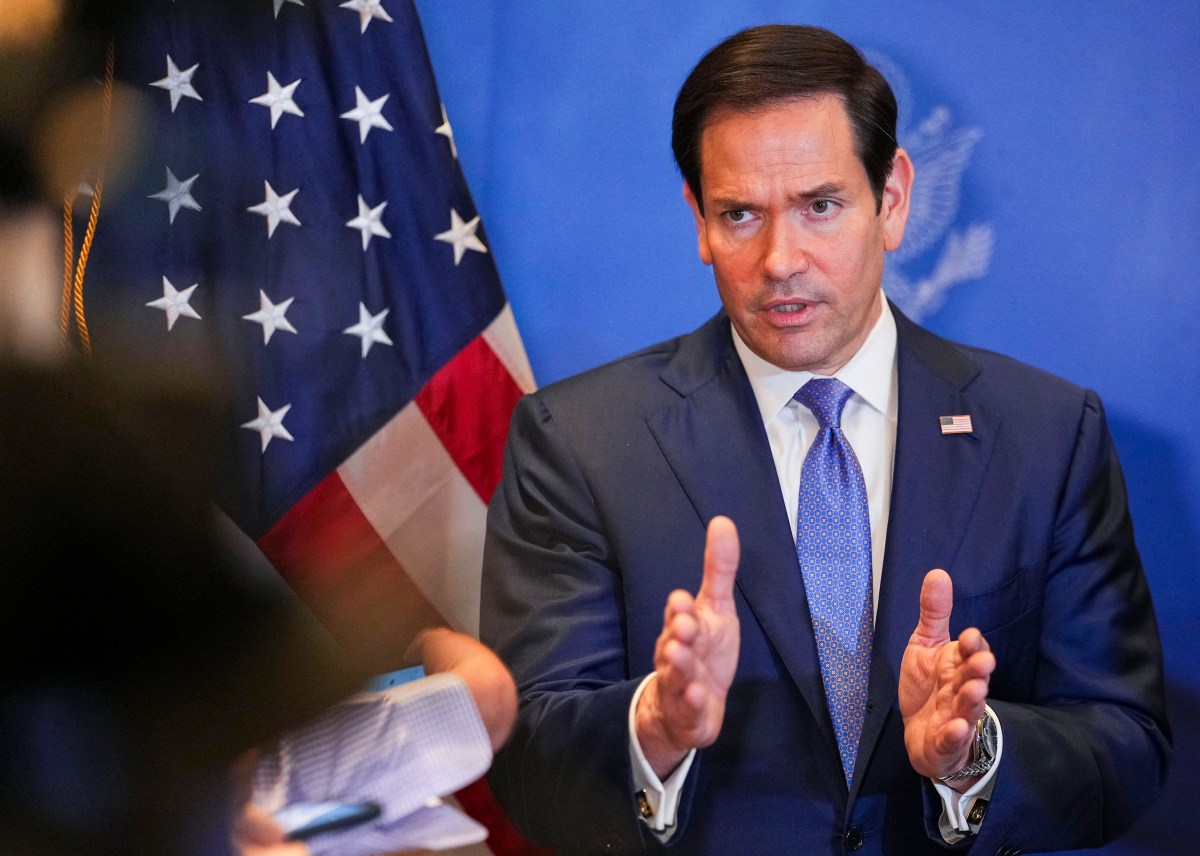
The U.S. government, led by Senator Marco Rubio and supported by President Donald Trump, is working to weaken and possibly dismantle the International Criminal Court (ICC). The U.S. argues that the ICC is biased, selectively enforces justice, and poses a threat to American soldiers and officials abroad.
Key Facts
Senator Marco Rubio announced a plan for the U.S. government to disable the ICC’s ability to operate against Americans.
The ICC tries to prosecute serious crimes like genocide and war crimes under the Rome Statute, but the U.S. is not a member.
Countries where U.S. troops are stationed, such as Japan, South Korea, and Italy, are ICC members.
President Donald Trump issued sanctions against the ICC in 2025 due to concerns of politicized actions.
Critics say the ICC focuses mostly on weaker countries and has a poor record of convictions, with many indictments targeting Africans.
The court has convicted fewer than 15 people in over 20 years, with some convictions later overturned.
Supporters argue the ICC is essential for global justice, but the U.S. disputes its impartiality and effectiveness.
ICC Prosecutor Karim Khan issued arrest warrants for Israeli Prime Minister Benjamin Netanyahu, which added to tensions.
Read the Original
Want the full story? Tap a source to open the original
article.
One month before the 9/11 attacks, Mohammed Atta met with fellow hijacker Hani Hanjour in New Jersey and took several flights to learn about airports and airplanes. Atta was the main planner of the 9/11 attacks and had the final say on targets and timing.
Key Facts
On August 12, 2001, Mohammed Atta was in Fort Lee, New Jersey, using an internet café.
Atta was traveling to Washington, D.C., then flew the next day to Las Vegas.
Atta met with Hani Hanjour, the only pilot not from the Hamburg group and trained in Florida.
Atta was the leader of the 9/11 hijackers and planned logistics, training, finances, and targets.
Al-Qaeda leaders wanted to attack military, political, and financial targets; Atta chose the exact targets and date.
Atta began radicalization in 1996, influenced by an event in Lebanon involving civilian deaths.
The "Hamburg Four" hijackers, including Atta, trained in Afghanistan and Pakistan and prepared by getting new passports and learning about airplanes.
Atta took multiple flights for practice and to study airport layouts, including trips to Las Vegas that were used for reconnaissance.
Read the Original
Want the full story? Tap a source to open the original
article.
A drone strike caused a fire at a power substation in the Libyan city of Zawiya, cutting off electricity in parts of the city. This attack is part of a series of strikes on energy infrastructure in western Libya amid ongoing tensions between rival governments and armed groups.
Key Facts
The power substation in Zawiya was completely destroyed by fire after the drone strike.
Zawiya has major energy facilities, including the country’s largest oil refinery and a power plant.
The attack caused power outages in the southern parts of Zawiya, a city of about 250,000 people.
No group has claimed responsibility for the drone strike so far.
Libya is divided between two rival governments: the western government led by Prime Minister Abdul-Hamid Dbeibah and the eastern government led by Prime Minister Ossama Hammad.
The U.S. company General Electric withdrew its workers from the Zawiya power plant due to security concerns after the attacks.
Turkey, a key supporter of the western government, is working to improve relations with Libya’s rival eastern authorities.
The violence and attacks on energy infrastructure add to the instability in Libya, which is influenced by militias and foreign interests.
Read the Original
Want the full story? Tap a source to open the original
article.
Seven poor labourers in Panna, India, found a large and valuable diamond weighing 17.96 carats on land they leased two years ago. The diamond will be auctioned in October, and the workers will share the money after a government royalty is deducted.
Key Facts
The diamond weighs 17.96 carats and is considered gem quality, one of the best types of natural diamonds.
It was found in Panna, a region in central India known for diamond mining but also poverty and few job opportunities.
The diamond’s estimated value is at least 5 million rupees (about $52,400).
The mine was leased two years ago by Akhilesh Pal and six other workers for a small amount.
The mine was closed for a year before the diamond was discovered on an inspection visit after heavy rains.
The diamond will be sold at a government auction in October, open to buyers from India and abroad.
The government will take a 12% royalty from the sale, and the remaining money will be shared equally by the seven labourers.
Finding such a valuable diamond is rare but could significantly improve the labourers’ lives.
Read the Original
Want the full story? Tap a source to open the original
article.
Ship traffic through the Strait of Hormuz has dropped to eight vessels, the lowest in a week, as conflict in the region affects shipping. In the Red Sea, Iran-backed Houthi rebels killed six people on a vessel, while the U.S. military disabled a Panama-flagged ship trying to break the blockade of Iranian ports.
Key Facts
Only eight ships passed through the Strait of Hormuz on Tuesday, down from about 130 ships per day before the war started on February 28.
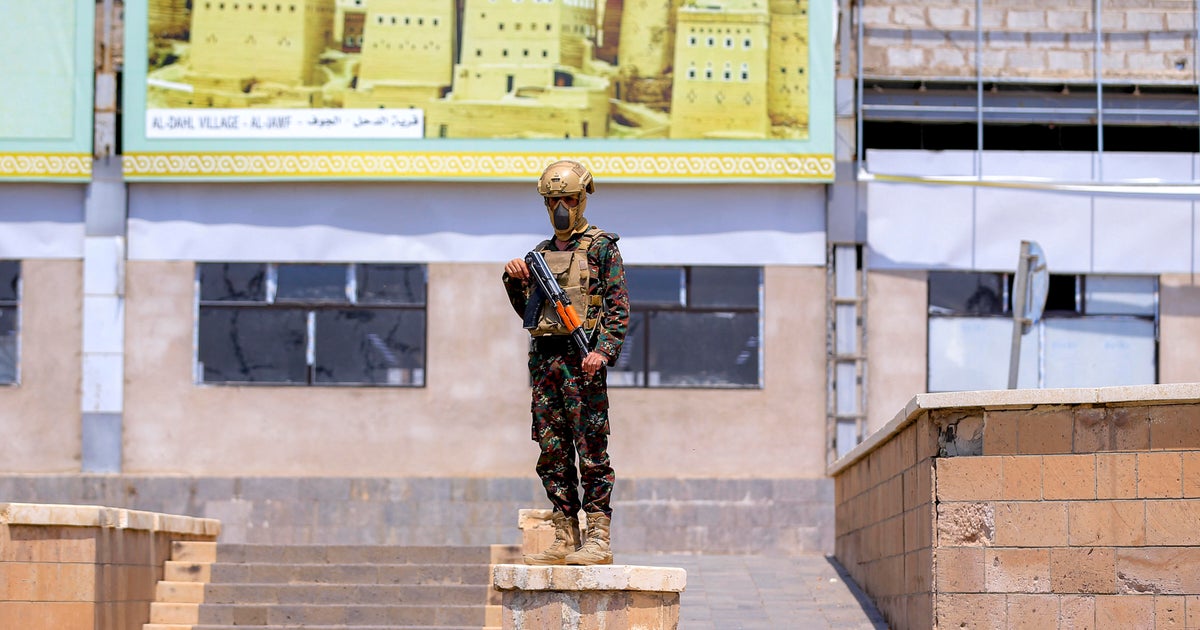
The Houthi rebels, supported by Iran, killed six people on a cargo ship in the Red Sea near Yemen.
This attack marks the first known Houthi deaths on shipping since renewed fighting began in Yemen.
The Houthis have also attacked Saudi Arabian oil facilities and ports, escalating the conflict.
Mohammed Abdul-Salam, a Houthi spokesperson, accused Saudi Arabia of using a ceasefire to tighten a blockade on Yemen.
The U.S. military fired missiles at a Panama-flagged ship that tried to bypass the U.S. blockade of Iran’s ports in the Gulf of Oman.
The U.S. disabled three ships, boarded two, and redirected 55 others trying to break the blockade.
The ongoing conflicts threaten to expand the Yemen civil war and create a broader regional crisis.
Read the Original
Want the full story? Tap a source to open the original
article.
Europe is preparing for another heatwave after experiencing very hot weather this summer. The heat has caused dry land and low river levels, revealing old objects from World War II.
Key Facts
July was the hottest month ever recorded for almost 120 million people in Europe.
Europe is warming faster than any other continent.
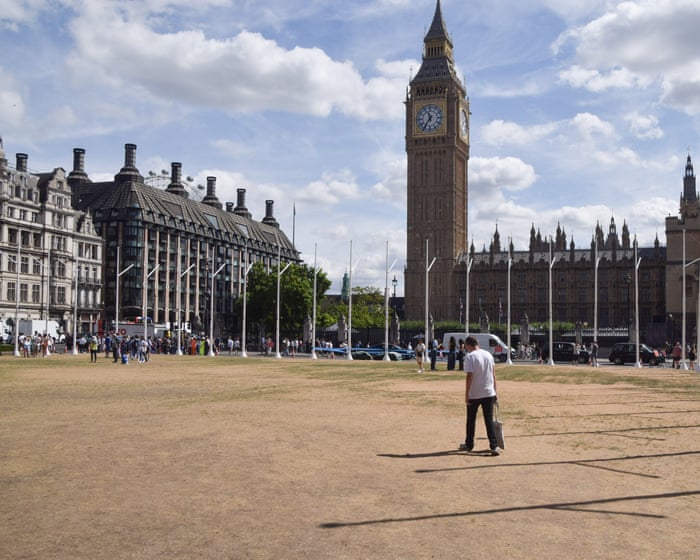
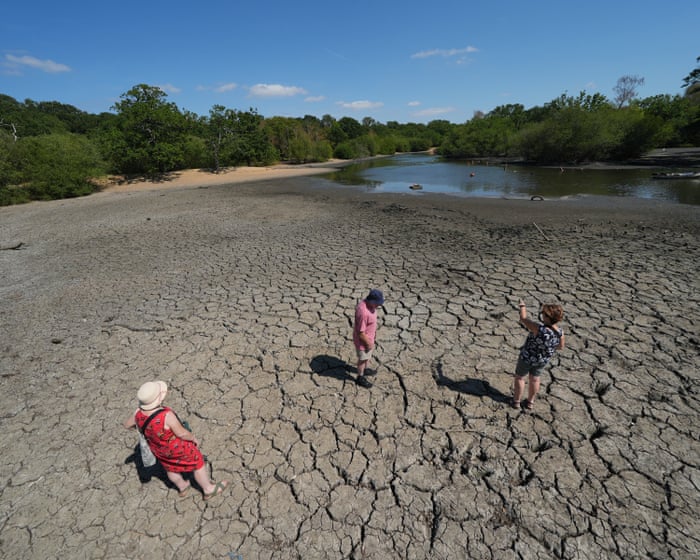
Heatwaves this summer have dried out grasslands and lowered river water levels.
Low rivers have uncovered historical remains from World War II.
Multiple European countries, including Spain and France, have been affected by extreme heat.
Authorities are warning about the dangers and impacts of these repeated heatwaves.
Wildfires have been a problem in some parts of Europe during this hot summer.
Europe is facing challenges related to climate change and natural disasters due to higher temperatures.
Read the Original
Want the full story? Tap a source to open the original
article.
Parts of the UK are experiencing their fifth heatwave this summer, with temperatures expected to reach 38°C. The Met Office issued an amber warning for extreme heat, and the UK government held an emergency meeting to address the situation, which has caused wildfires, drought, and high demand on emergency services.
Key Facts
The UK is facing its fifth heatwave of the summer, with temperatures possibly reaching 38°C.
The Met Office issued an amber warning for extreme heat in parts of England, including London and Birmingham.
Wildfires have burned large areas, including over 371 acres in Suffolk, requiring more than 600 firefighters.
Nearly three-quarters of England and all of Wales are currently in drought conditions.
Southern Water has requested a drought order to limit water use for non-essential activities in some areas.
The UK government held a Cobra emergency meeting chaired by the prime minister to respond to the heatwave.
The heatwave is causing health risks to vulnerable people, travel delays, and possible power outages.
Record-high temperatures this summer reflect ongoing climate changes linked to human activities.
Read the Original
Want the full story? Tap a source to open the original
article.