Neutral summaries of your favorite news sources — just the facts.
Your favorite news sources, one neutral feed — we distill their reporting into fact-first
summaries and always link to the original story. How it works
World News
Comprehensive coverage of international news and global events
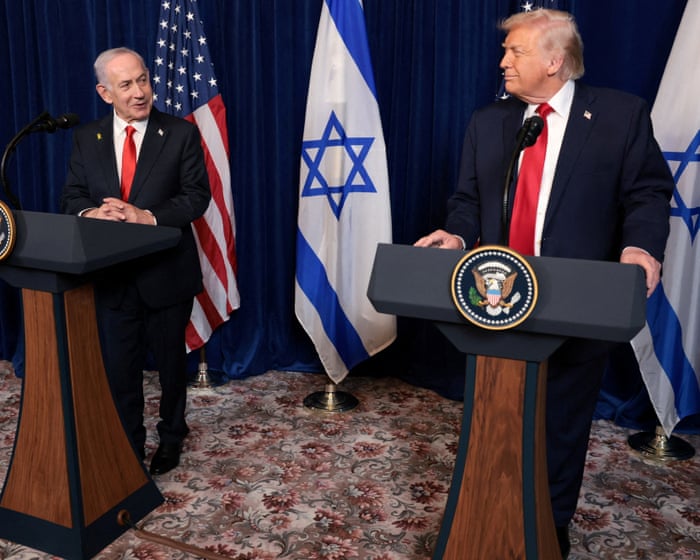
Benjamin Netanyahu’s military actions in Lebanon have caused problems in peace talks between the United States and Iran. This tension has also affected the close relationship between President Trump and Netanyahu, especially as Netanyahu faces Israeli elections and legal challenges.
Key Facts
Israel’s military operations in Lebanon have become a key problem in U.S.-Iran peace negotiations.
Netanyahu threatened to bomb Beirut suburbs to push out Hezbollah, which led Iran to pause talks with the U.S.
President Trump responded by saying the talks had involved “too much” discussion.
Trump and Netanyahu had a tense phone call over the conflict and peace talks.
Netanyahu faces political pressure with upcoming Israeli elections and a drop in popularity.
The Israeli parliament voted to dissolve itself, setting the stage for early elections in the fall.
Netanyahu is also on trial for fraud and bribery, with the trial delayed multiple times.
The strained relationship with Trump reflects both leaders’ political priorities and challenges.
Read the Original
Want the full story? Tap a source to open the original
article.
The European Union has started using a new Entry/Exit System to record travelers’ biometric data like fingerprints and facial scans when they arrive. This system replaces passport stamps and aims to speed up border checks, but some travelers have experienced longer waits, especially at busy airports.
Key Facts
The EU’s Entry/Exit System (EES) became fully active in April.
It records biometric data (fingerprints, facial scans) and passport details of non-EU travelers.
The EES covers 29 countries within the Schengen Area, which allows free travel across borders without customs checks.
This system does not change visa rules or how long a traveler can stay.
Wait times vary and can be longer at busy airports like Paris Charles de Gaulle and Amsterdam Schiphol.
Some lines for the new system have reached up to 3.5 hours during peak travel times.
Self-service kiosks used for check-in with the system have caused some delays due to slow processing.
Spanish airports reported no major problems after the system started.
Read the Original
Want the full story? Tap a source to open the original
article.
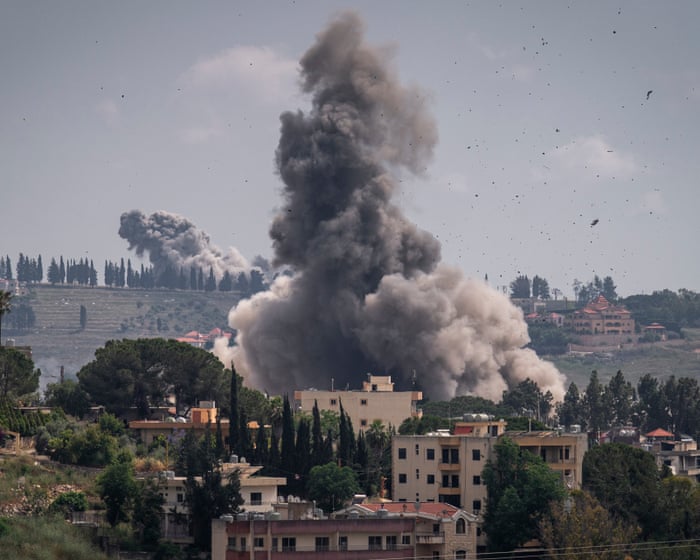
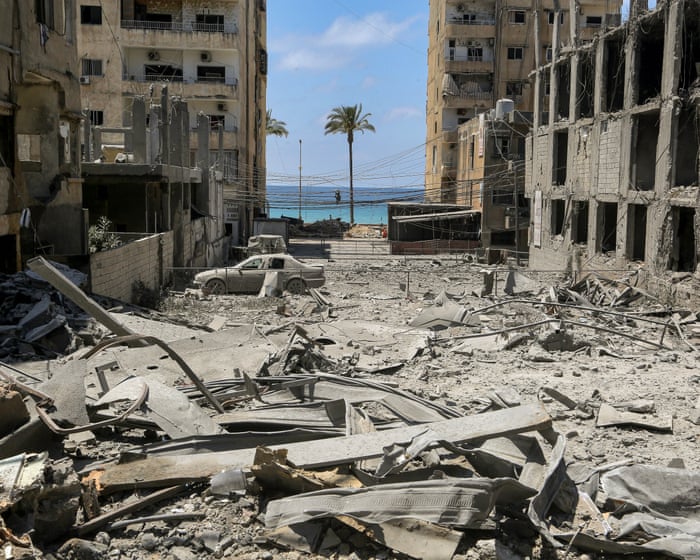
Israeli warplanes carried out many strikes in southern Lebanon despite a ceasefire agreement brokered by President Donald Trump. Recent fighting involves Israeli forces and Hezbollah militants, with casualties reported and warnings of further attacks.
Key Facts
President Trump helped arrange a ceasefire between Israel and Hezbollah but attacks continued.
Lebanon reported 30 Israeli air strikes in the south, including one that killed six family members near Sidon.
Israel warned residents in the southern city of Nabatiyeh to evacuate before new strikes.
Hezbollah says it attacked Israeli troops inside Lebanon but has not targeted Israeli cities recently.
Israel intercepted projectiles fired from Lebanon toward northern Israel, with no injuries reported.
The conflict intensified after Hezbollah fired rockets on 2 March in response to the killing of Iran’s supreme leader.
Israeli forces moved deep into southern Lebanon, raising their flag over Beaufort Castle for the first time since 2000.
Israel and Hezbollah accuse each other of violating the ceasefire that has been officially in place but not respected by either side.
Read the Original
Want the full story? Tap a source to open the original
article.
The article discusses France’s challenge in handling Russian influence in its media and politics. It highlights the case of Xenia Fedorova, a former Russian state TV figure spreading pro-Kremlin messages in France, amid growing tensions between France and Russia over the war in Ukraine.
Key Facts
Xenia Fedorova was the head of a Russian state TV channel's French language service.
She recently received a ten-year residency permit in France.
Vincent Bolloré, a media owner with far-right ties, supports Fedorova’s work in France.
Fedorova promotes messages aligned with Kremlin propaganda, with little fact-checking.
France has taken actions against Russia, including seizing a Russian tanker with UK support.
French President Emmanuel Macron and British leader Keir Starmer support Ukraine amid Russian aggression.
The article raises concerns about Russian influence before France’s next presidential election, where pro-Putin and pro-Trump far-right groups are gaining support.
Read the Original
Want the full story? Tap a source to open the original
article.
The United Kingdom's interior ministry has banned commentators Hasan Piker and Cenk Uygur from entering the country. They were scheduled to attend an ideas festival but are now not allowed to visit.
Key Facts
The UK interior ministry is blocking Hasan Piker and Cenk Uygur from visiting.
Both are known as progressive commentators.
They were invited to take part in an ideas festival in the UK.
The decision prevents them from attending the event.
The ban is an official government action.
Read the Original
Want the full story? Tap a source to open the original
article.
Costume designer Ray Holman worked on the TV series Rivals, which is based on Dame Jilly Cooper's novels. He created outfits including a blue satin suit that Dame Jilly loved and wore to important events before she died in October 2023.
Key Facts
Rivals is a TV drama based on Dame Jilly Cooper’s Rutshire Chronicles books.
Ray Holman designed costumes for the show, including a blue satin suit worn by Dame Jilly Cooper.
Dame Jilly Cooper died in October 2023 at age 88 after a fall at her home.
The second series is set in 1987 and features costumes researched using old magazines and vintage stores.
David Tennant plays Lord Tony Baddingham, whose character’s style includes power suits inspired by musical productions.
Ray Holman has also worked on other TV shows like Doctor Who and Broadchurch.
Holman is proud of his working class background and helps promote careers in creative industries through Screen Craft Guild Cymru.
Dame Jilly Cooper had a cameo in the show and was involved in the costume design process.
Read the Original
Want the full story? Tap a source to open the original
article.
President Donald Trump said that reports claiming the United States and Iran stopped talking about ending the war are not true. He said the conversations have been happening continuously, including very recently.
Key Facts
President Trump denied claims that U.S.-Iran negotiations have stopped.
He called these reports “false and erroneous.”
The denial was posted on his social media platform, Truth Social.
Trump said talks have been ongoing, mentioning conversations from two to four days ago.
The discussions are about ending a war involving Iran.
Read the Original
Want the full story? Tap a source to open the original
article.
U.S. Secretary of State Marco Rubio said Iran’s Supreme Leader Mojtaba Khamenei is becoming more involved in Iran’s affairs as talks continue between the U.S. and Iran after an April 8 truce. The U.S. is negotiating with Iran over ending the war, focusing on Iran’s nuclear program and reopening the Strait of Hormuz, but a final agreement has not yet been reached.
Key Facts
Iran’s Supreme Leader Mojtaba Khamenei has not appeared publicly since U.S. air strikes killed his father, but signs show he is active through written communication.
The U.S. and Iran are negotiating a possible deal to end the war, with President Trump tightening terms recently.
The U.S. demands Iran never develop nuclear weapons and reopen the Strait of Hormuz, a key route for global oil and gas supplies.
Iran is still studying the U.S. proposal and is cautious due to distrust and concerns about U.S. compliance with the ceasefire.
Rubio said talks now may include sensitive parts of Iran’s nuclear program that were previously off limits.
Sanctions relief for Iran is not on the table unless Iran makes major concessions on its nuclear program and enriched uranium stock.
The ongoing conflict, involving Israel and Hezbollah in Lebanon, has caused thousands of deaths and disrupted global energy markets.
Israel continues air strikes in southern Lebanon despite a partial U.S.-mediated ceasefire, which Iran says must be fully included in any agreement.
Read the Original
Want the full story? Tap a source to open the original
article.
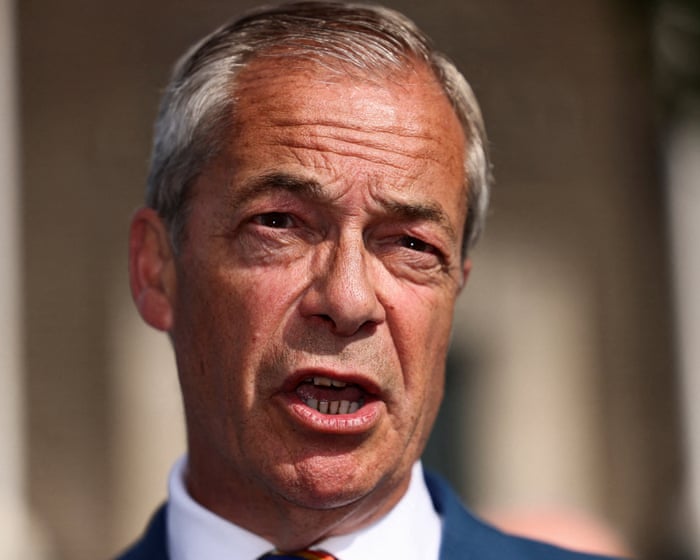
Nigel Farage, leader of Reform UK, responded publicly to the stabbing death of Henry Nowak by focusing on racial issues and calling for action. Farage linked the case to “anti-white prejudice” and urged the government to review the killer’s sentence, while facing competition from more extreme right-wing figures who want harsher measures.
Key Facts
Henry Nowak was fatally stabbed and police footage shows him pleading for help.
The killer, Vickrum Singh Digwa, was jailed for at least 21 years.
Nigel Farage called for anger over Nowak’s death and promoted the idea that “white lives matter.”
Farage suggested the legal system treats people differently based on race.
Rupert Lowe, a more hard-right politician, suggested the killer would have been executed under his party’s government.
Elon Musk showed interest in the case and offered to fund a lawsuit against the police.
Farage’s party, Reform UK, faces pressure from parties further to the right pushing more extreme views.
The case is being used by far-right groups to highlight ethnic and national identity issues in Britain.
Read the Original
Want the full story? Tap a source to open the original
article.
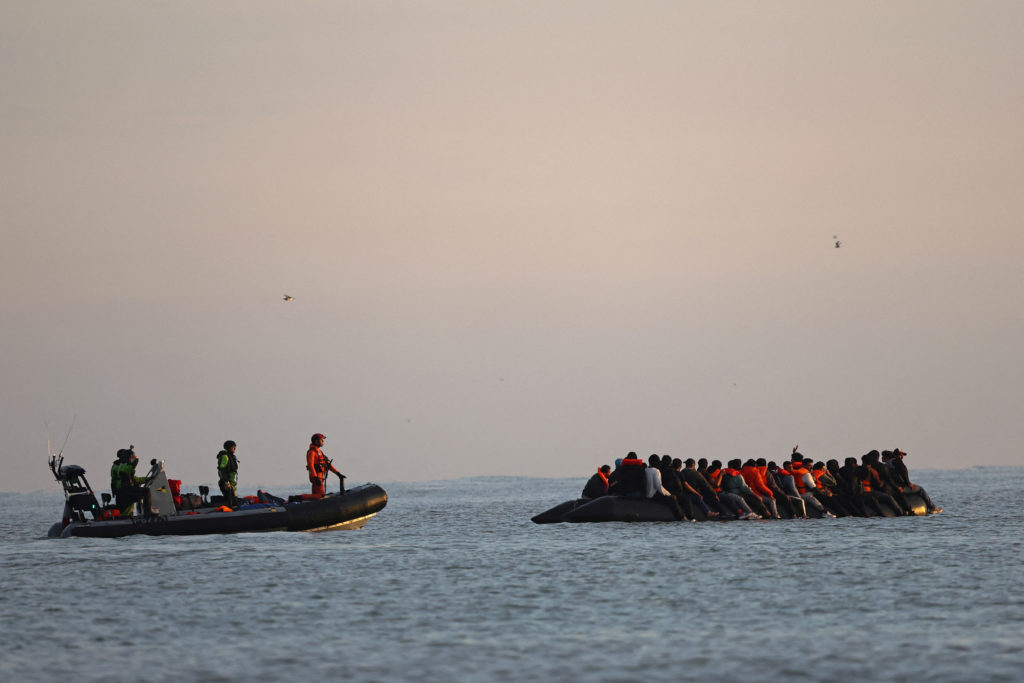
The European Union has agreed on a new migration plan to speed up deportations and allow building detention centers outside its member countries. This plan aims to return people who do not have permission to stay in the EU faster, but rights groups warn it could harm migrants and violate human rights.
Key Facts
The EU’s new migration policy focuses on faster deportations and setting up "return hubs" outside the 27-member bloc.
The agreement was made by the European Commission, European Council, and European Parliament in a joint negotiation.
The policy allows EU countries to make deals with non-EU countries, mostly in Africa, to create detention centers for migrants.
At least five EU countries—Germany, Austria, the Netherlands, Denmark, and Greece—are already negotiating such deals.
Critics compare the EU plan to the U.S. immigration enforcement under President Trump and express concern it may hurt migrants’ rights.
The deal includes measures that allow law enforcement to act without judges’ approval in some cases.
Supporters say the policy respects international law and fundamental rights while improving efficiency.
The policy now awaits formal approval from EU governments and lawmakers and is expected to be approved quickly.
Read the Original
Want the full story? Tap a source to open the original
article.
President Donald Trump tried to reduce the violence in Lebanon amid Israel's military attacks and Hezbollah's rocket launches. While a limited agreement was reached to lessen fighting, conflict and casualties continue, affecting many Lebanese civilians.
Key Facts
Israel carried out drone strikes killing eight people, including children, and damaged a hospital in southern Lebanon.
Hezbollah continued firing rockets and drones during the conflict.
President Trump intervened to stop the fighting temporarily, addressing Israeli Prime Minister Benjamin Netanyahu.
The limited deal stated Israel would avoid striking Beirut’s southern suburbs if Hezbollah stopped attacks.
Despite the truce, Israel has killed hundreds in Lebanon and increased its military offensive recently.
Israeli elections in October have led to political pressure to intensify attacks on Hezbollah.
Lebanon has many displaced people due to the fighting, with thousands fleeing and homes destroyed.
Experts say lasting peace needs real diplomatic efforts, not short-term deals or aggressive phone calls.
Read the Original
Want the full story? Tap a source to open the original
article.
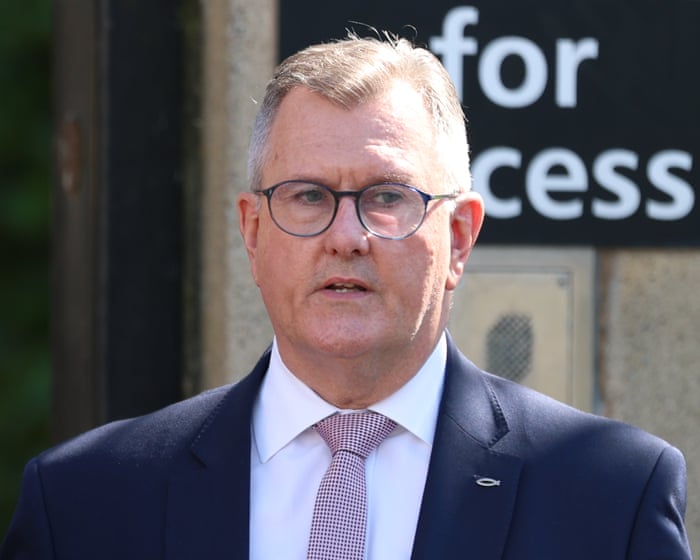
A court in Northern Ireland is hearing a trial against Jeffrey Donaldson, a former leader of the Democratic Unionist Party, who faces 18 charges including rape and sexual abuse from incidents between 1985 and 2008. An accuser, now an adult, described her experiences of alleged abuse as a child and teenager during a police interview played in court.
Key Facts
Jeffrey Donaldson, 63, is on trial for 18 sexual offence charges involving two alleged victims.
The charges include one count of rape and incidents said to have happened from 1985 to 2008.
The complainant described alleged abuse as a child and teenager, explaining how she felt scared and unable to tell anyone.
Donaldson’s wife, Eleanor, 60, faces related charges but has been found unfit to stand trial due to mental health issues and is not present in court.
The accuser detailed two incidents where Donaldson allegedly abused her physically and said she still remembers them clearly.
The accuser said Donaldson apologized to her as a teenager during a meeting arranged by a Christian centre.
Donaldson’s lawyer questioned the accuser’s memory and why she did not report the abuse sooner.
The trial is ongoing.
Read the Original
Want the full story? Tap a source to open the original
article.
French Prime Minister Sebastien Lecornu plans to ask President Emmanuel Macron to hold a special parliamentary session in early July to quickly pass the RIPOST security bill. The bill aims to address public disorder after violent incidents linked to Paris Saint-Germain's Champions League victory, including injuries and one death.
Key Facts
The RIPOST security bill was presented by the government on March 25 and approved by the Senate.
It targets "everyday disorder" such as illegal parties, misuse of nitrous oxide, fireworks, and drug use.
The bill would increase police powers and expand surveillance.
Over 200 people were injured and one person died after celebrations for Paris Saint-Germain’s recent Champions League win.
Lecornu wants to make those responsible for damage pay more often and more effectively.
Proposals may include using parts of welfare payments (but not the basic living allowance) to cover repair costs.
The bill is expected to be discussed in the National Assembly the week of July 6.
Similar violent scenes happened after PSG’s semifinal win against Bayern Munich and last year’s Champions League final win against Inter Milan.
Read the Original
Want the full story? Tap a source to open the original
article.
Xavier Dupont de Ligonnès is suspected of killing his wife, four children, and burying them under their home in Nantes, France, in 2011. Despite a police search and evidence linking him to the crime, he disappeared and has not been found since, though a recent discovery of an online account active years after the disappearance suggests he might still be alive.
Key Facts
The Dupont de Ligonnès family lived near Nantes, France.
In April 2011, the bodies of Agnès Dupont de Ligonnès, their four children, and two dogs were found buried under concrete.
The victims had been sedated, shot, wrapped in sacks, and covered in quicklime to speed decomposition.
Xavier Dupont de Ligonnès, the father, was the main suspect but disappeared after the murders.
Police found receipts and credit card records linking Xavier to items used in the crime.
Family and friends received letters after the murders from Xavier claiming they were in hiding due to his secret work with the DEA.
Surveillance cameras tracked him for a week after the murders, but he vanished from footage in mid-April 2011.
A recent discovery of an obscure online account active after his disappearance has reignited discussions about whether he is still alive.
Read the Original
Want the full story? Tap a source to open the original
article.
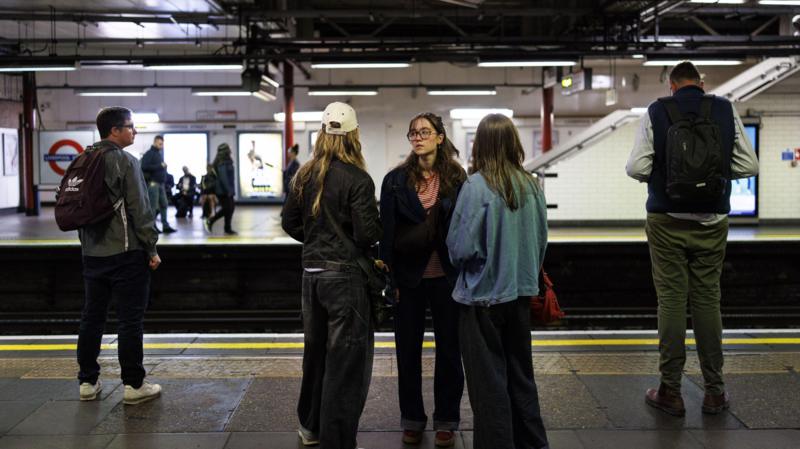
London's Tube services were severely disrupted on Tuesday because of a strike by Rail, Maritime and Transport (RMT) Union members. The strike was over a disagreement about a proposed shorter working week for Tube drivers, causing delays, suspended lines, and fewer passengers using the Tube.
Key Facts
Tube services across London faced major problems due to a strike by the RMT Union.
The strike was caused by a disagreement over plans for a 35-hour, four-day working week for drivers.
Some Tube lines, like the Circle and Waterloo & City lines, stopped running entirely.
About 60% of drivers still went to work, but Tube use dropped by 43% before 10:00 am.
Passengers experienced long waits, rain, and traffic jams as many switched to buses or taxis.
London Mayor Sadiq Khan called for talks between TfL (Transport for London) and the union to avoid more strikes.
The RMT union says it remains open to talks to solve the strike issues.
Further strike actions, including a planned 24-hour walkout on Thursday, are possible.
Read the Original
Want the full story? Tap a source to open the original
article.
French President Emmanuel Macron and Rwandan President Paul Kagame opened a memorial in Paris for the victims of the 1994 genocide against the Tutsi. The event highlighted ongoing questions about France’s role in the genocide and the challenges in fully recognizing its involvement.
Key Facts
The memorial in Paris honors victims of the 1994 Tutsi genocide in Rwanda.
French President Emmanuel Macron and Rwandan President Paul Kagame jointly inaugurated the memorial.
The 1994 genocide targeted the Tutsi ethnic group in Rwanda.
There are disputes about how much France was involved or responsible during the genocide.
Some experts say France has not fully accepted its role in the genocide.
Many survivors feel key truths about France’s involvement remain unacknowledged.
France and Rwanda are working toward a political partnership despite unresolved historical issues.
The event reflects both remembrance and ongoing diplomatic efforts between the two countries.
Read the Original
Want the full story? Tap a source to open the original
article.
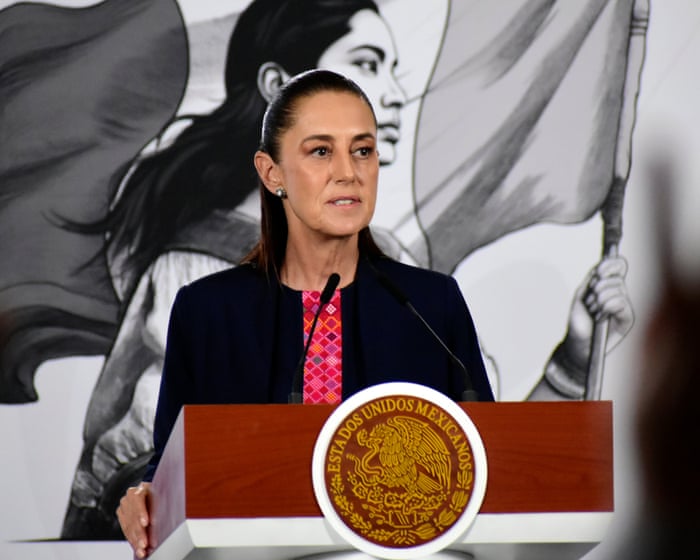
Mexico’s President Claudia Sheinbaum told the U.S. ambassador to respect Mexico’s internal politics and not interfere amid rising tensions over drug trafficking efforts. The disagreement follows U.S. drug charges against a Mexican state governor and unauthorized CIA actions in Mexico, increasing strain between the two countries.
Key Facts
President Sheinbaum said ambassadors should focus on cooperation and avoid interfering in local politics.
U.S. Ambassador Ron Johnson warned against turning drug security issues into political disputes.
The tensions come amid ongoing difficulties between Mexico and the U.S. fighting drug cartels.
President Trump threatened to send U.S. troops to Mexico to fight cartels and accused Mexican officials of corruption.
Mexico ordered troops to the U.S. border to control migration and complied with some U.S. demands despite tensions.
Unauthorized CIA involvement in a Mexican drug lab raid in April upset Mexico’s government.
The U.S. charged the governor of Sinaloa, a close ally of Sheinbaum’s party, with drug trafficking ties.
Mexico’s congress approved a law allowing election results to be canceled if there is foreign interference.
Read the Original
Want the full story? Tap a source to open the original
article.
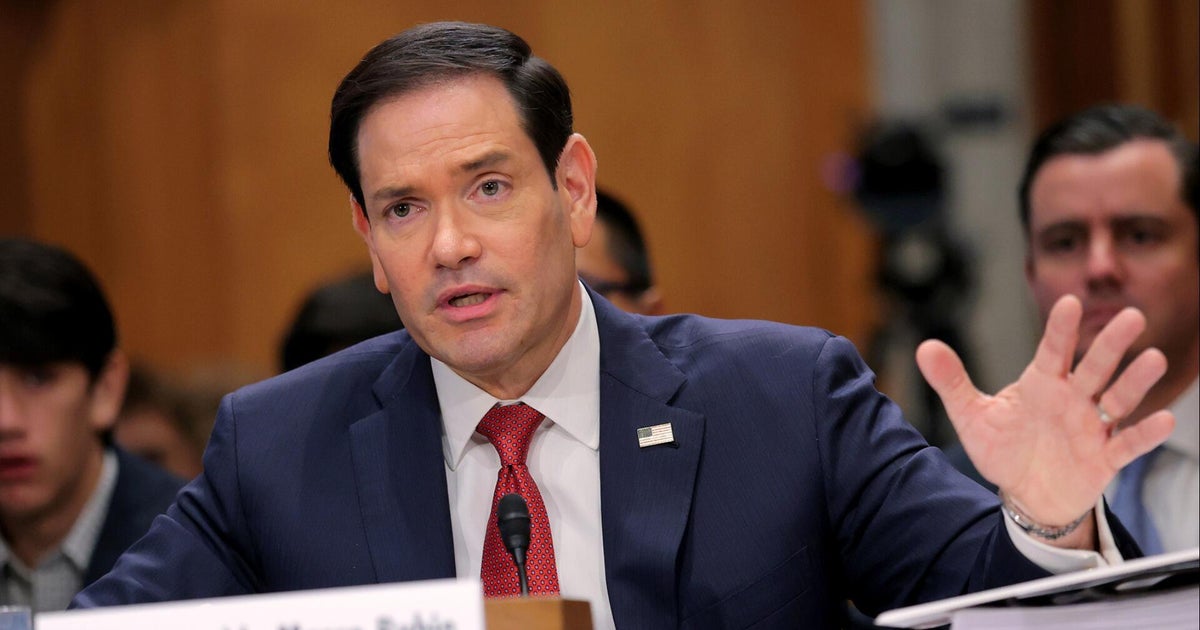
Senator Marco Rubio spoke to the Senate Foreign Relations Committee about the current situation in Iran. He provided an update on the war involving Iran.
Key Facts
Senator Marco Rubio gave testimony to the Senate Foreign Relations Committee.
The focus was on the war in Iran.
Rubio updated the committee on recent developments related to Iran.
The testimony took place on a Tuesday.
The information was shared through CBS News coverage.
Rubio is a member of the U.S. Senate involved in foreign relations issues.
The war in Iran remains a topic of concern for U.S. lawmakers.
Read the Original
Want the full story? Tap a source to open the original
article.
Bodycam footage from UK police shows them arresting 18-year-old Henry Nowak while he was dying from stab wounds. Nowak was wrongly accused of racially abusing Vickrum Digwa, who was later found guilty of killing Nowak.
Key Facts
Henry Nowak was 18 years old when police arrested him.
He was suffering from stab wounds and was dying at the time of arrest.
Police accused Nowak of racially abusing Vickrum Digwa.
Vickrum Digwa was later convicted of murdering Henry Nowak.
The arrest was shown in bodycam video released to the public.
The video reveals the wrongful arrest during a critical medical emergency.
This case highlights issues with police procedures in the UK.
Read the Original
Want the full story? Tap a source to open the original
article.
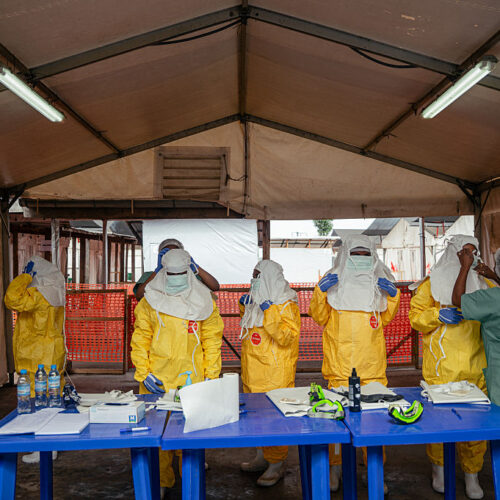
The number of suspected Ebola cases in the Democratic Republic of the Congo (DRC) has dropped significantly as more testing has ruled out many illnesses. The World Health Organization (WHO) now reports 437 cases in the DRC, down from over 1,000, while confirmed deaths have also decreased. Meanwhile, Uganda has reported more confirmed cases, raising its total to 15.
Key Facts
The DRC now reports 437 Ebola cases: 321 confirmed and 116 suspected.
This is a big drop from the previous count of 1,041 cases, which included many suspected cases.
Confirmed deaths in the DRC have decreased to 48 from over 200 previously reported.
WHO says many suspected cases were cleared after testing found other diseases or no Ebola virus.
Ebola symptoms start with flu-like signs, like fever and aches, which overlap with other illnesses.
Confirmed cases mean the person tested positive for Ebola virus.
Uganda reported six new Ebola cases among people who had contact with previous patients.
Uganda’s total is now 15 confirmed cases and one death.
Read the Original
Want the full story? Tap a source to open the original
article.