Summary
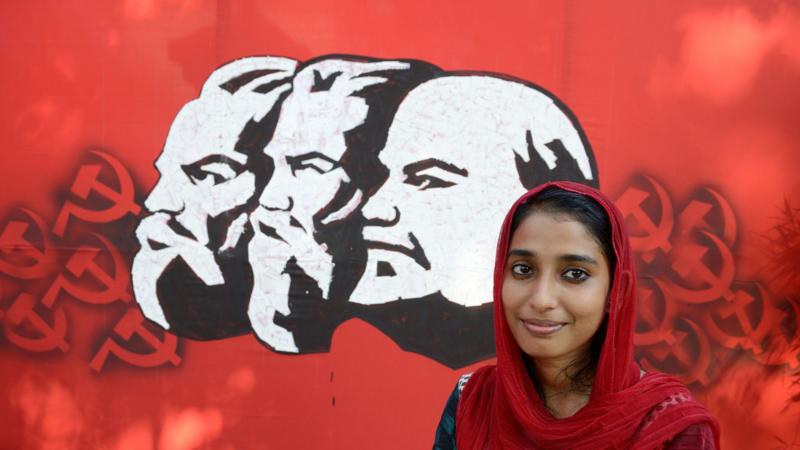
India's communist parties, once powerful in several states and national politics, have lost much of their influence. The recent defeat of the Communist Party of India (Marxist)-led government in Kerala ended the era of any communist-led state government in India. Their decline reflects changes in political priorities and the rise of other political forces like nationalism and populism.Key Facts
- For the first time since 1957, India has no communist-led state governments after CPI(M)’s defeat in Kerala.
- Communist parties once ruled states including West Bengal (1977–2011), Tripura, and Kerala, governing millions of people.
- In 1996, Jyoti Basu, a CPI(M) leader, was offered the chance to become India’s prime minister but his party refused.
- The communists played a key role in national politics, notably withdrawing support for Manmohan Singh’s government in 2008 over a nuclear deal.
- Communist influence extended beyond politics into unions, student groups, and cultural life.
- Their vote share nationally has dropped from over 6% in the 1980s to less than 2% in recent elections.
- The decline is linked to the rise of Hindu nationalism, identity politics, and economic changes since the 1990s.
- Communists remain politically active in Kerala and some other regions but are much weaker in former strongholds like West Bengal and Tripura.
Read the Original
Want the full story? Tap a source to open the original article.