Russian film director Andrey Zvyagintsev was officially labeled a "foreign agent" by Russian authorities after he criticized Russia’s war in Ukraine. The label means he must follow strict rules and warn people that his work is influenced by foreign involvement.
Key Facts
Andrey Zvyagintsev won the 2026 Grand Prix at the Cannes Film Festival for his film Minotaur.
Minotaur tells the story of a Russian businessman deciding which workers to send to fight in Ukraine.
Zvyagintsev called for an end to the war in Ukraine and said President Putin is the only one who can stop it.
Russia’s Justice Ministry claimed Zvyagintsev spread false information and worked with foreign agents.
Zvyagintsev has lived outside Russia since the COVID pandemic started.
Being labeled a foreign agent means extra government controls and restrictions on income.
People with this label must warn audiences that their work is produced by a foreign agent.
Other Russian cultural figures like writer Boris Akunin have also been labeled foreign agents.
Read the Original
Want the full story? Tap a source to open the original
article.
Lina Jouni, an artist in southern Lebanon, uses pieces of missiles from Israeli strikes to create art. She wants to change objects linked to war and pain into signs of life and respect.
Key Facts
Lina Jouni is a visual artist living in southern Lebanon.
She collects debris from Israeli missile strikes.
The debris comes from ongoing Israeli bombing in Lebanon.
Jouni turns this debris into artworks.
She aims to convert symbols of war into expressions of life and dignity.
The art reflects the experience of conflict in her region.
Her work represents a response to violence through creativity.
Read the Original
Want the full story? Tap a source to open the original
article.
Saudi Arabia is asking its allies for military help as Iran-supported Houthi rebels gain control of parts of Yemen’s Red Sea coast and block a key shipping route. At the same time, Russia is holding parliamentary elections with little real opposition, and warnings about AI risks are coming from leaders in the tech industry.
Key Facts
Saudi Arabia faces attacks on its oil facilities amid an energy crisis linked to Houthi rebels in Yemen.
The Bab el Mandeb, an important shipping choke point on the Red Sea, is increasingly controlled by Houthi forces.
Russia is holding tightly controlled parliamentary elections with limited opposition candidates.
President Vladimir Putin says there will be no new military mobilization in Russia.
Microsoft AI chief Mustafa Suleyman warns against thinking of AI as conscious or human-like.
Suleyman suggests a new “silicon species” could compete with humans for resources due to AI growth.
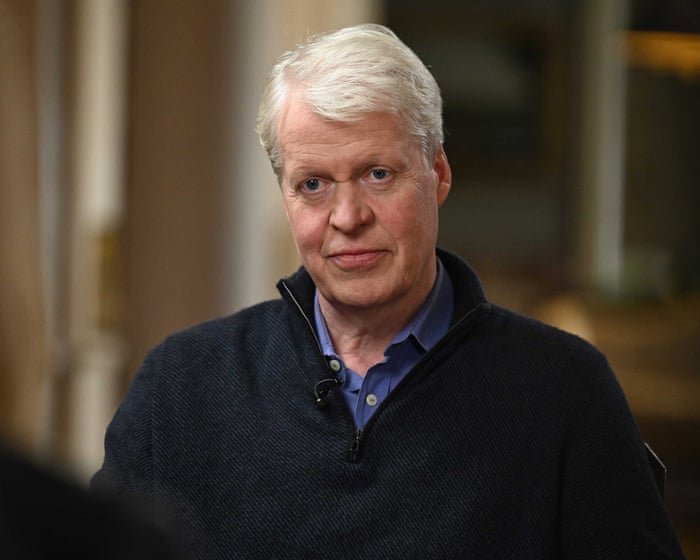
The British royal family responded to new claims about Princess Diana’s funeral made by Earl Spencer.
Various global news items include missile attacks on Kyiv, France’s defense against hybrid threats, and the US midterm elections.
Read the Original
Want the full story? Tap a source to open the original
article.
Israeli troops have advanced into southern Lebanon, leading to clashes with Lebanese soldiers and artillery shelling that injured two people. Despite a June agreement for Israel to withdraw from parts of southern Lebanon, Israeli forces continue to operate and attack in the area.
Key Facts
Two people were injured by Israeli artillery shelling in Chaqra, southern Lebanon, and taken to Tebnin hospital.
Israeli forces advanced toward border towns Deir Mimas and Hadatha, clashing with the Lebanese army.
The Lebanese army set up a temporary observation post near Deir Mimas in coordination with a US-backed military group.
Israeli forces responded to the observation post with sound bombs and later withdrew.
Israel continues to occupy parts of southern Lebanon despite a June agreement to gradually withdraw.
Israeli shelling also hit al-Mansouri, Majdal Zoun, and the public hospital in Meiss el-Jabal.
Since March 2, the war between Israel and Hezbollah has killed at least 4,386 people and wounded 12,407.
Lebanon’s Health Ministry reports 8,953 killed and 30,643 injured from Israeli attacks since October 2023 related to the Gaza war.
Read the Original
Want the full story? Tap a source to open the original
article.
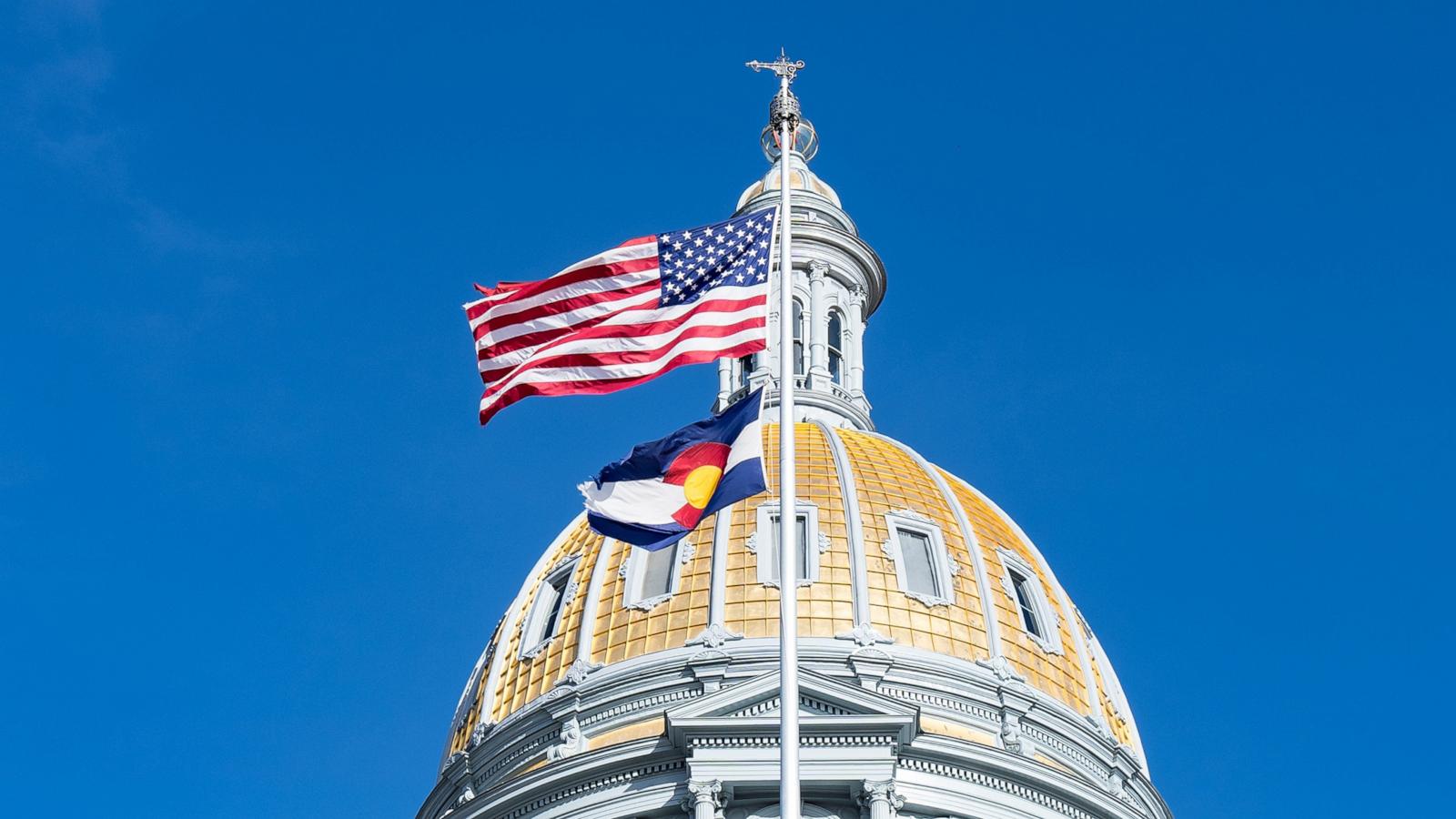
The Colorado governor’s office said small, private water providers in Colorado were targeted by “foreign actors” who changed equipment settings and disabled alarms. These attacks affected systems serving fewer than 200 people but did not impact water quality or treatment.
Key Facts
The incidents involved changing equipment settings, disabling remote access and alarms, and altering pumping cycles.
The affected water systems each serve fewer than 200 people.
The attacks were brief and quickly handled by the water providers themselves.
Water quality and treatment processes were not affected by these incidents.
The governor’s office did not confirm the identity of the foreign actors but noted awareness of Iranian cyber activity targeting water systems nationally.
Iran is the prime suspect in recent cyberattacks against U.S. water treatment and wastewater utilities, although this is not officially confirmed.
At least a dozen U.S. states have reported possible cyber intrusions targeting water utilities.
The FBI advises utilities to disconnect systems from the internet when possible and be ready to switch to manual controls if automated systems are hacked.
Read the Original
Want the full story? Tap a source to open the original
article.
A woman’s dog died after traveling in a cargo hold on a Korean Air flight from China to South Korea. The woman and an animal advocacy group are seeking more information from the airline about what happened during the flight.
Key Facts
The dog, named Bubble, died on Korean Air flight KE 868 from Guangzhou to Incheon on September 3.
Bubble was traveling in a crate in the cargo hold because she was a large dog.
The owner, Jennifer, used to fly with Bubble in the cabin but had to put her in cargo for this flight segment.
Jennifer paid around $4,300, including her business class ticket and Bubble’s transport fees.
Korean Air said all environmental systems for pet transport worked normally and that other pets on the flight arrived safely.
The airline is communicating directly with Jennifer but has not publicly shared detailed information.
Jennifer and FlyTogether.org started a petition asking for more transparency about what caused Bubble’s death.
The U.S. Department of Transportation reports ongoing concerns about pet travel incidents on airlines.
Read the Original
Want the full story? Tap a source to open the original
article.
Brazilian police caught a man suspected of killing at least 16 people since May. He was dressed as a woman and carrying a baby when arrested after a long police search in northeastern Brazil. The suspect says he killed more than 80 people but claims he acted alone and targeted only criminals.
Key Facts
The suspect is 33-year-old Jorlan Lopes da Silva.
He was arrested in Paraiba state, northeastern Brazil, after a 30-hour police search.
Police found him wearing a dress, wig, and carrying a baby unrelated to him.
He admitted to 11 killings but claimed responsibility for around 80.
The killings happened since May in the Mulungu region.
Police seized bulletproof vests, a gun part, and more than 100 bullets linked to him.
Two other men were also arrested for suspected involvement in the crimes.
If convicted, he could face up to 40 years in prison under Brazilian law.
Read the Original
Want the full story? Tap a source to open the original
article.
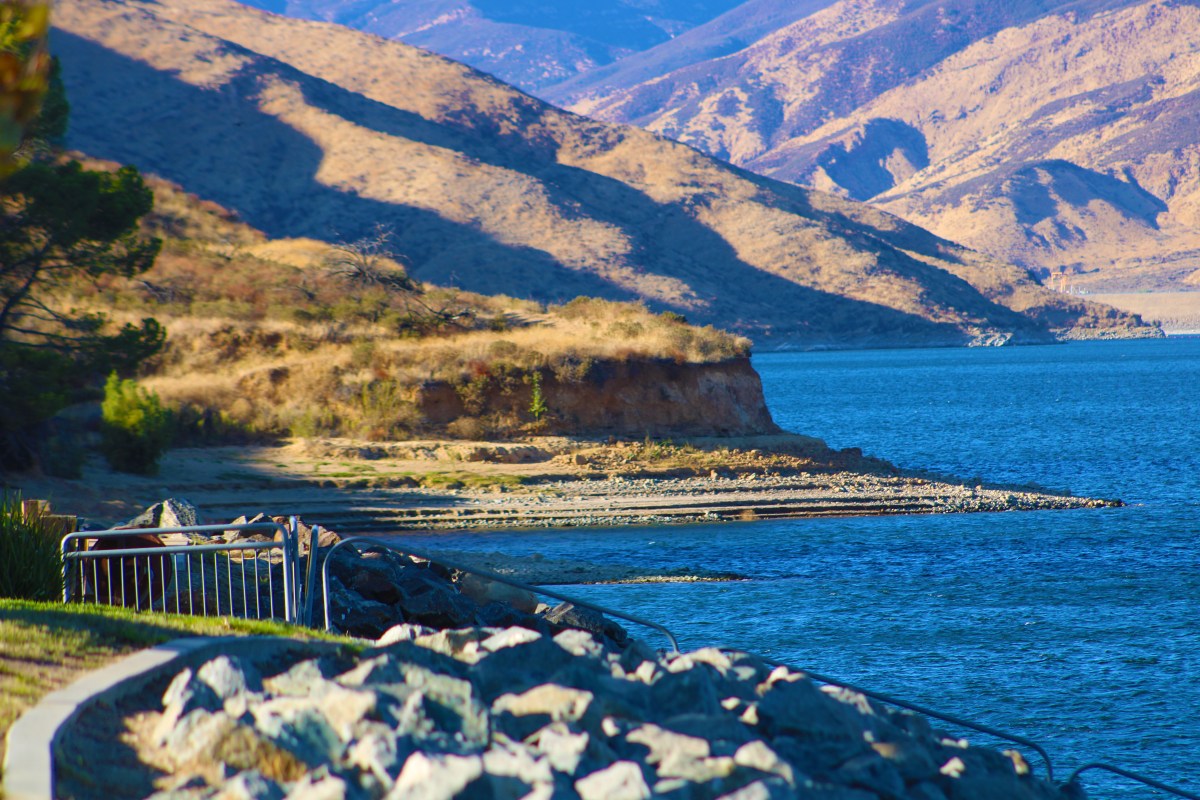
The National Oceanic and Atmospheric Administration (NOAA) predicts a strong El Niño event will bring more rain than usual to Southern California this winter. However, many reservoirs in the area are already nearly full, which may limit the ability to store the extra water.
Key Facts
NOAA's Climate Prediction Center forecasts above-average rain in Southern California from November through June 2027.
El Niño is a climate pattern where ocean waters become warmer than usual, affecting weather worldwide.
A "super" El Niño means the Pacific Ocean waters are much warmer than average, leading to stronger weather effects.
In the U.S., El Niño usually brings wetter, cooler winters in the Southwest and warmer, drier conditions in the North.
Many important reservoirs in Southern California are near their full capacity before the rainy season starts.
Castaic Lake is at 95% capacity, which is higher than normal for this time of year.
Reservoir managers lower water levels every winter to make room for incoming rain and control water release.
Excess water from reservoirs supports environmental needs and downstream water supplies.
Read the Original
Want the full story? Tap a source to open the original
article.
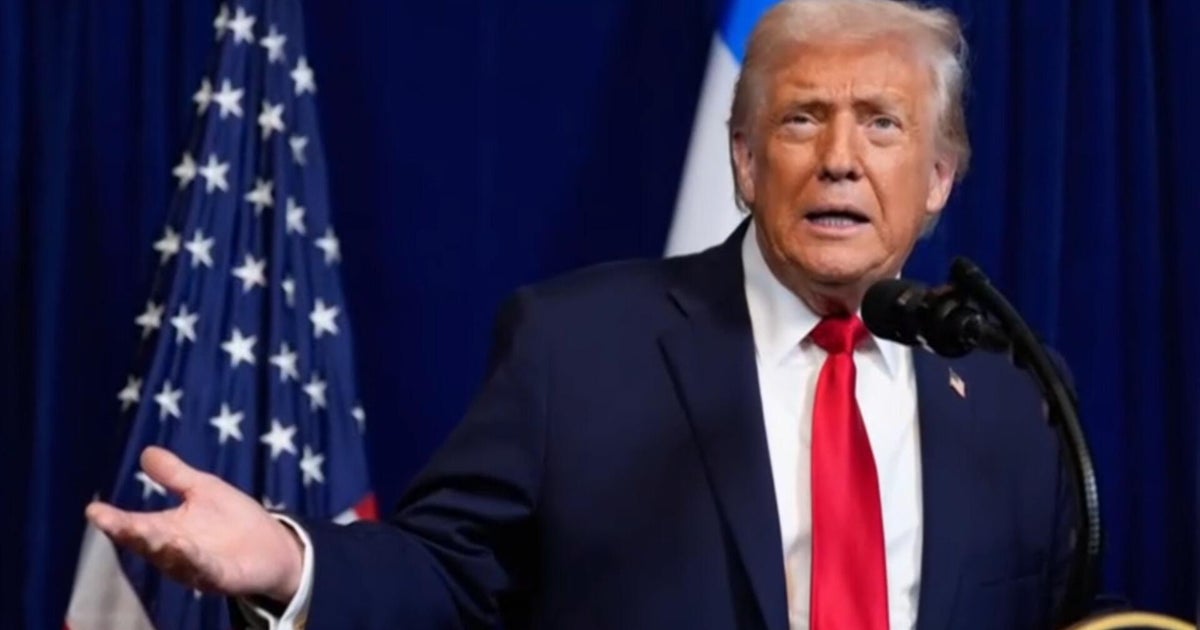
Mexican President Claudia Sheinbaum spoke by phone with President Donald Trump as both countries work to reach a trade deal. They aim to reduce U.S. tariffs on Mexican products before the U.S. midterm elections in November.
Key Facts
Sheinbaum had a “very good” phone call with President Trump on Wednesday.
Mexico and the U.S. are negotiating a bilateral trade agreement to lower tariffs.
Mexico wants tariff relief on steel, aluminum, and cars.
The U.S., Mexico, and Canada are part of the USMCA free trade agreement.
President Trump imposed high tariffs on some industries despite USMCA rules.
The U.S. is also in trade disputes with Canada, leading to higher tariffs each way.
Trump has made comments about U.S. military operations in Mexico and turning Canada into a U.S. state, causing diplomatic tensions.
Both Mexico and the U.S. want to finalize the trade deal before the November midterm elections.
Read the Original
Want the full story? Tap a source to open the original
article.
Russia is holding elections for its State Duma, the lower house of Parliament. This is the first vote since Russia’s invasion of Ukraine, and the war is affecting both the election and daily life in Russia.
Key Facts
Millions of Russians can vote to elect a new State Duma.
This election follows Russia’s invasion of Ukraine in February 2022.
The war has caused prices to go up and made life harder for many people.
Ukrainian drones have increased attacks on Russian oil refineries and warehouses.
President Vladimir Putin has asked voters to support the military by voting.
Critics believe the election results are already decided and question how much power the State Duma truly has.
Experts from Russia and research organizations discuss the political situation and election impact.
Read the Original
Want the full story? Tap a source to open the original
article.
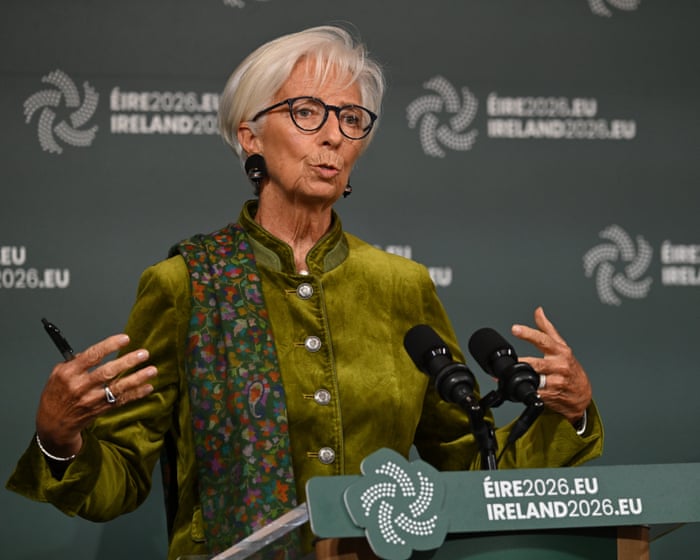
Europe is facing a challenge with artificial intelligence (AI). Leaders say Europe must develop its own AI technology and infrastructure to avoid depending on the US and China, who currently lead the AI race. Despite strong regulation efforts in Europe, the continent has a smaller role in global AI safety discussions.
Key Facts
Christine Lagarde, head of Europe's central bank, says Europe must choose to either avoid AI and lose growth or embrace it and risk dependence on the US and China.
Europe lacks large AI companies like the US’s OpenAI or Nvidia, limiting its influence in AI safety debates.
Ursula von der Leyen plans to invite top AI developers to discuss industry cooperation in Europe.
Building more data centers is seen as key for Europe to develop and control its own AI technology.
The EU AI Act requires developers of risky AI systems to report safety issues and manage risks.
Margrethe Vestager says Europe needs its own AI to keep talent, innovate, and respond to crises.
Global cooperation, beyond US-China rivalry, is necessary to address serious AI threats.
Europe relies heavily on US technology, which creates challenges for becoming more independent in AI.
Read the Original
Want the full story? Tap a source to open the original
article.
The article shows images from several conflict zones and political events around the world. It highlights ongoing violence and displacement in places like Gaza, the West Bank, Yemen, Iran, and Ukraine, as well as political actions related to those conflicts.
Key Facts
In Gaza City, 1,369 Palestinians have died and 4,627 have been injured since a ceasefire started on October 11, 2025.
Israel plans new laws to take away citizenship from people who criticize Israeli soldiers, targeting documentary filmmakers.
In the West Bank, there are rising attacks by Israeli settlers on Palestinians, with reports of government failure to control the violence.
A human rights group says Israel is trying to remove the conditions that support Palestinian community life in the West Bank.
In Iran, female militia members took part in a military parade amid ongoing conflict with the US.
The US House voted to end the war in Iran after a report showed it cost at least $38 billion and depleted missile supplies.
Thousands of Yemenis have fled recent rebel attacks, moving toward safer areas like the city of Taiz.
Ukraine faces Russian drone strikes causing injuries and damage, but NATO leaders remain committed to supporting Ukraine.
Read the Original
Want the full story? Tap a source to open the original
article.
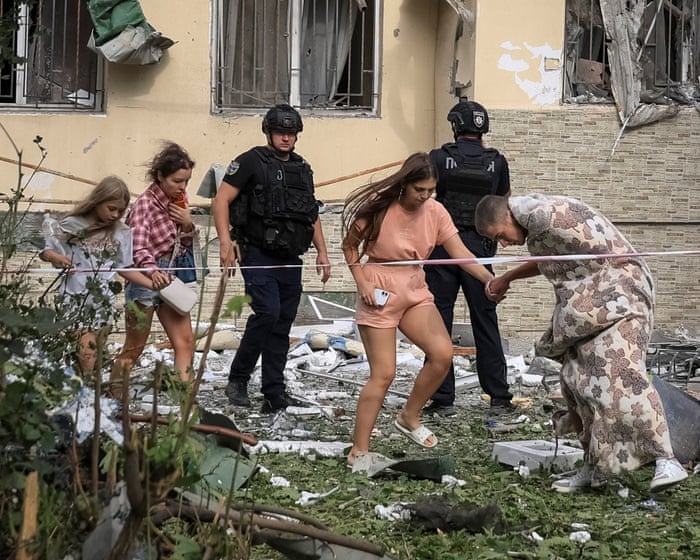
Russia has used drones to attack areas near Ukraine's border with Poland and Moldova, targeting officials traveling to Kyiv and railway infrastructure. These drone attacks have happened as Russia faces setbacks in its ground war in eastern Ukraine, and Ukraine reports heavy drone and missile attacks from Russia.
Key Facts
Russian drones hit a Ukrainian passenger train near the Polish border, putting traveling European officials at risk.
The attack included strikes on a petrol station near Poland, damaging trucks.
Russian drones also entered Moldovan airspace, delaying President Zelenskyy’s flight.
US diplomats traveled to Kyiv by train after Russian strikes disrupted flights.
Russian drones and missiles have targeted multiple border crossings between Ukraine and Moldova.
Russia claims these strikes aim to stop Western military aid to Ukraine.
Ukraine reports Russia launched about 2,100 drones and 78 missiles in one week.
The US Congress passed a bill to impose sanctions on countries buying Russian oil and gas to reduce Russia’s military funding.
Read the Original
Want the full story? Tap a source to open the original
article.
Spanish police have started removing thousands of migrants from the beaches of Ceuta, a small Spanish territory in North Africa. This follows a large increase in arrivals from Morocco in July, with around 10,000 migrants still in Ceuta, many without proper housing.
Key Facts
Ceuta is a small Spanish enclave on the North African coast, about 18.5 square kilometers in size.
More than 72,000 migrants arrived in Ceuta at the end of July, crossing from Morocco.
Around 10,000 migrants remain in Ceuta, with many living in camps without proper shelter.
Spanish authorities built temporary housing to hold 1,700 people near Ceuta’s port.
Police used rubber bullets fired into the air and batons to clear migrants from beaches during a recent operation.
EU Migration Commissioner Magnus Brunner said images of migrants arriving have increased support for far-right political parties in Europe.
Ceuta has been under Spanish control since 1580 and shares a border fence with Morocco.
Spain’s football coach Luis de la Fuente recently showed public support for Ceuta during the migration crisis.
Read the Original
Want the full story? Tap a source to open the original
article.
Sweden’s centre-left opposition leader, Magdalena Andersson, has started talks to form a new government after her left-wing bloc won a narrow majority in the recent election. She has until September 28 to build a coalition, with challenges expected in uniting different parties.
Key Facts
Magdalena Andersson leads the centre-left Social Democrats.
Parliament Speaker Andreas Norlen asked Andersson to try forming a government.
The left-wing bloc holds 176 out of 349 seats, a slim majority of three seats.
The previous Prime Minister, Ulf Kristersson, resigned after the election results.
Andersson needs to gain support from Greens, Centre Party, and Left Party.
The Left Party demands some cabinet positions for its support.
The Centre Party will not back a government that gives these cabinet posts to the Left Party.
If Andersson fails by September 28, Kristersson’s centre-right bloc, with 173 seats, will attempt to form a government.
Read the Original
Want the full story? Tap a source to open the original
article.
A large study in the UK found that long-term inflammation linked to stress, economic status, and lifestyle can slowly change the heart. These changes raise the chance of heart attacks and strokes, even before any symptoms appear.
Key Facts
The study analyzed health data from 480,000 adults in the UK using blood tests and heart imaging.
People with the highest levels of a blood inflammation marker (GlycA) had a 43% higher risk of heart attack and stroke than those with the lowest levels.
Chronic stress, poor socioeconomic conditions, smoking, and obesity are connected to higher inflammation.
Some people have genetic factors that can make them more or less affected by inflammation.
Heart changes from inflammation can happen years before symptoms like chest pain or stroke occur.
There are no current drugs to treat this type of inflammation, but healthy weight and diet may help reduce it.
Mental health problems and heart disease might be linked through hidden, long-term inflammation.
Researchers suggest social factors play a big role in heart health and should be addressed in public health efforts.
Read the Original
Want the full story? Tap a source to open the original
article.
Earl Spencer, Diana’s brother, says King Charles told him shortly after Diana’s death in 1997, “we’ll forget her soon enough.” Buckingham Palace said Spencer might have misremembered, but Spencer insists his memory is correct and says the comment shocked him deeply.
Key Facts
Earl Spencer claims King Charles made a hurtful comment about forgetting Diana soon after she died.
The comment was revealed in Spencer’s memoir, Swan Song: Diana, My Sister.
Buckingham Palace responded by suggesting grief might have affected Spencer’s memory.
Spencer rejected this, saying he clearly remembers Charles’s exact words.
The alleged comment happened during a heated argument about Diana’s funeral arrangements.
Spencer says he told friends and family about the comment at the time because it was shocking.
The memoir also claims Diana was told Charles was not in love with her before they married.
Charles and Spencer reportedly argued about whether Diana’s sons should walk in her funeral procession; Charles wanted it, Spencer initially opposed it.
Read the Original
Want the full story? Tap a source to open the original
article.
Russia is holding parliamentary elections from September 18 to 20, 2023. The elections are controlled by the Kremlin, with the ruling party United Russia expected to win, and critics say the elections are not free or fair.
Key Facts
The elections are the first since Russia’s full-scale invasion of Ukraine in 2022.
United Russia, the party supported by President Vladimir Putin, is likely to remain the largest party in parliament.
All 10 parties on the ballot either support or do not openly oppose Putin’s policies and the war in Ukraine.
The only anti-war party, Yabloko, was removed from the ballot before the voting began.
Some Yabloko candidates still appear in certain areas despite the party’s removal.
The Kremlin is expected to use the election results to show public support for President Putin and the war.
The voting is held over three days, from September 18 to 20, 2023.
No unexpected changes or surprises in the election outcome are anticipated.
Read the Original
Want the full story? Tap a source to open the original
article.
National Geographic released a video called "Moment on the Earth" that shows bears in Alaska’s Katmai National Park. The park is a safe place where mother bears raise their cubs.
Key Facts
The video is part of National Geographic’s National Parks USA series.
It highlights bears living in Katmai National Park in Alaska.
Katmai National Park is known as a safe area for bear mothers and their young.
The video captures natural bear behaviors and mother-cub interactions.
Katmai National Park is a popular spot for wildlife watching and conservation.
National Geographic aims to educate people about nature and wildlife through this video.
The video was shared on September 18, 2026.
Read the Original
Want the full story? Tap a source to open the original
article.