Aly Raisman, an Olympic gold medalist, shared three ways people can stand up for themselves. She gave advice on how to speak up and protect personal rights.
Key Facts
Aly Raisman is an Olympic gold medalist.
She shared three specific tips for self-advocacy.
The advice focuses on helping people speak up for themselves.
Raisman spoke about protecting personal rights.
The information was shared through a CBS News segment.
The message encourages empowerment and self-advocacy.
Read the Original
Want the full story? Tap a source to open the original
article.
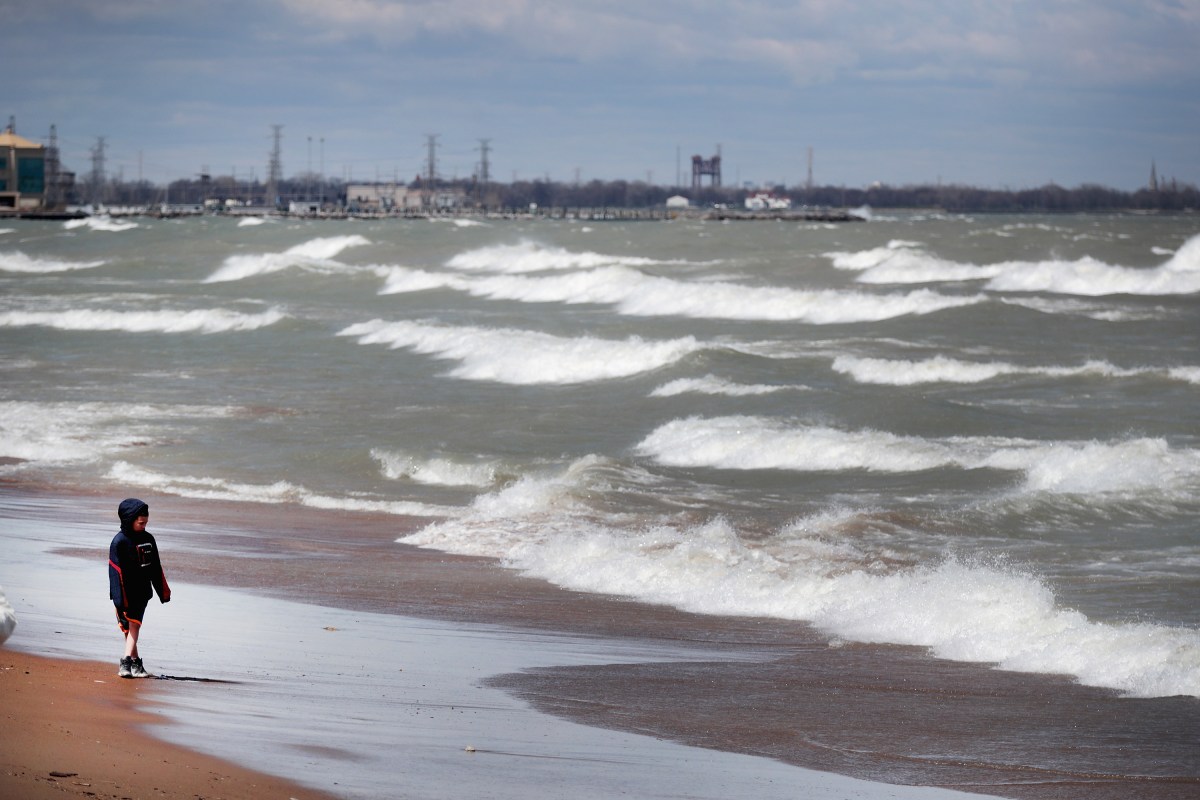
The National Weather Service has warned over 5 million people in Wisconsin and Illinois not to swim in Lake Michigan due to dangerous waves and strong rip currents. These conditions make swimming risky, especially since lifeguards are no longer on duty after Labor Day.
Key Facts
The National Weather Service issued beach hazard statements for parts of Wisconsin and Illinois along Lake Michigan.
The warnings say waves could be 3 to 6 feet high and rip currents are strong.
More than 5 million people live in the affected areas, including Chicago and Milwaukee counties.
Lifeguards stop working at Great Lakes beaches after Labor Day, increasing the risk for swimmers.
Rip currents are fast-moving water channels that can pull swimmers away from shore but do not pull them under.
Swimmers caught in rip currents should swim parallel to the shore to escape and call for help if tired.
There were 73 drownings in the Great Lakes this year, with 41 in Lake Michigan.
The current warnings last through Friday but more dangerous water conditions are expected into the following week.
Read the Original
Want the full story? Tap a source to open the original
article.
This article from ABC News highlights several trending topics in pop culture, including Lena Dunham becoming a mother and actor Matthew Lillard expressing regret about his role in "Scream 7." It also notes that major figures like the CEOs of OpenAI and Nvidia are expected to attend an upcoming state dinner hosted by President Donald Trump and China's President Xi.
Key Facts
Lena Dunham recently became a mother.
Matthew Lillard has publicly said he feels ashamed of acting in the movie "Scream 7."
The CEOs of OpenAI and Nvidia are invited to a state dinner with President Donald Trump and China’s President Xi.
The article includes various news updates on topics such as weather, accidents, and legal cases.
Pop culture and entertainment figures like Metallica are mentioned as trending.
The article is part of a larger news stream that covers both global and domestic events.
It provides a snapshot of current popular and political developments.
Read the Original
Want the full story? Tap a source to open the original
article.
A new HBO documentary series called *A Killer Story* follows journalist Joe Sexton as he investigates the 2002 murder convictions of Dana Chandler in Kansas. The series explores doubts about the evidence and the work of citizen investigators who helped get Chandler a new trial, revealing problems with the original prosecution.
Key Facts
The documentary *A Killer Story* is directed by Matthew Galkin and aired on HBO.
It focuses on Dana Chandler, convicted in 2002 for killing her ex-husband and his girlfriend.
Journalist Joe Sexton investigated the case after persistent emails from citizen sleuth Eileen Umbehr.
Sexton initially believed Chandler was guilty but changed his view after reviewing evidence.
The Kansas Supreme Court unanimously overturned Chandler's conviction due to misconduct by the prosecutor.
The original prosecutor was found to have lied to the jury and fabricated evidence.
A new trial was ordered, but the prosecution lost when the jury could not reach a verdict.
The documentary also explores the personal involvement of citizen investigators in the case.
Read the Original
Want the full story? Tap a source to open the original
article.
August 2026 was the hottest month ever recorded on Earth, according to recent weather reports. Scientists are studying this record heat and trying new methods, like using drones, to influence rainfall and better manage water resources.
Key Facts
August 2026 set a new global temperature record for the warmest month ever measured.
Meteorologists observed unusually high temperatures across many regions.
Efforts are underway to use drones to help create rain, which could assist in managing drought.
The heat is part of ongoing climate patterns that scientists are closely monitoring.
This new record underscores concerns about climate change and global warming.
Weather agencies are tracking related risks, such as floods and wildfires.
The data comes from multiple sources, including satellite and ground measurements.
Understanding this heat can help improve future weather predictions and preparedness.
Read the Original
Want the full story? Tap a source to open the original
article.
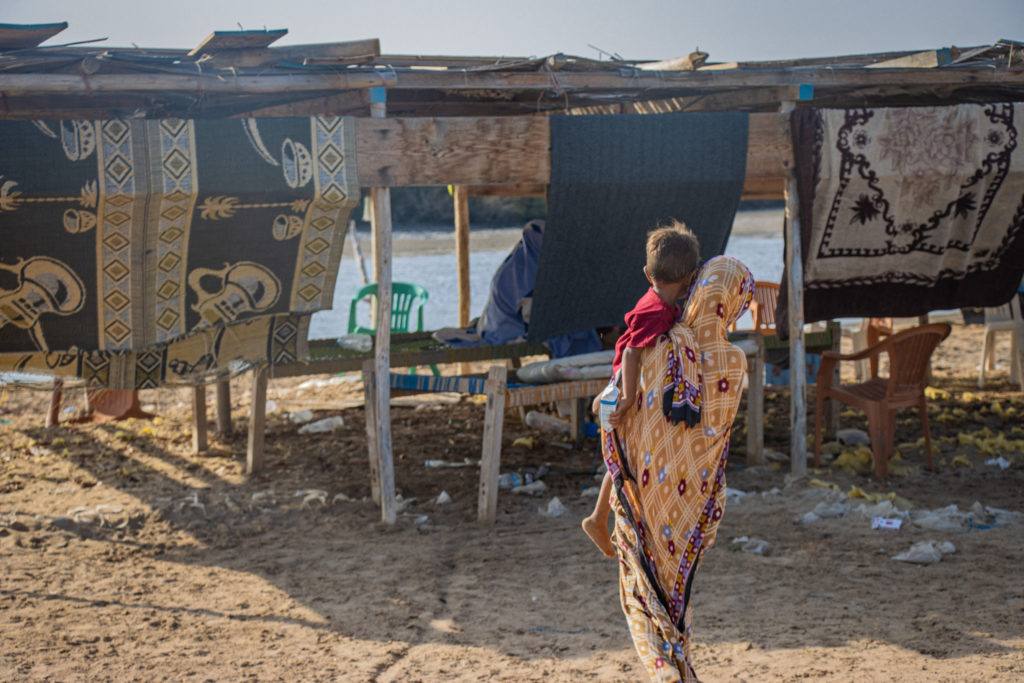
Tens of thousands of people in Yemen have fled their homes due to fighting caused by Iran-backed Houthi rebels advancing along the Red Sea coast. This conflict has worsened an already severe humanitarian crisis in Yemen, where many people lack food and medical care.
Key Facts
Around 125,000 people have fled because of Houthi rebel advances.
The fighting threatens Saudi oil exports and has raised global fuel prices.
Yemen’s civil war began in 2014 when Houthis took control of northern areas, including the capital, Sanaa.
Saudi Arabia leads a coalition supporting Yemen’s government against the Houthis.
A ceasefire in 2022 was broken when Houthis launched new attacks in July 2024.
The United Nations reports 8 civilians killed, 32 wounded, and over 57,000 displaced children.
Many displaced families travel long distances on foot, often with little warning.
Before the recent fighting, 5 million Yemenis already faced severe food shortages.
Read the Original
Want the full story? Tap a source to open the original
article.
People escaping violence in Yemen are arriving in large numbers in Djibouti. The country is asking other nations and groups for help to support these refugees.
Key Facts
Many people are fleeing conflict in Yemen.
They are seeking safety by traveling to Djibouti.
Djibouti’s government has called on the global community for humanitarian aid.
The aid request is to help manage the increasing number of refugees.
The situation reflects ongoing violence and instability in Yemen.
Djibouti is becoming a key location for people escaping the conflict.
Read the Original
Want the full story? Tap a source to open the original
article.
The U.S. government will permit a small group of Iranian officials to attend the United Nations General Assembly meeting in New York next week. This decision comes despite ongoing conflict and stalled talks between the two countries.
Key Facts
The U.S. will issue visas to a core group of Iranian leaders to attend the UN General Assembly.
The event will take place in New York City next week.
The U.S. and Iran remain in a state of conflict.
Diplomatic negotiations between the U.S. and Iran have stopped moving forward.
A State Department spokesman confirmed the visa approval on Thursday.
This move allows limited Iranian participation amid tensions.
The United Nations General Assembly is a major international meeting where world leaders gather.
Read the Original
Want the full story? Tap a source to open the original
article.
The United States has approved visas for a limited Iranian delegation to attend the United Nations General Assembly (UNGA) in New York, including Iran’s President Masoud Pezeshkian and Foreign Minister Abbas Araghchi. At the same time, the US is maintaining stricter travel limits and sanctions on Iran, while continuing to bar Palestinian Authority officials from entering for the UN meeting.
Key Facts
The US will allow a small Iranian delegation to attend the UN General Assembly High-Level Week in New York.
The Iranian delegation includes President Masoud Pezeshkian and Foreign Minister Abbas Araghchi.
The delegation will face travel restrictions and bans on importing luxury goods.
The UNGA occurs amid ongoing conflicts, including the Iran war and regional tensions like fighting in Yemen.
The US administration led by President Donald Trump claims to have held direct talks with Iran despite the conflict.
Palestinian Authority officials have been denied US visas for the second year in a row to attend the UNGA.
Palestinians will still be represented at the UN by diplomats already accredited to the organization.
The situation reflects broader global tensions including Russia’s war in Ukraine and economic challenges worldwide.
Read the Original
Want the full story? Tap a source to open the original
article.
Prince Harry attended his first official event since returning to the UK, participating in the Invictus Spirit Awards in London. On the same day, King Charles III and Prince William also held official engagements in Scotland, while Harry remains a non-working royal.
Key Facts
Prince Harry returned to the UK last month with his wife Meghan and their two children after six years in California.
Harry attended the Invictus Spirit Awards, an event related to the Invictus Games he founded for wounded veterans.
Harry wore a tuxedo with military medals and posed with members of the Irish Guards at the Royal Naval College in London.
King Charles III gave a speech on artificial intelligence in Scotland on the same day.
Prince William and his wife Kate visited the Isle of Bute in Scotland on the same day.
The royal family stated Harry and Meghan will be private citizens and not working royals while living in the UK.
Harry and Meghan were surprised by the royal family’s letter clarifying their status.
Since stepping away from royal duties in 2020, Harry and Meghan no longer use royal titles or receive public funds and have taken on solo public engagements.
Read the Original
Want the full story? Tap a source to open the original
article.
An economist from the European Policy Center said the partnership between Canada and the European Union (EU) benefits both sides. Canada has many resources and strengths that the EU lacks, while the EU offers a large market and is an important trading partner.
Key Facts
Fabian Zuleeg is the Chief Economist at the European Policy Center.
He described the Canada-EU partnership as a "classic win-win situation."
Canada provides resources and economic strengths.
The European Union has a large market for goods and services.
The partnership strengthens trade between Canada and the EU.
Both sides complement each other’s economic needs.
The EU is an important trading partner for Canada.
Read the Original
Want the full story? Tap a source to open the original
article.
Iran has shot down at least two American unmanned drones called MQ-1s in recent days, according to U.S. officials. These incidents were confirmed by sources familiar with the situation.
Key Facts
Iran downed at least two MQ-1 American unmanned aircraft recently.
The MQ-1 is a type of drone used by the U.S. military.
U.S. officials provided this information to CBS News.
The incidents happened in the past few days.
The exact location and details of the shootdowns were not specified in the article.
CBS News reporter James LaPorta is covering the story.
Read the Original
Want the full story? Tap a source to open the original
article.
Bob Mackie, a famous costume designer known for dressing stars like Cher and Carol Burnett, died on September 14, 2026, at the age of 87. In a 2003 interview, he shared how he became a designer for celebrities and spoke about his son Robin’s death from AIDS.
Key Facts
Bob Mackie won nine Emmy Awards for costume design.
He designed costumes for famous entertainers such as Cher, Carol Burnett, Barbra Streisand, and Liza Minnelli.
Mackie was interviewed on CBS News in 2003 about his career and fascination with celebrities known as divas.
He grew up near Hollywood and was inspired to design costumes from a young age.
Mackie’s son, Robin, died from AIDS, which he discussed in the interview.
Bob Mackie passed away on September 14, 2026, at 87 years old.
Read the Original
Want the full story? Tap a source to open the original
article.
Russia and China used their veto power at the United Nations Security Council to block a U.S.-backed resolution to continue monitoring sanctions on Iran. The resolution would have extended the work of independent experts overseeing Iran’s compliance with nuclear restrictions after sanctions were reimposed in 2025.
Key Facts
The U.S. proposed a resolution to extend UN monitoring of Iran sanctions.
Russia and China vetoed this resolution, stopping it from passing.
Sanctions on Iran were reimposed in 2025 after accusations of violating a 2015 nuclear deal.
Iran denies seeking nuclear weapons or breaking the agreement.
The UN Security Council has 15 members; 11 voted for the resolution, Pakistan and Somalia abstained.
Iran thanked Russia and China for opposing the resolution, calling it politically motivated.
Without independent experts, the UN loses a key source of unbiased reports on Iran sanctions violations.
The U.S. recently blocked Iran’s nuclear chief from attending a UN nuclear agency conference due to existing sanctions.
Read the Original
Want the full story? Tap a source to open the original
article.
OpenAI reported six new cases of concerning behavior. A United Nations panel said it has reasonable evidence to believe the United States committed war crimes in Iran.
Key Facts
OpenAI disclosed six new incidents involving worrying behavior linked to its technology.
A U.N. panel reviewed actions related to Iran and found reasonable grounds to suspect war crimes by the U.S.
The report from OpenAI likely concerns usage or effects of their AI systems.
The U.N. panel's findings suggest international legal concerns about U.S. conduct in Iran.
These two developments were covered together on the CBS News program "The Takeout with Major Garrett."
The U.N. panel is tasked with investigating violations of international law.
War crimes refer to serious breaches of the laws of war, such as attacks on civilians.
Read the Original
Want the full story? Tap a source to open the original
article.
At least 26 people have died and 82 were hurt in fighting between two communities in the Abyei region on the border between Sudan and South Sudan. The United Nations has increased security in the area to protect civilians and prevent more violence.
Key Facts
The clashes happened in Abyei, a disputed border region between Sudan and South Sudan.
The fighting began after separate killings of a Ngok Dinka man and a Misseriya man at a local market.
Ngok Dinka and Misseriya are rival groups: the Ngok Dinka live permanently in Abyei, while the Misseriya move there seasonally with their animals.
UN peacekeepers called UNISFA, with about 3,000 police and soldiers, are working to protect people and stop the violence.
Abyei is rich in oil and is jointly controlled by Sudan and South Sudan, but its status has not been fully settled since South Sudan became independent in 2011.
The conflict usually involves disputes over grazing land and water for livestock.
South Sudan has been mostly peaceful since a 2018 peace deal ended years of fighting.
South Sudan plans to hold its first elections since independence in December.
Read the Original
Want the full story? Tap a source to open the original
article.
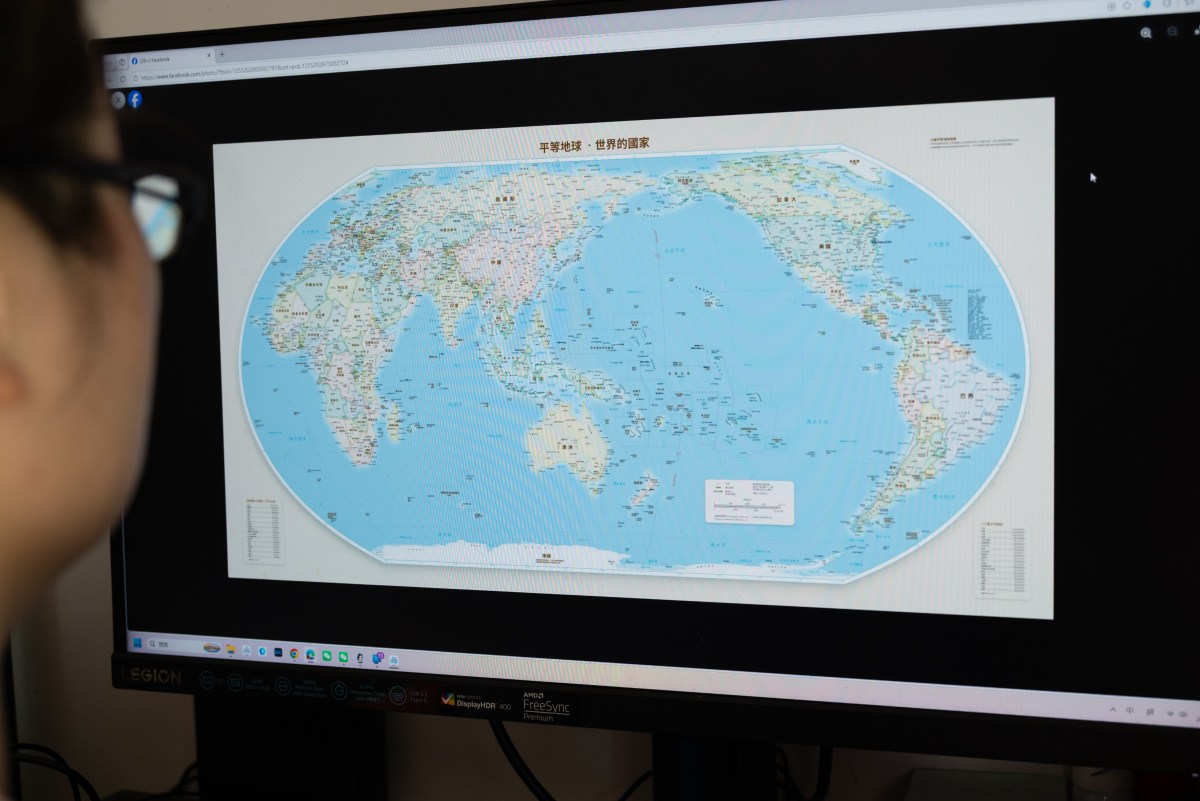
The United Nations approved a resolution encouraging the use of a new world map projection called Equal Earth, which shows continents' true sizes more accurately than the commonly used Mercator projection. The United States voted against the resolution, while several other countries abstained, citing concerns about border disputes and map details.
Key Facts
The UN resolution promotes the Equal Earth projection as a more accurate way to show the size of continents.
The Mercator map, created in 1569, distorts continent sizes, making places like Greenland appear much larger compared to Africa.
Africa is about 14 times larger than Greenland, which Mercator maps do not show correctly.
The resolution was led by Togo on behalf of the African Union, emphasizing fairness and true geographical knowledge.
The resolution does not ban the Mercator projection but encourages more balanced map use globally.
The United States was the only country to vote against the measure, calling it a “radical ideological project.”
Six countries abstained from the vote, including Ukraine, which had concerns about how its territory was shown.
The African Union praised the resolution as a historic step toward fair representation of Africa on maps.
Read the Original
Want the full story? Tap a source to open the original
article.
Brazil has traditionally been the first country to speak at the United Nations General Assembly (UNGA) debate, with the United States speaking second as the host nation. This speaking order is based on a long-standing tradition and specific rules set by the UN.
Key Facts
Brazil has opened the UN General Assembly debate for many decades.
The United States usually speaks second because it hosts the UN headquarters in New York.
The order of speakers after Brazil and the U.S. depends on factors like the level of representation and the order in which countries request to speak.
This tradition began because Brazil was the first country to volunteer to speak when the UN was founded.
The speaking order helps organize the many countries presenting at the annual UN meetings.
The tradition is maintained by agreement among UN member states and coordinated by UN staff.
Read the Original
Want the full story? Tap a source to open the original
article.
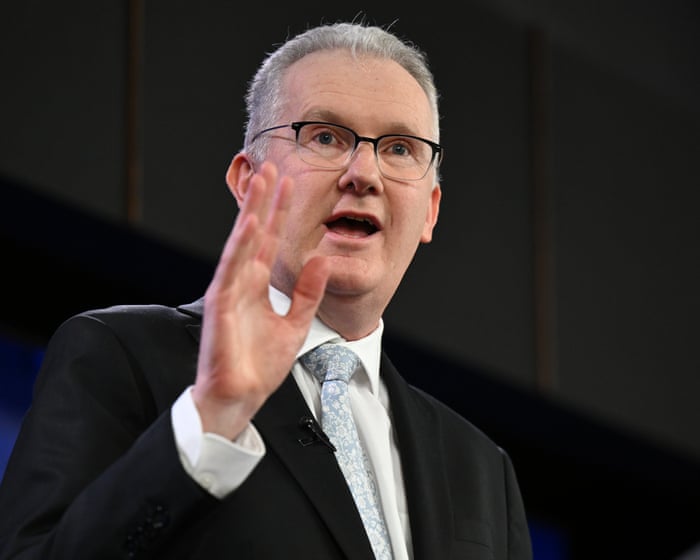
Australia's Home Affairs Minister Tony Burke defended the time taken to release the Labor party’s immigration plan, saying immigration affects many parts of the economy and needs careful handling. Meanwhile, China criticized the Aukus security pact between Australia, the US, and UK, calling it destabilizing, as discussions continue about Australia's future submarine purchases and international relations.
Key Facts
Tony Burke said Labor took time to carefully develop the immigration policy due to complex visa and economic factors.
Opposition leader Angus Taylor criticized the plan, saying immigration numbers are too high given housing and infrastructure limits.
Aukus is a security agreement between the US, UK, and Australia focused on military cooperation and submarine technology.
Australia plans to buy Virginia-class nuclear-powered submarines from the US starting in 2032 and build new Aukus submarines in South Australia.
The deal is estimated to cost Australia $368 billion through the 2050s.
China says Aukus destabilizes the region and voiced concerns about the pact’s impact.
Kurt Campbell, a US official, urged stronger cooperation with allies and humility in partnerships.
Prime Minister Anthony Albanese will attend the UN General Assembly to promote Australia’s multilateralism and international partnerships.
Read the Original
Want the full story? Tap a source to open the original
article.
The US government has approved visas for an Iranian delegation to attend the UN General Assembly in New York next week, despite ongoing conflict between the two countries. The Iranian group will face travel restrictions and cannot buy certain American products during their visit.
Key Facts
The Iranian delegation includes President Masoud Pezeshkian and Foreign Minister Abbas Araghchi.
The US State Department confirmed the visas and said the delegation will be smaller than last year.
Iranian officials will have travel limits and be banned from buying luxury or certain goods.
The war between the US and Iran started in February and has lasted over six months.
The conflict has increased global energy prices and spread to neighboring countries.
UN General Assembly sessions, including speeches from world leaders, start Tuesday.
President Donald Trump will speak next week, along with leaders from the UK and France.
The US denied visas to the Palestinian delegation for the second year running, citing non-recognition of their legitimacy.
Read the Original
Want the full story? Tap a source to open the original
article.