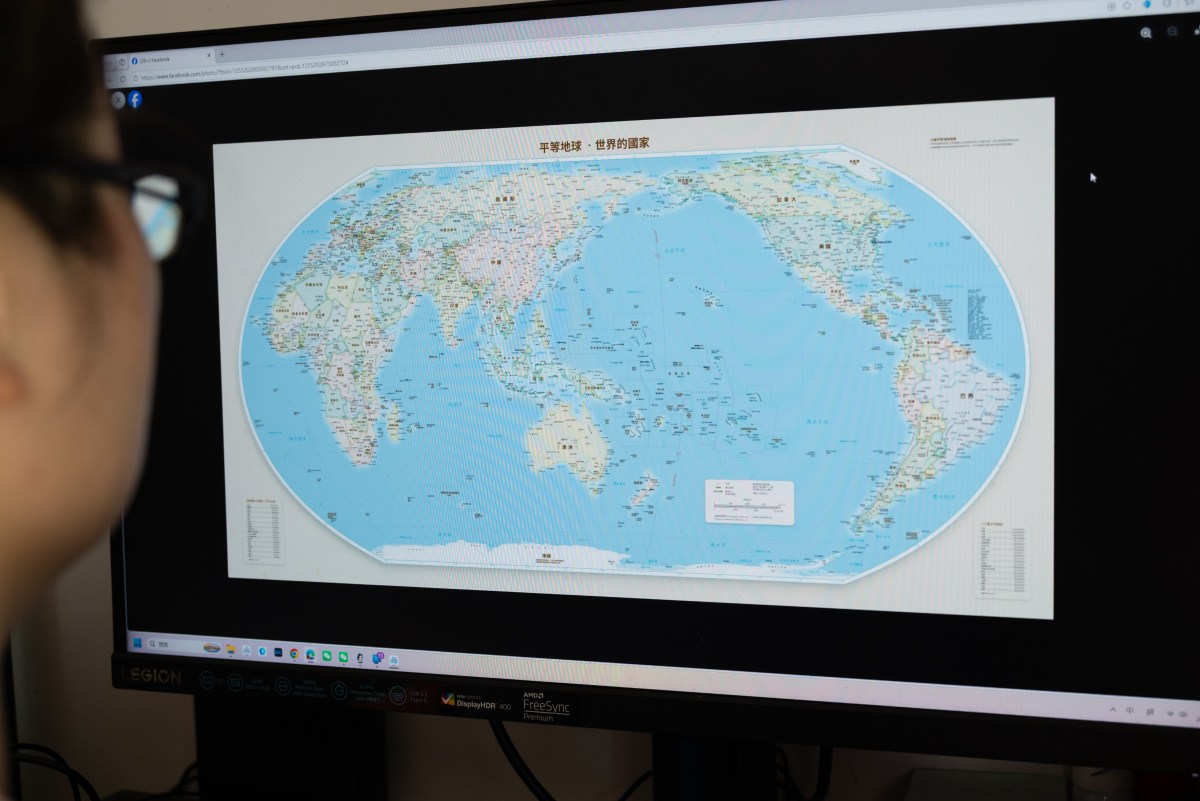
The United Nations approved a resolution encouraging the use of a new world map projection called Equal Earth, which shows continents' true sizes more accurately than the commonly used Mercator projection. The United States voted against the resolution, while several other countries abstained, citing concerns about border disputes and map details.
Key Facts
The UN resolution promotes the Equal Earth projection as a more accurate way to show the size of continents.
The Mercator map, created in 1569, distorts continent sizes, making places like Greenland appear much larger compared to Africa.
Africa is about 14 times larger than Greenland, which Mercator maps do not show correctly.
The resolution was led by Togo on behalf of the African Union, emphasizing fairness and true geographical knowledge.
The resolution does not ban the Mercator projection but encourages more balanced map use globally.
The United States was the only country to vote against the measure, calling it a “radical ideological project.”
Six countries abstained from the vote, including Ukraine, which had concerns about how its territory was shown.
The African Union praised the resolution as a historic step toward fair representation of Africa on maps.
Read the Original
Want the full story? Tap a source to open the original
article.
Brazil has traditionally been the first country to speak at the United Nations General Assembly (UNGA) debate, with the United States speaking second as the host nation. This speaking order is based on a long-standing tradition and specific rules set by the UN.
Key Facts
Brazil has opened the UN General Assembly debate for many decades.
The United States usually speaks second because it hosts the UN headquarters in New York.
The order of speakers after Brazil and the U.S. depends on factors like the level of representation and the order in which countries request to speak.
This tradition began because Brazil was the first country to volunteer to speak when the UN was founded.
The speaking order helps organize the many countries presenting at the annual UN meetings.
The tradition is maintained by agreement among UN member states and coordinated by UN staff.
Read the Original
Want the full story? Tap a source to open the original
article.
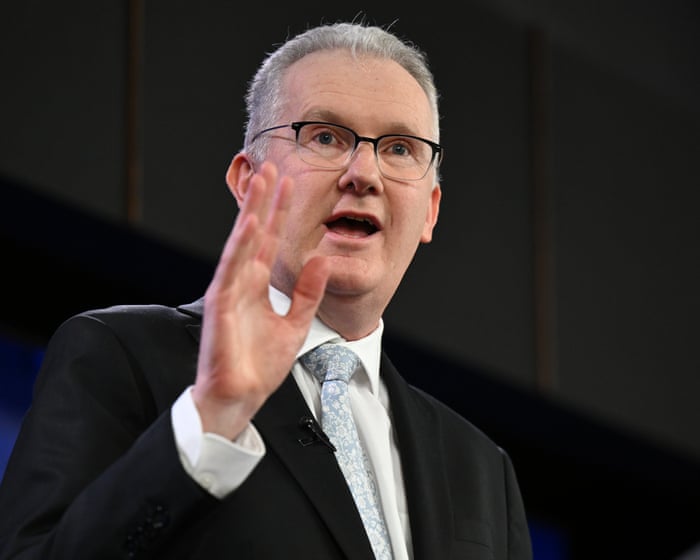
Australia's Home Affairs Minister Tony Burke defended the time taken to release the Labor party’s immigration plan, saying immigration affects many parts of the economy and needs careful handling. Meanwhile, China criticized the Aukus security pact between Australia, the US, and UK, calling it destabilizing, as discussions continue about Australia's future submarine purchases and international relations.
Key Facts
Tony Burke said Labor took time to carefully develop the immigration policy due to complex visa and economic factors.
Opposition leader Angus Taylor criticized the plan, saying immigration numbers are too high given housing and infrastructure limits.
Aukus is a security agreement between the US, UK, and Australia focused on military cooperation and submarine technology.
Australia plans to buy Virginia-class nuclear-powered submarines from the US starting in 2032 and build new Aukus submarines in South Australia.
The deal is estimated to cost Australia $368 billion through the 2050s.
China says Aukus destabilizes the region and voiced concerns about the pact’s impact.
Kurt Campbell, a US official, urged stronger cooperation with allies and humility in partnerships.
Prime Minister Anthony Albanese will attend the UN General Assembly to promote Australia’s multilateralism and international partnerships.
Read the Original
Want the full story? Tap a source to open the original
article.
The US government has approved visas for an Iranian delegation to attend the UN General Assembly in New York next week, despite ongoing conflict between the two countries. The Iranian group will face travel restrictions and cannot buy certain American products during their visit.
Key Facts
The Iranian delegation includes President Masoud Pezeshkian and Foreign Minister Abbas Araghchi.
The US State Department confirmed the visas and said the delegation will be smaller than last year.
Iranian officials will have travel limits and be banned from buying luxury or certain goods.
The war between the US and Iran started in February and has lasted over six months.
The conflict has increased global energy prices and spread to neighboring countries.
UN General Assembly sessions, including speeches from world leaders, start Tuesday.
President Donald Trump will speak next week, along with leaders from the UK and France.
The US denied visas to the Palestinian delegation for the second year running, citing non-recognition of their legitimacy.
Read the Original
Want the full story? Tap a source to open the original
article.
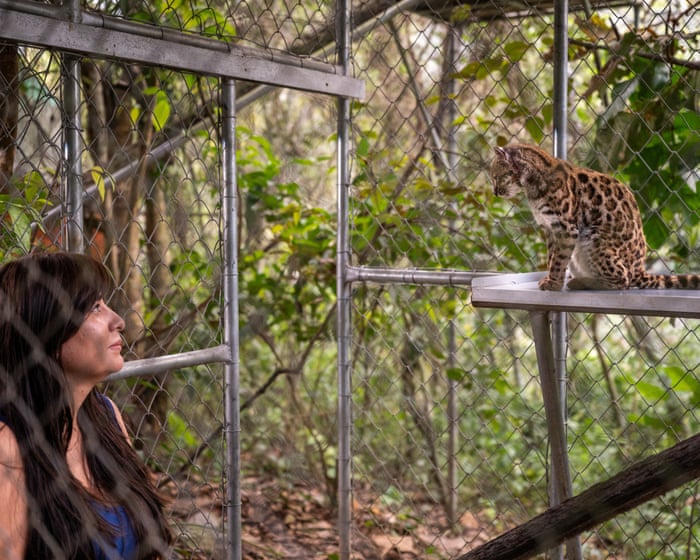
Scientists have identified a new species of wild cat in Bolivia’s cloud forest called the Tilcayo, which is the first new living cat species discovered in over 100 years. This small cat, about the size of a domestic cat, was confirmed as a distinct species through genetic tests and lives in the Yungas forest, which faces threats from human activities.
Key Facts
The new cat species is named Leopardus tilcayo and is locally called Tilcayo.
It measures about 18 inches (46 cm) long and weighs around 3 pounds (1.4 kg).
The cat lives in Bolivia’s mountainous Yungas cloud forest, a humid area covered by frequent clouds.
Researchers used DNA analysis from 38 cats across South America to identify five different tiger cat species, including this new one.
The Tilcayo likely split from other tiger cats about 1.4 million years ago.
Scientists know little about the cat’s habits but believe it may eat small rodents and be more active at night.
The region’s forests, home to the Tilcayo, are threatened by deforestation, farming, fires, and mining.
Conservation groups will reassess the status of tiger cats to better protect each species separately.
Read the Original
Want the full story? Tap a source to open the original
article.
Canada’s Prime Minister and other leaders are looking to build closer ties with the European Union. They want to protect their economies and independence from pressure and trade threats by larger countries like the United States under President Trump.
Key Facts
Canada is seeking stronger connections with the European Union as a response to U.S. tariffs and trade threats.
Mark Carney, a Canadian official, told the European Parliament that working more closely with the EU can help Canada keep control over its markets.
Carney called on "middle powers" — countries that are not superpowers but have some influence — to unite against economic pressure from stronger nations.
Canada imposed retaliatory tariffs on the United States in reaction to U.S. trade policies.
The European Union is considering special "associate member" status for Canada.
President Trump warned that Canada's closer ties with the EU could be seen as a hostile act.
Experts discussed whether countries like Canada and the EU can work together to stand up to the U.S. trade approach.
Read the Original
Want the full story? Tap a source to open the original
article.
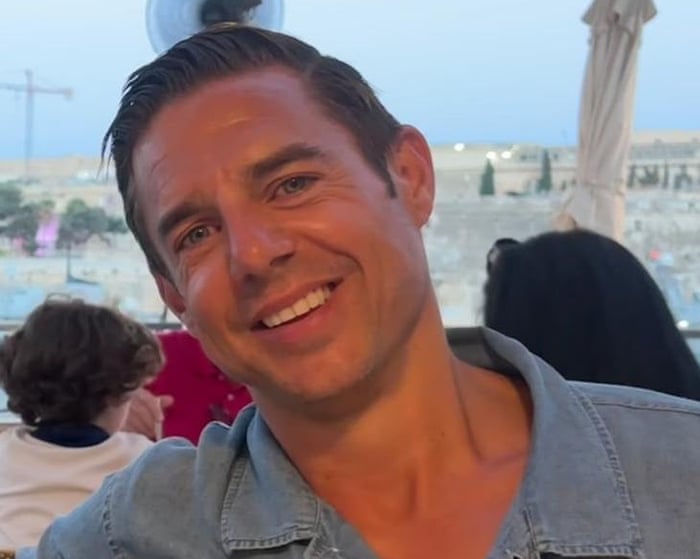
Nicholas Brandram, suspected in the "Putney pusher" case, told his family the police investigation was harming his mental health before he died by suicide. His family says there was no evidence linking him to the original 2017 incident and criticizes the police for how they handled the case and his treatment.
Key Facts
Nicholas Brandram was arrested in June on suspicion of attempted grievous bodily harm related to a 2017 attack on Putney Bridge.
He was also arrested for possession of drugs while in police custody.
Brandram’s mental health worsened during the investigation; he was treated in a psychiatric hospital.
His family says there is no forensic evidence linking him to the 2017 attack.
Brandram gave DNA samples and volunteered for identification but the police delayed test results.
Brandram’s family claims the police investigation and media reporting caused him distress.
He was related to royalty, being the grandson of Princess Katherine of Greece.
Brandram died by suicide days after telling his family he had “no fight left” due to the investigation.
Read the Original
Want the full story? Tap a source to open the original
article.
South African police are investigating the discovery of a ninth woman's body in Johannesburg, suspecting a serial killer targeting women. The article also mentions African excitement and concerns about new technology, as well as the opening of Chad’s first music school.
Key Facts
Police found the body of a ninth woman in Johannesburg, South Africa.
Authorities suspect a serial killer who targets women (called a femicidal serial killer).
Africans have mixed feelings about new technology: they see growth opportunities but worry about risks.
Chad opened its first official music school in N’Djamena.
The story comes from a news segment called "Eye on Africa."
Other headlines discussed include political and cultural issues in Europe, the US, and Africa.
The article is from France 24 and was published on September 17, 2026.
Read the Original
Want the full story? Tap a source to open the original
article.
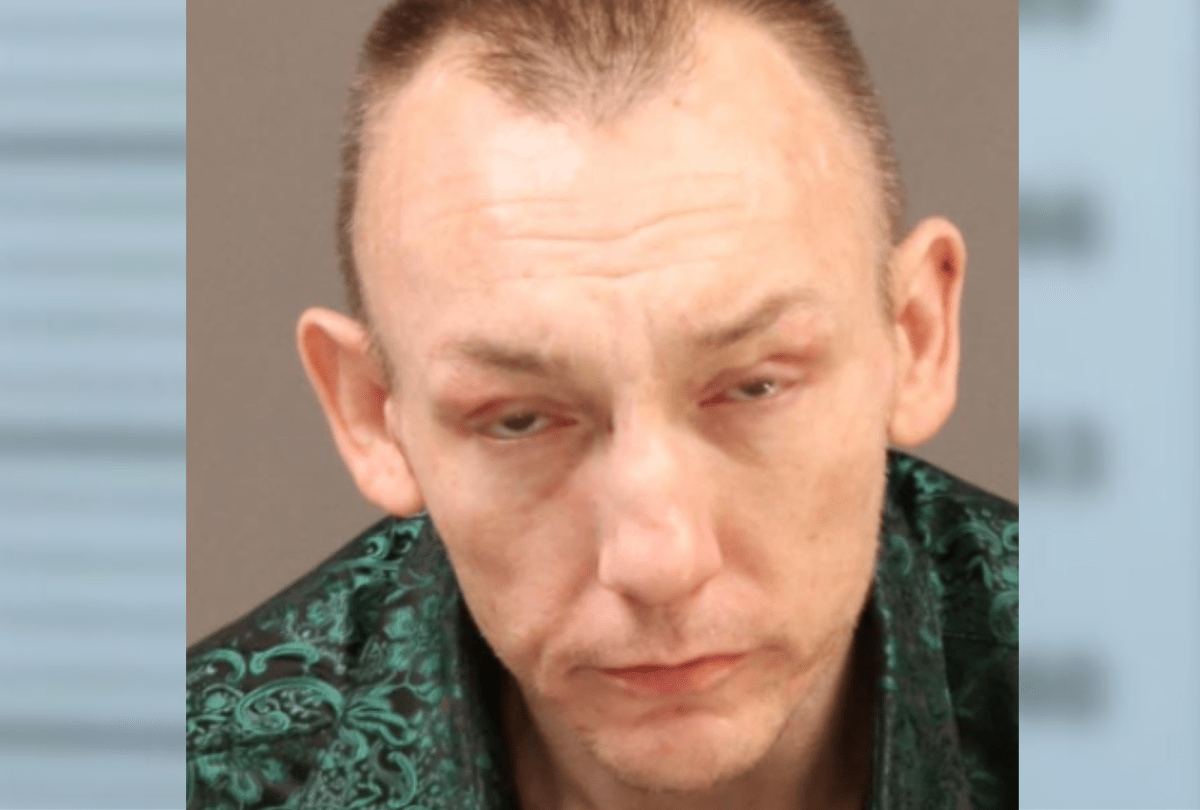
A man named Eugene Horsch in Philadelphia is suspected of being a serial killer after police found images and videos in his home that show unconscious or dead women. A former FBI agent said Horsch fits the definition of a serial killer, but police have not confirmed this publicly because they have no bodies or conclusive proof yet.
Key Facts
Eugene Horsch, 44, is linked to images and videos of five unconscious or dead women found in his Philadelphia home.
Police also connect the home to two other missing women.
The FBI defines a serial killer as someone who kills two or more people in separate events.
Horsch’s late father was a known pornographer accused of making films showing real killings, known as "snuff films."
No bodies have been found at the home, making it harder for police to bring murder charges.
Investigators are reviewing about 1 million pieces of evidence including photos and videos.
Police are trying to find forensic evidence, including DNA, and plan to dig on the property for more clues.
Experts expect that more victims connected to Horsch may be identified as the investigation continues.
Read the Original
Want the full story? Tap a source to open the original
article.
The Archbishop of Canterbury took back an award given to Muslim cleric Hafiz Muhammad Tahir Mehmood Ashrafi after it was revealed he praised Osama bin Laden in 2007. Ashrafi had received the award for promoting peace between religions but faced criticism for his past comments and support of Pakistan's blasphemy laws.
Key Facts
Hafiz Muhammad Tahir Mehmood Ashrafi was given an award for interfaith harmony on the 25th anniversary of the 9/11 attacks.
After it emerged Ashrafi praised Osama bin Laden, the Archbishop of Canterbury withdrew the award.
Ashrafi called Bin Laden "Sword of God" and praised his fight against Russians, Americans, and British forces.
Ashrafi said his comments were taken out of context and tied them to criticism of Salman Rushdie's knighthood.
Lambeth Palace cited Ashrafi’s role in helping a young Christian girl falsely accused of blasphemy in 2012.
Ashrafi supports Pakistan’s blasphemy laws, which have been criticized for targeting minorities and poor people.
Human Rights Watch says these blasphemy laws cause discrimination and abuse against minorities in Pakistan and urges reform.
The incident caused backlash due to the timing near the 9/11 attacks anniversary and Ashrafi’s mixed record on religious tolerance.
Read the Original
Want the full story? Tap a source to open the original
article.
President Donald Trump warned the European Union that he might stop trading with them or charge high import taxes if the EU allows Canada to become its first associate member. He called the EU’s plan a hostile move and said it could harm trade between the U.S. and Europe.
Key Facts
The EU proposed making Canada its first associate member.
President Trump criticized this plan and called it "laughable."
Trump said if the EU goes ahead, he might impose heavy tariffs (extra taxes on imports) or stop trading with Europe on many goods.
The statement was made in September 2026 during a press interaction.
The move reflects growing tension between the U.S. and the EU over trade and alliances.
Canada is seen as strengthening ties with Europe, partly in response to tensions with the U.S.
The article was reported by FRANCE 24 with correspondent Christopher Guly from Ottawa.
Read the Original
Want the full story? Tap a source to open the original
article.
Canada’s Prime Minister Mark Carney spoke to the European Parliament about closer ties between Canada and the European Union (EU), including the idea of Canada becoming an “associate member” of the EU. While this status does not exist yet and would take time to approve, many Canadians are excited about easier work, study, and travel opportunities in Europe.
Key Facts
Prime Minister Mark Carney proposed closer cooperation between Canada and the EU, including defense and energy.
Carney suggested that young Canadians should be able to live, work, and study in the EU more freely.
The idea of Canada becoming an “associate member” of the EU does not currently exist and requires approval from all 27 EU countries.
Many Canadians expressed excitement about easier travel and work access in Europe, especially young people.
Some Canadians feel closer ties with Europe are preferable due to tense relations with the United States under President Trump.
There is public interest in reducing visa and permit obstacles for Canadians in Europe.
The idea has sparked conversation on social media and among people interviewed in Toronto.
Carney’s speech reflects a desire to diversify Canada’s international partnerships beyond the US.
Read the Original
Want the full story? Tap a source to open the original
article.
Mark Carney gave a speech at the European Union Parliament that was well received by the center and far-left members. However, far-right members expressed disapproval and even interrupted the speech by chanting "U-S-A!"
Key Facts
Mark Carney spoke at the European Union Parliament.
His speech received a standing ovation from centrist members of the European Parliament (MEPs).
Far-left MEPs also showed strong support for Carney’s speech.
Far-right MEPs did not like the speech and openly protested.
During the speech, a far-right MEP interrupted by chanting "U-S-A!"
The speech was reported by France 24’s Dave Keating.
The article connects Carney with topics like Canada, trade, and President Donald Trump.
The far-right’s reaction highlights political divisions within the EU Parliament.
Read the Original
Want the full story? Tap a source to open the original
article.
Polish Prime Minister Donald Tusk said that intelligence shows Russia might attack countries that help Ukraine with drones and missiles. These attacks aim to weaken NATO’s ability to respond together. Poland responded by increasing air defense after a recent Russian strike near its border.
Key Facts
Poland’s Prime Minister Donald Tusk says Russia may carry out drone and missile attacks on countries supporting Ukraine.
The goal of these attacks is to weaken NATO’s joint defense efforts.
Poland recently scrambled fighter jets after a Russian attack near its eastern border.
Airports in Rzeszow and Lublin were temporarily closed due to the threat.
People in eastern Poland were warned by air raid sirens and some schools took shelter precautions.
Russia is suspected of sabotage acts in Europe but denies involvement.
Poland is boosting its air defenses by increasing fighter jet and helicopter activity.
Tusk plans to meet Ukraine’s President Zelenskyy to discuss cooperation on a European air defense system.
Read the Original
Want the full story? Tap a source to open the original
article.
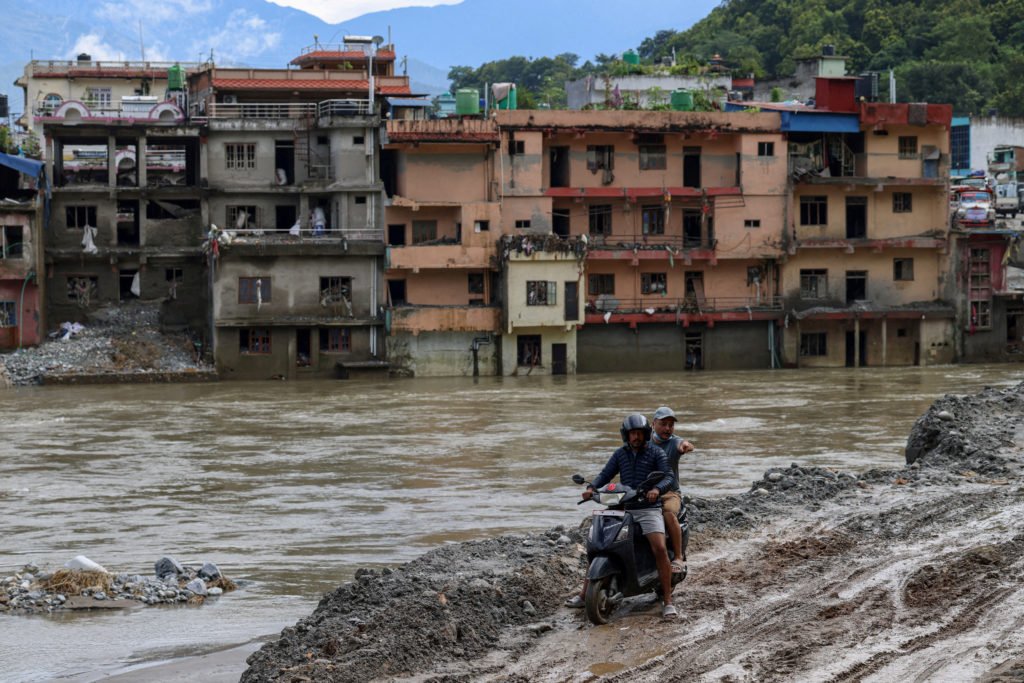
Rescuers in Nepal found four bodies inside a flooded hydropower tunnel three weeks after flash floods caused many deaths and missing people. Families of the victims are asking for quicker rescue efforts as rescuers face tough conditions like thick mud and broken infrastructure.
Key Facts
Four bodies were recovered from a flooded tunnel in Chilime, Nepal.
The tunnel is part of a hydropower project.
The flood happened about three weeks ago.
Flash floods caused hundreds of deaths and left many people missing.
Rescue teams are working in difficult conditions with mud and damaged infrastructure.
Victims’ families want faster rescue and recovery actions.
The search and rescue efforts are ongoing.
Read the Original
Want the full story? Tap a source to open the original
article.
Houthi leader Abdul Malik al-Houthi said his group will protect Mecca and other important Islamic places. He denied that the Houthis tried to attack Mecca, responding to claims from Saudi Arabia.
Key Facts
Abdul Malik al-Houthi is the leader of the Houthi group.
He promised to defend Mecca, a key holy city in Islam.
He also committed to protecting other Islamic holy sites.
Saudi Arabia accused the Houthis of trying to attack Mecca.
Al-Houthi denied these accusations.
Read the Original
Want the full story? Tap a source to open the original
article.
Greenpeace and McKenzie Intelligence Services found that Russia is intentionally damaging power lines supplying the Zaporizhzhia nuclear plant in Ukraine. They say Russia is blaming Ukraine for these attacks to hide the dangers caused by its occupation and war in the area.
Key Facts
Greenpeace warns Russia is sabotaging the Zaporizhzhia nuclear power plant’s electricity supply.
Russia blames Ukraine for the damage, but satellite evidence shows no Ukrainian attacks caused it.
Analysis by McKenzie Intelligence Services found damage inconsistent with artillery or drone strikes.
Satellite images showed damage already existed before the claimed Ukrainian drone strike on June 4.
The power line damaged, called Ferosplavna-1, is the plant’s only external electricity source.
The International Atomic Energy Agency (IAEA) stresses that stable power is needed to keep the plant safe.
Greenpeace says electricity is essential to operate safety systems like pumps that cool the nuclear fuel.
The damage and power loss create serious safety risks at the plant amid ongoing conflict.
Read the Original
Want the full story? Tap a source to open the original
article.
A large section of rock and glacier collapsed in Nepal last month, causing deadly flooding. A new report says climate change made this disaster more likely by warming the Himalayas, which thinned glaciers and thawed frozen ground, making the mountain slopes less stable.
Key Facts
The collapse happened on August 26 near Nepal’s border with China.
Over 1,300 people died and more than 5,000 are still missing.
Climate change warmed the Himalayas, causing glaciers to thin and thawing permafrost (permanently frozen ground).
Thawing permafrost weakens mountain slopes by creating cracks in ice and rock.
Glaciers in the area have been losing more than half a meter (about 1.6 feet) of thickness each year.
The Langtang Lirung glacier, near the disaster site, has retreated about 0.3 miles since the 1990s.
The 2015 Nepal earthquake may also have weakened the rock before the collapse.
The Himalayas hold the largest amount of snow and ice outside the polar regions and impact water supplies for billions of people.
Read the Original
Want the full story? Tap a source to open the original
article.
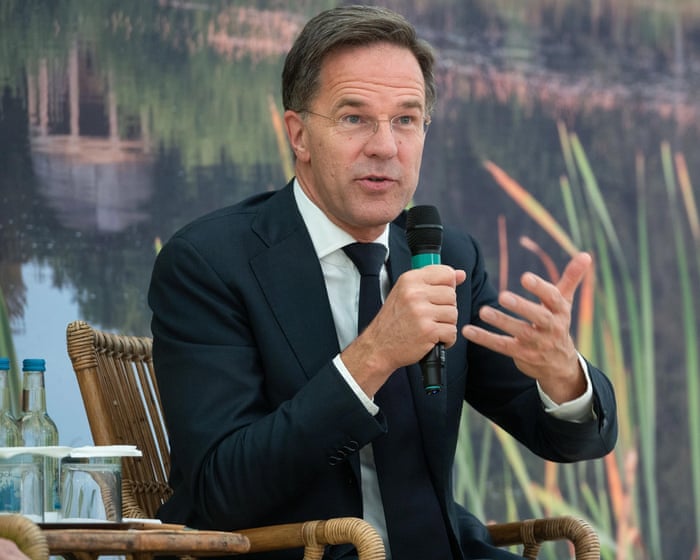
Nato’s secretary general, Mark Rutte, urged Britain to plan steady yearly increases in its defence budget to meet Nato’s target of spending 3.5% of GDP on the military by 2035. He highlighted the importance of a clear and credible plan for increasing defence spending gradually rather than waiting until the deadline.
Key Facts
Britain has agreed to increase its defence spending to 3.5% of GDP by around 2035 as part of Nato’s goals.
Currently, UK plans show defence spending plateauing at 2.7% of GDP until 2028/9, which is below the Nato target.
Mark Rutte stressed that the UK needs a clear and credible yearly plan to raise defence budgets, not just a last-minute increase.
Rutte met with UK defence and foreign ministers to discuss the defence spending goal.
The UK Labour leader, Keir Starmer, supports the 3.5% target, but there is uncertainty on how the UK will achieve it financially.
Former UK defence minister John Healey resigned partly because of disagreements over defence spending targets.
Nato faces complex security challenges, including the war in Ukraine and tensions in the Middle East.
Nato wants Europe, including the UK, to increase defence spending as the US reduces its military role in the alliance.
Read the Original
Want the full story? Tap a source to open the original
article.
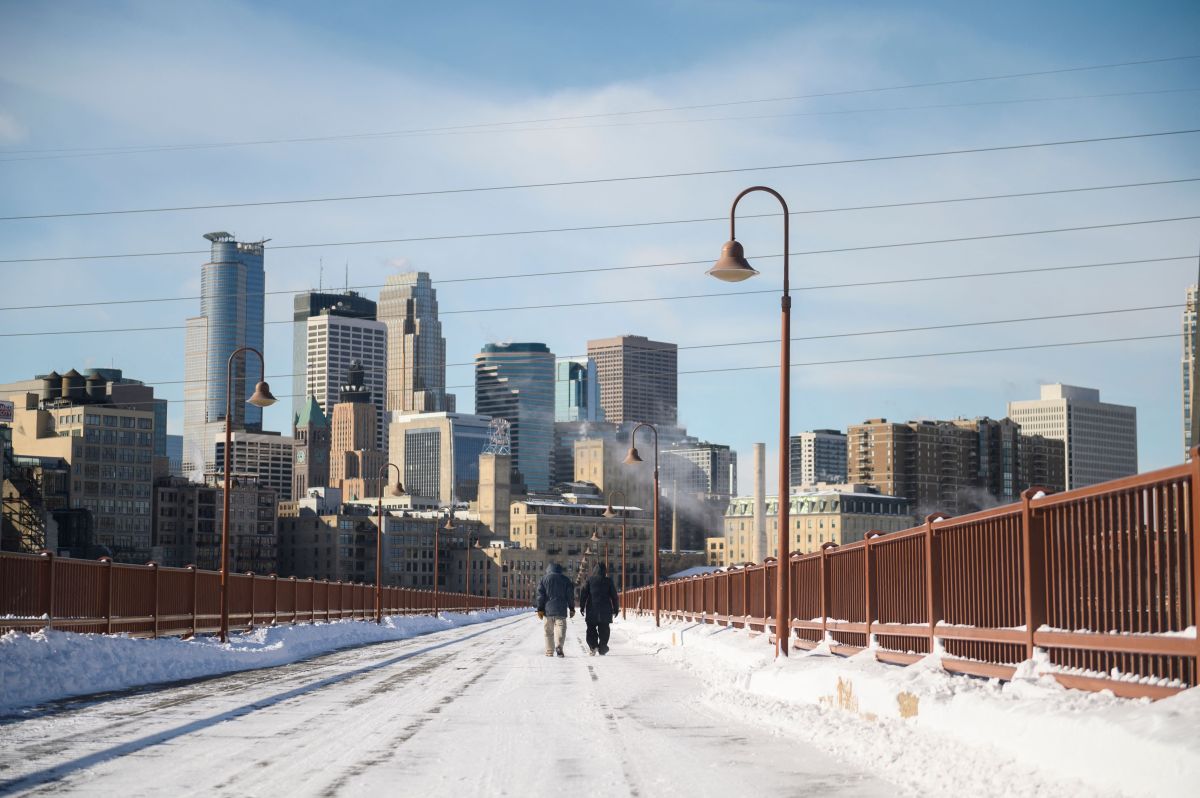
A very strong El Niño event is expected this winter, which could influence U.S. weather patterns. The polar vortex, a large area of cold air around the poles, might cause short cold spells, but El Niño and other climate patterns will have a bigger impact on the overall winter weather.
Key Facts
El Niño is a warm phase of a climate pattern in the Pacific Ocean that affects weather worldwide.
The National Oceanic and Atmospheric Administration (NOAA) predicts a very strong El Niño this fall and winter, with a high chance it could be stronger than past events since 1950.
The polar vortex is a large area of cold air around the poles that strengthens in winter and can send cold air south to the U.S.
A strong polar vortex usually brings warmer conditions in the Northern Hemisphere but can still cause short cold spells.
The polar vortex forms in late summer and usually breaks down by mid-May.
The effects of the polar vortex on U.S. winter are less significant than those of El Niño and another Pacific pattern called the Pacific Decadal Oscillation.
If the polar vortex weakens in late winter, it might cause a short period of colder weather in the northern U.S.
Overall, the polar vortex does not usually set the long-term weather pattern during a strong El Niño winter.
Read the Original
Want the full story? Tap a source to open the original
article.