The article discusses efforts in Syria to deal with past war crimes and rebuild after years of conflict. It highlights the work of forensic scientists at the Syrian Identification Centre and the challenges faced in achieving justice. The piece also covers the emotions of families reuniting and the ongoing tension in the country.
Key Facts
Up to 300,000 people in Syria are missing, and there are about 66 mass graves in the country.
The Syrian Identification Centre works to identify bodies from these graves.
A lawyer smuggled out 1.3 million documents linking war crimes to high-level officials, including Bashar al-Assad.
A man claims ten of his relatives were taken by a militia, and the militia leader may have received amnesty.
There have been incidents of sectarian violence since the Assad regime fell.
More than a million Syrians returned home in the last year.
Families are reuniting at Damascus airport after long separations.
Read the Original
Want the full story? Tap a source to open the original
article.
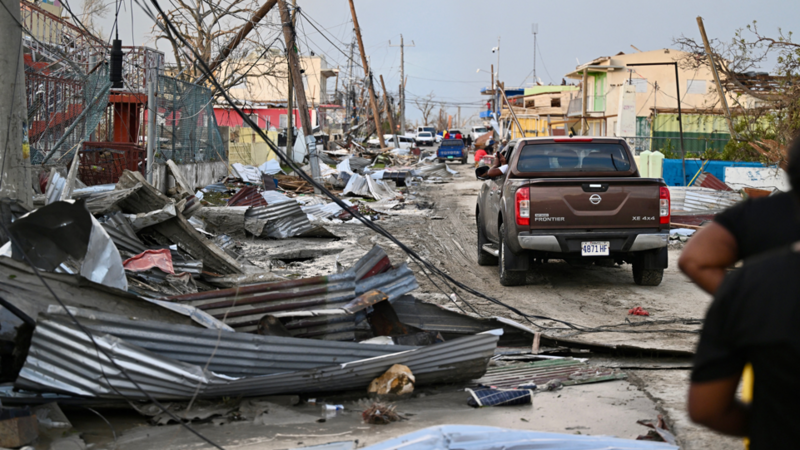
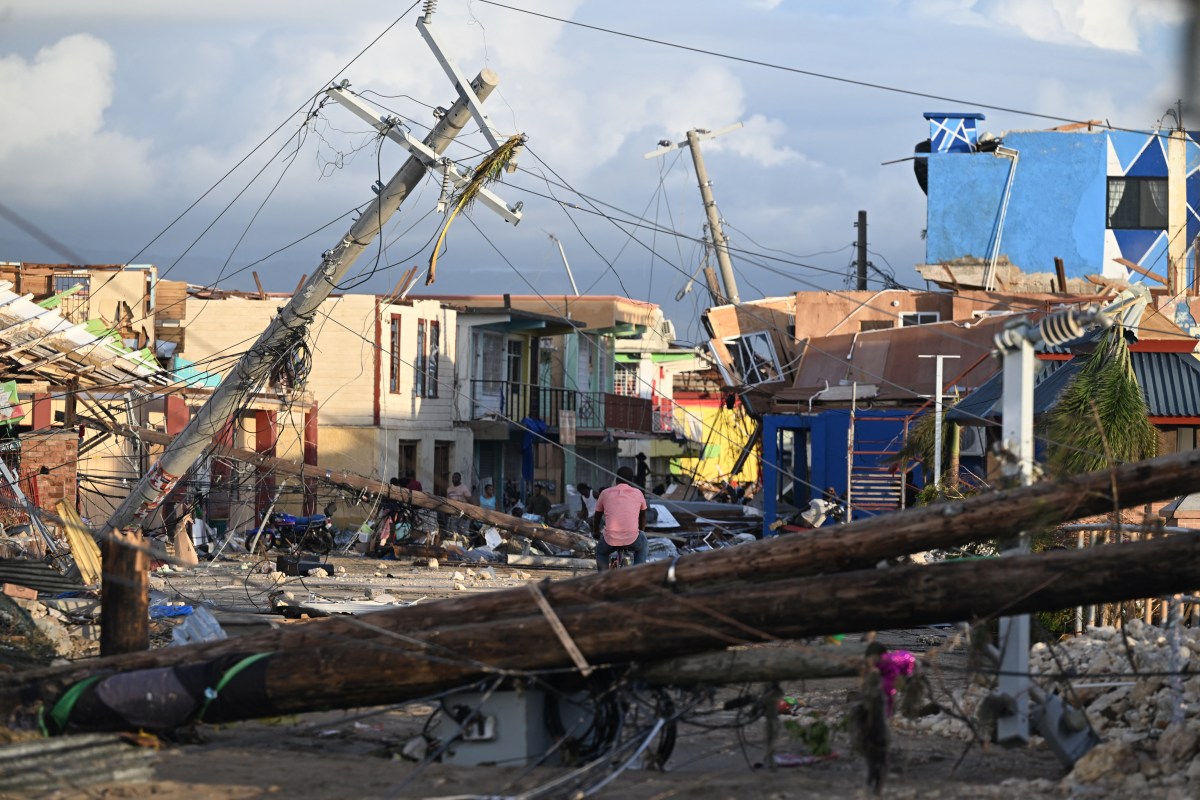
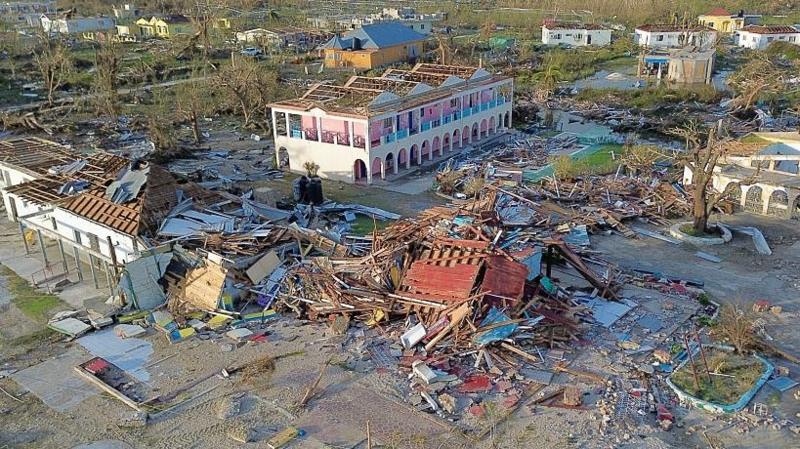
The UK government has arranged flights to help about 8,000 British people leave Jamaica after Hurricane Melissa caused severe damage. The hurricane has led to deaths and infrastructure destruction, and British nationals are advised to register with the Foreign Office for updates. Winds from the storm were extremely strong, but Jamaica is starting to resume airport operations for relief and commercial flights.
Key Facts
The UK is chartering flights for British citizens in Jamaica after Hurricane Melissa.
Approximately 8,000 Brits are believed to be on the island.
Brits and their immediate family can use these flights with valid travel documents.
Hurricane Melissa is a category five storm, the strongest type of hurricane.
The storm resulted in at least five deaths in Jamaica and 20 in Haiti.
Jamaica declared a disaster area due to extensive damage and flooding.
Some airports in Jamaica are reopening for humanitarian flights; commercial flights will follow.
The UK government is providing £2.5m aid for relief efforts, including emergency supplies.
Read the Original
Want the full story? Tap a source to open the original
article.
Ontario Premier Doug Ford asked the U.S. ambassador to Canada, Pete Hoekstra, to apologize after a heated exchange with Ontario's trade representative over a TV ad. The ad criticized President Trump's tariffs on Canada, leading to tensions and a threat of additional tariffs from the U.S. Ford highlighted the ad as a successful effort to influence public opinion.
Key Facts
Ontario Premier Doug Ford asked U.S. ambassador Pete Hoekstra to apologize for an expletive-filled exchange.
The conflict arose from a TV ad by Ontario criticizing President Trump's tariffs.
President Trump paused trade discussions with Canada and threatened more tariffs.
The Ontario government-funded ad quoted former U.S. President Reagan on tariffs harming Americans.
Ford claimed the ad had over one billion views and aired during the World Series.
The tension has upset the Trump administration, with added tariffs threatened.
The U.S. Senate voted to block further tariffs, but the measure may not pass in the House.
Existing tariffs include 35% on certain goods from Canada and higher rates on steel, aluminum, and automobiles.
Read the Original
Want the full story? Tap a source to open the original
article.
President Trump announced that the U.S. plans to restart nuclear weapons testing after decades. The tests would take place at the Nevada National Security Site, the only location in the U.S. equipped for such tests. Experts warn that resuming testing could destabilize global nuclear agreements and introduce various risks.
Key Facts
President Trump stated the U.S. will begin nuclear testing again.
The Nevada National Security Site is the proposed location for these tests.
The site covers about 1,300 square miles and is located northwest of Las Vegas.
The last U.S. nuclear test occurred in 1992; other major powers also stopped testing in the 1990s.
Underground testing minimizes atmospheric risks but still poses safety challenges like seismic activity.
Experts say resuming testing could upset the nuclear balance and cause international concerns.
Current safety checks on nuclear weapons rely on experiments and computer simulations instead of actual detonations.
Read the Original
Want the full story? Tap a source to open the original
article.
Scientists have discovered that a fossil, once thought to be a young T. rex, actually belongs to a new species of tyrannosaur, named Nanotyrannus lancensis. This finding challenges previous beliefs that T. rex was the only tyrannosaur in its time. The research was published in the journal Nature.
Key Facts
Scientists studied a fossil called the "Dueling Dinosaurs," which includes a triceratops and a tyrannosaur.
The tyrannosaur bones from the fossil were believed to be a teenage T. rex.
Researchers found these bones belong to a different tyrannosaur species named Nanotyrannus lancensis.
The study was conducted by paleontologists Lindsay Zanno and James Napoli.
Most paleontologists previously thought T. rex was the only tyrannosaur species alive at the time.
The fossil was discovered in the Hell Creek Formation in Montana in 2006.
The Friends of the North Carolina Museum of Natural Sciences acquired and donated the fossil for study.
The North Carolina Museum of Natural Sciences created a special exhibit around this discovery.
Read the Original
Want the full story? Tap a source to open the original
article.
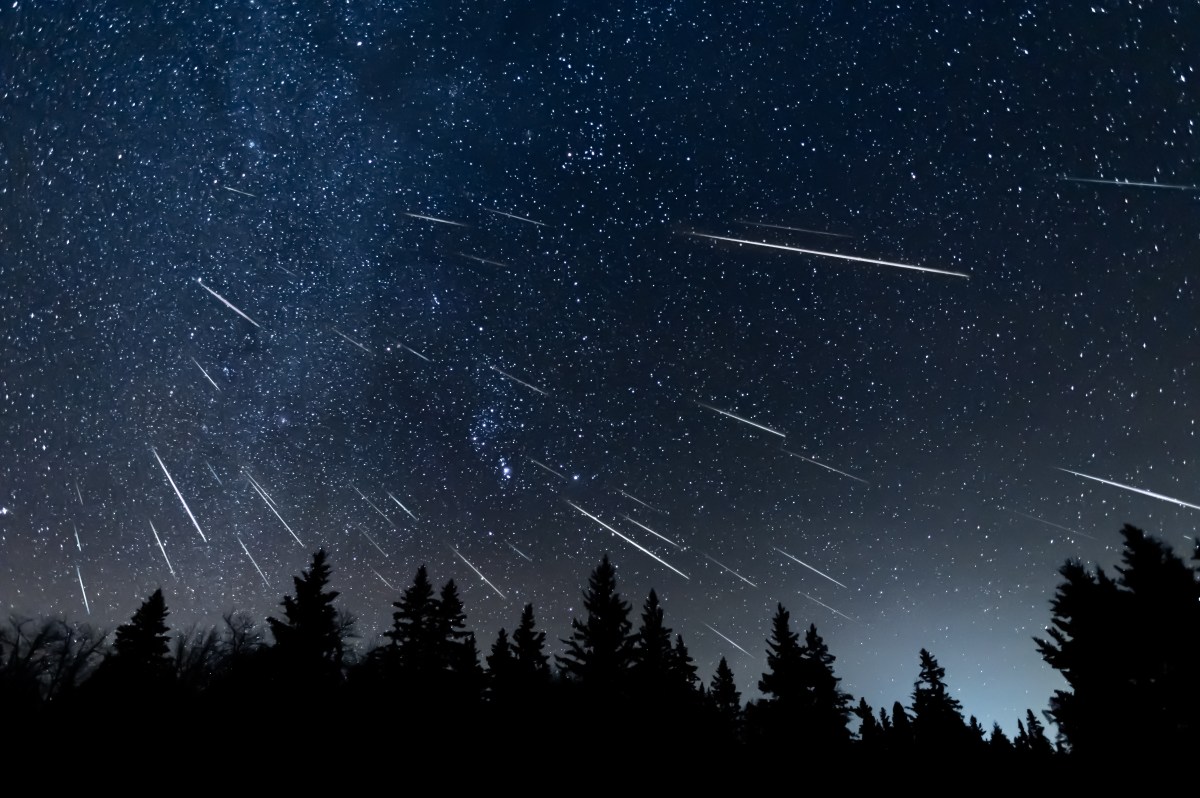
The Taurid meteor shower, occurring from late October to early November, features bright "Halloween Fireballs." Research suggests that in the years 2032 and 2036, there may be a higher risk of larger meteors from the Taurids causing airbursts or impacts on Earth. Scientists propose using existing technology to monitor these potential threats.
Key Facts
The Taurid meteor shower happens when Earth goes through debris left by the comet Encke.
Most of these meteors, known as "Halloween Fireballs," burn up in the atmosphere and pose no risk.
Research indicates potential increased risks in 2032 and 2036 from larger meteors in the Taurid stream.
Scientists study these meteors as part of planetary defense, which is a global effort to protect Earth from space objects.
Near-Earth objects (NEOs) include comets and asteroids that could potentially collide with Earth.
The Taurid stream may consist of a "resonant swarm," a cluster of debris that could closely pass Earth.
Researchers suggest using telescopes for sky surveys to test the Taurid swarm theory in 2032 and 2036.
Finding these objects early allows for actions to reduce their impact risk on Earth.
Read the Original
Want the full story? Tap a source to open the original
article.
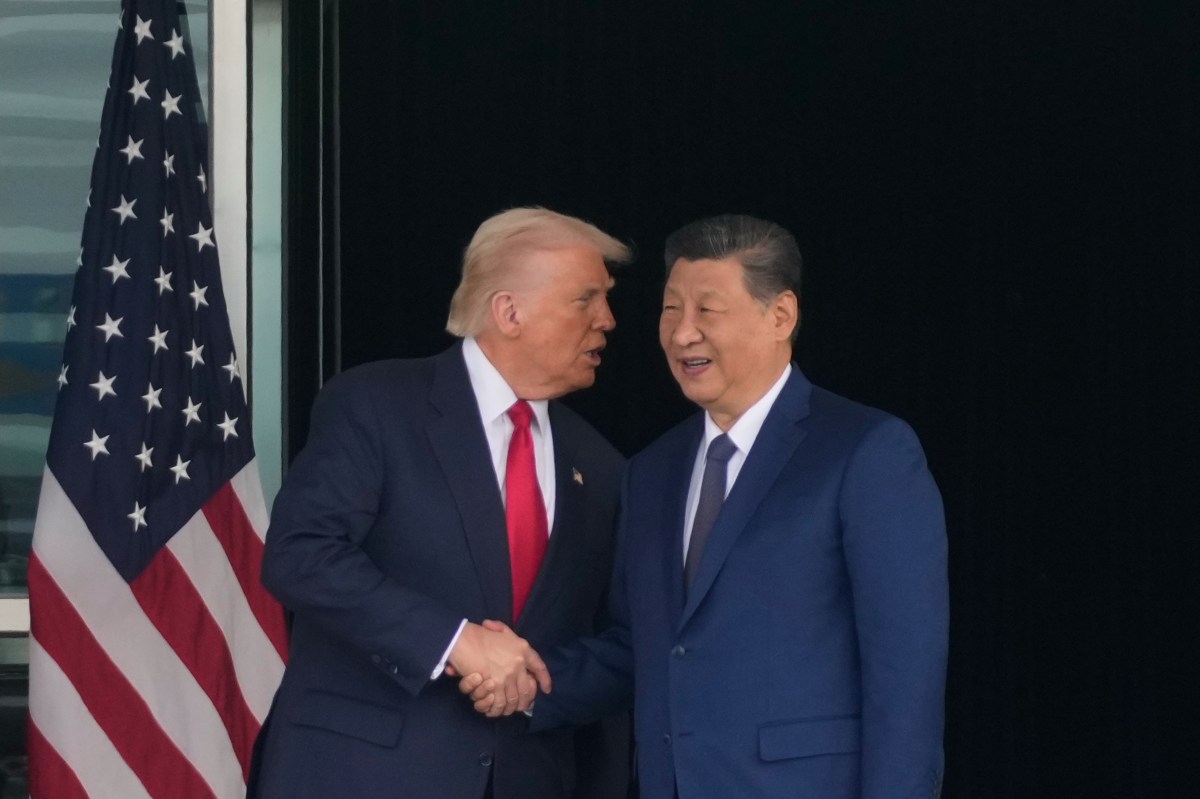
President Donald Trump announced that China has agreed to continue sending rare earth minerals to the United States for at least one more year. This decision follows high-level talks with Chinese leader Xi Jinping amidst recent trade tensions. Rare earth minerals are important for both consumer electronics and military technology, and China controls a large part of the global supply.
Key Facts
President Trump secured China's commitment to maintain rare earth mineral exports to the U.S. for a year.
Rare earth elements are critical for technology like electric car motors and military equipment.
China controls around 60% of global rare earth mining and 90% of refining.
China imposed export restrictions on some minerals after the U.S. increased tariffs on Chinese goods.
China agreed to reduce some restrictions after trade talks, although issues with export delays continued.
Alongside this minerals deal, China agreed to buy more American soybeans and crack down on exports of fentanyl precursors.
In response, President Trump reduced U.S. tariffs on Chinese goods from 57% to 47%.
The U.S. is looking for other rare earth supply options and has agreements with Japan and Australia to diversify these supply chains.
Read the Original
Want the full story? Tap a source to open the original
article.
A police raid in Rio de Janeiro, Brazil, targeted a major drug gang and resulted in 132 deaths, making it the deadliest in the country's history. Protests erupted due to the high number of casualties, and there are calls for the state's governor to resign. The raid involved 2,500 officers and led to significant seizures of weapons and drugs.
Key Facts
A police operation in Rio de Janeiro targeted the Comando Vermelho gang.
The raid resulted in 132 deaths, making it Brazil's deadliest police raid.
Protests against police use of force followed the operation.
President Lula da Silva expressed shock over the high death toll.
The raid involved 2,500 police and soldiers.
Officers seized 118 weapons and over a tonne of drugs.
The public defender's office reported 132 deaths, though initial reports were lower.
Supreme Court Justice Alexandre de Moraes ordered more information from Rio's governor.
Read the Original
Want the full story? Tap a source to open the original
article.
The town of Yimianpo in northeast China has lost about one-third of its population since 2010. This population decline is part of a broader trend in China, where the population is aging and shrinking. Economic changes and social factors, such as fewer young people and lower birth rates, contribute to this trend.
Key Facts
Yimianpo’s population decreased from about 34,000 in 2010 to just over 23,000 in 2020.
The number of children under 14 in Yimianpo dropped by half over the same period.
The number of people aged 65 and older in Yimianpo increased by more than 70% between 2010 and 2020.
Economic reforms in China led to the closure of many local state-owned enterprises, reducing job opportunities in Yimianpo.
Many younger residents left Yimianpo to seek better opportunities in other parts of China.
The province of Heilongjiang, where Yimianpo is located, had fewer than three births per 1,000 residents in 2023, the lowest in China.
China's overall population has decreased for three consecutive years, with a drop of about 4.3 million people.
The aging population and declining birth rates pose challenges for China’s future growth and economy.
Read the Original
Want the full story? Tap a source to open the original
article.
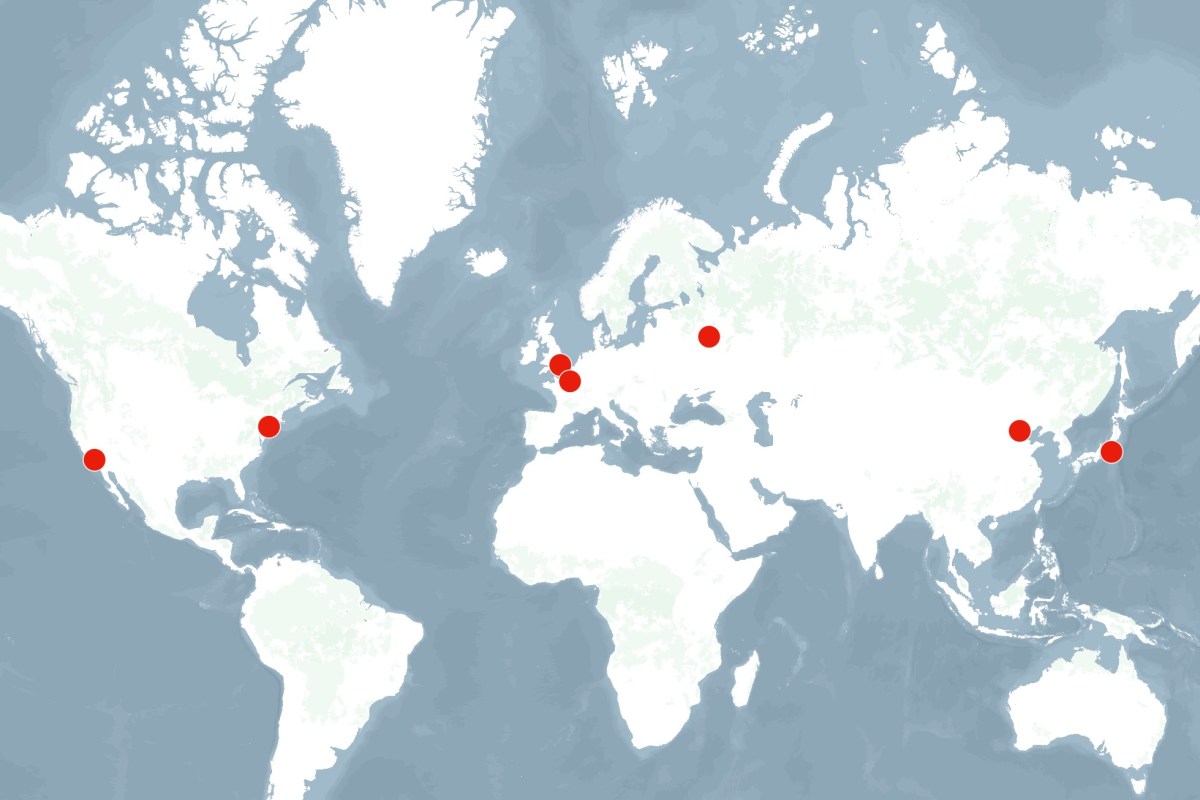
President Donald Trump announced that the United States will restart its nuclear testing programs. Newsweek created a map showing the potential effects of the U.S.'s most powerful nuclear warhead on major cities, using a tool called NUKEMAP. The map predicts significant damage and casualties if these cities were targeted by the warhead.
Key Facts
President Trump stated the U.S. will resume nuclear testing due to other countries' testing activities.
The W88 warhead, a powerful U.S. nuclear weapon, can yield 455 kilotons of TNT.
The U.S. has the most nuclear weapons globally, with Russia second.
Newsweek used NUKEMAP to estimate impacts on cities including Moscow, Beijing, London, and New York.
In Moscow, an airburst explosion of the W88 could result in 507,500 deaths and 1,442,990 injuries.
Similar predictions include 1,258,610 deaths in New York and 695,260 deaths in Beijing.
The blast would cause widespread destruction over many square miles in these cities.
People within the thermal radiation radius could suffer severe burns and potential disablement.
Read the Original
Want the full story? Tap a source to open the original
article.
Hurricane Melissa struck Jamaica as a Category 5 storm, the most powerful in the island's history. It caused severe damage in Jamaica, Haiti, and Cuba, resulting in deaths and widespread destruction of infrastructure.
Key Facts
Hurricane Melissa was a Category 5 storm with winds reaching 185 mph.
It is the strongest hurricane to ever hit Jamaica, impacting over half of its population.
At least seven people died in the Caribbean, with three deaths during preparations in Jamaica.
Over 530,000 people in Jamaica lost electricity, and significant infrastructure damage occurred.
In Haiti, 25 people died due to flooding, and thousands remained in shelters.
Cuba faced a Category 3 hurricane impact, isolating over 140,000 residents.
In all affected areas, thousands of people took refuge in shelters due to the storm.
Read the Original
Want the full story? Tap a source to open the original
article.
Hurricane Melissa has caused significant damage across Jamaica, Haiti, and Cuba, resulting in at least 32 deaths. The hurricane, initially a Category 5 storm, weakened to Category 1 but still caused severe destruction, especially in Jamaica's St Elizabeth parish. Authorities have evacuated many people, and cleanup efforts are ongoing as the storm continues to move towards Bermuda.
Key Facts
Hurricane Melissa is responsible for at least 32 deaths across the Caribbean.
The hurricane was at its strongest ever recorded with winds at 298 km/h (185 mph).
Jamaica's southwestern parish of St Elizabeth was severely impacted.
Nearly 1,500 people were evacuated in the Bahamas during the storm.
In Cuba's Santiago de Cuba, residents cleared debris with machetes.
Haiti saw at least 23 deaths due to flooding from the storm.
Communication in parts of Jamaica was disrupted due to power and network outages.
Authorities warn of ongoing risks and encourage vigilance as the storm progresses.
Read the Original
Want the full story? Tap a source to open the original
article.
A young dog named Brownie was found abandoned near a busy highway with a note asking for her to be loved and rehomed. Financial difficulties were cited as the reason for her abandonment. This story highlights the increasing trend of pets being abandoned due to economic hardships.
Key Facts
Brownie, a young dog, was found tied to a fence near a busy highway.
Her owner left a note explaining they could not afford to keep her.
Financial problems are a common reason for pet abandonment, as noted by the shelter.
In 2024, 60% of animals entering shelters were strays.
There is a long waitlist at the shelter for surrendered animals.
Abandonments like Brownie's are becoming more common due to economic issues.
The shelter's TikTok video about Brownie helped her find a home quickly.
Other animals, like Randy, have been in the shelter for much longer.
Read the Original
Want the full story? Tap a source to open the original
article.
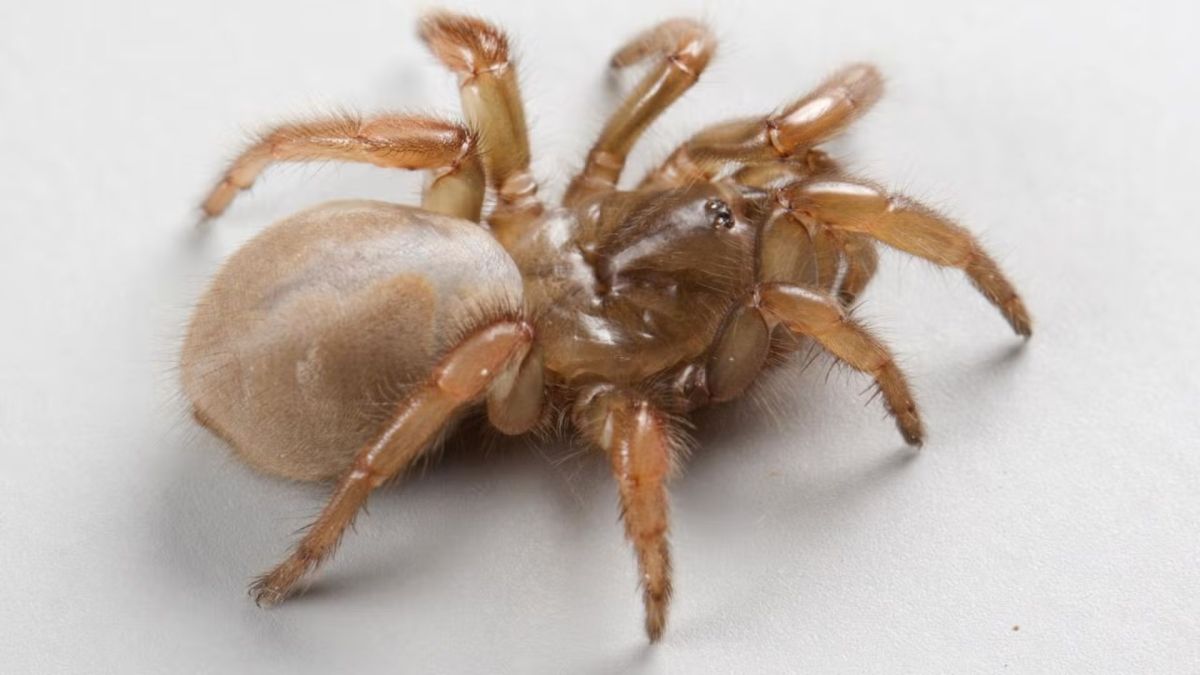
Scientists at the University of California, Davis, found a new spider species named Aptostichus ramirezae living in California's coastal sand dunes. This trapdoor spider is genetically different from its relatives and faces threats from habitat loss. The discovery highlights the importance of biodiversity and conservation efforts.
Key Facts
A new species of trapdoor spider, Aptostichus ramirezae, was discovered in California's sand dunes.
It is genetically distinct, meaning its DNA is very different from related species.
Female spiders of this species can live for over 15 years in underground burrows.
The spider's habitat is threatened by rising sea levels, urban development, and wildfires.
Conservation is important because the loss of this species could affect the ecosystem.
Trapdoor spiders are generally not harmful to humans.
The spider was named after Martina Giselle Ramirez, a dean at California State University, Stanislaus.
Read the Original
Want the full story? Tap a source to open the original
article.
An employee at a doggy daycare in New York needed help after getting locked in a kennel. The incident was shared on TikTok, where it received a lot of attention.
Key Facts
A New York doggy daycare employee called for help after being stuck in a kennel.
The incident was captured on video and shared on TikTok.
The TikTok video received over 634,000 views.
In the video, the employee can be seen standing behind a closed gate with a dog nearby.
The dog appeared to enjoy the company of the worker in the kennel.
There are approximately 200,000 workers in the U.S. employed in animal care roles.
Viewers of the TikTok video found the situation humorous, with over 134,700 likes and 165 comments.
Read the Original
Want the full story? Tap a source to open the original
article.
A police raid in Rio de Janeiro targeting a drug trafficking gang resulted in the deaths of at least 121 people. The operation took place in the city's favelas where intense gunbattles occurred. Human rights groups have called for investigations into what they describe as one of Brazil's most violent operations.
Key Facts
The police raid began on a Tuesday in two Rio favelas.
At least 121 people died in the operation, including four police officers.
Over a year-long investigation targeted the Red Command criminal gang.
During the raid, police arrested 113 people and seized 118 weapons.
Schools and businesses in the area closed due to the operation's violence.
Human rights groups urged investigations, citing the raid's high death toll.
The raid sparked national political debate and protests.
Brazil's President Lula signed a law to strengthen the fight against organized crime.
Read the Original
Want the full story? Tap a source to open the original
article.
A recent attack in the city of el-Fasher, located in Sudan's Darfur region, resulted in the deaths of over 460 people at a hospital, along with the abduction of six health workers. The attack was reportedly carried out by the Rapid Support Forces (RSF), a paramilitary group involved in the ongoing conflict with Sudan's national army. The situation in Darfur remains critical, with severe shortages of food and medicine affecting many civilians.
Key Facts
Over 460 patients and their companions were reportedly killed in a hospital in el-Fasher.
Six health workers, including four doctors, a nurse, and a pharmacist, were abducted.
The attack was carried out by the Rapid Support Forces (RSF), a Sudanese paramilitary group.
The RSF has been fighting with the national army in a civil war since 2023.
A blockade in el-Fasher lasting over 500 days led to starvation and famine for about 250,000 civilians.
Videos of the attack, allegedly filmed by RSF fighters, show violence in the hospital.
The United Nations migration organization reports 26,000 people have fled el-Fasher since the RSF takeover.
Doctors Without Borders used to support the hospital but stopped in August 2024 due to safety concerns.
Read the Original
Want the full story? Tap a source to open the original
article.
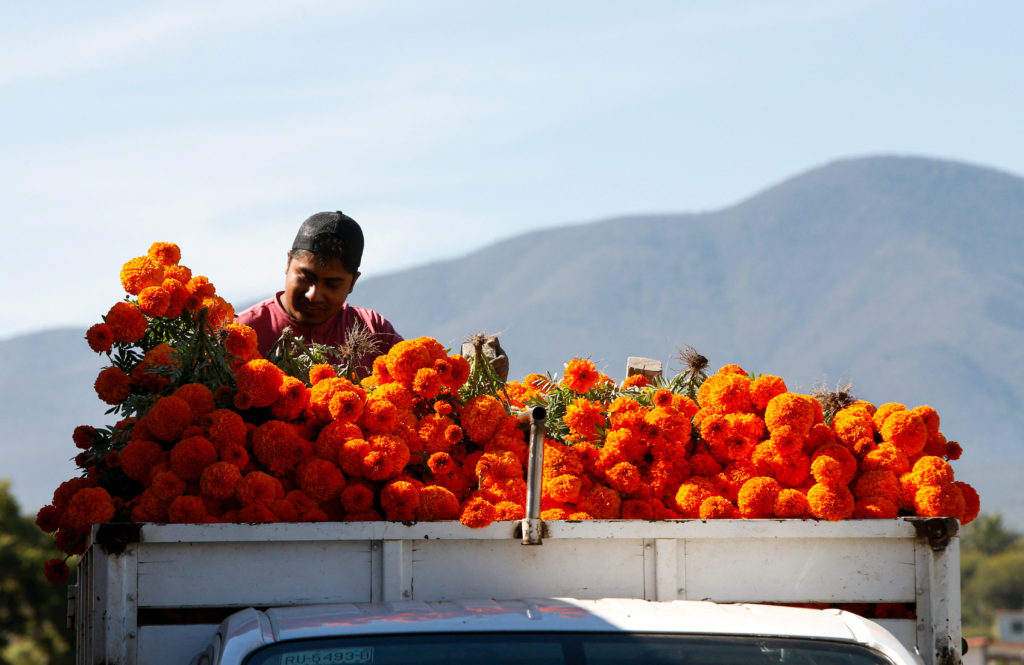
In Mexico, the cempasuchil flower, also known as the Mexican marigold, is central to Day of the Dead celebrations. However, farmers are facing challenges with growing these flowers due to climate change, which has caused extreme weather like heavy rains and droughts. This has resulted in significant crop losses, impacting the livelihoods of farmers.
Key Facts
The cempasuchil flower is a key part of Mexico's Day of the Dead celebrations on November 1 and 2.
The flower is culturally significant and symbolizes a connection between the living and the dead.
Climate change is causing extreme weather, such as heavy rains and droughts, affecting flower cultivation.
Farmers have reported losing up to half of their crops this year due to these climate impacts.
Despite crop losses, demand for cempasuchil remains high, with production hitting 6 million plants this year.
The Mexican flower industry is expected to generate nearly $2.7 million in 2025.
Farmers like Lucia Ortíz have seen profit margins shrink, making it hard to sustain their livelihoods.
Government scientists are working on solutions to help farmers adapt to climate changes.
Read the Original
Want the full story? Tap a source to open the original
article.
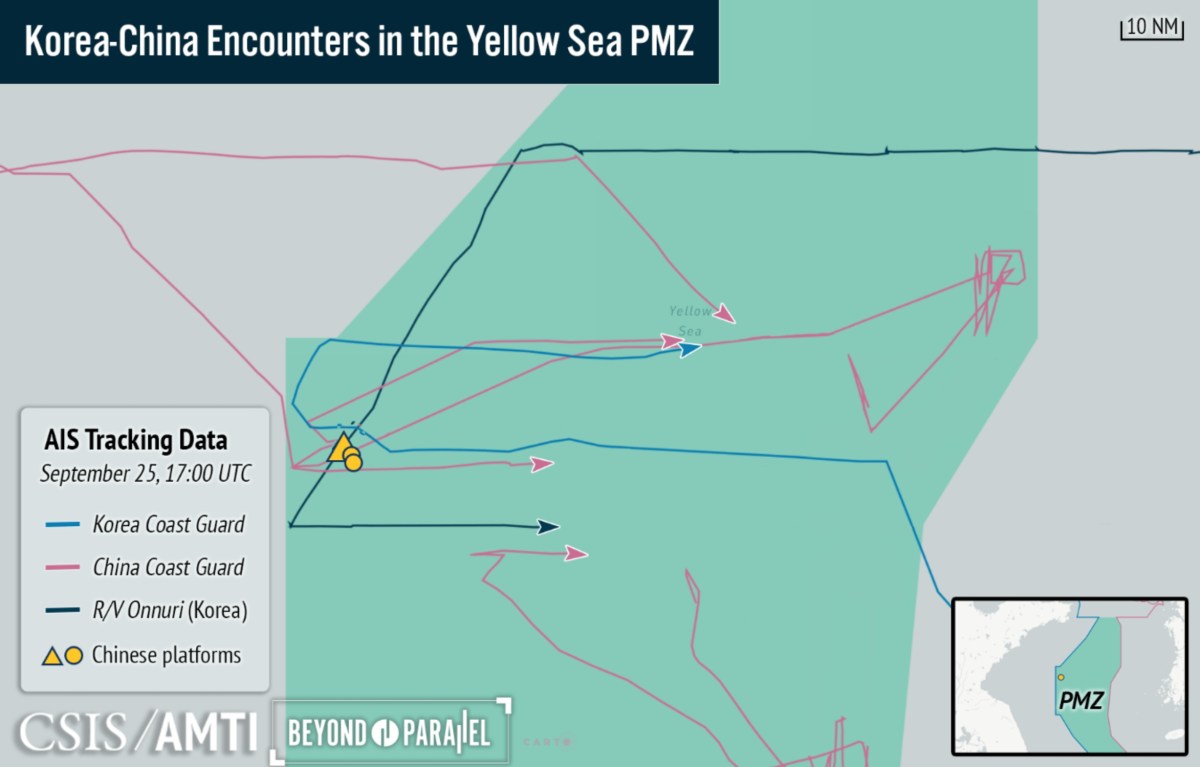
A maritime standoff took place between China and South Korea in the Yellow Sea, an area with overlapping claims. The incident involved South Korean and Chinese vessels closely monitoring each other. This event is part of ongoing tensions over disputed waters between the countries.
Key Facts
Ship-tracking data showed a standoff between Chinese and South Korean vessels in late September.
The event happened near a U.S. military base in Pyeongtaek, South Korea.
The incident occurred in the Provisional Measures Zone (PMZ) in the Yellow Sea, an area where exclusive economic zones of China and South Korea overlap.
China has set up aquaculture structures in the area, which South Korea contests due to lack of prior consultation.
South Korea and the U.S. are reviewing how to address this, indicating Washington is taking the situation seriously.
The Asia Maritime Transparency Initiative reported that Chinese coast guard ships shadowed a South Korean research vessel, highlighting China's strong naval presence.
A similar standoff happened in February, underlining ongoing tensions in the region.
The report criticized China for using tactics similar to those in the East and South China Seas to control disputed waters.
Read the Original
Want the full story? Tap a source to open the original
article.
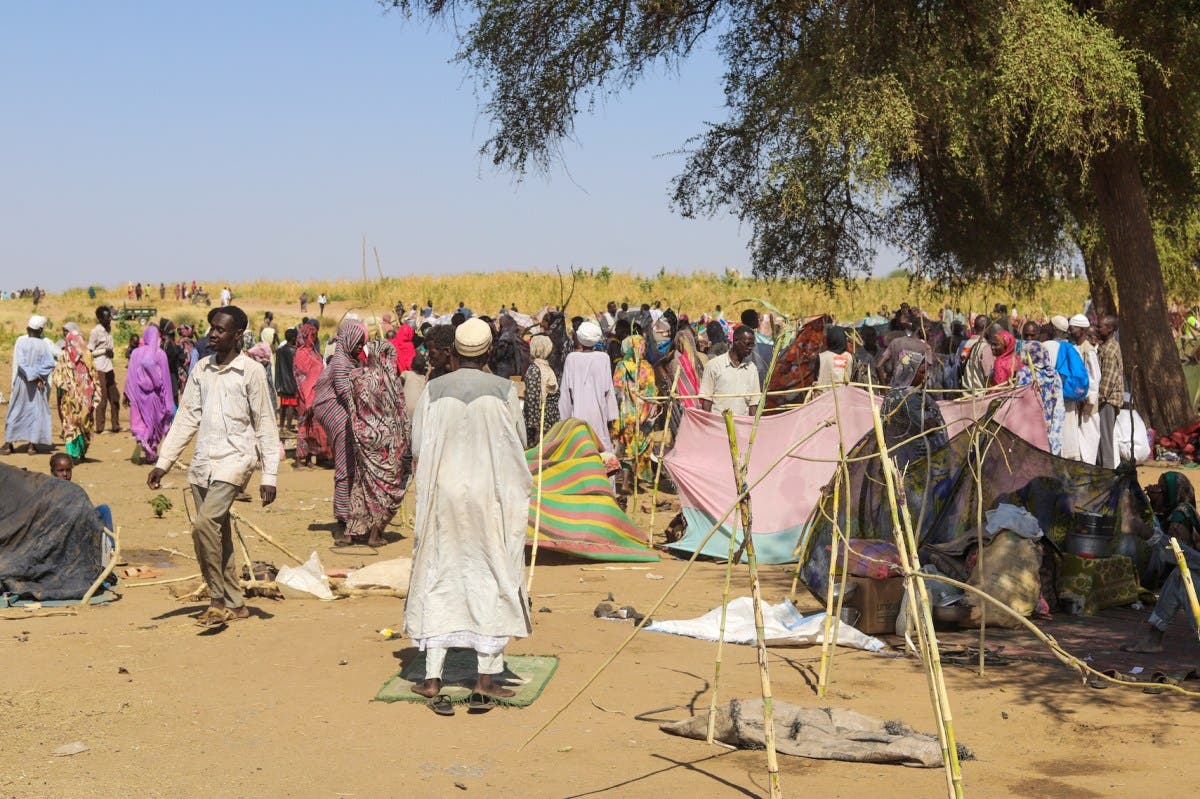
Sudan is experiencing a major humanitarian crisis due to an ongoing civil war between the Rapid Support Forces (RSF) and the Sudanese Armed Forces (SAF). The conflict escalated in April 2023 when the RSF launched attacks across the country, including a recent massacre in Darfur. International organizations report a dire situation, with millions in need of aid and many people displaced.
Key Facts
The civil war in Sudan intensified in April 2023 with fighting between RSF and SAF.
The RSF recently took over parts of Darfur, leading to a massacre at a hospital.
The conflict partly stems from power struggles after the transitional government’s collapse in 2019.
The conflict has created a severe humanitarian crisis, with over 30 million people needing urgent aid.
The UN reports over 13 million people displaced and up to 150,000 deaths due to the conflict.
Zamzam camp is one of the largest camps for displaced people in Sudan, facing access problems for aid.
Historical splits and disputes have already divided Sudan, with South Sudan seceding in 2011.
Read the Original
Want the full story? Tap a source to open the original
article.