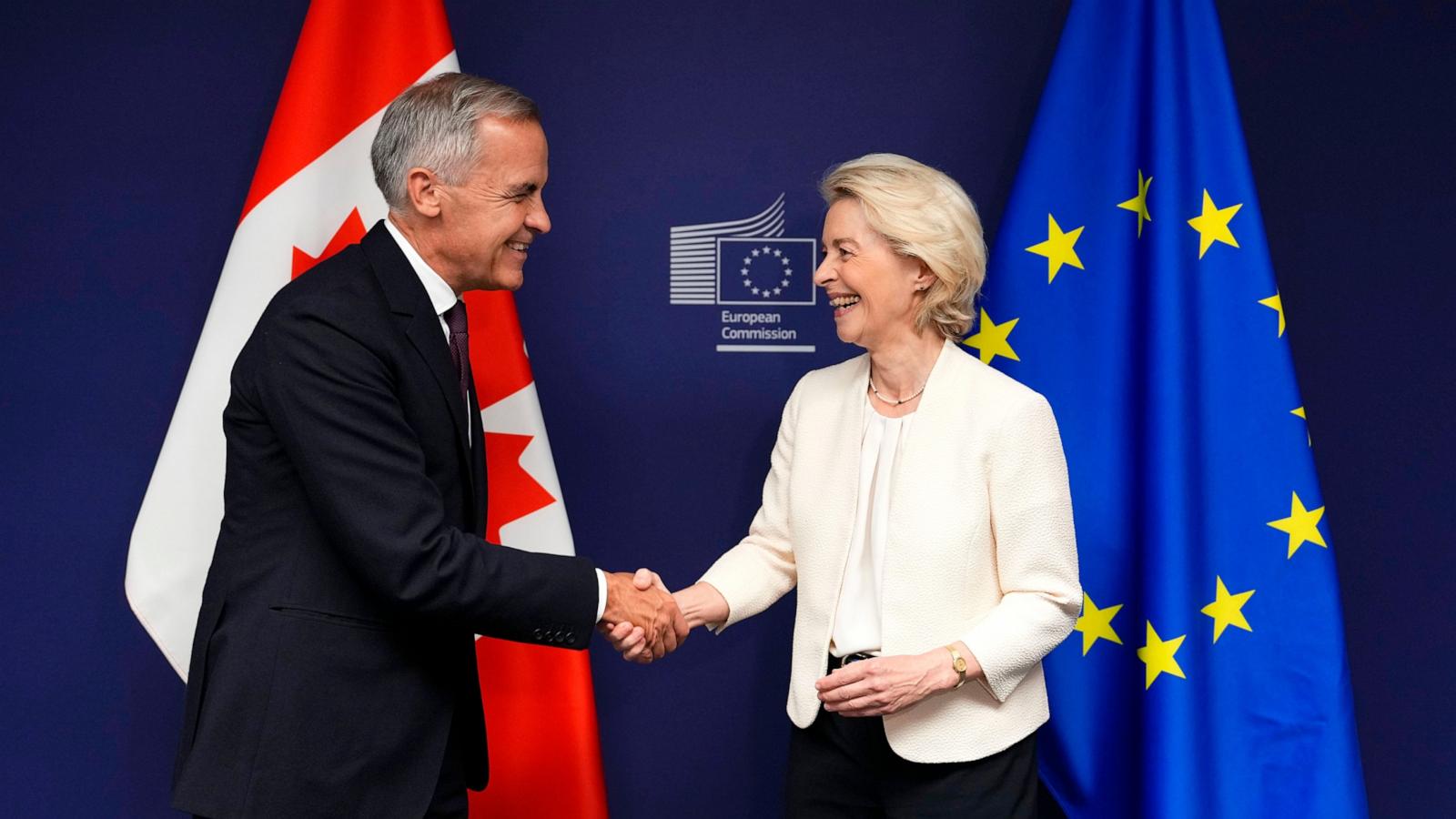
The European Union (EU) has offered Canada a new type of partnership called "associate membership" as Canada tries to reduce its trade dependence on the U.S. This offer comes after trade talks between the U.S. and Canada fell apart, leading to tariffs between the two countries.
Key Facts
The EU proposed a new "associate membership" status to Canada, which does not currently exist in EU law.
This idea was presented by European Commission President Ursula von der Leyen during her State of the EU address.
Canadian Prime Minister Mark Carney is in Europe seeking closer economic and security ties with the EU.
Canada wants to lessen its reliance on the U.S. after trade tensions increased under President Donald Trump’s tariffs.
About 70% of Canadian exports currently go to the United States.
The EU offer includes cooperation in manufacturing, technology, energy minerals, and defense industries.
Canada is not seeking full EU membership but a unique alliance instead.
The trade conflict between the U.S. and Canada has led to tariffs on Canadian goods by the U.S.
Read the Original
Want the full story? Tap a source to open the original
article.
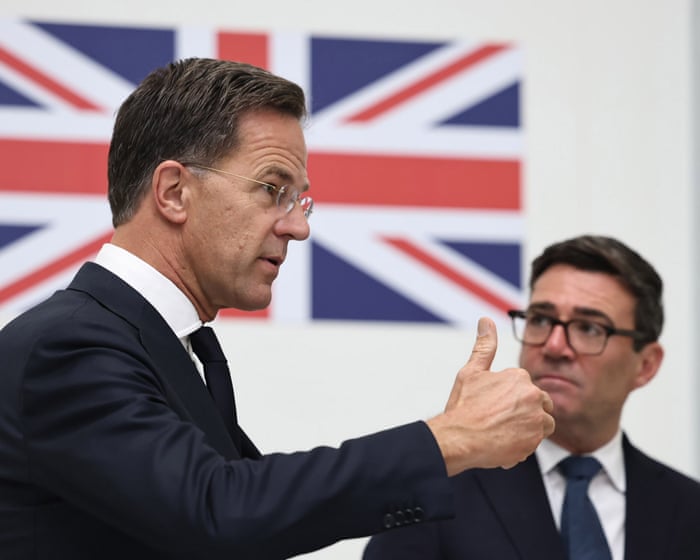
Nato’s secretary general says the alliance faces the toughest security challenges in a generation and urges the UK and Europe to increase defense spending. The UK has pledged to raise its military budget but is currently behind the target set by President Trump and other Nato members to match US defense levels by 2035.
Key Facts
Nato includes 32 countries working together on military defense.
Nato’s secretary general called the current security situation “the most dangerous and complex in a generation.”
The UK has promised to increase defense spending but plans to reach only 2.7% of GDP by 2030, below Nato’s 3.5% target by 2035.
President Donald Trump pushed for Nato members to spend more on defense and share the financial burden more equally.
The UK spends about £3 billion yearly helping Ukraine with weapons amid ongoing conflict with Russia.
Germany is expected to double the UK’s defense budget by 2029, making it the second largest in Nato.
The UK is upgrading its nuclear weapons system, Trident, and its conventional forces.
The Nato chief praised the UK’s role in pushing back against Russian provocation and sabotage in Europe.
Read the Original
Want the full story? Tap a source to open the original
article.
New photos show big damage at several U.S. locations in the Middle East after attacks by Iranian missiles and drones. The photos highlight how much destruction occurred across these sites.
Key Facts
The damage happened at multiple U.S. positions in the Middle East.
The attacks came from Iranian missiles and drones.
New images reveal the scale of the destruction.
CBS News reported on the photos and provided analysis.
National security experts help explain the situation.
The attacks show ongoing tensions involving Iran and U.S. forces.
Read the Original
Want the full story? Tap a source to open the original
article.
A body has been found during the search for three-year-old Noah Woods, who went missing from a playground in Brantham, Suffolk. Police recovered the body from a nearby pond and are treating the death as unexplained but not suspicious.
Key Facts
Noah Woods disappeared around 3 p.m. from a playground in Brantham, Suffolk.
He was non-verbal and partially deaf, which made the search more urgent.
Over 1,300 people, including police and volunteers from other regions, helped in the search.
The body was found in a pond about 320 meters from the playground.
Police confirmed the family has been informed but formal identification is pending.
Emergency services involved included dive teams, helicopters, dog units, and several rescue groups.
Public support was large, with volunteers organizing from local centers.
The police are allowing the family privacy after the discovery.
Read the Original
Want the full story? Tap a source to open the original
article.
Actor Michael B. Jordan is featured on the cover of Vogue magazine in a new photoshoot. The photoshoot highlights his physique and has gained media attention.
Key Facts
Michael B. Jordan appears on the cover of Vogue magazine.
The photoshoot showcases his muscular chest.
The event was covered by ABC News.
The photoshoot is described as "pec-tacular," referring to his chest muscles.
Vogue is a well-known fashion and culture magazine.
Michael B. Jordan is a popular actor known for his film and TV roles.
The coverage was part of a broader news segment called “GMA” Pop News.
Read the Original
Want the full story? Tap a source to open the original
article.
The U.S. government is about to approve a $2.8 billion arms deal for Israel. This deal includes 40,000 large bombs and is one of the biggest weapons sales in recent years.
Key Facts
The arms package is worth $2.8 billion.
It includes 40,000 one-ton bombs.
Types of bombs include 20,000 MK-84s, 20,000 BLU-117s, and 20,000 I-2000 Penetrator warheads.
The weapons are among the most powerful in Western military stockpiles.
The deal is paid for with U.S. taxpayer money.
Approval of the deal is expected soon in Washington.
The sale targets Israel amid ongoing Middle East conflicts.
The news was reported by U.S. media, including The Washington Post.
Read the Original
Want the full story? Tap a source to open the original
article.
U.S. diplomats met with Houthi representatives in Oman to discuss keeping a ceasefire and keeping the Bab al-Mandeb Strait open for shipping. The Houthis said their attacks target only Saudi ships, and they want to continue the ceasefire with the U.S. through May 2025.
Key Facts
The meeting took place at the U.S. embassy in Oman and was organized with Omani government help.
The main topics were maintaining a ceasefire and guaranteeing freedom of navigation through the Bab al-Mandeb Strait.
The U.S. wants to keep this important shipping lane open without joining Saudi Arabia’s war in Yemen.
Houthi leaders said their attacks target only Saudi ships, not other international vessels.
The ceasefire with the U.S. is set to continue until May 2025, according to the Houthis.
Vice President Vance confirmed the U.S. is in direct talks with the Houthis.
Secretary of State Rubio spoke with Oman’s Foreign Minister about deescalation efforts.
Fighting between Houthis and Saudi Arabia has increased recently, including attacks on Mecca and other Saudi cities.
Read the Original
Want the full story? Tap a source to open the original
article.
Canadian Prime Minister Mark Carney is working to strengthen Canada's relationship with the European Union by seeking a status called "associate membership." This status is different from full membership but closer than regular trade agreements, as Canada already has a provisional trade deal called CETA with the EU.
Key Facts
Canada is exploring closer ties with the European Union through a special status called "associate membership."
This associate membership is not full EU membership but offers a closer relationship than standard trade deals.
Canada already has a provisional trade agreement with the EU called CETA (Comprehensive Economic and Trade Agreement).
Some EU countries, including France and Italy, have not yet fully approved CETA.
Canadian Prime Minister Mark Carney is meeting European leaders, including European Commission President Ursula von der Leyen.
Discussions occur in the context of US, Russian, and European interests in the Arctic region.
France will host Carney in Saint Pierre and Miquelon, a small French territory near Canada.
The EU is considering how best to manage relations with Canada while balancing its relationship with the United States.
Read the Original
Want the full story? Tap a source to open the original
article.
David Banner, a rapper and producer from Mississippi, is working to change how Southern hip-hop is seen and remembered. He highlights the intelligence behind Southern accents and wants more respect for Southern hip-hop artists and their history.
Key Facts
David Banner grew up in Jackson, Mississippi, and has a business degree and graduate studies in education.
He started his music career as part of Crooked Lettaz and then launched a solo career with his 2003 album, Mississippi: The Album.
Songs like “Like a Pimp” and “Cadillac on 22’s” made him well known.
Banner helped produce the hit “Rubber Band Man” for rapper T.I.
He believes Southern hip-hop artists and their contributions are often overlooked.
Banner’s recent performance honored the Texas rap duo UGK and brought attention to his work and culture.
He challenges stereotypes about Southern accents and wants to show that intelligence and creativity can come from any background.
Read the Original
Want the full story? Tap a source to open the original
article.
A small village in England called Piddington voted in a symbolic referendum to leave the United Kingdom because of plans to house over 1,200 asylum seekers nearby. The vote has no legal effect, but it shows local concerns about safety, consultation, and the impact of asylum plans on the community.
Key Facts
Piddington, a village with about 350 people, voted 285 to 26 to leave the UK in a symbolic protest.
The vote was triggered by a government plan to house 1,256 male asylum seekers at a former military site near the village.
The asylum center would allow residents to come and go freely and is planned to operate for 10 years.
Residents said they had not been properly consulted and are worried about safety, crime, and how the asylum center will change their lives.
The vote took place on Battle of Britain Day, a historic day in the UK commemorating World War II efforts.
A local council leader said the referendum was inspired by the U.S. fight for independence and self-rule.
The UK government wants wealthier areas to take more asylum seekers and reduce the use of costly asylum hotels.
Officials in other areas report very low crime related to similar asylum centers.
Read the Original
Want the full story? Tap a source to open the original
article.
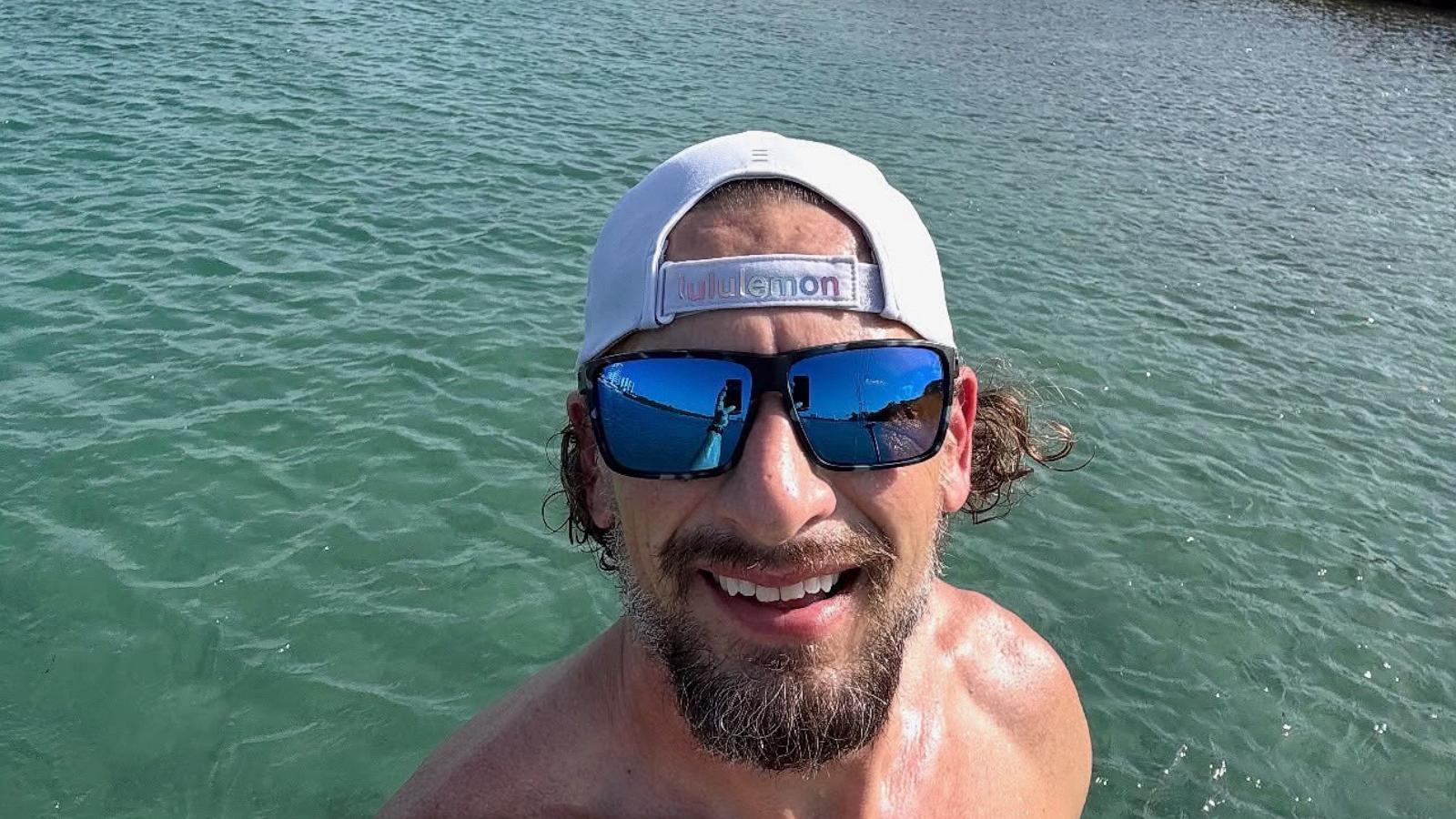
The U.S. Coast Guard is searching for a 48-year-old man named Matt Pawlowski, who went missing while paddleboarding about four miles off Jupiter Beach, Florida. A paddleboard matching his description was found 10 miles off Jupiter Island, and the search is ongoing with air and sea crews.
Key Facts
Matt Pawlowski went missing around 9 a.m. while paddleboarding east off Jupiter Beach, Florida.
He was on a 14-foot lime-green and yellow paddleboard.
His paddleboard was found by a good Samaritan about 10 miles offshore Jupiter Island and turned in to local police.
The U.S. Coast Guard and local law enforcement are continuing the search up Florida’s coast.
Air and sea crews are involved in the search operation.
Pawlowski was last seen wearing a white hat, orange shirt, and gray shorts.
Anyone with information is asked to contact the Coast Guard Sector Miami Command Center.
Read the Original
Want the full story? Tap a source to open the original
article.
Researchers captured rare footage of a female humpback whale appearing to grieve her stillborn calf near Australia’s Gold Coast. The whale stayed with the dead calf for hours or days, showing behavior that scientists believe may indicate mourning.
Key Facts
The footage was taken off Australia’s Gold Coast in 2025.
The whale stayed close to the stillborn calf, touching it with her head and fin.
A companion whale was also present during the event.
Researchers believe this is the first detailed documentation of grieving behavior in humpback whales.
The mother whale did not try to bring the calf to the surface, indicating awareness of the calf’s death.
Similar grieving behavior has been seen in orcas and other marine mammals.
The study highlights strong bonds between mother whales and their calves.
The research was published on September 16, 2026, in the journal Discover Animals.
Read the Original
Want the full story? Tap a source to open the original
article.
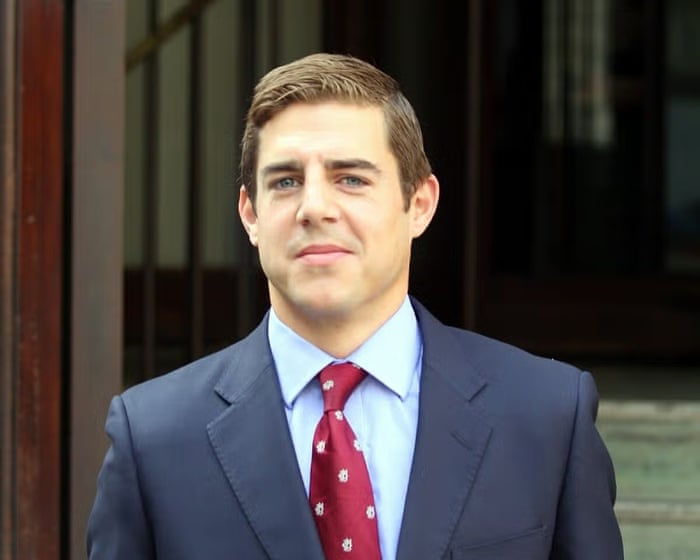
Nicholas Brandram, a 44-year-old banker suspected in a 2017 attack in Putney where a woman was pushed into the path of a bus, was found dead at his home in west London. Police do not believe his death is suspicious and will prepare a report for the coroner.
Key Facts
Nicholas Brandram was arrested in June 2024 for the 2017 case where a woman was pushed into traffic on Putney Bridge.
The woman avoided serious injury because the bus driver swerved to avoid hitting her.
Brandram worked as a director at HSBC and had a military background as a captain.
After his arrest, Brandram was released on bail, then re-bailed without conditions.
The investigation initially interviewed 50 men and arrested three suspects but had no resolution until Brandram’s arrest.
Brandram was found unresponsive at his home in Chiswick and pronounced dead by emergency services on September 15, 2024.
Police consider the death unexpected but do not suspect foul play.
A file will be sent to the coroner for further examination.
Read the Original
Want the full story? Tap a source to open the original
article.
Earl Spencer, Princess Diana's brother, claims in his upcoming memoir that King Charles told him "we'll forget her soon enough" shortly after Diana's death. Buckingham Palace denies this and says grief can affect memories. The book is expected to criticize the Royal Family and has already caused some controversy.
Key Facts
Earl Spencer says King Charles showed anger when Spencer objected to Princes William and Harry walking in Diana's funeral procession.
Spencer quotes Charles as saying, "we'll forget her soon enough," days after Diana died in 1997.
Buckingham Palace responded by suggesting grief can affect judgment and memory over time.
Spencer’s book, titled "Swan Song: Diana, My Sister," will be published next week and is expected to be critical of the Royal Family.
Diana died in a car crash in 1997, and her funeral was a sensitive and highly emotional event.
Prince Harry has spoken before about how difficult it was to walk behind his mother’s coffin at age 12 but said he was glad to be part of the day looking back.
Four copies of the Dutch edition of Spencer’s book were stolen from a truck in the Netherlands while being transported.
Buckingham Palace has not commented directly on the book but disputes the accuracy of Spencer's account.
Read the Original
Want the full story? Tap a source to open the original
article.
The U.S. is open to talking with China about shared risks from artificial intelligence (AI) in upcoming meetings. Treasury Secretary Scott Bessent will lead discussions on AI safety and trade issues ahead of a summit between President Donald Trump and Chinese President Xi Jinping.
Key Facts
The U.S. plans multi-hour talks with China in New York, covering AI, trade, and rare earth materials.
Treasury Secretary Scott Bessent and Trade Representative Jamieson Greer are the main U.S. officials in these talks.
The U.S. remains a leader in AI and wants to avoid splitting AI systems between the two countries.
Discussions will include both open and closed AI models (types of AI systems).
Bessent has been involved in shaping the U.S. AI agenda and working with private companies and infrastructure groups.
The talks come just before a summit between President Trump and President Xi Jinping on September 24.
Chinese officials say AI development should stay open and inclusive, while pushing back against slowing down progress.
AI company leaders want the U.S. and China to work together on safety standards for AI.
Read the Original
Want the full story? Tap a source to open the original
article.
Yemen’s Houthi rebels have quickly taken control of key areas along the Red Sea coast, including the important Bab al-Mandab strait. This move affects global oil shipping routes and increases regional tensions, with Saudi Arabia and other countries facing difficult choices about how to respond.
Key Facts
The Houthis advanced rapidly along Yemen’s Red Sea coast, displacing over 100,000 people.
The Houthis now control the Bab al-Mandab strait, a vital passage for global oil shipments.
Saudi Arabia’s east-west oil pipeline to Red Sea ports has been shut down by drone attacks linked to Iran-backed militias.
Closing the pipeline could reduce global oil supply by about 120 million barrels in one month.
The Houthis’ control threatens longer, more costly oil shipping routes and potential attacks on oil facilities.
Saudi Arabia had previously fought the Houthis in a costly war but hopes to avoid full-scale conflict now.
The Houthis have ties with Iran and may use their control of the strait to gain economic and political advantages.
International military and political actors, including the US, China, and regional partners, are closely watching this crisis.
Experts suggest a political resolution and protection of civilians are essential, as military conflict has failed in the past.
Read the Original
Want the full story? Tap a source to open the original
article.
Major Paul Wilks, a 40-year-old British soldier, died in a road accident in Ukraine that was not caused by fighting. The UK Ministry of Defence praised him for his leadership and service in several military missions.
Key Facts
Major Paul Wilks died in a road accident in Ukraine away from the fighting zones.
He was 40 years old and served in the UK Intelligence Corps since 2012.
Major Wilks had been on military tours in places including Afghanistan.
He received two medals for operational service and one for good conduct.
The Ministry of Defence called him a skilled leader respected by his colleagues.
Defence Secretary Wes Streeting expressed sadness and highlighted Major Wilks' dedication.
Major Wilks is survived by his wife and two sons, and was described as a proud family man.
His commanding officer spoke of his intelligence, warmth, and devotion to duty.
Read the Original
Want the full story? Tap a source to open the original
article.
An Iran-linked group used an American-made AI tool called Claude to gather public information and try to target U.S. naval forces during the conflict involving the United States and Iran. The company Anthropic, which created Claude, discovered this activity, blocked the accounts involved, and shared the information with the U.S. government. Experts warn that AI is making it easier for adversaries to learn about U.S. military operations and improve their tactics.
Key Facts
An Iran-linked adversary used Claude AI to collect open-source data on U.S. naval movements.
The data used included satellite images, ship and aircraft tracking, and military photos available to the public.
Anthropic banned the accounts involved and informed the U.S. government to stop the threat.
AI helps adversaries analyze large amounts of information faster and improve targeting for drones and missiles.
Access to Claude is blocked in Iran, but adversaries can bypass this with VPNs and foreign phone numbers.
AI is also used by Iran for digital influence campaigns and propaganda on social media platforms like X (formerly Twitter), TikTok, and Instagram.
Similar AI tactics are used by other adversaries to gather intelligence and support cyber and military operations.
Reports suggest Iranian and Russian cooperation may have contributed to AI-enhanced drone attacks in the Middle East.
Read the Original
Want the full story? Tap a source to open the original
article.
This article reviews several French films currently gaining attention. It highlights a tense home-invasion thriller starring Monica Bellucci, a movie about an abusive relationship, a story on addiction, and the restored screening of a French cinema classic.
Key Facts
Monica Bellucci stars in The Birthday Party, a home-invasion thriller set at a farmhouse birthday celebration.
The Birthday Party is based on a novel by Laurent Mauvignier.
Think Good is a film exploring a toxic relationship over six years, focusing on control and manipulation.
Garance tells the story of a woman whose drinking worsens over eight years, affecting her life.
Jean Cocteau’s Beauty and the Beast, a classic French film from 80 years ago, is being shown again in a new high-quality restored version.
The article introduces these films as examples of current and classic French cinema with themes of tension, drama, and dark humor.
The coverage is part of a cultural program examining new and notable arts and films in France.
Read the Original
Want the full story? Tap a source to open the original
article.
Two sets of twins, Janay and Kalisha Walker (21), and their younger twin sisters Monica and Naomi (18), live together in Washington. Having two sets of twins in one family is very rare, and the siblings share a close and lively relationship that they also showcase on TikTok.
Key Facts
Janay and Kalisha are one set of twins, and Monica and Naomi are the younger twin set.
The chance of one mother having two sets of twins is about 1 in 3,000.
Identical twins happen in about 3 to 4 out of every 1,000 births worldwide.
The Walker siblings describe their household as full of both fun moments and some arguments, but mostly closeness.
The older twins have influenced the younger twins as role models and friends.
The sisters post videos of their daily life on TikTok, with some videos gaining millions of views.
The TikTok account is called @janayandkalisha and features content with both sets of twins.
They started posting regularly about six months ago and enjoy sharing their unique family life online.
Read the Original
Want the full story? Tap a source to open the original
article.