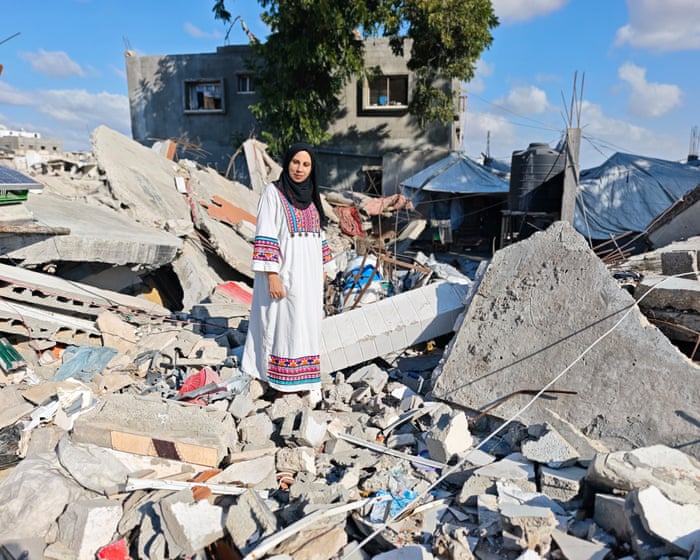
This article follows five people living in Gaza, showing their daily struggles with basic needs like cooking, water, and supplies during ongoing hardships. It highlights how blockades and shortages impact their everyday lives beyond the news about violence and conflict.
Key Facts
Families in Gaza receive very limited gas supplies, enough to cook for only 18 minutes a day every three months.
Water is scarce, with residents depending on irregular water trucks or long walks to find water.
Basic items like sugar, flour, and other food staples are rationed and sometimes dangerous to obtain.
Gaza is under a blockade that restricts many goods, including medical supplies, tools, and everyday items classified as “dual use,” meaning they could be used by Hamas.
The blockade limits not only survival needs but also cultural and educational items such as books, musical instruments, and hobby materials.
Gaza Skate Team, a youth group teaching skateboarding, has been affected by bans on skateboards, impacting children’s outlets and mental well-being.
The article focuses on the everyday lives and small moments rarely reported in the news, providing a human perspective on living conditions in Gaza.
Read the Original
Want the full story? Tap a source to open the original
article.
The Ebola disease is spreading to new areas in the Democratic Republic of the Congo. Health officials are increasing checks at borders because 10 nearby countries face a high risk of the disease spreading.
Key Facts
Ebola has spread to new regions within the Democratic Republic of the Congo.
Ten neighboring countries are considered at high risk of Ebola spreading to them.
Health officials are improving monitoring and safety measures at borders.
Ebola is a severe disease that can spread between countries, especially nearby ones.
The outbreak is causing concern for public health in Central Africa.
Increased border health checks aim to stop Ebola from crossing into other nations.
Read the Original
Want the full story? Tap a source to open the original
article.
Thousands of Syrian Kurdish families have started returning to Afrin after fleeing the area in 2018 due to a Turkish-led military offensive. The new Syrian transitional government is helping people come back by organizing convoys and promoting peace between Kurds and Arabs.
Key Facts
Dilshad Hamdo and his family fled Afrin in 2018 during the Turkish-led Operation Olive Branch.
Many displaced Syrians, mostly Arabs, lived in abandoned Kurdish homes in Afrin after 2018.
After the fall of Bashar al-Assad’s regime in December 2024, the transitional government encouraged displaced Kurds to return.
Hundreds of Kurdish families returned from Hasakah to Afrin with state support in April and May.
Displaced families living in Kurdish homes left peacefully after compensation was paid.
About 12,000 Kurdish families have returned to Afrin through government-organized convoys.
Decree 13 was passed to recognize Kurdish cultural and political rights in Syria.
The transitional government aims to rebuild trust between Arabs and Kurds and promote peace.
Read the Original
Want the full story? Tap a source to open the original
article.
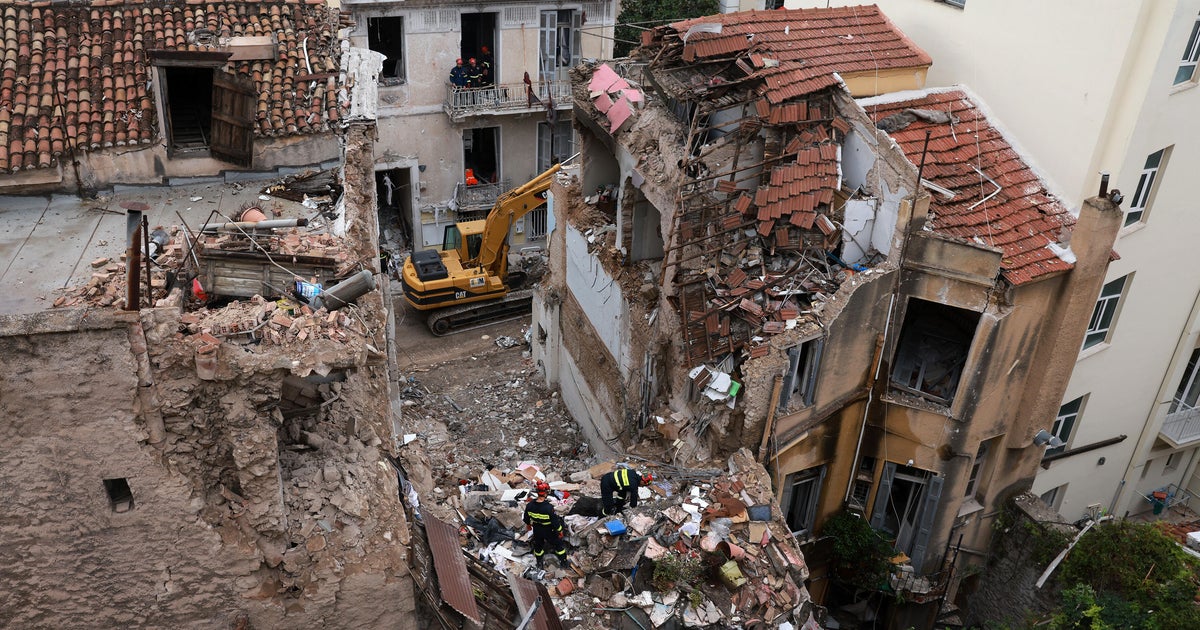
An explosion caused by a gas leak destroyed a small building in the Plaka district of Athens, Greece, killing two American tourists. Rescue teams continue to search for other missing people as nearby buildings are checked for safety.
Key Facts
The explosion happened on Friday in Athens' tourist area near the Acropolis.
Two American visitors died in the building collapse.
Four other people, including a British man and a Greek woman, are missing.
The building was a two-story structure rented to tourists.
The explosion likely resulted from a gas leak, according to Athens' mayor.
Rescue operations involved about 30 rescuers and three sniffer dogs.
Nearby buildings were damaged and are being inspected to see if they are safe or need to be torn down.
Residents had warned about gas leak risks in this neighborhood a year earlier.
Read the Original
Want the full story? Tap a source to open the original
article.
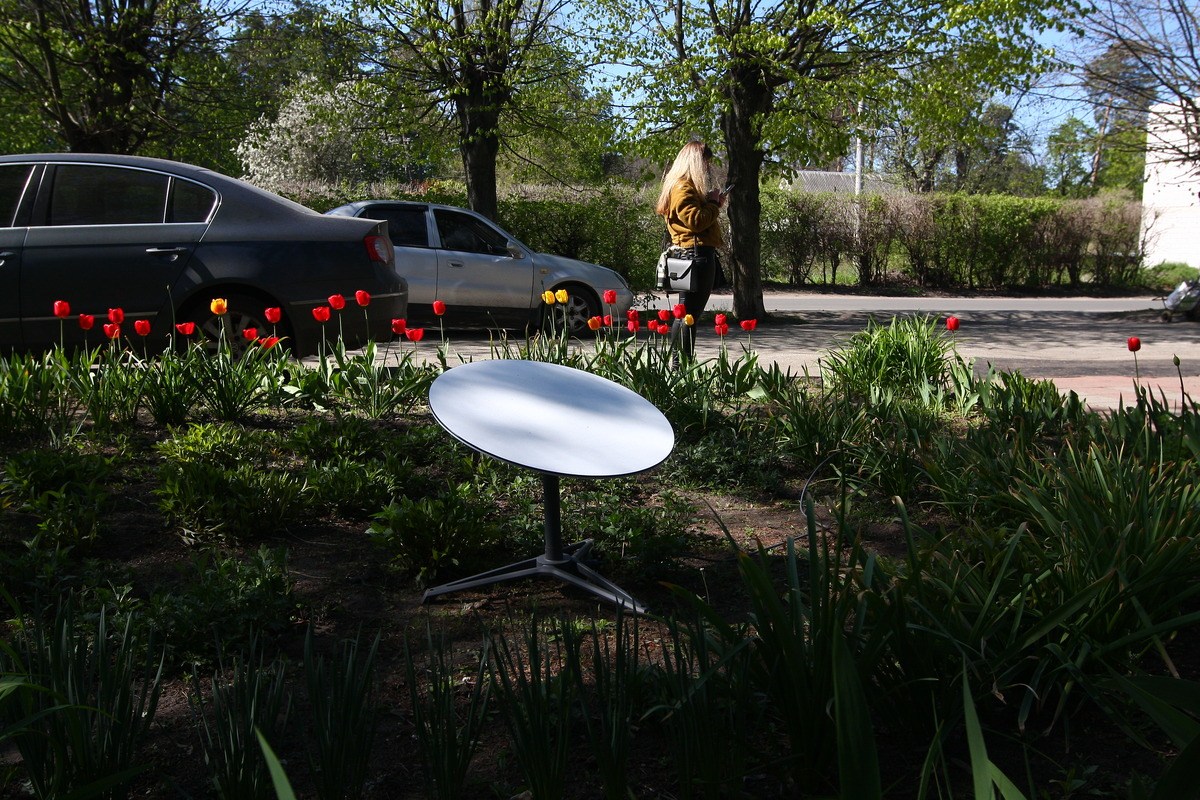
Russian forces attacked a data center in Kyiv used to support Starlink internet services that help Ukraine stay connected, including for military use. The strikes are part of a broader effort by Russia to disrupt Ukraine’s communications and internet access.
Key Facts
Russia targeted the Cosmonova data center in Kyiv with drones, which supports Starlink internet services in Ukraine.
Starlink, run by Elon Musk’s SpaceX, uses satellites to provide internet, crucial for Ukraine’s military and civilian communications.
Five people were injured in Russian strikes across Kyiv during recent attacks.
Ukrainian officials say the strikes aim to disrupt internet access, including military operations and public alerts.
Ukraine relies heavily on Starlink terminals for military drones and internet connection.
Another data center in Kyiv was also targeted by Russia shortly before Ukraine announced new protections for such sites.
A fire at a Starlink ground station in Poland may have been sabotage to hinder Ukrainian internet access, though investigations are ongoing.
Finland’s president has asked Elon Musk to increase Ukraine’s military use of Starlink to help combat Russian ballistic missile attacks.
Read the Original
Want the full story? Tap a source to open the original
article.
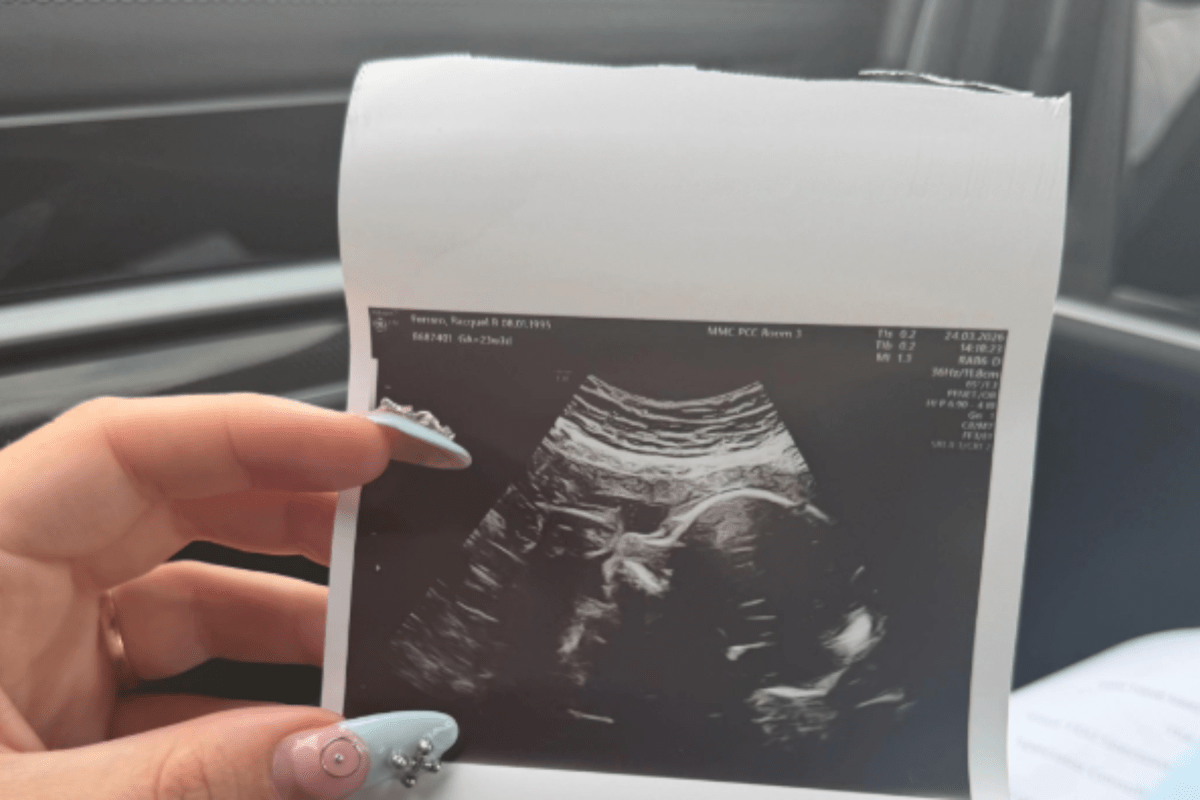
A mother in Melbourne, Australia, learned at her 21-week pregnancy scan that her baby had a serious problem with her leg bones. After weeks of waiting and uncertainty, she gave birth to a daughter named Daisy, who was diagnosed with rare limb differences affecting her right leg.
Key Facts
The mother is 31-year-old Racquel Ferraro from Melbourne.
At the 21-week scan, doctors found the baby's femur (thigh bone) was much shorter than normal.
Racquel was advised by her doctor to consider ending the pregnancy.
She and her partner waited six weeks for more tests before birth.
The baby girl, Daisy, was born in July 2026.
Daisy was diagnosed with two rare conditions: proximal femoral focal deficiency (PFFD) and fibular hemimelia.
PFFD means the upper thigh bone didn’t develop properly.
Fibular hemimelia means the fibula bone in her leg is missing, along with other hip, knee, and ankle problems.
Read the Original
Want the full story? Tap a source to open the original
article.
Israel’s Central Elections Committee has voted to ban the two main Arab-majority political groups, the Joint List and Ra’am, from participating in the upcoming parliamentary election. The final decision will be reviewed by Israel’s Supreme Court, which has previously overturned such bans.
Key Facts
The Joint List is an alliance of three parties: Hadash (left-wing, Jewish and Arab members), Balad (Palestinian nationalist), and Ta’al (focuses on Palestinian citizen rights).
Ra’am, also known as the United Arab List, runs separately and currently holds five seats in the Knesset.
These parties mainly represent Palestinian citizens of Israel, who make up about 20% of Israel’s population.
The Central Elections Committee voted 18-5 to bar both Ra’am and the Joint List from the election.
Ofer Cassif (Hadash) and Sami Abu Shehadeh (Balad leader) were also disqualified.
The disqualifications came after petitions from right-wing parties claiming these groups deny Israel as a Jewish and democratic state or support armed struggle.
The Attorney General opposed disqualifications for the Joint List and Cassif, but supported banning Abu Shehadeh.
The Supreme Court is expected to review and make the final decision on these bans before the October 27 election.
Read the Original
Want the full story? Tap a source to open the original
article.
Pope Leo XIV visited Paris, France, for an open-air mass expected to attract around 600,000 worshippers. His visit included meetings with migrants and marginalized people, as well as public prayers at Notre-Dame Cathedral and a ride through the city in the popemobile.
Key Facts
Pope Leo XIV is on a visit to France, his first state visit there in 18 years.
Around 600,000 people are expected to attend an open-air mass in Paris.
The Pope met with migrants and marginalized groups during his visit.
He led evening prayers (Vespers) at Notre-Dame Cathedral.
The Pope traveled through Paris in the popemobile and was warmly received by crowds.
This visit highlights the Pope’s message about living together peacefully and respecting dignity.
The Pope commented that true separation between church and state (secularity) does not exclude religion.
Public events related to the visit took place near the Stade de France and in central Paris locations.
Read the Original
Want the full story? Tap a source to open the original
article.
An art center has been opened in the West Bank to help children deal with the effects of war. The center provides a safe space where children can express their feelings through art.
Key Facts
The art center is located in the West Bank region.
It aims to support children who have experienced war.
Art activities help children process difficult emotions.
The center offers a safe environment for creative expression.
This initiative is part of efforts to assist communities affected by conflict.
The West Bank is an area with ongoing tensions and conflict.
The project focuses on the well-being of young people in this region.
Read the Original
Want the full story? Tap a source to open the original
article.
The United Nations says South Sudan is facing a worsening hunger crisis. This is due to ongoing violence, very bad weather caused by a strong El Niño weather event, and less food aid reaching people.
Key Facts
South Sudan is experiencing a severe hunger crisis.
Violence in the country makes it harder for people to get food.
Extreme weather, linked to a strong El Niño, is damaging crops and food supplies.
Aid helping hungry people is decreasing.
Millions of people in South Sudan do not have enough food.
The UN is warning that the situation is getting more critical.
El Niño is a natural weather pattern that causes changes in rainfall and temperatures.
Read the Original
Want the full story? Tap a source to open the original
article.
Pope Leo XIV is visiting France for the first state visit by a pope in 18 years. During his trip, he spoke in Paris about the possibility of people living together with respect and peace.
Key Facts
Pope Leo XIV arrived in France and was welcomed warmly in Paris.
This is the first official state visit by a pope to France in 18 years.
He met with migrants and marginalized groups during his visit.
The Pope spoke about how real separation between religion and government does not exclude religious belief.
He led evening prayers, called Vespers, at Notre-Dame Cathedral in Paris.
The Pope traveled through Paris in the "popemobile," a special vehicle used by popes.
He gave a speech at UNESCO during this visit.
His message emphasized living together with dignity and peace.
Read the Original
Want the full story? Tap a source to open the original
article.
Pope Leo XIV visited France on his first official state visit in 18 years. During the visit, he met with migrants and people living on the edges of society and participated in religious events in Paris.
Key Facts
Pope Leo XIV arrived in France for an official visit.
This was the first papal state visit to France in 18 years.
The Pope met with migrants and marginalized individuals.
He participated in evening prayer services at Notre-Dame Cathedral.
The Pope was warmly welcomed by large crowds, including a ride through Paris in the popemobile.
He spoke at UNESCO and focused on faith rather than politics during his visit.
French President Emmanuel Macron was involved in the visit.
Read the Original
Want the full story? Tap a source to open the original
article.
A month after severe floods in Nepal, thousands of people remain missing, and many families are still recovering from the disaster. The situation is ongoing, with rescue efforts continuing and challenges for affected communities.
Key Facts
Severe floods struck Nepal about one month ago.
Thousands of people are still missing following the floods.
Many families face a long and difficult recovery process.
Rescue teams are active but the search for missing persons is challenging.
The floods have caused widespread damage to homes and infrastructure.
The disaster impacts both local communities and the broader region.
Aid and support are critical for the ongoing recovery efforts.
The event highlights the risks of natural disasters in mountainous areas like Nepal.
Read the Original
Want the full story? Tap a source to open the original
article.
Morocco’s Authenticity and Modernity Party (PAM) won the most seats in the country's recent parliamentary election, securing 97 out of 395 seats. The party did not win a majority, so it must work with other parties to form a government.
Key Facts
The election counted a total of 395 seats in Morocco’s House of Representatives.
PAM won 97 seats, making it the largest single party in the new parliament.
PAM was founded by a royal adviser close to King Mohammed VI.
PAM is known by its French acronym, which stands for Authenticity and Modernity Party.
No party got more than half the seats, so forming a government requires cooperation.
The Interior Ministry officially announced the final election results on Friday.
The party will need to create a coalition, meaning it will partner with other parties to have enough support to govern.
Read the Original
Want the full story? Tap a source to open the original
article.
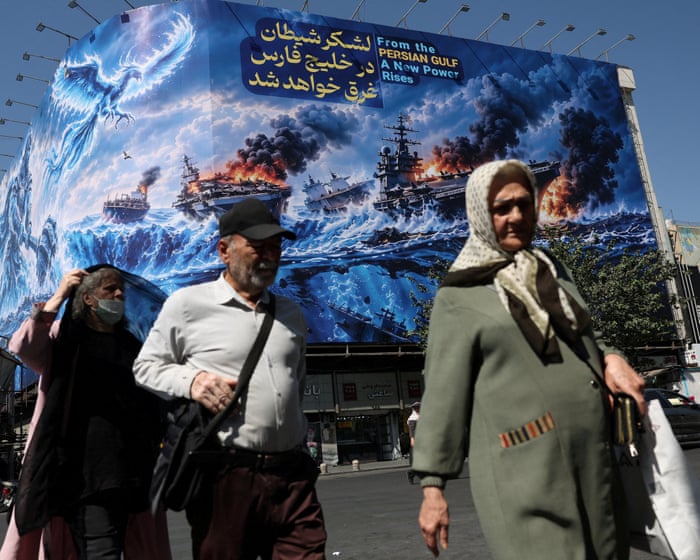
Iran proposed a plan to reopen the Strait of Hormuz, a key waterway for global oil supply. Reports say President Donald Trump has rejected the proposal, but the United States has not made an official public response yet.
Key Facts
The Strait of Hormuz is an important passage for the world’s oil shipments.
Iran offered a plan to reopen this strategic waterway recently.
President Donald Trump is reported to have refused the Iranian plan.
The US and Iran have been in a standoff for nearly seven months.
New efforts to mediate between the two countries took place this week.
The US government had not publicly responded to Iran’s offer as of the report.
The conflict involves broader tensions over control and security in the Middle East.
Read the Original
Want the full story? Tap a source to open the original
article.
A memorial was unveiled at the Lord Mayor Treloar School and College in Hampshire to remember boys with haemophilia who were given contaminated blood treatments in the 1970s and 1980s. Many pupils were infected with HIV and hepatitis during medical experiments carried out without their knowledge, leading to suffering and deaths.
Key Facts
The school provided specialist care to children with haemophilia but used blood products contaminated with HIV and hepatitis.
Out of 122 pupils with haemophilia who attended, only about 30 were alive when the 2024 Infected Blood Public Inquiry published its report.
The inquiry revealed that most pupils between 1970 and 1987 were infected and treated as "objects for research" by NHS doctors.
A memorial near Alton, Hampshire depicts two pupils embracing, symbolizing friendship and support.
Survivors at the unveiling shared their experiences, including early death warnings due to HIV and hepatitis infections.
Former pupils described strong bonds formed at the school and expressed guilt for surviving when many friends died.
The inquiry chairman said this medical research was extensive and left deep scars in the community and the UK.
Legal representatives emphasized the memorial as a reminder of local and state responsibilities.
Read the Original
Want the full story? Tap a source to open the original
article.
An explosion destroyed a three-story building in the Plaka area of Athens, killing one person and leaving five others missing. The blast may have been caused by a gas leak, and emergency workers are searching the rubble for survivors.
Key Facts
The explosion happened in Plaka, a historic district near the Acropolis in Athens.
One woman’s body has been found so far; five people remain missing.
The missing include four American tourists, one British person, and one Greek national, though this is not yet confirmed by authorities.
The building completely collapsed, damaging nearby structures and scattering debris on the street.
Emergency teams are using excavators and thermal cameras to look for survivors.
The missing tourists were identified when they failed to board their flight from Athens airport.
The cause of the blast is believed to be a gas leak.
The explosion occurred between two major tourist sites: the Acropolis and the Temple of Olympian Zeus.
Read the Original
Want the full story? Tap a source to open the original
article.
Iran has proposed a plan to the United States to reopen the strait of Hormuz and stop fighting in the Middle East within seven days. President Donald Trump reportedly rejected the deal, but Iran said it is ready to start nuclear talks and remove blockades if the US agrees to the plan.
Key Facts
Iran offered to reopen the strait of Hormuz within seven days if the US lifts its naval blockade and sanctions and agrees to a ceasefire.
Iran said it would also restart talks on its nuclear program after reopening the strait.
President Trump is skeptical and expects more military strikes after the US midterm elections in November.
Iran shared its plan with the US through Qatari mediators and raised it at the UN General Assembly.
Iran’s foreign minister said the process would take about four to five days before the strait reopens.
Iran’s president said Tehran is ready for talks but will not accept pressure or threats.
The conflict has disrupted oil shipments through the strait of Hormuz, a major global oil route.
Recent attacks linked to Iran-backed groups have increased tensions in the region.
Read the Original
Want the full story? Tap a source to open the original
article.
President Donald Trump has rejected Iran’s proposal to reopen the Strait of Hormuz within seven days. Iran asked the US to lift sanctions and end a naval blockade before reopening the strait, but the US remains cautious and skeptical about Iran’s intentions.
Key Facts
Iran proposed a seven-day plan to reopen the Strait of Hormuz, a key shipping route for about 20% of the world's oil and gas.
The plan includes Iran demanding the US release $12 billion in frozen assets, lift oil sanctions, and stop its naval blockade.
Iran also wants all hostilities, including conflicts in Lebanon, to stop during this period.
US officials report that President Trump quickly dismissed Iran’s proposal.
Trump has insisted that Iran must never get nuclear weapons and must allow free passage through the strait.
Negotiations continue indirectly, with Qatar acting as a mediator between the US and Iran.
Diplomatic talks took place at the UN General Assembly, described by US officials as “positive and constructive.”
Despite talks, there is strong skepticism in Washington about whether both sides are ready to agree.
Read the Original
Want the full story? Tap a source to open the original
article.
Fighting is increasing in Ethiopia between the government forces and rebel groups. The Tigray People’s Liberation Front (TPLF) said it is at war with the federal government and has formed a coalition with other armed groups to try to remove Prime Minister Abiy Ahmed’s government.
Key Facts
The conflict is happening in multiple areas in Ethiopia.
The TPLF declared a "full-blown" war with federal forces this week.
Six other armed groups joined the TPLF to form a coalition.
The coalition aims to overthrow Prime Minister Abiy Ahmed’s government.
Another armed group claimed to have joined this alliance as of Friday.
The fighting raises concerns about the return to a civil war in Ethiopia.
The story is being reported from Addis Ababa, Ethiopia’s capital.
The conflict involves long-standing tensions within Ethiopia’s political and ethnic groups.
Read the Original
Want the full story? Tap a source to open the original
article.