Morocco’s Authenticity and Modernity Party (PAM) won the most seats in the country's recent parliamentary election, securing 97 out of 395 seats. The party did not win a majority, so it must work with other parties to form a government.
Key Facts
The election counted a total of 395 seats in Morocco’s House of Representatives.
PAM won 97 seats, making it the largest single party in the new parliament.
PAM was founded by a royal adviser close to King Mohammed VI.
PAM is known by its French acronym, which stands for Authenticity and Modernity Party.
No party got more than half the seats, so forming a government requires cooperation.
The Interior Ministry officially announced the final election results on Friday.
The party will need to create a coalition, meaning it will partner with other parties to have enough support to govern.
Read the Original
Want the full story? Tap a source to open the original
article.
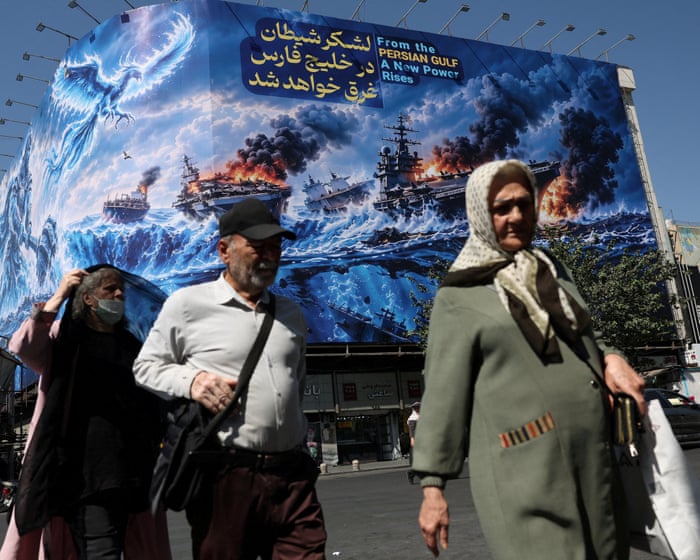
Iran proposed a plan to reopen the Strait of Hormuz, a key waterway for global oil supply. Reports say President Donald Trump has rejected the proposal, but the United States has not made an official public response yet.
Key Facts
The Strait of Hormuz is an important passage for the world’s oil shipments.
Iran offered a plan to reopen this strategic waterway recently.
President Donald Trump is reported to have refused the Iranian plan.
The US and Iran have been in a standoff for nearly seven months.
New efforts to mediate between the two countries took place this week.
The US government had not publicly responded to Iran’s offer as of the report.
The conflict involves broader tensions over control and security in the Middle East.
Read the Original
Want the full story? Tap a source to open the original
article.
A memorial was unveiled at the Lord Mayor Treloar School and College in Hampshire to remember boys with haemophilia who were given contaminated blood treatments in the 1970s and 1980s. Many pupils were infected with HIV and hepatitis during medical experiments carried out without their knowledge, leading to suffering and deaths.
Key Facts
The school provided specialist care to children with haemophilia but used blood products contaminated with HIV and hepatitis.
Out of 122 pupils with haemophilia who attended, only about 30 were alive when the 2024 Infected Blood Public Inquiry published its report.
The inquiry revealed that most pupils between 1970 and 1987 were infected and treated as "objects for research" by NHS doctors.
A memorial near Alton, Hampshire depicts two pupils embracing, symbolizing friendship and support.
Survivors at the unveiling shared their experiences, including early death warnings due to HIV and hepatitis infections.
Former pupils described strong bonds formed at the school and expressed guilt for surviving when many friends died.
The inquiry chairman said this medical research was extensive and left deep scars in the community and the UK.
Legal representatives emphasized the memorial as a reminder of local and state responsibilities.
Read the Original
Want the full story? Tap a source to open the original
article.
An explosion destroyed a three-story building in the Plaka area of Athens, killing one person and leaving five others missing. The blast may have been caused by a gas leak, and emergency workers are searching the rubble for survivors.
Key Facts
The explosion happened in Plaka, a historic district near the Acropolis in Athens.
One woman’s body has been found so far; five people remain missing.
The missing include four American tourists, one British person, and one Greek national, though this is not yet confirmed by authorities.
The building completely collapsed, damaging nearby structures and scattering debris on the street.
Emergency teams are using excavators and thermal cameras to look for survivors.
The missing tourists were identified when they failed to board their flight from Athens airport.
The cause of the blast is believed to be a gas leak.
The explosion occurred between two major tourist sites: the Acropolis and the Temple of Olympian Zeus.
Read the Original
Want the full story? Tap a source to open the original
article.
Iran has proposed a plan to the United States to reopen the strait of Hormuz and stop fighting in the Middle East within seven days. President Donald Trump reportedly rejected the deal, but Iran said it is ready to start nuclear talks and remove blockades if the US agrees to the plan.
Key Facts
Iran offered to reopen the strait of Hormuz within seven days if the US lifts its naval blockade and sanctions and agrees to a ceasefire.
Iran said it would also restart talks on its nuclear program after reopening the strait.
President Trump is skeptical and expects more military strikes after the US midterm elections in November.
Iran shared its plan with the US through Qatari mediators and raised it at the UN General Assembly.
Iran’s foreign minister said the process would take about four to five days before the strait reopens.
Iran’s president said Tehran is ready for talks but will not accept pressure or threats.
The conflict has disrupted oil shipments through the strait of Hormuz, a major global oil route.
Recent attacks linked to Iran-backed groups have increased tensions in the region.
Read the Original
Want the full story? Tap a source to open the original
article.
President Donald Trump has rejected Iran’s proposal to reopen the Strait of Hormuz within seven days. Iran asked the US to lift sanctions and end a naval blockade before reopening the strait, but the US remains cautious and skeptical about Iran’s intentions.
Key Facts
Iran proposed a seven-day plan to reopen the Strait of Hormuz, a key shipping route for about 20% of the world's oil and gas.
The plan includes Iran demanding the US release $12 billion in frozen assets, lift oil sanctions, and stop its naval blockade.
Iran also wants all hostilities, including conflicts in Lebanon, to stop during this period.
US officials report that President Trump quickly dismissed Iran’s proposal.
Trump has insisted that Iran must never get nuclear weapons and must allow free passage through the strait.
Negotiations continue indirectly, with Qatar acting as a mediator between the US and Iran.
Diplomatic talks took place at the UN General Assembly, described by US officials as “positive and constructive.”
Despite talks, there is strong skepticism in Washington about whether both sides are ready to agree.
Read the Original
Want the full story? Tap a source to open the original
article.
Fighting is increasing in Ethiopia between the government forces and rebel groups. The Tigray People’s Liberation Front (TPLF) said it is at war with the federal government and has formed a coalition with other armed groups to try to remove Prime Minister Abiy Ahmed’s government.
Key Facts
The conflict is happening in multiple areas in Ethiopia.
The TPLF declared a "full-blown" war with federal forces this week.
Six other armed groups joined the TPLF to form a coalition.
The coalition aims to overthrow Prime Minister Abiy Ahmed’s government.
Another armed group claimed to have joined this alliance as of Friday.
The fighting raises concerns about the return to a civil war in Ethiopia.
The story is being reported from Addis Ababa, Ethiopia’s capital.
The conflict involves long-standing tensions within Ethiopia’s political and ethnic groups.
Read the Original
Want the full story? Tap a source to open the original
article.
Pope Leo XIV arrived in Paris for his first official state visit to France in 18 years. He will hold a large outdoor mass for around 600,000 people at Place de la Concorde and the Champs-Elysees.
Key Facts
Pope Leo XIV is visiting France on a state visit, the first in 18 years.
He is scheduled to celebrate an open-air mass in Paris for about 600,000 believers.
The mass will take place at Place de la Concorde and nearby Champs-Elysees.
Pope Leo XIV has been warmly received in various parts of Paris, including a ride in the popemobile.
His visit focuses on faith and religious themes rather than political matters.
Events include prayers at Notre-Dame Cathedral and an address at UNESCO.
The visit is notable as a major religious occasion in France, a country with a tradition of secular government.
French President Emmanuel Macron is involved in hosting the Pope's visit.
Read the Original
Want the full story? Tap a source to open the original
article.
Pope Leo XIV visited France and said that true secularity does not mean removing religion from public life or education. Instead, he said the government and religious groups should talk and work together for the good of everyone.
Key Facts
Pope Leo XIV made his statement during a visit to France on September 25-26, 2026.
France has had a law separating church and state for more than 100 years.
The Pope described "authentic secularity" as cooperation, not exclusion, of religion in public affairs.
He emphasized dialogue between the state and religious institutions.
The Pope’s visit was his first state visit to France in 18 years.
During the visit, he participated in events at Notre-Dame Cathedral and UNESCO.
The visit focused on faith rather than political issues.
French President Emmanuel Macron is mentioned in relation to the visit.
Read the Original
Want the full story? Tap a source to open the original
article.
A strong low-pressure system is expected to bring windy weather and heavy rain to western parts of the UK next week. Meanwhile, some areas in eastern England and Wales, which need rain the most, may remain mostly dry.
Key Facts
A low-pressure area will move in from the Atlantic, causing wind and rain mainly in western UK.
Temperatures will be above average before this weather arrives, reaching low 20s Celsius in southeast England.
Scotland and Northern Ireland are cooler due to a recent weather front, while southern England and south Wales stay warm and humid.
Most places will see normal late September temperatures, between 15 and 21 degrees Celsius.
Saturday will have warm sunshine with some rain showers in western areas; Sunday will bring rain to most places.
Next week’s weather will be changeable, with occasional rain and wind, especially in northern and western regions.
Some eastern and central England areas remain very dry, despite the rain elsewhere.
Parts of northwest Scotland have already received much more rain than usual this September, while eastern England has had much less.
Read the Original
Want the full story? Tap a source to open the original
article.
The United States and China have agreed to create a communication channel for artificial intelligence (AI) incidents after a recent summit between President Donald Trump and Chinese President Xi Jinping. They also extended a trade truce and agreed to meet again at international summits later this year.
Key Facts
President Trump and President Xi Jinping met for a three-day state visit in Washington, DC.
The two countries agreed to set up a “bilateral communication channel” to handle AI-related incidents.
The US-China trade truce was extended from November to January to allow more talks.
China agreed to import at least 10 million metric tonnes of US coal in 2027-2028.
Both countries arranged better tariffs on $30 billion worth of goods that are not sensitive in trade.
Two giant pandas from China will be sent to a US zoo as part of the visit.
The leaders plan to meet again at the APEC summit in China in November and the G20 summit in the US in December.
President Xi emphasized the need for “healthy competition” and responsible development of AI by both nations.
Read the Original
Want the full story? Tap a source to open the original
article.
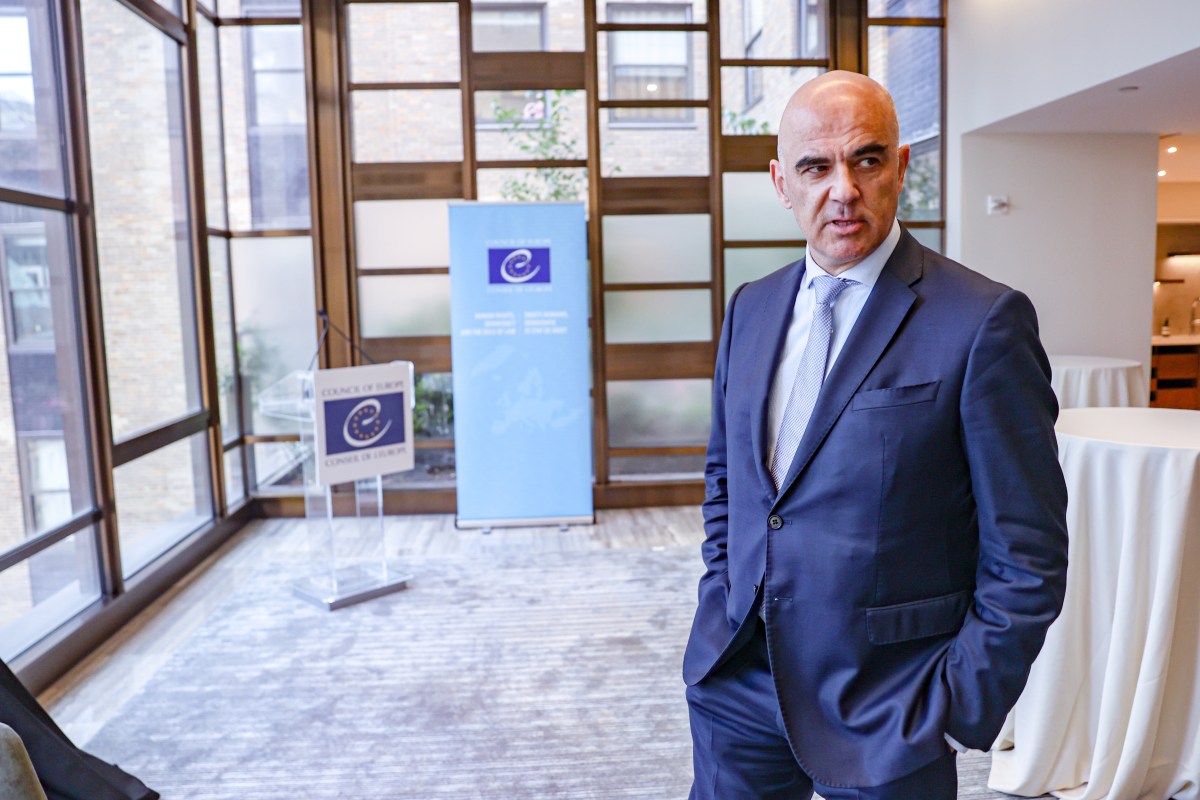
The head of the Council of Europe, Alain Berset, warned that European countries are not well-prepared for modern hybrid warfare, which combines traditional fighting with new threats like drones and online attacks. He emphasized the need for Europe to improve its defense systems and protect democratic values amid rising tensions with Russia.
Key Facts
Alain Berset is the Secretary-General of the Council of Europe, serving since September 2024.
Hybrid warfare includes drones, cyberattacks, and information manipulation.
Europe currently lacks full preparedness against these modern threats.
Defense spending in the EU is expected to exceed $516 billion this year, a 75% increase over five years.
The EU plans additional defense funding through the ReArm Europe Plan and Readiness 2030 campaign.
Berset highlighted weaknesses in Europe’s energy, security, and infrastructure systems.
There is concern about declines in democratic values alongside increased military spending.
The Council of Europe stresses the importance of protecting human rights, democracy, and the rule of law while strengthening defense.
Read the Original
Want the full story? Tap a source to open the original
article.
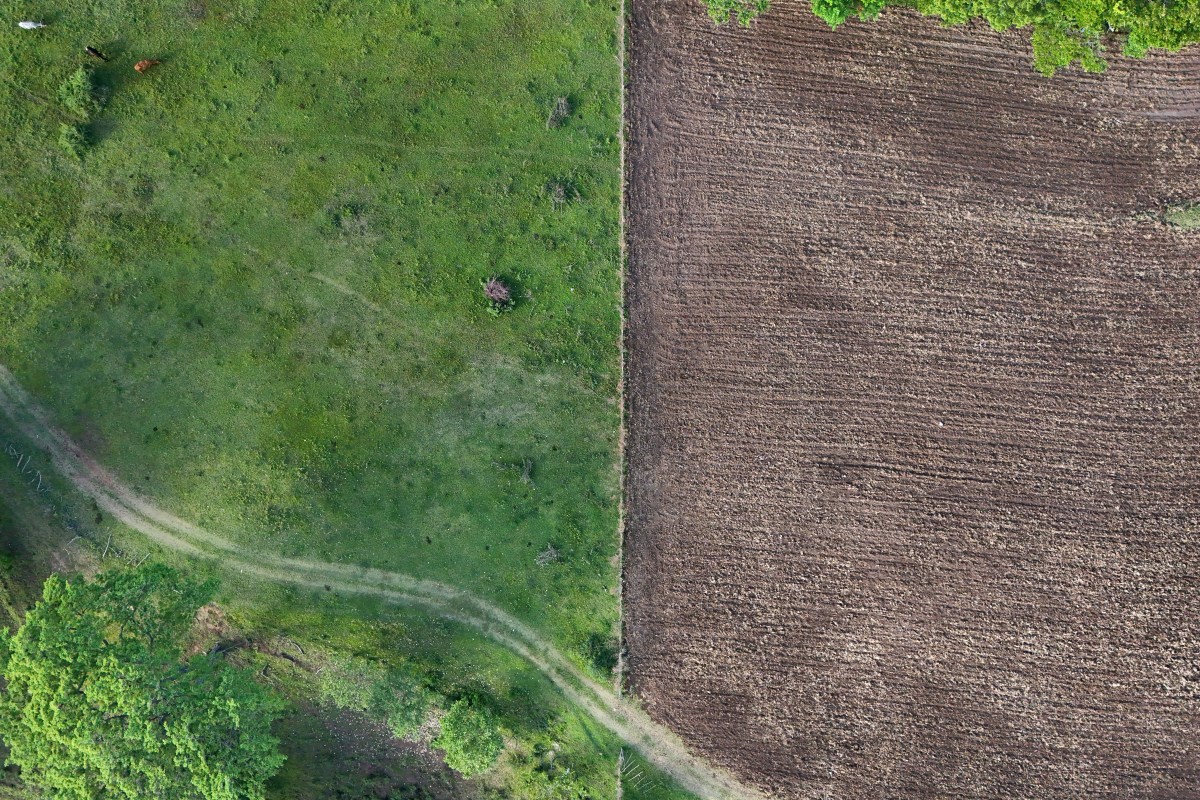
A strong El Niño weather pattern is causing problems for farming in many parts of the world, especially in South and Southeast Asia and Western Africa. This is raising food prices globally and creating worries about food shortages, particularly for poor countries that depend on imported grains.
Key Facts
El Niño is a natural climate event that affects weather and is currently very strong.
Food prices hit their highest level since 2022 in August, according to the United Nations Food and Agriculture Organization.
Foods like chocolate, olive oil, coffee, sugar, wheat, and rice may become more expensive due to poor harvests caused by drought, less rain, and heavy rains.
The Indian monsoon brought 10 to 15 percent less rain this summer, reducing rice production.
The U.S. is expected to avoid major food shortages because production losses in some states will be balanced by gains in others.
Poor countries in Africa and Asia are at higher risk of hunger because they rely more on imported grains.
Food prices could rise by about 15 percent worldwide and stay high for up to two years.
Supply problems are worsened by blocked shipping routes in the Middle East.
Read the Original
Want the full story? Tap a source to open the original
article.
A 30-year-old woman learned she carried a BRCA gene mutation linked to breast cancer and was under regular checks. While 22 weeks pregnant with her second child, a mammogram showed signs leading to a biopsy, and she was diagnosed with stage 2 breast cancer. Treatment was possible during pregnancy, and her diagnosis included both lobular and ductal cancer types.
Key Facts
The woman’s sister tested positive for the BRCA gene mutation, giving her a 50% chance of carrying it.
She was tested for BRCA mutation at age 24 and tested positive.
She was enrolled in a monitoring program involving breast MRIs and mammograms to watch for cancer.
At 22 weeks pregnant, a mammogram showed calcifications, leading to a biopsy.
She was diagnosed with invasive lobular carcinoma first, then confirmed with triple-positive stage 2 breast cancer involving lobular and ductal tumors after surgery.
Breast cancer can be safely treated during pregnancy, although the woman was hesitant at first.
She received her diagnosis while at an indoor playground on a phone notification.
Read the Original
Want the full story? Tap a source to open the original
article.
Protesters plan to hold a silent vigil in Liverpool during the Labour Party conference led by Prime Minister Andy Burnham. The protest supports Palestine Action, a group banned in the UK as a terrorist organization, calling for the government to lift the ban amid ongoing arrests of activists.
Key Facts
Palestine Action was banned under the UK Terrorism Act in July 2025.
Since the ban, over 3,600 people have been arrested for supporting Palestine Action, often through peaceful protests.
A "mass, silent sign-holding vigil" is planned near the Labour conference centre in Liverpool, expecting several hundred participants.
The protest group Defend Our Juries organizes rallies to urge the UK government to drop the ban on Palestine Action.
Palestine Action’s main focus is opposing Israel’s largest weapons maker, Elbit Systems.
Prime Minister Andy Burnham has taken a stronger stance against illegal Israeli settlements compared to past Labour leaders and announced sanctions earlier in the month.
Rights groups call on the UK to stop arms sales to Israel and lift the ban on Palestine Action to end Britain’s role in alleged Israeli war crimes.
Labour has faced criticism over its handling of Israel-Palestine issues, with recent leaders showing gradual changes in their positions.
Read the Original
Want the full story? Tap a source to open the original
article.
Iraq is facing major economic problems because of the war between the US, Israel, and Iran, which has disrupted the flow of its oil exports and increased the cost and delay of imports. Oil makes up more than 90% of Iraq’s federal budget, and the loss of about $60 billion in oil revenue has hurt the country’s economy and caused prices to rise.
Key Facts
Iraq depends heavily on imports for food, medicines, appliances, and raw materials.
Oil is Iraq’s main export and usually brings in enough money to pay for these imports.
The war involving the US, Israel, and Iran began in late February and blocked trade routes, especially through the Strait of Hormuz.
Iraq lost about $60 billion in oil revenue because it could not export about 90% of its oil via its normal routes.
Supply chains are disrupted, causing longer delivery times and higher costs for goods from China and Turkey.
The price of imported goods has risen by about 25 to 30 percent, forcing many stores to sell more local, often lower-quality, products.
The Iraqi dinar has fallen in value against the US dollar, which increases the financial burden on consumers and businesses.
Iraq’s oil revenue funds are held in a special US account and transferred to Iraq yearly under approval by the US president.
Read the Original
Want the full story? Tap a source to open the original
article.
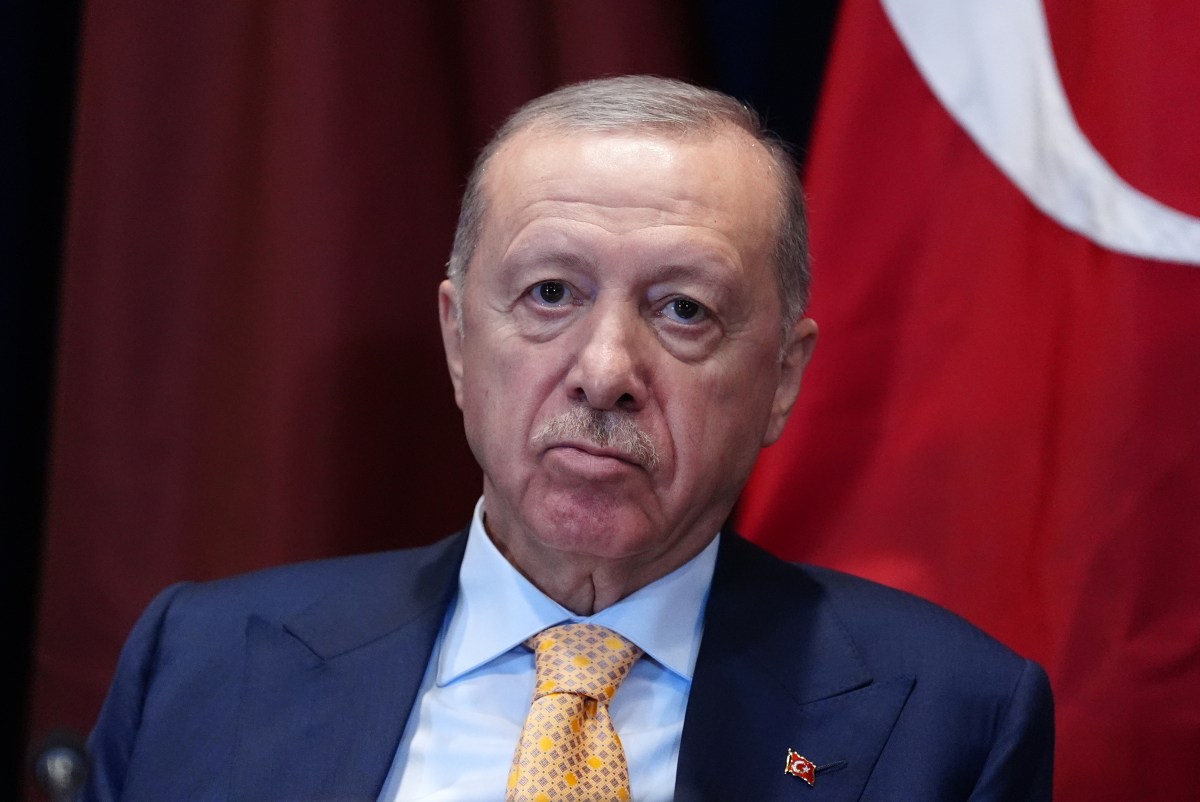
Turkish President Recep Tayyip Erdogan said Israel is wrongly portraying Turkey as a regional threat. He blamed this on Israel’s internal politics and said Turkey does not want conflict but opposes policies that break international law and harm regional stability. Tensions between Turkey and Israel have grown mainly due to their different actions and alliances in Syria.
Key Facts
Erdogan said Israel is spreading a false story that Turkey is a threat to Israel and the region.
Erdogan called Israel's rhetoric irresponsible and linked it to Israel’s election politics.
Turkey has serious disagreements with Israel on many issues but is not seeking trouble.
Erdogan supports Syria’s unity and opposes foreign interference in Syrian affairs.
Israel and Turkey have conflicting strategies in Syria, especially involving local groups and military actions.
Israeli strikes targeted areas where Turkish forces were present in Syria, increasing tensions.
Erdogan stressed Turkey has no hostility toward Israeli people, only against some policies.
U.S. President Donald Trump has acknowledged Erdogan’s role in Syria’s leadership changes.
Read the Original
Want the full story? Tap a source to open the original
article.
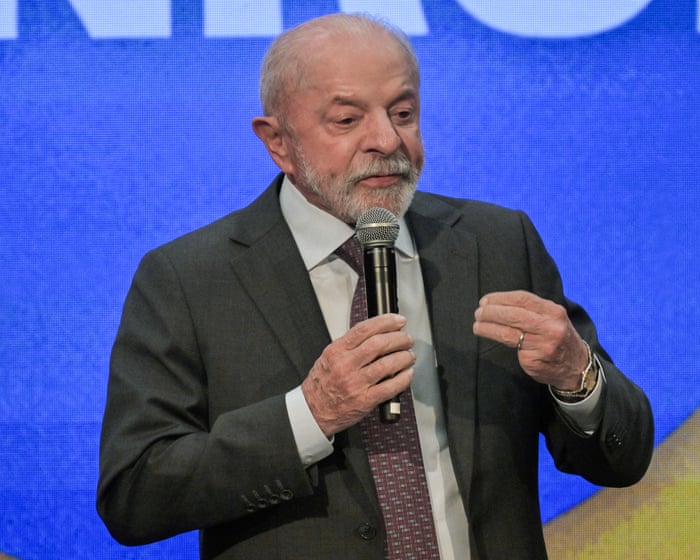
Brazilian President Luiz Inácio Lula da Silva has signed an order banning fixed-odds sports betting, aiming to reduce family debts linked to gambling. The ban takes effect immediately but needs approval from Brazil’s Congress within 120 days to stay in place.
Key Facts
The ban stops offering, operating, and advertising fixed-odds sports betting.
Betting platform users cannot make new deposits and have until October 5 to withdraw their money.
Lula criticized the betting industry for causing addiction and financial harm to families.
The ban follows growing public concern and increased betting during the recent FIFA World Cup.
Gambling is illegal in Brazil, but online betting was allowed starting in 2018.
Lula’s government plans criminal penalties related to fixed-odds betting, including promoting it and misusing personal data.
The government blocked over 2,000 illegal betting websites linked to criminal groups earlier this year.
The betting market in Brazil is valued at over $4 billion per year, and some football clubs warned sponsorships might end if the ban continues.
Read the Original
Want the full story? Tap a source to open the original
article.
An expert from Chatham House says the ongoing conflict between Israelis and Palestinians is likely to continue because there is no political solution in sight. The expert suggests that new leadership in Israel could provide a chance to change how the two sides interact and avoid endless war.
Key Facts
The expert is Yossi Mekelberg, a Senior Consulting Fellow in the Middle East and North Africa Programme at Chatham House.
Mekelberg questions if Israel’s focus on security and controlling land can lead to lasting peace.
He believes military actions alone, like raids and expanding settlements, do not solve the conflict.
Mekelberg points to a possible shift after Benjamin Netanyahu’s leadership as a chance for change.
Without a plan for peace, the conflict risks becoming a permanent war.
The article mentioned related topics like ceasefires, war crimes, and political speeches at the UN.
The expert’s view was shared on a news program hosted by Mark Owen on France 24.
Read the Original
Want the full story? Tap a source to open the original
article.
Bangkok's authorities declared the entire city a disaster zone due to heavy rain that caused flooding in all 50 districts. The flooding started after nearly 300mm of rain fell over three days, with officials working to drain water while warning of more rain ahead.
Key Facts
Bangkok received almost 300mm (11.8 inches) of rain from Thursday to Saturday.
The city declared all 50 districts a disaster zone to allow emergency actions.
Floodwaters submerged roads, homes, and shops, especially in the eastern areas.
Authorities warned people living near canals that waterways are full and flooding risk is high.
The public transport authority offered free parking to protect cars from flood damage until October 2.
Officials expect floodwaters to recede in two or three days if no more rain falls.
The situation is more severe than usual monsoon flooding because rain has been continuous for days instead of short bursts.
The Department of Disaster Prevention warned of ongoing risks like flash floods, mudslides, and river overflow in the region until Sunday.
Read the Original
Want the full story? Tap a source to open the original
article.