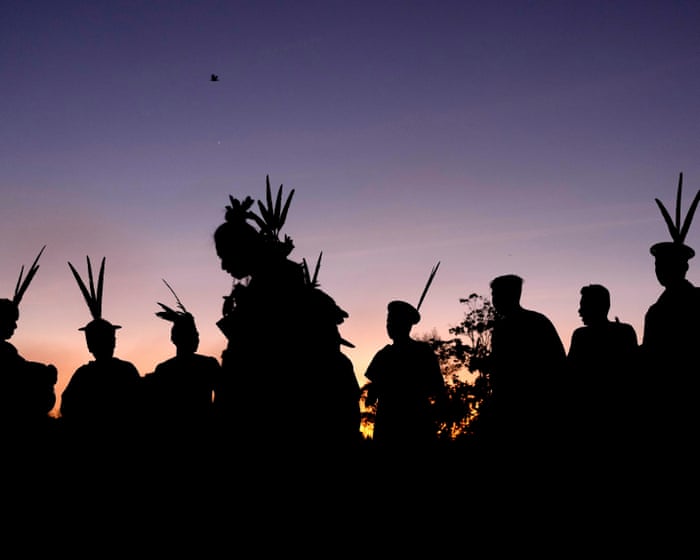
In 2025, 124 people who protect nature and land were killed, about one every three days, mostly in Latin America. Many communities have started self-defence groups to protect themselves from organized crime and illegal activities like logging and mining.
Key Facts
124 nature and land defenders were killed worldwide in 2025.
Over one-third of these killings involved organized crime or hired killers.
Latin America accounted for 85% of the deaths, with Colombia (39), Brazil (26), and Honduras (12) having the highest numbers.
In Asia, the Philippines was the most dangerous country for defenders, with 12 killed, often by state security actions.
Since 2012, Global Witness has recorded 2,375 deaths and disappearances of defenders, similar to a small war.
Most victims were Indigenous people and small farmers protecting their land.
Cuts to U.S. aid programs under President Trump reduced support for Indigenous land guardians.
Many communities, like the Kakataibo in Peru, created self-defence groups to protect their territory despite risks, including murders of group members.
Read the Original
Want the full story? Tap a source to open the original
article.
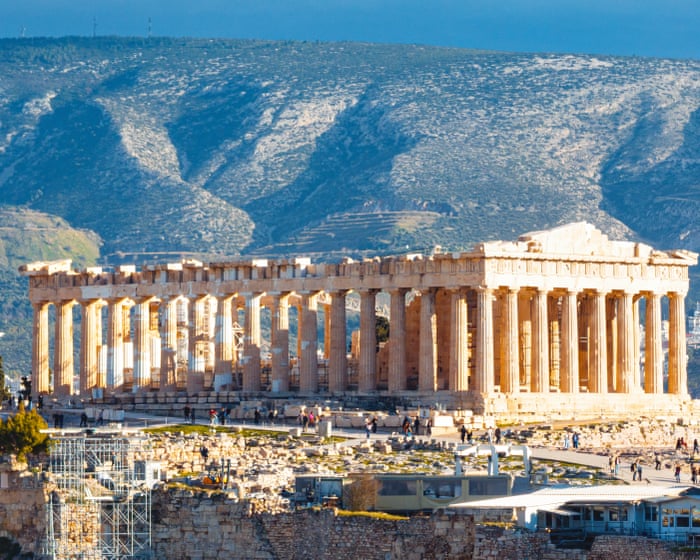
A mathematician at the University of Oxford studied the Parthenon’s design and found that the common belief about its optical illusions is likely false. The curved base and columns do not seem to correct visual distortions as previously thought.
Key Facts
The Parthenon is a Greek temple over 2,000 years old, famous for its architecture.
It was long believed that the building’s curves fix optical illusions, so its lines look straight.
Professor Alain Goriely used math models to test these ideas and found little proof they work.
The idea came from a 1st-century Roman architect, Vitruvius, who wrote about the Parthenon 400 years after it was built.
The base curves slightly, rising 6 cm in the middle, said to stop it from looking like it sags.
Tests showed no clear illusion of sagging lines or column shapes affecting how we see the temple.
The columns have a small bulge (entasis), but it is very subtle and likely not correcting any illusion.
The actual reasons for the Parthenon’s design may be practical or aesthetic, like rain runoff or a pleasing look.
Read the Original
Want the full story? Tap a source to open the original
article.
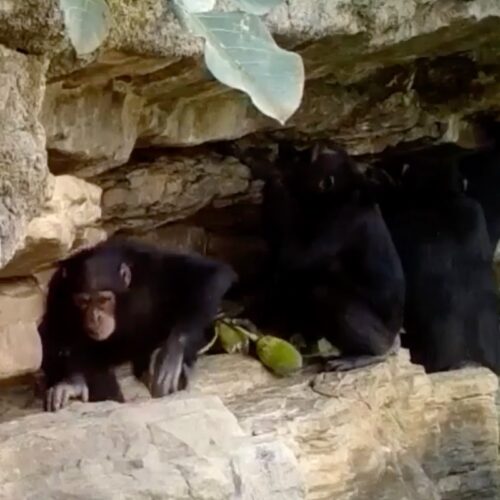
Chimpanzees teach their young how to use simple tools by showing how to use them and then giving the tools to the youngsters to copy. Researchers studied wild chimpanzees in Senegal and found that mothers often act as teachers by passing tools to their offspring to help them learn.
Key Facts
Adult chimpanzees teach young chimps to use tools by showing and handing over the tools.
This behavior is called “tool transfer” and helps young chimps get food that is hard to reach.
The study took place from 2017 to 2025 in a chimp community in Senegal.
Researchers recorded 33 clear tool transfers and 3 attempts that failed or were rejected.
Tool use in chimps was first noted by Jane Goodall in the 1960s, showing advanced behaviors like termite fishing.
Other animals, like dolphins, crows, and even cows, have also shown some tool use.
Chimpanzees have brain cells called mirror neurons that help them learn by watching others.
The study showed that teaching is not just human but also happens in chimp societies.
Read the Original
Want the full story? Tap a source to open the original
article.
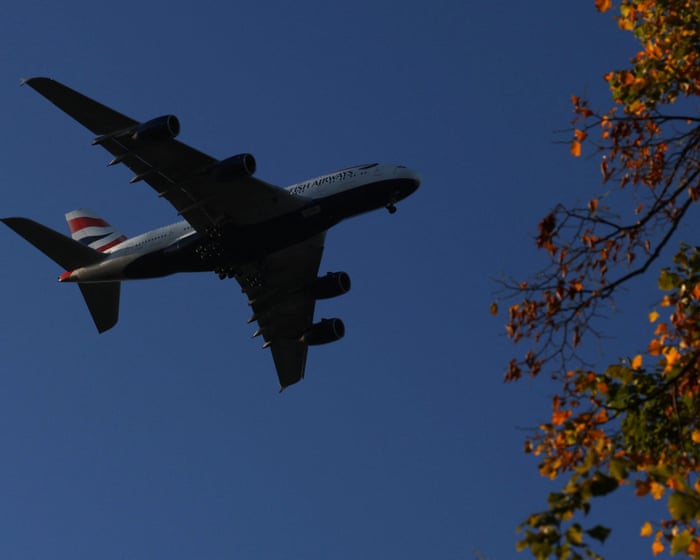
The UK government’s climate advisers say Heathrow airport should only expand if airlines pay to remove carbon dioxide from the air. They warn that building a third runway would break the UK’s climate goals unless the aviation industry becomes cleaner and invests in new fuels and carbon removal technologies.
Key Facts
The Climate Change Committee (CCC) advises that expanding Heathrow without carbon removal payment would breach the UK’s carbon limits.
Aviation must become more efficient, use sustainable aviation fuels (SAF), and pay for removing carbon from the atmosphere by 2050.
These costs would likely increase flight prices, adding about £150 to Alicante flights and £400 to New York flights by 2050.
Critics say relying on SAF and carbon removal is risky because these technologies are not proven or widely available yet.
Frequent flying is mostly done by wealthy people: 5% of the population take one-third of flights, and the richest group takes 38% of all flights abroad.
The CCC suggests airline emissions policies consider these flying inequalities but does not recommend a tax on frequent flyers.
Aviation emissions have grown and now produce more carbon than the UK’s electricity sector, making up 9% of the UK’s total emissions.
Heathrow says expansion should support both economic growth and net zero carbon goals.
Read the Original
Want the full story? Tap a source to open the original
article.
Thirteen students and researchers from Gaza who won scholarships to study in Belgium cannot leave because Belgium’s government has not agreed on an evacuation plan. These students cannot apply for visas in person because they are blocked from leaving Gaza, and they face uncertainty about their education and safety.
Key Facts
Thirteen students in Gaza have scholarships to study at Belgian universities but cannot leave Gaza.
Belgium’s five-party coalition government failed to agree on a plan to evacuate these students.
Students cannot apply for visas in person because they must go to Jerusalem, Cairo, or Jordan, but travel out of Gaza is blocked.
Many students’ homes were destroyed during the conflict, and they live in unsafe conditions.
Some students aim to study fields like public health and computer science to help rebuild Gaza and improve emergency services.
Other European countries like Italy and the UK have helped evacuate researchers and students from Gaza recently.
University leaders expressed disappointment and said these students were chosen through fair academic processes, not as migrants.
Belgium’s foreign minister withdrew an evacuation proposal after opposition from a coalition partner.
Read the Original
Want the full story? Tap a source to open the original
article.
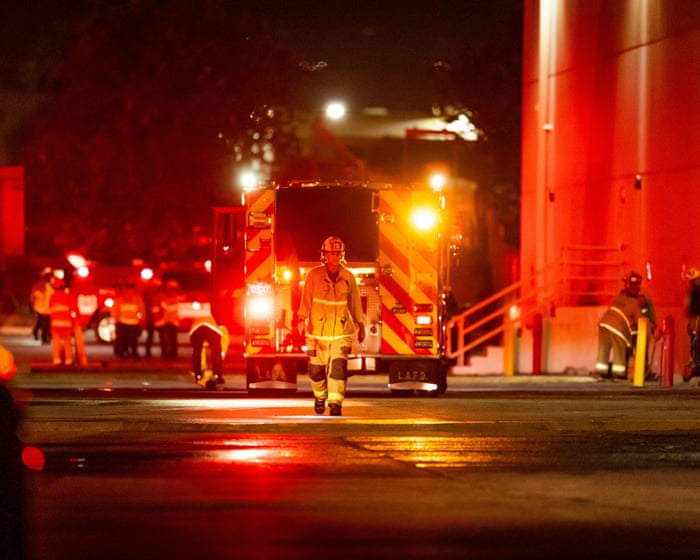
A helicopter crashed in a neighborhood of Los Angeles, killing three people and damaging nearby buildings. The crash happened near where a fatal bus accident had occurred earlier, and one person was taken to the hospital. Authorities are investigating the incident.
Key Facts
Three people died in a helicopter crash in the Chatsworth area of Los Angeles.
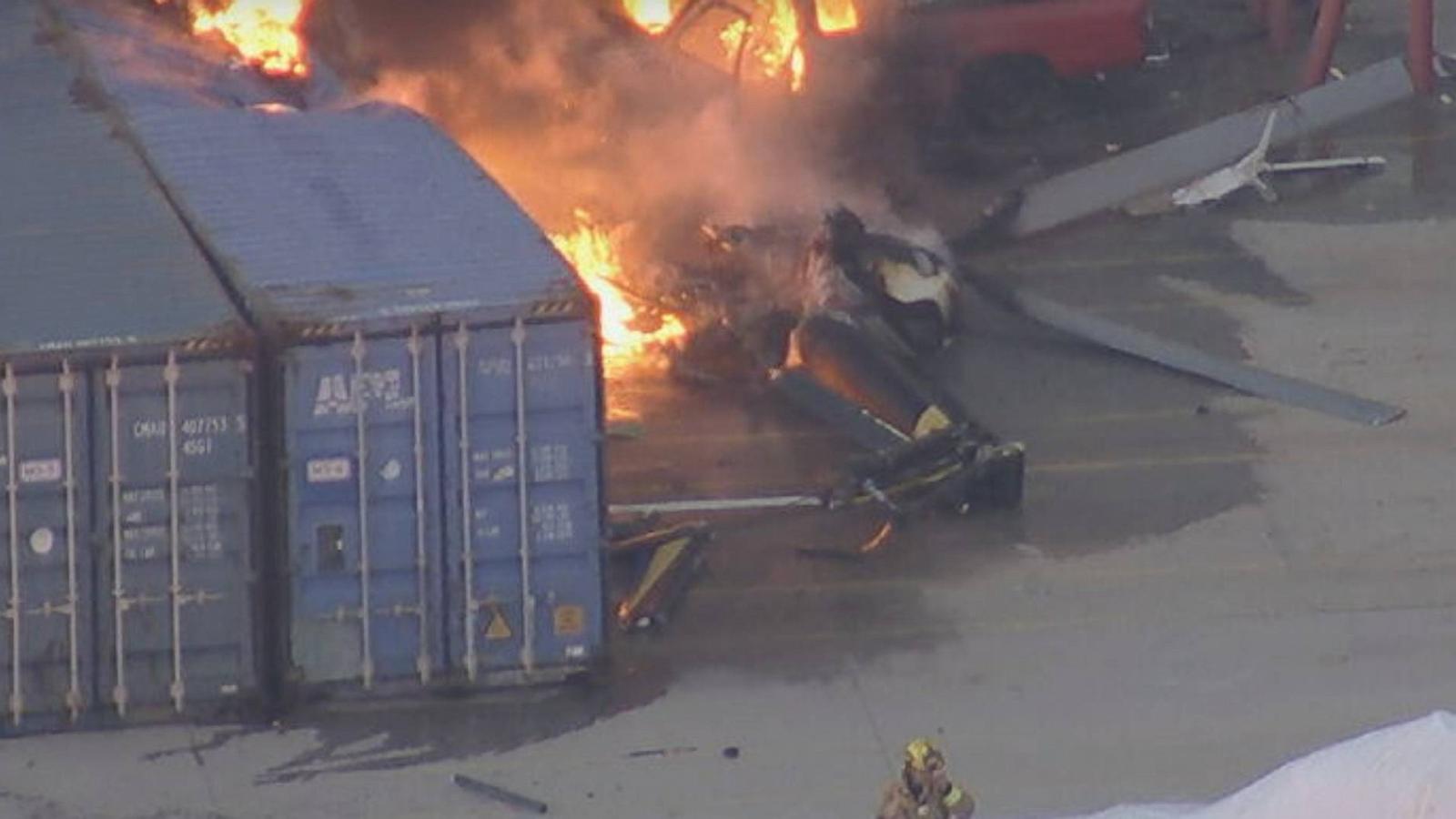
The helicopter crashed between two commercial buildings and caused a fire that was later put out.
One person was taken to the hospital, but their condition is unknown.
The crash happened near the site of a bus accident that killed two people and injured six others earlier the same day.
It is unclear how many people were in the helicopter or who owned it.
One person was found outside the helicopter after the crash and was confirmed dead at the scene.
The National Transportation Safety Board (NTSB) will investigate the crash.
Los Angeles Mayor Karen Bass expressed sympathy for the victims' families after the incidents.
Read the Original
Want the full story? Tap a source to open the original
article.
A helicopter crashed in Los Angeles, killing at least three people and injuring another who was taken to hospital. The crash happened near the site of an earlier deadly bus crash in the city.
Key Facts
At least three people died in the helicopter crash.
One injured person was taken to the hospital, but their condition is unknown.
It is not yet clear how many victims were inside the helicopter.
At least one person killed was outside the helicopter, in the parking lot.
The helicopter was heavily damaged and crashed into a parking lot with parked vehicles.
The fire caused by the crash damaged four vehicles and two storage containers but was extinguished by evening.
Over 50 firefighters responded to the helicopter crash scene.
The National Transportation Safety Board (NTSB) and Federal Aviation Administration (FAA) will investigate the crash.
Earlier the same day, a separate accident occurred where two people died and six were injured when an SUV crashed into a city bus in Los Angeles.
Read the Original
Want the full story? Tap a source to open the original
article.
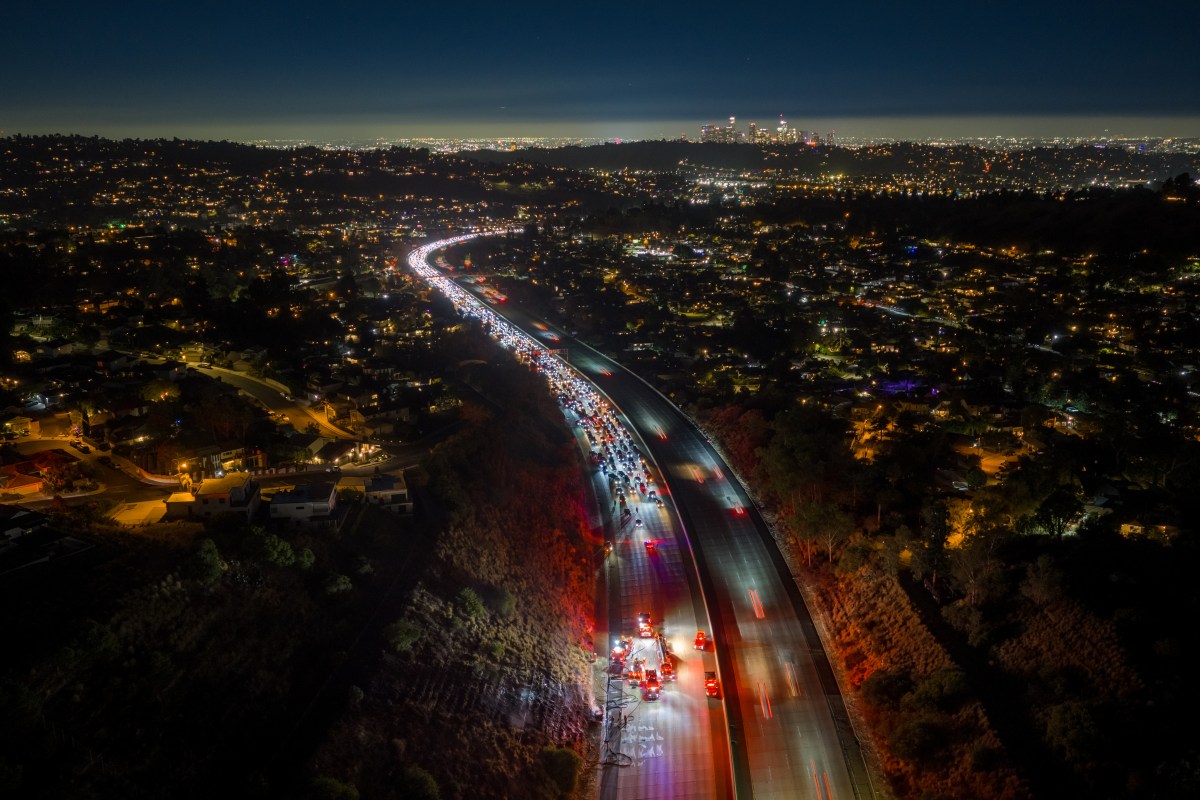
A helicopter crashed near the site of a deadly bus and vehicle crash in the Chatsworth area of Los Angeles on Tuesday evening. The helicopter crash caused a fire and resulted in at least one death; earlier, the bus accident had killed two people and injured six.
Key Facts
A helicopter crashed at 6:57 p.m. near 9151 N Mason Avenue in Chatsworth, LA.
The helicopter crash happened over a mile from a fatal bus and vehicle accident at 5:03 p.m. in the same neighborhood.
The earlier crash involved a Los Angeles Metro Transit Authority (MTA) bus and a passenger vehicle.
The bus accident led to two deaths and six people sent to hospitals.
At least one person died from the helicopter crash, and several vehicles caught fire.
Fire crews are actively working at both crash sites to help victims and control damages.
The type of helicopter involved in the crash has not been identified.
News agencies confirmed their crews were not involved in the helicopter crash.
Read the Original
Want the full story? Tap a source to open the original
article.
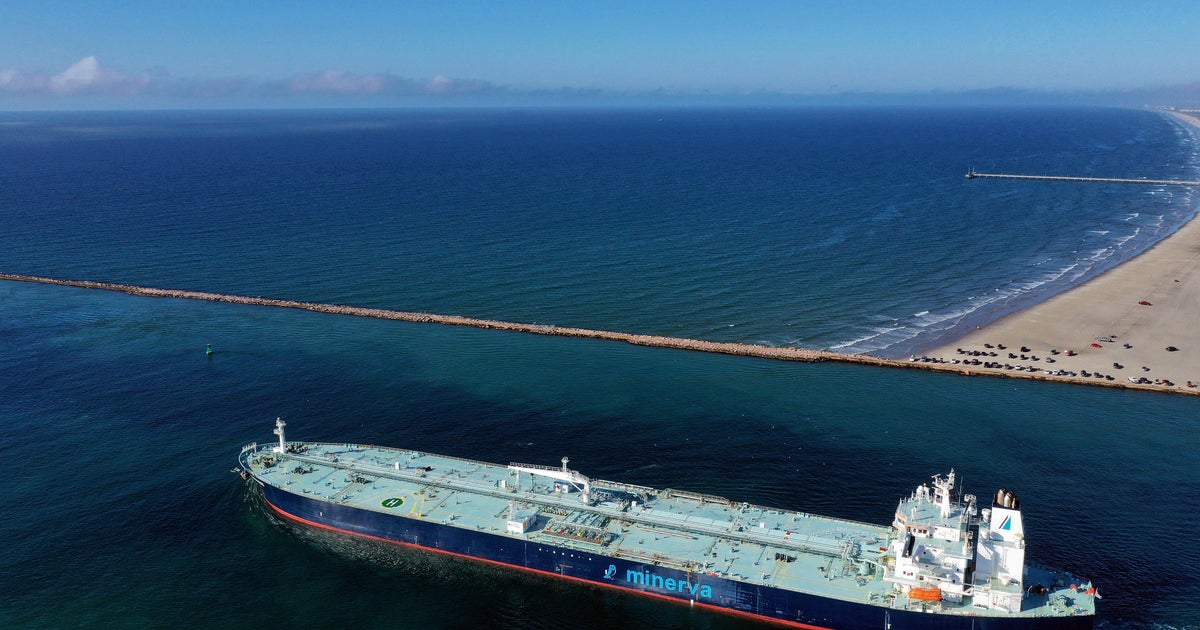
U.S. Coast Guard and FBI teams boarded a foreign oil tanker headed to Texas after detecting a possible cyberattack on the ship's computer systems while it crossed the Atlantic Ocean. The teams inspected the ship and worked with the crew to remove the threat, with no harm reported to the ship or crew. Iranian media reported details of the attack and claimed hackers took control of important ship systems, but U.S. officials have not confirmed these claims.
Key Facts
On August 21, Coast Guard law enforcement, cyber protection, and FBI cyber teams boarded a foreign oil tanker heading to Galveston, Texas.
The ship’s networks, including operational technology (OT) systems controlling engines and navigation, may have been hacked.
No damage, physical danger, or environmental harm was reported after the investigation.
Iranian state media said the ship was the VL Prosperity and described a cyberattack causing communication loss and control of engine and fuel systems.
The U.S. has not named any suspects or confirmed Iran’s claims about the scope of the breach.
Modern oil tankers rely on internet-connected technology to operate engines, navigation, and cargo systems.
A successful cyberattack could potentially control the ship's movements or machinery.
The incident highlights concerns about cyber threats to commercial shipping by foreign actors.
Read the Original
Want the full story? Tap a source to open the original
article.
A helicopter crashed between two commercial buildings in the Chatsworth neighborhood of Los Angeles, killing at least one person on the ground. The crash occurred near the site of an earlier crash involving a Metro bus and an SUV that left two people dead and several injured.
Key Facts
A helicopter crashed in Chatsworth, a suburb of Los Angeles.
At least one pedestrian on the ground died in the helicopter crash.
It is not yet known how many people were in the helicopter.
The crash happened near where a fatal bus and SUV accident had occurred earlier the same day.
The earlier bus collision caused two deaths and multiple injuries.
The Los Angeles Fire Department reported and is handling the situation.
Both incidents took place in close proximity in Los Angeles.
Read the Original
Want the full story? Tap a source to open the original
article.
Starting next year, people who climb Mount Fuji during the off-season and need helicopter rescue will have to pay a fee. Yamanashi prefecture is introducing this and other rules to reduce unsafe climbing during times with bad weather and fewer services.
Key Facts
The off-season for climbing Mount Fuji is from early September to July of the next year.
Yamanashi prefecture will charge a helicopter rescue fee if climbers need help during the off-season.
The rescue fee will be based on a system similar to Saitama prefecture, which charges 8,000 yen ($51) for every five minutes of rescue time.
Climbers in the off-season must submit detailed climbing plans before their trip.
Yamanashi's governor asked people to avoid climbing Mount Fuji in the winter because it is dangerous.
Shizuoka prefecture, which governs the southern part of Mount Fuji, will punish climbers who don’t register their off-season climbs and will try to stop people from entering restricted areas.
Official climbing season is from July to early September, and about 200,000 people reach the summit each year during this time.
Outside the official season, many mountain huts and toilets are closed, and weather conditions are harsher.
Read the Original
Want the full story? Tap a source to open the original
article.
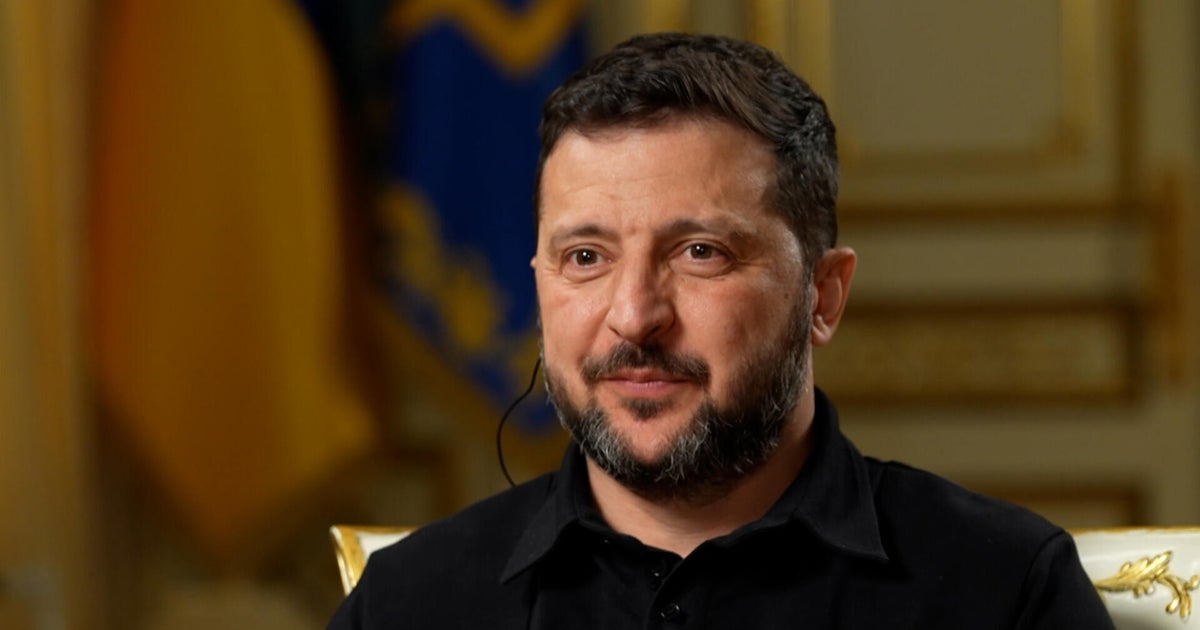
Ukrainian President Volodymyr Zelenskyy spoke in an extended interview with CBS News about the ongoing war in Ukraine, recent increases in Russian attacks, and support from the United States. He shared his views on the current state of the conflict and international help.
Key Facts
President Zelenskyy gave an extended interview to CBS News.
The interview covered the war situation in Ukraine.
Russia has recently increased its military actions.
Zelenskyy talked about U.S. support for Ukraine.
The discussion focused on how Ukraine is responding to the conflict.
CBS News made the interview available through their app and online.
Read the Original
Want the full story? Tap a source to open the original
article.
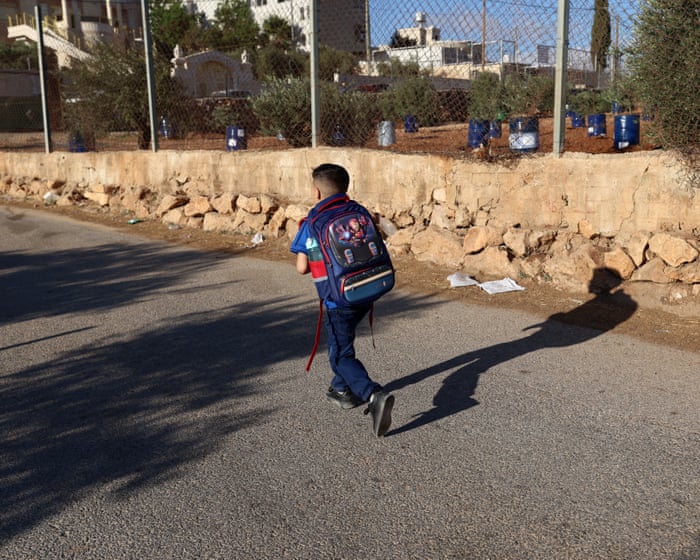
Waheed Abu Naim is an English teacher at a boys’ school in a West Bank village surrounded by settlers and military checkpoints. Violence in the area has increased, including the killing of a 14-year-old student near the school, and the situation remains dangerous for students and teachers.
Key Facts
Waheed Abu Naim teaches English at Al Mughayyir boys’ school in the West Bank.
The village is surrounded by settlers and has limited road access controlled by the military.
Teachers from nearby villages struggle to reach the school due to these roadblocks.
In April, a 14-year-old student was shot and killed near the school playground.
Waheed’s brother was also killed during the violence.
Other students have died in attacks by Israeli soldiers and settlers in recent years.
The level of violence near the school is expected to continue or worsen.
Read the Original
Want the full story? Tap a source to open the original
article.
Saudi Arabia destroyed a drone sent by the Houthi group near the holy city of Mecca before it entered restricted airspace. Saudi Arabia’s military coalition said protecting Islam’s holy sites and pilgrims is a "red line" and warned it will respond strongly to future attacks.
Key Facts
Saudi air defenses intercepted and destroyed a Houthi drone south of Mecca on Tuesday.
The drone was stopped before entering the no-fly zone over Mecca, Islam’s holiest city.
Protecting Mecca and other holy sites is considered a "red line" by the Saudi-led coalition.
This was the second known Houthi attempt to target Mecca; a missile was launched near the city in 2017.
The Houthi group denied targeting Mecca, calling the claim false.
The Organisation of Islamic Cooperation condemned the attack and blamed the Houthis.
Security alerts were issued in Mecca and other Saudi cities after a week of attacks by Iran-backed fighters.
The Houthis control parts of Yemen’s Red Sea coast, threatening key shipping routes and Saudi oil exports.
Read the Original
Want the full story? Tap a source to open the original
article.
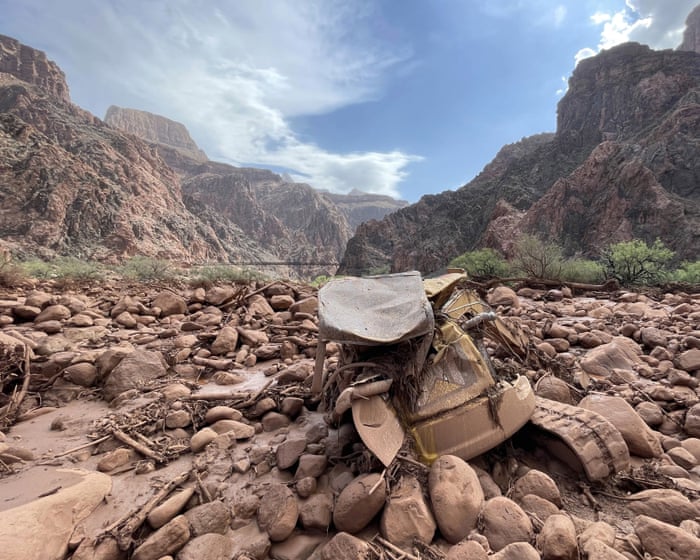
Human remains were found near Crystal Rapids in Arizona more than two weeks after flash floods hit the Grand Canyon. The National Park Service has not yet identified the remains, but they occurred after a flood that killed two people and left one missing.
Key Facts
Flash floods struck the Grand Canyon in late August, caused by heavy rain.
Two people died: a chiropractor from Texas and a martial artist.
One person, Timothy Smith, a 53-year-old pilot from Wyoming, is still missing.
The National Park Service recovered human remains near Crystal Rapids.
The remains were sent to the Coconino County medical examiner’s office.
The Park Service has not confirmed the identity of the remains.
Timothy Smith’s wife posted on Facebook asking for privacy and prayers.
Timothy Smith was known to enjoy outdoor activities and exploring new places.
Read the Original
Want the full story? Tap a source to open the original
article.
U.S. federal officials announced that Russian intelligence agencies have been planning targeted killings in the United States and European countries supporting Ukraine. They charged five people involved in a plot to surveil and kill individuals and disrupt infrastructure but said the FBI stopped the plans before any attacks happened.
Key Facts
Russian intelligence services aimed to carry out murders in the U.S. and Europe.
A network paid people to spy on targets for planned killings.
The network also tried to recruit people to attack civilian and military sites.
FBI officials said they disrupted the plot through intense investigation and cooperation.
The plan has been active since at least 2024.
Targets included Russian dissidents and countries allied with Ukraine.
In one case, a U.S. resident refused $40,000 to kill a Russian dissident.
The Russian network is described as part of the country’s external attack system.
Read the Original
Want the full story? Tap a source to open the original
article.
The Trump administration has introduced new visa restrictions targeting foreign nationals linked to South Africa’s land policies and alleged race-based discrimination. The policy focuses on individuals involved in uncompensated land seizures, discrimination, or violence against minority groups, but does not ban all South African citizens from entering the U.S.
Key Facts
The U.S. State Department announced visa restrictions on certain foreign nationals connected to South Africa.
These restrictions address uncompensated land seizures and race-based discrimination in South Africa.
The policy does not apply to all South African citizens, only to those involved in the mentioned activities.
Secretary of State Marco Rubio said South Africa has not fixed these concerns despite previous warnings.
President Trump has previously cut U.S. aid to South Africa and prioritized Afrikaner refugees for resettlement in the United States.
By mid-2026, over 7,700 Afrikaners were admitted to the U.S. under this refugee program.
Trump has claimed that white South Africans face persecution, claims rejected by South African officials.
The announcement follows a tense meeting in 2025 between President Trump and South African President Cyril Ramaphosa, where they disagreed over the situation of white South Africans.
Read the Original
Want the full story? Tap a source to open the original
article.
Canadian Prime Minister Mark Carney said President Donald Trump gave him a box of gold keys to the White House with a warning that if he showed one, "maybe they'll shoot you." Carney made this comment while discussing the tense trade relationship and ongoing tariff disputes between Canada and the United States.
Key Facts
President Trump gave Prime Minister Carney a box of gold keys to the White House during a tense meeting on May 6, 2025.
Trump joked that having a key might let Carney into the White House but added a warning that "maybe they'll shoot you."
The meeting focused on tariffs, trade disputes, and future U.S.-Canada relations.
The U.S. and Canada have been involved in escalating trade conflicts, including U.S. tariffs on $20 billion of Canadian goods.
Canada has retaliated with tariffs and is preparing to be a stronger, more independent economy.
About 80% of trade between the U.S. and Canada remains tariff-free despite the conflict.
Prime Minister Carney emphasized patience and a long-term approach to trade negotiations.
Canada is also working to build stronger economic ties with Europe amid the U.S. dispute.
Read the Original
Want the full story? Tap a source to open the original
article.
Major Garrett, a CBS News reporter, disagreed with Merriam-Webster’s new definition of "Yacht Rock," which included the band Steely Dan as an example. Garrett said that calling Steely Dan "Yacht Rock" does not match their unique music style and lyrics.
Key Facts
Merriam-Webster recently updated its definition of "Yacht Rock."
The update listed Steely Dan as an example of the "Yacht Rock" music genre.
Major Garrett publicly disagreed with this definition.
Garrett said including Steely Dan was unfair to the band’s originality.
"Yacht Rock" is a style of smooth, soft rock music from the late 1970s and early 1980s.
The disagreement highlights differences in how people categorize music styles.
Read the Original
Want the full story? Tap a source to open the original
article.
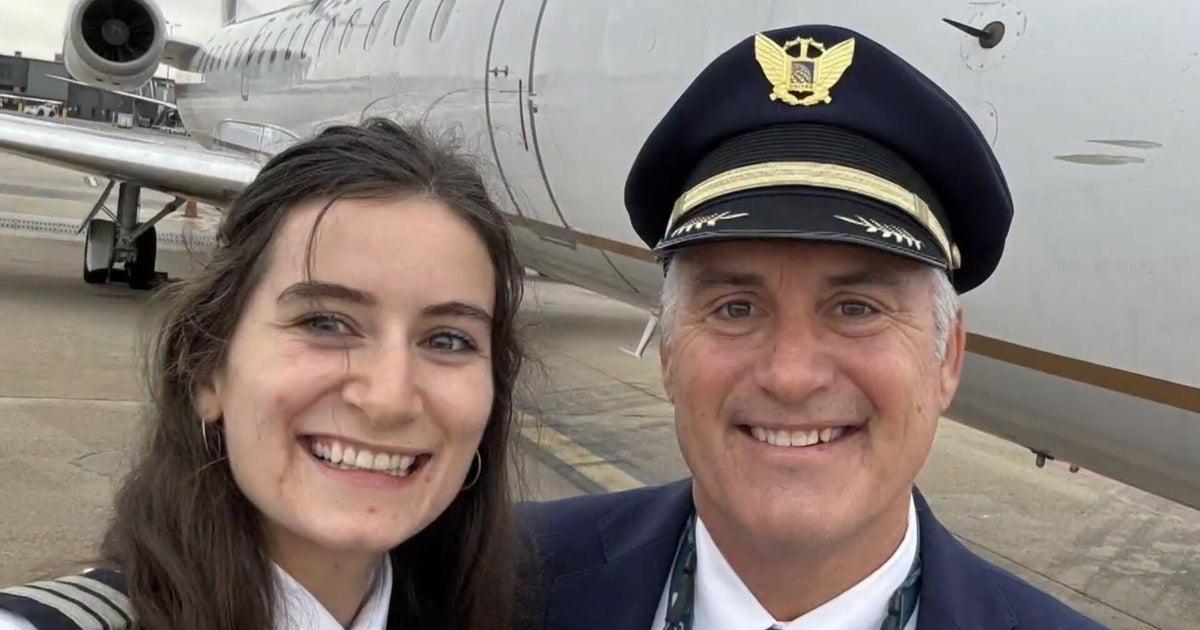
A United Airlines pilot named Kent Katnik and his daughter, Kenny Katnick, who is also a pilot, happened to communicate with the same air traffic control tower at the same time before their flights. Kent was preparing to fly to Munich, Germany, while Kenny was about to take off for Syracuse.
Key Facts
Kent Katnik is a pilot for United Airlines.
Kent was preparing for a flight to Munich, Germany.
Kenny Katnick, Kent's daughter, is also a pilot.
Kenny was about to take off on a flight to Syracuse.
Both pilots checked in with the same air traffic control tower.
This event happened just before their flights.
The incident was reported by CBS News.
Read the Original
Want the full story? Tap a source to open the original
article.