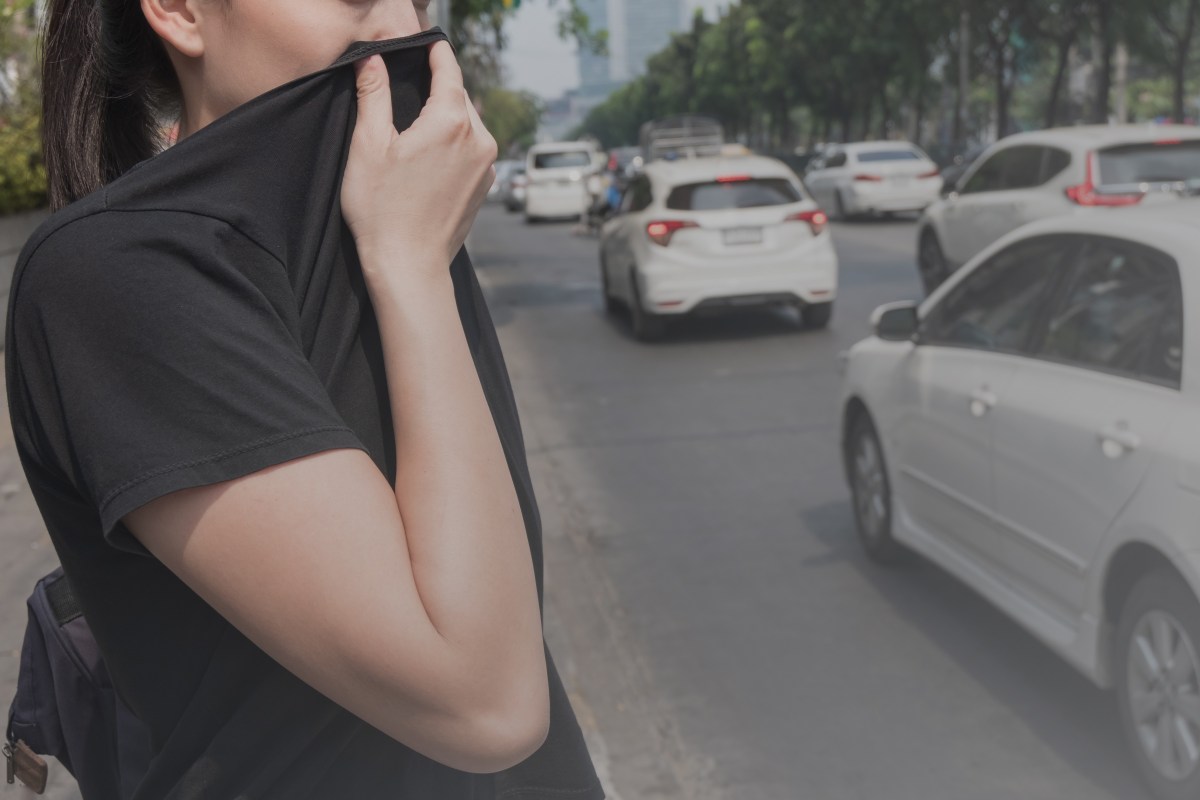
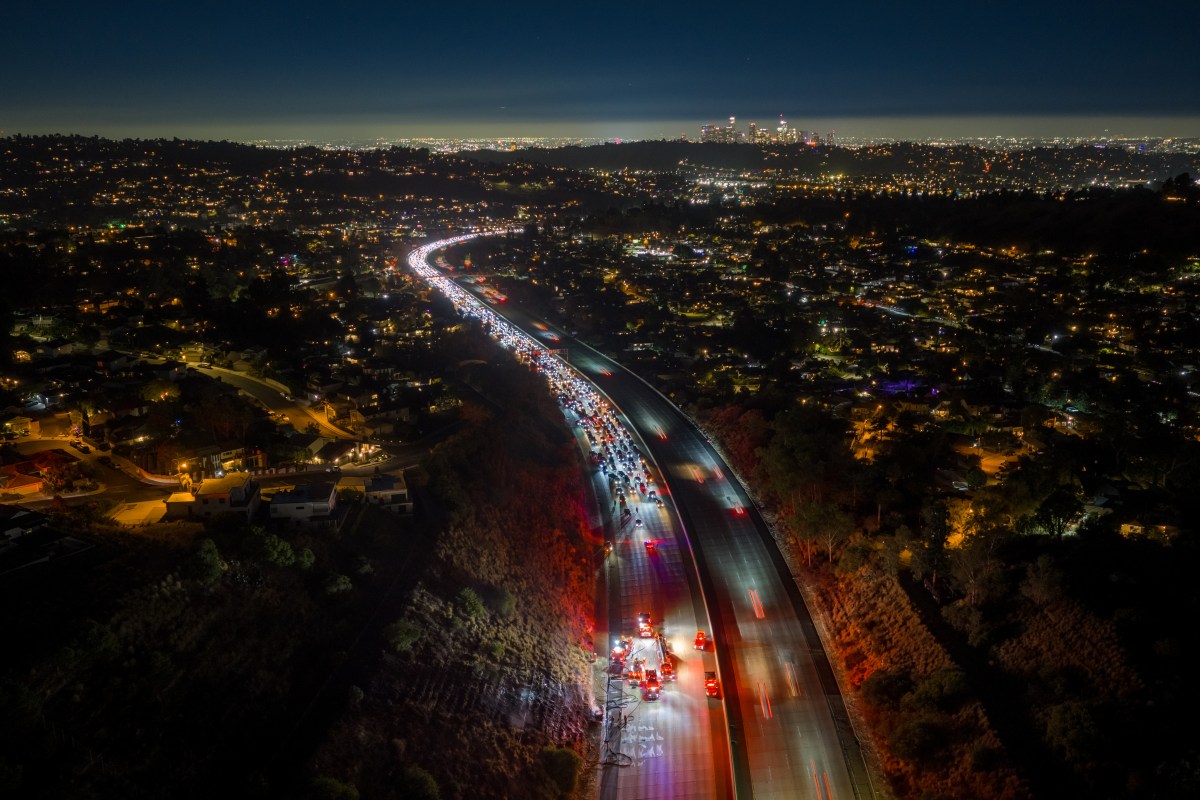
A new study shows that air pollution, especially tiny particles called PM₂.₅, is linked to a higher risk of serious eye diseases like glaucoma and cataracts. Researchers analyzed data from millions of people and found that living in polluted areas raises the chances of developing these eye conditions.
Key Facts
The study looked at 41 previous research studies involving millions of people worldwide.
Fine particulate matter (PM₂.₅) is tiny pollution particles found in smoke, vehicle exhaust, and industrial emissions.
People living in areas with the most PM₂.₅ pollution had up to 70% higher odds of having glaucoma.
For every significant increase in PM₂.₅ pollution, the risk of glaucoma rose by about 8%.
The risk of cataracts also increased by roughly 4% with rising air pollution levels.
The link between pollution and age-related macular degeneration (AMD) was less clear and less consistent.
Other pollutants like nitrogen dioxide and ozone showed mixed or weaker links to eye disease.
The study does not prove that pollution causes eye diseases but shows strong associations that need more research.
Read the Original
Want the full story? Tap a source to open the original
article.
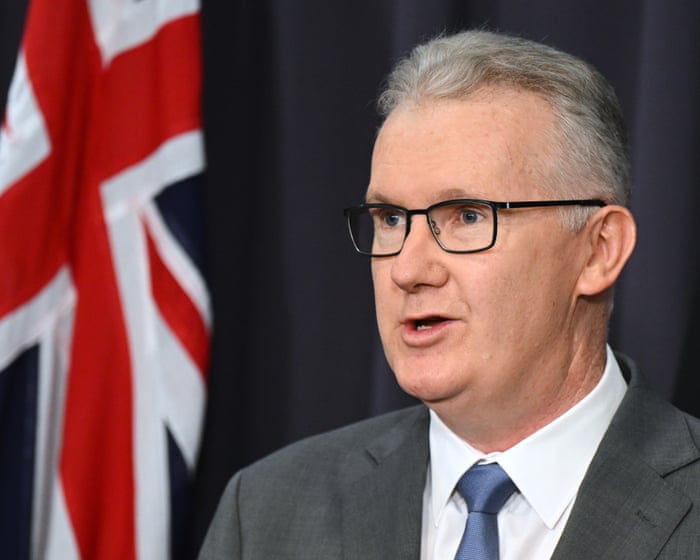
Australia’s federal government will limit foreign students from bringing family members into the country as part of new immigration rules. The changes aim to reduce net overseas migration while trying to protect the economy, with announcements expected soon from Home Affairs Minister Tony Burke.
Key Facts
Foreign students will face stricter rules about bringing family members with them to Australia.
The government wants to reduce net overseas migration from about 305,000 to 225,000 over two years.
Over 337,000 international student visas were issued last year, with about 45,000 for family members of students.
The changes include stopping visa overstays and limiting long appeals for visa applicants.
Temporary visa holders remain high, with over 568,000 overseas arrivals expected in 2024-25.
About 110,898 people without protection visas are still in Australia waiting for deportation.
The government plans to use legislation and rules to better control who enters and leaves Australia.
The changes respond to rising political concerns about immigration, including support for the One Nation party’s calls for cuts.
Read the Original
Want the full story? Tap a source to open the original
article.
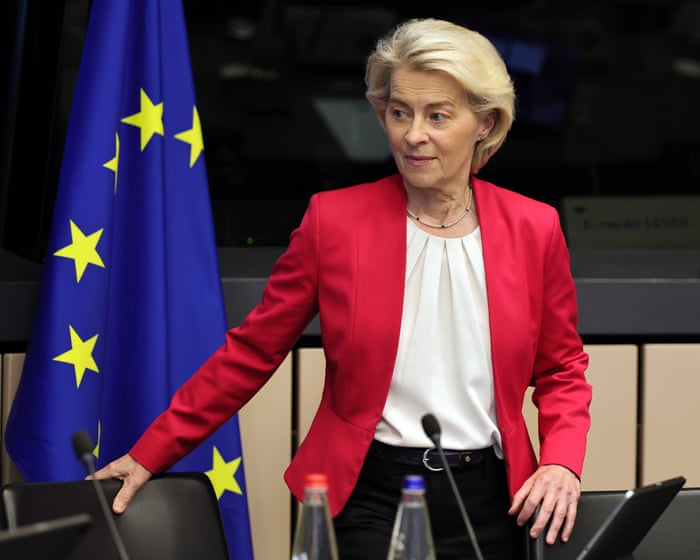
European Commission President Ursula von der Leyen gave a speech outlining the challenges and opportunities facing the European Union. She highlighted issues like the trade imbalance with China, the need to lower high energy prices through cleaner energy, and the importance of building a more united and independent Europe in a difficult global environment.
Key Facts
The EU has a daily trade deficit of about €1 billion with China, which von der Leyen called unsustainable.
She warned the EU is facing a second economic shock from China, causing factory closures and loss of industry in Europe.
The EU plans to use all available tools to rebalance trade relations and diversify critical raw materials sources.
Energy prices in Europe are too high, hurting industry, so the EU aims to expand affordable, clean energy like renewables and nuclear power.
Faster connections to renewable energy sources and improved energy market reforms are needed to lower costs.
The EU’s single market is fragmented and requires reforms for quicker permits, financing, and more investments.
Von der Leyen warned of threats from anti-European ultranationalists, Russian interference, and disinformation undermining unity.
She emphasized the need for a strong, united, and independent Europe that controls its own future and stands by its values.
Read the Original
Want the full story? Tap a source to open the original
article.
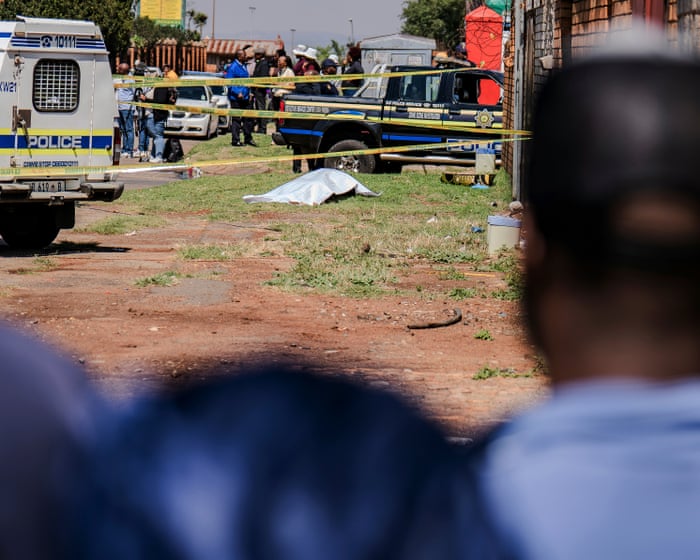
Seven women’s bodies have been found near Johannesburg’s airport in South Africa, raising concern about ongoing violence against women known as femicide. South Africa has a high number of female murder victims, and authorities are investigating these cases while urging women to be cautious.
Key Facts
Seven women’s bodies were found around Johannesburg’s international airport, five in the past week.
The bodies showed signs of violence, with some half-naked and bruised.
Elizabeth Moselakgomo disappeared on 9 September while running; her body was found later.
South Africa has a high femicide rate; over 5,500 women were killed in the year ending March 2024.
President Cyril Ramaphosa called femicide a national crisis but has faced criticism for lack of effective action.
Police are investigating whether a serial killer is involved but have not confirmed this.
Authorities advised women not to walk or run alone, especially in isolated areas, but many women say they already take precautions.
Campaigners call for men to take responsibility for stopping violence against women.
Read the Original
Want the full story? Tap a source to open the original
article.
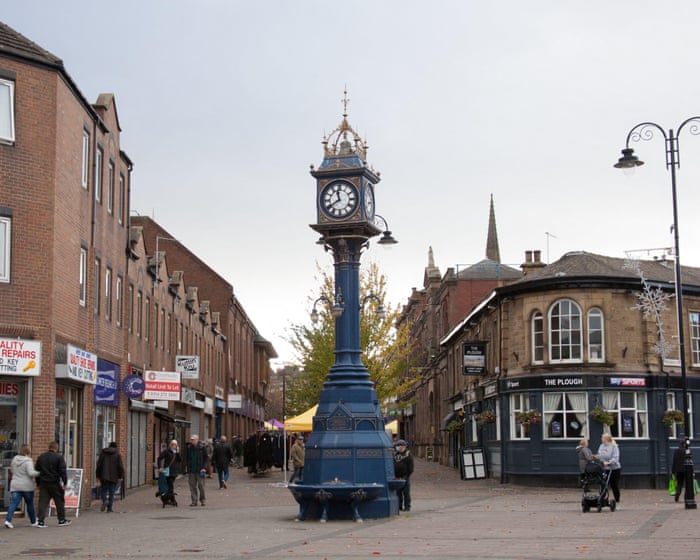
Residents of Piddington, a village in Oxfordshire, held a symbolic vote to leave the United Kingdom. This was in protest against government plans to house over 1,200 male asylum seekers at a nearby former military base.
Key Facts
Piddington is a village near Bicester in Oxfordshire, England.
The UK Home Office plans to house up to 1,256 male asylum seekers at the MoD Bicester site.
The village held a symbolic referendum on 16 September 2026 to vote on becoming independent from the UK.
About 350 residents were eligible to vote in the referendum.
Out of 312 votes, 285 voted in favor of leaving the UK, 26 voted against, and 1 ballot was spoiled.
The vote was organized by the local parish council as a form of protest.
The referendum has no legal effect and serves as a statement of the community’s position.
The village used a small ballot box outside the village hall, a local community center, for voting.
Read the Original
Want the full story? Tap a source to open the original
article.
The United States has imposed visa restrictions on South African officials it accuses of discriminating against the white minority, known as Afrikaners. This action follows ongoing disagreements over South Africa’s land reform policies and allegations of racial inequality that South Africa denies.
Key Facts
The US placed visa limits on South African officials linked to policies seen as discriminating against Afrikaners.
Secretary of State Marco Rubio said these restrictions target those promoting racial discrimination, violence, or land seizures without payment.
South Africa denies claims that it persecutes white people or seizes land unfairly.
The US says South Africa has not addressed its concerns about racial inequality and discrimination.
Relations between the US and South Africa worsened after President Donald Trump took office in 2024.
President Trump offered asylum to some white South Africans claiming they face persecution.
South Africa’s land reform law allows some land to be taken without compensation but includes legal protections and efforts to reach agreements first.
The US embassy warned these visa restrictions are just the start of stronger actions if issues continue.
Read the Original
Want the full story? Tap a source to open the original
article.
Violence involving groups linked to al-Qaida and Islamic State in Africa’s Sahel region is at record levels, with attacks rising sharply in Mali, Burkina Faso, and Niger. These incidents have increased from 63 in 2016 to over 2,100 so far in 2025, with the year likely to see more than 3,000 violent events.
Key Facts
Islamist extremist violence in the Sahel (Mali, Burkina Faso, Niger) is increasing rapidly.
Armed Conflict Location and Event Data (Acled) recorded violent events rising from 63 in 2016 to over 2,100 in 2025.
Estimated total violent events could exceed 3,000 by the end of 2025.
More than 9,000 deaths in Burkina Faso, Mali, and Niger were recorded from security incidents in 2025.
A joint offensive by al-Qaida-linked JNIM and the Azawad Liberation Front seized key areas in Mali and killed top military leaders.
Violence includes attacks by government forces and Russian mercenaries, as well as clashes between jihadist groups.
JNIM has increased attacks in Burkina Faso, especially near the capital, and expanded operations in neighboring countries.
Experts note these groups focus on local conflicts and have not planned attacks in Europe or the US.
Read the Original
Want the full story? Tap a source to open the original
article.
New Zealand’s government apologized after an inquiry found authorities failed to protect three children who lived in the wilderness with their fugitive father for almost four years. The father died in a police shootout, and the inquiry revealed that police and other agencies missed chances to find and help the children.
Key Facts
Tom Phillips took his three children into the bush in December 2021 and stayed hidden for nearly four years.
Authorities did not start a search right away, wrongly believing the children were safe.
The inquiry found that agencies ignored many concerns raised by the children’s mother, including safety issues.
Phillips died in a police shootout in September 2025 in New Zealand’s North Island.
The children lived in poor conditions with their father during this time.
Phillips was seen on rare occasions outside the bush, including going shopping and visiting family.
Different government agencies did not work well together to protect the children.
The Prime Minister and other officials apologized to the children and their mother for these failings.
Read the Original
Want the full story? Tap a source to open the original
article.
Residents and business owners in Onchan, Isle of Man, say traffic, tourism, housing, and the cost of living are main concerns before the 2026 House of Keys election. They call for more focus on tourism, safer roads with lower speed limits near schools, and help with rising prices and housing access.
Key Facts
Onchan is the second most populated area on the Isle of Man, after Douglas.
Tourism is seen as important for the island’s economy but is currently not a priority for election candidates.
Traffic safety, especially speeding near schools, is a concern; 20mph speed zones have started being introduced on the island.
Some residents oppose more speed zones due to fears of traffic jams.
Housing is difficult to access, making it hard for younger people to buy homes.
Local business owners face rising costs for supplies and struggle with paying staff due to the high cost of living.
The House of Keys election is scheduled for 24 September, with polls open from 8 AM to 8 PM BST.
The Isle of Man government, called Tynwald, approved the 20mph speed zones in 2020 to improve urban safety.
Read the Original
Want the full story? Tap a source to open the original
article.
The Church of England is examining its historical role in the transatlantic slave trade after new evidence revealed that 45 Church of England clergymen financially supported the Royal African Company, a major slaving group. The archbishop of Canterbury visited a site in Ghana linked to enslaved abolitionist Ottobah Cugoano and reaffirmed the church’s commitment to addressing this history.
Key Facts
The Royal African Company (RAC) was responsible for transporting more enslaved Africans than any other organization in the slave trade.
The newly digitized Register of British Slave Traders shows 45 Church of England clergymen invested in the RAC.
Some clergy, like Henry Brydges, bought shares while holding important church positions.
Profits from slavery supported communities across Britain and financed churches and public institutions.
The Church launched Project Spire, a £100 million fund aimed at helping communities affected by slavery’s legacies.
Project Spire mainly addresses historical investments in the South Sea Company, linked to enslaving about 45,000 Africans.
Church leaders and historians say the church’s involvement in slavery raises questions about its efforts to make amends.
The Church faces internal debates about reparations and how best to address this part of its history.
Read the Original
Want the full story? Tap a source to open the original
article.
A report from the Institute for Public Policy Research shows that young people in Rotherham, UK, face the fewest local job opportunities compared to other parts of Britain. The report highlights big differences in youth employment across the country, with areas in southern England offering more jobs than many northern and industrial cities.
Key Facts
Rotherham has only 46 job vacancies online for every 1,000 young people, while the Cotswolds have 288 vacancies per 1,000 young people.
Nine of the top 10 places for youth job opportunities are in southern England.
Some places with fewer job opportunities include East Renfrewshire (Scotland), Newcastle-under-Lyme, and Broxtowe.
Cities like Sheffield, Coventry, and Cardiff rank low for youth jobs.
More than 1 million UK young people aged 16-24 are currently not in work, education, or training, known as NEET.
The IPPR report suggests reforms to apprenticeships, creating a new program to fund youth jobs, and replacing some welfare benefits with a “youth allowance.”
Alan Milburn is leading a government review on youth unemployment, with recommendations expected soon.
Former education secretary David Blunkett emphasized the importance of national and local efforts to give young people equal chances regardless of where they live.
Read the Original
Want the full story? Tap a source to open the original
article.
In 2025, 124 people who protect nature and land were killed, about one every three days, mostly in Latin America. Many communities have started self-defence groups to protect themselves from organized crime and illegal activities like logging and mining.
Key Facts
124 nature and land defenders were killed worldwide in 2025.
Over one-third of these killings involved organized crime or hired killers.
Latin America accounted for 85% of the deaths, with Colombia (39), Brazil (26), and Honduras (12) having the highest numbers.
In Asia, the Philippines was the most dangerous country for defenders, with 12 killed, often by state security actions.
Since 2012, Global Witness has recorded 2,375 deaths and disappearances of defenders, similar to a small war.
Most victims were Indigenous people and small farmers protecting their land.
Cuts to U.S. aid programs under President Trump reduced support for Indigenous land guardians.
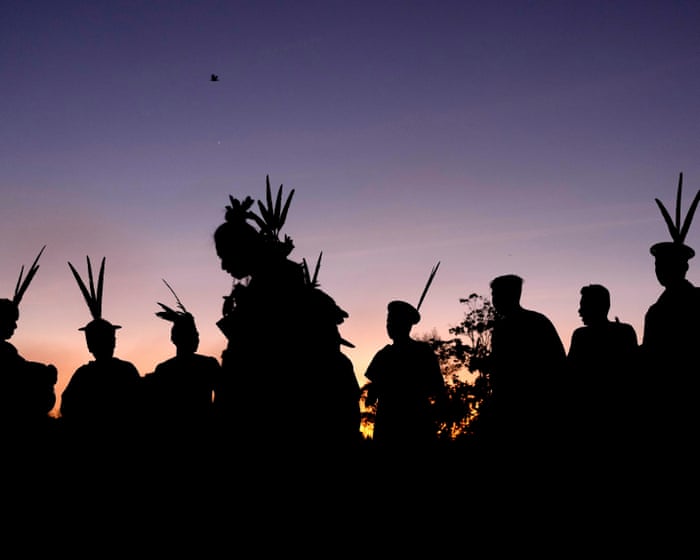
Many communities, like the Kakataibo in Peru, created self-defence groups to protect their territory despite risks, including murders of group members.
Read the Original
Want the full story? Tap a source to open the original
article.
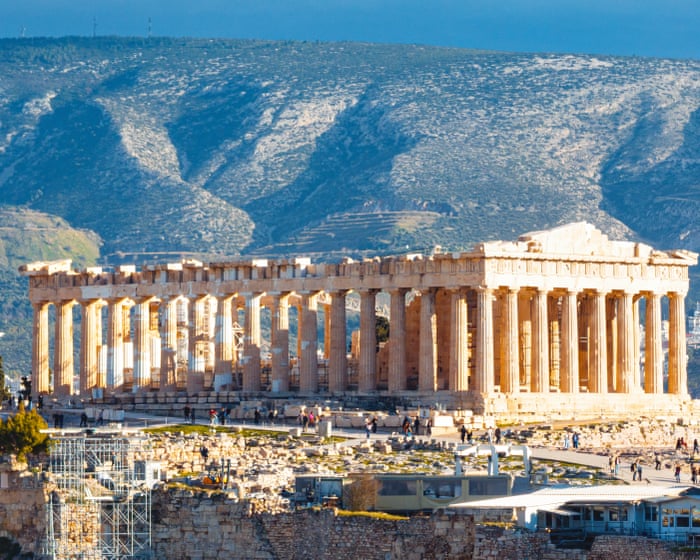
A mathematician at the University of Oxford studied the Parthenon’s design and found that the common belief about its optical illusions is likely false. The curved base and columns do not seem to correct visual distortions as previously thought.
Key Facts
The Parthenon is a Greek temple over 2,000 years old, famous for its architecture.
It was long believed that the building’s curves fix optical illusions, so its lines look straight.
Professor Alain Goriely used math models to test these ideas and found little proof they work.
The idea came from a 1st-century Roman architect, Vitruvius, who wrote about the Parthenon 400 years after it was built.
The base curves slightly, rising 6 cm in the middle, said to stop it from looking like it sags.
Tests showed no clear illusion of sagging lines or column shapes affecting how we see the temple.
The columns have a small bulge (entasis), but it is very subtle and likely not correcting any illusion.
The actual reasons for the Parthenon’s design may be practical or aesthetic, like rain runoff or a pleasing look.
Read the Original
Want the full story? Tap a source to open the original
article.
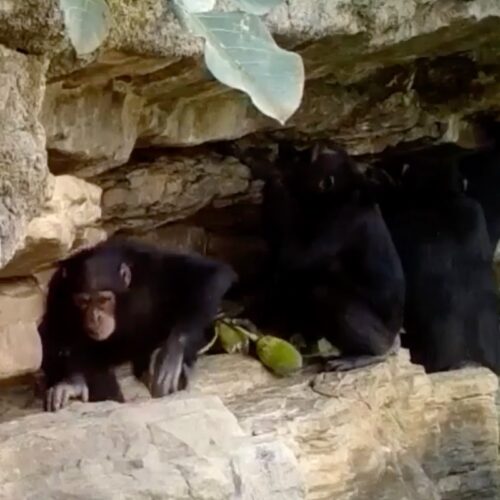
Chimpanzees teach their young how to use simple tools by showing how to use them and then giving the tools to the youngsters to copy. Researchers studied wild chimpanzees in Senegal and found that mothers often act as teachers by passing tools to their offspring to help them learn.
Key Facts
Adult chimpanzees teach young chimps to use tools by showing and handing over the tools.
This behavior is called “tool transfer” and helps young chimps get food that is hard to reach.
The study took place from 2017 to 2025 in a chimp community in Senegal.
Researchers recorded 33 clear tool transfers and 3 attempts that failed or were rejected.
Tool use in chimps was first noted by Jane Goodall in the 1960s, showing advanced behaviors like termite fishing.
Other animals, like dolphins, crows, and even cows, have also shown some tool use.
Chimpanzees have brain cells called mirror neurons that help them learn by watching others.
The study showed that teaching is not just human but also happens in chimp societies.
Read the Original
Want the full story? Tap a source to open the original
article.
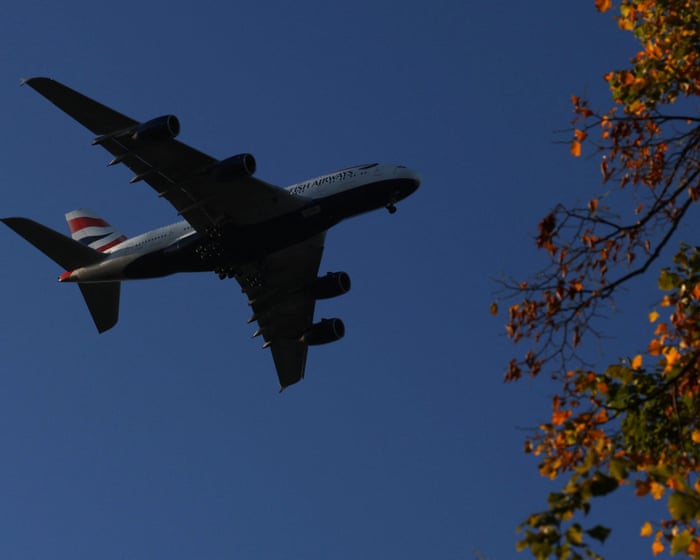
The UK government’s climate advisers say Heathrow airport should only expand if airlines pay to remove carbon dioxide from the air. They warn that building a third runway would break the UK’s climate goals unless the aviation industry becomes cleaner and invests in new fuels and carbon removal technologies.
Key Facts
The Climate Change Committee (CCC) advises that expanding Heathrow without carbon removal payment would breach the UK’s carbon limits.
Aviation must become more efficient, use sustainable aviation fuels (SAF), and pay for removing carbon from the atmosphere by 2050.
These costs would likely increase flight prices, adding about £150 to Alicante flights and £400 to New York flights by 2050.
Critics say relying on SAF and carbon removal is risky because these technologies are not proven or widely available yet.
Frequent flying is mostly done by wealthy people: 5% of the population take one-third of flights, and the richest group takes 38% of all flights abroad.
The CCC suggests airline emissions policies consider these flying inequalities but does not recommend a tax on frequent flyers.
Aviation emissions have grown and now produce more carbon than the UK’s electricity sector, making up 9% of the UK’s total emissions.
Heathrow says expansion should support both economic growth and net zero carbon goals.
Read the Original
Want the full story? Tap a source to open the original
article.
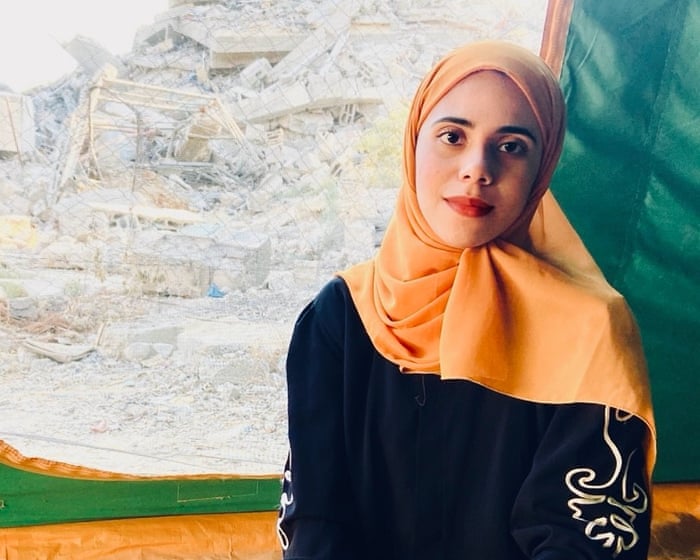
Thirteen students and researchers from Gaza who won scholarships to study in Belgium cannot leave because Belgium’s government has not agreed on an evacuation plan. These students cannot apply for visas in person because they are blocked from leaving Gaza, and they face uncertainty about their education and safety.
Key Facts
Thirteen students in Gaza have scholarships to study at Belgian universities but cannot leave Gaza.
Belgium’s five-party coalition government failed to agree on a plan to evacuate these students.
Students cannot apply for visas in person because they must go to Jerusalem, Cairo, or Jordan, but travel out of Gaza is blocked.
Many students’ homes were destroyed during the conflict, and they live in unsafe conditions.
Some students aim to study fields like public health and computer science to help rebuild Gaza and improve emergency services.
Other European countries like Italy and the UK have helped evacuate researchers and students from Gaza recently.
University leaders expressed disappointment and said these students were chosen through fair academic processes, not as migrants.
Belgium’s foreign minister withdrew an evacuation proposal after opposition from a coalition partner.
Read the Original
Want the full story? Tap a source to open the original
article.
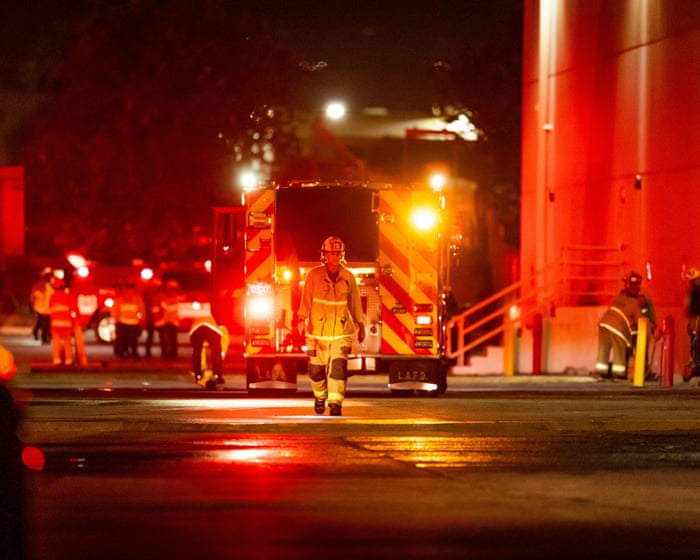
A helicopter crashed in a neighborhood of Los Angeles, killing three people and damaging nearby buildings. The crash happened near where a fatal bus accident had occurred earlier, and one person was taken to the hospital. Authorities are investigating the incident.
Key Facts
Three people died in a helicopter crash in the Chatsworth area of Los Angeles.
The helicopter crashed between two commercial buildings and caused a fire that was later put out.
One person was taken to the hospital, but their condition is unknown.
The crash happened near the site of a bus accident that killed two people and injured six others earlier the same day.
It is unclear how many people were in the helicopter or who owned it.
One person was found outside the helicopter after the crash and was confirmed dead at the scene.
The National Transportation Safety Board (NTSB) will investigate the crash.
Los Angeles Mayor Karen Bass expressed sympathy for the victims' families after the incidents.
Read the Original
Want the full story? Tap a source to open the original
article.
A helicopter crashed in Los Angeles, killing at least three people and injuring another who was taken to hospital. The crash happened near the site of an earlier deadly bus crash in the city.
Key Facts
At least three people died in the helicopter crash.
One injured person was taken to the hospital, but their condition is unknown.
It is not yet clear how many victims were inside the helicopter.
At least one person killed was outside the helicopter, in the parking lot.
The helicopter was heavily damaged and crashed into a parking lot with parked vehicles.
The fire caused by the crash damaged four vehicles and two storage containers but was extinguished by evening.
Over 50 firefighters responded to the helicopter crash scene.
The National Transportation Safety Board (NTSB) and Federal Aviation Administration (FAA) will investigate the crash.
Earlier the same day, a separate accident occurred where two people died and six were injured when an SUV crashed into a city bus in Los Angeles.
Read the Original
Want the full story? Tap a source to open the original
article.
A helicopter crashed near the site of a deadly bus and vehicle crash in the Chatsworth area of Los Angeles on Tuesday evening. The helicopter crash caused a fire and resulted in at least one death; earlier, the bus accident had killed two people and injured six.
Key Facts
A helicopter crashed at 6:57 p.m. near 9151 N Mason Avenue in Chatsworth, LA.
The helicopter crash happened over a mile from a fatal bus and vehicle accident at 5:03 p.m. in the same neighborhood.
The earlier crash involved a Los Angeles Metro Transit Authority (MTA) bus and a passenger vehicle.
The bus accident led to two deaths and six people sent to hospitals.
At least one person died from the helicopter crash, and several vehicles caught fire.
Fire crews are actively working at both crash sites to help victims and control damages.
The type of helicopter involved in the crash has not been identified.
News agencies confirmed their crews were not involved in the helicopter crash.
Read the Original
Want the full story? Tap a source to open the original
article.
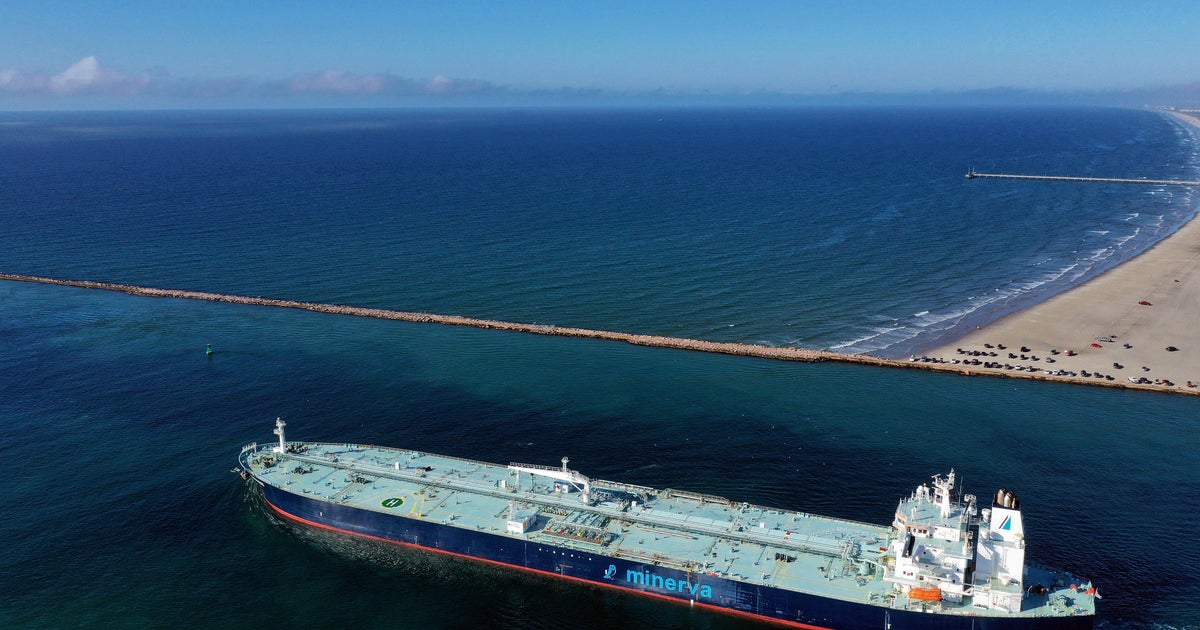
U.S. Coast Guard and FBI teams boarded a foreign oil tanker headed to Texas after detecting a possible cyberattack on the ship's computer systems while it crossed the Atlantic Ocean. The teams inspected the ship and worked with the crew to remove the threat, with no harm reported to the ship or crew. Iranian media reported details of the attack and claimed hackers took control of important ship systems, but U.S. officials have not confirmed these claims.
Key Facts
On August 21, Coast Guard law enforcement, cyber protection, and FBI cyber teams boarded a foreign oil tanker heading to Galveston, Texas.
The ship’s networks, including operational technology (OT) systems controlling engines and navigation, may have been hacked.
No damage, physical danger, or environmental harm was reported after the investigation.
Iranian state media said the ship was the VL Prosperity and described a cyberattack causing communication loss and control of engine and fuel systems.
The U.S. has not named any suspects or confirmed Iran’s claims about the scope of the breach.
Modern oil tankers rely on internet-connected technology to operate engines, navigation, and cargo systems.
A successful cyberattack could potentially control the ship's movements or machinery.
The incident highlights concerns about cyber threats to commercial shipping by foreign actors.
Read the Original
Want the full story? Tap a source to open the original
article.