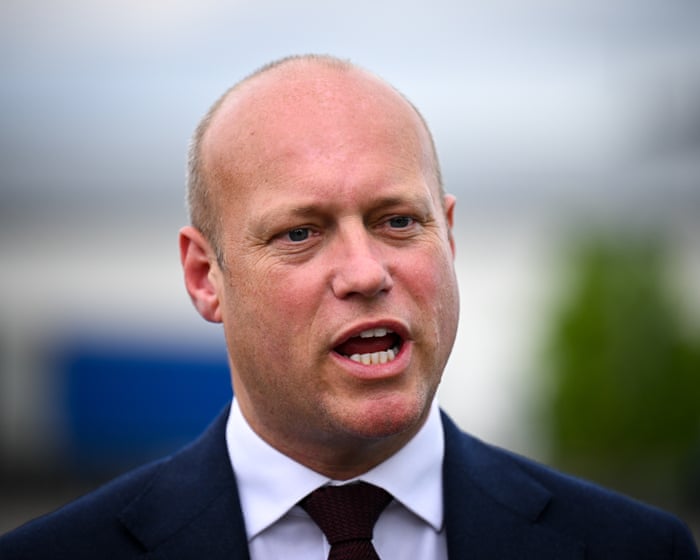
Dan Thomas has resigned as the leader of Reform Wales after being reported to the police and released without charge. He said he is stepping down for personal reasons but will continue to represent his local area as a member of the Senedd (Welsh Parliament).
Key Facts
Dan Thomas was the leader of Reform Wales, appointed by Nigel Farage in February 2026.
He stepped down after being reported to the police over the weekend.
Thomas was released without any charges.
He denied any wrongdoing and said he did not want the news to distract from the party’s work.
Reform Wales has grown to 34 elected members under his leadership, becoming the largest opposition group in Welsh history.
Thomas will remain a representative for Casnewydd Islwyn in the Senedd.
He supported the party’s future choice of leader after his resignation.
The situation remains under development with more updates expected.
Read the Original
Want the full story? Tap a source to open the original
article.
Ed Sheeran said that the decision to remove Macklemore from his tour was made by the concert promoter, not by him. Sheeran also said he prefers not to talk about politics during his shows.
Key Facts
Macklemore was dropped from Ed Sheeran's tour after making pro-Palestinian comments on stage.
Ed Sheeran posted on social media to explain the situation.
Sheeran said the promoter decided to drop Macklemore, not him.
Ed Sheeran chooses not to use his concerts to discuss politics.
The news story is still developing and may be updated later.
Read the Original
Want the full story? Tap a source to open the original
article.
Dan Thomas, the leader of Reform UK in Wales, is stepping down after being arrested and bailed on suspicion of assault. He denies any wrongdoing and says he does not want the situation to distract from his team's work.
Key Facts
Dan Thomas was appointed as Reform UK’s Welsh leader in February by Nigel Farage.
He was elected as leader of the opposition in the Senedd (Welsh Parliament) in May.
Thomas did not attend a planned parliamentary session due to "personal reasons."
He was arrested on suspicion of assault on September 13 but was released without charge.
Thomas says he is innocent and wants to avoid media distraction from his party’s work.
Gwent police confirmed the arrest and said Thomas has been bailed pending further inquiries.
Thomas was formerly a Tory councillor and leader of Barnet council in north London.
He is originally from Blackwood, Caerphilly, in Wales.
Read the Original
Want the full story? Tap a source to open the original
article.
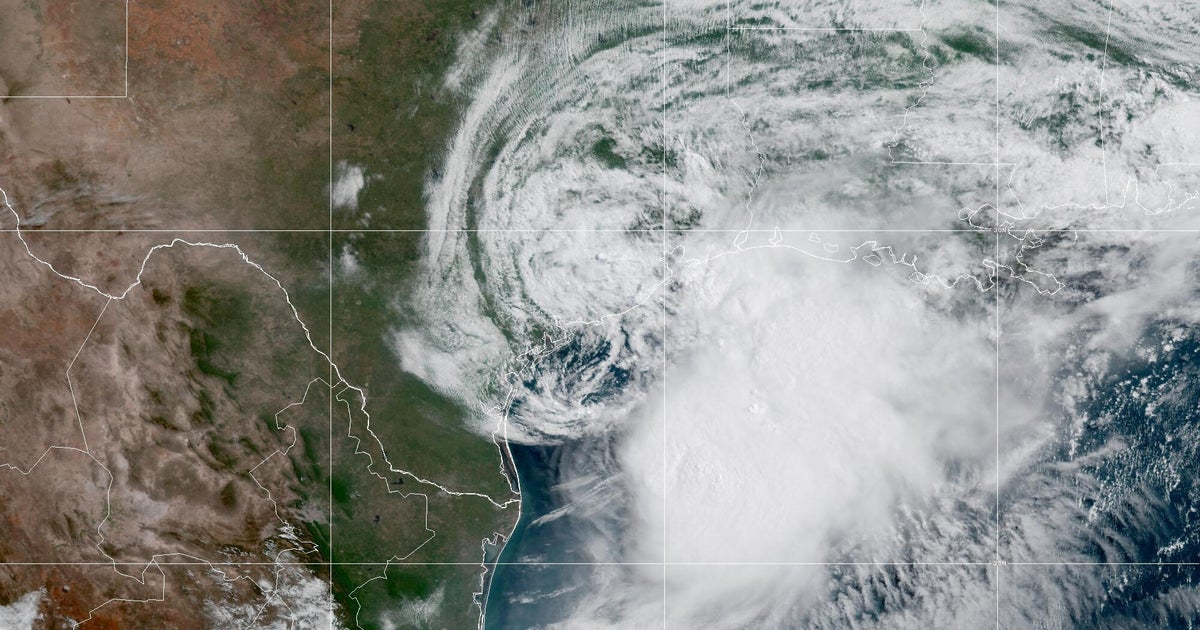
The Atlantic hurricane season in 2026 has set a new record for the longest time without a hurricane forming, reaching September 15 with none recorded. This is the longest gap since reliable tracking began in 1966, largely influenced by the strong El Niño weather pattern reducing hurricane activity in the Atlantic.
Key Facts
No hurricanes have formed in the Atlantic basin since June 1, 2026, marking the longest stretch without a hurricane since 1966.
The first hurricane in an average season usually appears in early or mid-August.
So far in 2026, there have been five named tropical storms but no hurricanes.
A tropical storm is named when winds reach 39 mph; it becomes a hurricane at 74 mph or more.
El Niño is a climate pattern with warmer Pacific Ocean temperatures that tends to reduce hurricane formation in the Atlantic by cooling its waters and increasing wind shear.
NOAA predicted a below-normal Atlantic hurricane season in 2026 due to a strong El Niño event.
Past strong El Niño events have consistently been linked to fewer hurricanes in the Atlantic since 1950.
The usual peak of the hurricane season is in September and October, but this year remains unusually quiet.
Read the Original
Want the full story? Tap a source to open the original
article.
Lucy Letby, a neonatal nurse convicted of murdering seven babies and attempting to kill seven others, has been further described in a public inquiry report. The report found she was often untruthful, ignored hospital rules, and showed callous behavior, while hospital actions that might have stopped her were not taken in time.
Key Facts
Lucy Letby was convicted of killing seven babies and trying to kill seven more.
She is serving 15 whole-life prison sentences.
The Thirlwall Inquiry examined hospital handling of concerns about Letby from 2015-2016.
The inquiry found Letby lied repeatedly to friends and colleagues.
She ignored directions from managers and behaved callously toward patients.
The hospital failed to act early enough to prevent some deaths and injuries.
Letby had mixed performance reviews during nursing training, with concerns noted in later years.
The inquiry did not question her guilt but focused on hospital management and safeguarding failures.
Read the Original
Want the full story? Tap a source to open the original
article.
Seven women’s bodies were found recently in an area east of Johannesburg, South Africa, raising fears of a serial killer. The police are investigating these deaths and have warned women to be cautious, while President Cyril Ramaphosa has ordered police to prioritize solving the cases.
Key Facts
Bodies of seven women were discovered near Johannesburg in the last two months.
Police have not confirmed a serial killer but see troubling similarities in the cases.
Victims were found in various states, some partially clothed and in decomposed condition.
Police advised women to be careful when jogging or doing outdoor activities in the area.
President Ramaphosa instructed law enforcement to focus on these investigations urgently.
South Africa has high rates of violent crime against women, with femicide rates among the highest globally.
The government has declared gender-based violence and femicide a national disaster.
Human rights groups call for safety audits and better protection measures in public areas.
Read the Original
Want the full story? Tap a source to open the original
article.
Ed Sheeran explained that the decision to remove Macklemore from the U.S. shows of his Loop Tour was made by the tour promoter, not him. Sheeran expressed sadness over the Israel-Palestine conflict and said he tried to keep the shows going despite venue concerns about Macklemore’s remarks on Gaza.
Key Facts
Macklemore was scheduled to open 10 U.S. tour dates with Ed Sheeran but was dropped after two shows.
The tour promoter decided to remove Macklemore following complaints from some venues.
Ed Sheeran said he respects Macklemore as an artist and allowed him to choose his own performance content.
Venues threatened to cancel shows if Macklemore stayed on the bill due to how he presented his message about Gaza.
Sheeran tried to negotiate with venues, promoters, and activists to keep the tour on track.
New England Patriots owner Robert Kraft took part in discussions about the situation.
Sheeran stressed that removing Macklemore was not his decision and that his contract was with the promoter.
Sheeran described the Israel-Palestine conflict as a human tragedy and stated his shows aim to promote unity and inclusivity.
Read the Original
Want the full story? Tap a source to open the original
article.
Armenia, a country that has been a close ally of Russia for many years, is now planning to apply to join the European Union. This shows Armenia is shifting its focus towards Western countries.
Key Facts
Armenia was previously closely connected with Russia as an ally.
The country is now planning to apply for European Union membership.
Joining the European Union means Armenia wants closer ties with Western nations.
This move could change Armenia’s international relationships.
The decision reflects a shift in Armenia's political and economic direction.
Armenia is part of the group of countries formed after the Soviet Union broke up.
This change may affect Armenia’s existing ties with Russia.
Read the Original
Want the full story? Tap a source to open the original
article.
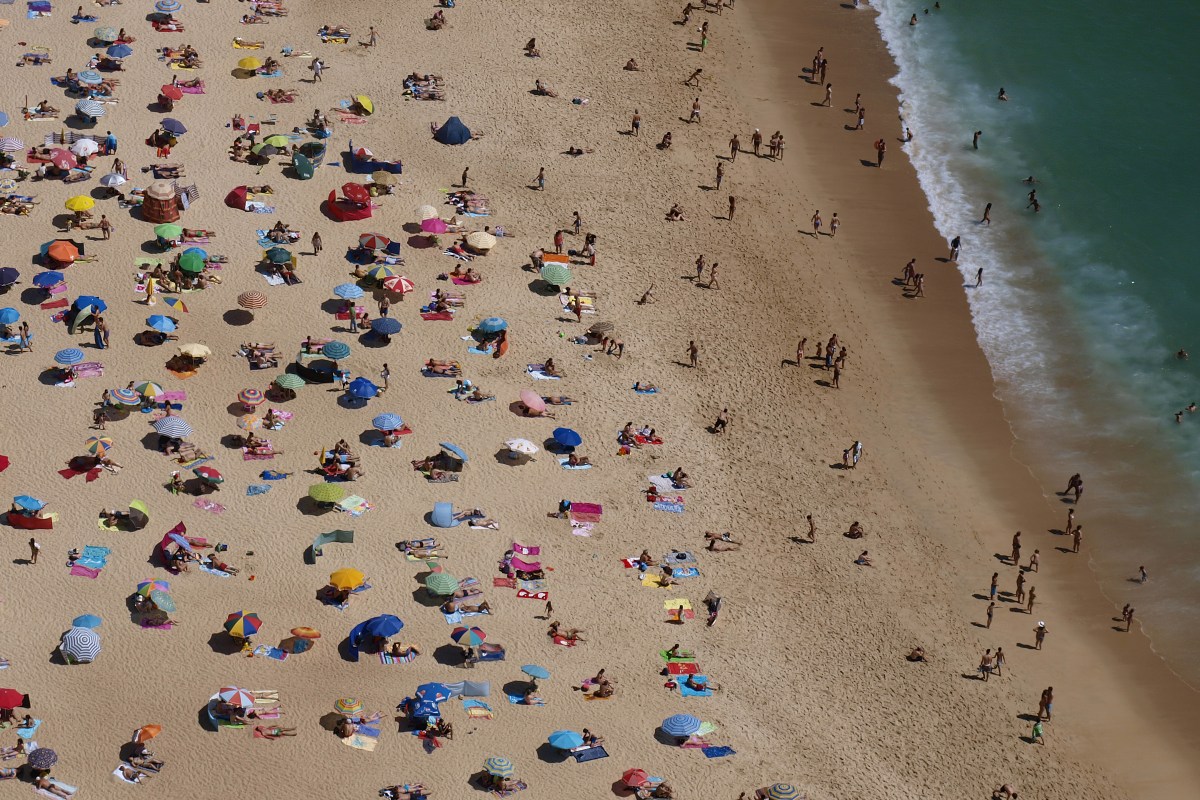
Global tourism is growing with 307 million international travelers in early 2026, showing changes in how and why people travel. Travelers now combine work and vacation, choose unique experiences over traditional sightseeing, and face challenges from climate change and overcrowding in popular places.
Key Facts
In the first quarter of 2026, 307 million people traveled internationally, 2% more than last year.
Many travelers mix work with vacation, called "bleisure" trips, which 81% of business travelers now take.
Younger generations, like Millennials and Gen Z, often prioritize travel experiences over buying property.
Baby Boomers take the most leisure trips per year compared to other age groups.
Popular tourist cities are limiting visitors and adding taxes to handle overcrowding.
Climate change causes heat waves in places like Bangkok and southern France, affecting travel.
New trends include travelers seeking less-known destinations and using technology such as AI travel assistants.
The travel industry is shifting toward personalized, experience-focused trips rather than traditional sightseeing.
Read the Original
Want the full story? Tap a source to open the original
article.
A large drilling rig collapsed and caught fire, nearly hitting a BMW driver who backed up at the last moment, avoiding injury. Witnesses have spoken about their close escapes from the dangerous situation.
Key Facts
A drilling rig collapsed and caused a fire.
A BMW driver narrowly avoided being hit by the rig by reversing just in time.
The incident posed serious risks to people nearby.
Witnesses shared their experiences of escaping harm.
Miami Fire Rescue confirmed the details about the driver’s quick actions.
The collapse happened recently, on or before September 15, 2026.
No confirmed injuries or fatalities were mentioned in the report.
The event drew attention due to the potential for serious harm.
Read the Original
Want the full story? Tap a source to open the original
article.
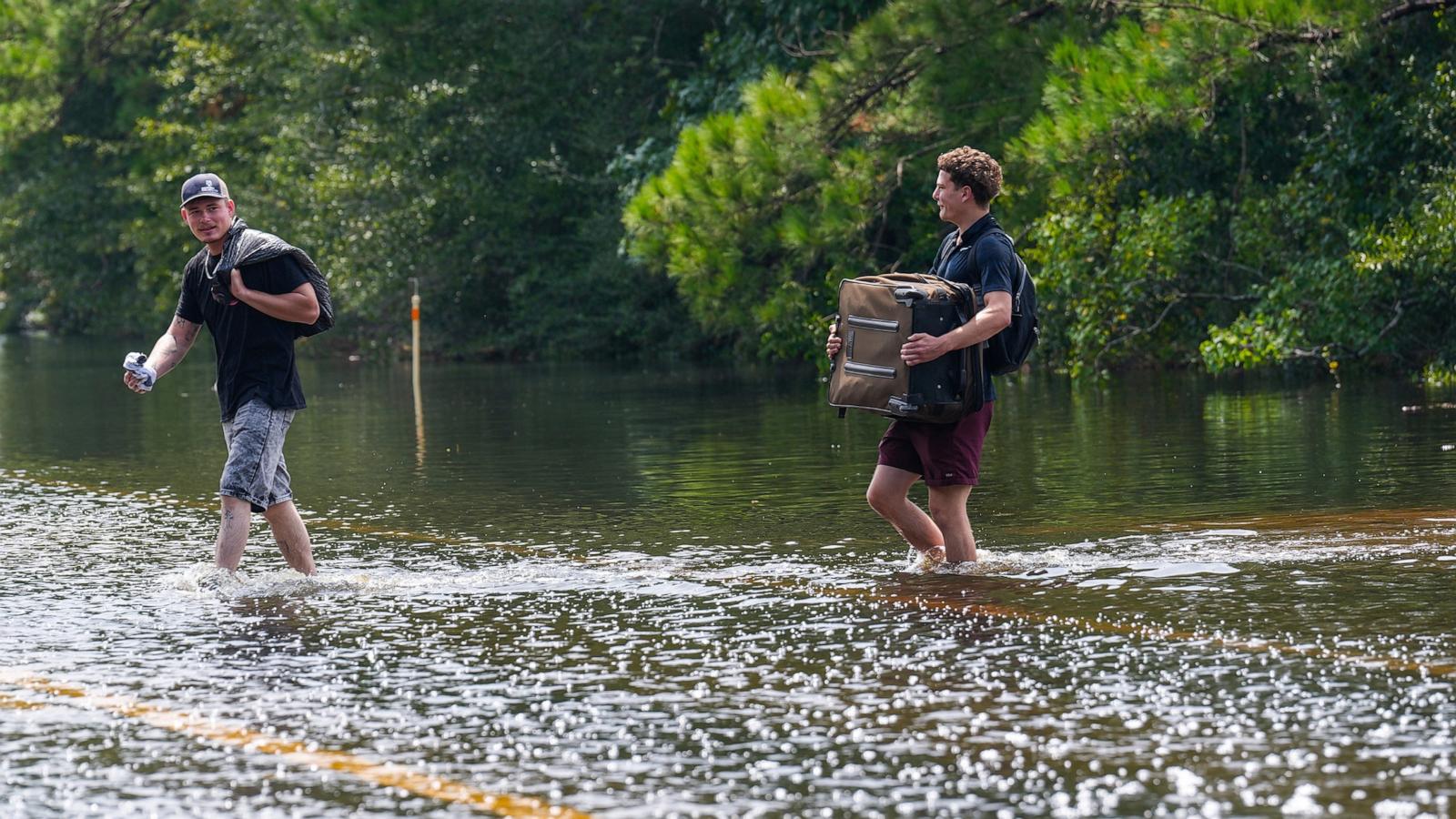
Flash floods threaten many areas in the Midwest and Southwest United States from Kansas to Arizona. Heavy rain and storms are expected to cause flooding and strong winds, affecting cities like Kansas City, St. Joseph County, and Tucson.
Key Facts
Flash flood warnings cover a large area from Illinois to Texas to Arizona.
A level 2 of 4 flood threat is in place for areas from the Texas panhandle to central Indiana.
St. Joseph County, Missouri, has a higher level 3 of 4 flood threat with storms expected to bring 4 to 6 inches of rain overnight.
Rainfall and flooding risks extend from Missouri to Chicago through Wednesday morning.
Level 2 flood threats also exist in the Southwest, including Arizona, New Mexico, Utah, and parts of Texas.
Cities under threat include Tucson, Arizona; Santa Fe, New Mexico; and Cedar City, Utah.
Severe storms on Monday caused strong winds (70-83 mph), knocked down power lines, and prompted water rescues in the plains and Tucson.
The flood threat in the Southwest is expected to last at least until Thursday.
Read the Original
Want the full story? Tap a source to open the original
article.
A report has found that some deaths caused by Lucy Letby, who was convicted of murdering seven babies at the Countess of Chester Hospital, could have been prevented. The hospital apologized for past events and said it has improved its leadership and safety since then.
Key Facts
Lucy Letby was convicted in 2023 for murdering seven babies and attempting to kill seven more.
She is serving 15 whole-life prison sentences, meaning she will spend the rest of her life in prison.
The report found that some of the deaths might have been avoided with better hospital care.
Letby has twice been denied permission to appeal her convictions.
The hospital has apologized and said it now has better leadership, governance, and safety processes.
Despite her convictions, Letby continues to say she is innocent.
Some people protested in support of Letby near Liverpool Town Hall when the report was released.
The news was reported with updates from Liverpool and is part of ongoing interest in the NHS.
Read the Original
Want the full story? Tap a source to open the original
article.
During an investment meeting in Toronto, Canadian Prime Minister Mark Carney shared a story about President Donald Trump giving him a gold key to the White House. President Trump told Carney he could use the key to enter the White House but joked that the guards might shoot him.
Key Facts
The event took place at an investment summit in Toronto.
President Donald Trump gave Mark Carney a gold key to the White House.
Trump told Carney he could bring the key and would be allowed inside.
Trump made a joking comment that "maybe they'll shoot you" if Carney used the key.
Carney said this story "sort of sums up" the relationship between Canada and the U.S.
The story was shared in front of 100 global investors and representatives from sovereign wealth funds.
Mark Carney was serving as the Canadian Prime Minister at the time of the event.
Read the Original
Want the full story? Tap a source to open the original
article.
Police in Malawi are investigating the kidnapping of Nusrat Osman, a 47-year-old British woman, in the city of Blantyre. Four men in a grey car took her on Friday, and the police are offering a reward for information that could help find her and catch the kidnappers.
Key Facts
Nusrat Osman is a 47-year-old British national.
She was abducted on Friday around 12:30 pm local time in Blantyre, Malawi.
Four men in a grey Nissan Dualis car carried out the kidnapping.
Osman works for a local auditing firm.
Police do not yet know why she was kidnapped.
The kidnappers have not contacted her family or the police.
A reward of over $17,000 is offered for information leading to her rescue.
Her husband has said he does not know who would want to harm her.
Read the Original
Want the full story? Tap a source to open the original
article.
After six years, an inquest jury has delivered a verdict on the death of 14-year-old Noah Donohoe, who drowned in an underground water tunnel in Belfast. The jury found possible, but unlikely, failings by a government department contributed to his death, and identified several police failings that did not cause it. Many questions about Noah’s actions before his death remain unanswered.
Key Facts
Noah Donohoe disappeared in June 2020 and was found dead in a freezing water tunnel in Belfast.
CCTV showed Noah leaving and returning to his home barefoot the night before he vanished.
An autopsy confirmed drowning as the cause of death.
The tunnel where Noah was found leads toward Belfast Lough and is affected by tides.
The jury found 13 failings by the Police Service of Northern Ireland (PSNI) but said these did not contribute to Noah’s death.
The Department of Infrastructure may have had failings possibly contributing to the death, though this was not considered likely.
The inquest ruled out drugs, suicide, foul play, and psychosis as causes of death based on evidence.
There was no evidence of anyone else involved in Noah’s last movements or any paramilitary links.
Read the Original
Want the full story? Tap a source to open the original
article.
Bob Mackie, a famous fashion designer known for creating sparkling and glamorous outfits for stars like Cher, Carol Burnett, and Marilyn Monroe, has died at age 87. CBS News highlighted some of his most famous designs in a recent segment.
Key Facts
Bob Mackie was a well-known fashion designer.
He designed outfits for celebrities such as Cher, Carol Burnett, and Marilyn Monroe.
His work is known for being flashy, glamorous, and full of sparkle.
He died at the age of 87.
CBS News featured a look back at his most iconic fashion designs.
Read the Original
Want the full story? Tap a source to open the original
article.
Flights at Catania International Airport in Sicily have been stopped due to volcanic ash from Mount Etna. The airport is closed until 22:00 local time, and officials are monitoring the situation closely.
Key Facts
Catania International Airport is one of Italy’s busiest airports and serves about 12 million passengers yearly.
Flights were first stopped on Monday because of volcanic ash from Mount Etna.
The volcano is Europe’s tallest active volcano and erupts often.
A red aviation alert was issued by the INGV Etneo Observatory due to the ongoing volcanic activity.
The airport is located about 40 kilometers (25 miles) from Mount Etna.
In August, the airport was closed for nearly a week during a previous eruption.
Authorities advise travelers to check with their airlines for the latest flight updates.
Mount Etna attracts about 1.5 million visitors every year, despite the eruption risks.
Read the Original
Want the full story? Tap a source to open the original
article.
A study found that children aged 4 to 5 who live with cats tend to show more signs of anxiety, withdrawal, and emotional difficulties compared to those without cats. The research suggests a possible link between having a cat and certain behavioral issues in young kids.
Key Facts
The study focused on children aged 4 to 5 years old.
Children with cats were more likely to show anxiety symptoms.
These children also showed signs of withdrawal and emotional challenges.
The research suggests a connection, but does not prove cause and effect.
The study highlights behavioral issues linked with pet ownership in young children.
Further research may be needed to understand why this link exists.
Read the Original
Want the full story? Tap a source to open the original
article.
The United States has announced it has put a weapon into space, but has not shared details about it. Experts think the weapon could be for electronic attacks on enemy satellites or a device that can inspect or interfere with other satellites. Russia and China also have space weapons and can send missiles to destroy satellites or move them.
Key Facts
The US announced it has deployed a space weapon but gave no details on its type or capabilities.
Experts suggest the weapon could be an electronic jammer or a satellite that can closely approach and affect other satellites.
More aggressive weapons could include systems that physically destroy satellites by collision, but these are seen as less likely.
Russia and China have been conducting space maneuvers that involve satellites getting close to Western satellites, called rendezvous and proximity operations (RPO).
China has shown technology that can grab and move satellites, potentially for cleanup or disabling purposes.
Russia has missile systems that can be launched from the ground or aircraft to destroy satellites in low Earth orbit.
Russia could use nuclear blasts in space as a last resort to damage satellites by electromagnetic pulse (EMP).
Experts say Russia might benefit the most if a space war occurred, due to its investment in anti-satellite weapons despite having fewer satellites.
Read the Original
Want the full story? Tap a source to open the original
article.
Satellite images show major damage to a key oil pipeline in Saudi Arabia after a strike last week. The pipeline closure may reduce oil supplies and cause higher prices while Saudi Arabia and Iran-backed groups continue to clash in the region.
Key Facts
The East-West Pipeline in Saudi Arabia was badly damaged at a pumping station, possibly taking 4 to 6 weeks to fix.
Saudi Arabia uses this pipeline to export oil via the Red Sea, avoiding the Strait of Hormuz, a tense area with attacks during the Iran-US conflict.
Saudi Arabia blames Iranian-backed militias in Iraq for the pipeline strike.
The Houthi group from Yemen, supported by Iran, has increased missile and drone attacks on southern Saudi Arabia.
Saudi Arabia retaliated with strikes on Houthi-controlled areas in Yemen.
The Houthis recently seized new land on Yemen’s southwestern coast, near a key shipping route, strengthening their blockade.
Oil prices rose to about $108 per barrel after the pipeline was closed as a precaution.
Satellite images also showed damage to Saudi Arabia’s King Khalid Air Base from a Houthi attack.
Read the Original
Want the full story? Tap a source to open the original
article.