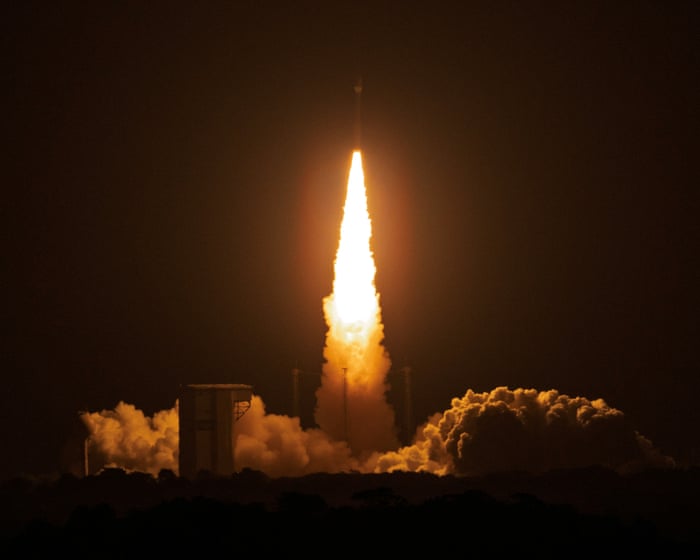
The United States has announced it has put a weapon into space, but has not shared details about it. Experts think the weapon could be for electronic attacks on enemy satellites or a device that can inspect or interfere with other satellites. Russia and China also have space weapons and can send missiles to destroy satellites or move them.
Key Facts
The US announced it has deployed a space weapon but gave no details on its type or capabilities.
Experts suggest the weapon could be an electronic jammer or a satellite that can closely approach and affect other satellites.
More aggressive weapons could include systems that physically destroy satellites by collision, but these are seen as less likely.
Russia and China have been conducting space maneuvers that involve satellites getting close to Western satellites, called rendezvous and proximity operations (RPO).
China has shown technology that can grab and move satellites, potentially for cleanup or disabling purposes.
Russia has missile systems that can be launched from the ground or aircraft to destroy satellites in low Earth orbit.
Russia could use nuclear blasts in space as a last resort to damage satellites by electromagnetic pulse (EMP).
Experts say Russia might benefit the most if a space war occurred, due to its investment in anti-satellite weapons despite having fewer satellites.
Read the Original
Want the full story? Tap a source to open the original
article.
Satellite images show major damage to a key oil pipeline in Saudi Arabia after a strike last week. The pipeline closure may reduce oil supplies and cause higher prices while Saudi Arabia and Iran-backed groups continue to clash in the region.
Key Facts
The East-West Pipeline in Saudi Arabia was badly damaged at a pumping station, possibly taking 4 to 6 weeks to fix.
Saudi Arabia uses this pipeline to export oil via the Red Sea, avoiding the Strait of Hormuz, a tense area with attacks during the Iran-US conflict.
Saudi Arabia blames Iranian-backed militias in Iraq for the pipeline strike.
The Houthi group from Yemen, supported by Iran, has increased missile and drone attacks on southern Saudi Arabia.
Saudi Arabia retaliated with strikes on Houthi-controlled areas in Yemen.
The Houthis recently seized new land on Yemen’s southwestern coast, near a key shipping route, strengthening their blockade.
Oil prices rose to about $108 per barrel after the pipeline was closed as a precaution.
Satellite images also showed damage to Saudi Arabia’s King Khalid Air Base from a Houthi attack.
Read the Original
Want the full story? Tap a source to open the original
article.
Singer Macklemore was taken off Ed Sheeran's tour after making statements supporting Palestinians during a concert. His public expression of these views caused controversy, leading to his removal from the tour.
Key Facts
Macklemore spoke about his support for Palestine during a live performance.
His comments created controversy among the audience and tour organizers.
As a result, Macklemore was removed from Ed Sheeran's concert tour.
Ed Sheeran's team made the decision to drop Macklemore from the tour.
The issue highlights how artists’ political statements can impact their professional opportunities.
Read the Original
Want the full story? Tap a source to open the original
article.
Staff cleaning hydrothermal areas in Yellowstone National Park found about 20,000 pieces of trash. The items ranged from normal litter to unusual and funny objects, showing the variety of waste left by visitors.
Key Facts
Yellowstone National Park staff cleaned hydrothermal areas in the park.
They collected around 20,000 pieces of trash during the cleanup.
The trash included common waste like wrappers and bottles.
Some items were unusual or funny, showing odd things people left behind.
This cleanup highlights the impact of human activity on natural park areas.
Hydrothermal areas are places with hot springs and geysers, sensitive environments in the park.
The park staff shared the varied collection of trash with the public to raise awareness.
Read the Original
Want the full story? Tap a source to open the original
article.
Japan now has more than 100,000 people aged 100 or older, the highest number in the world. This increase is due to healthy food habits, active lifestyles, and advances in healthcare, but the country faces challenges with its aging population and a declining birth rate.
Key Facts
Japan has 107,677 people aged 100 or older; 88% of them are women.
The oldest woman is 114 years old, and the oldest man is 112 years old.
Japan’s diet includes a lot of fish, vegetables, and rice, which helps people live longer.
About 30% of Japan’s population is over 65, and this is expected to rise to nearly 40% by 2070.
Japan’s fertility rate dropped to a record low of 1.14 children per woman last year, below the 2.1 needed to keep the population stable.
The total population is expected to fall from 128 million in 2008 to 87 million by 2070.
The government sends personal letters and gifts to people turning 100 on a special holiday called "Respect for the Aged."
Some earlier official records mistakenly counted deceased people as living, due to outdated or incomplete records.
Read the Original
Want the full story? Tap a source to open the original
article.
At the 2026 Emmy Awards, the TV shows "Widow's Bay" from Apple TV and "The Pitt" from HBO won many awards. The event included performances by host Mariska Hargitay, singer Noah Kahan, and Reba McEntire.
Key Facts
The 2026 Emmy Awards recognized outstanding TV shows and performances.
"Widow's Bay," a show available on Apple TV, won several awards.
"The Pitt," a show from HBO, also won multiple awards.
Mariska Hargitay was the host of the Emmy ceremony.
Singers Noah Kahan and Reba McEntire performed during the event.
The news coverage was provided by CBS News and Nischelle Turner.
Read the Original
Want the full story? Tap a source to open the original
article.
Soldiers in Eswatini accidentally shot two U.S. government workers during an anti-smuggling operation. The Americans had minor injuries, and both Eswatini and the U.S. governments are investigating the incident.
Key Facts
The shooting happened last Friday in a rural area in northeast Eswatini.
The U.S. personnel were involved in a U.S. government mission but were not identified.
Soldiers mistook a U.S. diplomat’s car making a U-turn near a military roadblock as suspicious.
The U.S. State Department confirmed the personnel are safe and is cooperating with Eswatini on the investigation.
Eswatini is a small kingdom in southern Africa ruled by King Mswati III, Africa’s last absolute monarch.
The Eswatini army described the case as a diplomatic issue between the two countries.
The Eswatini government called the incident serious and is handling it accordingly.
Read the Original
Want the full story? Tap a source to open the original
article.
An English judge blamed poor hospital management and staff failures at Countess of Chester Hospital for not protecting newborn babies, where nurse Lucy Letby was convicted of killing seven infants. The judge said earlier hospital action could have saved some babies and criticized how parents were kept uninformed about the dangers.
Key Facts
Judge Kathryn Thirlwall reported major failures at all levels in the hospital to safeguard babies.
Neonatal nurse Lucy Letby was convicted in 2023 of murdering seven babies and attempting to kill seven more.
The hospital failed to act quickly when babies showed signs of harm between 2015 and 2016.
Staff, including doctors and managers, made errors and did not follow rules to protect infants.
Parents were not told about suspicions that their babies were harmed, which was called "reprehensible" by the judge.
Letby was sentenced to 15 life terms and is one of only four women in the UK with such a sentence.
Letby harmed babies using methods like injecting air into bloodstreams and poisoning with insulin.
The inquiry reviewed hospital responses and found some babies’ deaths might have been prevented with earlier action.
Read the Original
Want the full story? Tap a source to open the original
article.
Ukraine and Russia continued to attack each other's energy infrastructure despite President Donald Trump's announcement that the two countries agreed to stop targeting these facilities. Both sides carried out strikes, affecting energy systems amid ongoing conflict.
Key Facts
Russia and Ukraine targeted each other's energy infrastructure with strikes.
President Donald Trump announced that both countries agreed to stop attacking energy facilities.
Despite the announcement, attacks on energy infrastructure continued.
The strikes involved important systems that supply power and energy.
Elliot Ackerman, a former CIA officer and Marine Corps veteran, provided analysis on the situation.
The information was reported by CBS News.
Read the Original
Want the full story? Tap a source to open the original
article.
Scientists have found that smokers tend to have a lower risk of developing Parkinson's disease. A new study suggests that carbon monoxide, a gas found in cigarette smoke and produced naturally by the body, might help explain this link, although smoking itself causes many serious health problems.
Key Facts
Research shows that smokers have a 30 to 40 percent lower risk of Parkinson's disease compared to non-smokers.
Parkinson's disease affects movement and worsens over time, with symptoms like tremors and slow movement.
About 1.1 million people in the U.S. have Parkinson's disease, and this number is expected to grow.
The new study involved over 500,000 people and found higher carbon monoxide levels in breath linked to lower Parkinson's risk.
Carbon monoxide is usually considered a poisonous gas but is also produced at low levels naturally in the body.
Smoking raises carbon monoxide levels in the body because cigarette smoke contains this gas.
The Centers for Disease Control and Prevention reports that smoking causes many diseases and about 480,000 deaths each year in the U.S.
Experts warn that the findings do not mean smoking is good for the brain or health overall.
Read the Original
Want the full story? Tap a source to open the original
article.
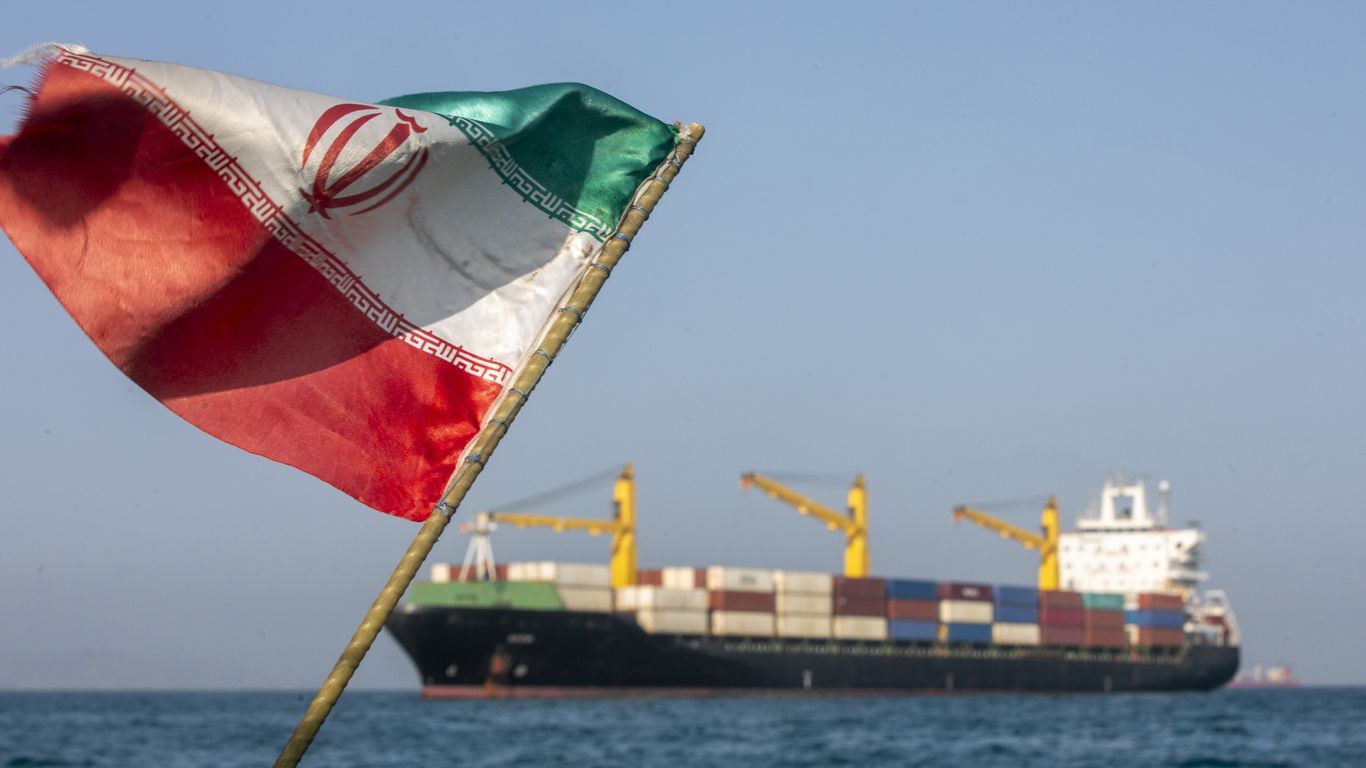
Two sailors are missing and 23 have been rescued after an oil tanker, El Gaia, was attacked in the Strait of Hormuz near Oman. Conflicting reports claim the tanker was hit by naval mines or weapons, and this incident is part of ongoing tensions in the area involving Iran, the US, and regional countries.
Key Facts
The oil tanker El Gaia, flagged in Panama, caught fire in its engine room after the attack.
The tanker was located about 2.4 kilometers north of Oman's Musandam peninsula.
Oman’s Maritime Security Centre is towing the damaged tanker to an Omani port.
Iran’s Revolutionary Guards said the tanker hit naval mines and was in a restricted area.
The US military denies the mine explanation, saying Iranian missiles and drones attacked the tanker.
The UK Maritime Trade Operations centre reported a fire caused by an unknown projectile in the Strait of Hormuz.
Earlier incidents include a Saudi-owned oil supertanker hit in the same area, with two Filipino sailors killed.
The Strait of Hormuz is a vital shipping route for about one-fifth of the world’s oil and gas shipments.
The waterway is effectively closed due to attacks by Iran and a US naval blockade.
A preliminary peace deal to reopen the strait in June failed, and attacks and blockades resumed soon after.
Read the Original
Want the full story? Tap a source to open the original
article.
Colombian prosecutors accused former foreign minister Laura Sarabia of abusing her power by forcing her nanny to take a lie detector test over missing money. Sarabia denies wrongdoing but faces charges for misusing police resources during her time as chief of staff for President Gustavo Petro.
Key Facts
Laura Sarabia was Colombia's foreign minister from January to July 2025.
In 2023, Sarabia had her nanny, Marelbys Meza, take a polygraph (lie detector) test about missing cash from Sarabia's apartment.
Meza denied stealing any money and said being taken for the test felt like a "kidnapping."
Prosecutors say Sarabia abused her official position by using police to question the nanny about personal matters.
Sarabia previously served as chief of staff to President Gustavo Petro, Colombia’s first left-wing president.
Sarabia resigned from her government posts but later became Colombia’s ambassador to the UK.
Sarabia and her lawyers say they respect the judicial process and deny any official wrongdoing.
The case centers on whether state resources were wrongly used in a private dispute.
Read the Original
Want the full story? Tap a source to open the original
article.
The U.S. military destroyed two Iranian boats after Iran’s Revolutionary Guard tried to capture a U.S. Navy drone in the Strait of Hormuz. The incident highlights ongoing tensions as the U.S. works to protect shipping through this important oil route.
Key Facts
Two Iranian small boats were destroyed by U.S. missiles after attempting to seize a U.S. Navy drone.
The drone was patrolling the Strait of Hormuz, a key oil shipping corridor.
Most people on the Iranian boats were killed in the strike.
Iranian officials reported missing fishermen and ongoing search efforts.
A U.S. Central Command spokesperson confirmed the drone remains controlled by the U.S.
The attack was not initially made public by the U.S. military.
The U.S. and Gulf countries are increasing protection for ships, including daytime tanker transits.
About 40 ships and 14 million barrels of oil pass through the strait daily with U.S. military support.
Read the Original
Want the full story? Tap a source to open the original
article.
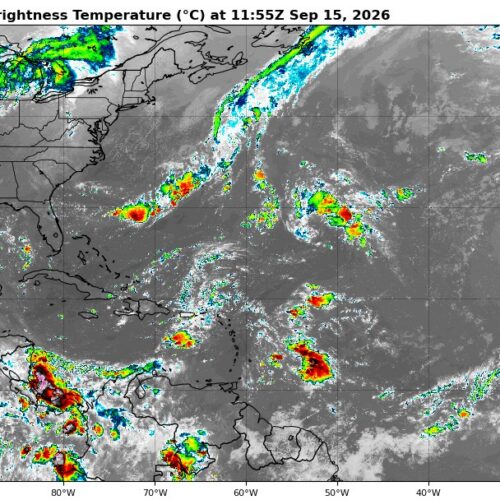
The Atlantic hurricane season is unusually quiet for this time of year, with no hurricanes formed by mid-September for the first time in many decades. This is mainly due to a strong El Niño weather pattern causing conditions that suppress hurricane formation over the Atlantic Ocean.
Key Facts
Normally, Atlantic hurricanes start forming before September 11 each year since 1944; this year has not seen any yet.
The last time the first Atlantic hurricane formed so late was in 1941, on September 17.
The season usually peaks around September 10, when ocean temperatures are warmest and conditions favor storms.
This year, Saharan dust and wind shear (strong upper winds that disrupt storms) are preventing hurricane formation.
The National Hurricane Center rates the chance of a new hurricane forming soon as nearly zero.
The season still runs until the end of November, so hurricanes could still develop later.
The El Niño event in the Pacific Ocean is unusually strong and creates wind conditions harmful to Atlantic hurricanes.
While El Niño is helping reduce hurricanes, it can cause other problems like disrupted rains, food shortages, and higher global temperatures expected next year.
Read the Original
Want the full story? Tap a source to open the original
article.
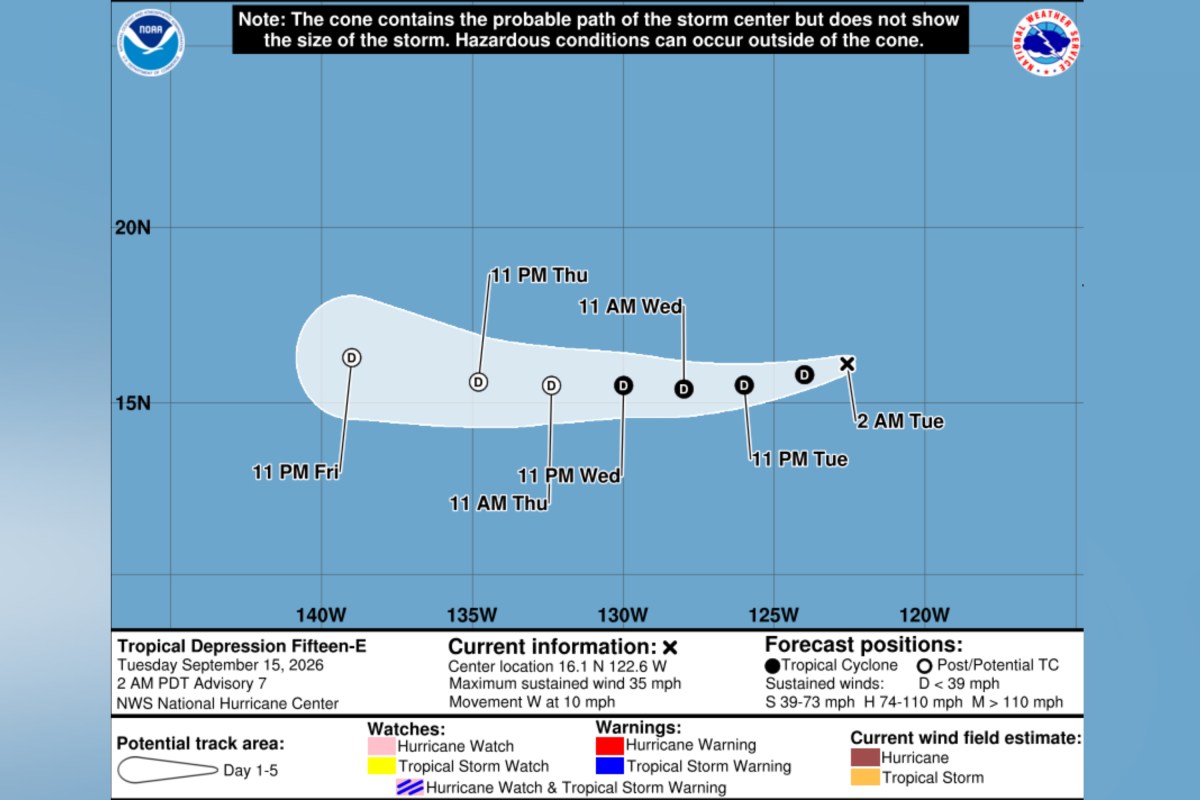
Tropical Depression Fifteen-E is currently in the eastern Pacific Ocean but is unlikely to become a tropical storm due to dry air and wind shear. El Niño conditions are influencing this hurricane season by increasing storm activity in the eastern and central Pacific while reducing it in the Atlantic.
Key Facts
Tropical Depression Fifteen-E is about 950 miles west-southwest of Baja California.
It is moving west at around 10 miles per hour.
Maximum sustained winds are near 35 mph, below tropical storm strength.
Dry air and wind shear are preventing it from strengthening.
No land or coastal areas are currently threatened by this system.
El Niño is a climate pattern that affects hurricane activity, causing more storms in the eastern Pacific.
Another low-pressure area could develop south of southwestern Mexico later this week.
The chance of that new disturbance becoming a tropical cyclone is low in the next 2 days but may increase to 20% over the next week.
Read the Original
Want the full story? Tap a source to open the original
article.
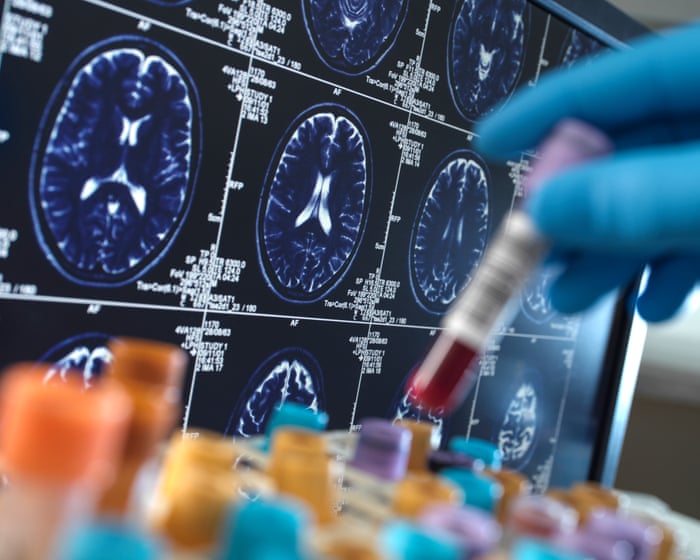
Researchers warn that social media is encouraging healthy people to take Alzheimer’s blood tests, which may cause unnecessary worry. These tests detect early signs of brain changes linked to Alzheimer’s, but a positive result does not always mean a person will develop dementia, and experts say the tests should only be used with other medical checks.
Key Facts
Alzheimer’s blood tests look for abnormal proteins related to brain changes in the disease.
These tests are faster and easier than other Alzheimer’s diagnostic methods like brain scans or spinal fluid tests.
Leading medical groups agree these tests should not be used on healthy people with no symptoms.
Social media posts often promote these tests for people without symptoms, sometimes for financial gain.
More than one-third of social media posts encourage testing healthy people, and posts with financial interests are over three times more likely to do so.
A positive test result can cause anxiety but does not always lead to dementia.
Doctors say tests should only be done when symptoms or risks suggest Alzheimer’s might be present.
There is no clear guidance on what to do if a healthy person tests positive, and treatments are tested mainly in those with symptoms.
Read the Original
Want the full story? Tap a source to open the original
article.
The Russian government is requiring private companies to fund their own defenses against drone attacks but keeps control over the active defense systems. If companies fail to protect their facilities well enough or respond quickly to attacks, the government can temporarily take control of these companies. This policy aims to involve businesses more in national security during ongoing conflicts.
Key Facts
Russian company Lukoil is hiring experts to protect against drones, offering a salary of around $3,400 per month.
A 2026 federal law allows private security firms protecting key facilities to receive weapons from Russia’s National Guard.
A presidential decree lets the government temporarily take over companies that fail to adequately protect against drone attacks.
Temporary state control can include all or part of the company’s property, securities, and rights, with a state-appointed manager in charge.
Companies must spend money on defenses like passive measures (reinforced buildings, nets) and some active measures (radar, electronic warfare).
The Defense Ministry controls active defense tools, so companies cannot fully own or operate these systems privately.
The policy forces companies to invest heavily in defense while the government keeps command to maintain overall security coordination.
This move responds to increasing drone threats from Ukraine targeting Russian industrial and strategic sites.
Read the Original
Want the full story? Tap a source to open the original
article.
Matthew Rhys, a Welsh actor living in Hollywood, made history by winning two lead acting Emmys in one night for his roles in a thriller and a comedy. He grew up in Cardiff, speaks Welsh as his first language, and has worked alongside actress Keri Russell, with whom he has a son.
Key Facts
Matthew Rhys won two lead acting awards at the Emmys in one night: best lead actor in a limited series and best lead actor in a comedy.
Early in his career, Rhys struggled to find acting work and even considered joining the British Army but was rejected.
He formed a group called the "LA Tafia" with fellow Welsh actors Michael Sheen and Ioan Gruffudd when he moved to Hollywood.
Rhys and Keri Russell met on the set of The Americans and became a couple in 2014; they have a son named Sam.
Rhys speaks Welsh at home and wants his son to grow up understanding the Welsh language and culture.
He owns a 1939 wooden boat named Rarebit, after a traditional Welsh cheese dish, which he hopes to restore.
Rhys dedicated his Emmy win to the people of Wales, expressing pride in his small nation.
Read the Original
Want the full story? Tap a source to open the original
article.
The US military has officially confirmed it has placed weapons in space, marking the first public acknowledgment of such capabilities. These space weapons can be used for both attack and defense, raising concerns about a new arms race with Russia and China in Earth’s orbit.
Key Facts
The US Air Force Secretary, Troy Meink, stated the US has active weapons in orbit around Earth.
The US Space Force described these weapons as "space-control," using kinetic (physical) and non-kinetic (like jamming signals) methods.
These weapons can be used to attack or defend against other countries’ space assets.
China claims the US is preparing for war in space and warns against turning space into a battlefield.
Russia and China are also believed to be developing space weapons.
Experts warn this confirmation could speed up a dangerous arms race in space.
The 1967 Outer Space Treaty bans nuclear and other weapons of mass destruction in orbit but allows for other military uses.
Past events include Russia’s 2021 test that destroyed a satellite, creating space debris that poses risks to other satellites.
Read the Original
Want the full story? Tap a source to open the original
article.