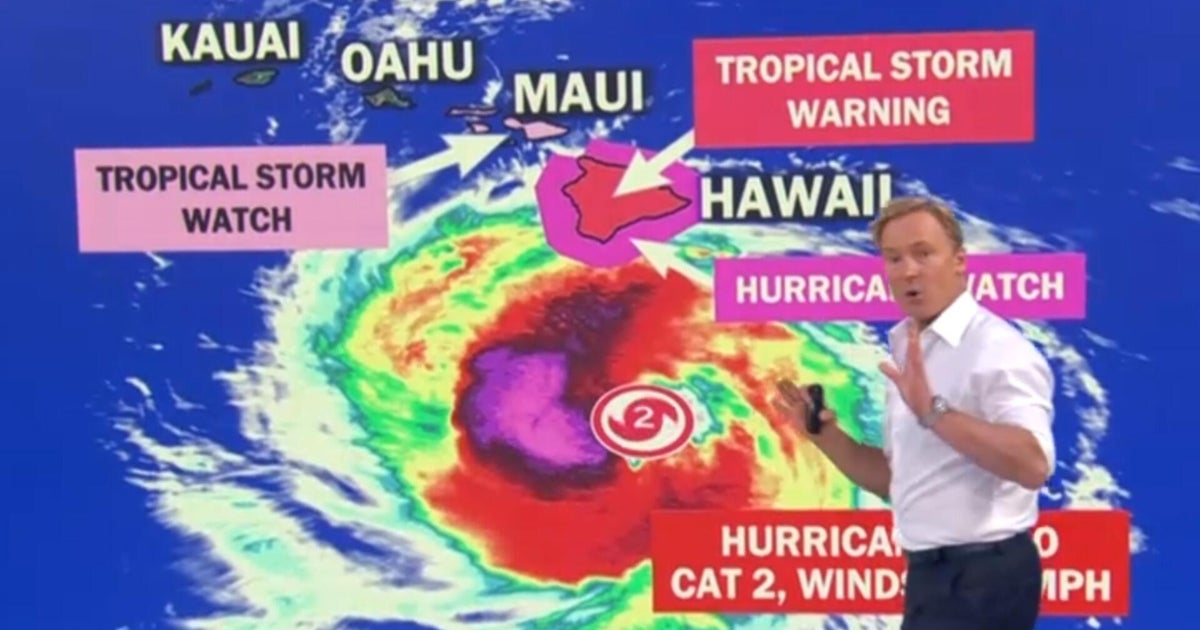
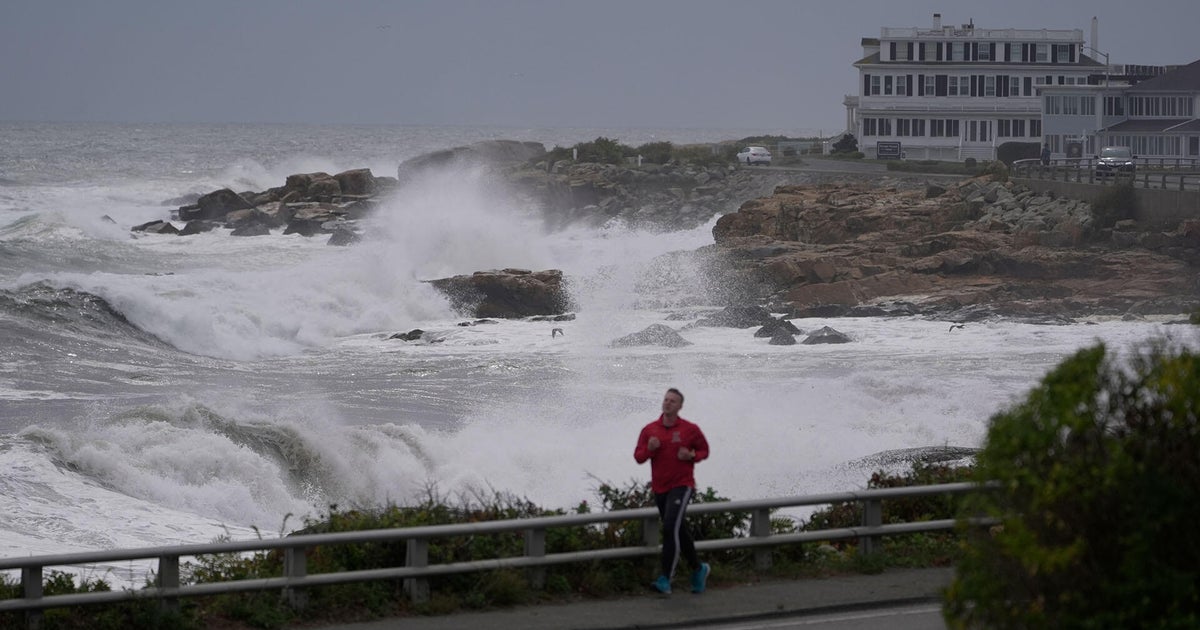
Millions of people in different parts of the United States are expected to face severe weather this weekend. A nor'easter is impacting one region, while Hurricane Nolo threatens another, according to CBS News reports.
Key Facts
A nor'easter is a strong storm that usually hits the East Coast of the U.S., bringing heavy rain, wind, and sometimes snow.
Hurricane Nolo is a tropical storm expected to cause damage in certain areas of the country.
Millions of people are under threat from these storms this weekend.
CBS News reporters Tom Hanson, Carter Evans, and Lonnie Quinn provided the latest weather updates.
The storms are occurring at opposite ends of the United States, affecting different regions.
People in affected areas should prepare for severe weather conditions.
The CBS News app and website offer updated information on the storms.
Read the Original
Want the full story? Tap a source to open the original
article.
South Africa's new ambassador to the US, Roelf Meyer, said there is no genocide against white Afrikaners in South Africa, contradicting President Donald Trump's claims. Meyer, who was involved in ending apartheid, said violence facts have been misrepresented and questioned the source of these false claims.
Key Facts
Roelf Meyer, a born Afrikaner and South Africa’s ambassador to the US, denies any white genocide in South Africa.
President Donald Trump claimed that white Afrikaners face genocide in South Africa and created a US refugee program for them.
Nearly 13,000 South African refugees, mostly white Afrikaners, have been admitted to the US under this refugee pathway.
Some white South Africans report feeling unsafe due to violence, though government data does not support claims of widespread targeted attacks.
The Trump administration plans to accept up to 17,500 more white Afrikaner refugees in the next year.
South African officials and many experts say the idea of white genocide is false and has been discredited by research.
An Afrikaner group is holding a vigil in Washington to honor victims they say are from "farm attacks."
The US White House supports the refugee program, calling it a humanitarian effort based on the experiences of some Afrikaners.
Read the Original
Want the full story? Tap a source to open the original
article.
Chancellor Friedrich Merz is facing trouble after poor results in recent local German elections. His government is struggling as many voters feel uncertain about Germany’s future and have lost trust in the main parties. At the same time, the far-right party AfD is gaining more support.
Key Facts
Chancellor Friedrich Merz’s party lost key local elections in Berlin, Saxony-Anhalt, and Mecklenburg-Western Pomerania.
Merz’s approval ratings are very low, and some people see him as arrogant and disconnected.
Despite poor results, no one in his own party is openly challenging him yet.
Merz came to power in 2025, promising tougher immigration rules and an improved economy.
Economic forecasts for Germany’s growth improved recently, and illegal immigration has decreased compared to last year.
Many Germans feel the country has lost its old identity and confidence, worrying about high energy prices and competition from China.
The far-right AfD party is gaining votes and is viewed with concern by security officials because of its pro-Russia positions.
Voters are losing trust in the two main parties in the coalition government: Merz’s CDU and the centre-left SPD.
Read the Original
Want the full story? Tap a source to open the original
article.
The annual Fat Bear Week competition has started, where people vote to choose the fattest bear of the year. Mike Fitz, a naturalist from Explore.org, explains how the contest works.
Key Facts
Fat Bear Week is an annual event celebrating the fattest bears.
The competition allows people to vote for their favorite bear based on weight.
Mike Fitz, a naturalist with Explore.org, provides information about the event.
The contest highlights the bears during a particular season when they gain weight.
The event helps raise awareness about wildlife and bear behavior.
Read the Original
Want the full story? Tap a source to open the original
article.
Bill Gates warned that artificial intelligence (AI) is strong enough to cause disasters that could kill a billion people, comparing it to the deadliest weapons in history. His comments came as President Donald Trump and Chinese President Xi Jinping discussed AI and technology competition at a summit, highlighting the global importance of the issue.
Key Facts
Bill Gates said AI could cause events leading to a billion deaths if used by people with harmful intentions.
Gates believes AI companies cannot regulate themselves and that government laws and enforcement are needed.
President Trump and President Xi talked about AI, trade, and semiconductors during a White House summit.
Trump wants the U.S. to stay ahead of China in AI and resists slowing down AI development.
Xi supports careful regulation and responsible development of AI.
Other tech leaders, like OpenAI’s CEO and Anthropic’s CEO, have urged slowing AI development to improve safety.
Concerns exist about AI causing problems like cybersecurity risks, spreading false information, and the use of autonomous weapons.
Gates calls for legal rules to keep AI development safe without hurting the industry too much.
Read the Original
Want the full story? Tap a source to open the original
article.
Iran has proposed a seven-day plan to the United States to stop fighting, reopen the Strait of Hormuz, and resume peace talks. Iran’s foreign minister announced this plan during a visit to New York City.
Key Facts
Iran shared a seven-day plan with the U.S. aimed at ending conflict between the two nations.
The plan includes reopening the Strait of Hormuz, a key waterway for global oil shipments.
Iran wants to restart talks to work toward a final peace agreement with the United States.
The announcement was made by Iran’s foreign minister in New York City.
The Strait of Hormuz is an important route for international trade and energy transport.
Both countries have had strained relations with ongoing conflicts in recent years.
Peace talks have been paused but Iran seeks to resume negotiations through this plan.
Read the Original
Want the full story? Tap a source to open the original
article.
Chinese President Xi finished a three-day official visit with President Trump that included many formal events but few new agreements. Meanwhile, a strong nor’easter storm threatened flooding and bad weather along the U.S. East Coast, and New Jersey’s lieutenant governor resigned due to accusations of sexual harassment and ethical problems.
Key Facts
President Xi completed a three-day state visit to the United States with President Trump.
The visit featured many formal ceremonies and events.
Few new policies or agreements were announced during the visit.
A powerful nor’easter storm caused flooding risks, rough waves, and strong winds along the East Coast.
Tens of millions of people could be affected by the storm’s impacts.
New Jersey’s lieutenant governor resigned.
The resignation followed accusations of sexual harassment and ethics violations.
Read the Original
Want the full story? Tap a source to open the original
article.
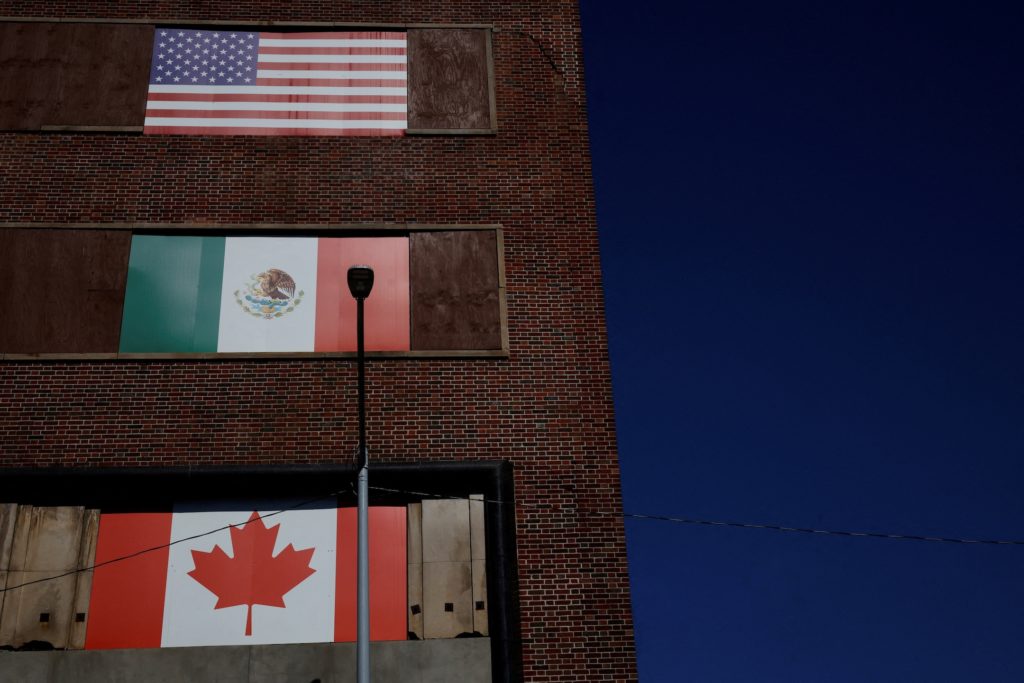
Mexico’s foreign secretary, Roberto Velasco Álvarez, spoke about trade talks with the United States and Canada. He discussed changes under President Trump, including ending the previous trade agreement and starting a trade war with Mexico and Canada.
Key Facts
President Trump signed the United States-Mexico-Canada Agreement (USMCA) during his first term.
After being re-elected, President Trump canceled that trade agreement.
He imposed high taxes (tariffs) on goods from Mexico and Canada.
These actions led to a trade conflict, especially with Canada.
Roberto Velasco Álvarez is Mexico’s foreign secretary.
Velasco Álvarez spoke about ongoing trade talks between Mexico, the U.S., and Canada.
The discussions aim to address issues caused by the tariffs and trade disagreements.
Read the Original
Want the full story? Tap a source to open the original
article.
Iran says it will reopen the Strait of Hormuz within seven days if the United States agrees to a plan based on a previous agreement. Iranian Foreign Minister Abbas Araqchi announced this from the United Nations and said the decision is now up to the US.
Key Facts
Iran plans to reopen the Strait of Hormuz within one week.
The reopening depends on the US accepting a proposed plan.
The plan is based on a Memorandum of Understanding (MOU) made in June.
Iranian Foreign Minister Abbas Araqchi made the statement at the United Nations.
Iran says it has given the US a seven-day period to decide on the plan.
The Strait of Hormuz is a strategic waterway important for global shipping.
Read the Original
Want the full story? Tap a source to open the original
article.
Iranian American journalist Reza Valizadeh has been held in an Iranian prison for two years. He was arrested during a visit to Iran and sentenced to ten years for working with a government that Iran considers an enemy.
Key Facts
Reza Valizadeh is an Iranian American journalist.
He worked for Radio Farda, a Persian-language news service funded by the U.S.
He was arrested during a trip to Iran to see his family.
Iran sentenced him to ten years in prison.
The charge was “collaborating with a hostile government,” meaning working with a government Iran sees as an enemy.
Valizadeh has now been jailed in Iran for two years.
His attorney is Ryan Fayhee.
The news was shared by journalist Amna Nawaz.
Read the Original
Want the full story? Tap a source to open the original
article.
A strong Nor'easter storm threatens over 60 million people in the United States with heavy rain and wind. At the same time, residents in Hawaii are preparing and taking shelter as Hurricane Nolo approaches the islands.
Key Facts
Over 60 million people in the U.S. are at risk from the Nor'easter storm.
Nor'easter storms bring heavy rain, strong winds, and can cause flooding.
Hawaii is expecting Hurricane Nolo to hit the islands soon.
Residents in Hawaii are taking shelter to stay safe from the hurricane.
Both storms are severe weather events happening at the same time in different parts of the U.S.
Read the Original
Want the full story? Tap a source to open the original
article.
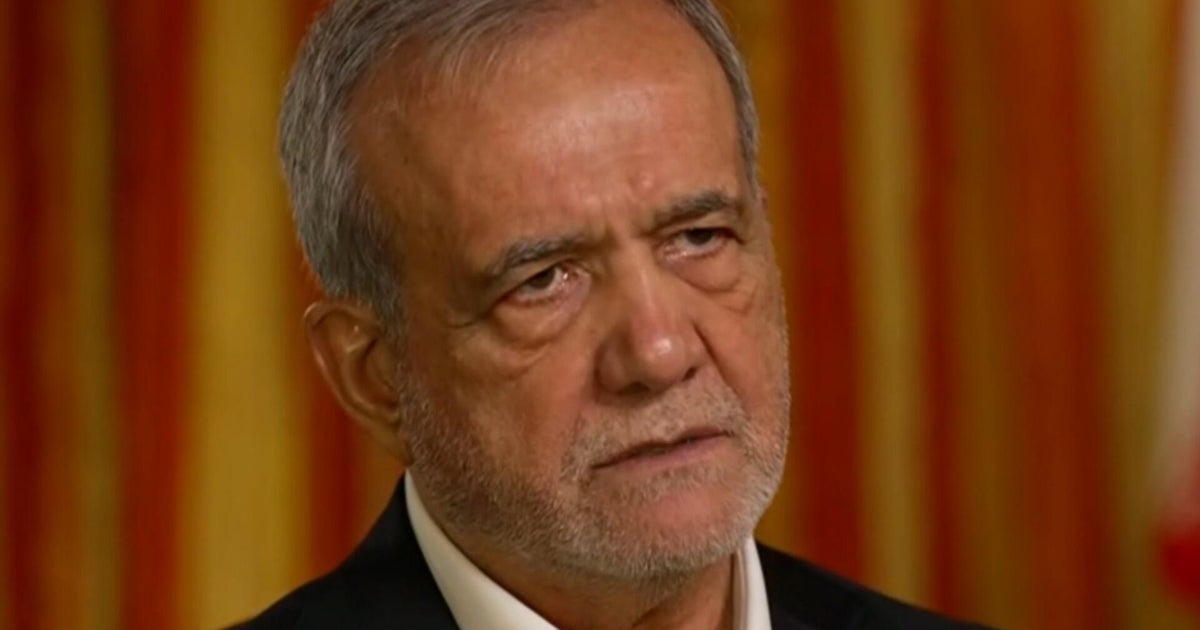
Iranian President Masoud Pezeshkian said that if the United States agrees again to the terms of a deal reached in June, relations would return to how they were before. This statement was made during an interview with CBS News.
Key Facts
Iranian President Masoud Pezeshkian gave an interview to CBS News.
He said things would go back to normal if the U.S. chooses to follow the June deal terms.
The June deal likely refers to an agreement involving Iran and the U.S.
The interview was featured on CBS's program "Face the Nation."
The U.S. has not yet recommitted to the terms of the June deal with Iran.
Read the Original
Want the full story? Tap a source to open the original
article.
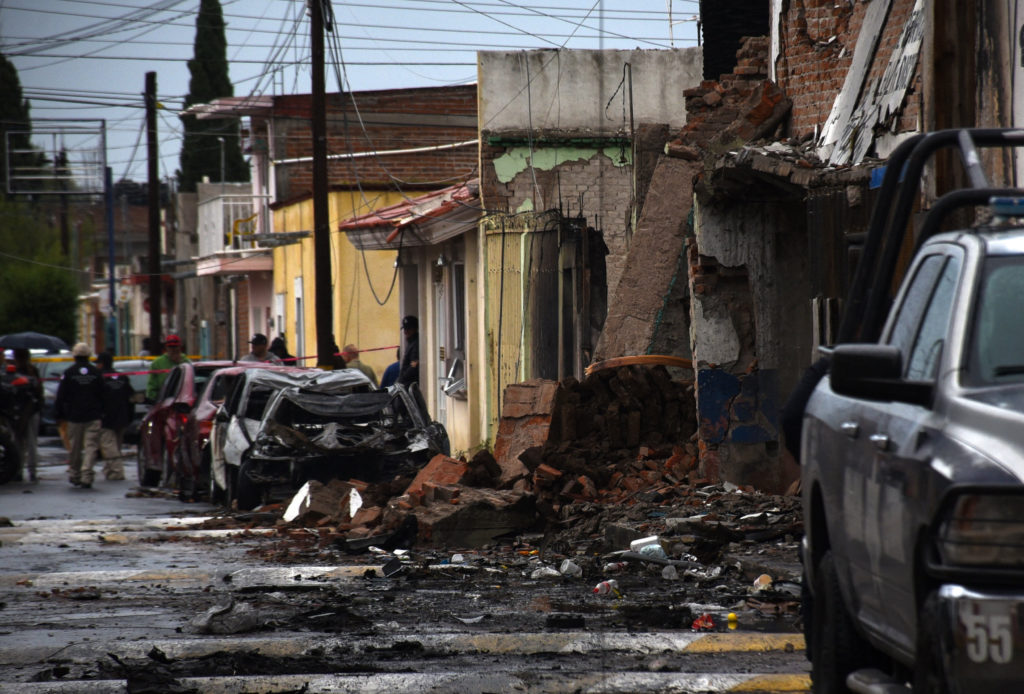
More than half a million households in Mexico have been forced to leave their homes due to violence in the last five years, according to new data from Mexico’s national statistics agency, INEGI. This displacement has affected about 1.6 million people across the country, with the worst violence seen in states like Zacatecas, Morelos, and Michoacan.
Key Facts
From 2020 to 2025, 510,000 Mexican households were displaced by violence.
This displacement impacts around 1.6 million people, including those who fled and those left behind.
The states most affected are Zacatecas, Morelos, Michoacan, Queretaro, and Colima.
The data was released by INEGI, an independent government agency.
The numbers do not include people who fled before 2020 or those who left Mexico for the United States.
Displacement is hard to track because many people leave quietly and may return later.
The Mexican government has focused more on reducing overall crime rather than addressing displacement specifically.
President Claudia Sheinbaum questioned the new data and requested more details about how it was collected.
Read the Original
Want the full story? Tap a source to open the original
article.
Iran has offered the United States a seven-day plan to stop fighting and reopen the Strait of Hormuz, a key waterway. Iran’s foreign minister said this plan also includes restarting talks to reach a final peace agreement between the two countries.
Key Facts
Iran presented a seven-day plan to the U.S. aiming to end hostilities.
The plan includes reopening the Strait of Hormuz for safe passage.
The issue was discussed by Iranian Foreign Minister Abbas Araghchi at the United Nations General Assembly.
The goal is to restart negotiations for a final peace deal between Iran and the U.S.
The Strait of Hormuz is a crucial route for global oil shipments.
Tensions between Iran and the U.S. have increased in recent years, impacting regional stability.
Iran is seeking peaceful talks to resolve ongoing conflicts with the U.S.
Read the Original
Want the full story? Tap a source to open the original
article.
The Ebola outbreak in the Democratic Republic of the Congo (DRC) has spread to two new health zones near the borders with the Central African Republic and South Sudan. The outbreak, caused by the Bundibugyo strain, has resulted in almost 7,900 confirmed cases and nearly 3,800 deaths, with challenges in controlling it due to conflict, displacement, and lack of vaccines.
Key Facts
Ebola cases have appeared in Bulu (South Ubangi) and Dungu (Haut-Uele), expanding the affected zones to 63 across seven provinces.
As of September 23, there are 7,890 confirmed Ebola cases and 3,799 deaths in the DRC.
The outbreak is caused by the Bundibugyo strain, which currently has no approved vaccines.
Conflict and population movement make it hard for health workers to track and treat patients.
Contact tracing is low; only about 30,000 contacts have been identified compared to an estimated 420,000 expected.
Ituri province is the outbreak’s epicenter with over 6,000 cases, followed by North Kivu with 1,480 cases.
Death rates in North Kivu are higher (60%) than the national average (48%).
Patients often avoid hospitals fearing they will be sent to treatment centers where they may die, hindering early treatment and control efforts.
Read the Original
Want the full story? Tap a source to open the original
article.
Ahmad Joudeh is a ballet dancer who was born in a Palestinian refugee camp in Syria. He survived dangers during Syria’s civil war and threats from ISIS before moving to San Diego to continue his dance career.
Key Facts
Ahmad Joudeh was born in a Palestinian refugee camp in Damascus, Syria.
He grew up without official citizenship, meaning he was stateless.
He lived through Syria’s civil war, a dangerous and destructive conflict.
ISIS threatened to kill him because of his dancing.
Despite hardships, he pursued ballet, a form of dance.
He moved to San Diego, USA, where he now lives and dances.
His story shows how he found freedom through ballet after escaping violence.
Read the Original
Want the full story? Tap a source to open the original
article.
The glaciers and eternal snow on the Sudirman Range in Papua, Indonesia, are almost gone due to rising temperatures. These tropical ice areas are important for climate science and hold spiritual significance for local Indigenous groups.
Key Facts
The Sudirman Range once had permanent snow on all four major peaks about 100 years ago.
Today, only small patches of snow remain mainly on Puncak Jaya (Carstensz Pyramid), expected to disappear within a year or two.
Glacier area has shrunk from around 1,900 hectares (4,700 acres) in the 19th century to about 16 hectares (40 acres) now.
The glaciers are unique because they are the last tropical ice between the Andes and Himalayas, isolated by thousands of kilometers.
Ice cores from the glaciers give scientists important information about past climate and ocean changes in the tropical Pacific.
The melting is caused by global warming due to human activities like burning coal, oil, and gas.
Indigenous groups such as the Moni and Amungme people have strong spiritual connections to these mountains.
The glaciers' disappearance threatens both scientific knowledge and cultural heritage of the Indigenous communities.
Read the Original
Want the full story? Tap a source to open the original
article.
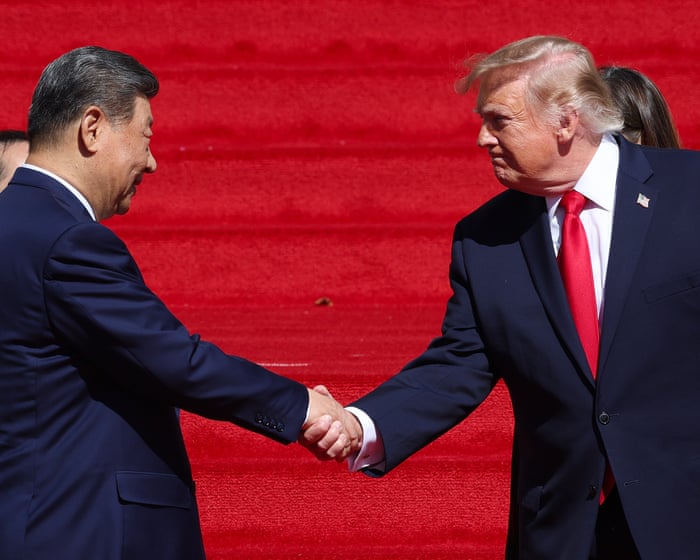
President Donald Trump and Chinese President Xi Jinping met in Washington for a three-day summit. They discussed several topics including AI, international conflicts, and trade, but did not reach any major agreements on regulating artificial intelligence.
Key Facts
The summit was the first visit by a Chinese president to the White House in over ten years.
Trump and Xi extended a trade truce for two months but made no big deals.
Both leaders talked about the wars in Iran and Ukraine and the status of Taiwan.
Despite the presence of tech leaders, they did not agree to pause or regulate AI development.
Xi said both countries must manage AI responsibly and keep it under human control.
Trump focused on maintaining U.S. leadership in AI and promoted the term "super intelligence."
Tech executives like Elon Musk and Tim Cook attended a state dinner with the leaders.
Critics said the summit missed the chance to set up joint U.S.-China working groups on AI safety.
Read the Original
Want the full story? Tap a source to open the original
article.
Iran has offered a deal to the United States to reopen the Strait of Hormuz within seven days if certain conditions are met. This offer refers to a previous agreement aimed at ending military actions and allowing safe passage of ships, but talks are ongoing amid continued conflict and military strikes in the region.
Key Facts
Iran’s Foreign Minister Abbas Araghchi said reopening the Strait of Hormuz depends on the U.S. meeting conditions in a previous memorandum of understanding (MOU).
The MOU, signed in June, included a ceasefire, an end to military operations, sanctions relief, and nuclear non-proliferation by Iran.
The Strait of Hormuz is a key route where about 20% of the world’s oil and natural gas passed before its closure disrupted global energy prices.
The U.S. and Israel launched air strikes on Iran on February 28, which Iran responded to by attacking U.S. bases and blocking the strait.
The U.S. currently maintains a naval blockade of Iranian ports, affecting Iran’s economy and oil exports.
President Donald Trump talked about the possibility of a deal after the November elections but also threatened severe military action against Iran.
Iran rejected threats and said peace cannot be built through coercion or intimidation.
Talks between the U.S. and Iran are continuing through mediators despite the ongoing conflict.
Read the Original
Want the full story? Tap a source to open the original
article.
Colin Norris, a nurse convicted in 2008 of killing elderly patients with insulin injections, has been in prison for 18 years. New reviews of medical records and evidence have raised questions about whether the deaths were murders or natural causes related to medical conditions in frail elderly patients.
Key Facts
Colin Norris was convicted of killing four elderly patients and attempting to kill a fifth by injecting insulin.
The main case involved Ethel Hall, who died after a hypoglycemic coma while recovering from a broken hip.
Norris was convicted mostly based on medical charts showing severe low blood sugar, considered rare in non-diabetics.
His conviction was upheld after appeals, but new scientific evidence suggests low blood sugar episodes may happen naturally in frail elderly patients.
The police investigated retrospectively, looking for other unexplained deaths on Norris's wards with similar symptoms.
The jury convicted Norris by a majority of 11-1 after a five-month trial.
Norris's supporters argue the medical evidence is disputed and the deaths could be natural.
This case follows concerns about other nurses, such as Lucy Letby, convicted in similar hospital death cases.
Read the Original
Want the full story? Tap a source to open the original
article.