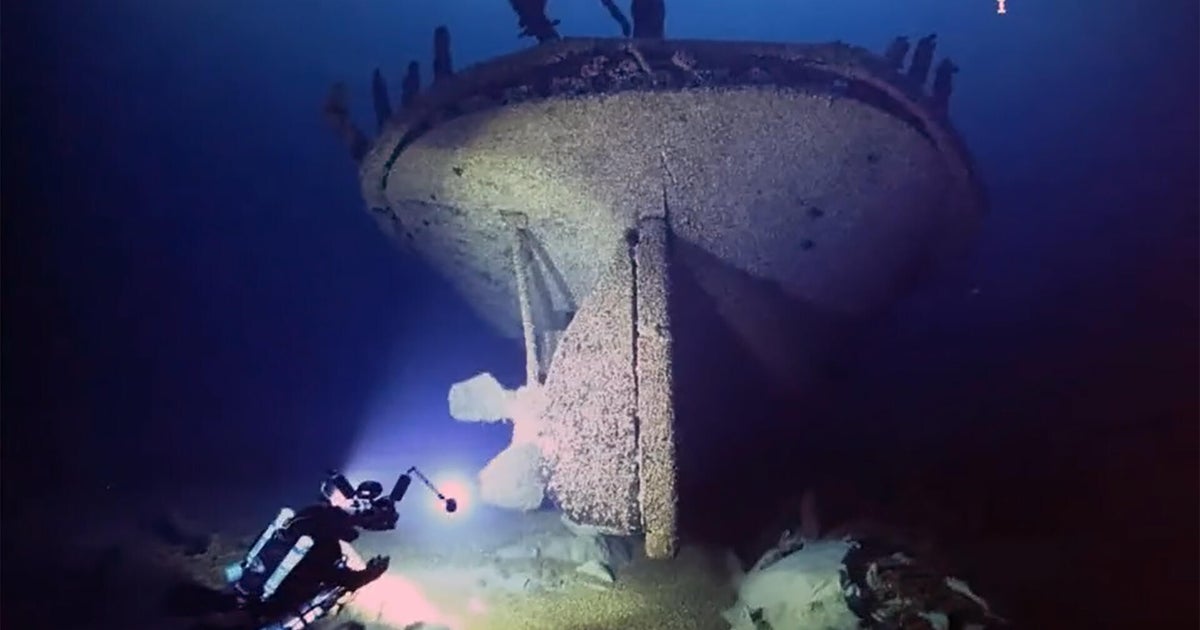
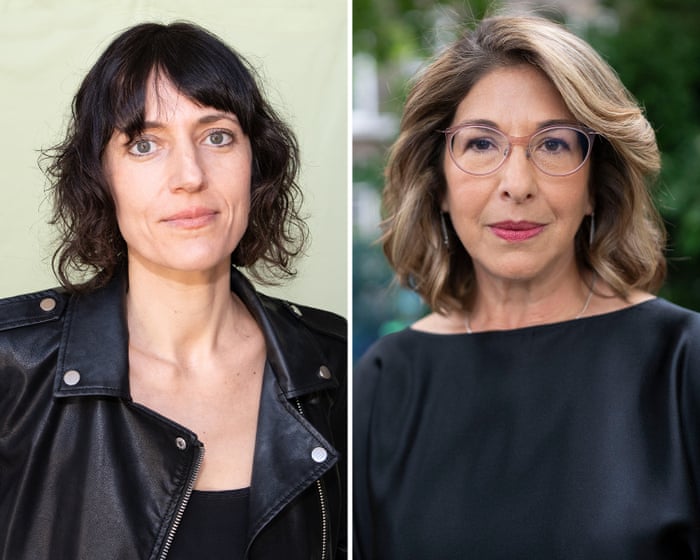
Oceanographer Robert Ballard is known for finding the Titanic shipwreck in 1985, deep under the Atlantic Ocean. He now leads a research vessel called Nautilus that maps the ocean floor, studying shipwrecks and the sea. The article also discusses a book about people who face danger and hardship at sea.
Key Facts
Robert Ballard is an oceanographer who discovered the Titanic wreck in 1985.
The Titanic lies about 12,000 feet (around 3,700 meters) below the Atlantic Ocean’s surface.
Ballard’s research vessel, Nautilus, works to map the ocean floor.
Shipwrecks reveal stories about human vulnerability and survival at sea.
Sophie Elmhirst wrote a bestselling book called "A Marriage at Sea" about love and shipwreck experiences.
The article includes interviews with both Robert Ballard and Sophie Elmhirst.
Mapping the ocean floor helps scientists understand the sea’s history and dangers.
Read the Original
Want the full story? Tap a source to open the original
article.
The Iran-backed Houthi group in Yemen has stepped up attacks on Saudi Arabia and expanded fighting near the Bab el-Mandeb Strait, an important global shipping route. This escalation highlights Iran’s influence in the region and increases pressure on the United States, which supports Saudi Arabia, as President Donald Trump approaches an important election.
Key Facts
The Houthis in Yemen receive support from Iran.
They have increased military attacks targeting Saudi Arabia.
Fighting has spread near the Bab el-Mandeb Strait, a key point for world trade and oil transport.
Control of this strait affects global shipping routes and energy supplies.
Experts suggest the current conflict in Yemen could be reaching a critical final stage.
The conflict adds tension to U.S. relations with its allies in the Middle East.
The timing of these events coincides with President Donald Trump’s upcoming election.
The situation raises concerns about regional stability and international trade.
Read the Original
Want the full story? Tap a source to open the original
article.
The CBS News Almanac for September 13 reviews important historical events that happened on this date. It provides a look back at past news and notable moments.
Key Facts
The Almanac highlights key historical events from September 13 in different years.
It is featured on CBS News program "Sunday Morning."
The segment is available to watch on the CBS News app and through web browsers like Chrome and Safari.
Almanacs typically serve to remind viewers of significant past events.
This is a recurring feature aimed at connecting current audiences with history.
Read the Original
Want the full story? Tap a source to open the original
article.
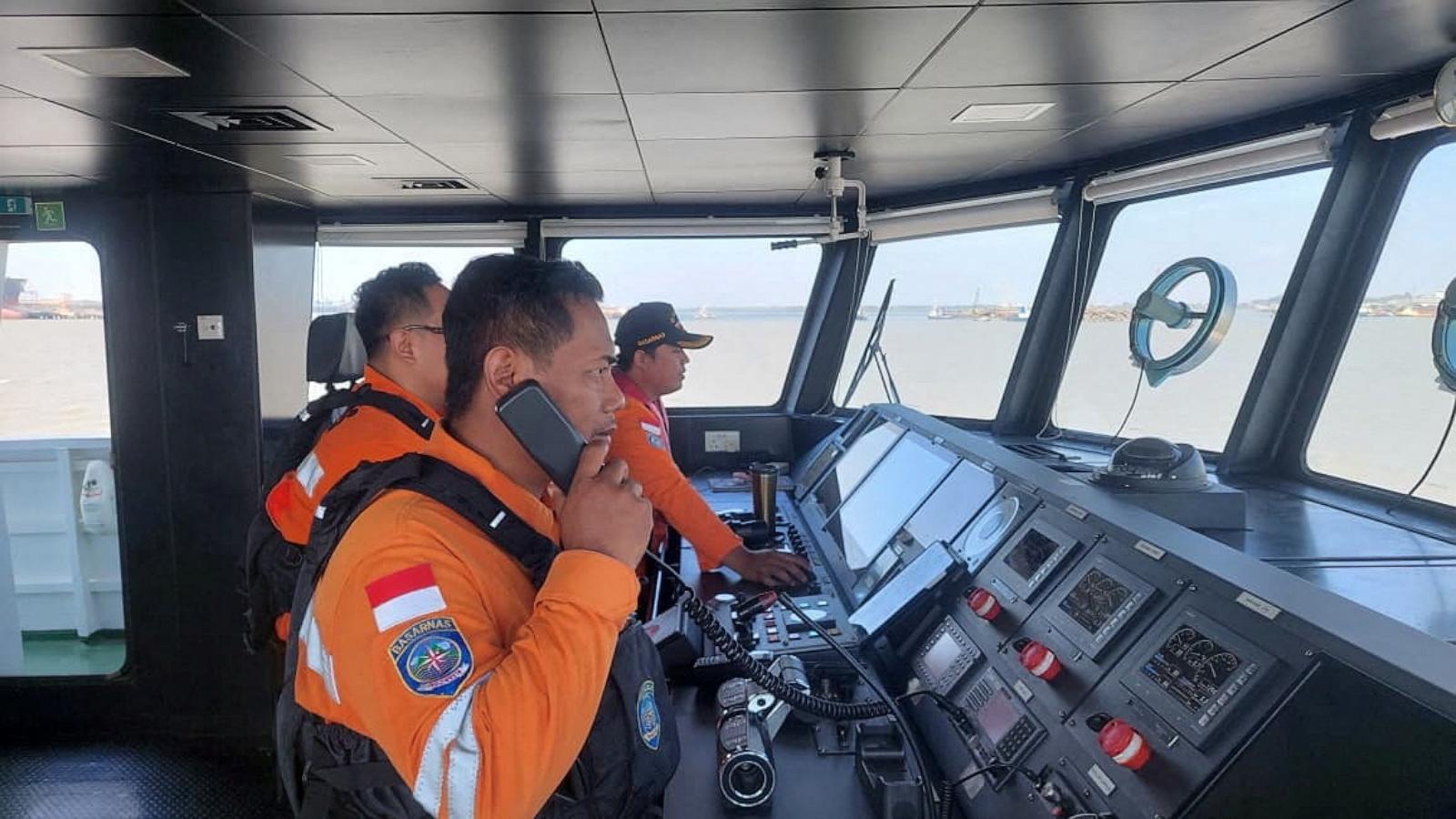
A ferry carrying 243 people sank between the Indonesian islands of Java and Borneo during bad weather. At least one person died, and over 100 people are missing in this second ferry accident in the region within five days.
Key Facts
The ferry was traveling between Java and Borneo islands in Indonesia.
It sank during rough weather conditions.
There were 243 people on board the ferry.
At least one person has died from the sinking.
More than 100 people are still missing after the accident.
This is the second major ferry disaster in the area in five days.
The accidents raise concerns about ferry safety, overcrowding, and poor maintenance.
Read the Original
Want the full story? Tap a source to open the original
article.
Fighting has increased in Yemen after Houthi forces, supported by Iran, took control of important land near the Bab el-Mandeb Strait. This led to attacks by Yemeni government forces and Saudi Arabia, with Houthis threatening to block shipping through this key trade route.
Key Facts
Houthi forces in Yemen are backed by Iran.
The Houthis captured strategic areas around the Bab el-Mandeb Strait.
The Yemeni government responded with counterattacks.
Saudi Arabia carried out air strikes against the Houthis.
Houthis claimed attacks inside southern Saudi Arabia.
The Houthis threatened to disrupt shipping through the Bab el-Mandeb Strait.
The Bab el-Mandeb Strait is a vital maritime chokepoint important for global trade.
The fighting raises concerns about security in the region and for international shipping.
Read the Original
Want the full story? Tap a source to open the original
article.
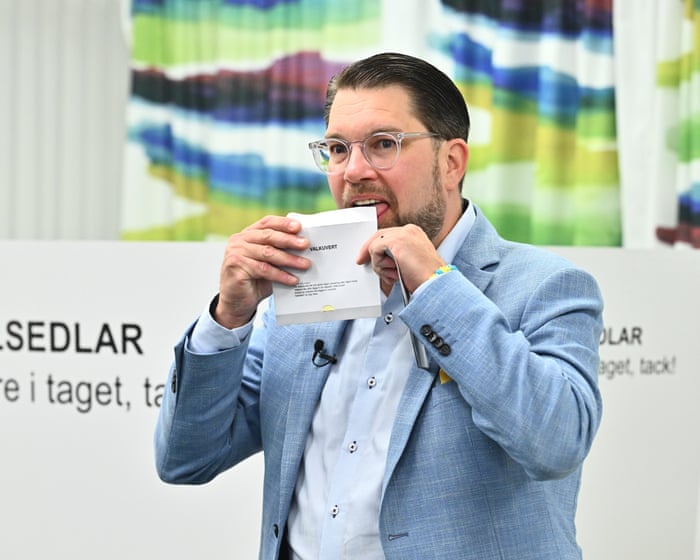
Sweden is holding a close election where the far-right party is gaining support by focusing on crime and security concerns. Experts say the far-right has made its image less extreme to attract more voters, but caution that its overall strength may still be limited.
Key Facts
Sweden’s upcoming election is highly competitive.
The far-right party is increasing its support.
They focus on issues like crime and public safety.
Some voters link these issues to migration.
The far-right has softened its image in recent years.
This change helps appeal to a broader range of voters.
Experts warn not to exaggerate the far-right’s power.
The situation reflects broader European political trends.
Read the Original
Want the full story? Tap a source to open the original
article.
Jeff Bezos plans to hold a large, expensive wedding in Venice in early 2025, which has upset many local residents. People in Venice are already facing housing problems and environmental issues like frequent flooding, and they see the wedding and Bezos’s space projects as symbols of wealthy outsiders taking over their city and ignoring local struggles.
Key Facts
Jeff Bezos announced a wedding in Venice that would last three days and cost about $50 million.
Many Venetians are upset because the city has housing shortages and heavy tourist traffic.
Venice experiences flooding dozens of times a year, which locals link to environmental problems worsened by activities like data center expansion.
Bezos’s rocket company, Blue Origin, recently sent celebrities on a short space trip as a publicity event.
Bezos promotes the idea of colonizing space to protect humanity from Earth’s ecological limits.
Some locals feel that both space and Venice are being "colonized" by wealthy outsiders.
Many young Italians leave Italy due to lack of jobs and economic opportunities.
An antifascist activist group called “No Space for Bezos” protested the wedding, connecting issues of billionaire power, climate change, and militarism.
Read the Original
Want the full story? Tap a source to open the original
article.
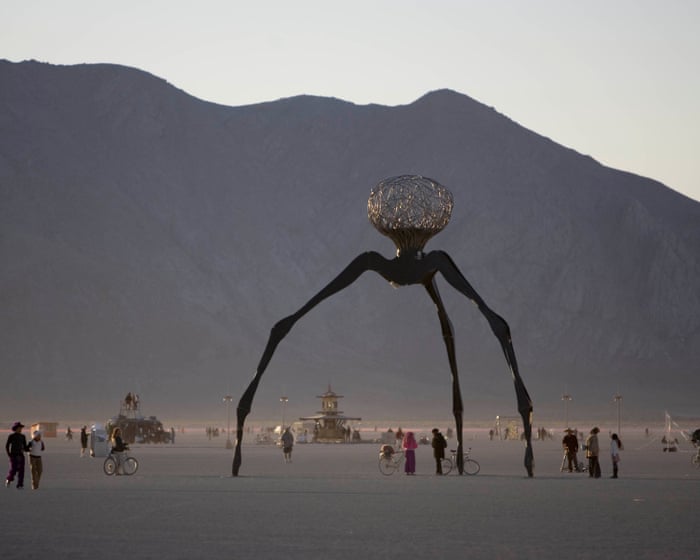
Burning Man, an arts festival in Nevada's desert, turned 40 years old and shows changes in its attendees. The number of young people in their 20s attending has dropped sharply, while more people in their 40s and 50s now make up a large part of the crowd. This shift in age could change the culture of the event.
Key Facts
Burning Man started 40 years ago and is held in Nevada's Black Rock desert.
The festival involves building a temporary city, partying for a week, and burning a large wooden figure called “the Man.”
Young attendees in their 20s dropped from nearly one-third to about 10% in 2025.
People aged 40 to 59 made up about 42% of the attendees in 2025.
Three men over 50 died during the festival this year; causes of death are still being investigated.
The event typically sees about one death a year despite rough conditions and risky activities.
The desert location is very harsh, with no water or plants, and weather like dust storms and flooding.
Early data for 2026 suggests the crowd might be slightly younger than in 2025 but no full data yet.
Read the Original
Want the full story? Tap a source to open the original
article.
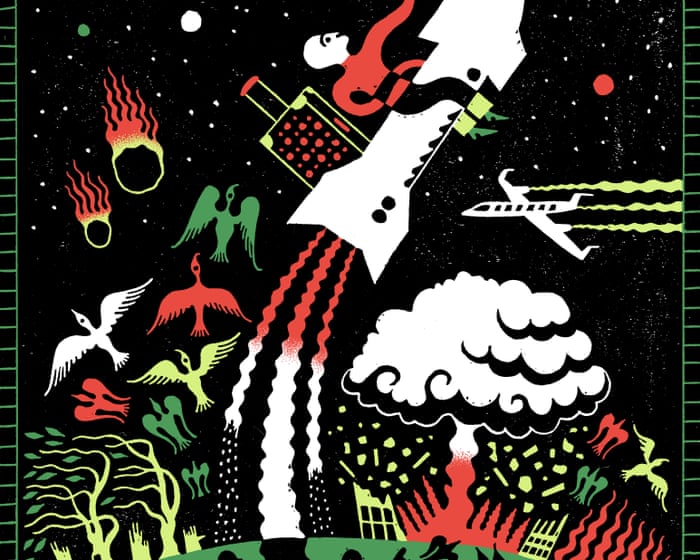
Naomi Klein and Astra Taylor have written a new book called *End Times Fascism: And the Fight for the Living World*. The book explains how some far-right groups, including certain powerful business people and religious leaders, believe the world is ending and think only a few should survive. They argue this is a serious threat during global crises like pandemics and climate change.
Key Facts
The book discusses a rising far-right movement linked to current global crises.
This movement includes a mix of people, from venture capitalists to military religious leaders.
They believe the world is ending and only a select few deserve to survive.
Naomi Klein and Astra Taylor also made a video featuring some of these leaders speaking directly.
The video and book aim to warn people and encourage protecting the planet and each other.
*End Times Fascism* will be published on 15 September by Farrar, Straus and Giroux.
Naomi Klein is a climate justice expert and writer for The Guardian US.
Astra Taylor is a writer, activist, and documentary filmmaker.
Read the Original
Want the full story? Tap a source to open the original
article.
Staff at France’s public radio broadcaster, Radio France, started a two-day strike to protest the appointment of Charles Sapin, who works at a far-right weekly magazine. Unions say Sapin promotes far-right ideas, while Radio France management defends the choice to support diverse opinions ahead of the 2027 presidential election.
Key Facts
Charles Sapin is deputy editor-in-chief of Valeurs Actuelles, a magazine with far-right views.
Sapin has been giving a weekly political commentary on France Inter, a popular public radio station.
Radio France staff went on strike for two days, stopping Sapin’s commentary and some morning shows.
Management says the appointment supports pluralism, which means offering different viewpoints.
Critics argue Valeurs Actuelles’s values conflict with Radio France’s public service role.
About 300 public figures, including artists and writers, called Sapin’s hiring “outrageous.”
Some critics say pluralism should not allow ideas that threaten democracy and rights.
France Inter’s director defended Sapin, saying they trust him not to harm the station’s reputation.
Read the Original
Want the full story? Tap a source to open the original
article.
An Iranian cargo ship was hit by an unknown projectile near the Strait of Hormuz, according to Iranian state media. The attack occurred close to Hengam Island and resulted in the death of one person.
Key Facts
The attack happened early on a Sunday near Hengam Island in the Strait of Hormuz.
The ship targeted was a commercial container vessel from Iran.
The cause of the attack was an unidentified projectile, meaning the source is unknown.
One person was killed in the strike.
The incident is part of ongoing tensions between the U.S. and Iran.
Hossein Amir Teymoori, governor of Qeshm, reported the incident to Iranian media.
The Strait of Hormuz is a strategic and important waterway for global oil shipments.
Read the Original
Want the full story? Tap a source to open the original
article.
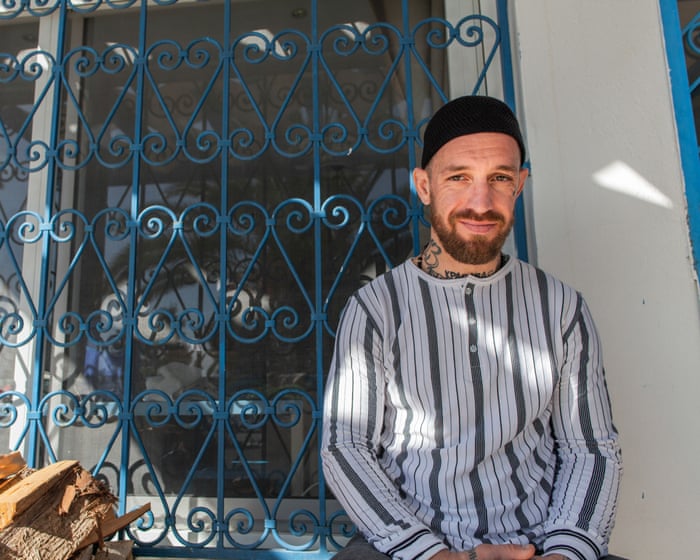
James “Fergie” Chambers, a US citizen and donor to leftwing and humanitarian causes, is in jail in Madrid and wanted for extradition to the US over alleged support for Hamas. Spain’s government will soon decide whether to approve the extradition request, with his defense arguing he only supported humanitarian aid and not violence.
Key Facts
Chambers is accused of sending $7.5 million from a US bank to Tunisia, supposedly to support Hamas.
His lawyers say the US charges, including “conspiracy to commit riot,” do not match Spanish law and that Chambers’ donations were for humanitarian aid.
The Spanish council of ministers will decide on the extradition request in a meeting on 22 September.
Chambers’ partner, actor and activist Stella Schnabel, has met with Spanish politicians to argue against extradition.
Supporters claim allowing the extradition would criminalize humanitarian aid to Palestinians.
The US government’s evidence was provided to Spain on 26 August.
Chambers’ defense says he comes from a wealthy US family and obtained his money legally.
This is the first known US extradition request over alleged backing of Hamas.
Read the Original
Want the full story? Tap a source to open the original
article.
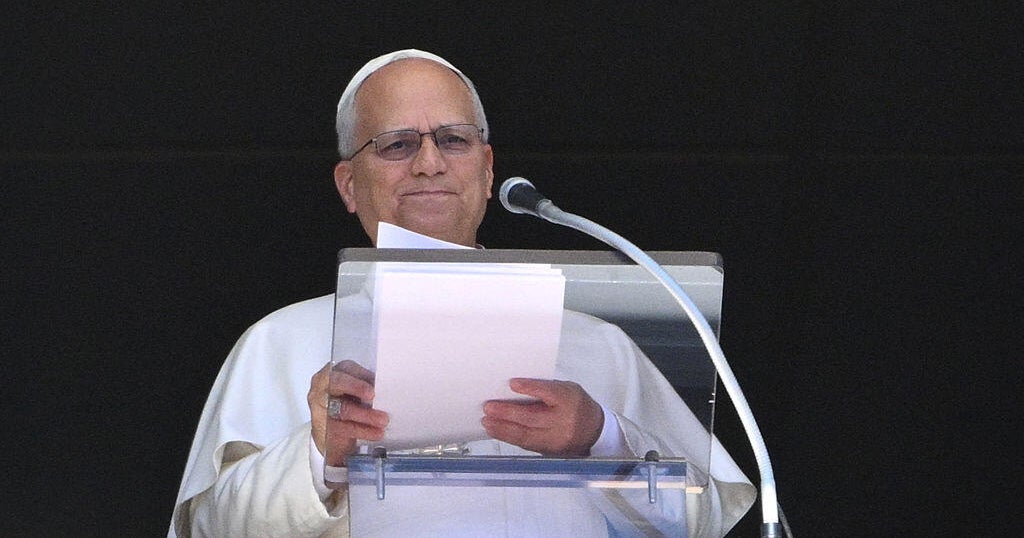
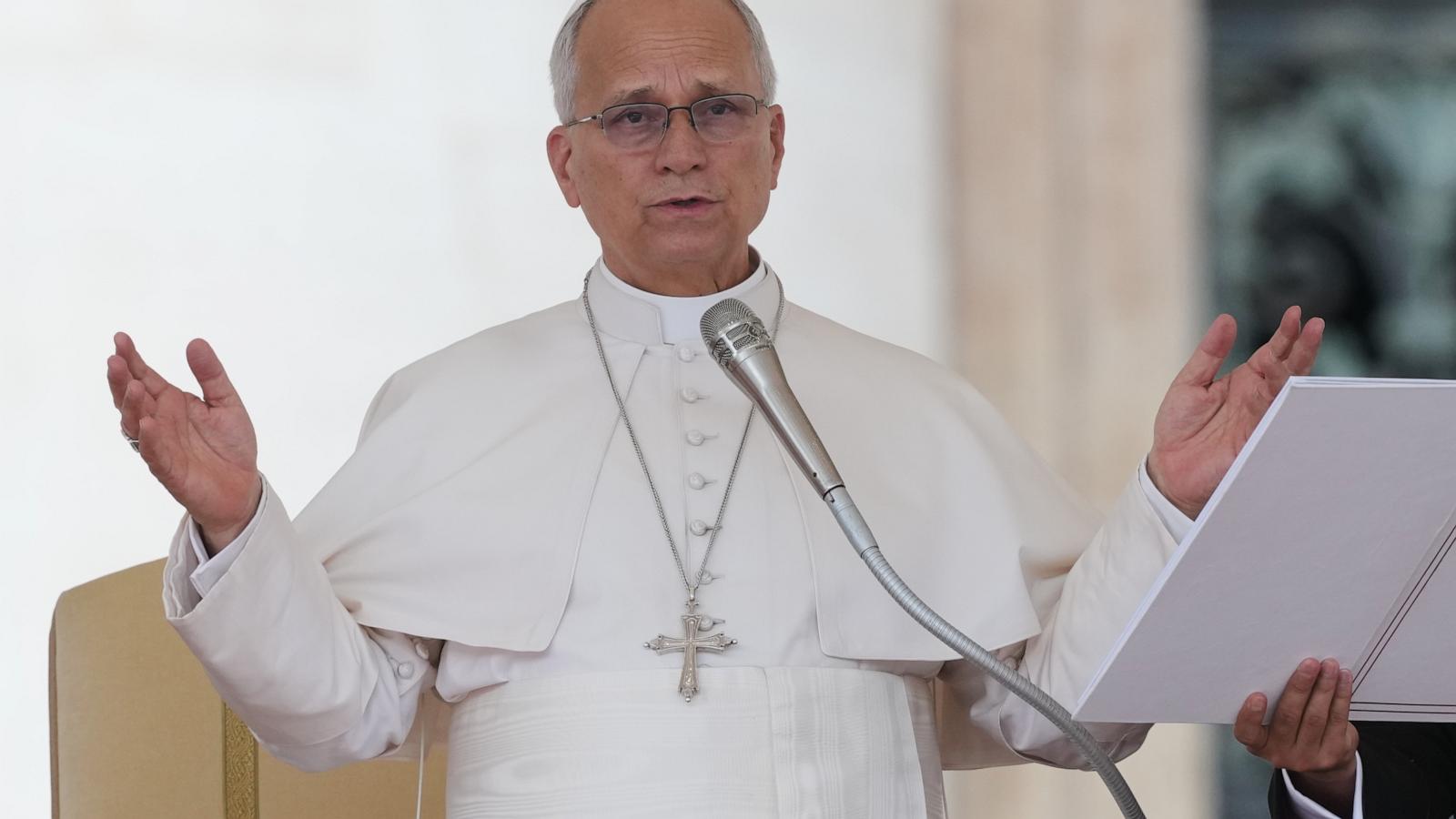
Pope Leo XIV, the first American pope, spoke about the 25th anniversary of the September 11 attacks, offering prayers for the victims and wounded. He called for a renewed commitment to peace and encouraged people to pray for peace worldwide.
Key Facts
Pope Leo XIV is the first American pope and was born in Chicago.
He spoke publicly about the 9/11 attacks for the first time during his Sunday blessing at the Vatican.
The pope prayed for those who died and those still affected by the attacks.
He asked everyone to pray for peace in a world that still faces conflict and violence.
The pope reminded people that poverty and injustice contribute to hatred and violence.
Before becoming pope, he was a leader in the Augustinian religious order.
Other popes, Benedict and Francis, have visited the 9/11 Ground Zero site in 2008 and 2015.
September 11, 2026, marks the 25th anniversary of the terrorist attacks in the United States.
Read the Original
Want the full story? Tap a source to open the original
article.
A ferry carrying 243 people capsized in bad weather in the Java Sea, Indonesia. At least six people died, 130 are missing, and 107 were rescued safely.
Key Facts
The ferry, named Virgo Transport 8, was traveling between Java and Borneo.
The accident happened during severe weather conditions.
At least six people have been confirmed dead.
About 130 people are still missing after the ferry capsized.
Rescuers have saved 107 passengers so far.
Rescue efforts involve ships and a helicopter searching for survivors.
Officials are investigating the cause, considering natural, technical, or human factors.
This incident follows a ferry fire last month in the same region that killed five people.
Read the Original
Want the full story? Tap a source to open the original
article.
Pope Leo XIV, the first American pope, spoke on the 25th anniversary of the September 11 attacks, offering prayers for the victims and a call for peace. He emphasized the need to remember the tragedy and to commit to peace through prayer amid ongoing global conflict and violence.
Key Facts
Pope Leo XIV marked the 25th anniversary of the 9/11 terrorist attacks in the United States.
He prayed for those who died and those still affected by the attacks.
The pope called on everyone to pray for peace in a world affected by conflict and violence.
He spoke publicly about 9/11 for the first time during his weekly blessing at Vatican’s St. Peter’s Square.
Pope Leo XIV was born in Chicago and previously led the Augustinian religious order.
He reflected on the attacks in a 2001 homily, highlighting issues like poverty and injustice fueling hatred and violence.
The Vatican republished parts of this homily on the anniversary to remind people of the importance of peace.
Read the Original
Want the full story? Tap a source to open the original
article.
Leaders from the Brics group met in Delhi to discuss global issues, including the ongoing war in Iran and their roles in world politics. Although they agreed on a joint statement urging restraint in the Middle East conflict, deep divisions remain, and they avoided naming specific countries or conflicts like Russia’s war in Ukraine.
Key Facts
The Brics summit took place in Delhi with leaders from China, Russia, India, Iran, UAE, and South Africa present.
India’s Prime Minister Modi said Brics leaders should shape global rules, not just follow them.
The group includes countries with past conflicts, such as India and China, and Iran and the UAE, which are on opposing sides of a Middle East war.
Brics aims partly to reduce U.S. and Western influence, especially for China, Russia, and Iran, but India rejects labeling Brics as anti-Western.
The summit produced the "New Delhi Declaration," urging restraint in Middle East conflicts but avoiding blame or sharp disagreements.
The declaration mentioned support for a two-state solution in the Israeli-Palestinian conflict and opposed forced displacement but referenced UN resolutions carefully.
The declaration did not mention the Russia-Ukraine war, which had been included in past statements.
The declaration criticized rising tariffs and unilateral sanctions but did not name the U.S., likely to avoid political tensions.
Read the Original
Want the full story? Tap a source to open the original
article.
The UK government said it might not reach its goal of building 1.5 million new homes before the next election. Inflation from international conflicts and high construction costs have slowed housebuilding, but the government still wants to focus on building more council houses and affordable homes.
Key Facts
The UK government set a target to build 1.5 million homes by the next election.
Angela Rayner, the communities secretary, said there is only a "slim chance" of reaching this target.
Inflation caused by the US war with Iran has increased construction costs and slowed housebuilding.
Andy Burnham, the prime minister, prioritizes building council houses (homes owned by local authorities).
The government announced a £10 billion program to build social and affordable homes.
This program aims to build 70,000 homes outside London, with about 60% as social rented houses.
London will receive £6 billion for housing at a later date.
Officials want to make it easier for private builders to get permission for homes near public transport.
Read the Original
Want the full story? Tap a source to open the original
article.
Voting is happening in Sweden’s national election, which may lead to the far-right Sweden Democrats joining the government for the first time. The election race is very close between the left and right political groups, and results are expected late on election day, with coalition talks likely to take weeks.
Key Facts
Sweden is holding a national election with voting already underway.
The far-right Sweden Democrats (SD) might join the government if the right-wing bloc wins.
The current right-wing bloc includes the Moderates, Christian Democrats, Liberals, and SD in a supporting role.
The left-wing bloc includes the Social Democrats, Centre party, Green party, and Left party.
The Sweden Democrats have a history linked to neo-Nazism but have softened their public image, focusing on immigration and crime.
SD’s campaign slogan is “make Sweden Sweden again,” similar to former U.S. President Trump’s slogan.
Voting stations opened early, with a record 3.6 million people voting before election day.
Election results will start being reported late Sunday, but forming a governing coalition may take a long time.
Read the Original
Want the full story? Tap a source to open the original
article.
Brazil will hold presidential elections on October 4. President Luiz Inácio Lula da Silva is seeking a fourth term, while the Bolsonaro family is trying to return to power with Flávio Bolsonaro running for president and Michelle Bolsonaro campaigning for the Senate.
Key Facts
Brazil's presidential election is scheduled for October 4, 2026.
Current President Luiz Inácio Lula da Silva is running for a fourth term.
The Bolsonaro family is actively participating in the elections.
Flávio Bolsonaro is a presidential candidate.
Michelle Bolsonaro is running for a Senate seat.
Michelle Bolsonaro is popular among women voters.
Polls show a close race between the candidates.
The Bolsonaro family aims to regain political power in Brazil.
Read the Original
Want the full story? Tap a source to open the original
article.
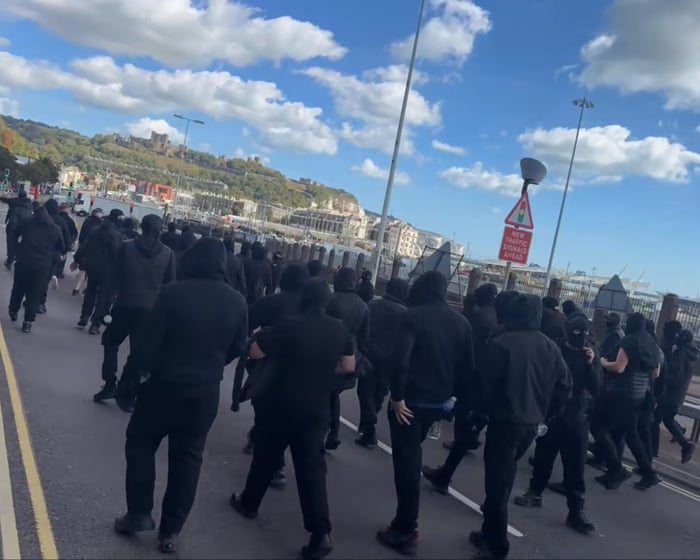
A group of masked men, linked to a far-right organization called Patriot Platform, gathered at the port of Dover in England to protest against migrant arrivals. The police and intelligence services were caught off guard, treating the event as a peaceful protest despite its intimidating nature and rhetoric against migrants. The incident highlights challenges in Britain’s current approach to monitoring far-right extremism.
Key Facts
Around early September, masked men wearing black gathered at Dover port chanting “stop the boats,” referring to migrant crossings.
The group is connected to Patriot Platform, formed in June by far-right activist Daniel Thomas.
Residents nearby tried to warn police about threats from this group before they arrived in Dover.
Police described the event as a “protest” and did not make arrests at Dover, though some clashes occurred later in Portsmouth.
The group used tactics aimed to provoke without breaking criminal laws, distributing information about legal rights to protest.
Britain’s counter-terrorism efforts focus more on other groups, while far-right activities like this have been less aggressively policed.
This event points to gaps in how UK authorities monitor and manage the rise of far-right activism and extremism.
Authorities face a challenge in balancing freedom of assembly with preventing intimidation and hate-driven actions.
Read the Original
Want the full story? Tap a source to open the original
article.