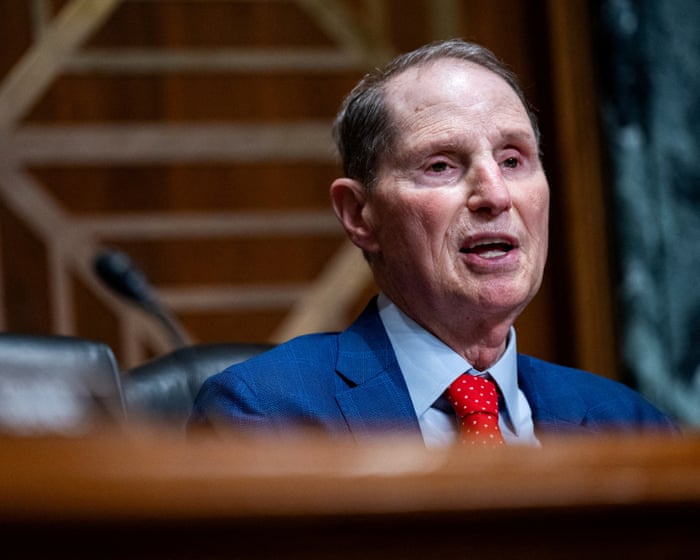
Two U.S. lawmakers from different political parties are asking a British court to be more open about Apple’s legal fight over government demands to access encrypted data. They argue that the British government’s secrecy harms relations between the U.S. and the U.K. and interferes with the powers of the U.S. Congress.
Key Facts
Senator Ron Wyden (Democrat) and Congressman Warren Davidson (Republican) sent a letter to Britain’s Investigatory Powers Tribunal (IPT).
The dispute started in January 2025 when the UK Home Office ordered Apple to help access encrypted iCloud backups worldwide.
Apple responded by removing its Advanced Data Protection encryption feature for UK users.
The original UK government demand was withdrawn and replaced with a narrower order targeting only UK users’ data.
Apple challenged the new order in the IPT and filed a new complaint about the government’s authority.
The U.S. lawmakers say secrecy around this case blocks Congress from doing its job and violates U.S. constitutional powers.
The tribunal previously ruled the case details should be public, following pressure from lawmakers.
The letter argues the UK government should not prevent legislative oversight in either country by using secrecy orders.
Read the Original
Want the full story? Tap a source to open the original
article.
Genelle Guzman-McMillan, the last person rescued from the rubble of the World Trade Center after the 9/11 attacks, spoke with ABC News about her experience and the events following that day. The news also covers ceremonies and activities marking the 25th anniversary of the 9/11 attacks across the United States.
Key Facts
Genelle Guzman-McMillan was the last survivor pulled from the collapsed World Trade Center after the 9/11 attacks.
She recently shared her story in an interview with ABC News and discussed her experiences with her daughter.
The 25th anniversary of the 9/11 attacks is being commemorated with ceremonies in New York City, the Pentagon, and Shanksville, Pennsylvania.
President Donald Trump participated in the 25th-anniversary observances at the Pentagon.
Various tributes and memorials are taking place across the country honoring victims and first responders.
News coverage includes stories about health impacts, rebuilding efforts, and personal accounts related to 9/11.
The anniversary has also prompted increased security measures in New York City.
Other updates include a variety of news items unrelated to 9/11, reflecting a broad news day on ABC News.
Read the Original
Want the full story? Tap a source to open the original
article.
After the September 11 attacks, President George W. Bush and Vice President Dick Cheney used harsh methods like torture and detention without trial in Guantanamo. Later presidents did not prosecute these actions, which set a precedent that made it easier for President Donald Trump to use aggressive policies without being held accountable.
Key Facts
The Bush administration responded to 9/11 by using torture and imprisoning suspects without trial.
Many Americans initially accepted these methods due to fear of more attacks.
No senior Bush officials were prosecuted for torture despite public outrage.
President Barack Obama chose not to prosecute Bush officials to focus on other priorities like healthcare.
The Detainee Treatment Act of 2005 stopped some abusive practices.
Using the label "enemy combatants," Bush justified indefinite detention without normal legal trials.
This approach created a legacy of impunity, meaning those in power avoid punishment.
President Trump’s harsh immigration enforcement suggests he felt protected by this legacy.
Read the Original
Want the full story? Tap a source to open the original
article.
Bryan Stern, a soldier and founder of Grey Bull Rescue, shared his memories of helping people escape during the September 11, 2001 terrorist attacks on the World Trade Center in New York City. He spoke about his experiences in an interview with CBS News.
Key Facts
Bryan Stern is a soldier and the founder of Grey Bull Rescue.
He helped people escape from the World Trade Center during the 9/11 attacks.
The terrorist attacks happened on September 11, 2001, in New York City.
Stern shared his memories in a CBS News interview.
The attacks involved terrorists targeting the World Trade Center buildings.
Many people needed help escaping the burning towers.
Stern’s rescue efforts were part of the emergency response that day.
The interview is available on the CBS News app and website.
Read the Original
Want the full story? Tap a source to open the original
article.
Countries around the world are holding ceremonies and events to mark 25 years since the September 11, 2001, attacks in the United States. These activities remember the people who died and reflect on the impact of the attacks globally.
Key Facts
The September 11 attacks occurred in 2001.
It has been 25 years since these attacks.
Multiple countries are holding remembrance events.
The events honor victims who lost their lives.
The anniversary is marked with ceremonies worldwide.
The attacks had a global impact on security and politics.
Media outlets like CBS News are covering the commemorations.
Read the Original
Want the full story? Tap a source to open the original
article.
The Atlantic hurricane season may have no hurricanes this year for the first time in over 100 years if none form before it ends. This rare event is linked to a strong El Niño, a climate pattern that usually reduces hurricanes in the Atlantic by creating disruptive winds.
Key Facts
El Niño is a warm phase in the Pacific Ocean that affects weather worldwide, including the Atlantic hurricane season.
El Niño typically causes fewer hurricanes in the Atlantic but more in the eastern and central Pacific.
As of September 10, no hurricanes had formed in the Atlantic, which is unusual since September is the peak month for hurricanes there.
Only two previous Atlantic seasons (1907 and 1914) had no hurricanes, and those happened before satellites helped track storms.
Five named storms have formed so far this year but none became hurricanes due to strong wind shear, dry air, and Saharan dust.
Wind shear means strong upper-level winds that tear apart storms and prevent them from strengthening.
Even without hurricanes, tropical storms can still cause flooding, strong winds, and dangerous surf.
The season ends on November 30, and historically about 24% of hurricanes form after September, but only 19% do in El Niño years.
Read the Original
Want the full story? Tap a source to open the original
article.
The Royal National Lifeboat Institution (RNLI) has received a large increase in donations after far-right groups protested against its rescue of asylum seekers crossing the English Channel. RNLI volunteers faced abuse, and several police forces increased security around the charity’s sites. The RNLI said it only acts when asked by the coastguard and emphasized that rescue work for small boats is a very small part of its overall missions.
Key Facts
The RNLI rescued a dinghy carrying asylum seekers near Portsmouth, triggering protests by far-right groups.
Volunteers have faced both online and physical abuse, with some shops and lifeboat stations closing due to safety concerns.
Police in Dorset, Hampshire, and Sussex have increased patrols and investigated threats linked to the protests.
The RNLI’s vice-president said the charity only saves lives at sea when asked by the coastguard and is not responsible for migration policy.
Donations to the RNLI have significantly increased despite calls by protesters to stop giving money.
The RNLI warned volunteers they might avoid wearing branded clothing for their safety and can close facilities if threatened.
Only 1.2% of the RNLI’s rescue missions in 2025 involved small boats in the Channel, while UK Border Force handled the majority of migrant rescues.
The RNLI denied unfounded rumors about secretly housing asylum seekers or transporting migrants.
Read the Original
Want the full story? Tap a source to open the original
article.
Americans are marking the 25th anniversary of the September 11 attacks with ceremonies and memorials across the country. The attacks killed nearly 3,000 people and led to major changes worldwide, including wars and ongoing health effects from the disaster. President Donald Trump and other officials are attending remembrance events at key sites, such as the Pentagon and Flight 93 memorial.
Key Facts
The 9/11 attacks happened on September 11, 2001, when terrorists hijacked four planes and crashed them into the World Trade Center, the Pentagon, and a field in Pennsylvania.
Nearly 3,000 people died in the attacks, which targeted symbols of U.S. economic power and military strength.
The Flight 93 plane crash in Pennsylvania was caused by passengers fighting the hijackers, preventing it from reaching its target in Washington, D.C.
President Donald Trump will attend the Pentagon remembrance ceremony, and Vice President JD Vance will attend the event at the National Sept. 11 Memorial in New York.
For the first time, the New York ceremony will include a moment of silence to honor people who later died from illnesses caused by toxic dust from the collapse of the Twin Towers.
Memorial activities are happening nationwide, including light displays, vigils, and volunteer projects.
The 9/11 attacks led to major U.S. wars in Afghanistan and Iraq and had lasting effects on security and global politics.
Families and first responders continue to remember those lost and those affected by health problems after the attacks.
Read the Original
Want the full story? Tap a source to open the original
article.
Father Mychal Judge was a chaplain with the New York Fire Department who rushed to help people during the September 11, 2001 attacks. He prayed for victims and rescuers at the Twin Towers and was killed when the south tower collapsed. His life and service continue to be remembered 25 years later.
Key Facts
Father Mychal Judge was the FDNY chaplain who responded quickly on 9/11.
He prayed for people trapped in the towers and for the rescuers.
He died instantly when the south tower of the World Trade Center collapsed.
His death was one of the first official 9/11 casualties.
A French film crew captured his final moments inside the north tower lobby.
Judge’s gear and helmet are displayed at the New York City Fire Museum.
Thousands attended his funeral in New York City days after the attacks.
Judge was known for his humility and compassion, serving as a spiritual support for many.
Read the Original
Want the full story? Tap a source to open the original
article.
New York City is remembering the terrorist attacks that happened on September 11, 2001, when hijackers crashed planes into the World Trade Center. This year marks 25 years since the attacks, and the city is holding events to honor the victims and reflect on the tragedy.
Key Facts
The attacks took place on September 11, 2001.
Hijackers flew two planes into the World Trade Center towers in New York City.
This year marks 25 years since the attacks happened.
New York City is holding ceremonies to remember the victims.
The attacks caused widespread death and destruction.
The event is a significant moment in U.S. and world history.
Memorials and reports, like CBS News coverage, are part of the commemoration.
Read the Original
Want the full story? Tap a source to open the original
article.
The article shows a collection of photographs from the September 11, 2001 attacks in the United States. It includes images of the hijacked planes crashing into the World Trade Center, the collapse of the towers, rescue efforts, and the aftermath in New York City and at the Pentagon.
Key Facts
Two commercial airplanes were hijacked and crashed into the North and South Towers of the World Trade Center in New York City.
United Airlines Flight 175 hit the South Tower at 9:03 AM.
The towers collapsed following the impacts, causing massive destruction and dust clouds in lower Manhattan.
Photos show people fleeing, rescue workers at the scene, and smoke engulfing the area.
The Pentagon was also attacked by another hijacked plane, American Airlines Flight 77.
Some survivors and witnesses suffered long-term health effects from exposure to dust and toxins after the collapse.
The images capture moments from the day of the attacks and the days following as rescue operations continued.
Read the Original
Want the full story? Tap a source to open the original
article.
Matthew Wright, the former chief executive of Southern Water, appeared in court charged with conspiracy to defraud over claims that water quality tests were manipulated to avoid fines. He and six others are accused of faking "no-flow events" at wastewater treatment sites between 2012 and 2017, which could have helped them avoid penalties totaling £45 million or more.
Key Facts
Matthew Wright and six others appeared at Bromley Magistrates' Court on fraud charges.
They are accused of faking "no-flow events," times when water flow was too low to test, to avoid failing environmental checks.
The alleged actions took place from January 2012 to December 2017.
The fraud involved tricking the Environment Agency and Ofwat, the water regulator.
Southern Water supplies water and wastewater services to over four million customers in southern England.
Southern Water itself faces many charges for not meeting environmental rules.
The case will move to Maidstone Crown Court, with the next hearing on 9 October.
Wright denies any wrongdoing and has cooperated with the investigation.
Read the Original
Want the full story? Tap a source to open the original
article.
Russian forces attacked three petrol stations in Kyiv using jet-powered drones, killing at least two people and injuring others. These strikes are part of a new, intense phase in the conflict and mark the first drone attacks targeting petrol stations in the capital.
Key Facts
Russian drones attacked three petrol stations operated by Ukrnafta, a state-owned company, in Kyiv.
At least two people died and six were injured during these attacks.
One petrol station was hit twice in a "double-tap" strike, meaning two explosions occurred close together.
Attacks on petrol stations in Kyiv are new; such strikes have occurred before in eastern and southern Ukraine but not in the capital until now.
Local officials and Ukrnafta describe the attacks as acts of terror aimed at civilians, with no military reason behind them.
A list naming 18 petrol stations as potential drone targets circulated online before the attacks.
Kyiv has faced daily drone and missile strikes since late August, with Ukraine running low on U.S.-supplied missile interceptors called Patriots.
Ukrainian President Volodymyr Zelenskyy is traveling abroad to seek international support for Ukraine ahead of a difficult winter.
Read the Original
Want the full story? Tap a source to open the original
article.
Yemen’s Houthi forces, who are supported by Iran, have taken control of Perim Island in the Bab al-Mandab strait, an important shipping route connecting Asia and Europe. This gives the Houthis more control over a key global trade passage, raising concerns about the security of oil shipments and increasing regional tensions.
Key Facts
The Houthis now control Perim Island, located in the Bab al-Mandab strait, a narrow and vital shipping lane.
Forces supporting Yemen’s UN-backed government left the island recently, allowing the Houthis to take over.
Saudi Arabia supports Yemen’s official government and has conducted air strikes against Houthi positions.
The Bab al-Mandab strait links the Red Sea to the Gulf of Aden and is a critical route for global shipping, especially for oil.
The United Arab Emirates started building an airbase on Perim Island but stopped after they left the Yemen conflict in January.
Iran, which backs the Houthis, praised their recent advances, highlighting their alliance since 2014.
The Houthis’ control combined with Iranian control of the nearby Hormuz strait could tighten pressure on global energy supplies.
About 46,000 people have fled the recent fighting, and oil prices have risen above $100 per barrel due to tensions.
The U.S. under President Donald Trump has not planned bombing Houthi positions despite Saudi requests.
Saudi Arabia formed an international naval coalition in August to protect shipping in the Bab al-Mandab and Gulf of Aden.
Read the Original
Want the full story? Tap a source to open the original
article.
The article remembers the people who died in the September 11, 2001 attacks, which killed 2,977 people and was the largest foreign attack on U.S. soil. Twenty-five years later, survivors and friends share stories to keep the memories of their loved ones alive.
Key Facts
The 9/11 attacks killed 2,977 people on American soil in 2001.
Guardian readers share personal stories about friends and family lost in the attacks.
Jeremy "Caz" Carrington worked for Cantor Fitzgerald, which lost many people that day.
Cheryl Ann lost a friend named Caroline, a Disney executive and mentor.
Steve S lost his best friend John P Sammartino, who died when the Pentagon was hit.
Survivors remember loved ones through celebrations, visits, and sharing memories.
Some lost loved ones motivated them to reflect on life and advances in technology.
These stories show how people honored those lost and formed new friendships after the attacks.
Read the Original
Want the full story? Tap a source to open the original
article.
People gathered in Shanksville, Pennsylvania, to honor the victims of United Airlines Flight 93, which crashed on September 11, 2001. The 25th anniversary of the 9/11 attacks was marked with memorial ceremonies and remembrance events across the United States.
Key Facts
Flight 93 crashed in Shanksville, Pennsylvania, on September 11, 2001.
The crash is remembered as part of the 9/11 terrorist attacks.
The 25th anniversary of the 9/11 attacks took place in 2026.
Memorial ceremonies were held at Flight 93 National Memorial and other locations.
President Donald Trump attended a ceremony at the Pentagon on the anniversary.
Families of victims came together to remember their loved ones.
The day also included moments to honor other 9/11 victims at the World Trade Center and the Pentagon.
Heightened security measures were reported at 9/11 sites during the anniversary.
Read the Original
Want the full story? Tap a source to open the original
article.
Catherine, Princess of Wales, visited the Royal Marsden hospital in London where she was treated for cancer. Earlier this year, she completed a charity climb called the Three Peaks Challenge to raise money for a new support unit at the hospital.
Key Facts
Catherine climbed the highest mountains in England, Scotland, and Wales in 24 hours to raise charity funds.
She was treated for cancer at the Royal Marsden hospital in London.
The money raised supports a new unit called The Centre for Holistic Wellbeing and Recovery.
This centre will offer emotional, spiritual, and social support alongside medical care for cancer patients.
Catherine announced she was in remission in January 2025.
During her hospital visit, she met with medical staff and cancer patients.
Catherine's charity effort shows her desire to help others facing cancer.
The princess recently also supported a suicide prevention project with Prince William in Liverpool.
Read the Original
Want the full story? Tap a source to open the original
article.
Israel's military destroyed a large underground tunnel system used by Hezbollah in southern Lebanon. The explosion created a seismic event like a small earthquake and marked the end of a mission to eliminate tunnels and secure the area near the border.
Key Facts
Israel used over 1,000 tonnes of explosives to blow up two tunnels more than 2 km (1.2 miles) long beneath the Ali Taher Ridge.
The explosion caused seismic activity similar to a magnitude 4.1 earthquake.
The tunnels housed rockets, missiles, drones, anti-tank weapons, mines, and a Hezbollah command center.
Israeli forces took control of the ridge after months of fighting Hezbollah, which is backed by Iran.
The operation was part of creating a security zone in southern Lebanon near the border.
Hezbollah and the Lebanese government have not yet responded publicly to the tunnel destruction.
Fighting in southern Lebanon began in March after Hezbollah fired rockets into Israel in retaliation for a strike that killed Iran’s top general.
A ceasefire agreement involving the US and Iran was reached in June, but Israeli strikes have continued and Israel still occupies about 5% of southern Lebanon.
Read the Original
Want the full story? Tap a source to open the original
article.
Hundreds of asylum seekers sent from the UK to France under the “one in, one out” agreement have disappeared, according to human rights groups. The deal, which exchanges one asylum seeker returned to France for one brought legally to the UK, may end soon, and concerns exist about children being wrongly returned or detained.
Key Facts
The “one in, one out” deal started in July 2025, allowing the UK to send back one asylum seeker to France for each one it legally receives from France.
About 1,400 asylum seekers have been returned to France since September 2025, only 4% of the 32,000 who crossed the Channel.
At least 41 children or young people with disputed ages are reported by NGOs to have been unlawfully returned to France, though the UK Home Office denies this.
Unlawful detention of minors in adult immigration centers has been reported by independent monitoring boards.
Some asylum seekers returned to France have come back secretly to the UK.
The current deal expires on 1 October 2026, and it is unclear if it will be renewed or replaced.
The UK Home Office says it ensures legal support for detainees and age assessments to protect children.
France prefers that the scheme be extended to more European countries rather than France alone handling returns.
Read the Original
Want the full story? Tap a source to open the original
article.
Vanessa Minter, an American Airlines reservations agent, answered the first call from Betty Ong, a flight attendant on one of the planes hijacked during the September 11, 2001 attacks. Twenty-five years later, Minter met with Ong’s family to remember her bravery during that tragic day.
Key Facts
On September 11, 2001, Vanessa Minter took a call from Betty Ong, a flight attendant on a hijacked plane.
Betty Ong’s call provided important information during the 9/11 attacks.
Vanessa Minter was working in reservations for American Airlines at the time.
The phone call was one of the first from the hijacked flights.
Twenty-five years after 9/11, Vanessa Minter met Betty Ong’s family.
Minter spoke about Ong’s courage during the interview.
The meeting helped honor the memory of Betty Ong and others affected by 9/11.
Read the Original
Want the full story? Tap a source to open the original
article.