Iran is responding with force after Israel killed two of its key military leaders, with the conflict extending across the Middle East region. Iran and allied groups have launched attacks on several Gulf countries, and tensions are rising, involving the United States. President Trump criticized NATO for not providing more military support to counter Iran.
Key Facts
Iran promised "revenge" after Israeli strikes killed two leaders, Ali Larijani and Gholamreza Soleimani.
Iran carried out retaliatory attacks on central Israel, causing property damage.
Iranian missiles and drones have targeted Saudi Arabia, Kuwait, and Jordan; an Iraqi group claimed responsibility for additional drone strikes.
Political tension in the US increased after an official resigned due to the conflict's start, blaming U.S. ties with Israel.
President Trump criticized NATO allies for insufficient military action against Iran.
Iran's attacks led to at least 1,444 deaths and over 18,000 injuries since late February, according to Iran's health officials.
Ships in the Strait of Hormuz are beginning to move again as some traffic resumes.
Qatar extended flight suspensions to Doha, concerned about airspace safety, while missiles were intercepted in the region.
Read the Original
Want the full story? Tap a source to open the original
article.
Iran launched missile attacks on Israel as a response to Israel's assassination of an Iranian security chief. The missiles hit an area near Tel Aviv, killing two people and injuring others. Iran claimed the strikes as retaliation and conducted additional attacks the next day.
Key Facts
Iran fired missiles at Israel, claiming it was revenge for the assassination of Ali Larijani, an Iranian security chief.
The attack took place in the Ramat Gan area near Tel Aviv, killing two people and injuring others.
The missiles used were cluster munitions, which are designed to evade defense systems.
The attack caused significant property damage, including at a Tel Aviv train station.
Iran's Islamic Revolutionary Guard Corps (IRGC) claimed responsibility for the attack as retaliation.
Iranian authorities executed a man accused of spying for Israel.
The International Atomic Energy Agency (IAEA) reported that Iran said a missile hit near the Bushehr Nuclear Power Plant, but there was no damage.
Iran stated its governance is strong and can handle such challenges.
Read the Original
Want the full story? Tap a source to open the original
article.
An Israeli air strike caused a residential building in Beirut to collapse. The strike followed a warning for people to leave the area in the city's central district.
Key Facts
An Israeli air strike hit a residential building in Beirut.
The building collapsed as a result of the strike.
People were warned to evacuate the area before the strike happened.
The building was located in the central district of Beirut.
Video footage captured the building's collapse.
Read the Original
Want the full story? Tap a source to open the original
article.
Qatar's customs chief, Ahmed bin Abdullah Al Jamal, assures that Qatar's goods supply remains stable despite regional tensions, aided by strategic reserves, diverse import sources, and advanced digital customs systems. Qatar uses multiple transport routes and coordinates with Gulf Cooperation Council (GCC) states to maintain smooth trade flows.
Key Facts
Qatar is not experiencing shortages of goods due to regional tensions.
The country has strategic reserves and diverse sources of imports.
An electronic customs system, Al Nadeeb, speeds up import and export processes.
Qatar's customs coordinate with other government agencies to ensure smooth trade.
Gulf Cooperation Council states are working together on trade and customs initiatives.
Qatar uses sea, air, and land routes to ensure flexibility in goods transport.
Hamad Port and Hamad International Airport are key logistics hubs.
The Abu Samra border crossing with Saudi Arabia has improved infrastructure to support trade.
Read the Original
Want the full story? Tap a source to open the original
article.
The article discusses the cost of prom dresses in the UK, highlighting a range from very affordable options to expensive ones costing up to £1,000. It explores the trend's growing popularity in the UK and the financial decisions families make for this one-day event.
Key Facts
Prom dresses in the UK can cost anywhere from £12 to over £1,000.
Charity shops like Dove House offer affordable dresses starting at £12.95.
Proms are becoming a significant event in the UK, with about 85% of secondary schools participating.
Social media influences many teenagers' expectations for proms, often promoting expensive outfits and stylish appearances.
Some students spend substantial amounts on prom, with costs including dresses, hair styling, and car rentals.
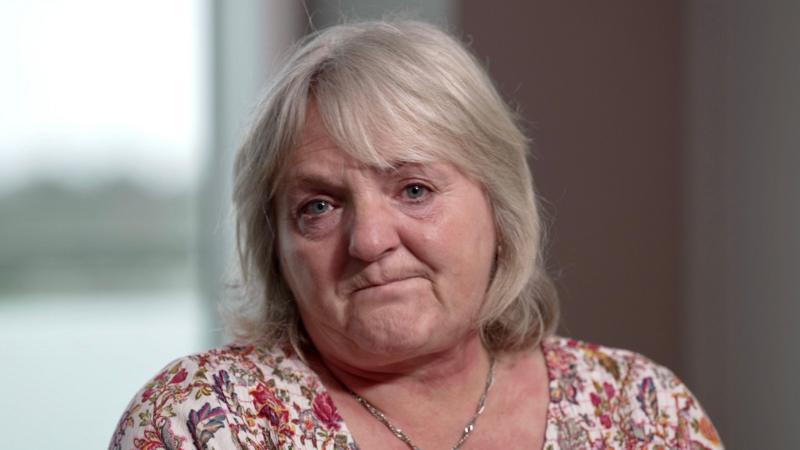
An 18-year-old student noted her prom dress cost £800 and has not worn it since.
Wendy Ashton, a dress shop owner, maintains a policy to ensure no two students have the same dress at a prom event.
Read the Original
Want the full story? Tap a source to open the original
article.
A new community grocery store has opened in Crewe, UK, offering discounted food to help reduce grocery bills. Members pay a small annual fee and can buy a set number of items at reduced prices. The store is a partnership between The Message Trust and Hope Church.
Key Facts
A new community grocery store has opened in Crewe, UK.
The store offers discounted food items to help people save money.
Members pay £1 per year to join the store.
For £5, members can choose 12 items, and for £7.50, they can pick 18 items.
The store is open on weekdays from 10:00 AM to 2:00 PM GMT.
The Message Trust and Hope Church are running the store together.
The initiative aims to ease financial stress from rising prices.
The store also offers support and courses to its members.
Read the Original
Want the full story? Tap a source to open the original
article.
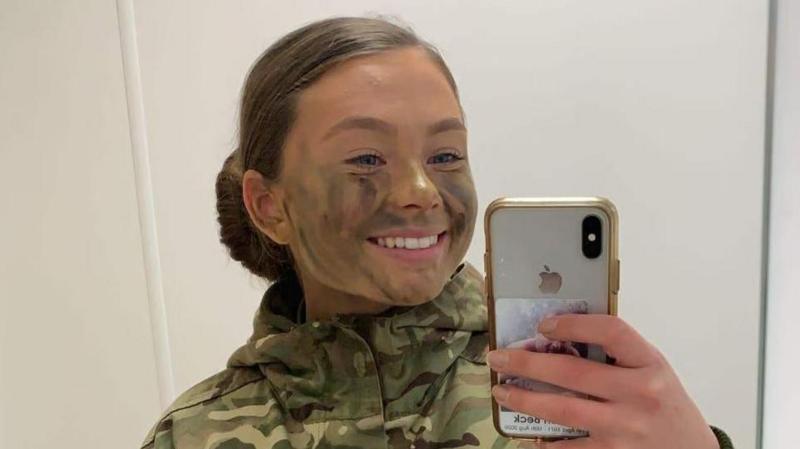
The article discusses the establishment and work of the Defence Serious Crime Command (DSCC), a military unit designed to investigate major crimes like sexual assault within the armed forces. The unit was created in response to failures in handling sexual assault cases, highlighted by the suicide of soldier Jaysley Beck. The DSCC aims to provide greater support to victims and ensures thorough criminal investigations.
Key Facts
The DSCC was launched after investigative failures in the military, highlighted by the case of Jaysley Beck.
Jaysley Beck took her own life after being sexually assaulted by a senior sergeant, with the Army failing to act on her report.
The DSCC operates independently of the military's chain of command.
The unit combines special investigation bureaus from all three military branches.
Victims have access to a Victim Witness Care Unit for support throughout the investigation and trial process.
Cases handled by the DSCC can reach trial within about six months, faster than some civilian courts.
The DSCC employs over 400 staff who can investigate globally.
Read the Original
Want the full story? Tap a source to open the original
article.
Each year, thousands of young people in the UK choose to take a gap year before starting university. Despite advice to go straight to university, many say the gap year allows them to work, save money, travel, and gain life experience. The trend of deferring university offers is increasing, with 6.4% of applicants deferring in 2025.
Key Facts
Mia Sanson-Regan and Gwen Shepherd, from Cardiff, took a gap year to work and travel.
They faced pressure from teachers to go directly to university but chose to defer.
UCAS reported a 6.4% deferral rate for university offers in 2025.
The deferral rate is nearly back to the levels seen during the COVID-19 pandemic.
Victoria Chitongo took a gap year, later securing a place to study medicine at Oxford.
Graduate Prospects states that gap years provide young people a chance to explore personal interests and cultures.
The percentage of students deferring university has increased since 2016.
Read the Original
Want the full story? Tap a source to open the original
article.
The UK government has acknowledged that the adoption system needs improvements after a BBC investigation revealed struggles faced by adoptive parents. The investigation found that many parents are not receiving necessary support and that more than 1,000 adopted children have returned to care in recent years. A consultation has been launched to seek input on how to improve the system.
Key Facts
The UK government admits the adoption system requires improvements.
A BBC investigation highlighted that over 1,000 adopted children returned to care in the last five years.
Many adoptive parents struggled to get support for their children's needs.
A 12-week consultation has been launched to gather feedback from adoptive parents.
Families report a lack of information about adopted children's backgrounds.
Budget for the Adoption Support Fund in England increased by 10% for more family support.
Critics say the current support fund is insufficient for long-term needs.
The investigation showed authorities often do not standardize data collection on adoption breakdowns.
Read the Original
Want the full story? Tap a source to open the original
article.
Iran has fired missiles and drones at several Gulf Arab nations amid tensions from a conflict involving the United States and Israel, leading to regular attacks. Countries like Qatar, Kuwait, the UAE, Saudi Arabia, and Bahrain have reported intercepting these strikes. The attacks have caused significant deaths and disruptions in the region, including economic issues and a decline in oil production.
Key Facts
Iran has launched missiles and drones at Gulf Arab countries.
This conflict relates to the United States-Israel war with Iran, starting around February 28.
Qatar, Kuwait, the UAE, Saudi Arabia, and Bahrain have intercepted these attacks.
The UAE, particularly, has been heavily targeted by Iranian strikes.
The attacks have damaged economies in the Gulf, affecting energy production and tourism.
The daily oil output in the region has dropped from 21 million to 14 million barrels.
The attacks relate to Iran’s claim of targeting US military bases in the region.
Gulf nations dispute Iran's claims and call the strikes unjustified.
Read the Original
Want the full story? Tap a source to open the original
article.
Cuba restored its electricity grid after a widespread blackout that lasted over 29 hours due to a U.S. action to stop fuel supplies to the island. The power outage affected the whole country, and although power is back, shortages may continue as not enough electricity is produced. The blackout comes amid heightened tensions between the U.S. and Cuba, with both sides exchanging criticisms.
Key Facts
Cuba experienced a nationwide blackout lasting over 29 hours.
The blackout followed a U.S. decision to halt fuel supplies to the island.
Cuba's national grid and its largest oil-fired power plant were restored by Tuesday evening.
U.S. President Donald Trump has increased criticism of Cuba, stating he could control aspects of the country.
The Cuban government blames the U.S. for the grid failure and criticizes its actions.
Daily power outages have been occurring in Cuba due to fuel shortages and old power plants.
Talks between Cuba and the U.S. are happening to ease the crisis, but specifics are not public.
Cuba has only received limited oil imports this year, affecting its energy supply.
Read the Original
Want the full story? Tap a source to open the original
article.
President Donald Trump confirmed he is delaying his meeting with Chinese President Xi Jinping because of the ongoing conflict with Iran. The meeting, originally planned for the end of March, is now expected to happen towards the end of April. The two leaders plan to discuss trade, Taiwan, and other important topics when they meet.
Key Facts
President Donald Trump delayed his meeting with Chinese President Xi Jinping due to the war on Iran.
The meeting was initially scheduled for March 31 to April 2.
Trump now aims to visit China in about five weeks, towards the end of April.
The U.S. and China are in contact about rescheduling the meeting.
Main topics for discussion include trade tariffs, Taiwan, and Chinese fentanyl exports.
The Strait of Hormuz remains closed, affecting global trade and oil prices.
Trump seeks China's help in persuading Iran to reopen the Strait of Hormuz.
Read the Original
Want the full story? Tap a source to open the original
article.
Each summary links back to the original reporting, so you can check the work. Support that, and get the daily digest every morning. Most choose $3.99/month.
Actor Sean Penn visited Ukraine instead of attending the Academy Awards. In appreciation of his support, Ukraine's railway company gave him an 'Oscar' statue made from damaged railway metal.
Key Facts
Sean Penn is an actor who recently visited Ukraine.
Ukraine's railway company gave him an 'Oscar' statue.
The statue is made from damaged Ukrainian railway metal.
Sean Penn missed the Academy Awards to visit Ukraine.
He previously won an Oscar for best supporting actor in a film called “One Battle After Another”.
Read the Original
Want the full story? Tap a source to open the original
article.
Vivian Panka has become the first black actress to play Regina George full-time in the UK stage production of Mean Girls. She is currently starring in the UK and Ireland tour of the musical, a role she describes as a dream come true. Panka hopes her casting will inspire more inclusive casting in theater.
Key Facts
Vivian Panka is the first black actress to play Regina George full-time in the UK Mean Girls stage show.
She is part of the musical's current UK and Ireland tour.
Panka was born in Holland and moved to London four years ago to pursue musical theater.
Her previous UK stage credits include 9 to 5 The Musical, Heathers the Musical, and Dear Evan Hansen.
Mean Girls is a musical based on the 2004 film, known for its pop culture impact.
Panka hopes her casting will inspire more inclusive representation in theater.
She received positive feedback from audiences, including parents who appreciate her role as a positive example for children.
Read the Original
Want the full story? Tap a source to open the original
article.
Israeli forces killed two top Iranian officials in separate attacks. This is part of a series of events affecting Iran's leadership due to the ongoing Iran war, which started with U.S. and Israeli airstrikes.
Key Facts
Israeli forces killed Iranian national security chief Ali Larijani in Tehran and Basij paramilitary commander Gholamreza Soleimani.
The Iranian war began on February 28 with U.S. and Israeli airstrikes.
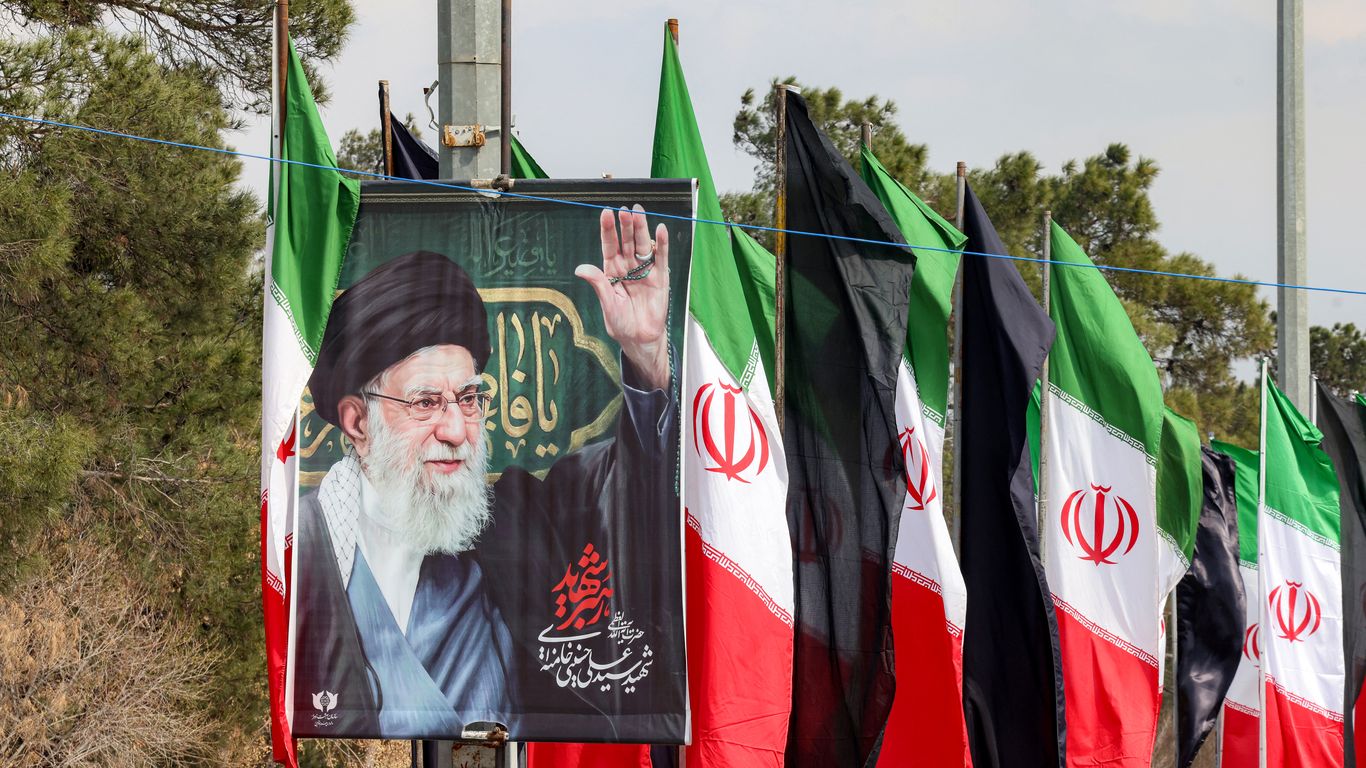
Iranian Supreme Leader Ali Khamenei died on the first day of the strikes.
Other key Iranian figures killed on February 28 include Ali Shamkhani, Mohammad Pakpour, and Aziz Nasirzadeh.
Israeli forces targeted and killed Majid ibn al-Reza after he was appointed as the new defense minister.
On March 8, an Israeli drone strike in Beirut killed four IRGC officials at a hotel.
IDF reported killing Abu Dhar Mohammadi, a commander in Hezbollah's missile unit, on March 12.
Read the Original
Want the full story? Tap a source to open the original
article.
Iran's foreign minister, Abbas Araghchi, spoke after recent incidents where two important figures, Ali Larijani and Gholamreza Soleimani, were killed. He stated that Iran's government is strong enough to handle such challenges and that the system remains stable.
Key Facts
Iran's foreign minister is Abbas Araghchi.
Two high-ranking officials, Ali Larijani and Gholamreza Soleimani, were killed.
Araghchi stated that Iran's system is resilient.
He emphasized that no single person's death can disrupt the government.
The Islamic Republic has mechanisms to handle leadership changes smoothly.
Read the Original
Want the full story? Tap a source to open the original
article.
Iranian Foreign Minister Abbas Araghchi stated that the United States is responsible for the current conflict in the region. He discussed Iran's military actions and mentioned potential changes to ship movement through the Strait of Hormuz.
Key Facts
Iranian Foreign Minister Abbas Araghchi spoke with Al Jazeera.
Araghchi blamed the United States for the war in the region.
He said Iran does not target civilians.
Araghchi defended Iran's military retaliation efforts.
He warned that the U.S. military presence in the Gulf might make further conflict unavoidable.
Araghchi mentioned possible new rules for shipping through the Strait of Hormuz.
He rejected a ceasefire, suggesting a permanent resolution instead.
Read the Original
Want the full story? Tap a source to open the original
article.
Iran's Foreign Minister Abbas Araghchi stated that the killing of Ali Larijani, a senior Iranian official, by Israel will not destabilize Iran's political system. He emphasized that Iran's government is strong and does not rely on a single person for its stability. Araghchi also held the United States responsible for escalating conflicts in the region.
Key Facts
Ali Larijani, a senior Iranian official, was killed by Israel.
Abbas Araghchi, Iran's Foreign Minister, says this won't destabilize Iran's political system.
Araghchi emphasized that Iran's government is strong and functions independently of individuals.
He mentioned that even the assassination of past leaders didn't disrupt Iran’s leadership structure.
Alongside Larijani, Brigadier General Gholamreza Soleimani was also killed.
Soleimani was a key leader in Iran's internal security and military efforts.
Araghchi blamed the United States for initiating the conflict in the Gulf region.
Read the Original
Want the full story? Tap a source to open the original
article.
On the biggest stories we show what the outlets agree on and where they differ. Readers keep that going, and get the daily digest by email every morning. Most choose $3.99/month.
The American Israel Public Affairs Committee (AIPAC) achieved significant victories in Illinois by supporting two Democratic candidates who won their primary races. AIPAC used large sums of money through various political action committees to influence the elections. Although AIPAC saw success in some races, it failed to win in several others.
Key Facts
AIPAC supported two winning Democratic candidates in Illinois House races.
The group spent millions through PACs with neutral-sounding names like Elect Chicago Women.
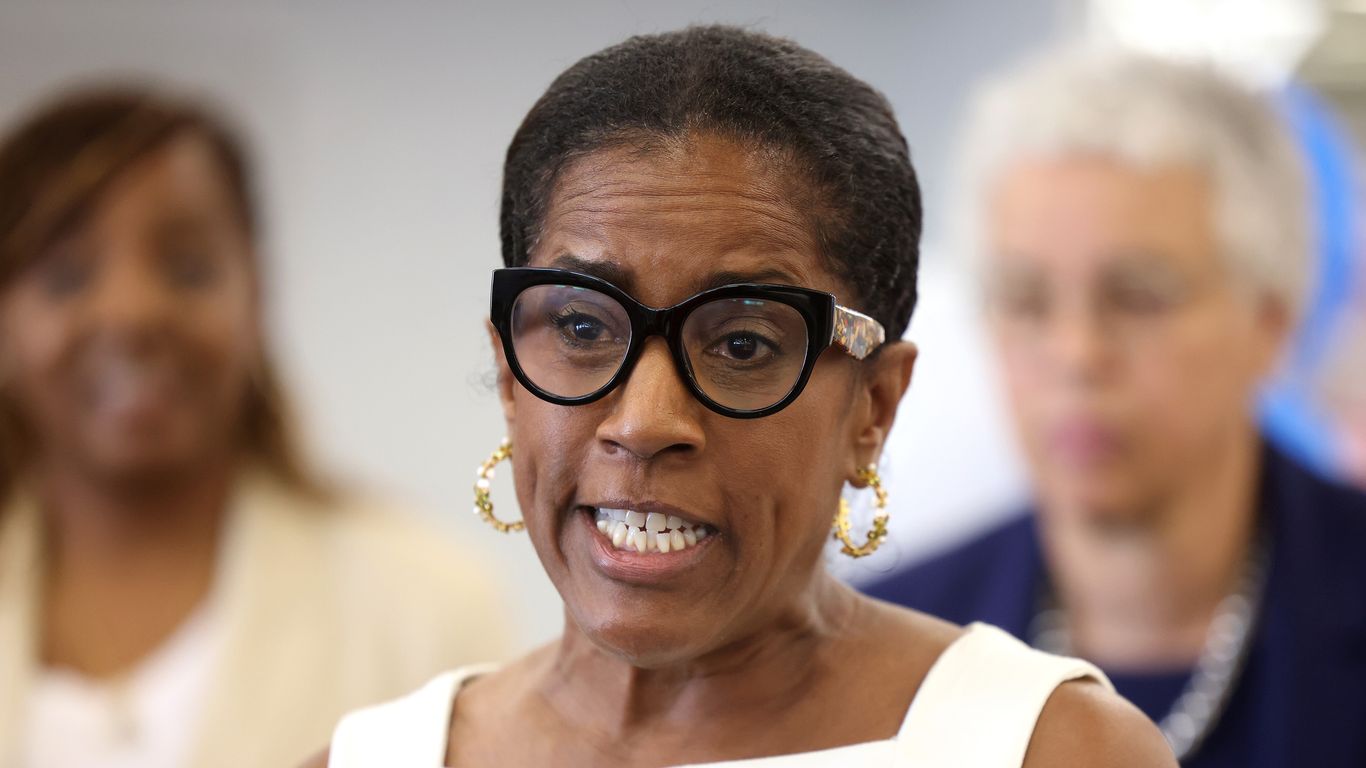
Former Rep. Melissa Bean and Cook County Commissioner Donna Miller were among the winners backed by AIPAC.
AIPAC faced failures in certain races, notably in Illinois's 9th district where their candidate came third.
The outcomes mark a notable turnaround for AIPAC after previous defeats, such as in New Jersey.
AIPAC continues to influence elections with substantial financial contributions, despite mixed results.
The elections showed AIPAC's ability to affect Democratic races by targeting progressive candidates.
The group used ads suggesting opponents held non-progressive views to sway voter opinion.
Read the Original
Want the full story? Tap a source to open the original
article.