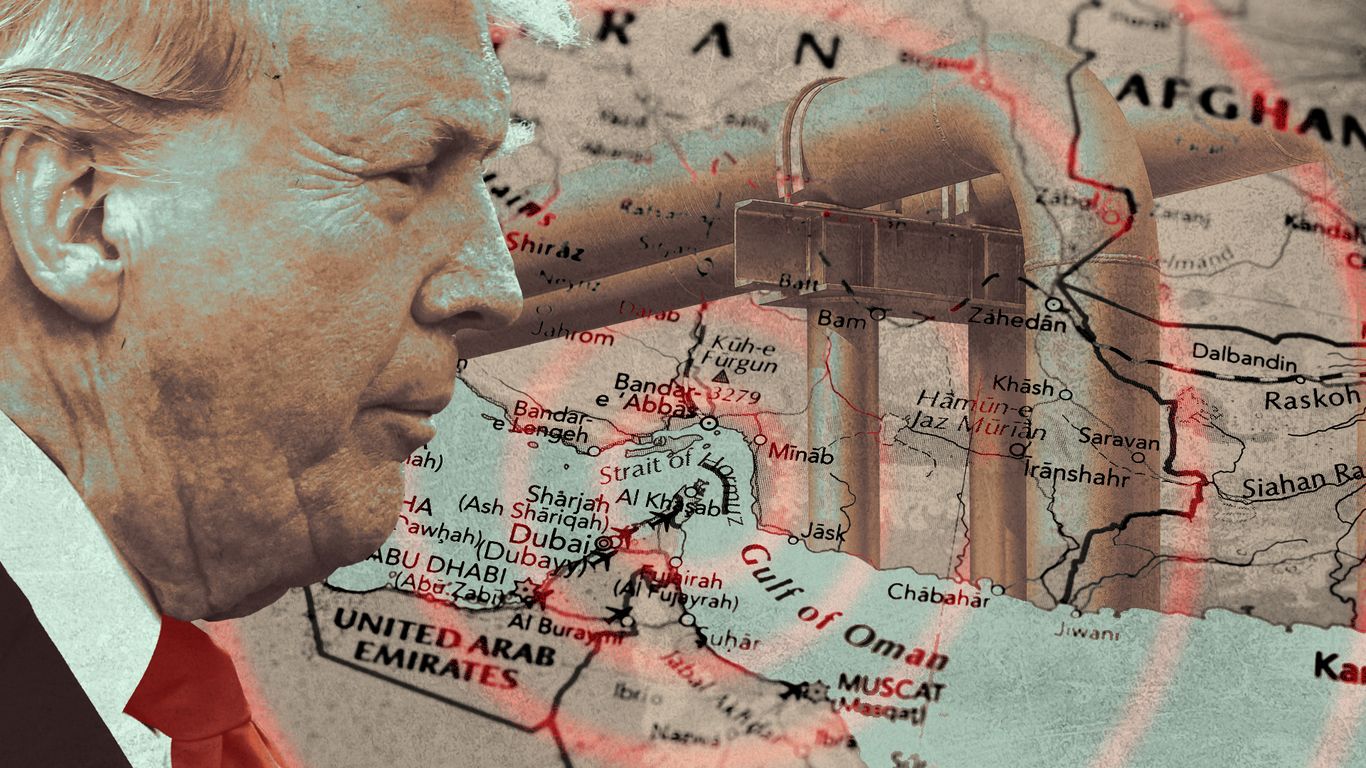
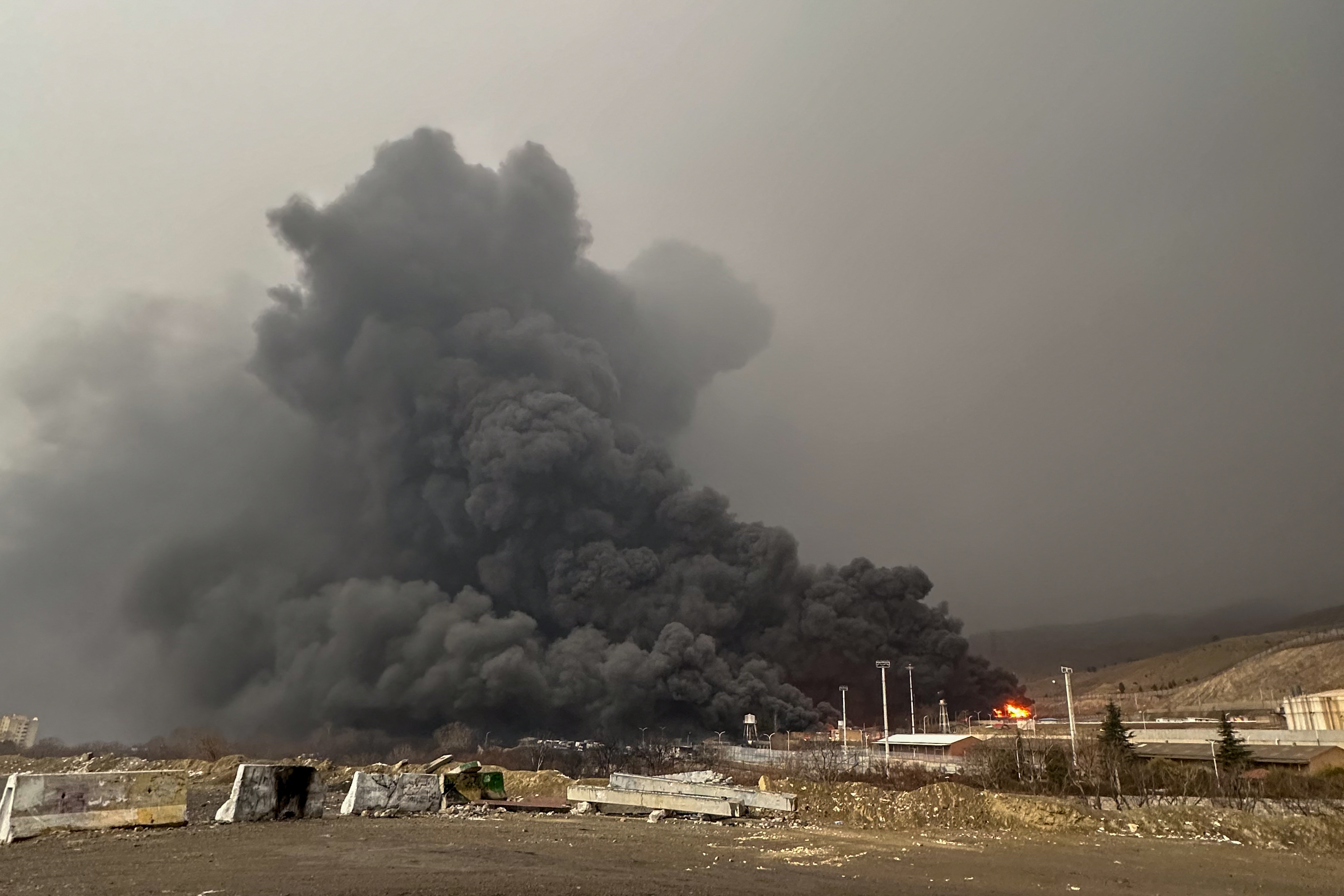
A report states that Russia made about $7 billion from its fossil fuel sales after conflicts in the Strait of Hormuz disrupted global oil markets. This change in the market helped Russia, which was previously struggling financially due to the costs of the war in Ukraine. The potential rollback of sanctions by President Trump could further boost Russia's oil revenue.
Key Facts
Russia earned nearly $7 billion from fossil fuel sales due to disruptions in the Strait of Hormuz.
The Strait of Hormuz is a crucial passage for global energy, with a large portion of the world’s oil and gas transported through it.
Russia's financial situation had been difficult because of war expenses and low energy revenue.
President Trump's administration is considering lifting some sanctions on Russia to stabilize energy markets.
Russia's daily fossil fuel income increased by 14% after the Iran conflict began.
Increased oil prices allowed Russia to profit more without offering discounts to Asian buyers concerned about sanctions.
China and India are significant buyers of Russian oil, providing nearly half of Russia’s oil revenue.
The U.S. granted a temporary waiver for India to buy Russian oil to ease economic pressure.
Read the Original
Want the full story? Tap a source to open the original
article.
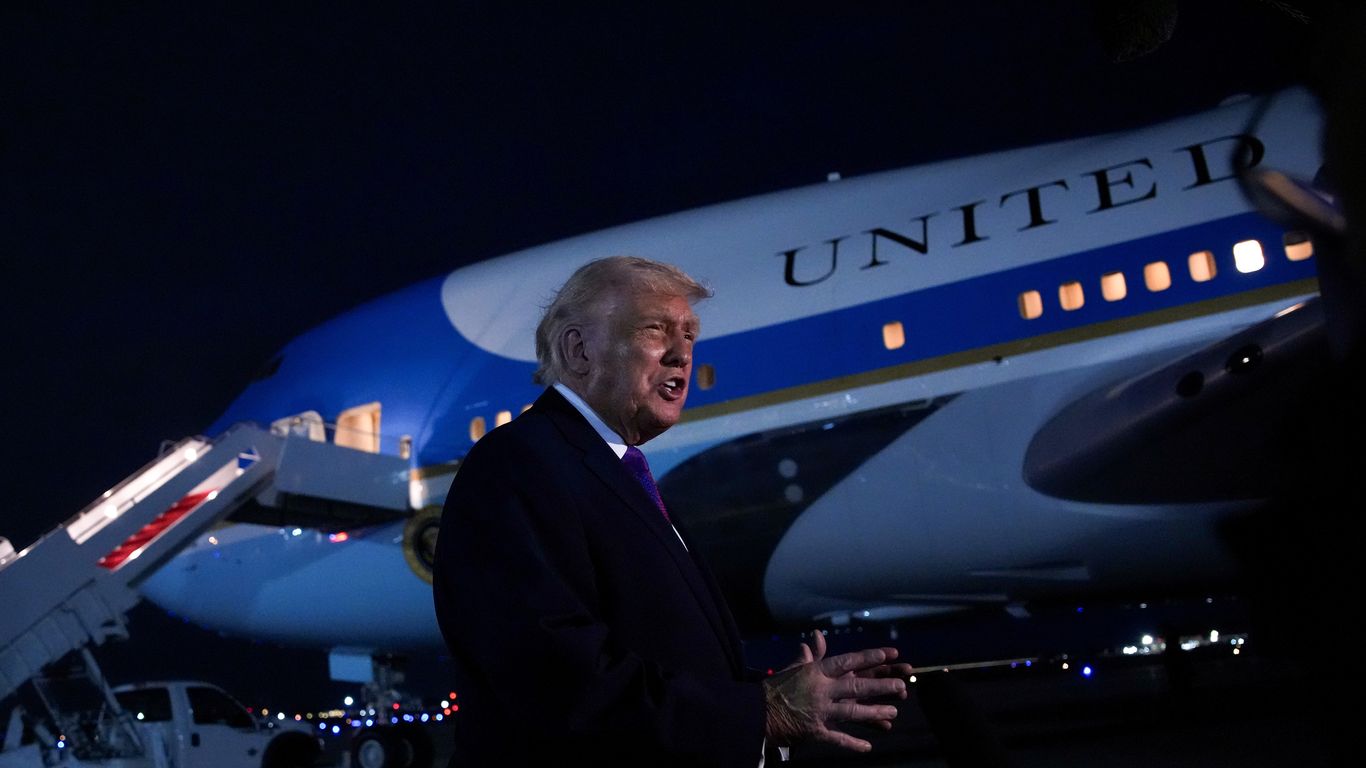
President Donald Trump is sending mixed messages about how the war with Iran will end, causing uncertainty among allies and adversaries. Despite outlining specific goals at the start, such as weakening Iran's navy and missile capabilities, it's unclear when or how Trump plans to wrap up the conflict.
Key Facts
President Trump held a video call with G7 leaders, after which French President Emmanuel Macron expressed confusion about Trump's intentions in the war with Iran.
Trump has given mixed signals publicly, sometimes suggesting the conflict is nearly over, while also implying it may escalate further.
The war's initial objectives included damaging Iran's navy, missile systems, nuclear reach, and support for regional allies.
The Iranian navy and missile capabilities have been significantly impacted, but Iran's enriched uranium and a fortified facility remain secure.
The U.S. and Israel, although united in military goals, disagree on achieving regime change in Iran.
Israeli Prime Minister Netanyahu sees regime change as beneficial, while the U.S. considers it a secondary benefit.
Trump is described as enthusiastic about continuing the military efforts, particularly against Iran's Islamic Revolutionary Guard Corps, for another 3-4 weeks.
Read the Original
Want the full story? Tap a source to open the original
article.
President Trump is focused on Iran's attempts to disrupt oil markets by controlling the Strait of Hormuz. This is affecting global oil prices and could impact his military plans against Iran. Trump is taking steps to manage the oil situation, including releasing emergency oil reserves and planning naval escorts for tankers.
Key Facts
Iran is trying to control the Strait of Hormuz, impacting global oil prices.
President Trump launched Operation Epic Fury to target Iran's nuclear and military capabilities.
Trump released 400 million barrels of emergency oil reserves to stabilize supply.
Two oil tankers were attacked in the Persian Gulf, raising concerns.
Trump prefers oil prices at $50 a barrel, but prices topped $100 recently.
Iran threatens to push oil prices to $200 per barrel.
About 20% of the world's oil passes through the Persian Gulf.
A UN resolution condemned Iran's attacks in the Gulf region.
Read the Original
Want the full story? Tap a source to open the original
article.
Countries around the world are taking actions to use less oil due to rising oil prices. These price increases are linked to President Donald Trump and Israel's military actions in Iran, which have affected oil supply. As oil becomes more expensive, countries are moving towards alternative energy sources.
Key Facts
Oil prices have risen sharply due to President Trump's and Israel's actions against Iran.
Iran's response included closing the Strait of Hormuz, a key route for oil exports.
Countries like Thailand, Pakistan, Bangladesh, and Vietnam are implementing measures to reduce oil use.
Benchmark oil prices increased by more than one-third, reaching approximately $94 per barrel.
The International Energy Agency agreed to release large oil reserves to lessen market worries.
High oil prices encourage the search for new energy sources and alternatives.
Global reliance on oil, historically significant, has been declining over time.
Read the Original
Want the full story? Tap a source to open the original
article.
The article discusses how Cameroon is trying to improve early screening to fight kidney disease. Chronic kidney disease often goes unnoticed until it is very advanced, leading to high treatment costs and difficult access to care in countries like Cameroon. The country is working on better early detection to manage the disease more effectively.
Key Facts
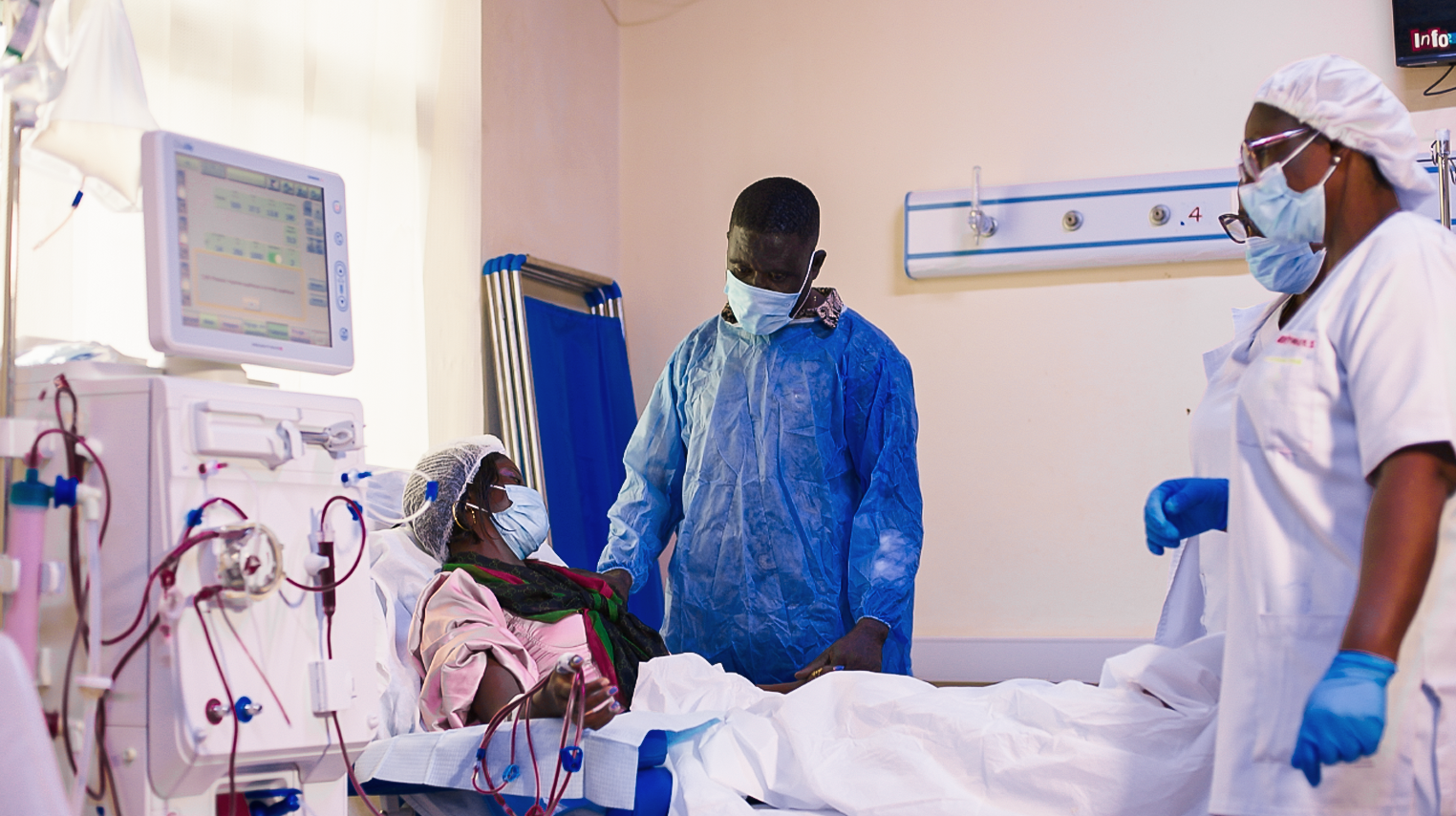
Pamela Bang Soppi, a patient in Cameroon, was diagnosed with chronic kidney disease after experiencing symptoms like swelling and weakness.
Chronic kidney disease gradually damages kidneys, which affects their ability to filter blood.
In Cameroon, many patients start dialysis very quickly after the first specialist visit because the disease is often discovered late.
Kidney disease is a global issue, affecting over 850 million people worldwide.
In advanced countries, late detection of kidney disease leads to high costs for dialysis and strains transplant systems.
As of 2026, Cameroon had about 28 kidney specialists for a population of roughly 30.6 million people, mostly located in two major cities.
Dialysis treatments in Cameroon are costly, even with government help, making early detection important for cost and care management.
Read the Original
Want the full story? Tap a source to open the original
article.
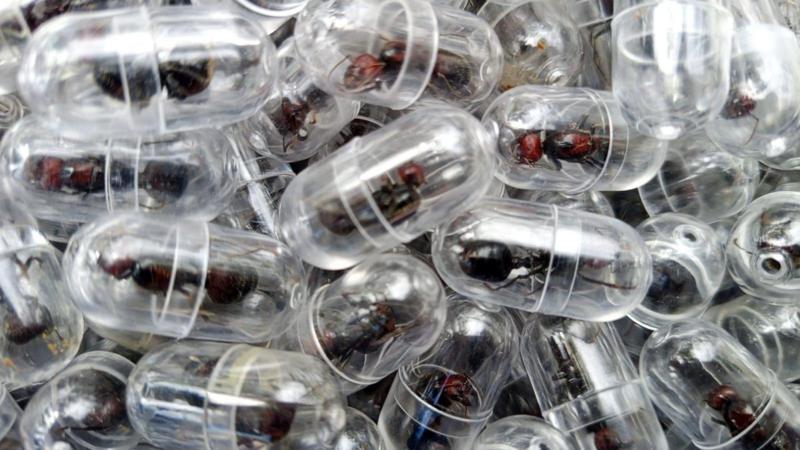
A Chinese national named Zhang Kequn was arrested at Nairobi's Jomo Kenyatta International Airport in Kenya for trying to smuggle over 2,000 queen garden ants to China. The ants are protected by international treaties, and their trade is highly controlled. Authorities suspect Zhang is part of an ant-trafficking network that was disrupted last year.
Key Facts
Zhang Kequn, a Chinese national, was arrested for smuggling over 2,000 queen ants from Kenya.
He was caught at Jomo Kenyatta International Airport in Nairobi.
The ants were hidden in test tubes and tissue paper rolls in his luggage.
Zhang is linked to an ant-trafficking network that was broken up in Kenya last year.
Queen garden ants are protected by international biodiversity agreements.
Demand for these ants is growing in Europe and Asia, where they are kept as pets.
A Kenyan court allowed authorities to examine Zhang’s electronic devices for further investigation.
Last year, four men were imprisoned for attempting to smuggle similar ants out of Kenya.
Read the Original
Want the full story? Tap a source to open the original
article.
China has passed a new law requiring minority groups to learn Mandarin from a young age. The law aims to promote "ethnic unity" but has faced criticism for potentially undermining the languages and cultures of minority groups. The law provides penalties for parents who do not comply and supports the Chinese government’s effort to integrate ethnic groups into Han Chinese culture.
Key Facts
China approved a law that mandates children from minority groups learn Mandarin before kindergarten.
The law covers education and housing, targeting 56 recognized ethnic groups, mainly dominated by Han Chinese.
Critics argue the law diminishes the rights of minorities to maintain their own languages and cultures.
Critics believe it is part of a broader policy to assimilate minorities into Han Chinese culture, known as "sinicisation."
The law was passed at China's National People's Congress, which typically approves items on its agenda.
The Chinese government promotes the law as a way to improve job prospects and national unity.
There are penalties for parents who instill ideas in children that might harm ethnic harmony.
Human rights groups have criticized China's treatment of minorities in regions like Tibet and Xinjiang, citing repression and forced assimilation.
Read the Original
Want the full story? Tap a source to open the original
article.
The United States and Israel are conducting strikes on Iran, leading to increased tensions and disruptions, particularly in the energy market. Iran has responded by attacking various targets and setting conditions to end the conflict. The situation has caused significant casualties and economic consequences, especially influencing global oil prices.
Key Facts
The US and Israel have been carrying out attacks in Iran for 13 days.
Iran claims 1,348 civilians dead and over 17,000 injured due to these attacks.
Iranian President Pezeshkian set conditions for peace, including compensation and guarantees against future attacks.
Global oil prices have surged as a result of the conflict's impact on energy markets.
The UN urged Iran to halt its attacks on Gulf states but did not address US and Israeli actions.
A cyberattack by an Iran-linked group targeted Stryker, a medical device company.
There have been maritime confrontations in the Strait of Hormuz linked to the conflict.
Several Gulf countries, such as the UAE and Saudi Arabia, reported intercepting Iranian drones and missiles.
Read the Original
Want the full story? Tap a source to open the original
article.
The article explores the reasons behind the recent rapid growth of Poland's economy. It highlights Poland's achievement of surpassing the trillion-dollar economy mark and discusses factors like investment and challenges such as labor shortages and regional instability due to the Ukraine conflict.
Key Facts
Poland's economy now allows the average person more spending power than in Spain, according to the International Monetary Fund.
Poland passed the trillion-dollar mark in 2025, joining a select group of 20 countries worldwide.
The country emerged from communism over 30 years ago and overcame past issues like hyperinflation.
Investment from the European Union has significantly contributed to Poland's economic growth.
Poland faces challenges such as labor shortages and the impact of the ongoing war in Ukraine.
Key contributors to the discussion include experts in economics from various institutions in Poland and the UK.
Read the Original
Want the full story? Tap a source to open the original
article.
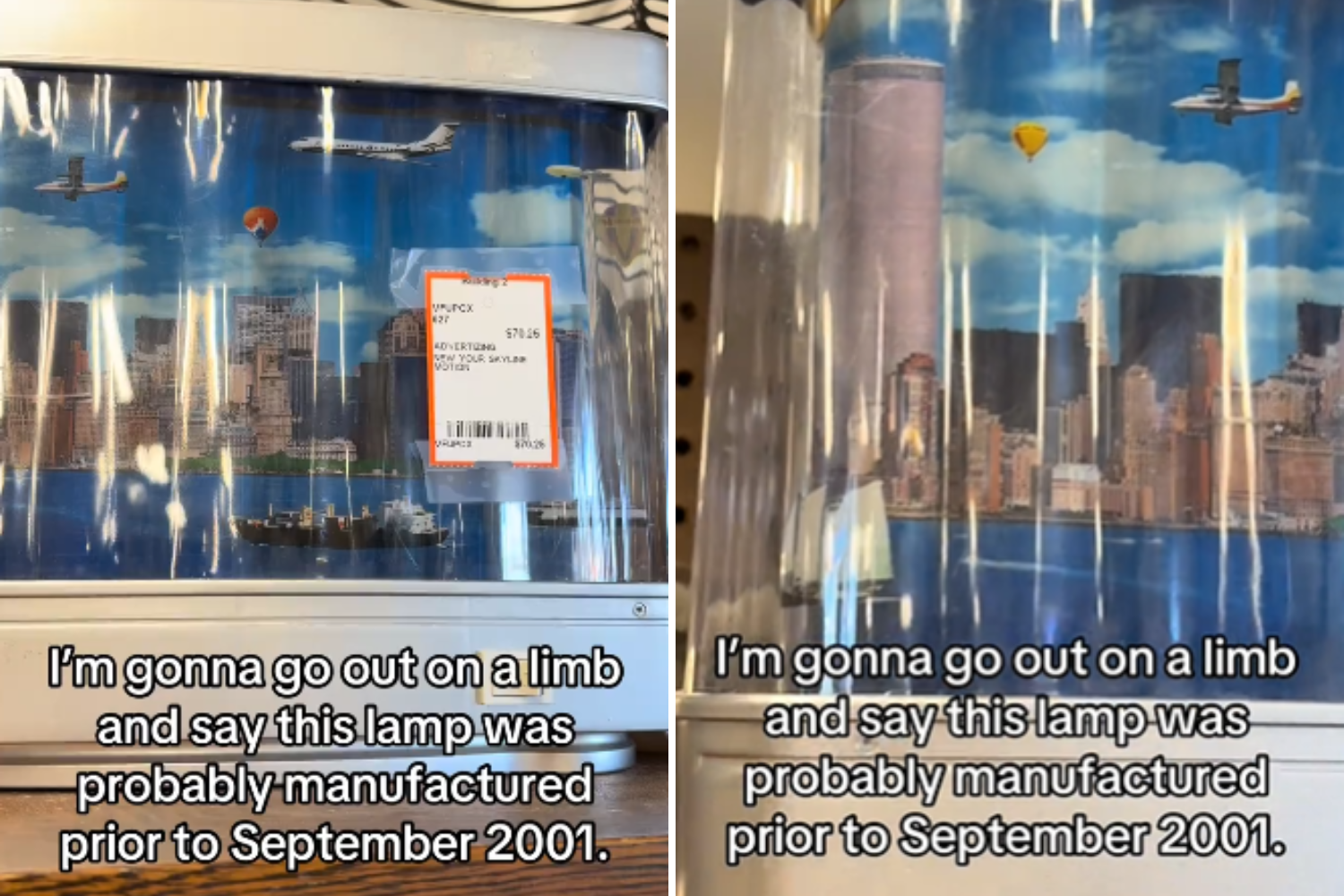
A woman in Michigan found a lamp in a thrift store that seems to show the New York City skyline before September 2001. The lamp went viral after she shared a video of it online, capturing attention due to its depiction of planes around the skyline which includes a reference to the pre-9/11 World Trade Center.
Key Facts
A Michigan woman discovered a New York-themed lamp in a thrift store.
The lamp portrays the city's skyline, which appears to include images from before the 9/11 attacks.
The woman shared a video of the lamp on TikTok, and it received over 990,000 views.
The lamp has moving airplanes when switched on.
It was priced at $70 in the store.
The World Trade Center's Twin Towers were symbols of New York before they were destroyed in the 9/11 attacks.
Many people online shared memories of seeing the lamp in the past.
Thrift store finds often gain popularity on social media due to their nostalgic value.
Read the Original
Want the full story? Tap a source to open the original
article.
Southeast Asian countries are making changes to cope with a potential energy crisis due to the closure of the Strait of Hormuz, which affects oil imports. Governments are trying different strategies, like reducing work days and capping fuel prices, to manage supplies. The region depends heavily on oil that comes through the Strait, and current reserves are limited.
Key Facts
The closure of the Strait of Hormuz is impacting Southeast Asia's oil supply.
Countries like the Philippines have shifted to a four-day workweek to save energy.
Thailand and Vietnam are encouraging work-from-home policies to limit travel.
Myanmar has implemented alternating driving days to conserve fuel.
Thai Prime Minister announced a diesel price cap to stabilize the market.
Southeast Asia relies heavily on oil and gas imports, with 84% of 2024's crude oil passing through the Strait intended for Asia.
The Philippines, Thailand, Malaysia, and Brunei are highly dependent on crude oil imports.
Vietnam is looking to buy 4 million barrels of crude from non-Middle Eastern countries to offset shortages.
Read the Original
Want the full story? Tap a source to open the original
article.
Indonesia and Australia are planning to work more closely with Japan and Papua New Guinea on security issues. This cooperation includes developing joint military training sites and sharing intelligence. The effort aims to enhance security in the Indo-Pacific region.
Key Facts
Indonesia and Australia want to expand security cooperation with Japan and Papua New Guinea.
Indonesian Defence Minister Sjafrie Sjamsoeddin and Australian Defence Minister Richard Marles had a meeting to discuss this cooperation.
They are developing trilateral security arrangements involving combinations of Indonesia, Australia, Japan, and Papua New Guinea.
These nations will share intelligence as part of their cooperation.
Last month, Indonesia and Australia signed a "Treaty on Common Security" to increase military training and cooperation.
Australia and Papua New Guinea signed a mutual defence pact in October last year.
There are plans to develop a military training facility on Morotai Island in Indonesia.
The facility could be used by military personnel from several countries, including the Philippines, Singapore, and Australia.
Read the Original
Want the full story? Tap a source to open the original
article.
Staying informed here is free for everyone. If it's worth something to you, pay what you want. Supporters also get the daily digest by email every morning.
France is trying to navigate its position in the ongoing conflict involving the U.S. and Israel against Iran. While French President Emmanuel Macron condemns the strikes on Iran and calls them illegal, he also holds Iran responsible for the conflict. France is sending warships to the region and advocates for non-military solutions.
Key Facts
France is cautious about its stance in the U.S. and Israel's conflict with Iran.
French President Macron has called the military strikes illegal but blames Iran for the conflict.
France plans to send 10 warships to the eastern Mediterranean, the Red Sea, and the Strait of Hormuz.
Around 400,000 French citizens live in the Middle East, which affects France’s actions.
France is not supporting regime change in Iran and questions military interventions.
France calls for an international coalition to secure global commercial shipping paths.
Read the Original
Want the full story? Tap a source to open the original
article.
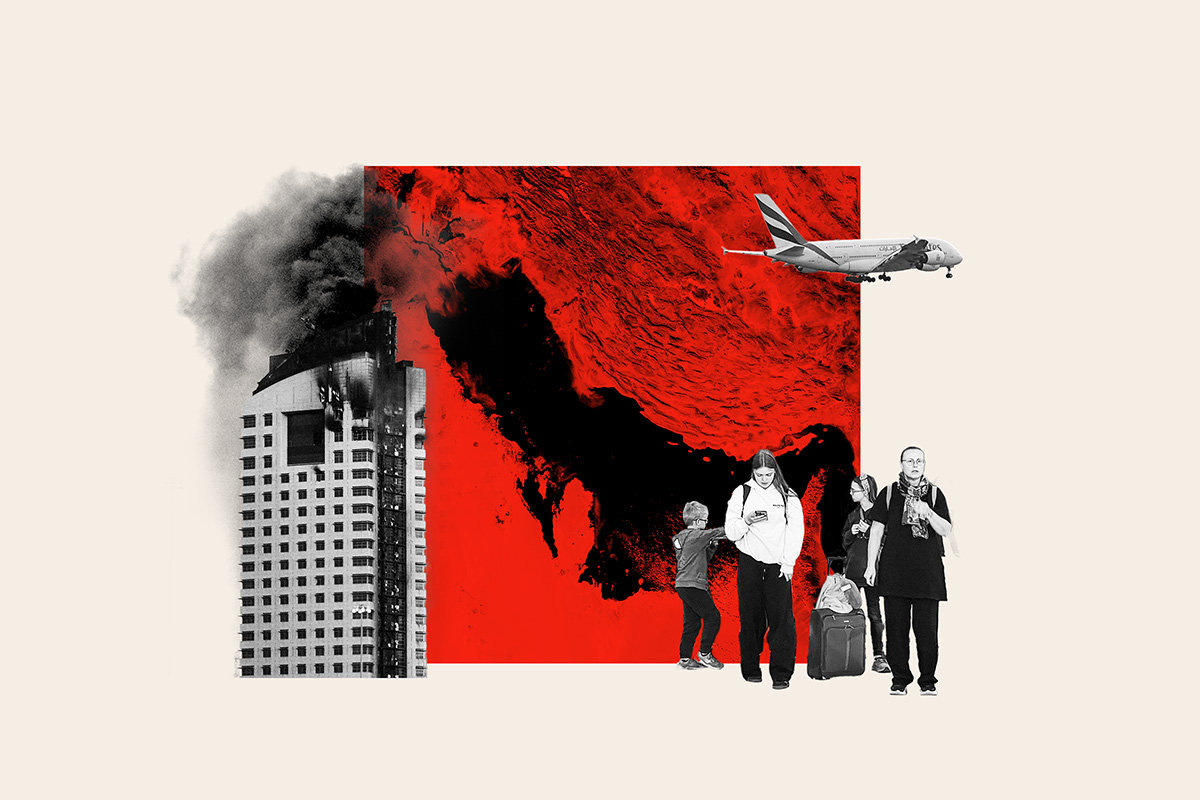
The article discusses the current challenges in the Middle East due to ongoing conflicts and their impact on regional stability, particularly in city hubs like Dubai, Doha, and Manama. These conflicts have created economic risks, disrupted air travel, and raised questions about the effectiveness of U.S. military bases in the region. The article also examines the change in Iran's regional influence after key events, including the killing of Qassem Soleimani and the recent conflict in Gaza.
Key Facts
Gulf cities like Dubai and Doha face economic risks due to regional conflicts.
Airlines are rerouting or grounding flights because of airspace restrictions.
Foreign investors are worried about the safety of investments in the region.
U.S. military bases in the Gulf are questioned for their role in current conflicts.
The killing of Iranian commander Qassem Soleimani in 2020 marked a conflict turning point.
Iran increased its military power and missile arsenal post-Soleimani.
The war in Ukraine served as a testing ground for Iranian drones.
Iran's regional influence declined, particularly after the fall of Bashar al-Assad’s regime in Syria.
Read the Original
Want the full story? Tap a source to open the original
article.
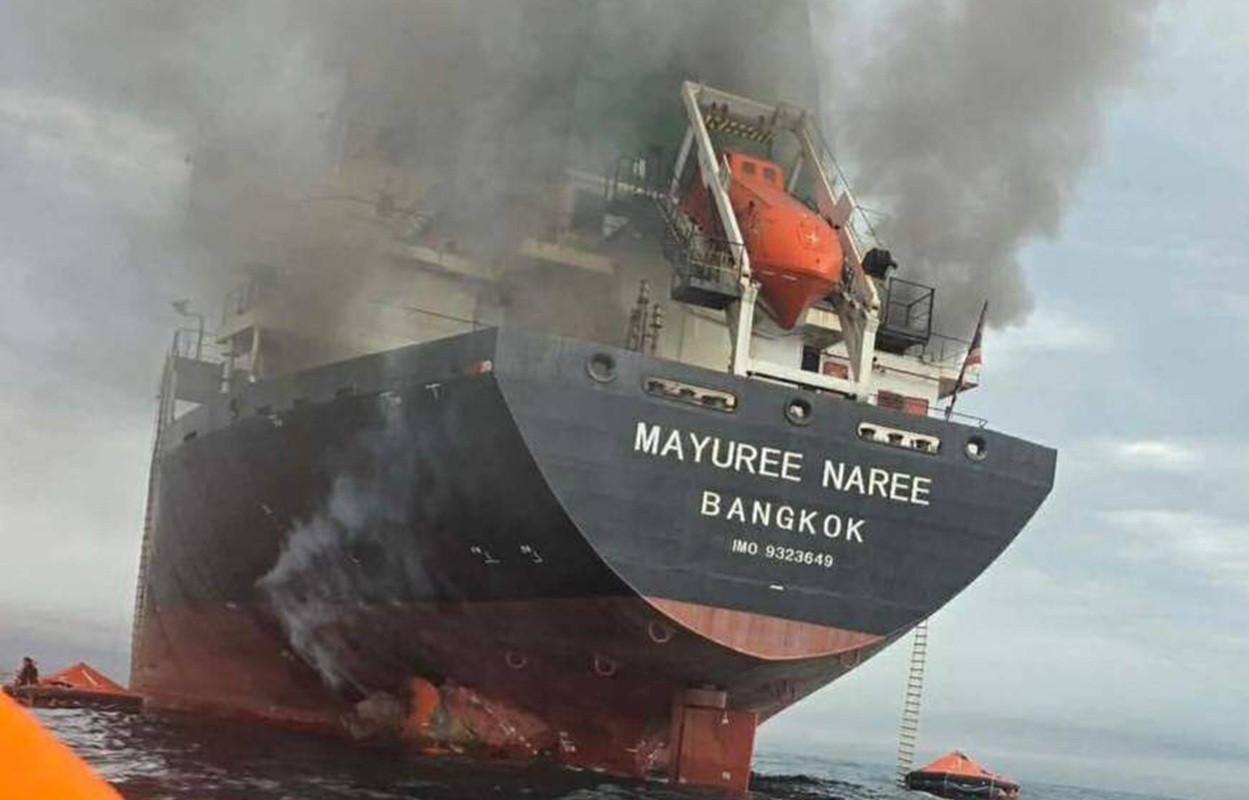
Three ships were hit near the Strait of Hormuz, a key waterway for oil transport. Two tankers near Iraq were struck by an unknown object, resulting in fires and one fatality. Another attack targeted a container ship near UAE, causing a small fire.
Key Facts
The incidents occurred in the Strait of Hormuz, important for moving oil.
Two tankers were hit near Iraq by an unknown projectile.
One person died, and both tankers caught fire.
A separate attack hit a container ship near Jebel Ali port in UAE.
The container ship's attack resulted in a small fire.
Iran’s military previously said it would stop oil leaving the region.
Read the Original
Want the full story? Tap a source to open the original
article.
The Pussycat Dolls, a popular music group, are reuniting for a world tour and new music release. Nicole Scherzinger, Ashley Roberts, and Kimberly Wyatt will form the lineup for this event, which follows a previous postponed reunion due to the COVID-19 pandemic and legal issues. The world tour will start in North America and later move to Europe.
Key Facts
The Pussycat Dolls will reunite as a trio for a new single and tour.
Nicole Scherzinger, Ashley Roberts, and Kimberly Wyatt are the members involved.
A planned reunion in the past was postponed due to COVID-19 and legal disputes.
The new music track released is titled "Club Song."
Their world tour, named "PCD Forever," begins in North America and continues in Europe.
The group initially gained fame with hits like "Buttons" and "Don't Cha."
Jessica Sutta, Carmit Bachar, and Melody Thornton are not part of the current lineup.
Another past reunion attempt was halted due to a legal dispute settled last year.
Read the Original
Want the full story? Tap a source to open the original
article.
New polling data shows that Americans' favorable views of Canada and Great Britain have decreased, hitting their lowest levels since the 1980s. The decrease follows tense relations between these nations and the U.S., largely due to actions by President Trump.
Key Facts
Americans' positive views of Canada and Britain are at their lowest since the 1980s, according to a Gallup poll.
President Trump's actions have strained U.S. relationships with these countries, such as a global trade war and security alliance tensions.
Americans' favorability ratings dropped by eight points for Britain and nine points for Canada over the past year.
The most significant drops in favorability towards these countries were among Republican respondents.
Canada remains highly popular with Democrats, maintaining a 95% positive view from this group.
Americans still rate Japan and Italy more favorably than Canada and Britain.
The Gallup poll used telephone interviews with 1,001 American adults and has a margin of error of ±4 percentage points.
Tensions exist on both sides; a poll shows many Canadians and Britons doubt the U.S. as a reliable ally.
Read the Original
Want the full story? Tap a source to open the original
article.
President Donald Trump and Israel are involved in a military campaign against Iran. The Gulf Cooperation Council (GCC) states, which include countries like Saudi Arabia and the UAE, have been heavily impacted by Iranian attacks. These Arab states are concerned about the effects on their security and economies as well as the unclear plans from the U.S.
Key Facts
President Trump is leading a military campaign with Israel against Iran.
Iran has launched hundreds of missile and drone attacks on GCC states.
The attacks have damaged military bases, oil sites, and civilian areas in the GCC.
The new Iranian leader, Mojtaba Khamenei, is increasing hostile language.
GCC countries are worried about their safety and financial loss.
Energy prices have fluctuated due to the conflict.
The GCC's reputation for stability is at risk, affecting tourism and aviation.
Over 19,000 flights have been canceled in the region since the conflict began.
Read the Original
Want the full story? Tap a source to open the original
article.
That's the point of this site, and readers keep it that way. Support for any amount and the daily digest lands in your inbox every morning at 7am Eastern.
A detective, Det Con Lianne Gilbert, shared that Police Scotland gave private information from her phone to a colleague she accused of rape. This led to a substantial fine of £66,000 for Police Scotland by the UK's data watchdog for not protecting her personal data. The detective has spoken about the traumatic impact of the data breach.
Key Facts
Det Con Lianne Gilbert accused a colleague of rape in 2020.
Police Scotland shared her phone's private contents, including images and medical records, with the accused and his lawyer.
The Information Commissioner's Office (ICO) fined Police Scotland £66,000 for failing to protect sensitive information.
Gilbert felt traumatized and violated by the sharing of her data.
Police Scotland apologized for the breach and acknowledged the mistake.
The ICO stated that Police Scotland did not report the data breach within the required time frame.
The sharing included sensitive personal information that was irrelevant to the investigation.
No charges have been filed against the officer Gilbert accused, and the investigation is ongoing.
Read the Original
Want the full story? Tap a source to open the original
article.
The National Weather Service has issued tornado watch alerts for Alabama, Florida, and Georgia. This follows a series of extreme weather events, including 17 tornadoes recently affecting several states such as Illinois, Texas, and Indiana, resulting in fatalities.
Key Facts
The National Weather Service issued tornado watch alerts for Alabama, Florida, and Georgia.
These alerts were issued on Thursday morning due to ongoing severe weather.
Recently, 17 tornadoes have been reported in states like Illinois, Texas, Alabama, and Indiana.
In Indiana, tornadoes destroyed homes, and an elderly couple died as a result.
The situation is still developing and may change as more information becomes available.
Read the Original
Want the full story? Tap a source to open the original
article.