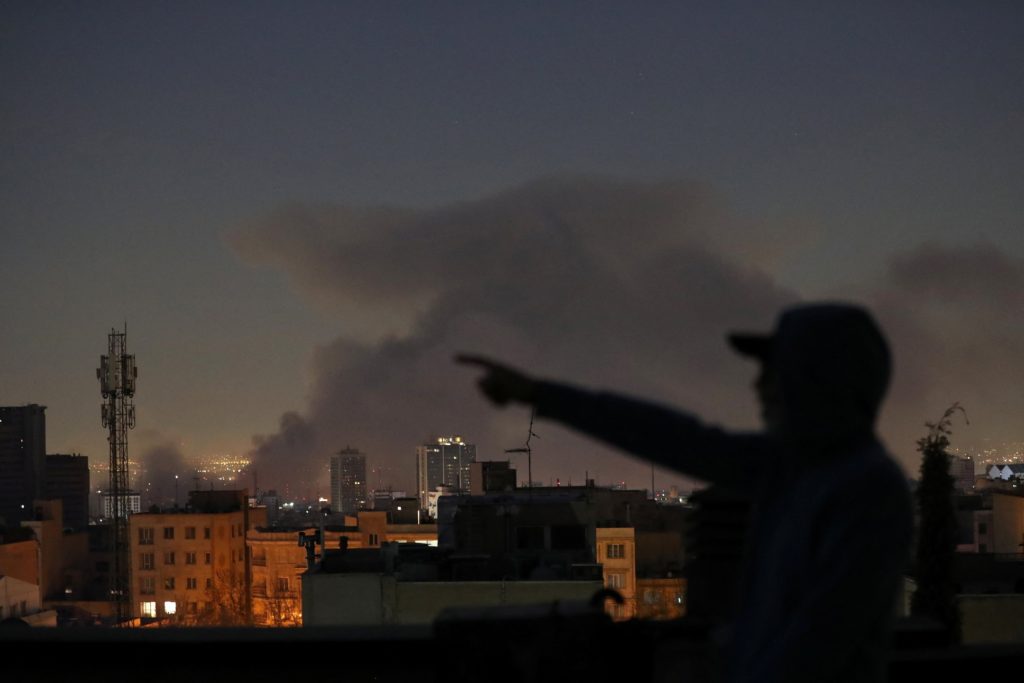
The article reports on military aggression by the United States and Israel against Iran, starting on February 28, describing it as unprovoked. It mentions attacks on Iran's Supreme Leader's compound and civilian sites like a school, while diplomatic talks were ongoing. This action has drawn criticism for violating international laws.
Key Facts
The United States and Israel commenced military actions against Iran on February 28.
Iran's Supreme Leader's compound in Tehran was targeted, leading to his death.
An attack on an elementary school in Minab resulted in the deaths of 165 students and 26 teachers.
Evidence suggests the school attack was deliberate and pre-planned.
The actions took place during a period when Iran and the U.S. were engaged in diplomatic talks.
United Nations experts have labeled these actions as violations of international law.
Iran has a history of enduring foreign aggression, according to historical narratives in the article.
Read the Original
Want the full story? Tap a source to open the original
article.
German Chancellor Friedrich Merz expressed strong support for Israel at an election rally. He addressed a pro-Palestinian protester, stating that Israel is fighting for its right to live freely.
Key Facts
German Chancellor Friedrich Merz voiced support for Israel.
The statement was made at an election rally.
A pro-Palestinian protester was present at the rally.
Merz stated that Israel is in an existential struggle.
He emphasized Israel's "right to live in freedom."
Read the Original
Want the full story? Tap a source to open the original
article.
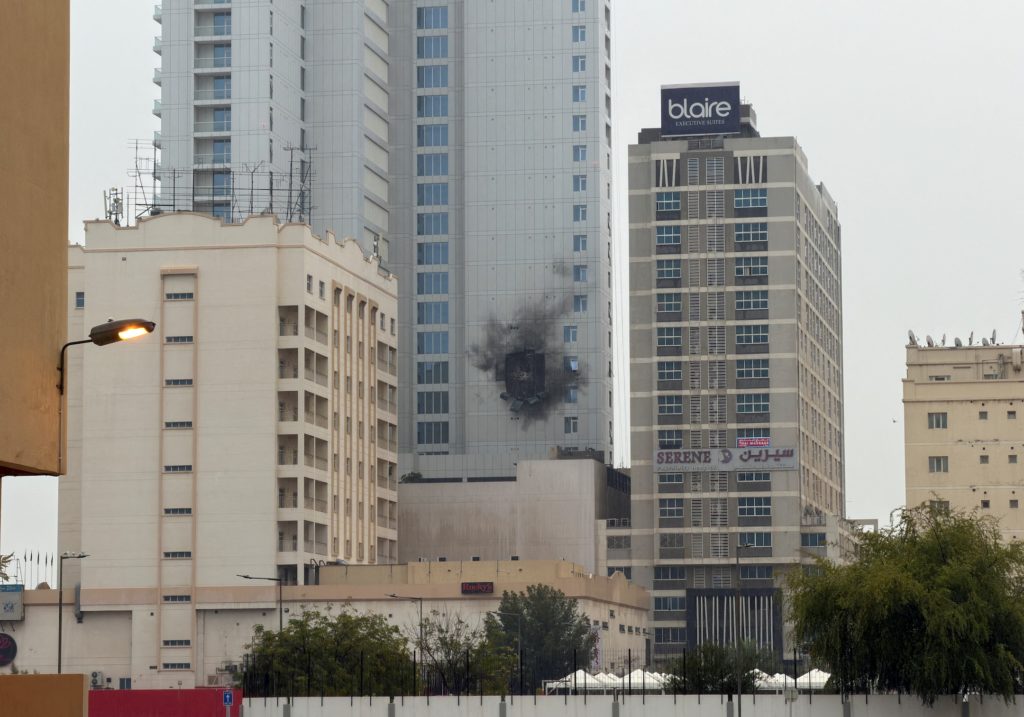
On February 28, 2026, the United States and Israel attacked Iran in an operation called "Operation Epic Fury," which led to Iran retaliating against its Gulf neighbors. Despite the Gulf states' efforts to maintain diplomatic relations with Iran, Iran launched missiles and drones at them, causing significant damage and casualties.
Key Facts
The U.S. and Israel launched an attack on Iran on February 28, 2026, named "Operation Epic Fury."
In response, Iran fired missiles and drones at Gulf countries, despite their previous diplomatic efforts.
The Gulf Cooperation Council (GCC) states had worked to maintain peaceful relations with Iran, including reopening embassies and engaging in diplomacy.
Saudi Arabia had confirmed to Iran that it would not allow its territory to be used for an attack against Iran.
Iran targeted various sites in the Gulf, leading to casualties and damage, including a significant fire at Saudi Arabia's largest refinery.
The attack affected global markets by disrupting operations at the Strait of Hormuz, a key channel for oil and liquefied natural gas shipments.
Three people were killed, and 78 were injured in the UAE due to Iran's retaliatory actions.
Read the Original
Want the full story? Tap a source to open the original
article.
President Trump will host the first Shield of the Americas Summit in Florida with leaders from Latin America. The summit aims to strengthen U.S. influence in the Western Hemisphere and address issues like drug cartels and illegal immigration.
Key Facts
President Trump will host the summit in Doral, Florida.
The summit is called the Shield of the Americas Summit.
Leaders from 12 Latin American nations will attend.
Kristi Noem is a Special Envoy at the summit.
The event will focus on fighting drug cartels and stopping illegal immigration.
The summit aims to strengthen U.S. relationships in the Western Hemisphere.
A new joint security declaration with 17 leaders has been signed.
Read the Original
Want the full story? Tap a source to open the original
article.
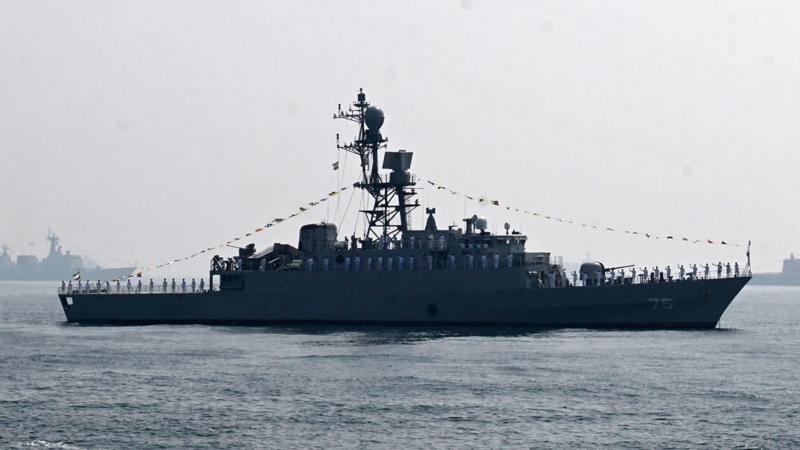
An Iranian warship, the Iris Dena, was torpedoed by a U.S. submarine and sunk in the Indian Ocean off the coast of Sri Lanka. This event occurred shortly after the ship participated in naval exercises hosted by India. The incident has increased tensions in the region and raised questions about Indian maritime authority.
Key Facts
The Iranian warship Iris Dena was sunk by a U.S. submarine on March 4.
The ship participated in a naval event in India before the attack.
There were 130 sailors aboard; 87 bodies have been found, and 32 survived.
The incident took place in international waters near Sri Lanka.
The ship was part of Iran's Southern Fleet, active in the Strait of Hormuz and the Gulf of Oman.
The sinking has heightened tensions between the U.S., Israel, and Iran.
Indian experts see this as a strategic concern for India's regional influence.
Read the Original
Want the full story? Tap a source to open the original
article.
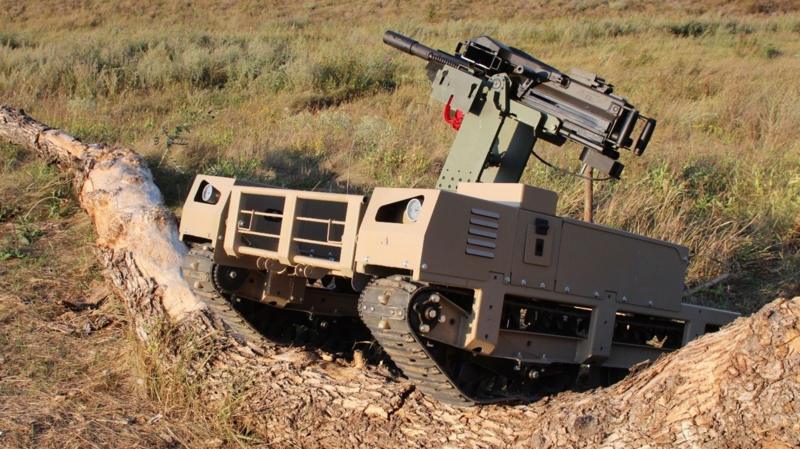
Armed robots are now being used in the Ukraine war. Ukraine is deploying uncrewed ground vehicles (UGVs), which are robotic vehicles without humans on board, to enhance military operations. These robots can perform various tasks like attacking enemy positions and delivering supplies.
Key Facts
Uncrewed ground vehicles (UGVs) are being used in the Ukraine war.
These robots can carry weapons, such as machine guns and grenade launchers.
UGVs help repel enemy attacks and have taken prisoners.
They can carry explosives to target enemy positions silently.
UGVs are part-autonomous but require human operators to decide when to fire weapons.
They are primarily used to deliver supplies and evacuate the injured.
Ukraine plans to expand the use and capabilities of armed robots in the future.
Armed robots aim to support human soldiers and reduce their exposure to danger.
Read the Original
Want the full story? Tap a source to open the original
article.
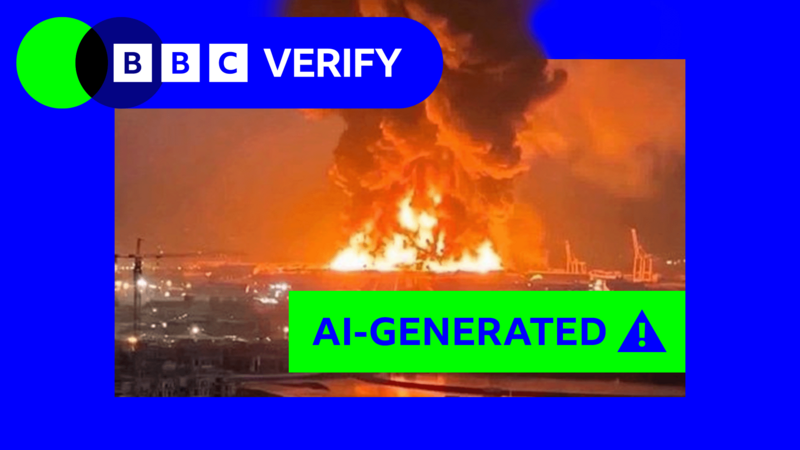
AI-generated videos about the US-Israel conflict with Iran are spreading quickly online. These fake videos have gathered millions of views, making it hard for people to know what is real. Social media platforms are trying to address the problem by suspending misleading content.
Key Facts
AI-generated videos are being used to spread false information about the US-Israel war with Iran.
These videos have collected hundreds of millions of views on social media platforms.
The conflict began when the US and Israel launched attacks on Iran on February 28.
In response, Iran has launched drone and missile attacks on various targets, including Israel and US assets.
Social media users are actively discussing and spreading information about the conflict online.
Platform X has decided to temporarily stop paying users who share AI-generated conflict videos without labels.
Fake videos often depict scenes like missile strikes or buildings in flames, misleading viewers.
AI-generated images and videos make it difficult for people to trust verified news online.
Read the Original
Want the full story? Tap a source to open the original
article.
The conflict between the United States, Israel, and Iran could affect the global economy by raising energy prices. This is mainly because Iran has restricted traffic in the Strait of Hormuz, a major route for transporting oil. If these disruptions last, everyday goods could become more expensive, and economic growth could slow down.
Key Facts
Iran has limited access to the Strait of Hormuz, affecting one-fifth of the world’s oil supply.
Global oil prices have risen about 15% since the conflict began, reaching approximately $84 per barrel.
The situation might cause a slowdown in global economic growth if high energy prices persist.
The United States is currently the largest producer of oil in the world.
The Gulf nations might run out of oil storage in less than a month if the Strait remains closed.
Analysts predict oil prices could reach $100-$150 per barrel if disruptions continue.
Central banks might raise interest rates to handle inflation caused by higher energy costs.
Read the Original
Want the full story? Tap a source to open the original
article.
The U.S. might lift more sanctions on Russian oil due to rising gas and oil prices after Iran blocked a key shipping route. India received permission to buy Russian oil to help ease market strains. The Strait of Hormuz closure has disrupted oil supplies globally.
Key Facts
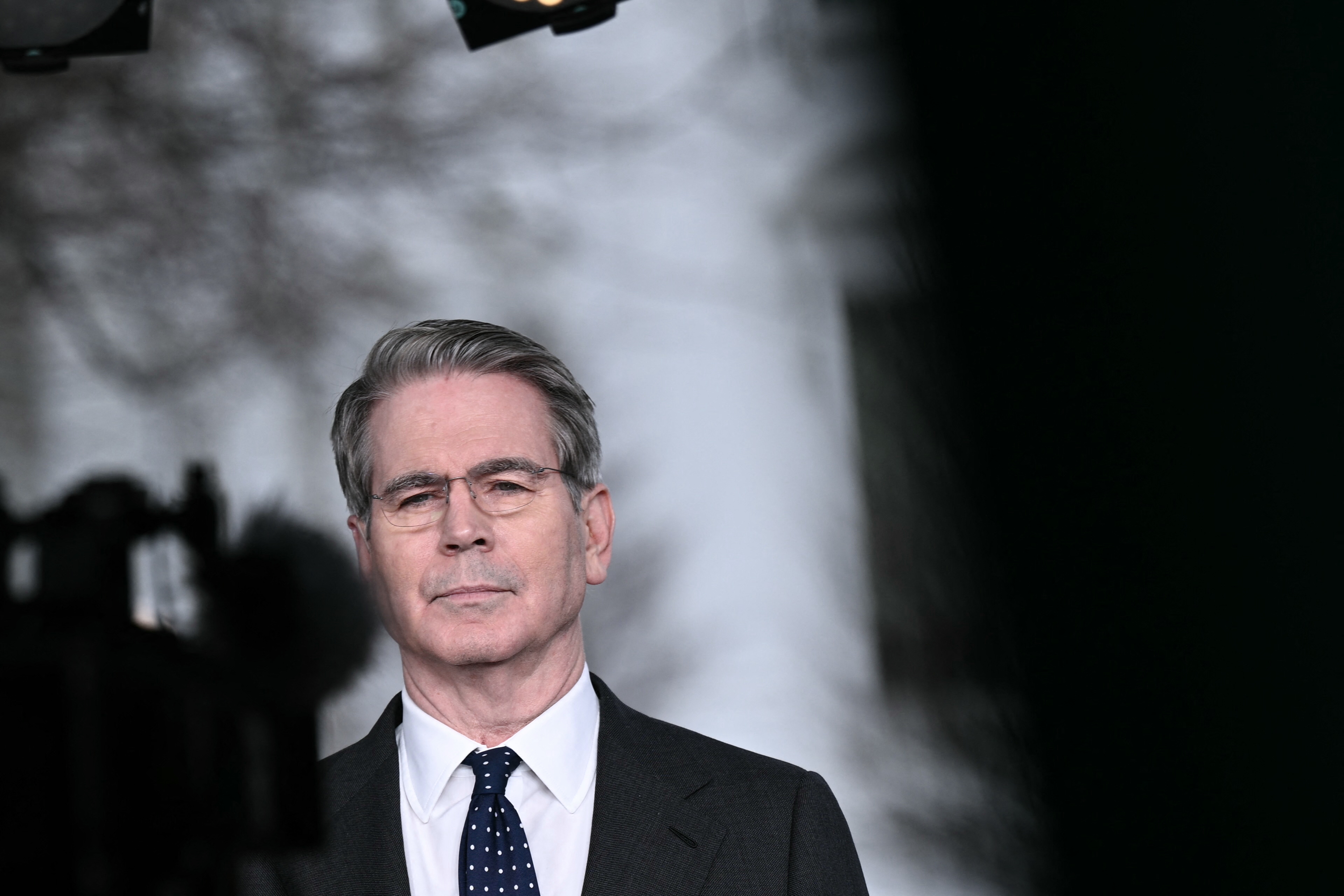
Treasury Secretary Scott Bessent said the U.S. could lift more sanctions on Russian oil.
Iran closed the Strait of Hormuz, affecting global oil supplies.
India was given a 30-day waiver to buy Russian oil to fill supply gaps.
The Strait of Hormuz is a vital route, with millions of barrels of oil stranded near it.
Crude oil prices rose worldwide, partly due to the closure of the strait.
India had pledged not to buy Russian oil but received a temporary exemption.
The U.S. aims to alleviate global market stress by allowing India's purchases.
Read the Original
Want the full story? Tap a source to open the original
article.
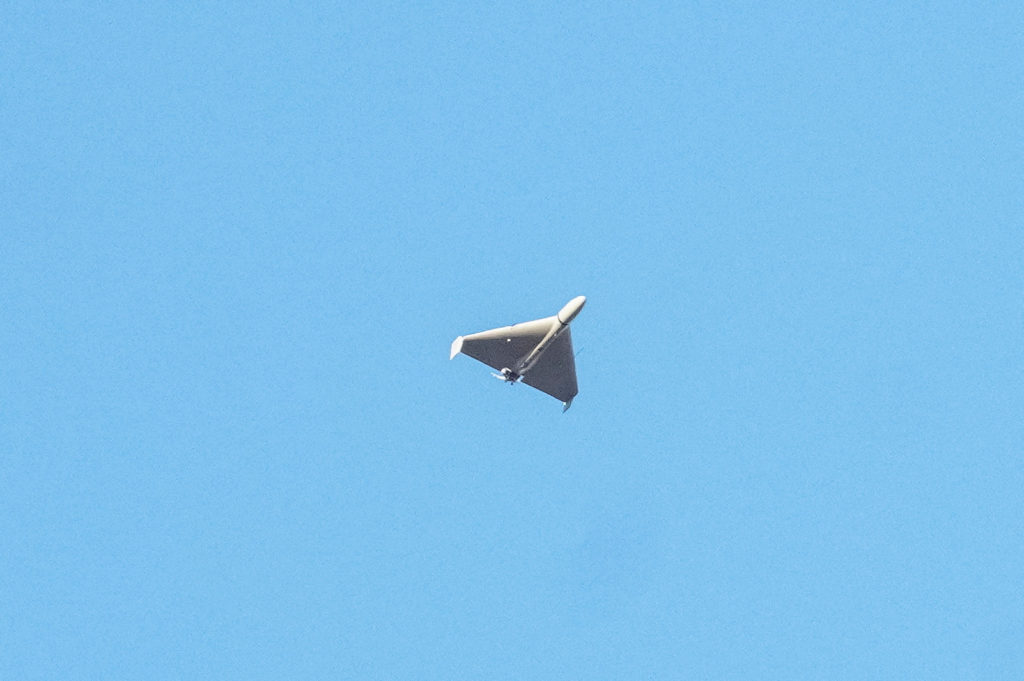
The U.S. will send an anti-drone system called Merops to the Middle East to improve defenses against Iranian drones. This decision follows the system's successful use in Ukraine against Russian drones. The system is cheaper and more efficient than using expensive missiles to target drones.
Key Facts
The Merops system successfully engaged Russian drones in Ukraine and will now be deployed in the Middle East.
The U.S. is responding to the threat of Iranian drones, which have been hard to detect and counter.
Merops can fit in a pickup truck and uses AI to navigate and track drones.
Unlike missile systems, Merops is cheaper to operate against low-cost drones.
Persian Gulf countries have struggled with drone and missile attacks from Iran.
The U.S. has learned from using Merops in Ukraine and plans to improve its deployment in the Middle East.
Some Merops systems will be sent by the manufacturer, Perennial Autonomy, directly to the region.
Read the Original
Want the full story? Tap a source to open the original
article.
Cuba has announced a fifth person has died following a shootout involving a speedboat from Florida that allegedly fired on Cuban soldiers. The incident occurred when Cuban soldiers confronted a boat with armed people from the United States, leading to a confrontation that resulted in deaths and injuries. Cuba has charged six of the people involved with terrorism and claims to have found weapons on their boat.
Key Facts
A fifth person has died from a shootout involving a Florida-tagged speedboat and Cuban soldiers.
The shootout happened off Cuba’s north coast on February 26.
The Cuban government claims the boat carried armed Cubans living in the U.S. trying to infiltrate Cuba.
Cuban soldiers reportedly killed four people and injured six during the incident.
Cuba says it has evidence against those involved and has charged six people with terrorism.
Weapons and ammunition were allegedly found on the boat.
The confrontation has increased tensions between the U.S. and Cuba.
Details about the boat's registration could not be verified by the Associated Press.
Read the Original
Want the full story? Tap a source to open the original
article.
Gracie McGonigal, an actor with a limb difference, was told her disability might limit her acting opportunities, but she now stars in the Netflix series Bridgerton. She decided to embrace her limb difference instead of hiding it, which has helped her succeed in the acting world.
Key Facts
Gracie McGonigal has a limb difference, where her arm stops below the elbow.
She was told her disability might prevent her from getting acting roles.
McGonigal is now starring in a popular Netflix series, Bridgerton.
She initially wore a prosthetic during auditions but later chose not to.
Her role in Bridgerton is the first for someone with a limb difference on the show.
McGonigal described joining the show as nerve-wracking but rewarding.
Her character, Hazel, is a maid in the series and the role includes carrying props suited to her abilities.
Read the Original
Want the full story? Tap a source to open the original
article.
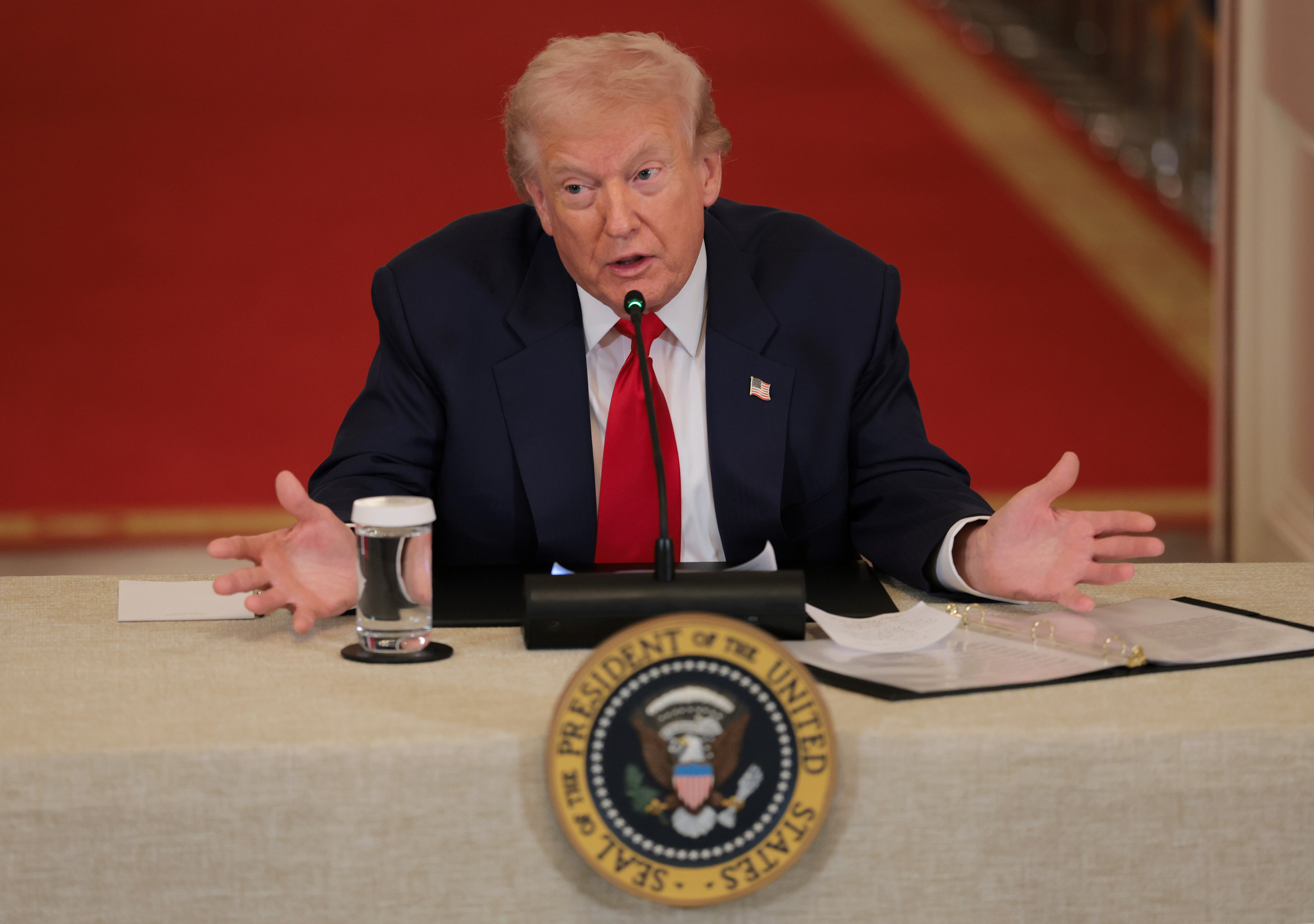
The White House addressed reports that President Donald Trump discussed deploying troops to Iran, emphasizing that he keeps "all options open." The White House Press Secretary stated that the report relies on assumptions from anonymous sources who are not part of the national security team and that there are currently no plans for troops on the ground in Iran.
Key Facts
The White House responded to a report about President Trump's discussions on sending troops to Iran.
The report suggested Trump had discussed this with aides and Republican officials.
NBC News cited unnamed U.S. officials and others with knowledge of these conversations.
The White House Press Secretary said the report is based on assumptions and unnamed sources.
President Trump reportedly outlined a vision for post-war Iran, emphasizing securing uranium and cooperation with a new government.
Representative James Comer mentioned that deploying troops might be unavoidable, though he hopes it's unnecessary.
The White House Press Secretary confirmed that deploying troops is not currently part of the plan.
The story is still developing and updates are expected.
Read the Original
Want the full story? Tap a source to open the original
article.
Households in Northern Ireland are experiencing significant increases in the cost of home heating oil due to rising global oil prices. This price increase is causing financial strain, especially for the elderly who rely on pensions. The price hikes are linked to geopolitical tensions in the Middle East.
Key Facts
The price of home heating oil in Northern Ireland rose by 45% in one week.
Many residents, including pensioners, are spending most of their income on heating oil.
The rise in oil prices follows military actions in the Middle East involving Iran, the US, and Israel.
Over 60% of homes in Northern Ireland use oil for heating purposes.
Some elderly residents are finding it difficult to afford both heating and food.
Oil companies are trying to assist elderly customers by offering flexible payment options.
Read the Original
Want the full story? Tap a source to open the original
article.
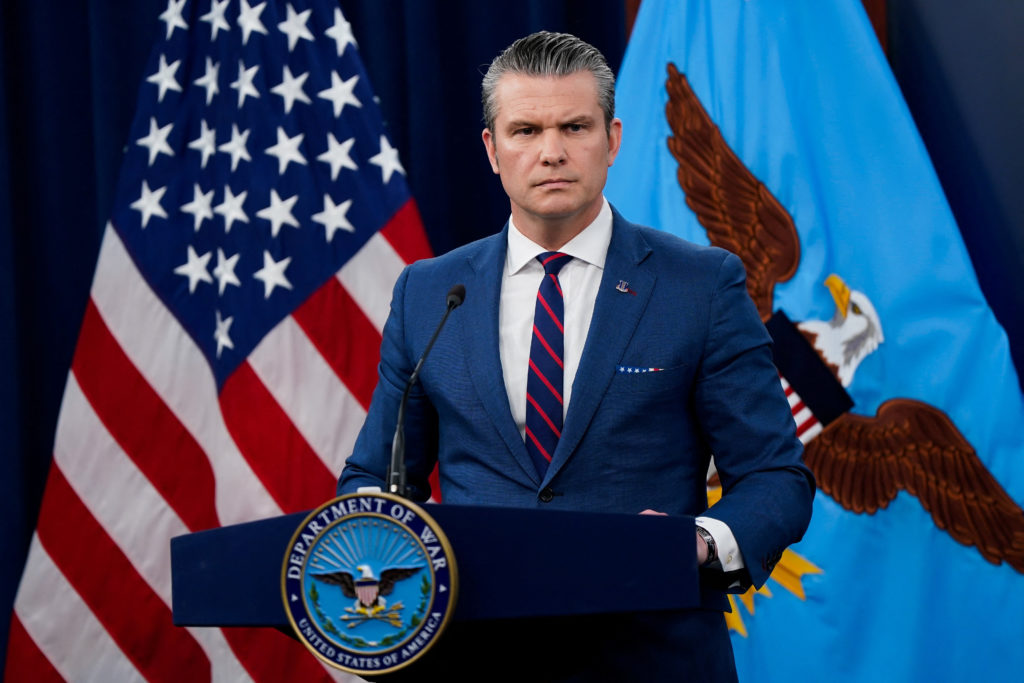
Defense Secretary Pete Hegseth criticized the media for focusing on U.S. casualties in the war with Iran, suggesting it aims to make President Trump look bad. The article discusses the long-standing tension between the government and media over showing the human costs of war. Historically, news coverage of war has evolved, with access to battlefield reporting changing significantly over the years.
Key Facts
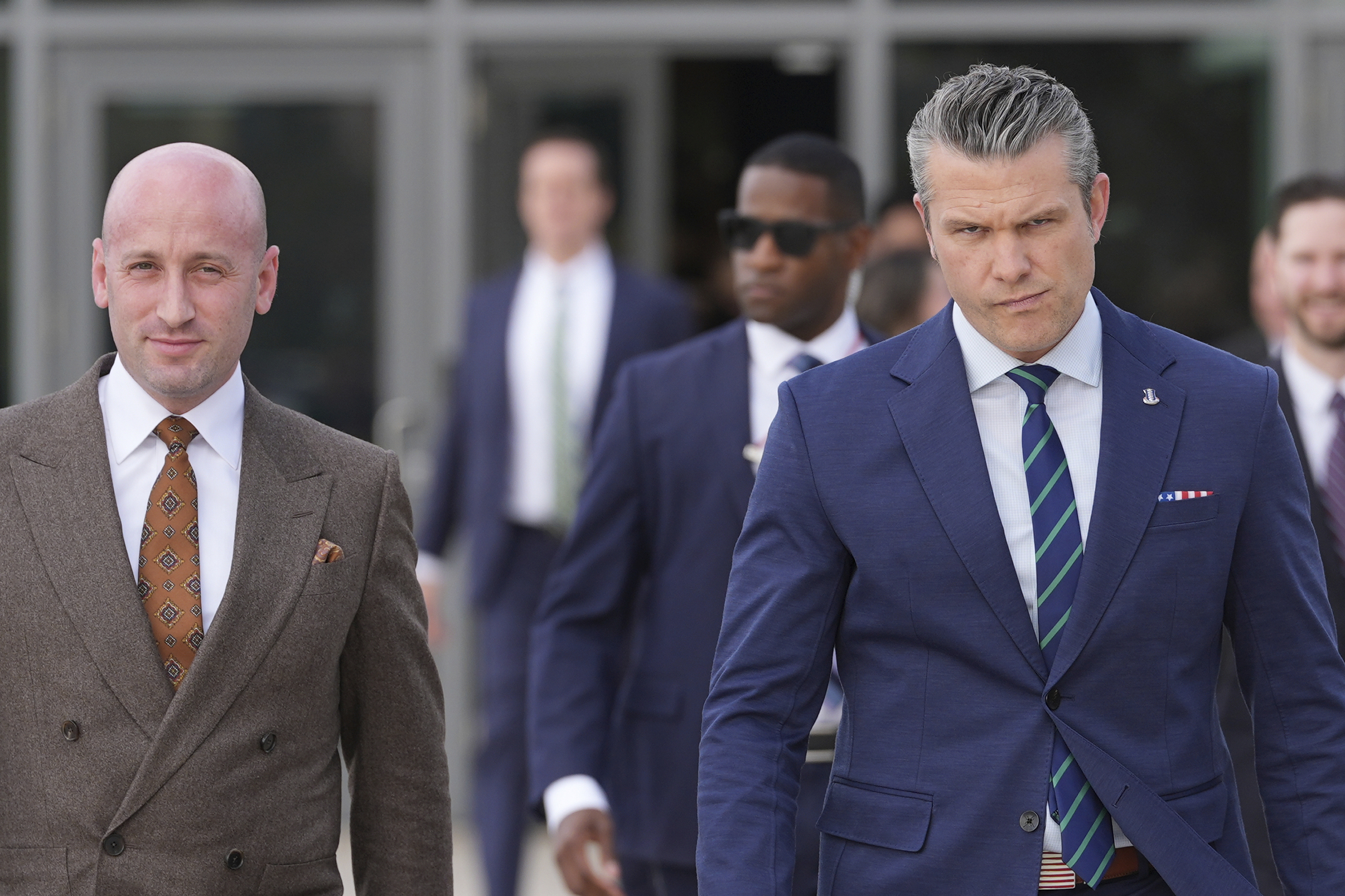
Defense Secretary Pete Hegseth said the American press highlights U.S. casualties to make President Trump appear unfavorable.
Hegseth mentioned this during a Pentagon briefing about six U.S. Army reservists killed in Iran's attack on Kuwait.
White House press secretary Karoline Leavitt supported Hegseth's remarks against the media.
The article mentions the historical impact of war coverage, such as in the Vietnam War, where graphic TV images changed public opinion.
Reporting on wars has shifted from embedded journalists during World War II to more restricted access in recent conflicts.
The presence of war imagery in media has influenced public perception and government media strategy, especially in conflicts involving U.S. forces.
The Pentagon had previously restricted media coverage of military casualties to protect privacy but changed this policy in 2009.
Read the Original
Want the full story? Tap a source to open the original
article.
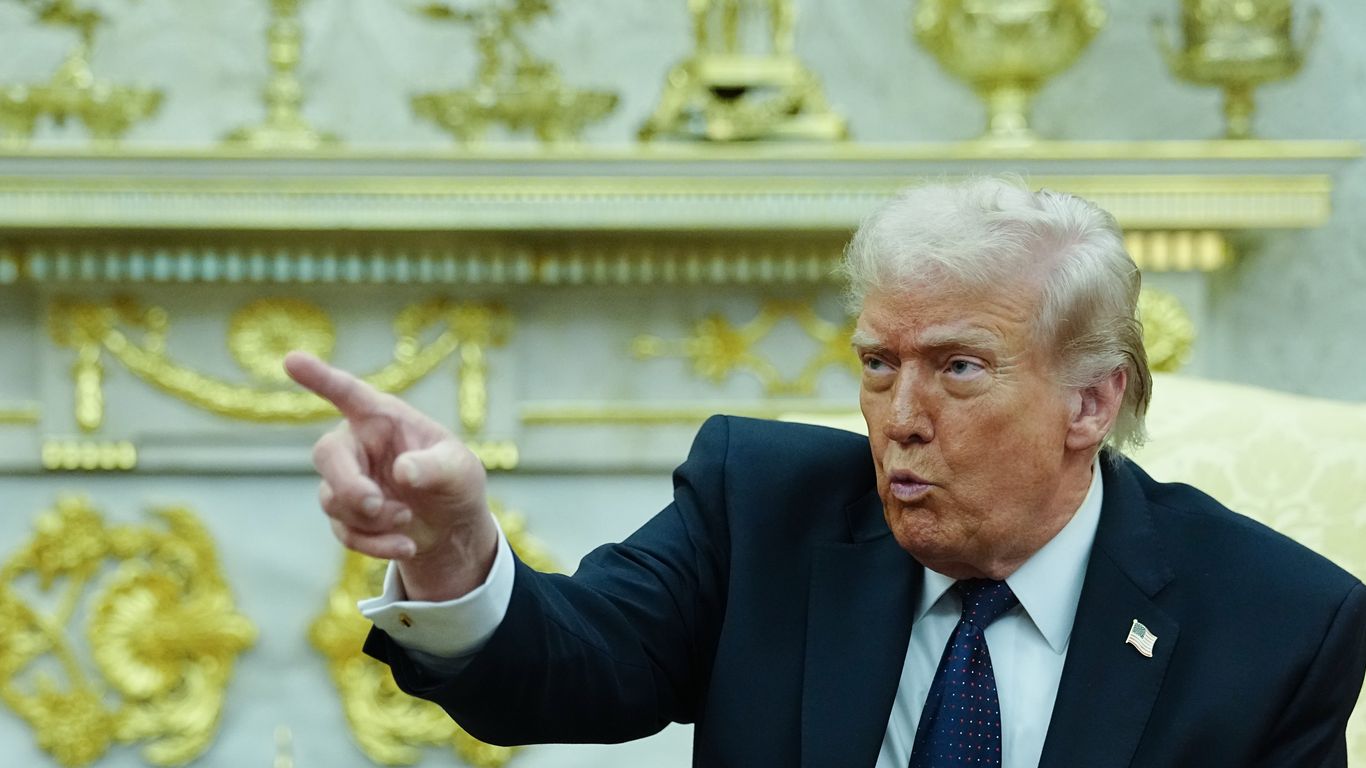
President Trump has called for Iran to surrender as hostilities between the U.S., Israel, and Iran continue. Over 1,300 people have reportedly died due to bombings by the U.S. and Israel. The Iranian Red Crescent organization provided the death toll information.
Key Facts
The conflict involves the U.S., Israel, and Iran.
President Trump is demanding Iran's unconditional surrender.
President Trump also expressed interest in influencing Iran's future leadership.
More than 1,300 people have died according to the Iranian Red Crescent.
The ongoing violence includes bombings from American and Israeli forces.
Read the Original
Want the full story? Tap a source to open the original
article.
Cuba has closed its embassy in Quito after Ecuador ordered all Cuban diplomats to leave within 48 hours. The decision, made by Ecuadorian President Daniel Noboa, signals a worsening of relations between the countries. Cuba's government criticized the move as damaging to their historically friendly ties.
Key Facts
Cuba closed its embassy in Quito after being told to remove its diplomats in 48 hours.
The Cuban Ministry of Foreign Affairs criticized the decision as unfair.
The closure marks a significant break in diplomatic relations between Cuba and Ecuador.
Ecuador's government declared Cuban diplomats "persona non grata," meaning they are no longer welcome.
Cuban President Miguel Diaz-Canel stated Cuba will still support the Ecuadorian people despite the diplomatic expulsion.
President Trump has shown interest in regime change in Cuba, aligning with Ecuador's stance under Noboa.
Noboa and Trump have strengthened ties, including a shared focus on drug cartels in Ecuador.
Noboa plans to meet Trump at a summit called "Shield of the Americas" in Florida.
Read the Original
Want the full story? Tap a source to open the original
article.
Iran is getting intelligence help from Russia, according to reports from two U.S. officials. The information was shared with PBS News by journalist Nick Schifrin.
Key Facts
Iran is reportedly receiving support from Russia.
The support involves intelligence, or information gathering.
Two U.S. officials provided this information.
PBS News learned about this through reporter Nick Schifrin.
Intelligence support can include sharing information on military, security, or political matters.
Read the Original
Want the full story? Tap a source to open the original
article.
There are no ads, so there is no reason to bait you. Readers who chip in keep it that way. Most choose $3.99/month, and get the daily digest every morning.
A drone started a big fire at an oil facility in Basra, Iraq. This facility serves foreign companies, and a drone attack has happened twice in one day.
Key Facts
A drone caused a large fire at an oil facility in Basra, a province in southern Iraq.
It was the second time that day a drone got past defences at the site.
The facility involved foreign companies, including Halliburton and KBR.
The offices and warehouses of these companies were affected by the fire.
The incident took place in Basra, where many international oil companies operate.
Read the Original
Want the full story? Tap a source to open the original
article.
The U.S. military confirmed it conducted operations with Ecuador's forces targeting narco-terrorist groups in Ecuador. These actions were authorized by U.S. Defense Secretary Pete Hegseth and aimed to disrupt illegal supply networks. The operations were requested by Ecuador and indicate ongoing U.S. support in fighting narcoterrorism.
Key Facts
The U.S. military collaborated with Ecuador to target narco-terrorist groups.
The operations were directed by U.S. Defense Secretary Pete Hegseth.
The objective was to disrupt supply and operational networks of the groups.
The strikes targeted a supply complex used by these organizations.
The operation followed a request from Ecuador.
U.S. Southern Command confirmed ongoing collaboration with Ecuador's military.
An unnamed U.S. official stated American special forces would aid in planning and logistics for the operations.
Read the Original
Want the full story? Tap a source to open the original
article.