A private jet crashed in Maine in January, resulting in the deaths of all six people on board. The National Transportation Safety Board (NTSB) reported that the jet took 17 minutes after de-icing before takeoff, exceeding the 9-minute guideline by the Federal Aviation Administration. The final cause of the crash is still under investigation and may take over a year to determine.
Key Facts
Six people died in the crash of a private jet in Maine.
The jet took off 17 minutes after de-icing, longer than the 9-minute guideline.
The NTSB has not yet identified the crash's cause.
The plane crashed upside down and caught fire.
The jet was flying from Houston to France and crashed during a stop in Bangor.
Weather conditions included light snow, mild winds, and near-zero temperatures.
The aircraft's cockpit voice and data recorders were recovered for analysis.
Several airport cameras captured the jet's takeoff and crash sequence.
Read the Original
Want the full story? Tap a source to open the original
article.
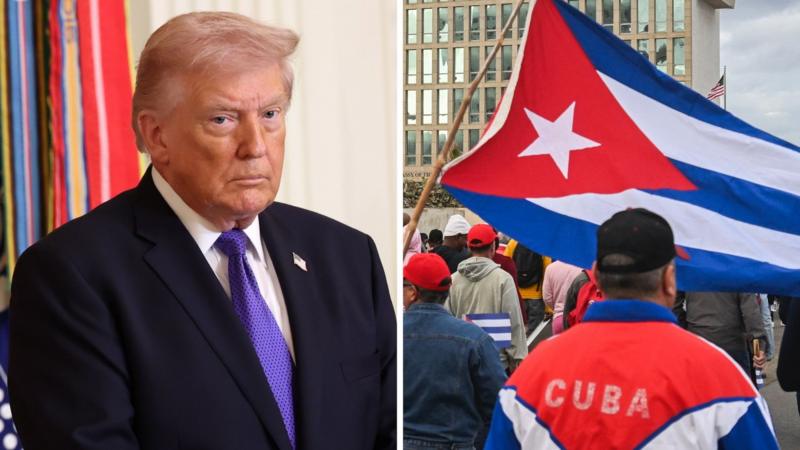
President Donald Trump has hinted at the possibility of taking action against Cuba following recent tensions and military operations related to Iran. During an event, he suggested that Cuba could undergo significant changes. The article explores whether Cuba is the next target for Trump’s administration.
Key Facts
President Trump mentioned Cuba might face significant changes, calling it "ready to fall."
Trump recently focused on military operations in Iran.
The U.S. and Israel have been involved in strikes on Iran.
There are questions about President Trump's future plans for Cuba.
The U.S. has carried out military actions that are causing global concern.
The article examines the possibility of the U.S. shifting focus from Iran to Cuba.
Protests have occurred across the U.S. against strikes on Iran.
President Trump remains actively involved in international military decisions.
Read the Original
Want the full story? Tap a source to open the original
article.
President Trump's administration started military actions with Iran, causing the U.S. State Department to advise Americans in the region to leave immediately. However, many Americans found themselves stuck due to airspace closures and missile strikes.
Key Facts
The U.S. began military actions with Iran.
The State Department told Americans in the region to leave urgently.
Airspace closures prevented many Americans from departing.
Several countries were involved in the travel advisory.
Iranian missile strikes impacted areas usually safe for travelers.
There are Americans stranded abroad due to these events.
Read the Original
Want the full story? Tap a source to open the original
article.
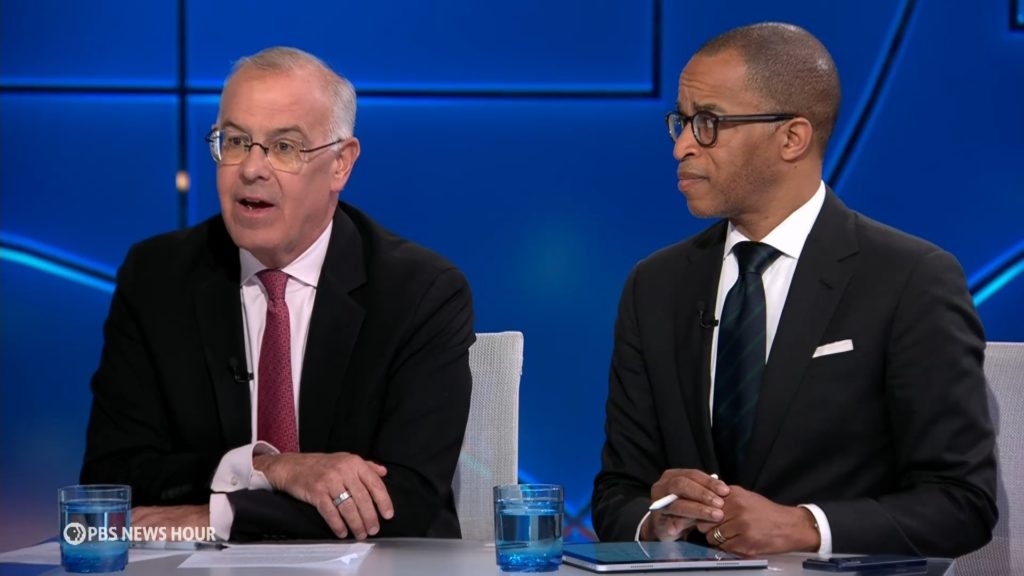
President Donald Trump decided to launch military strikes on Iran. Political commentators discussed this action and its effects on global politics and the U.S. economy.
Key Facts
President Trump ordered military strikes on Iran.
The decision was part of ongoing tensions between the U.S. and Iran.
The strikes have implications for international relations.
Economic uncertainty in the U.S. is also noted, linked to the jobs report.
The discussion included analysis from political commentators on these issues.
Read the Original
Want the full story? Tap a source to open the original
article.
The documentary "Immutable" follows students from the Washington Urban Debate League over two years. It shows how they grow by facing personal challenges and debating. Geoff Bennett talked to people involved with the film for more insights.
Key Facts
"Immutable" is a documentary about students in the Washington Urban Debate League.
The film covers a period of two years.
Students in the program learn critical thinking and how to find their voices.
They face challenges both in their personal lives and during debates.
Geoff Bennett interviewed those connected to the film for a deeper understanding.
Read the Original
Want the full story? Tap a source to open the original
article.
Iran's Ambassador to the United Nations, Amir-Saeid Iravani, called on the UN Security Council to take quick action against a joint military action by the United States and Israel against Iran. He expressed concern that other nations could be at risk in the future if such actions are not addressed.
Key Facts
The Iranian Ambassador to the UN is Amir-Saeid Iravani.
He spoke to the UN Security Council about a joint US-Israeli war on Iran.
Iravani urged the UN to act quickly and clearly in response.
He warned that while Iran is currently affected, other countries might be next.
The call for action was made to prevent further conflicts involving other member states.
Read the Original
Want the full story? Tap a source to open the original
article.
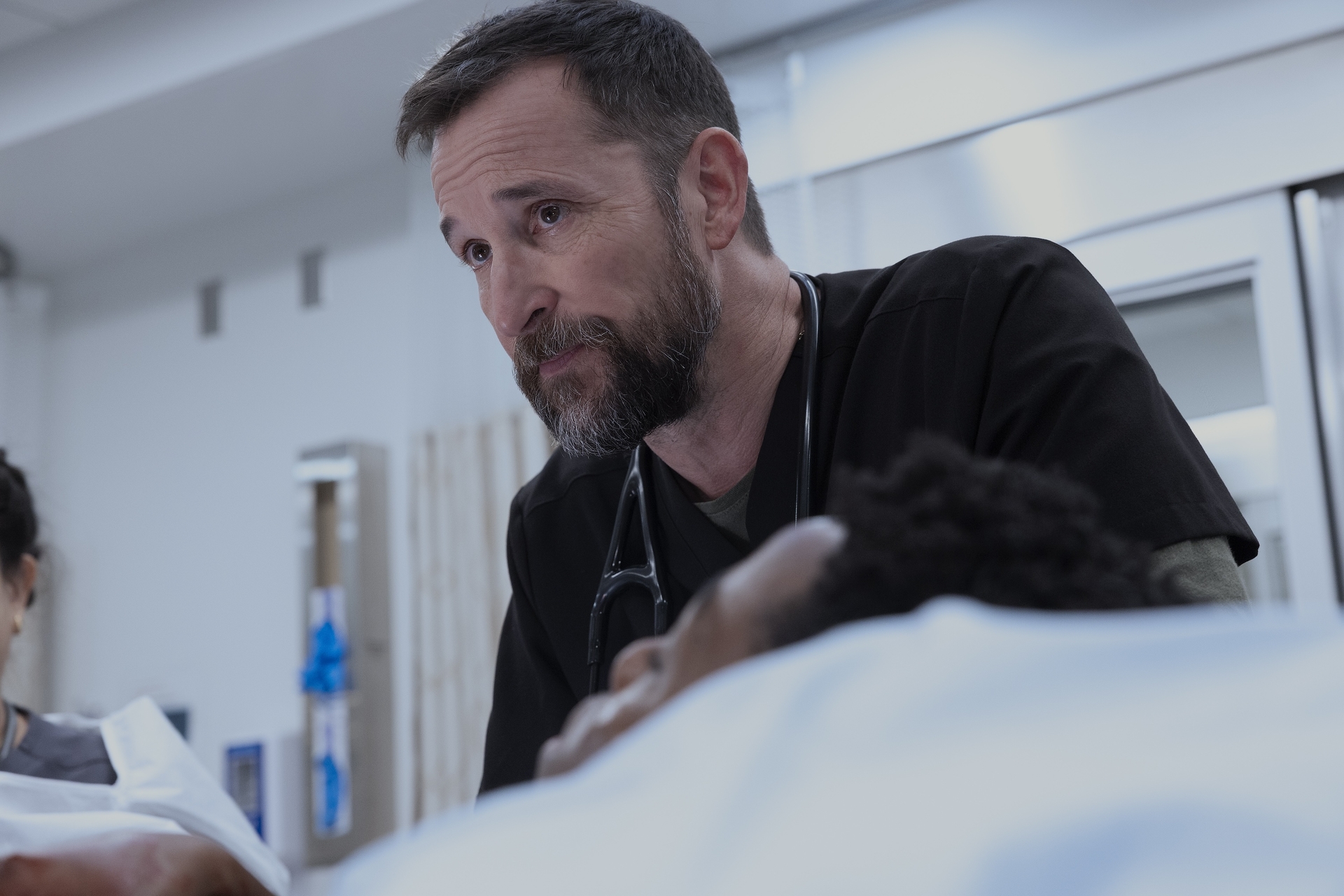
"The Pitt" Season 2 Episode 10 will be available to stream on HBO Max on March 12, 2026, at 6 p.m. Pacific Time. The episode continues the storyline in the medical drama, detailing the events in an emergency department over a 15-hour shift. To watch, viewers need an HBO Max subscription.
Key Facts
"The Pitt" Season 2 Episode 10 can be streamed on HBO Max starting March 12, 2026, at 6 p.m. Pacific Time.
The episode will also release in Eastern Time at 9 p.m. on the same day.
A subscription to HBO Max is needed to watch "The Pitt," with options starting at $10.99 per month.
Episodes are typically one hour long and depict one hour of a 15-hour shift at a fictional medical facility.
The complete second season consists of 15 episodes, ending on April 16, 2026.
Specific plot details for Episode 10 are not available, but it represents the tenth hour of the hospital shift.
Read the Original
Want the full story? Tap a source to open the original
article.
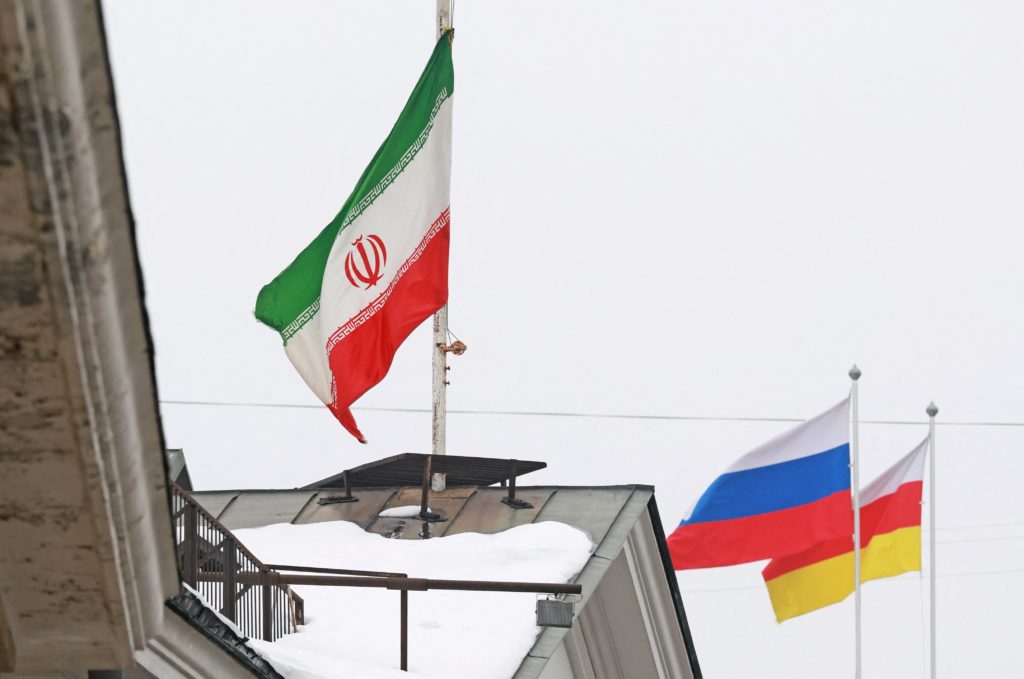
Russia has reportedly shared information with Iran that could help it target U.S. military forces in the region, according to unnamed U.S. intelligence sources. The U.S. government has not found evidence that Russia is directing Iran on how to use this information. The White House has minimized the significance of this intelligence sharing.
Key Facts
Russia allegedly gave Iran information to help target U.S. warships and military assets.
U.S. officials said there is no evidence that Russia is telling Iran how to use the information.
The White House stated that the intelligence sharing has not affected military operations in Iran.
Russia maintains friendly ties with Iran, despite international sanctions on Tehran.
Russia has been obtaining missiles and drones from Iran for use in Ukraine.
The U.S. declassified intelligence showing that Iran supplies drones to Russia.
Iran's Shahed drones have been used by Russia in the Ukraine conflict and in attacks in the Gulf region.
Ukrainian leaders are sharing expertise with Middle Eastern countries on countering Iranian drones.
Read the Original
Want the full story? Tap a source to open the original
article.
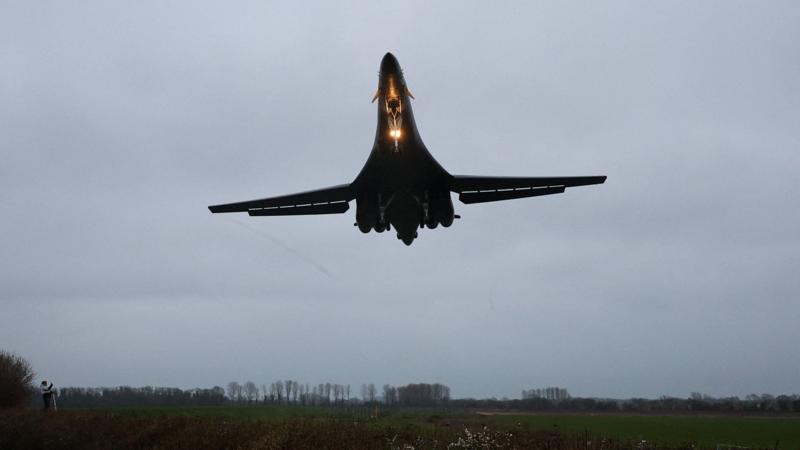
A large U.S. B-1 bomber landed at RAF Fairford, a UK airbase, following permission granted by Sir Keir Starmer for its use in defensive operations against Iranian missile sites. The bomber, known for its speed and advanced capabilities, is part of a broader U.S. strategy to increase defensive military activities. The U.K. is allowing the U.S. to use its bases but is not directly engaging in these operations.
Key Facts
A US B-1 bomber known as the B-1 Lancer has arrived at RAF Fairford in the UK.
The B-1 bomber can carry up to 24 cruise missiles and weighs 86 tonnes.
It has a wingspan of 137 feet and can reach speeds over 900 mph.
UK leader Sir Keir Starmer allowed the U.S. to use RAF Fairford and Diego Garcia for defensive operations against Iranian missile sites.
RAF Fairford has been used by the U.S. in the past for long-range bombing missions.
The UK military is not taking part in offensive strikes but is focusing on defending against Iranian missile and drone attacks.
The U.S. Department of Defense has announced plans to increase military activities in response to Iran, including more bomber and fighter deployments.
Read the Original
Want the full story? Tap a source to open the original
article.
President Claudia Sheinbaum announced plans to deploy almost 100,000 security personnel for the 2026 FIFA World Cup in Mexico. This announcement came during a visit to Jalisco, a state recently affected by violence following a military operation against a cartel leader. The World Cup in Mexico will be held in three cities, with a focus on providing strong security to ensure a safe event.
Key Facts
Mexico plans to use around 100,000 security personnel for the 2026 FIFA World Cup.
President Sheinbaum announced this plan in Jalisco, a state recently hit by cartel violence.
Mexico will host World Cup matches in Guadalajara, Mexico City, and Monterrey.
Security measures include 20,000 military personnel and 55,000 police officers.
The killing of cartel leader Nemesio "El Mencho" Oseguera led to recent violence in Jalisco.
Mexico is co-hosting the World Cup with the United States and Canada.
Officials are working to ensure the safety of teams and visitors during the event.
The World Cup is set to start on June 11, 2026, with the first match in Mexico City.
Read the Original
Want the full story? Tap a source to open the original
article.
Qatar has partially reopened its airspace after closing it due to Iranian missile and drone strikes. The reopening only allows limited flights for specific purposes, like passenger evacuation and cargo, as ongoing U.S.-Israeli military actions against Iran continue. Since the conflict began, airports in Qatar and other Gulf countries have faced numerous flight cancellations and disruptions.
Key Facts
Qatar has reopened its airspace partially after Iranian attacks forced its closure.
The rerouting of flights follows U.S.-Israeli military operations against Iran.
The partial reopening includes evacuation flights and cargo services, not regular commercial flights.
Qatar Airways plans to conduct special flights for stranded passengers.
Since the conflict started, Qatar faced 14 missile and four drone attacks from Iran.
Doha's Hamad International Airport has canceled over 2,000 flights.
Nearby countries like the UAE and Kuwait also faced flight disruptions due to Iranian strikes.
An estimated 23,000 flights have been canceled across the Gulf region since late February.
Read the Original
Want the full story? Tap a source to open the original
article.
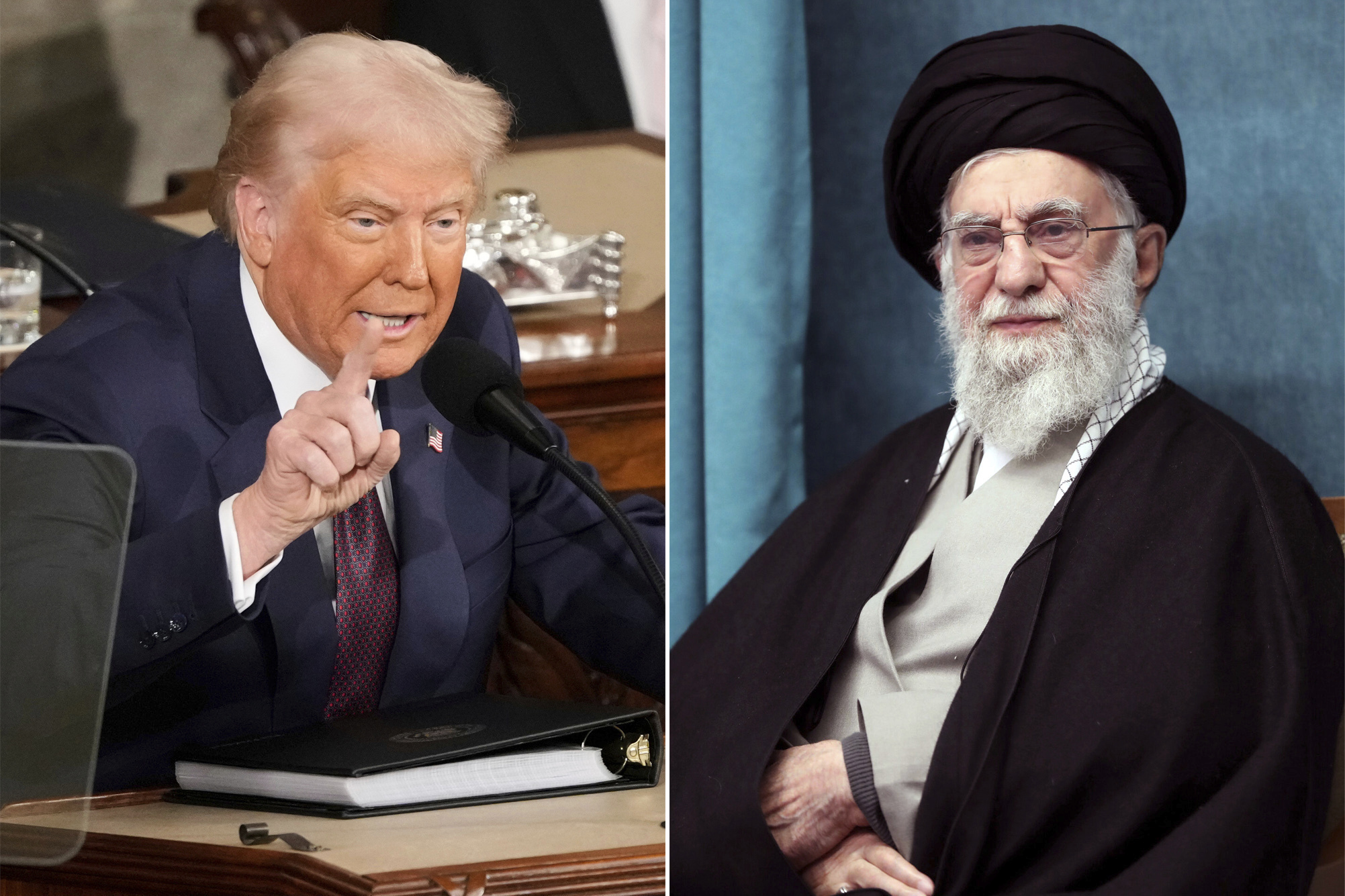
President Donald Trump has expressed his desire to choose Iran's new leader following the assassination of Iran's Supreme Leader, Ayatollah Ali Khamenei, and other key figures. Trump mentioned that he would select a "great and acceptable leader" only if Iran surrenders unconditionally. Iran's leadership is opposed to foreign interference and has responded negatively to Trump's comments.
Key Facts
President Trump stated he wants to choose Iran's new leader after recent assassinations.
Trump conditioned his choice on Iran's "unconditional surrender."
Iran's regime historically resists foreign interference, especially from the U.S.
Trump does not want Mojtaba Khamenei, the late leader's son, as the next leader.
Iran's selection process for a new leader is typically secretive.
The interim Iranian Leadership Council is currently managing the leadership transition.
Iran has a history of resisting foreign influence dating back to the 1953 coup.
Read the Original
Want the full story? Tap a source to open the original
article.
There are no ads, so there is no reason to bait you. Readers who chip in keep it that way. Most choose $3.99/month, and get the daily digest every morning.
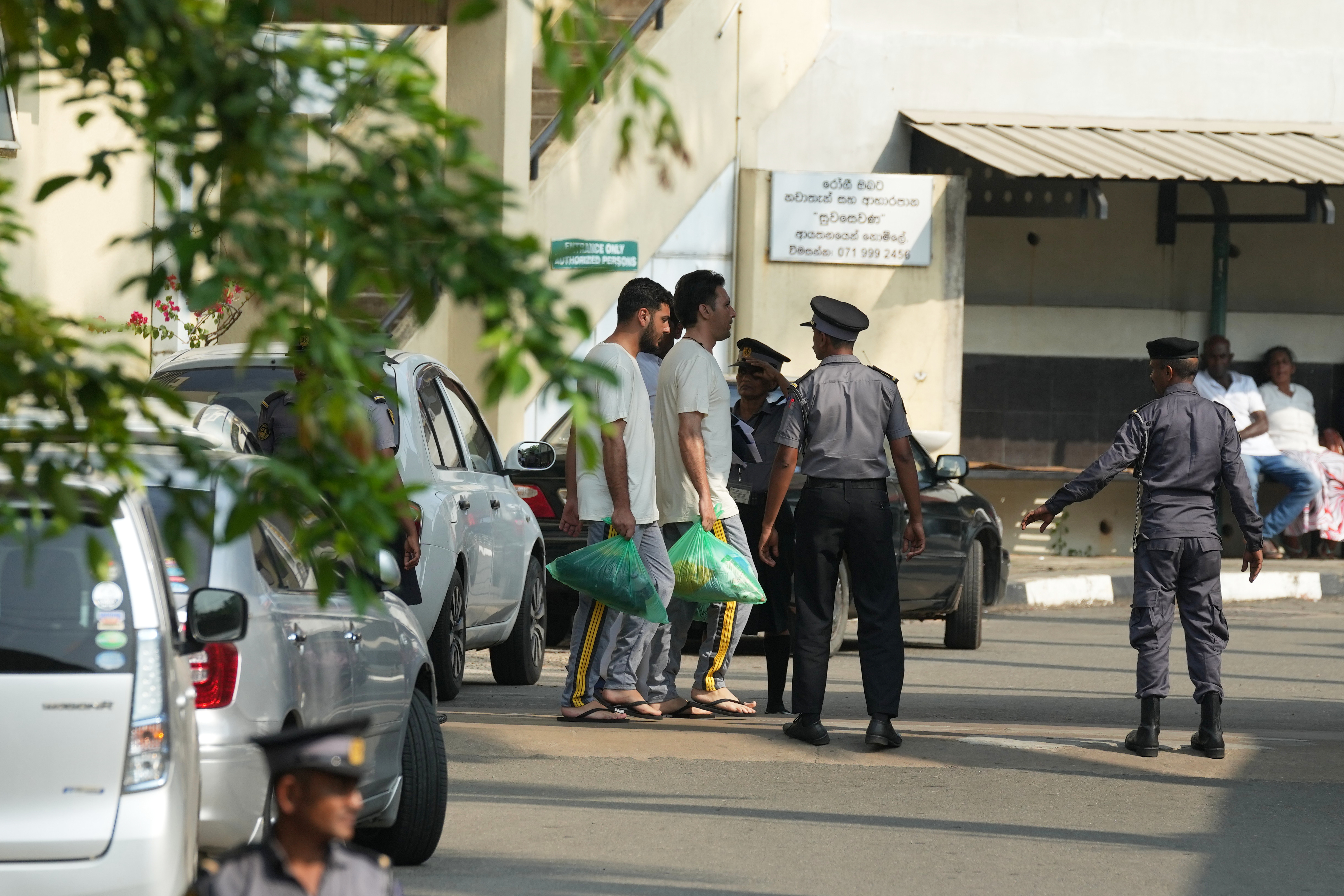
The United States sunk an Iranian warship called the IRIS Dena near the coast of Galle, Sri Lanka. This action resulted in the death of more than 100 sailors and prompted Sri Lanka to evacuate sailors from another Iranian ship.
Key Facts
The US navy sank an Iranian destroyer named IRIS Dena.
The incident took place off the coast of Galle, Sri Lanka.
Over 100 Iranian sailors died as a result.
Sri Lanka is evacuating sailors from a different Iranian ship.
The action involved the United States military and an Iranian naval vessel.
Read the Original
Want the full story? Tap a source to open the original
article.
In February, President Donald Trump launched military strikes on Iran, which led to a response from Iran and widened the conflict in the Middle East. The strikes resulted in the death of Iran's Supreme Leader Ali Khamenei. Tensions increased in the region and involved several countries.
Key Facts
President Trump initiated military action against Iran at the end of February.
Iran retaliated swiftly after U.S. and Israeli strikes on its capital, Tehran.
Iran's Supreme Leader Ali Khamenei was killed in the initial attack.
The conflict affected other countries in the Middle East.
Cuba faced a worsening crisis with power shortages and protests.
The arrest of Andrew Mountbatten-Windsor in the UK captured headlines due to his ties with Jeffrey Epstein.
Rev. Jesse Jackson, a key figure in American civil rights, passed away in February.
Read the Original
Want the full story? Tap a source to open the original
article.
A shepherd in Lebanon is moving with his herd to escape strikes from Israel. This situation has caught people's attention, and they are monitoring his journey.
Key Facts
A shepherd is traveling with his animals across Lebanon.
The reason for his journey is to escape Israeli military strikes.
The strikes are happening in southern Lebanon.
Many people are following the shepherd's journey.
This situation is part of ongoing conflict in the region.
Read the Original
Want the full story? Tap a source to open the original
article.
A U.S. submarine attacked an Iranian warship, resulting in the deaths of 87 people and the rescue of 32 survivors. Experts state that the attack was legally valid under international and American military laws, as the ship was a military target. However, questions arise about whether enough was done to aid survivors of the attack.
Key Facts
A U.S. submarine attacked the Iranian warship IRIS Dena in international waters near Sri Lanka.
87 people died, and 32 Iranian sailors were rescued after the attack.
Legal experts affirm that targeting a military vessel is not a war crime.
Concerns exist regarding whether the U.S. submarine took enough rescue measures.
The U.S. did contact Sri Lankan authorities for rescue efforts after the strike.
Sri Lanka’s navy responded, but found no trace of the ship, only oil patches and life rafts.
Experts say it's unclear if the U.S. could have done more to assist survivors.
Detailed evaluations of rescue actions are ongoing, with calls for more information.
Read the Original
Want the full story? Tap a source to open the original
article.
Venezuela is undergoing a political change following Nicolás Maduro's removal from office on January 3, 2026. The United States and Venezuela plan to restore diplomatic ties and work on stability and economic recovery. Protests in Venezuela continue despite these efforts.
Key Facts
Nicolás Maduro was removed from power in Venezuela on January 3, 2026.
The US and Venezuela have agreed to re-establish diplomatic relations.
They aim to promote stability and support economic recovery in Venezuela.
Opposition politicians who were recently freed are discussing the country's uncertain future.
Some Venezuelans continue to protest against the actions surrounding Maduro's return.
Read the Original
Want the full story? Tap a source to open the original
article.
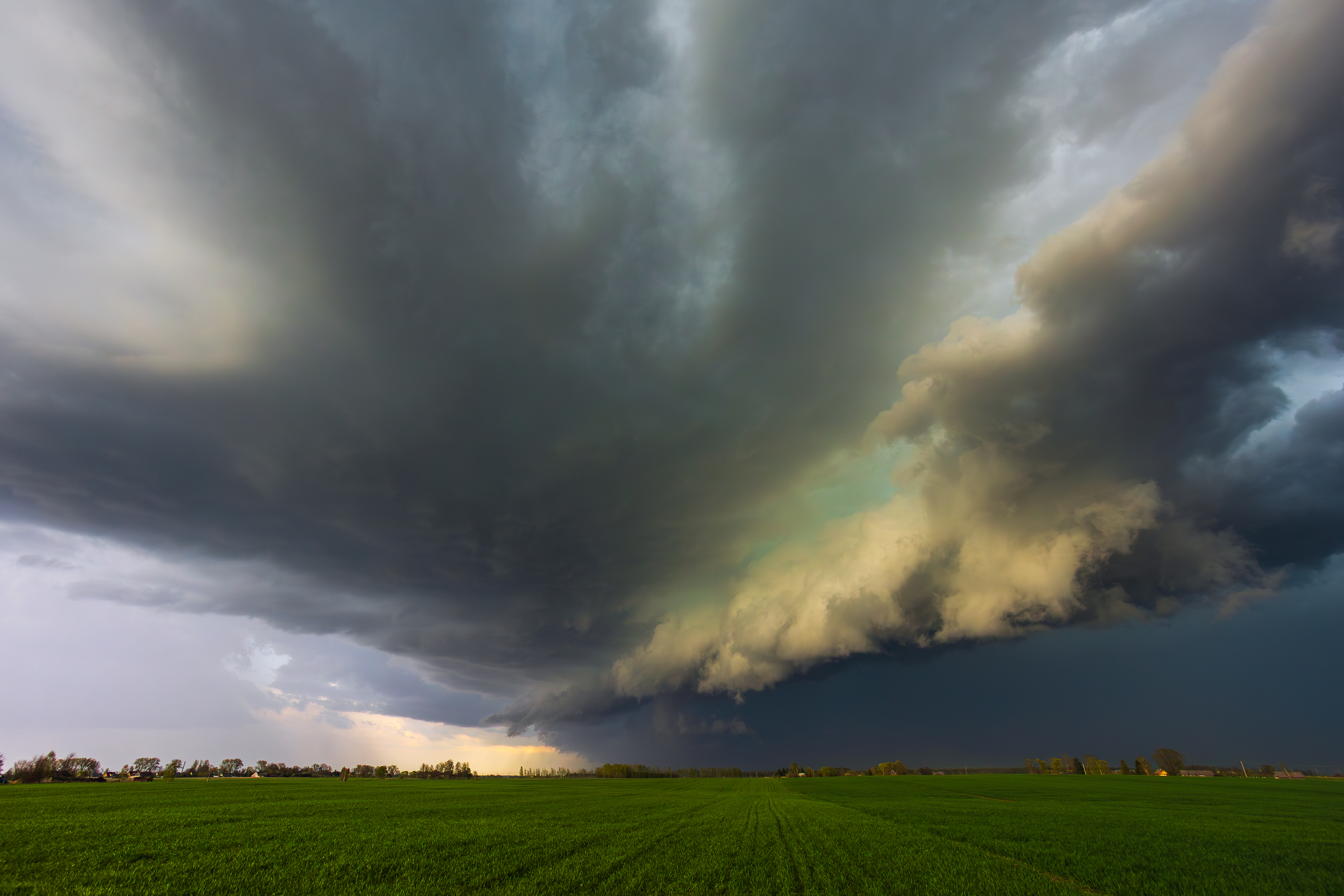
Scientists predict that a change in the Pacific Ocean might lead to more severe storms in the U.S. in the coming months. This is due to a climate pattern called El Niño, which is expected to develop and could result in unusual weather conditions.
Key Facts
El Niño is a climate pattern that changes ocean and weather patterns, happening every two to seven years.
The National Oceanic and Atmospheric Administration (NOAA) predicts a 50–60% chance of El Niño forming by late summer.
El Niño leads to warmer ocean waters and can cause strong storms and heat waves in the U.S.
NOAA forecasts that the fading of La Niña will lead to ENSO-neutral conditions, which could switch to El Niño.
A strong El Niño can reduce Atlantic hurricane activity but increase storm intensity and heat waves.
El Niño is predicted to possibly set new global heat records between 2026 and 2027.
NOAA will release its next climate update in mid-March.
Read the Original
Want the full story? Tap a source to open the original
article.
That's the point of this site, and readers keep it that way. Support for any amount and the daily digest lands in your inbox every morning at 7am Eastern.
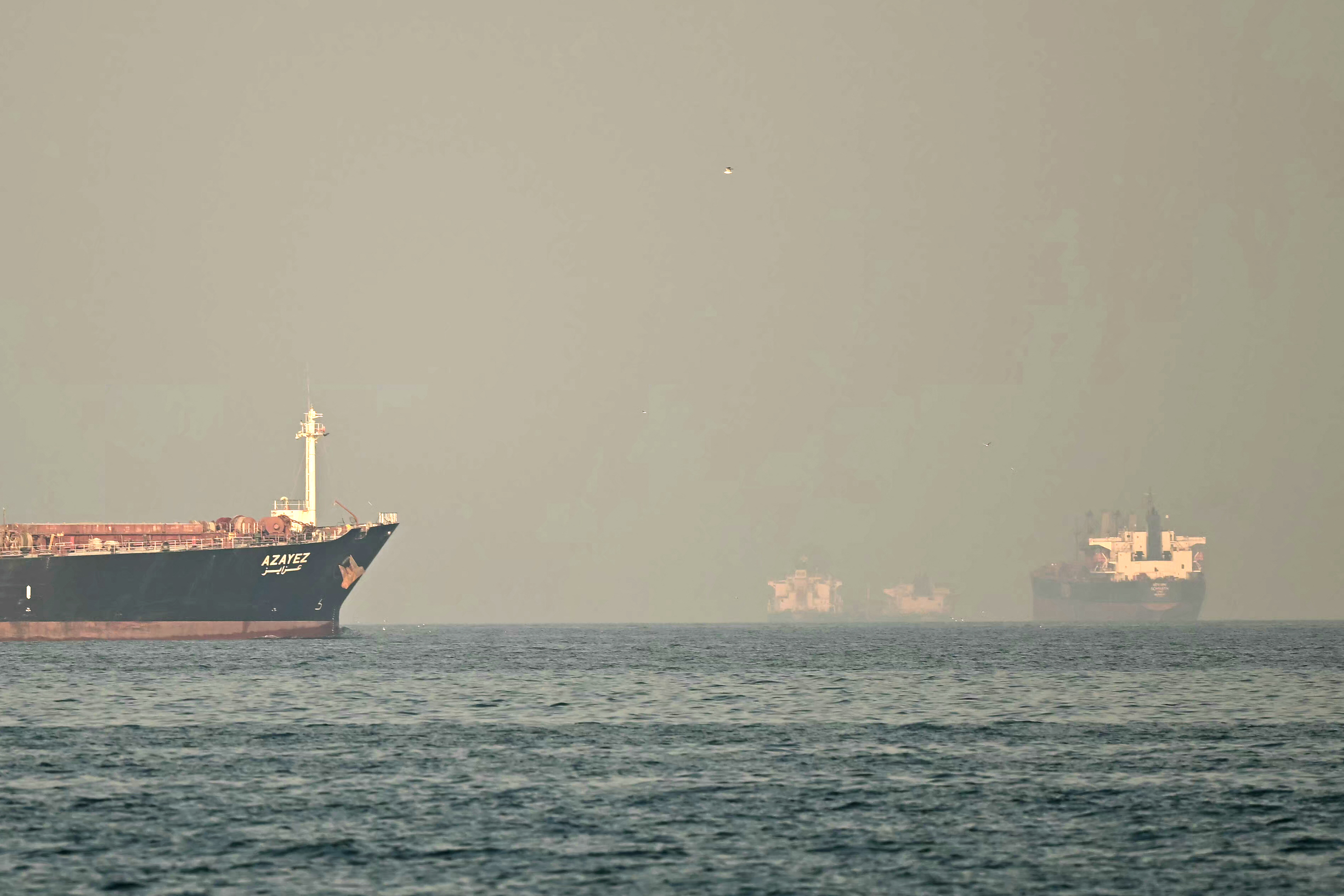
Energy companies in the Persian Gulf are using a legal clause called force majeure due to an ongoing conflict that is impacting oil and gas production. The conflict has led to significant disruptions, including Qatar halting its liquefied natural gas production. This situation could cause a sharp increase in global oil prices.
Key Facts
Gulf energy companies are invoking the "force majeure" clause to deal with disruptions caused by regional conflict.
Qatar stopped producing liquefied natural gas after attacks on its energy infrastructure.
The Strait of Hormuz, crucial for global oil transport, is seeing reduced tanker traffic due to the conflict.
Force majeure allows energy companies to pause deliveries without penalties if unforeseen events happen.
Oil prices are rising, with predictions they could hit $150 a barrel if the conflict continues.
Brent crude oil prices rose to $92.69 a barrel, while U.S. crude topped $90 for the first time in months.
Qatar is a key exporter of liquefied natural gas, accounting for about 20% of global supply.
Restoring normal operations might take time even if the conflict ends soon.
Read the Original
Want the full story? Tap a source to open the original
article.
The United States has granted a limited licence for the export of Venezuelan gold to the US following talks about expanding mining in Venezuela. This licence allows Venezuela's state mining company to sell gold to the US but prohibits exchange with specific countries. The licence aims to navigate existing US sanctions and involves payments through US Treasury systems.
Key Facts
The US issued a limited licence for Venezuelan gold exports to the US.
The announcement was made by the US Department of the Treasury.
Venezuela's state-run mining company Minerven and its subsidiaries can export and sell gold under this licence.
The licence bans gold exchanges with Cuba, North Korea, Iran, and Russia.
Payments must go through US Treasury accounts known as Foreign Government Deposit Funds.
Venezuela has faced US sanctions on its state industries due to past nationalization efforts.
The US has pursued involvement in Venezuela's oil and mining sectors since early January.
Venezuela's current interim government is working with the US on oil and mining sector reforms.
Read the Original
Want the full story? Tap a source to open the original
article.