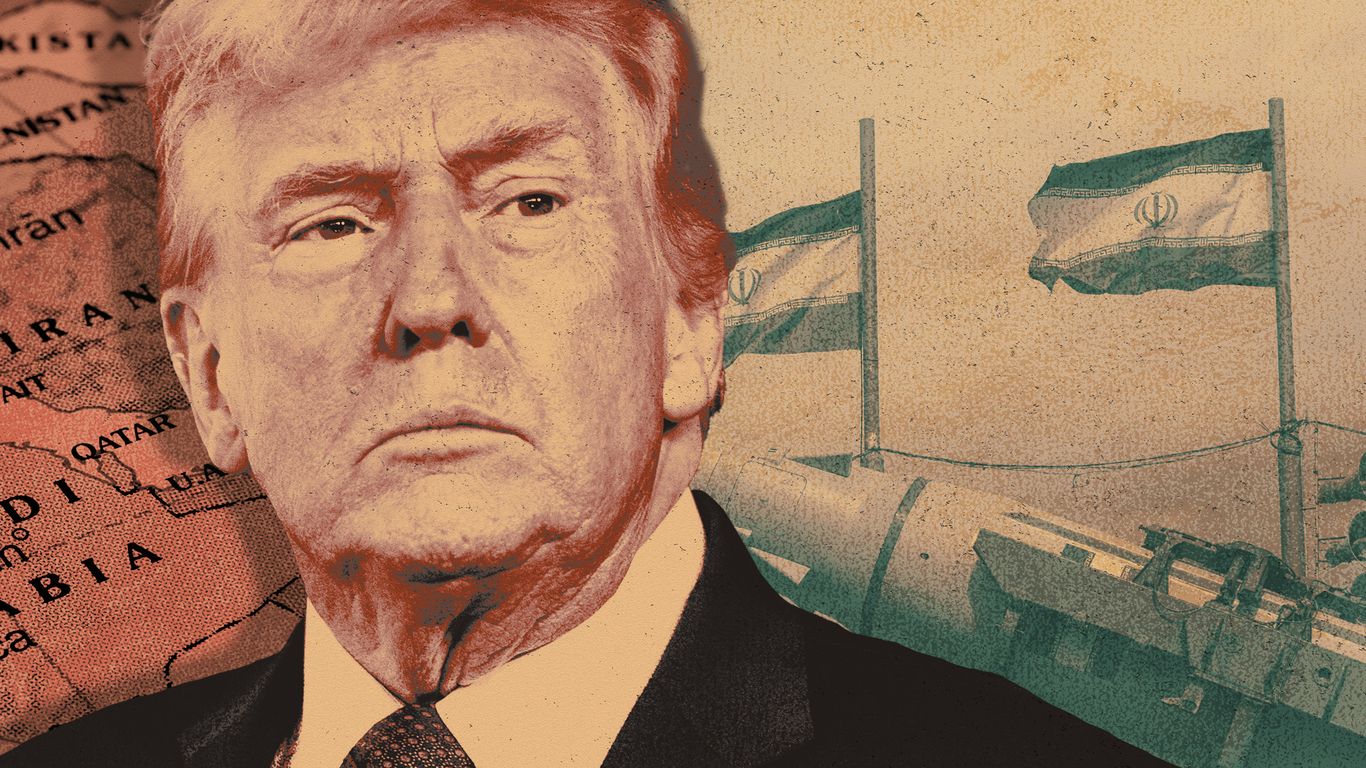
The United States, along with Israel, conducted military strikes in Iran, resulting in over 200 deaths and more than 740 injuries. The attacks, part of "Operation Epic Fury," have led to retaliatory strikes by Iran on U.S. bases in the Middle East. The situation has escalated, with debates over the impact of regime change in Iran, as stated by the late activist Charlie Kirk.
Key Facts
The U.S. and Israel launched military strikes on Iran, named "Operation Epic Fury."
The strikes killed at least 200 people and injured over 740, according to Iran's Red Crescent.
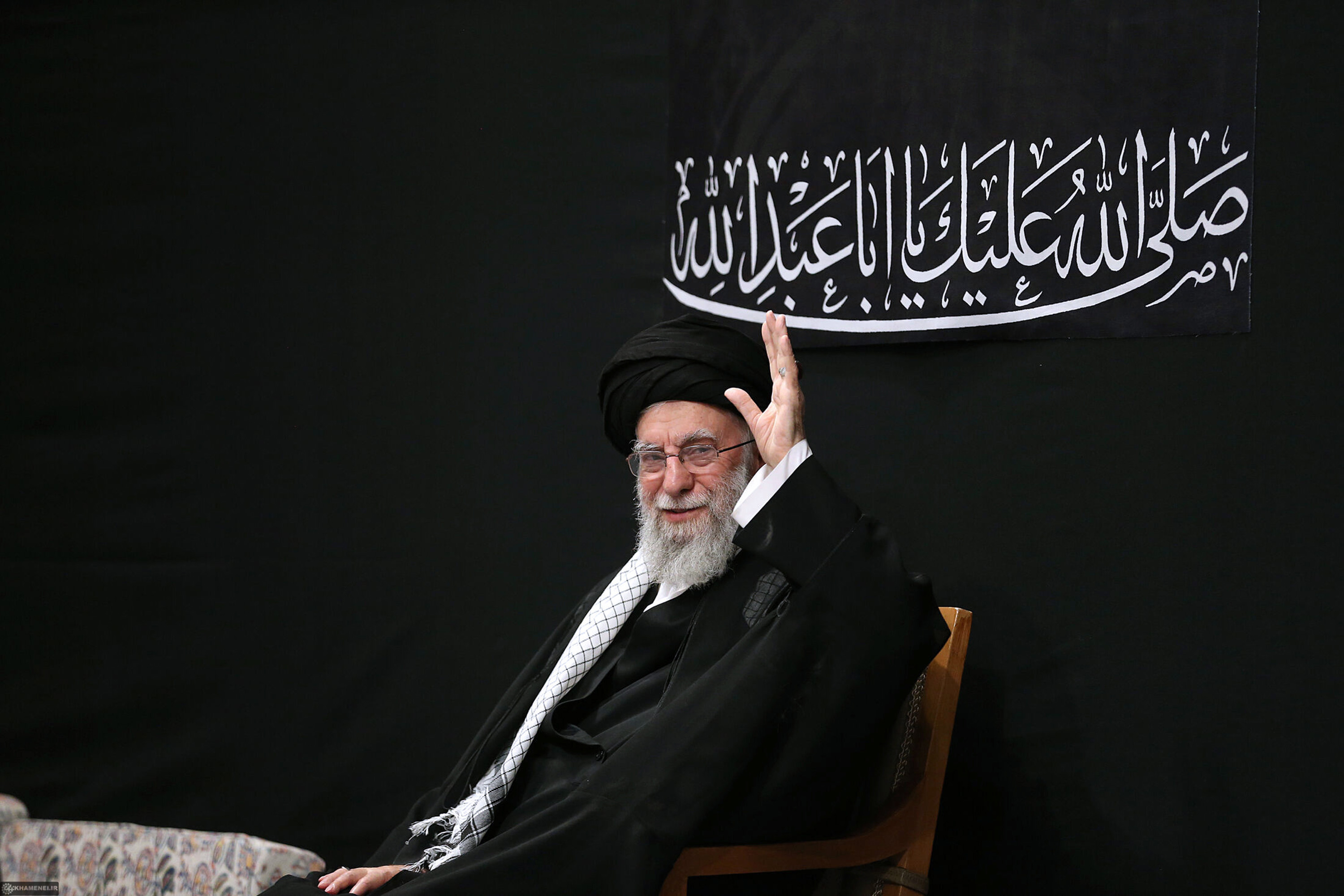
Iran's Supreme Leader Ayatollah Ali Khamenei was reportedly killed in the strikes.
Iran has responded with retaliatory strikes on U.S. bases in the Middle East.
The conflict follows recent nuclear talks between the U.S. and Iran.
President Trump has faced criticism from some Republicans for military intervention in Iran.
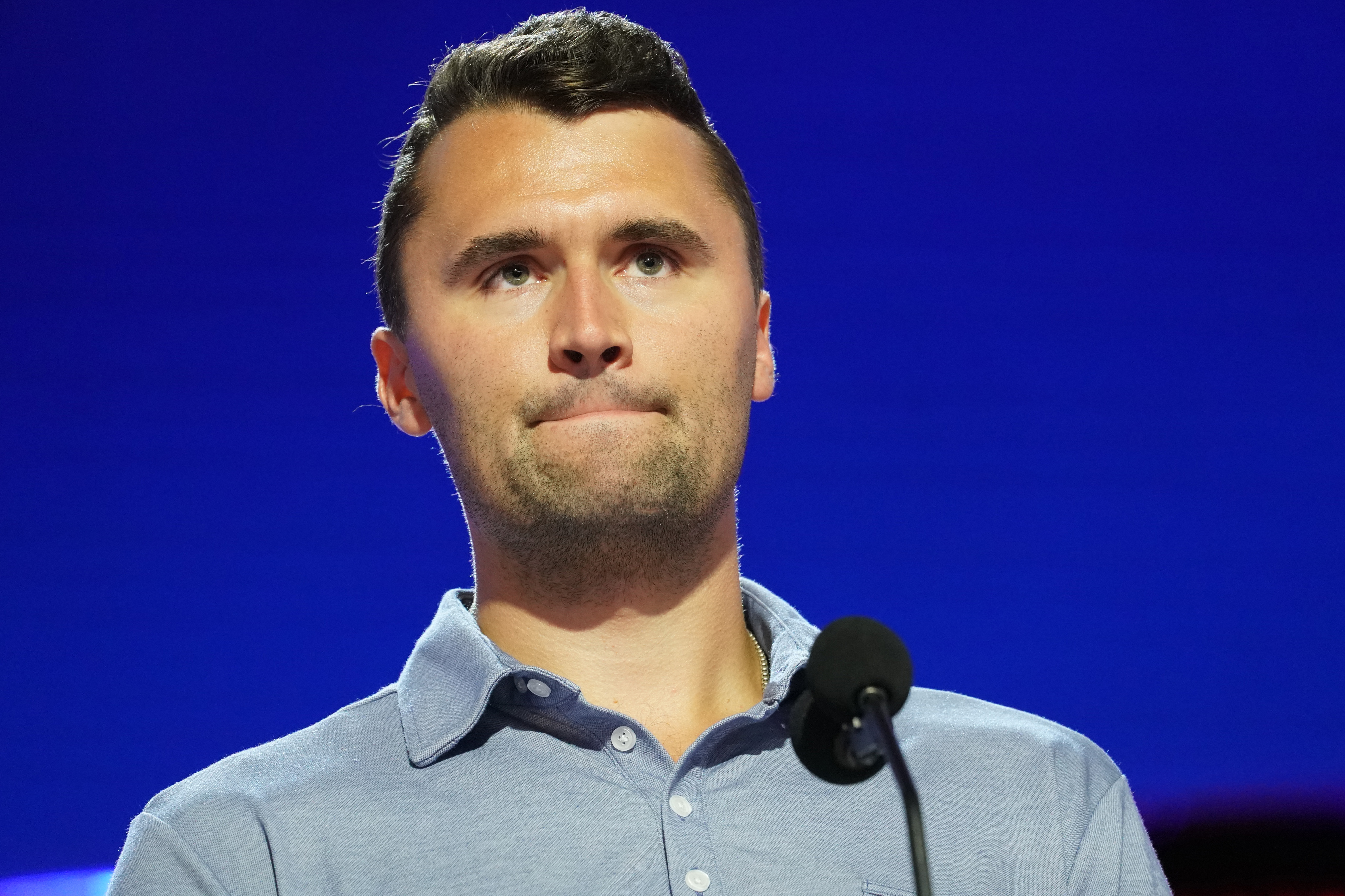
Charlie Kirk, a conservative activist, opposed regime change in Iran before his death.
Kirk's views were shared widely, highlighting the complexities of regime change in Iran.
Read the Original
Want the full story? Tap a source to open the original
article.
The United States and Israel have attacked Iran, and Iran has responded by launching missiles at Israeli and U.S. targets. This situation follows the U.S. increasing its military presence in the Middle East and discussions between the U.S. and Iran about Iran's nuclear program.
Key Facts
The U.S. and Israel launched attacks on Iran.
Iran retaliated by firing missiles at U.S. and Israeli targets.
The U.S. had recently increased military forces in the Middle East.
Indirect talks were held between the U.S. and Iran regarding Iran's nuclear activities.
The situation involves complex international relations and potential for escalation.
Guests on a news program included experts discussing the situation's risks.
Read the Original
Want the full story? Tap a source to open the original
article.
President Donald Trump announced that a U.S.-Israeli military operation in Iran resulted in the death of Iran's Supreme Leader Ali Khamenei. The action is part of efforts to address threats from Iran's leadership amid tensions over its nuclear activities. Iran has responded with attacks on Israeli sites and U.S. military bases.
Key Facts
A U.S.-Israeli attack in Iran led to the death of Iran's Supreme Leader Ali Khamenei.
President Trump stated the military operation was to remove threats from Iran's government.
Iran launched retaliatory strikes on Israeli locations and U.S. military bases.
PBS News is providing live special coverage of the situation at 6 p.m. EST.
The coverage includes live updates and analysis from various experts and correspondents.
The announcement and military actions follow weeks of rising tensions over Iran's nuclear program.
President Trump urged the people of Iran to take control of their country's future.
Read the Original
Want the full story? Tap a source to open the original
article.
The United Nations Secretary-General, António Guterres, condemned U.S.-Israeli airstrikes on Iran and called for renewed negotiations to avoid escalation. The attacks resulted in the death of Iran's Supreme Leader, Ayatollah Ali Khamenei, raising the risk of further conflict. Iran retaliated and accused the U.S. and Israel of violating its sovereignty.
Key Facts
U.N. Secretary-General António Guterres condemned U.S.-Israeli airstrikes on Iran.
The attacks killed Iran's Supreme Leader, Ayatollah Ali Khamenei.
Iran responded with retaliatory attacks, affecting several neighboring countries.
Israel and the U.S. stated the strikes were to prevent an immediate threat from Iran.
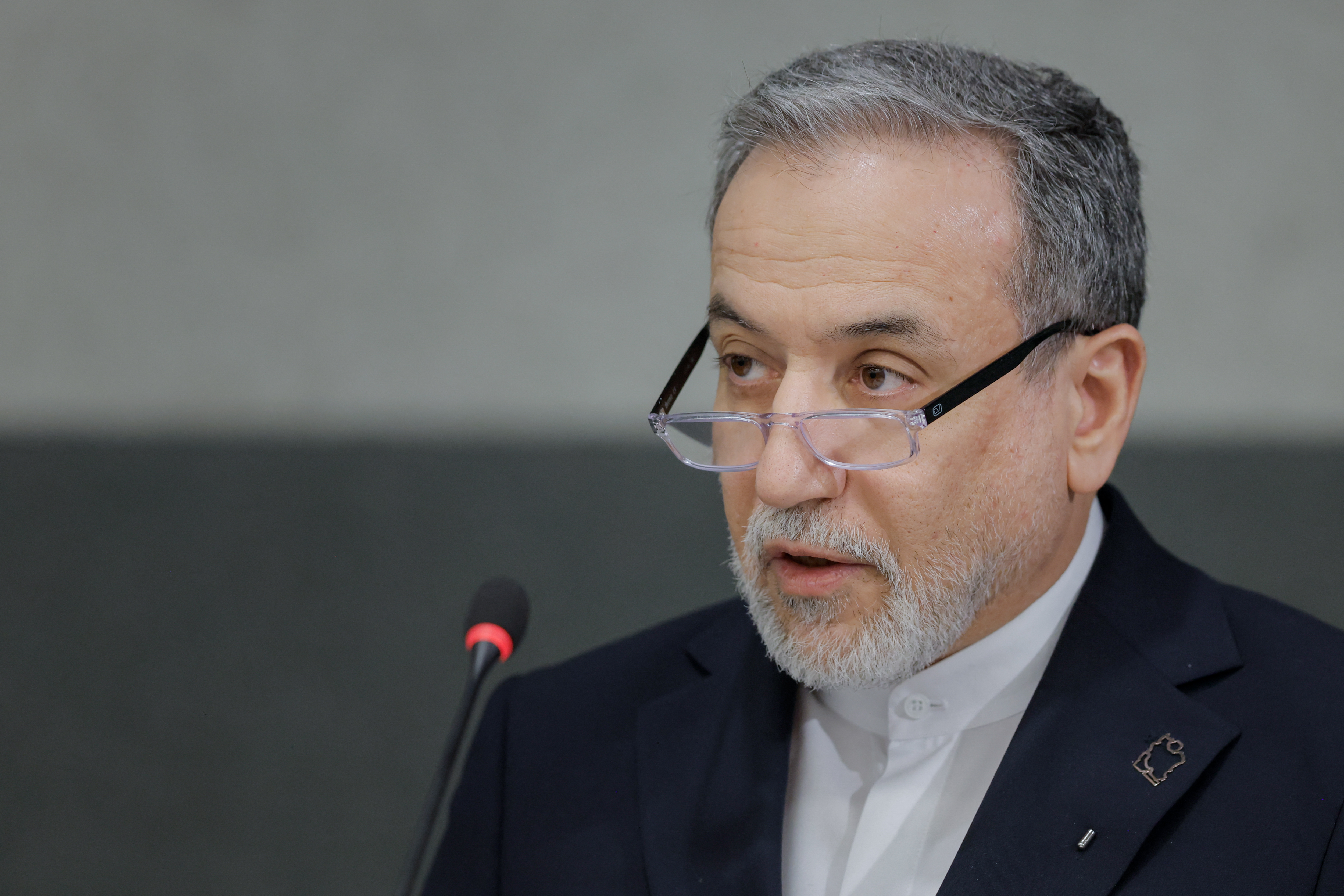
Iranian Foreign Minister called for U.N. action against the airstrikes.
Five U.N. Security Council members requested the emergency meeting.
Britain, France, and Germany emphasized the need to resume talks on Iran's nuclear program.
President Donald Trump commented that Khamenei's death is an opportunity for Iranians to reclaim control of their country.
Read the Original
Want the full story? Tap a source to open the original
article.
President Donald Trump has launched military actions against multiple countries, including Iran and Venezuela, since returning to office in 2025. These actions have resulted in numerous casualties and have been criticized as violations of international law. The Trump administration also claims its operations target terrorism and drug trafficking.
Key Facts
President Trump initiated attacks on Iran that killed at least 201 people, aiming for regime change.
The U.S. and Israel conducted joint operations in Iran during a 12-day war.
The military actions against Iran have been declared illegal under international law.
In January 2026, U.S. forces attacked Venezuela, killing 83 people and abducting President Nicolas Maduro.
Since September, the U.S. has conducted at least 45 strikes on drug trafficking boats in Latin America and the Caribbean.
Trump claims these boat strikes combat drug trafficking by labeling groups as terrorist organizations.
In Nigeria, the Trump administration expanded military activities, deploying troops and executing air strikes.
U.S. operations in Nigeria aim to counter what Trump described as genocidal actions against Christians.
Read the Original
Want the full story? Tap a source to open the original
article.
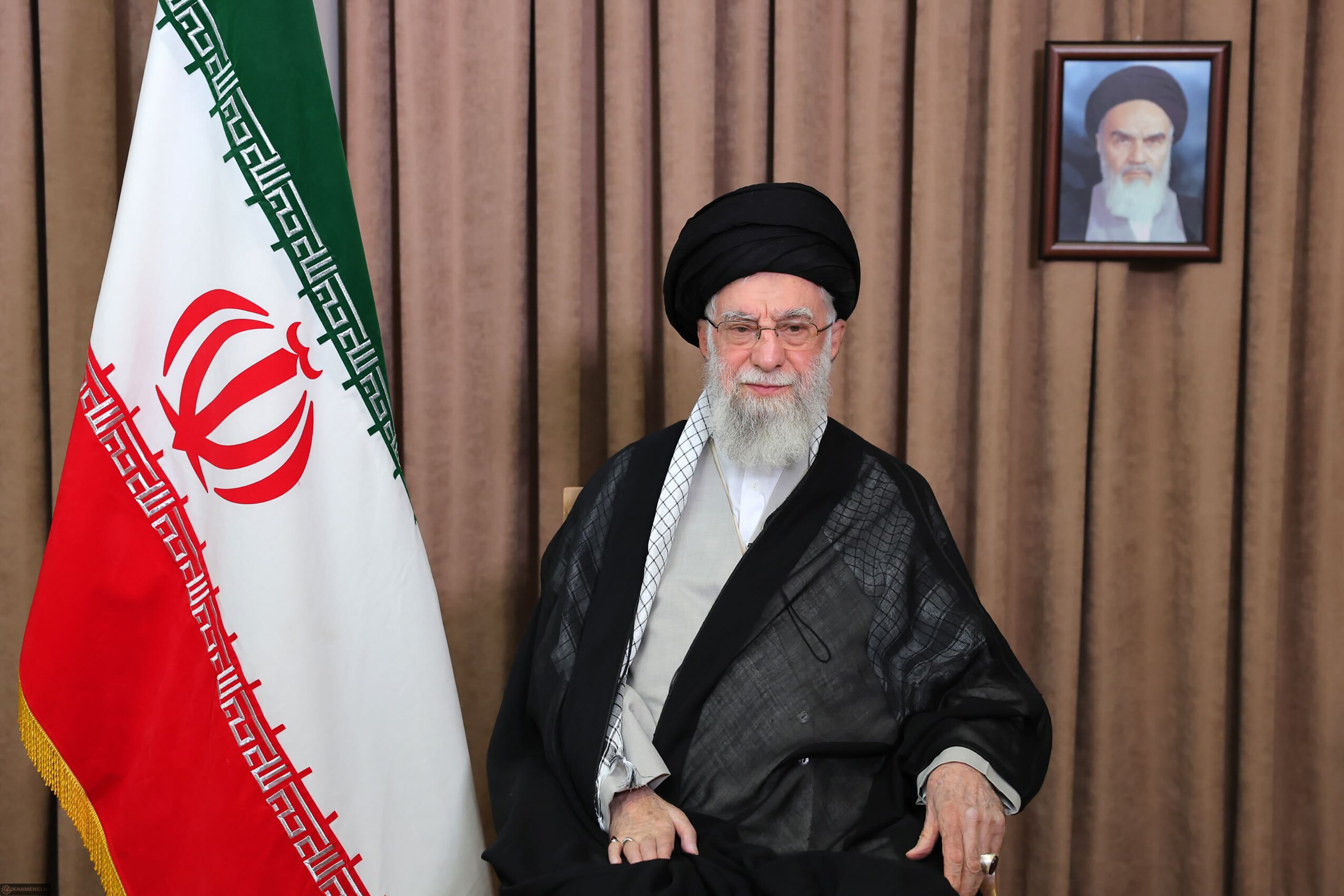
President Donald Trump announced that Iran's leader, Ayatollah Ali Khamenei, was killed following US-Israeli airstrikes on his compound. Khamenei became Iran's supreme leader in 1989, shaping its military and political approach, especially against perceived threats from the West. His leadership faced multiple challenges, including protests and economic difficulties.
Key Facts
President Trump stated that Khamenei was killed in a joint US-Israeli airstrike.
Khamenei became Iran's supreme leader in 1989 after Ayatollah Ruhollah Khomeini's death.
He built up Iran's military and security forces, focusing on defense.
Khamenei had a distrust of the West, especially the United States.
He promoted a "resistance economy" to withstand Western sanctions.
Protests against his rule occurred, notably in 2009 and 2022.
His leadership faced criticism for being out of touch with younger Iranians wanting reforms.
Khamenei's main focus was on national independence and security.
Read the Original
Want the full story? Tap a source to open the original
article.
The Israel Defense Forces (IDF) announced that their strikes on Iran have "eliminated" key Iranian officials, including the country's defense minister and top commanders from the Islamic Revolutionary Guard Corps (IRGC). These strikes resulted in significant casualties and led to retaliatory attacks on U.S. bases in the Middle East by Iran. The actions have increased tensions in the region, following recent nuclear talks between the United States and Iran.
Key Facts
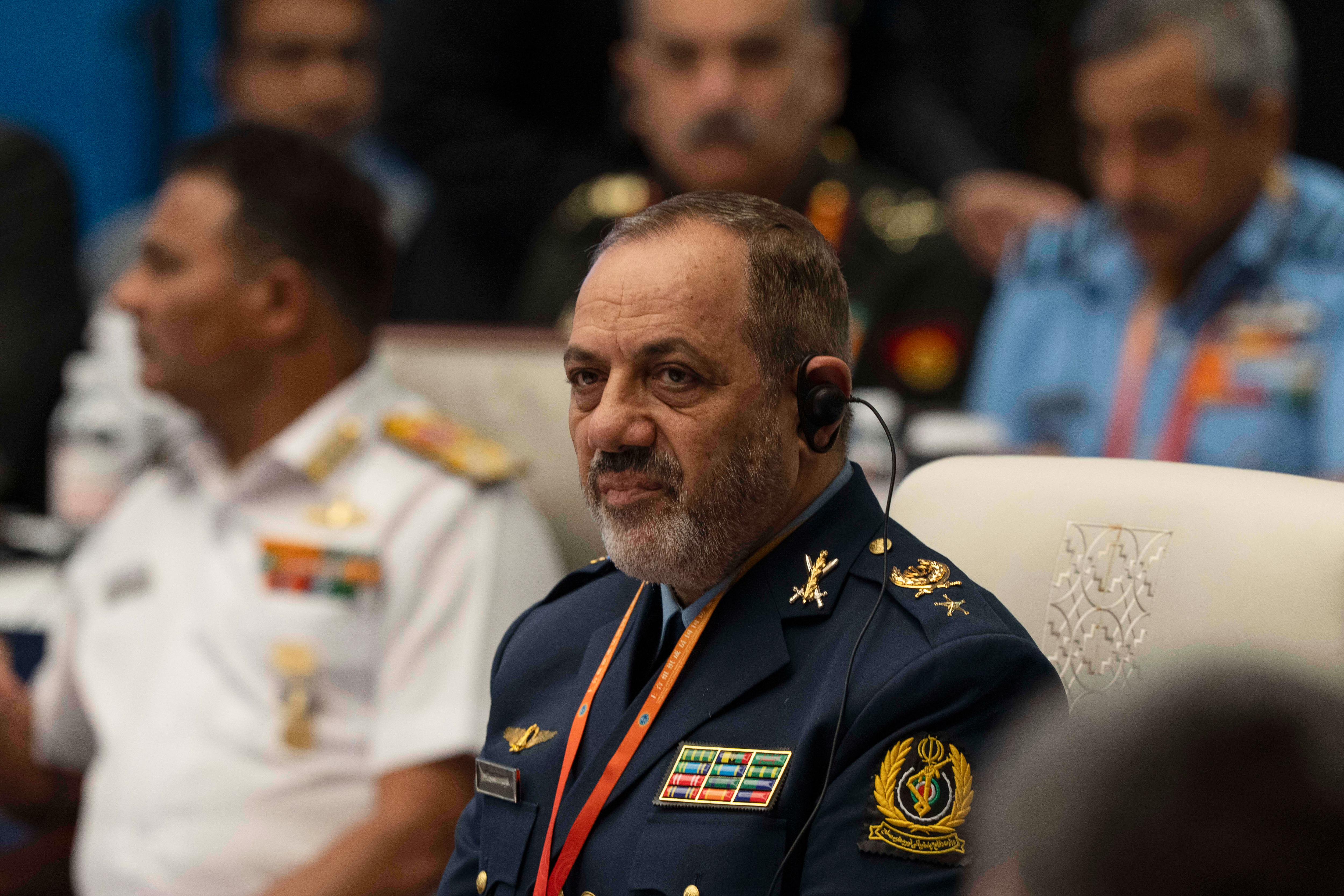
The IDF claims their strikes killed Iran's defense minister and senior IRGC commanders.
At least 200 people died, with over 740 injured in the strikes, according to Iranian sources.
Iran retaliated by targeting U.S. bases in the Middle East.
The IDF operation involved around 200 Israeli Air Force jets targeting Iranian missile and air defense systems.
Both President Donald Trump and Israeli Prime Minister Benjamin Netanyahu confirmed the strikes, with Trump urging Iranians to "take over your government."
The escalation follows recent U.S.-Iran nuclear discussions.
Iran's Supreme Leader Ayatollah Ali Khamenei was reported killed in the strikes.
Seven Iranian officials were named by the IDF as having been killed.
Read the Original
Want the full story? Tap a source to open the original
article.
President Donald Trump announced that Iranian Supreme Leader Ayatollah Ali Khamenei is dead, following a joint U.S.-Israeli military operation called Operation Epic Fury. Trump encouraged the Iranian people to seize this moment to reclaim their country.
Key Facts
President Trump stated that Khamenei's death is a historic opportunity for Iranian people.
Israeli officials said Khamenei was killed in a strike on his compound in Tehran.
Operation Epic Fury is a joint offensive by U.S. and Israeli forces.
Iran has not confirmed Khamenei's death; a foreign minister claimed Khamenei was alive.
A U.S. defense official confirmed the death report along with other top Iranian leaders.
Trump called for continued military actions with the goal of achieving peace.
Trump offered immunity to Iranian security forces who choose to join "Iranian Patriots."
Read the Original
Want the full story? Tap a source to open the original
article.
A story describes a visit to rural Wales for a stargazing experience, highlighting the beauty of a clear night sky. Participants, guided by a local astrotourism company, enjoy viewing stars and planets free from light pollution. The event is aimed at providing a calming, unique experience that connects people with the night sky.
Key Facts
Participants traveled to rural Wales to view stars away from city lights.
The guide used a laser pointer to help identify stars and constellations.
The event is organized by Serydda, an astrotourism company.
Wyn Morgan started Serydda in January 2025, inspired by a late astrophotographer friend.
The experience is likened to "forest bathing," which focuses on emotional connections with nature.
Interest in these types of events is increasing, with many seeking dark sky experiences.
Two UK national parks in Wales have International Dark Sky Reserve status.
A survey noted that 72% of respondents are interested in visiting dark sky destinations.
Read the Original
Want the full story? Tap a source to open the original
article.
United Nations Secretary-General Antonio Guterres has called for real talks and negotiations following large military strikes by the US and Israel on Iran. He expressed concern that these attacks pose a serious threat to global peace and safety.
Key Facts
The United Nations Secretary-General is Antonio Guterres.
The US and Israel carried out big military strikes on Iran.
Guterres is urging for genuine dialogue and negotiations.
He believes these strikes threaten international peace and security.
The situation involves multiple countries and affects global stability.
Read the Original
Want the full story? Tap a source to open the original
article.
Iran claims it has the right to defend itself under international law after attacks by the US and Israel. President Donald Trump described these attacks on Iranian cities as "major combat operations." In response, Iran launched missiles targeting US and Israeli military sites in several countries.
Key Facts
Iran stated it has a right to defend itself from attacks by the US and Israel.
The US and Israel conducted attacks on Iranian cities, including Tehran, killing at least 201 people.
President Trump referred to these as "major combat operations."
Iran retaliated by firing missiles at targets in Bahrain, Iraq, Jordan, Kuwait, Saudi Arabia, Qatar, and the UAE.
This conflict follows indirect US-Iran nuclear negotiations, which reportedly showed progress.
It was the second time in less than a year that diplomacy was interrupted by violence.
Iran's Ministry of Foreign Affairs emphasized that its actions are defensive.
Read the Original
Want the full story? Tap a source to open the original
article.
Ayatollah Ali Khamenei, Iran's Supreme Leader, heavily influenced the Middle East over the last 40 years. He was involved in numerous protests and maintained control by strengthening Iran's military and political influence. Khamenei died in a joint U.S. and Israeli operation.
Key Facts
Ayatollah Ali Khamenei became Iran's Supreme Leader in 1989.
He controlled Iran with strict measures, limiting political freedom and suppressing protests.
Khamenei was killed during a joint U.S.-Israeli military operation.
His leadership expanded the power of the Islamic Revolutionary Guard Corps (IRGC).
Khamenei built international alliances with groups like Hezbollah and the Houthis.
Iran pursued nuclear capabilities under his leadership, which raised global concerns.
Khamenei managed a vast economic empire valued at around $95 billion.
Read the Original
Want the full story? Tap a source to open the original
article.
President Trump recently ordered military strikes in Iran, resulting in the death of the country's Supreme Leader, Ayatollah Ali Khamenei. He has called for the Iranian people to take control of their government, which marks a different approach from past U.S. actions in countries like Iraq and Venezuela.
Key Facts
President Trump ordered military strikes on Iran and announced the death of Supreme Leader Ayatollah Ali Khamenei.
Trump called for an uprising by the Iranian people to take control of their government.
The tensions between the U.S. and Iran escalated due to disagreements over Iran's nuclear weapons.
The approach differs from the U.S. invasion of Iraq in 2003, which involved a full-scale military invasion.
Unlike in Iraq, Trump is not sending U.S. troops into Iran to dismantle its government.
Trump's strategy also differs from Venezuela, where the focus was on removing leader Nicolás Maduro with limited U.S. military involvement.
Read the Original
Want the full story? Tap a source to open the original
article.
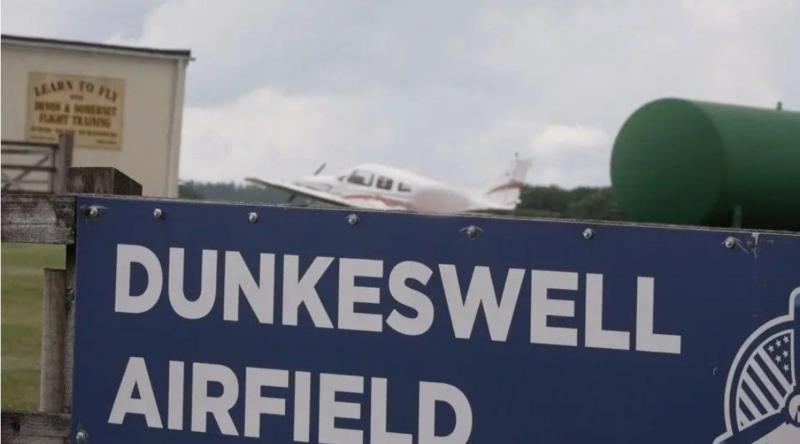
A 49-year-old man died during a skydive at Dunkeswell Aerodrome in Devon. Emergency services confirmed his death, and police are investigating what happened. This follows another fatal skydiving incident at the same site last year.
Key Facts
A 49-year-old man died during a skydive at Dunkeswell Aerodrome, Devon.
Police and emergency services responded to the incident at about 13:00 GMT on a Saturday.
An investigation into the circumstances of the death is ongoing.
Dunkeswell Aerodrome was previously the site of a fatal skydive accident in June 2025.
In the 2025 incident, a parachute failed to open, resulting in the deaths of two people.
Dunkeswell Aerodrome is a former RAF site and the highest licensed airfield in the UK.
The site also offers Spitfire flight tours, wing-walking, and flight training.
Read the Original
Want the full story? Tap a source to open the original
article.
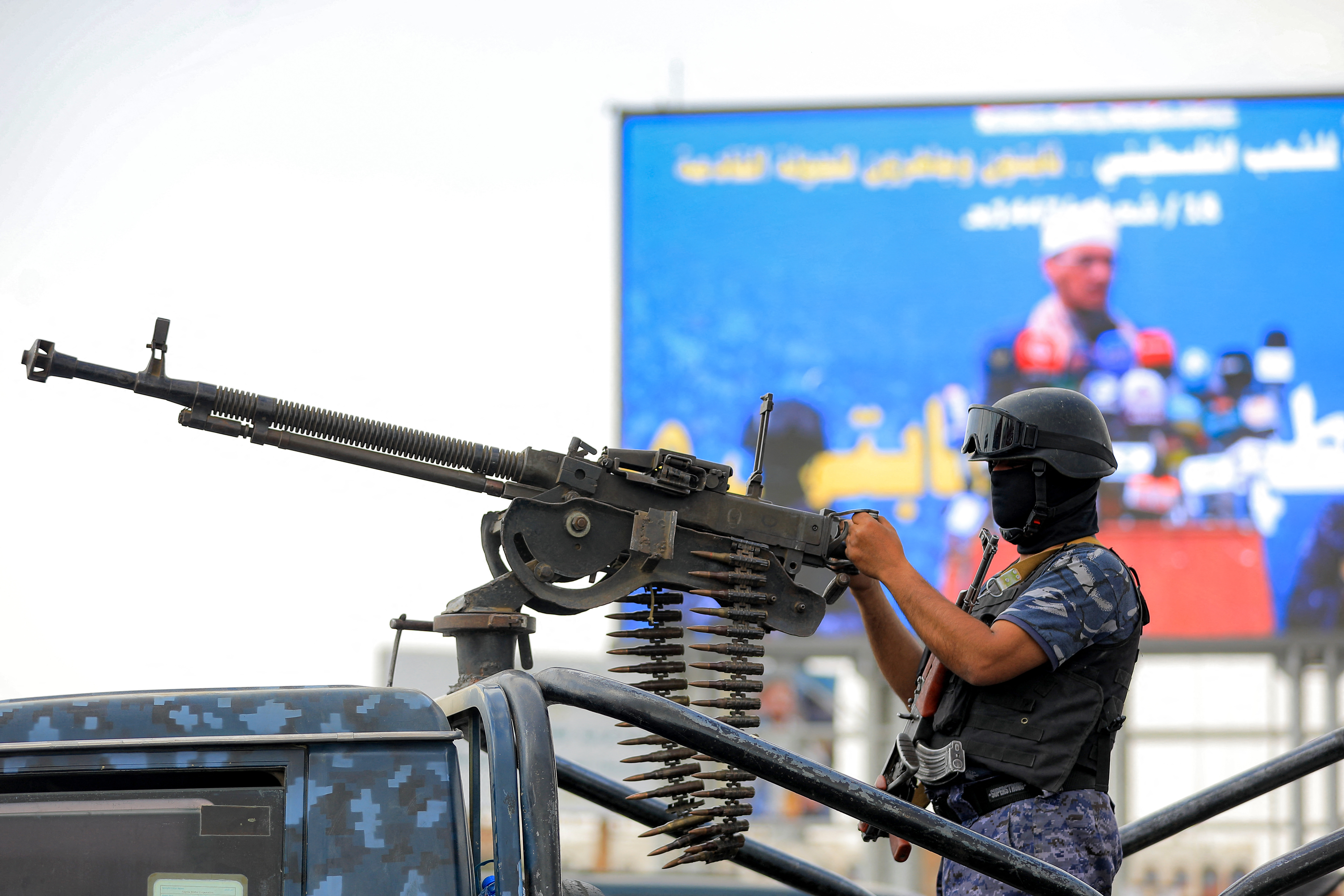
U.S. and Israeli joint operations against Iran have led to regional tensions, with Iran reacting by firing missiles and drones. Allies of Iran, known as the Axis of Resistance, which includes groups from Yemen, Lebanon, and Iraq, are responding cautiously to these events. The Houthis in Yemen and Hezbollah in Lebanon have expressed condemnation of the attacks without taking direct military action yet.
Key Facts
The U.S. and Israel have launched joint operations targeting Iran.
Iran responded by firing missiles and drones at Israel and U.S. bases.
The Axis of Resistance is a coalition of groups allied with Iran, including factions from Yemen, Lebanon, and Iraq.
Ansar Allah, also called the Houthi movement in Yemen, criticized the U.S. and Israeli actions but has not taken direct military steps.
President Trump negotiated a ceasefire with the Houthis in May, and they halted their attacks on Israel following an earlier ceasefire in October.
Hezbollah condemned the U.S. and Israeli operations but has restrained from immediate military action.
Israel continues to strike Hezbollah positions in Lebanon.
The situation involves ongoing nuclear negotiations between the U.S. and Iran.
Read the Original
Want the full story? Tap a source to open the original
article.
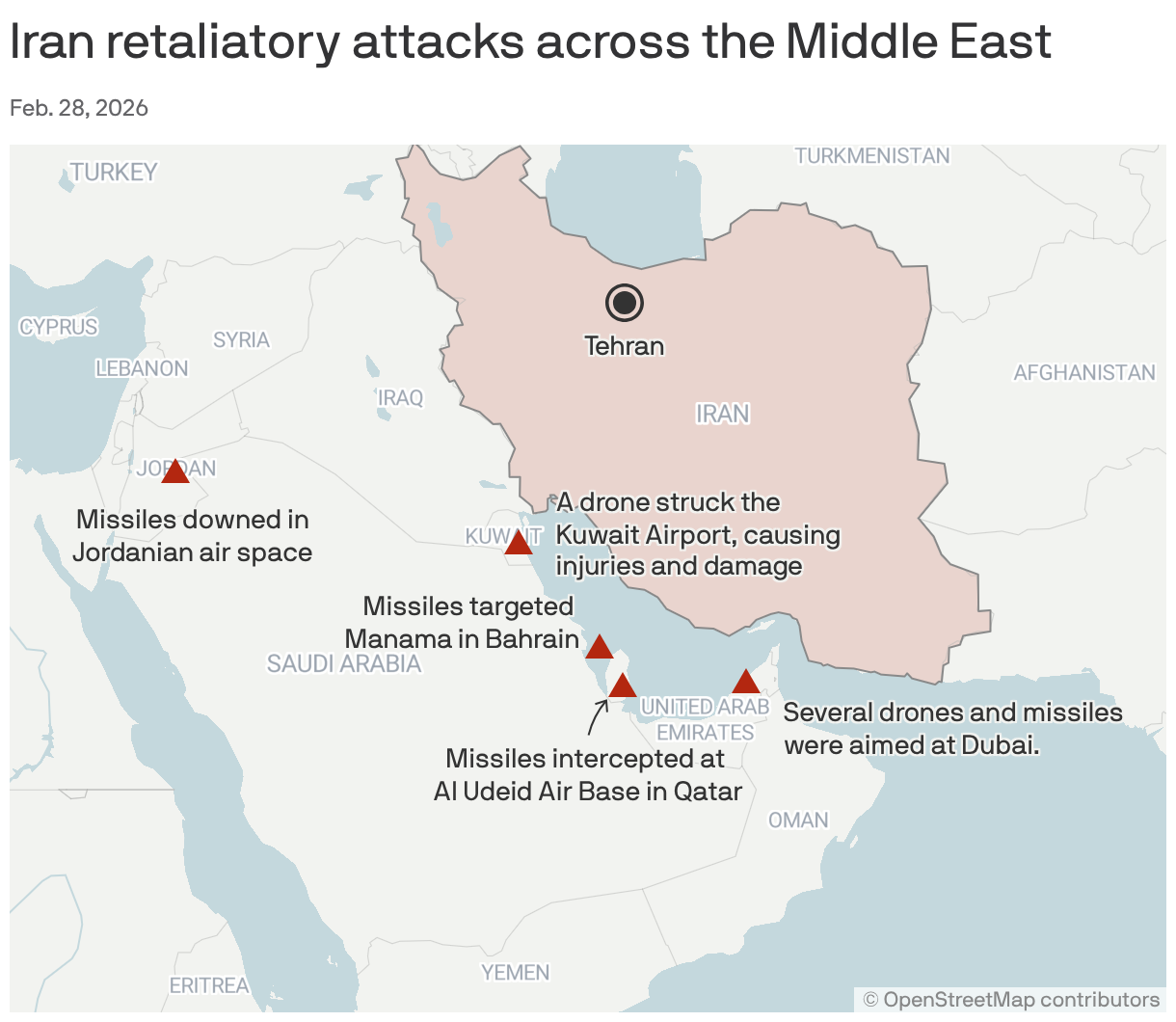
A joint military operation by the United States and Israel against Iran led to Iranian missile and drone retaliations, affecting several Middle Eastern countries. The strikes resulted in injuries and disruptions in countries like the UAE, Qatar, Kuwait, Bahrain, and Jordan. The conflict follows a failed attempt to negotiate a nuclear deal between President Trump and Iran.
Key Facts
The U.S. and Israel conducted a military operation against Iran.
Iran retaliated with missile and drone attacks across the Middle East.
The attacks affected countries hosting U.S. bases, such as the UAE, Qatar, Kuwait, Bahrain, and Jordan.
In the UAE, missiles and debris fell in areas like Abu Dhabi and Dubai, causing injuries and airport disruptions.
Qatar's Al Udeid Air Base and nearby areas were targeted, disrupting air traffic.
Kuwait experienced strikes near its international airport, causing injuries and damage.
Bahrain faced missile strikes near the U.S. 5th Fleet headquarters.
Jordan intercepted missiles, preventing major damage.
The conflict follows the failure of nuclear deal negotiations between President Trump and Iran.
Read the Original
Want the full story? Tap a source to open the original
article.
Reports from Israeli media claim that Iran's Supreme Leader, Ayatollah Ali Khamenei, was killed in US-Israeli military attacks. However, Iranian media and officials state that Khamenei is alive and in good health. There is no official confirmation from Iran about Khamenei's death.
Key Facts
Israeli media reported that Ayatollah Ali Khamenei was killed in joint US-Israeli attacks.
Israeli Prime Minister Benjamin Netanyahu mentioned signs of Khamenei's death.
Iran's Tasnim and Mehr news agencies reported Khamenei is still active and leading.
Iran's public relations official called the reports "mental warfare."
Iran's Foreign Minister stated that Khamenei and other officials are in good health.
President Donald Trump said he believed the reports of Khamenei's death were correct.
The strikes on Iran targeted 24 provinces, reportedly killing at least 201 people.
Iran launched counter attacks against US and Israeli targets in response.
Read the Original
Want the full story? Tap a source to open the original
article.
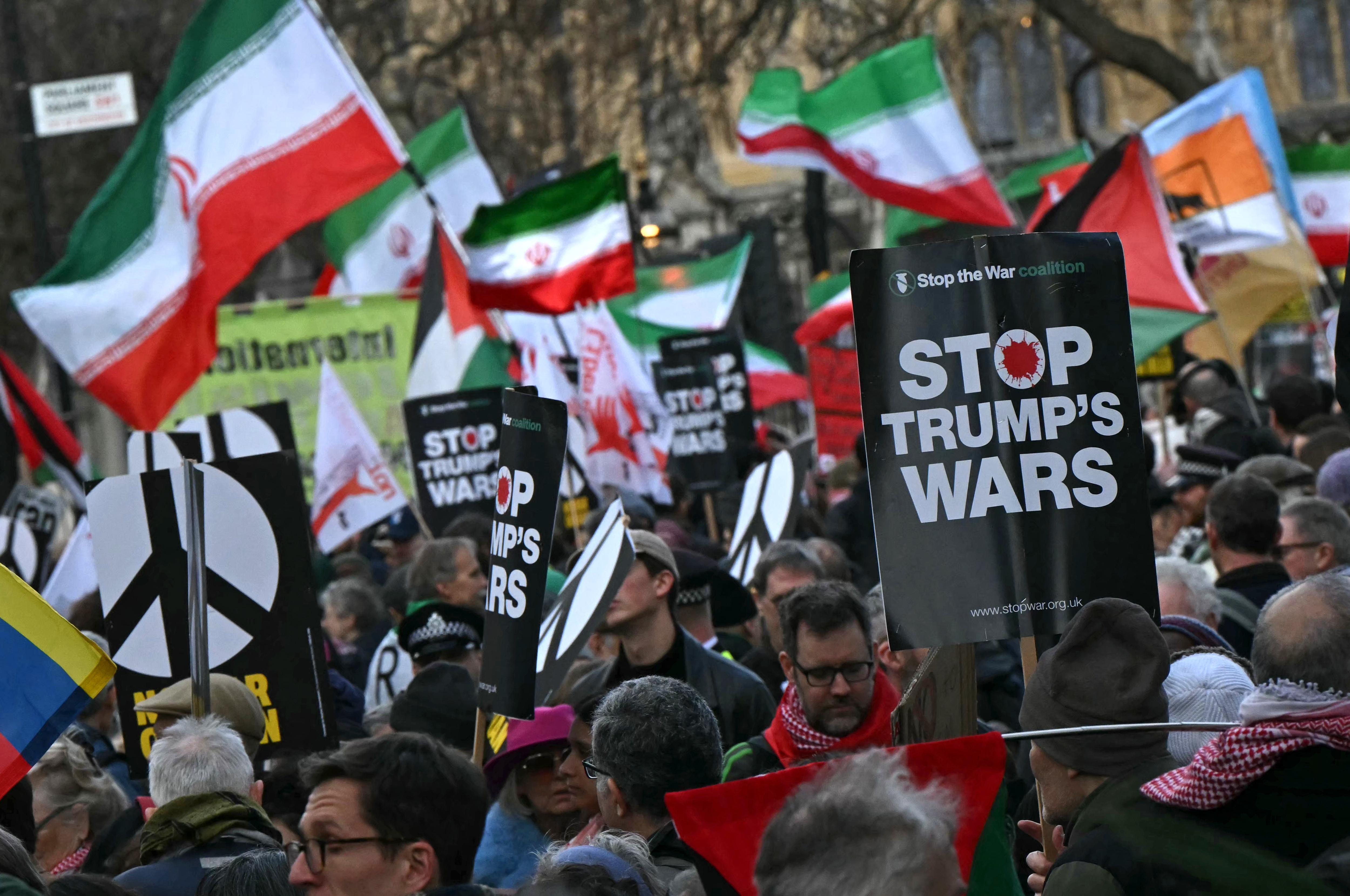
Protests have erupted globally in response to U.S. and Israeli airstrikes on Iran. The strikes, which killed and injured many, have led to further conflict, including Iranian attacks on U.S. bases. Demonstrations have taken place in cities like London, Berlin, and Los Angeles, reflecting differing views on the military actions.
Key Facts
U.S. and Israeli airstrikes targeted multiple sites in Iran, killing at least 200 people and injuring over 740.
Iran launched retaliatory attacks on U.S. bases in the Middle East.
The conflict follows nuclear talks between the U.S. and Iran.
The U.S. has increased military presence in the Middle East, the largest since 2003.
Protests occurred worldwide, including in London, Berlin, Geneva, Ankara, Lahore, and across the U.S.
In London, there were both anti-strike and pro-strike rallies.
President Trump stated the military operation aims to dismantle Iran's military capabilities and prevent nuclear weapon development.
Many protestors and organizations expressed concern that the strikes could lead to a wider conflict.
Read the Original
Want the full story? Tap a source to open the original
article.
That's the point of this site, and readers keep it that way. Support for any amount and the daily digest lands in your inbox every morning at 7am Eastern.
Iran's foreign minister urged the United Nations Security Council to hold a meeting to discuss joint attacks by the U.S. and Israel on Iranian facilities. Iran claims these strikes violate its sovereignty and has started a military response. The situation is escalating as both countries continue to exchange military actions.
Key Facts
Iran requested a UN meeting to address U.S. and Israeli military actions against it.
These actions included attacks on Iranian defensive and civilian sites.
Iran claims the strikes broke international law and violated its sovereignty.
The U.S. and Israel called their attacks pre-emptive, targeting threats to their security.
President Trump warned Iran of further bombings, advising citizens to take shelter.
Iran has begun a military response, reportedly launching missiles toward Israel.
The situation has prompted air defense systems in Israel to activate.
Iran’s Supreme Leader was moved to a secure location following these events.
Read the Original
Want the full story? Tap a source to open the original
article.
Iran's Supreme Leader Ayatollah Ali Khamenei has been killed in U.S. and Israeli military strikes. This is part of a military operation aimed at Iranian leadership, with President Trump and Israeli Prime Minister Netanyahu supporting regime change in Iran. The situation has left a gap in Iran's leadership and raised tensions in the region.
Key Facts
Ayatollah Ali Khamenei, Iran's Supreme Leader, was reportedly killed in strikes by the U.S. and Israel.
The operation targeting Khamenei was called "Epic Fury."
Khamenei ruled Iran for 36 years and was a significant figure after the 1989 theocratic revolution.
Israeli sources confirmed his death and reported his body was found.
Iranian officials initially did not confirm his death, but Khamenei did not appear for a scheduled address.
The operation also targeted other Iranian officials, including President Masoud Pezeshkian.
President Trump encouraged Iranians to overthrow their government, claiming this was their chance for regime change.
The CIA believes Khamenei might be replaced by hardline figures from the Revolutionary Guards.
Read the Original
Want the full story? Tap a source to open the original
article.