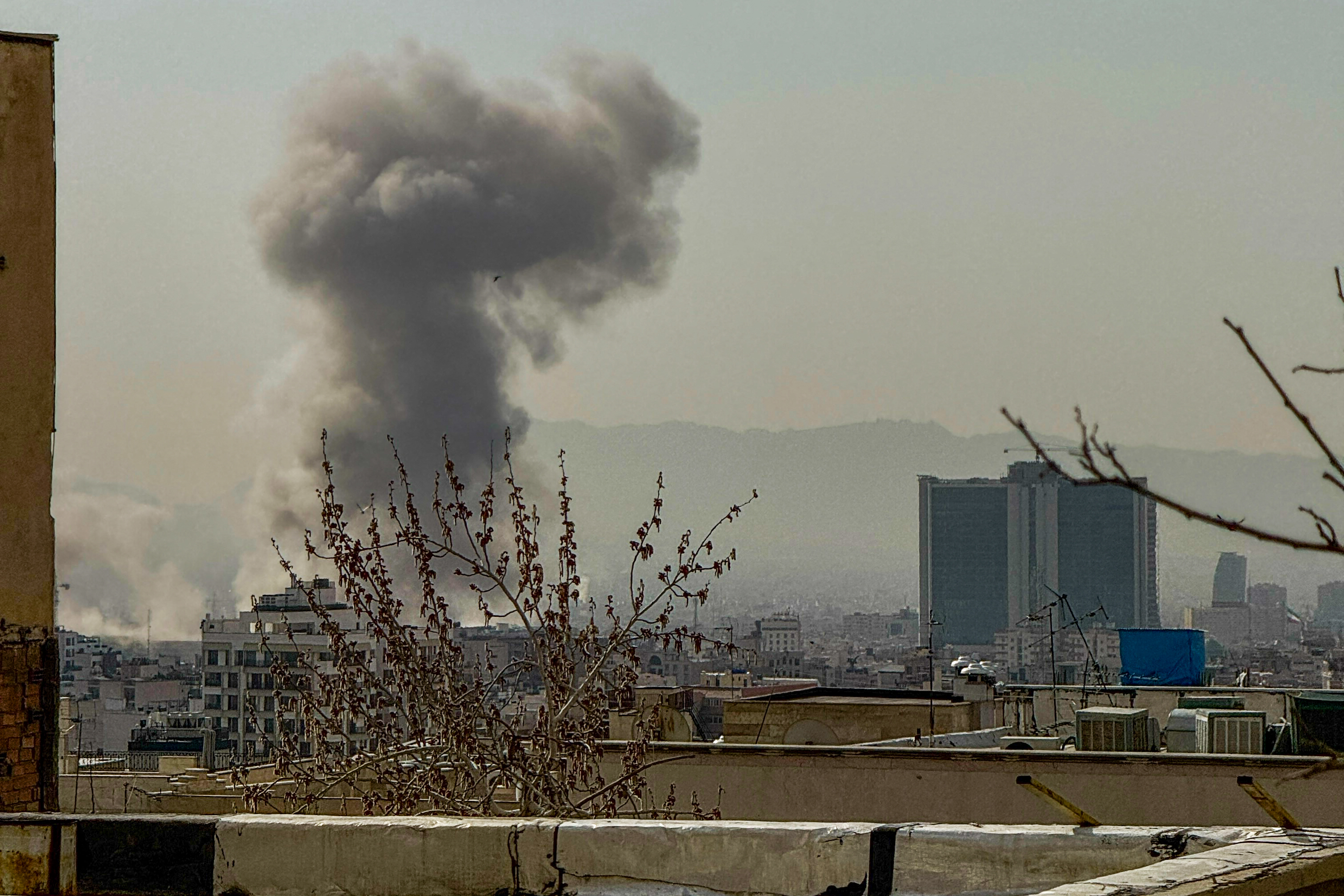
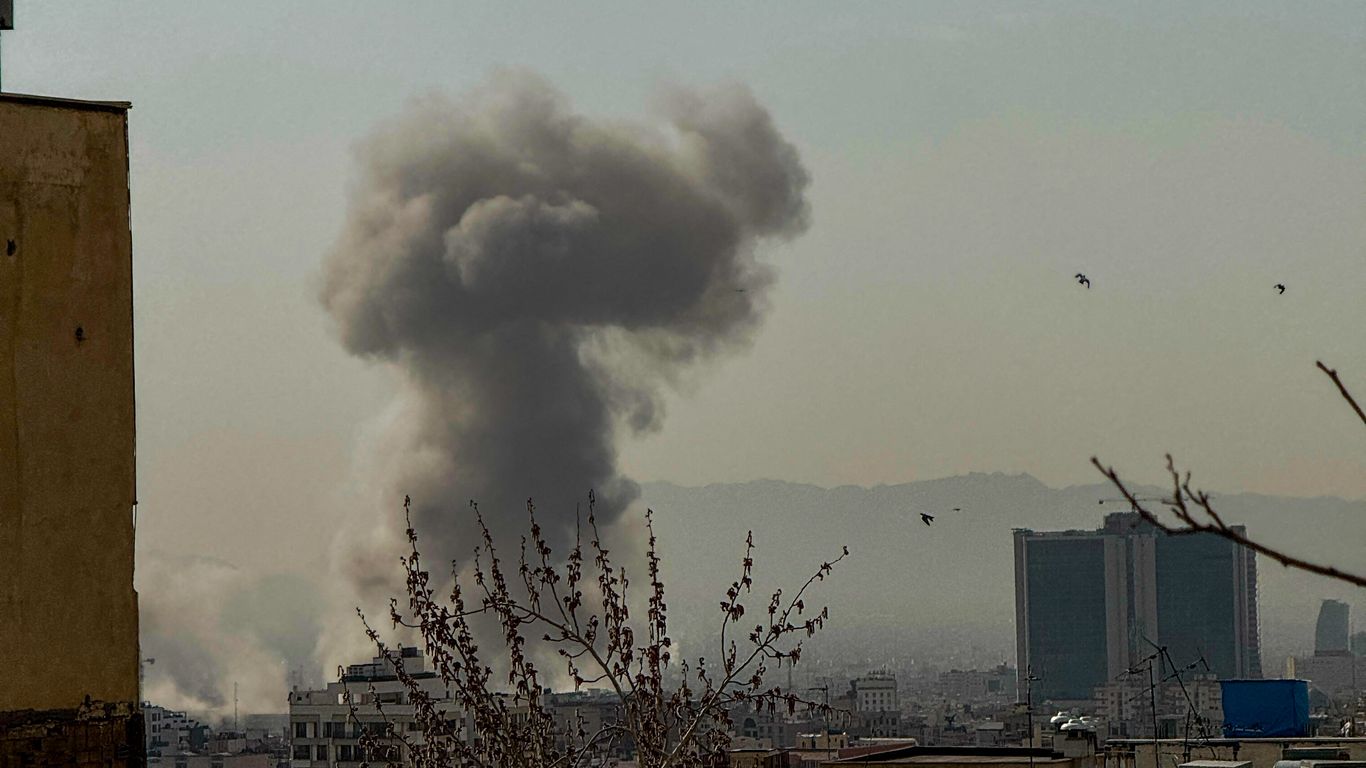
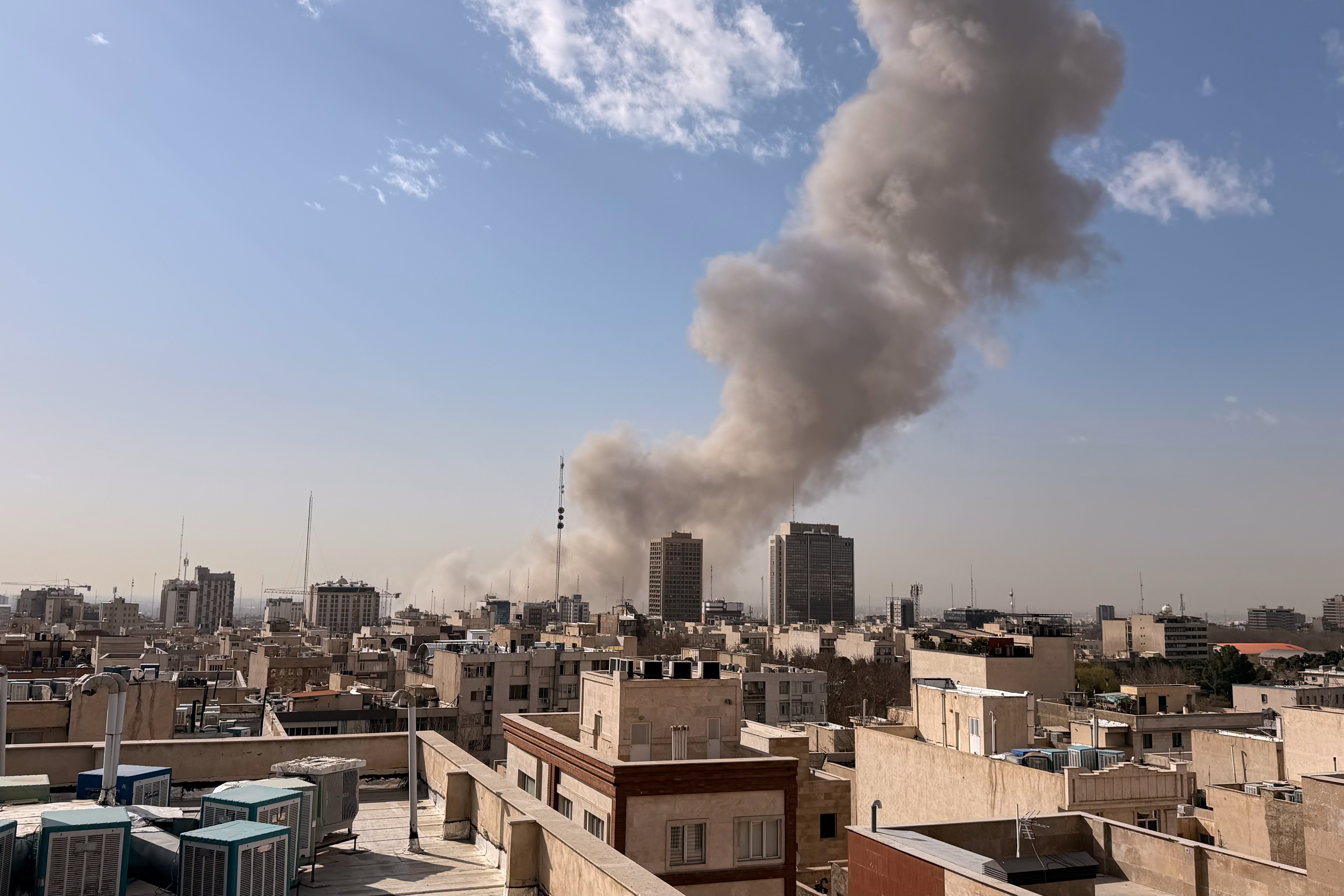
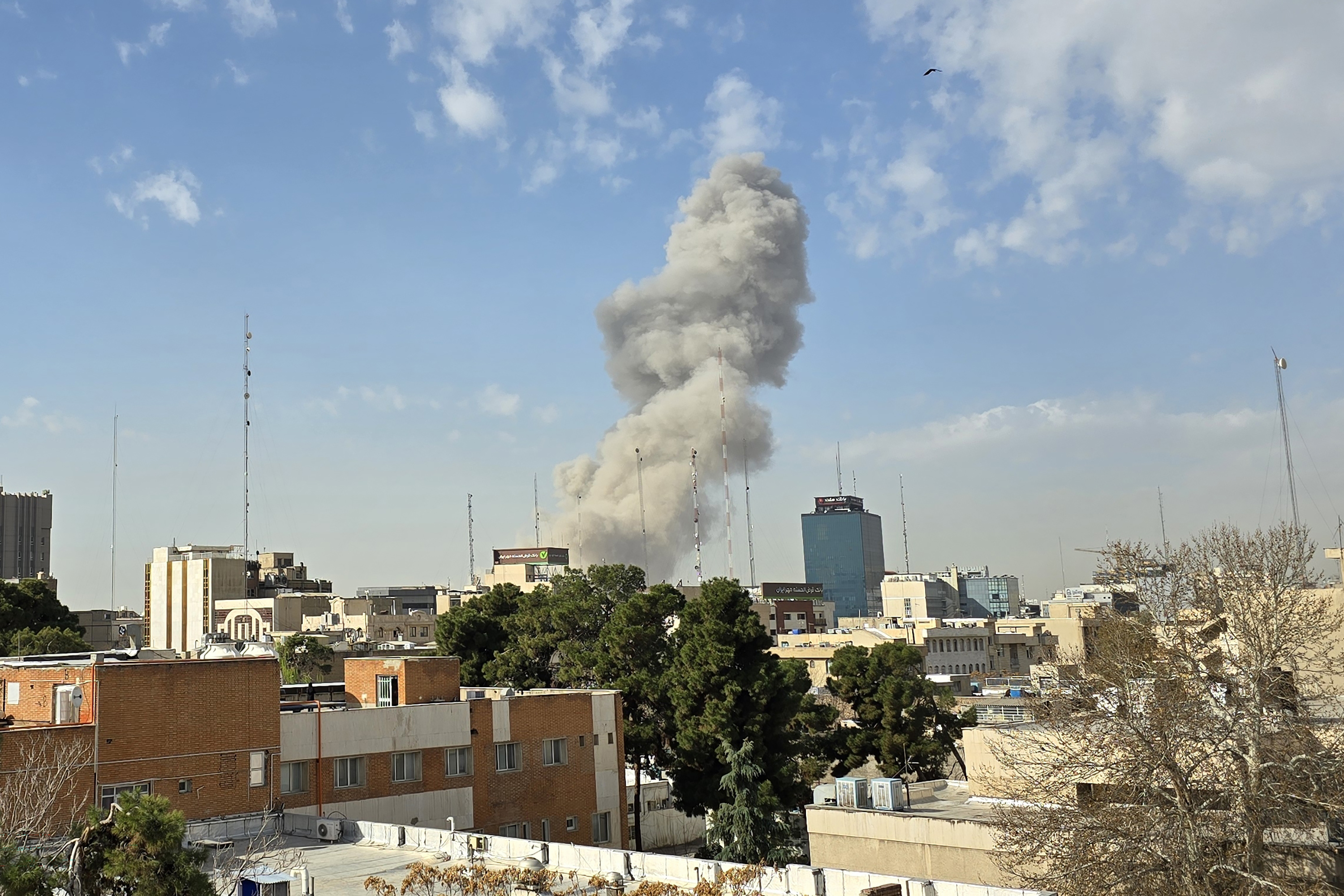
The U.S. Central Command (CENTCOM) shared details about "Operation Epic Fury," involving U.S. and partner forces striking targets in Iran, resulting in casualties and injuries. The operation, described as the largest U.S. military build-up in the region in a generation, was met with retaliatory attacks from Iran, but reported no U.S. casualties.
Key Facts
CENTCOM released video footage showing missile launches and fighter jets from "Operation Epic Fury."
The operation involved strikes in Iran, killing at least 200 people and injuring over 740.
The U.S. build-up in the Middle East has been described as the largest since the Iraq war in 2003.
Iran retaliated with missile strikes targeting U.S. bases in the Middle East and Israel.
No U.S. combat casualties or injuries were reported.
CENTCOM used one-way attack drones in the operation for the first time.
The operation targeted Iranian military sites like command facilities and missile launch areas.
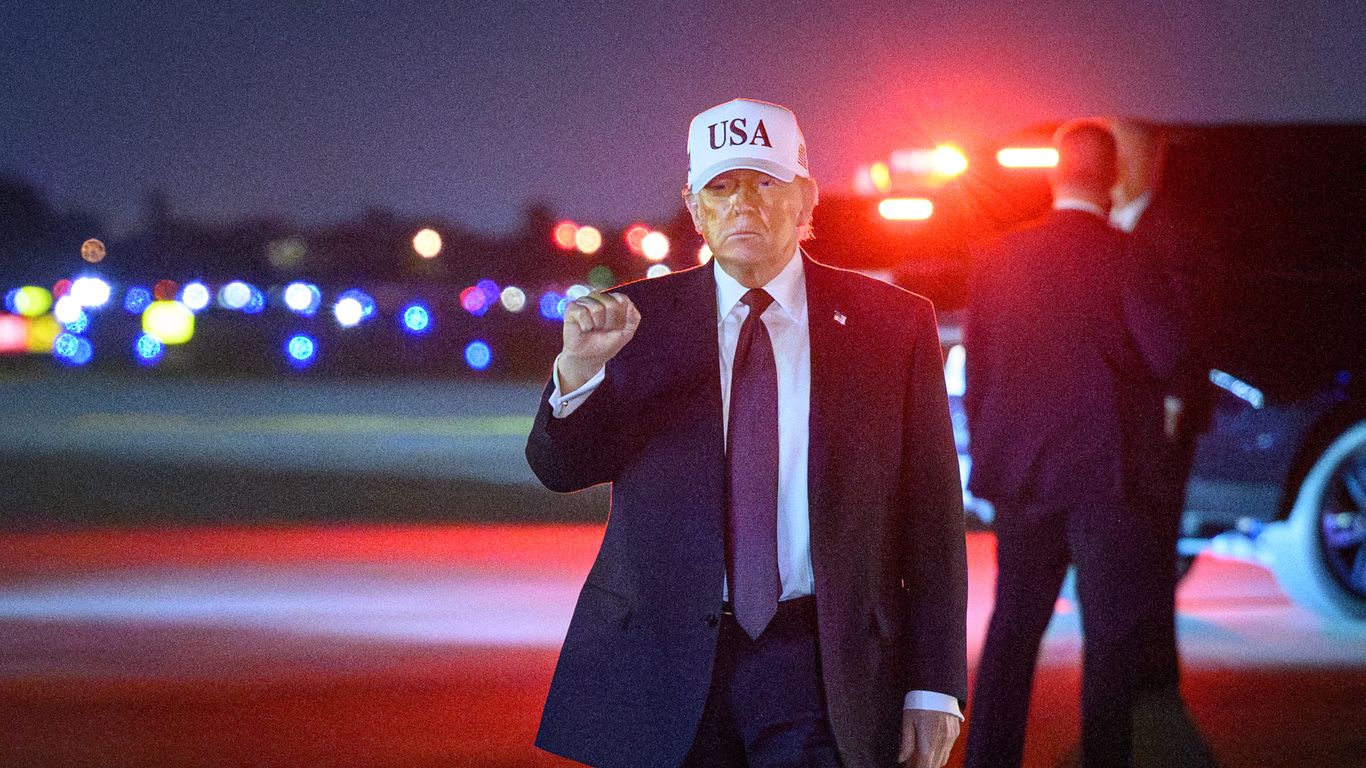
President Trump ordered the operation, and CENTCOM forces successfully defended against Iranian attacks.
Read the Original
Want the full story? Tap a source to open the original
article.
The Brit Awards took place for the first time in Manchester at the Co-op Live Arena. Celebrities like Harry Styles and Olivia Dean walked the red carpet in standout outfits. Various artists are nominated for big awards, including Best Song and Album of the Year.
Key Facts
The Brit Awards were held in Manchester for the first time in its 50-year history.
Celebrities such as Harry Styles chose unique outfits; he wore a pinstripe suit.
Olivia Dean was nominated for major awards like Album of the Year and performed at the event.
The event saw co-ordinated outfits from bands like Wet Leg and Wolf Alice.
Kelly and Sharon Osbourne attended to honor Ozzy Osbourne in a special segment.
Jeff Goldblum appeared at the event and shared news about his upcoming album.
Nigerian artist Tems attended in a white dress, and her work with Dave on the song "Raindance" was highlighted.
Kwn highlighted her Nigerian heritage through her outfit on the red carpet.
Read the Original
Want the full story? Tap a source to open the original
article.
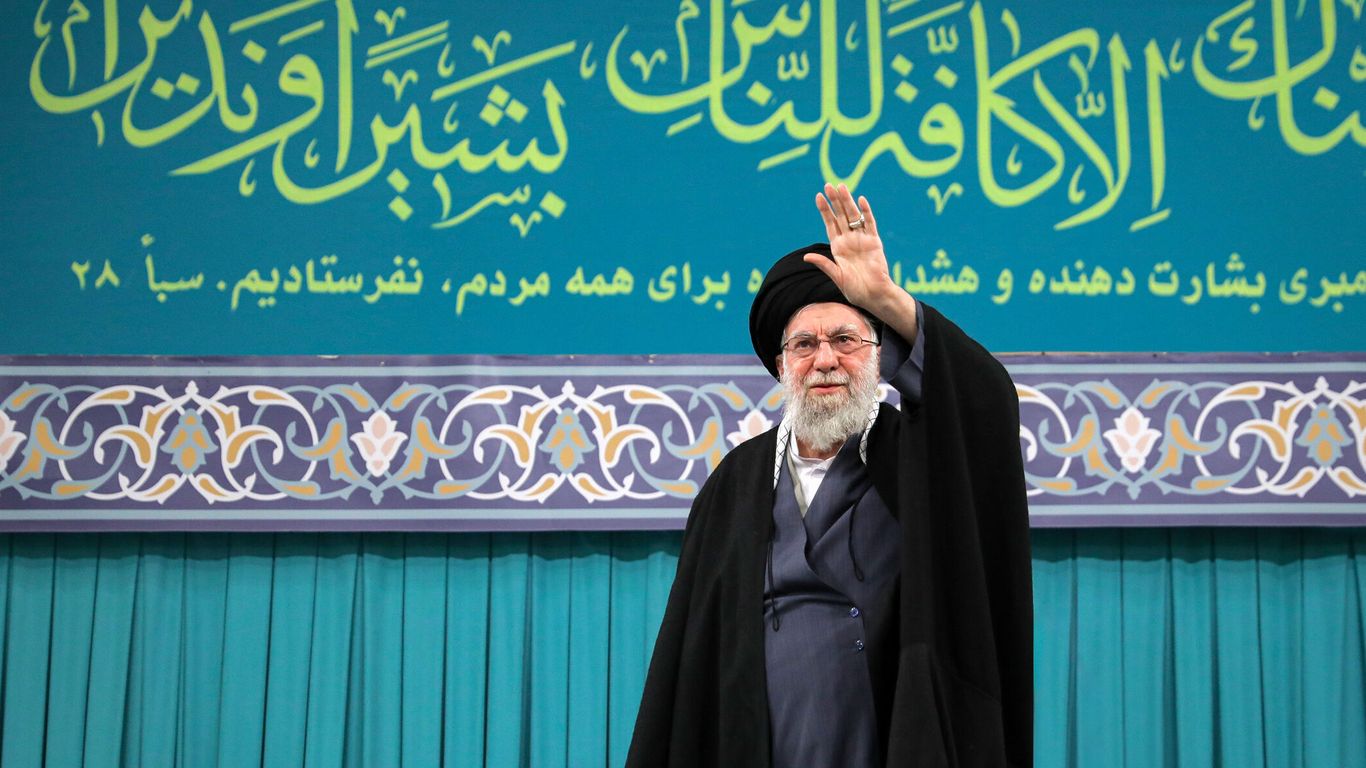
Israel announced that Iranian Supreme Leader Ali Khamenei was killed in a military operation carried out by the U.S. and Israel. This has led to a leadership crisis in Iran as senior military leaders were also targeted.
Key Facts
Iranian Supreme Leader Ali Khamenei was killed in a strike by U.S. and Israeli forces.
Khamenei led Iran for 35 years, starting in 1989.
His death may cause chaos in Iran's leadership and could weaken the regime.
There is a council of clerics responsible for choosing Iran's new supreme leader.
Israeli strikes also targeted senior commanders of Iran's military forces.
Israeli intelligence suggests that Khamenei's sons, who are potential successors, survived the strikes.
President Donald Trump and Israel's Prime Minister Benjamin Netanyahu have encouraged Iranian civilians to take control of their government.
Iran's exiled former crown prince Reza Pahlavi has urged security forces to support the citizens in ensuring a smooth transition.
Read the Original
Want the full story? Tap a source to open the original
article.
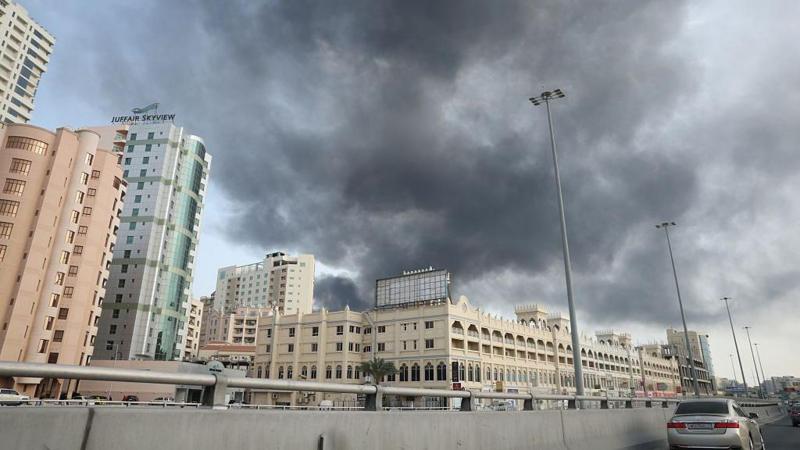
Iran targeted a US Navy base in Bahrain with missiles and drones, raising concerns about gaps in US air defenses in the region. The US has deployed additional air defense systems to the Middle East, but there are doubts about whether these are enough to protect all its military bases from Iranian attacks. Experts suggest that Iran's recent retaliation might not escalate into a wider conflict.
Key Facts
Iran targeted the US Navy base in Bahrain, which has highlighted possible weaknesses in US air defenses.
Videos show missiles and drones striking near the US Fifth Fleet headquarters in Bahrain, but no casualties have been reported.
The US has moved advanced air defense systems like THAAD and Patriot to the region, although these are costly and not unlimited.
US Navy destroyers and fighter jets are also positioned in the region to protect against missile and drone attacks.
Iran's Shahed drones, used in the attack, have also been deployed in Ukraine and are mass-produced by Russia.
Experts suggest that although Iran retaliated, it may not be seeking a larger conflict with the US and its allies.
Read the Original
Want the full story? Tap a source to open the original
article.
The U.S. Secret Service increased its security efforts around key sites after the U.S. and Israel launched a military operation against Iran. President Trump stated that the operation aims to weaken Iran's military and prevent it from developing nuclear weapons. In response, Iran attacked various U.S. and Israeli targets, escalating tensions in the region.
Key Facts
The U.S. Secret Service is boosting security at protected sites due to tensions with Iran.
The U.S. and Israel conducted a significant military operation against Iran.
President Trump cited the operation's goal as disrupting Iran's military plans.
Iran retaliated with attacks on U.S. and Israeli sites, including missile strikes.
Bahrain confirmed an attack on the U.S. Navy's 5th Fleet headquarters.
Several Middle Eastern countries are affected, with some closing airspace.
The Secret Service protects U.S. presidents, vice presidents, and other key figures.
Increased security measures are in place, without details disclosed for safety.
Read the Original
Want the full story? Tap a source to open the original
article.
The United States and Israel have launched joint attacks on Iran, leading to a wave of missile and drone responses from Tehran. Following these attacks, officials in Tehran advised residents to travel to safer areas, and President Trump urged Iranians to stay home and prepare for a future uprising against their government. There are reports of civilian casualties and student protests, with the UN and rights groups criticizing Iran's crackdown on protesters.
Key Facts
The US and Israel together launched strikes on Iran, targeting over 20 provinces.
In response, Iran conducted missile and drone attacks in the region.
Tehran's government advised residents to consider moving to safer cities.
Roads leading out of Tehran saw heavy traffic, and petrol stations had long queues.
President Trump suggested Iranians stay home and prepare to rise against their government later.
Student protests occurred in Tehran and other major cities, leading to school shutdowns.
Clashes have resulted in civilian casualties, and international bodies have condemned Iran's handling of protests.
Iranian authorities blamed "terrorists" funded by the US and Israel for deaths during protests.
Read the Original
Want the full story? Tap a source to open the original
article.
President Donald Trump launched strikes on Iran, which has caused concern among some supporters who prefer less international conflict. The America First group within Trump's base wants a quick resolution, with some fearing a long conflict similar to past wars. The situation in Iran could impact upcoming U.S. elections and perceptions of Trump's foreign policy.
Key Facts
President Trump carried out military strikes on Iran amid tension over Iran's nuclear ambitions.
Some supporters of Trump, particularly the America First group, are worried about long-term military involvement.
There were previous concerns within Trump's base about his foreign policy approach, especially regarding Venezuela.
Trump has said he prefers diplomatic solutions but has not ruled out using military force if needed.
Vice President JD Vance stated the strikes would not lead to a prolonged conflict.
Right-wing figures expressed concerns that younger Americans are more focused on domestic issues than international ones.
Some critics within the MAGA movement voiced strong disapproval of the military action.
The success or failure of the Iran mission could affect Trump's foreign policy reputation and future elections.
Read the Original
Want the full story? Tap a source to open the original
article.
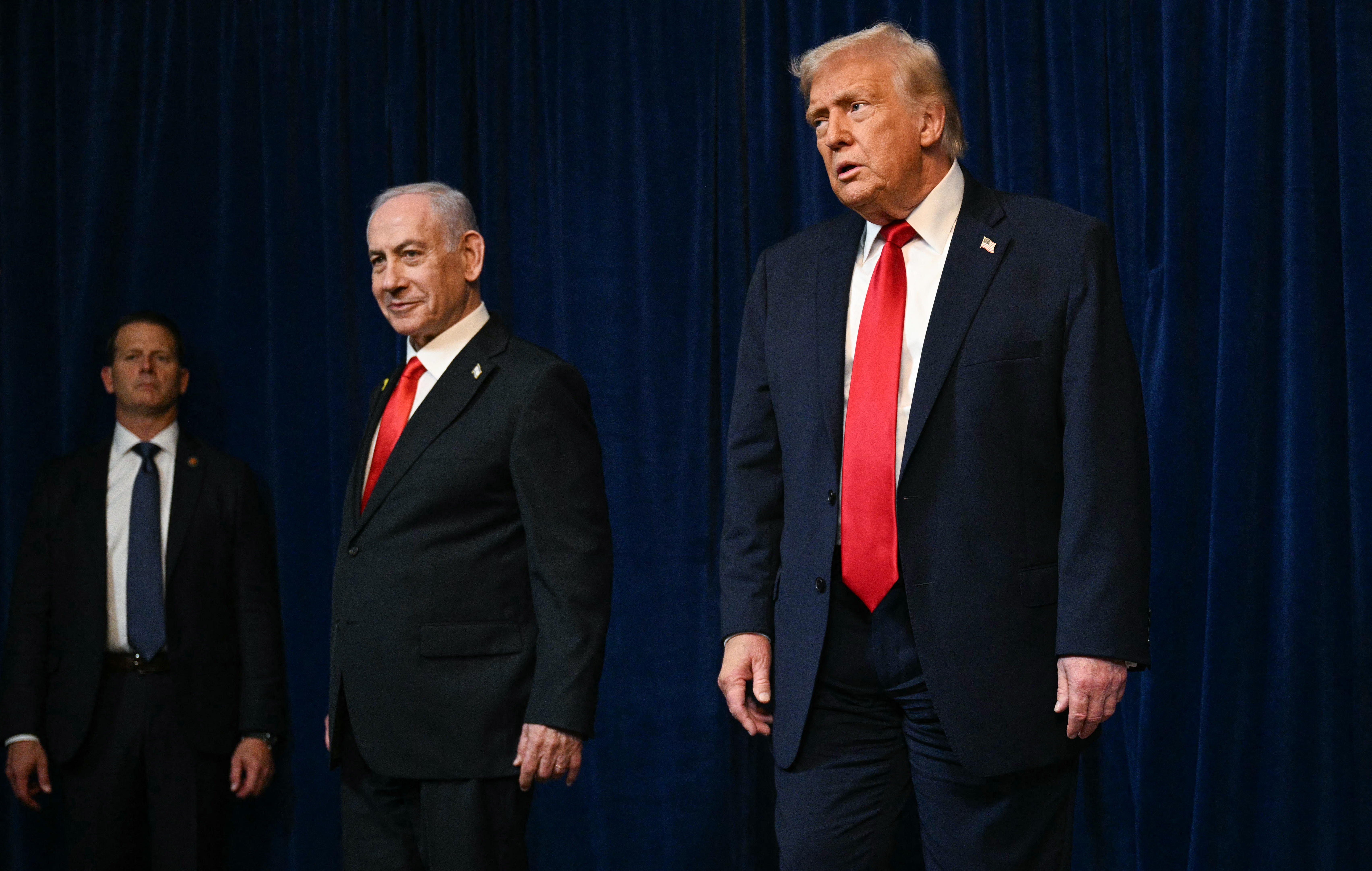
President Trump launched a military operation against Iran, called Operation Epic Fury. He mentioned he might end it quickly or extend it depending on Iran's actions. The operation includes U.S. and Israeli cooperation, aiming to reduce Iran's military abilities and possibly weaken its regime.
Key Facts
President Trump began a military campaign against Iran, named Operation Epic Fury.
He suggested he could either shorten the operation or extend it, depending on developments.
The decision followed failed U.S.-Iran nuclear talks and long-standing issues with Iran's actions internationally.
The operation involves both U.S. and Israeli forces and targets Iranian nuclear facilities.
Israeli Prime Minister Netanyahu reported that signs indicate Iran's Supreme Leader may have been killed.
Trump cited Iran's past harmful actions and rebuilding of nuclear facilities as reasons for the strike.
Trump and Netanyahu coordinated closely, discussing their joint military efforts.
Trump also contacted leaders from Saudi Arabia, Qatar, the UAE, and NATO's Secretary General.
Read the Original
Want the full story? Tap a source to open the original
article.
An Iranian Foreign Ministry spokesperson criticized the United States for attacking Iran while the two countries were engaged in talks. The spokesperson mentioned this as the second such incident within a year.
Key Facts
An Iranian Foreign Ministry spokesperson accused the United States of breaking diplomatic efforts.
The spokesperson mentioned a U.S. attack on Iran.
This event is the second of its kind in less than a year.
The accusation relates to a time when Iran and the U.S. were in negotiations.
The spokesperson used the term "betrayed" to describe U.S. actions.
Read the Original
Want the full story? Tap a source to open the original
article.
The article discusses recent U.S.-Israeli airstrikes on Iran, which sparked a military response from Iran and heightened tensions in the region. Polls show Americans are split on military action against Iran, with varying levels of approval for President Trump's handling of the situation. The strikes and subsequent polls highlight divisions in public opinion regarding U.S. military involvement.
Key Facts
The U.S. and Israel coordinated an attack on Iran called "Operation Epic Fury," killing at least 200 and injuring over 740 people.
Iran responded with retaliatory strikes on U.S. bases in the Middle East.
Recent polls show Americans are divided on military action against Iran, with 49% opposed and 27% in favor.
48% of Americans disapprove of President Trump's handling of the Iran situation, according to a recent poll.
A CBS News/YouGov poll found 74% believe President Trump needs Congress's approval before military strikes, but he did not seek it for the recent attack.
The U.S. has increased military presence in the Middle East, marking the largest buildup since the 2003 Iraq war.
Earlier attacks in June damaged three Iranian nuclear facilities, and most Americans then wanted the U.S. to end its involvement in the conflict.
Read the Original
Want the full story? Tap a source to open the original
article.
The United States and Israel carried out attacks on locations in Iran on Saturday. In response, Iran told its people to remain calm and promised to retaliate strongly.
Key Facts
The United States and Israel coordinated military strikes on Iran.
The attacks happened across different areas in Iran.
Iran's government advised its citizens to stay calm following the attacks.
Iran stated it would respond with a powerful counter-action.
The events took place on a Saturday.
The information was reported by Al Jazeera.
Read the Original
Want the full story? Tap a source to open the original
article.
There are no ads, so there is no reason to bait you. Readers who chip in keep it that way. Most choose $3.99/month, and get the daily digest every morning.
Joint military strikes by the U.S. and Israel hit several targets in Iran. President Trump stated these actions were to stop threats from Iran and encourage change in its leadership. Iran responded by launching attacks on U.S. military bases in the Middle East.
Key Facts
The U.S. and Israel conducted strikes on multiple sites in Iran.
President Trump said the strikes aimed to stop threats and support Iranians challenging their government.
Targets in Iran included cities like Tehran, Isfahan, and military facilities.
An attack in Minab reportedly killed at least 40 civilians and injured many, according to Iranian media.
Iran retaliated by striking U.S. bases in several Middle Eastern countries.
Affected U.S. bases included Al Udeid in Qatar and Al Dhafra in the UAE.
The UAE reported intercepting Iranian missiles and drones.
Israel claimed some senior Iranian figures were eliminated in these operations.
Read the Original
Want the full story? Tap a source to open the original
article.
Some Republicans criticized President Donald Trump for military strikes on Iran called Operation Epic Fury. They argue that Congress should have a say in decisions about going to war. The strikes have caused division within the Republican Party.
Key Facts
President Trump authorized military strikes on Iran, named Operation Epic Fury.
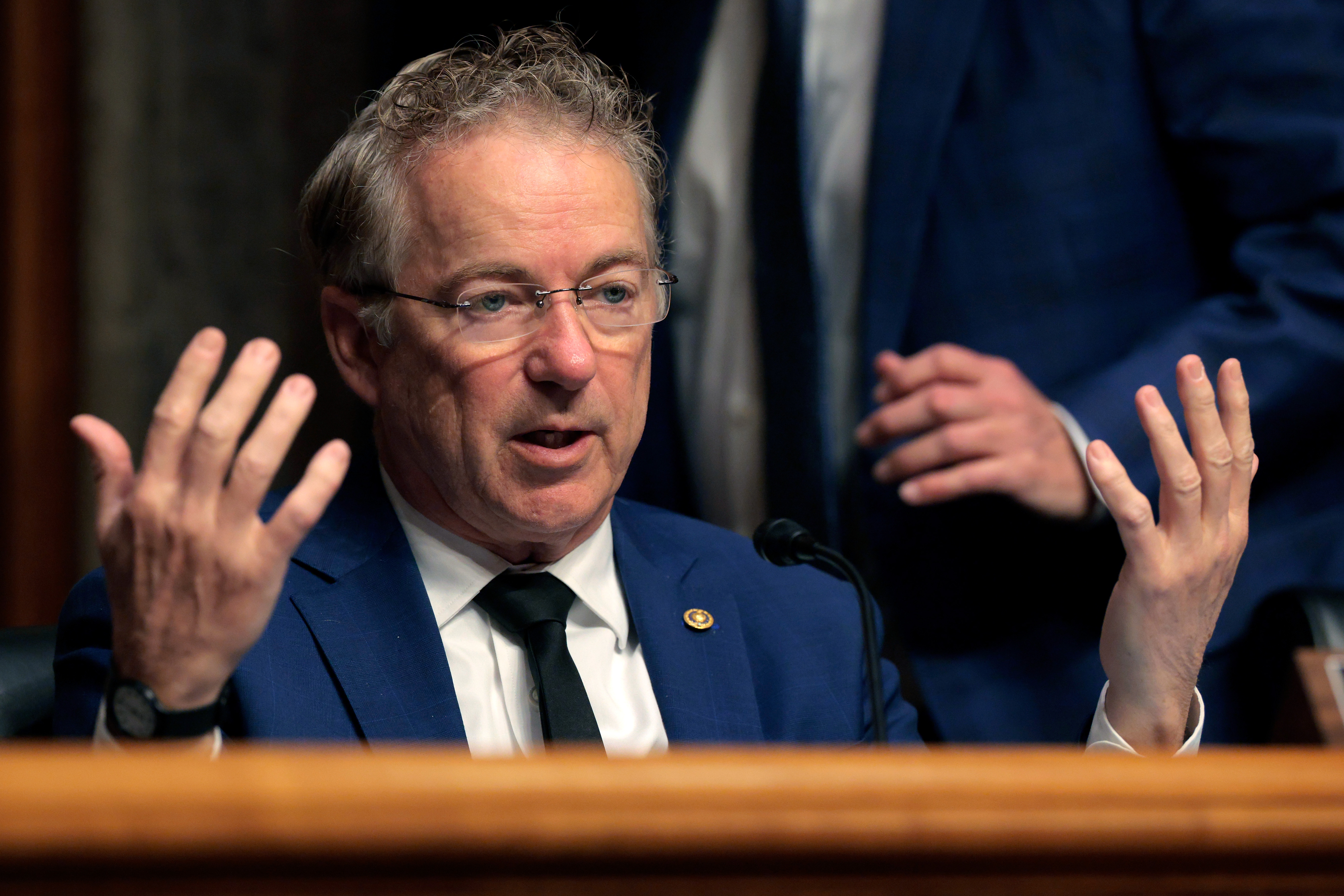
Some Republicans, like Senator Rand Paul and Representative Thomas Massie, opposed the strikes and want Congress to vote on the issue.
The U.S. Constitution gives Congress the power to declare war, and some lawmakers argue this power should be used.
Prominent Democrats, like Senator Tim Kaine, also called for a congressional vote on military action against Iran.
Marjorie Taylor Greene expressed disappointment, stating that Trump's actions contradict his campaign promises to avoid foreign wars.
John Fetterman, a Democratic senator, supported the president's stance, praising his actions.
Former ambassadors and other public figures commented on the apparent shift in Trump's foreign policy approach.
Read the Original
Want the full story? Tap a source to open the original
article.
Russia has condemned U.S.-Israel military actions against Iran, calling them unprovoked attacks on a sovereign nation. Russia criticized the strikes and urged a return to diplomatic solutions, emphasizing concerns about escalating violence in the region. Russian leaders have expressed a willingness to mediate peace discussions.
Key Facts
Russia condemned U.S.-Israeli military strikes on Iran as unprovoked aggression.
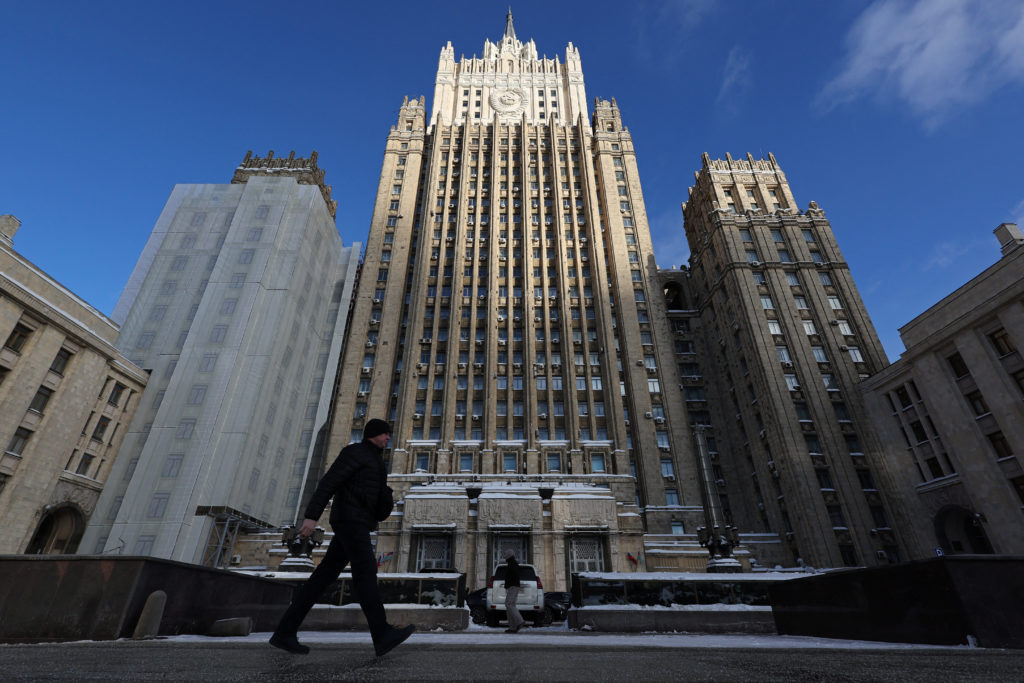
The Russian Foreign Ministry called for an end to military actions and a return to diplomacy.
Russia warned that the attacks could lead to serious regional consequences.
Russia has close trade and military relations with Iran.
Russia's leaders are assessing their response due to developing ties with the United States.
Iranian officials are pushing for a U.N. Security Council meeting to address the situation.
Russia emphasizes its readiness to help negotiate a peaceful resolution.
Russia accuses the U.S. of destabilizing international order with its actions in the Middle East.
Read the Original
Want the full story? Tap a source to open the original
article.
Minister Josh Simons resigned as a Cabinet Office minister after allegations that a think tank he led commissioned a questionable report on journalists. Prime Minister Sir Keir Starmer had asked an ethics adviser to investigate the matter.
Key Facts
Minister Josh Simons resigned from his role as a Cabinet Office minister.
Simons was involved with a think tank called Labour Together.
The think tank allegedly commissioned a report about journalists' backgrounds.
Simons claimed the company conducting the research acted beyond its instructions.
Prime Minister Sir Keir Starmer requested an ethics investigation into the matter.
Simons announced his resignation, stating he was a distraction to the government's work.
Read the Original
Want the full story? Tap a source to open the original
article.
Israel and the United States have launched attacks on Iran to try to change its government. This move follows a truce that ended a 12-day conflict in June. Talks between the U.S. and Iran are happening to address concerns about Iran's nuclear program.
Key Facts
Israel and the U.S. carried out attacks on Iran, aiming for regime change.
This follows a June truce after a 12-day conflict involving Israel and Iran.
Iran and the U.S. are engaged in nuclear talks in Geneva, where some progress has been reported.
Iran has agreed to stop stockpiling enriched nuclear material and allow inspections.
Israel and U.S. attacks targeted Iranian officials and military sites.
Iran retaliated against Israel and U.S. bases in the Gulf region.
The U.S. has a large military presence in the Middle East, involving the aircraft carrier USS Gerald R. Ford.
Negotiations face challenges as both Israel and the U.S. have demands, including the end of Iran's missile program and support for regional proxies.
Read the Original
Want the full story? Tap a source to open the original
article.
On the biggest stories we show what the outlets agree on and where they differ. Readers keep that going, and get the daily digest by email every morning. Most choose $3.99/month.
The United States and Israel's military actions against Iran have led several Middle Eastern countries to close their airspace. This has caused many flight cancellations and diversions, leaving thousands of travelers stranded. Airlines are advising passengers to expect delays and check flight statuses.
Key Facts
The U.S. and Israel conducted an attack on Iran, leading to airspace closures in the Middle East.
Israel, Qatar, Syria, Iran, Iraq, Kuwait, and Bahrain have closed their airspace.
Oman closed Muscat International Airport, and the United Arab Emirates restricted flights.
Middle Eastern airlines have canceled hundreds of flights, affecting many travelers worldwide.
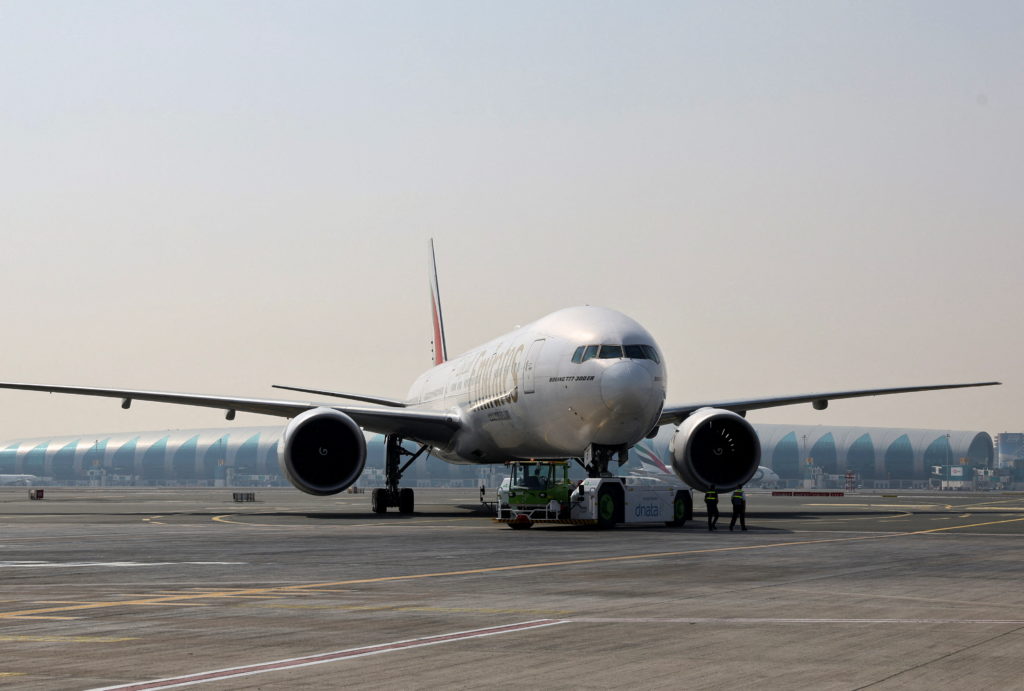
At least 850 flights were canceled by airlines such as Emirates and Qatar Airways on Saturday.
Major airports like Dubai International and Zayed International reported over 1,000 flight cancellations.
Airlines are offering waivers for travelers to rebook without extra charges.
Security agencies have marked much of the Middle East as a high-risk zone.
Read the Original
Want the full story? Tap a source to open the original
article.
The U.S. and Israel launched an attack on Iran, leading to flight disruptions across the Middle East and beyond. Several countries, including Israel and the United Arab Emirates, closed their airspace, affecting thousands of travelers. Dubai's airports and many airlines canceled or diverted flights due to the regional airspace closures.
Key Facts
The U.S. and Israel's attack on Iran caused regional airspace closures.
Israel, the UAE, and Qatar closed their airspace, among other countries.
Dubai International Airport canceled over 700 flights.
Airlines like Emirates and Turkish Airlines suspended flights to affected regions.
Passengers are advised to check their flight status online.
Air India and other airlines labeled the Middle East as a high-security risk area.
Airlines such as Delta, United, and KLM suspended flights to Tel Aviv.
The situation is rapidly evolving, with airlines offering fee waivers for rebooking.
Read the Original
Want the full story? Tap a source to open the original
article.