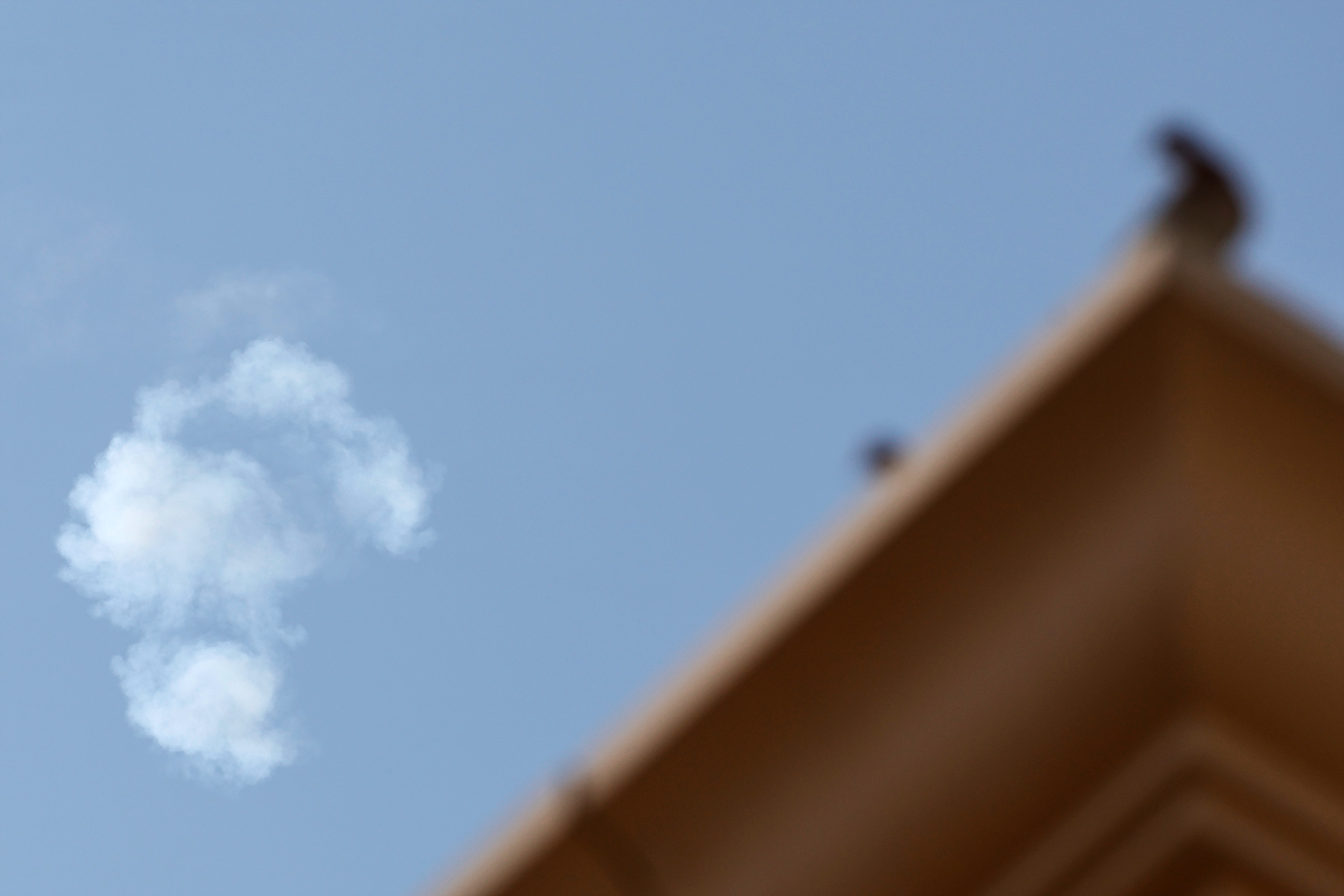
Israel and the United States recently launched joint attacks on Iran, escalating tensions in the region. In Israel, life continues with a mix of calm and heightened alertness as leaders and citizens react to the conflict. Iran responded with its own missile and drone attacks on Israeli and US targets.
Key Facts
Israel and the US conducted joint attacks on Iran, citing Iran as a longstanding threat.
Israeli Prime Minister Netanyahu and US leaders framed the attacks as necessary to counter threats from Iran.
Iran retaliated against Israel and US assets with missiles and drones.
Israeli defense and political leaders expressed a sense of unity and strength, emphasizing their readiness.
Alerts and returns to shelters have become part of daily life for many Israelis during this conflict.
Israeli opposition leader Yair Lapid echoed calls for Iranian regime change.
The situation is reminiscent of previous regional escalations, with some in Israel expressing a sense of relief despite the ongoing conflict.
Read the Original
Want the full story? Tap a source to open the original
article.
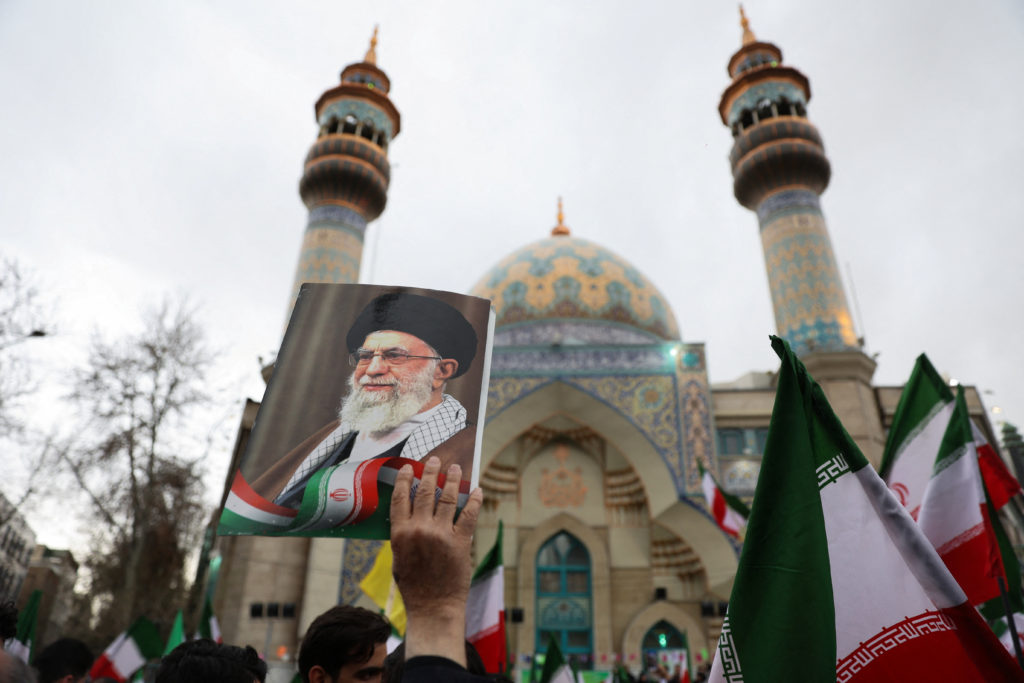
The United States and Israel have launched military strikes on Iran, including near the offices of Iran's Supreme Leader. President Donald Trump announced these actions in response to Iran's nuclear program. Flights are disrupted in the region, and various international officials have reacted.
Key Facts
The U.S. and Israel carried out strikes on Iran targeting military sites.
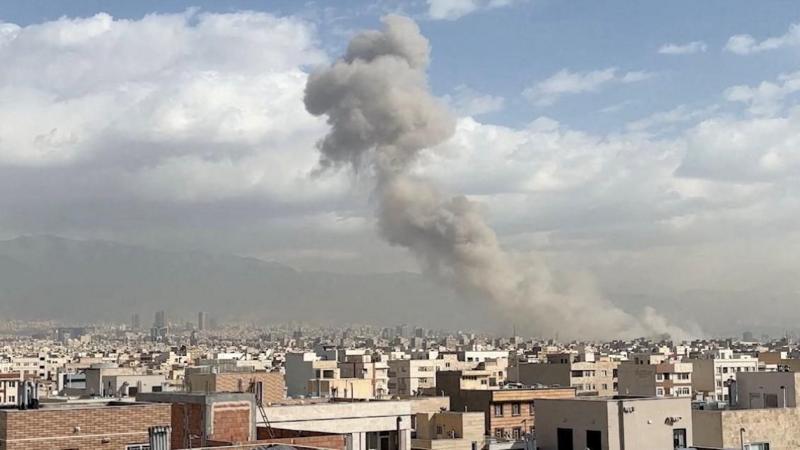
Iranian media reported strikes across the country, with visible smoke in Tehran.
President Trump stated that the operations began due to Iran's nuclear developments.
Oman's Foreign Minister warned the U.S. against further involvement, emphasizing ongoing negotiations over Iran's nuclear program.
Canada expressed support for the U.S. actions, citing concerns about Iran's regional influence.
Airspace closures and flight disruptions occurred across the Middle East, impacting travel.
Israeli strikes targeted members of Iran's leadership, but their success is unconfirmed.
Russia condemned the strikes as aggressive against a U.N. member nation.
Read the Original
Want the full story? Tap a source to open the original
article.
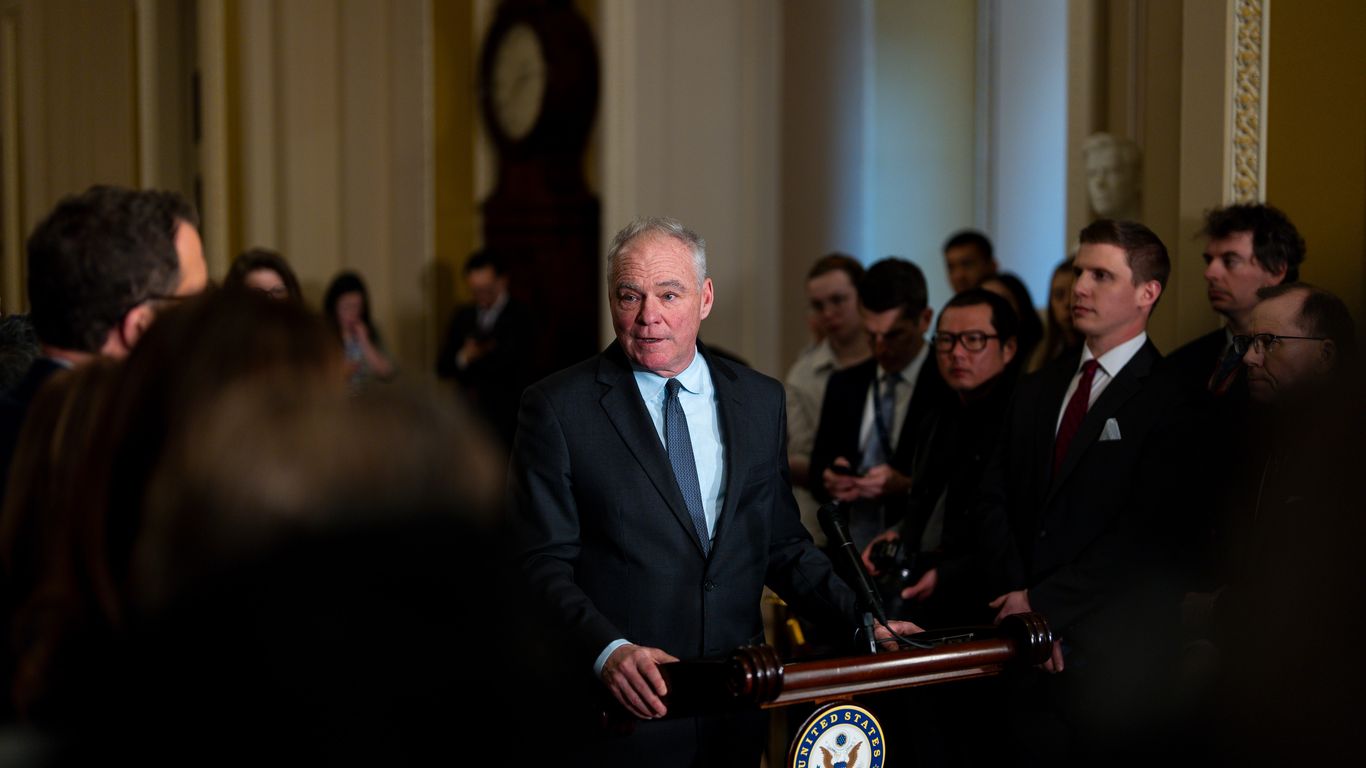
U.S. Democrats have called for Congress to vote on a war powers resolution after President Trump ordered military strikes on Iran without Congress's approval. The strikes aim to weaken Iran's military and push for a change in leadership. Some lawmakers, including those from Trump's party, have criticized the strikes, while others have supported the decision.
Key Facts
President Trump ordered military strikes on Iran without Congress's permission.
The strikes are part of a plan to weaken Iran's military abilities and encourage a change in government.
Some Democrats, like Senator Tim Kaine, have urged Congress to vote on a war powers resolution to limit Trump's military actions.
Congress is expected to discuss the resolution, with the Senate returning on Monday and the House on Wednesday.
Secretary of State Marco Rubio informed key lawmakers about the strikes before they happened.
Some lawmakers criticized the strikes, saying they could lead to prolonged conflict.
Others, like Senator Lindsey Graham, supported the strikes, calling them a necessary action to protect American interests.
Senate Majority Leader John Thune backed Trump's decision, citing threats from Iran's military capabilities.
Read the Original
Want the full story? Tap a source to open the original
article.
A conflict has erupted between the United States, Israel, and Iran, involving joint attacks by the US and Israel on Iran, leading to Iran's retaliation. These events have prompted international calls for calm and condemnation, particularly as the US is still negotiating with Iran on nuclear issues. Various countries and organizations have urged restraint and adherence to international law.
Key Facts
The US and Israel conducted joint strikes on Iran, which led to Iran retaliating with missile attacks on sites in Gulf states.
President Trump stated the operation aims to eliminate threats from Iran and encouraged the Iranian people to overthrow their government.
Israeli officials confirmed the attacks were planned for months, citing an "existential threat" from Iran.
Iran accused the US and Israel of violating the UN charter and declared US and Israeli assets in the Middle East as legitimate targets.
The European Union called for restraint and respect for international law.
The International Red Cross warned of a military escalation and urged adherence to war rules.
Oman expressed concern, warning the violence doesn't help US interests or global peace.
France called for a UN Security Council meeting and stressed the need for Iran to join negotiations on its nuclear and missile programs.
Qatar and the United Arab Emirates condemned Iran's attacks on their territories, labeling them as violations of sovereignty.
Read the Original
Want the full story? Tap a source to open the original
article.
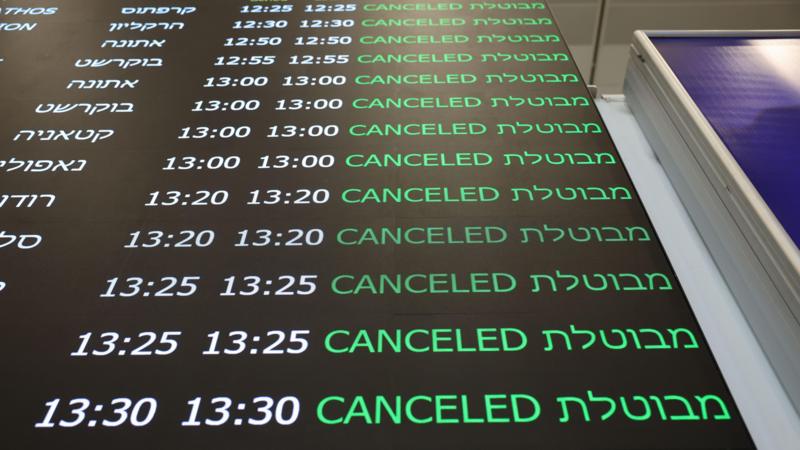
Airlines canceled or diverted flights to the Middle East after the U.S. and Israel launched attacks on Iran. The attacks were reportedly in response to Iran's nuclear activities and regime change efforts. The UK and other governments advised citizens to seek shelter following explosions and missile activity in the region.
Key Facts
U.S. and Israeli military operations targeted locations in Iran, including Tehran.
Iran allegedly launched counter-attacks on Israeli and U.S. facilities.
Airlines like British Airways, Virgin Atlantic, and Wizz Air reduced flights to Middle Eastern destinations for safety reasons.
The UK Foreign Office advised British citizens in several Gulf countries to shelter in place.
Iranian and other regional airspace closures led to rerouting and delays of international flights.
Qatar and UAE reported intercepting Iranian missiles and took measures for public safety.
Prime Minister Sir Keir Starmer led a UK government emergency meeting to discuss the situation.
President Trump cited reasons related to Iran's nuclear program and the push for regime change for the attacks.
Read the Original
Want the full story? Tap a source to open the original
article.
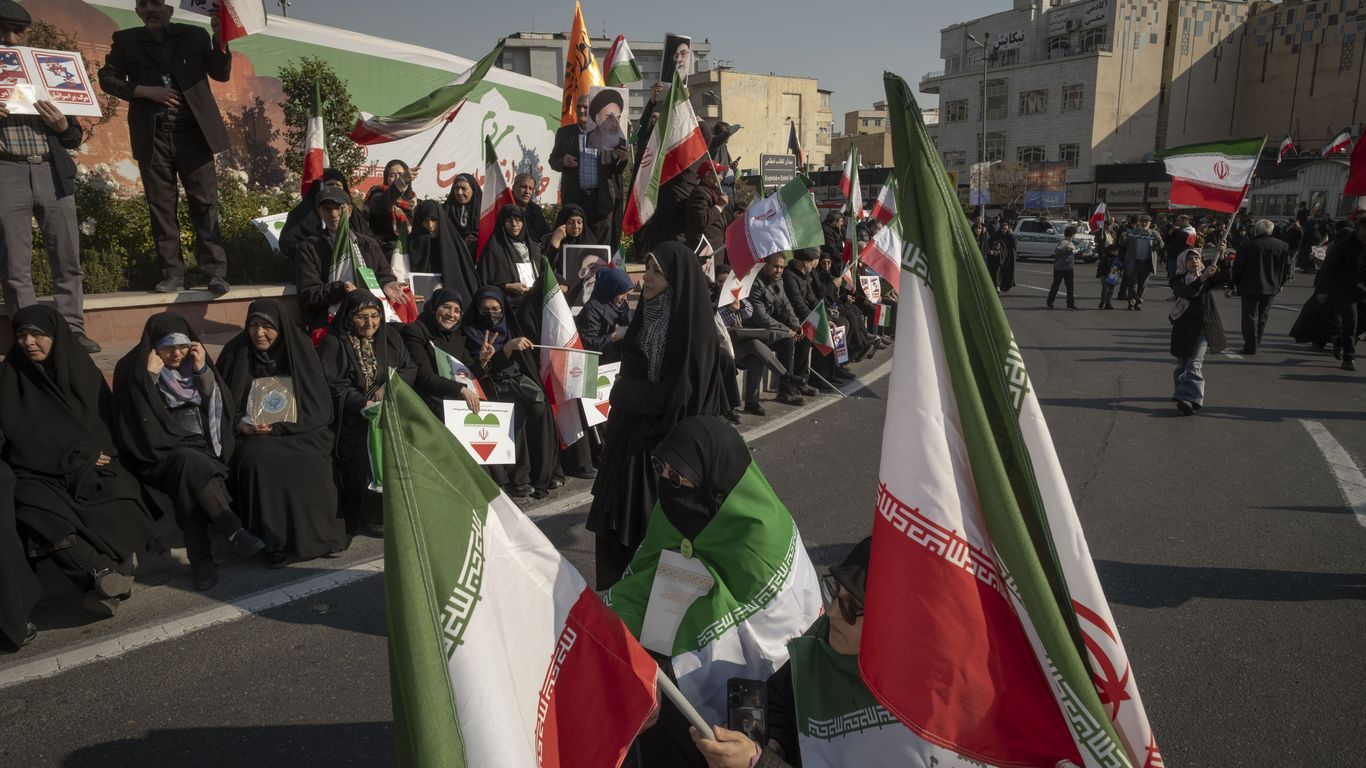
Iran's deputy minister of foreign affairs spoke out against attacks carried out by the United States and Israel. He expressed concerns about these actions affecting ongoing talks about Iran's nuclear program and stated Iran's right to defend itself.
Key Facts
Iran's deputy minister of foreign affairs criticized U.S. and Israeli military actions.
These strikes happened while discussions on Iran's nuclear deal were ongoing.
The Iranian official questioned the U.S.'s commitment to peace.
Iran emphasized its right to defend itself against perceived aggression.
Iran views the strikes as an act of aggression.
Read the Original
Want the full story? Tap a source to open the original
article.
Debris from an Iranian missile fell in Hebron, located in the occupied West Bank. This happened after Israel's air defense systems intercepted the missile, which Iran launched following US and Israeli attacks.
Key Facts
An Iranian missile was intercepted by Israeli air defenses.
The missile debris landed in Hebron, in the occupied West Bank.
The missile launch was Iran's response to combined US and Israeli attacks.
Israeli air defense successfully shot down the incoming missile.
Hebron is a city in the West Bank, a region under occupation.
Read the Original
Want the full story? Tap a source to open the original
article.
A passenger on a flight saw another traveler secretly using a vape, which is against federal rules. The observer decided not to report it during the flight but later wondered if that was a mistake. Federal Aviation Administration rules clearly prohibit vaping on planes due to potential safety risks.
Key Facts
A passenger saw another person using a vape on a flight, which they hid by leaning into their coat.
The observer thought perhaps the person was anxious about flying, but still questioned their decision to not report the violation.
Vaping on planes is prohibited by federal rules due to safety and regulatory concerns.
The Federal Aviation Administration (FAA) states that vaping on planes is not only dangerous but also a federal offense.
Electronic smoking devices, like vapes, have lithium batteries that can pose a fire risk if not properly managed.
Passengers found vaping on planes can be fined up to $1,771 by the FAA.
Some people believe not reporting vaping on a plane puts others at risk and encourages rule-breaking.
Read the Original
Want the full story? Tap a source to open the original
article.
The U.S., under President Donald Trump, conducted military strikes against Iran without seeking approval from Congress. This follows a longstanding pattern where U.S. presidents have used military force without formal declarations of war from Congress.
Key Facts
President Trump ordered military action against Iran, targeting its leaders and missile industry.
The U.S. Constitution states only Congress can declare war, but presidents have acted without such declarations for over 75 years.
To justify such actions, presidents use their role as commanders-in-chief, arguing for quick military decisions.
The most recent U.S. declared war was in World War II, with subsequent military actions often happening without new congressional approval.
Congress has allowed presidents to deploy troops without declaring war if the U.S. is attacked or after passing authorizations for use of military force.
Several past presidents, including Truman, Kennedy, and Obama, have initiated military operations without prior approval from Congress.
The 2001 Authorization for Use of Military Force (AUMF) has been used broadly to justify various military actions post-9/11.
Read the Original
Want the full story? Tap a source to open the original
article.
Gulf Arab countries, including Saudi Arabia, united to condemn Iran after it launched missiles at their territories. These nations expressed solidarity and support for each other and criticized Iran for violating their sovereignty. The situation follows U.S. and Israeli attacks on Iran, with President Trump stating that major combat operations had begun.
Key Facts
Iran launched missiles at Gulf Arab countries including Saudi Arabia, UAE, Bahrain, Qatar, Kuwait, and Jordan.
Saudi Arabia and other Gulf states condemned the Iranian attacks and emphasized their right to respond.
These countries host U.S. bases and have historically been close allies of President Donald Trump.
Saudi Arabia called for the international community to condemn Iran's actions.
The UAE confirmed one Pakistani national died due to the attacks and some missile debris landed in inhabited areas.
Qatar stated it might respond to Iran's aggression following international law.
The recent events brought Gulf countries closer to the U.S., showing increased unity against Iran's actions.
President Trump confirmed the U.S. had started significant military operations aiming for regime change in Iran.
Read the Original
Want the full story? Tap a source to open the original
article.
Category: world
Israeli airstrikes in Iran targeted two schools, including one in Minab, killing at least 51 people. Reports say Israeli attacks have resulted in civilian casualties, sparking concerns over the focus on civilian areas. The U.S. and Israeli governments claim the strikes target military sites, not civilians.
Key Facts
An Israeli strike hit a girls’ elementary school in Minab, southern Iran.
The attack in Minab killed at least 51 people, according to state media.
Another Israeli strike hit a school east of Tehran, killing at least two students.
Iran's government reports that this is part of a broader conflict involving the U.S. and Israeli forces.
There is criticism over civilian casualties, as strikes are said to focus on non-military targets.
President Trump has promised aid to the Iranian people amidst the conflict.
Iran claims that these attacks violate international law and harm their civilians.
The 12-day conflict in June 2025 resulted in numerous civilian injuries and damage to infrastructure.
Read the Original
Want the full story? Tap a source to open the original
article.
There are no ads, so there is no reason to bait you. Readers who chip in keep it that way. Most choose $3.99/month, and get the daily digest every morning.
After the Mexican army captured and killed the drug lord El Mencho, Guadalajara experienced three days of chaos, with closed shops and canceled public services. The Jalisco New Generation Cartel, which El Mencho led, caused widespread violence in response to his death. By the fourth day, the city returned to normal, but fears and concerns about safety remained.
Key Facts
El Mencho, leader of the Jalisco New Generation Cartel, died after being captured by Mexican special forces.
Following his death, Guadalajara faced significant violence, including roadblocks and attacks on stores and banks.
Public transport and ride-sharing services stopped, and residents stayed home on government orders.
Over 1,000 people were trapped in Guadalajara’s zoo overnight for safety.
By the fourth day, the city reopened, and regular activities resumed.
Concerns remain due to thousands of missing people linked to the cartel's activities.
Authorities are preparing for the upcoming FIFA World Cup, which will be held in Guadalajara.
Read the Original
Want the full story? Tap a source to open the original
article.
Israeli air defense systems stopped Iranian missiles over the city of Haifa. This action was in response to attacks by the United States and Israel on cities in Iran. People in Jerusalem took cover as air raid sirens went off and explosions were heard.
Key Facts
Israeli air defense intercepted missiles over Haifa.
The missiles came from Iran.
Iran's missile attack was in retaliation for US-Israeli attacks on Iranian cities.
Air raid sirens were heard in Jerusalem.
People in Jerusalem took cover due to the missile threat.
The recent events are linked to ongoing tensions between Iran, Israel, and the United States.
Read the Original
Want the full story? Tap a source to open the original
article.
Kaye Adams will not be returning to her job as a radio presenter on BBC Scotland. She was removed from her program after an internal complaint about her conduct, with some complaints upheld and others not. The BBC will continue with different presenters for her show.
Key Facts
Kaye Adams will not return as a presenter on BBC Radio Scotland.
She was taken off-air last year after an internal complaint about her conduct.
Some complaints against her were found to be valid, while others were not.
The BBC stated it would not comment on individual cases.
Connie McLaughlin and Stephen Jardine will continue hosting the show.
Adams has worked in journalism and broadcasting for nearly 40 years.
She also had roles on ITV's talk show, Loose Women.
The BBC started a "Call it Out" initiative to address poor workplace behavior.
Read the Original
Want the full story? Tap a source to open the original
article.
A man staying up late at night caused a conflict with his downstairs neighbors due to noise disturbance. Structural damage in the apartment building made the sound of his movements more noticeable. The neighbors accused him of ruining their lives, and tensions rose, leading to a police report after a confrontation.
Key Facts
A 29-year-old man stays up until 5 a.m. after being laid off from his job.
Noise from his late-night movements disturbed his downstairs neighbors.
The building has structural damage, which makes noise travel between floors.
The downstairs neighbor confronted him at 4:30 a.m., saying the noise "ruined her life."
The husband of the neighbor confronted him later, escalating tensions.
The man filed a police report after the husband's aggressive behavior.
Many people online supported the man's side of the story.
The building landlord has not fixed the structural issues causing the noise problem.
Read the Original
Want the full story? Tap a source to open the original
article.
An American mom, Clara Hogan, moved to Italy with her family and compared Italian school lunches to those in the U.S. She noted that her kids in Italy enjoy more nutritious and varied meals with more time to eat. This video comparison gained significant attention online.
Key Facts
Clara Hogan moved to Bologna, Italy, with her family in 2024 for her husband's MBA studies.
The family decided to stay longer in Italy after initially planning for a one-year stay.
Hogan observed that Italian school lunches are healthier and offer more variety than those in the U.S.
Her children now speak Italian fluently and have adapted to local customs.
Italian school lunches include a variety of courses, such as pasta and fresh produce.
U.S. parents reportedly have concerns about the quality and time allocated for school lunches.
Hogan shared her experiences on TikTok, where her video about school lunches gained 2.6 million views.
Her observations highlight differences in food culture and practices between the U.S. and Italy.
Read the Original
Want the full story? Tap a source to open the original
article.
President Donald Trump has launched coordinated military strikes on Iran with Israel. Iran retaliated by attacking several U.S. allies in the Middle East. The situation has sparked concerns over a possible wider conflict in the region.
Key Facts
President Trump ordered military strikes against key sites in Tehran, the capital of Iran.
Iran quickly responded by launching missiles at Israel and nearby Gulf countries.
Iran possesses a large stockpile of missiles and drones and has proxy forces in Iraq and Syria.
The conflict could broaden if Iran attacks U.S. or Israeli sites, or disrupts oil shipping routes like the Strait of Hormuz.
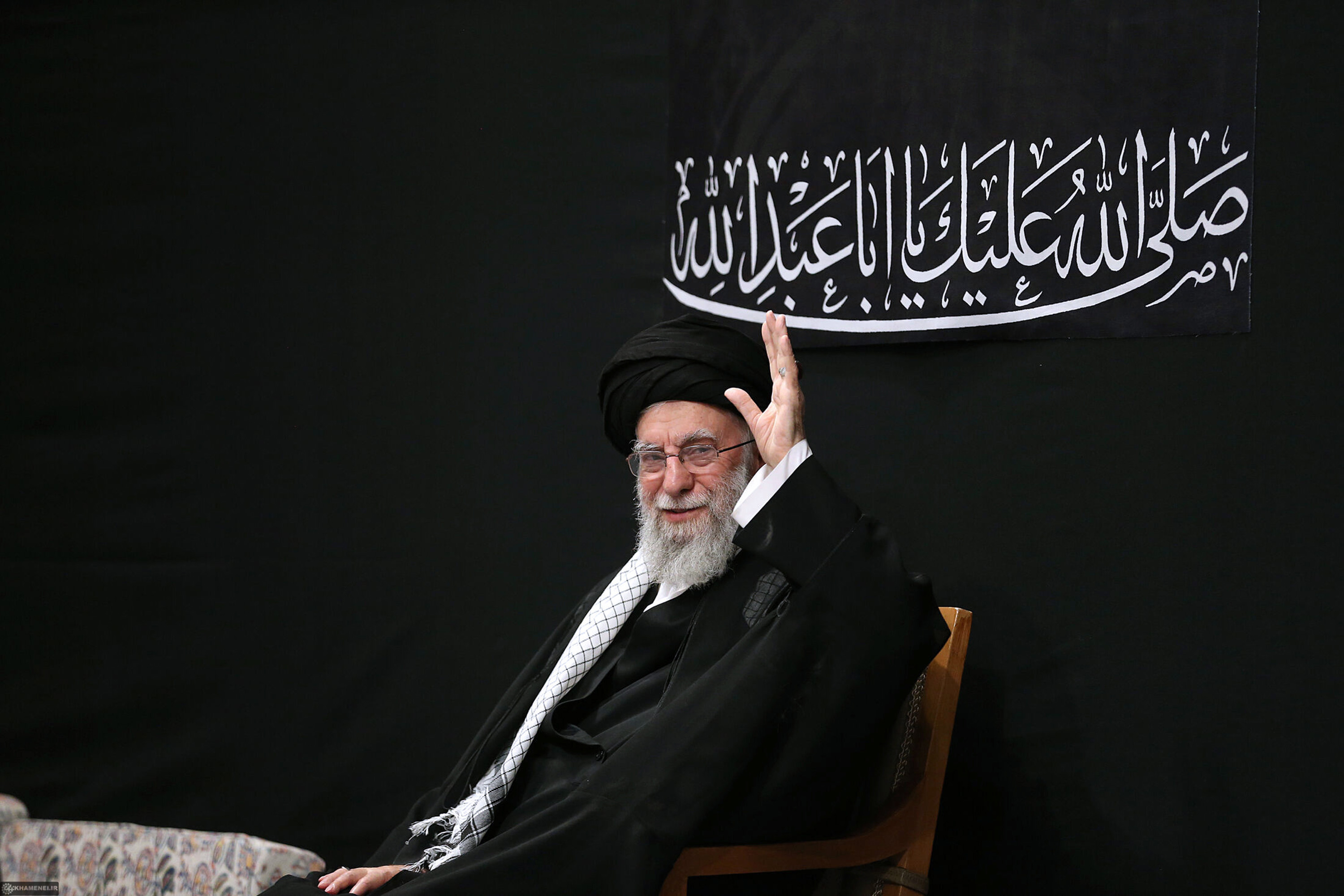
Iran's Supreme Leader, Ayatollah Ali Khamenei, is well-protected by a strong security unit.
Regional allies of Iran, such as Hezbollah in Lebanon and militias in Iraq, could become involved.
President Trump has called for Iranian citizens to take control of their government.
There have been recent protests in Iran, and U.S. actions might encourage more demonstrations.
Read the Original
Want the full story? Tap a source to open the original
article.
Each summary links back to the original reporting, so you can check the work. Support that, and get the daily digest every morning. Most choose $3.99/month.
The United States and Israel have decided to engage in a new conflict with Iran, labeling it a "pre-emptive" strike despite no immediate threat. Both nations view Iran's current economic and political weaknesses as a chance to act against what they see as a danger. Statements from President Donald Trump and Prime Minister Benjamin Netanyahu highlight their belief that Iran poses a threat, though legal self-defense claims are questionable due to power imbalances.
Key Facts
The United States and Israel launched a new military conflict with Iran.
Israel called the action "pre-emptive" but without an imminent threat.
Iran faces economic struggles and fallout from earlier crackdowns on protests.
President Trump and Prime Minister Netanyahu view Iran as a significant threat.
There is skepticism about calling it self-defense due to the strength difference between countries.
Netanyahu has historically seen Iran as Israel's main enemy.
Netanyahu faces elections later this year, potentially influencing motives.
President Trump previously mentioned Iran's nuclear ambitions as a concern, though some actions suggest shifting goals.
Read the Original
Want the full story? Tap a source to open the original
article.
Iran launched missile strikes at various locations in the Middle East as a response to attacks by the United States and Israel. The strikes targeted US military bases in Bahrain, the United Arab Emirates, Qatar, and Kuwait. These actions are part of Iran's operation "Truthful Promise 4."
Key Facts
Iran launched strikes targeting US military bases in Bahrain, UAE, Qatar, and Kuwait.
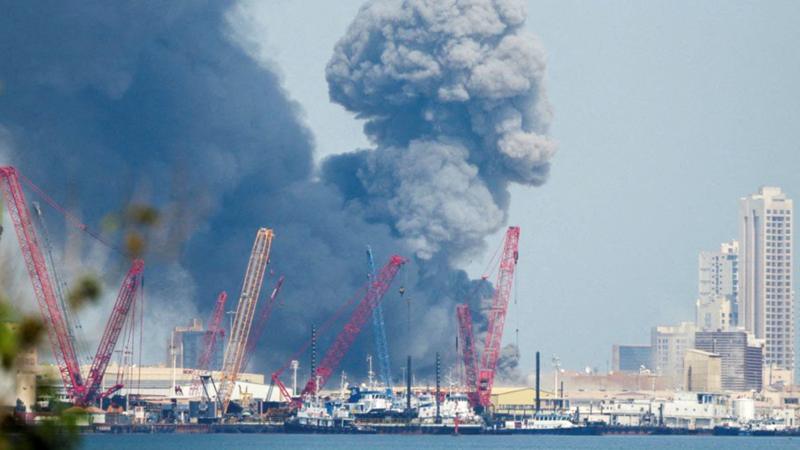
Black smoke was seen near the US Navy's Fifth Fleet headquarters in Bahrain following the strikes.
Qatar's defense ministry intercepted missiles aimed at the al-Udeid air base.
Israel detected incoming Iranian missiles, prompting sirens across the country.
The UAE intercepted missiles, with debris causing damage in Abu Dhabi and resulting in one civilian death.
The US and Israel conducted a joint attack on Iran, leading to Iran's retaliatory strikes.
Iran's operation is called "Truthful Promise 4."
Read the Original
Want the full story? Tap a source to open the original
article.