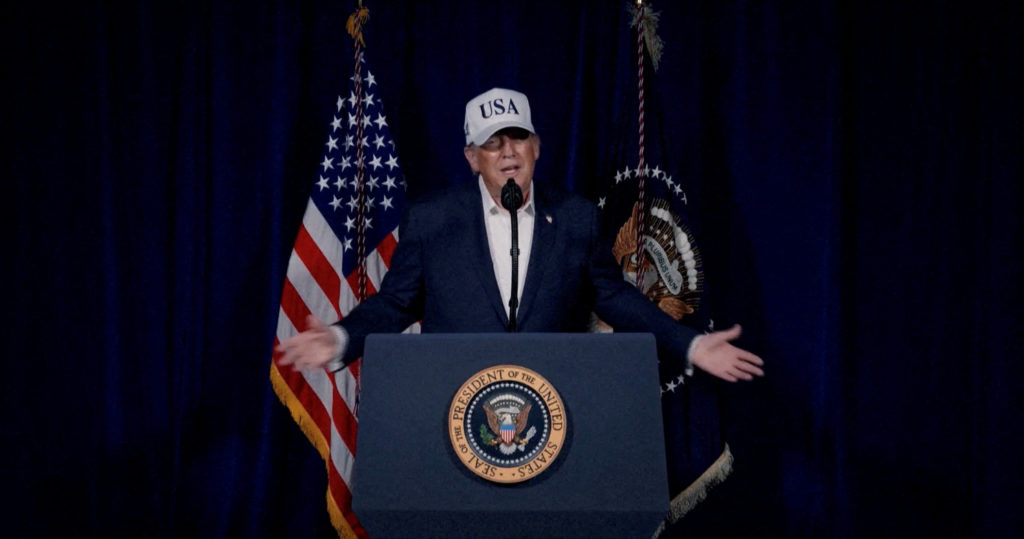
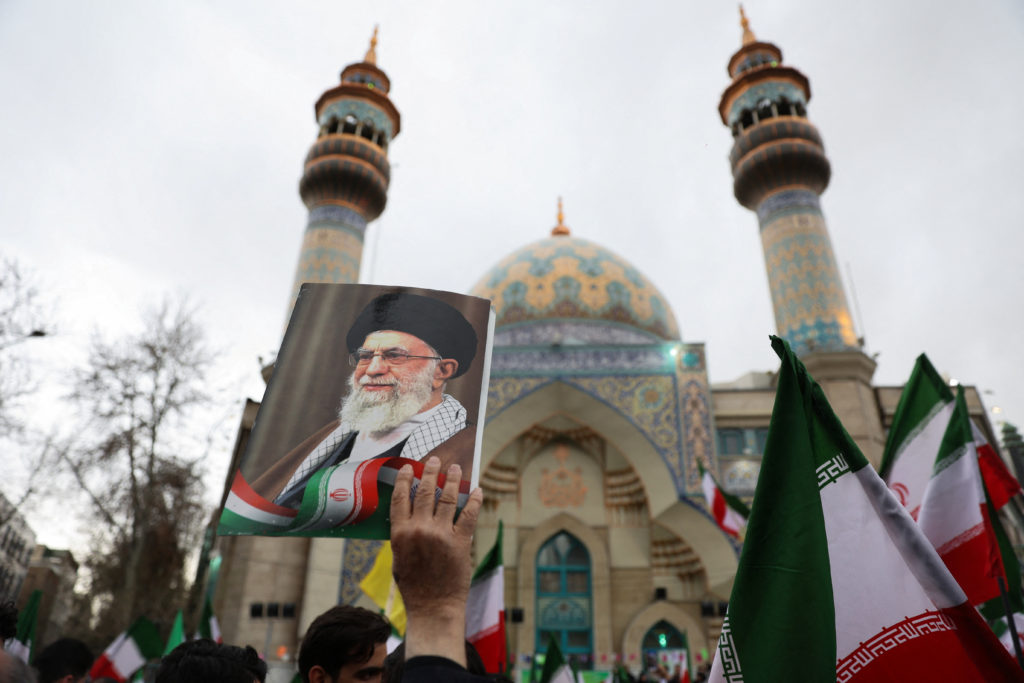
President Donald Trump announced that the U.S. military has started significant combat actions in Iran. He explained this is to protect the U.S. from threats he attributes to the Iranian government, including Iran's nuclear program and missile developments. President Trump stated the operation aims to eliminate these threats and stop Iran's alleged support for terrorist groups.
Key Facts
President Trump delivered an 8-minute video message on his Truth Social platform.
He stated that the U.S. military began major combat operations in Iran.
The operation's goal is to counter threats from Iran's nuclear and missile programs.
President Trump mentioned Iran's past actions against U.S. interests and allies.
The U.S. operation targets Iran's military and proxy terrorist activities in the region.
President Trump highlighted Iran as a state sponsor of terrorism.
He emphasized a continued U.S. policy against Iran developing nuclear weapons.
Read the Original
Want the full story? Tap a source to open the original
article.
The United States and Israel launched attacks on Iran to target its military capabilities and prevent the development of nuclear weapons. Iran responded by firing missiles at various U.S. and Israeli targets in the region. The conflict followed President Trump's call for Iran to restrict its nuclear program.
Key Facts
The U.S. and Israel attacked Iran to stop its military and nuclear ambitions.
Iran fired missiles at locations in Israel and U.S. bases in Bahrain, Kuwait, and Qatar.
Escalation comes after Trump demanded Iran make a deal about its nuclear program.
Iran reported casualties in a girls' school amid U.S.-Israeli strikes.
Iran's counterattacks also affected areas in the United Arab Emirates.
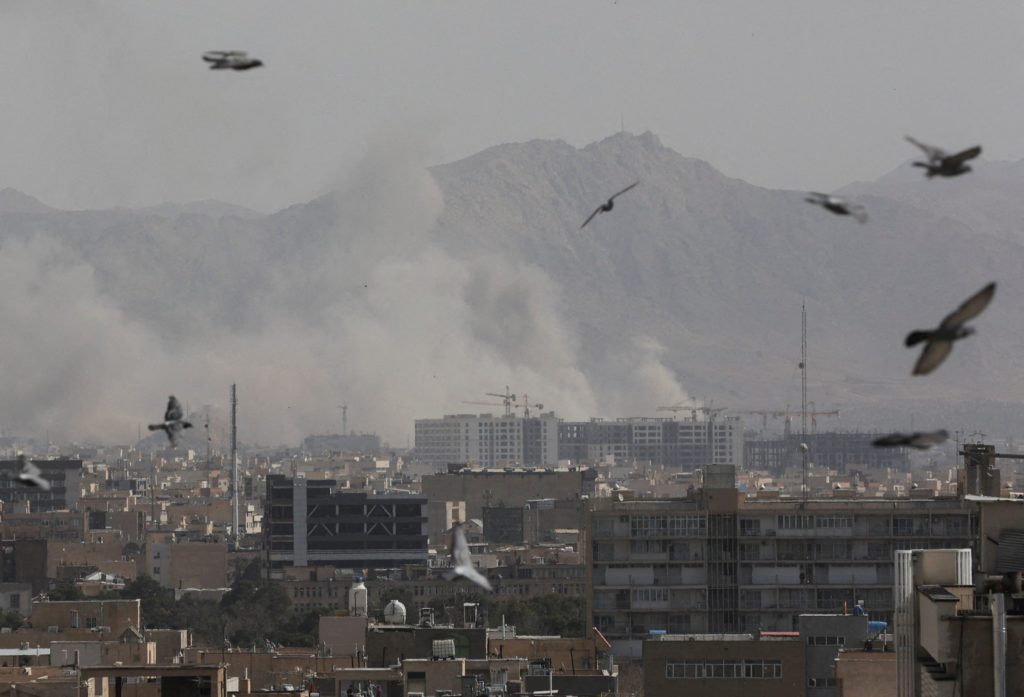
Explosions were heard in Tehran, where an attack was carried out near the Supreme Leader's office.
Israel coordinated with the U.S. for this operation, which took months to plan.
President Trump encouraged Iranians to rise against their government.
Read the Original
Want the full story? Tap a source to open the original
article.
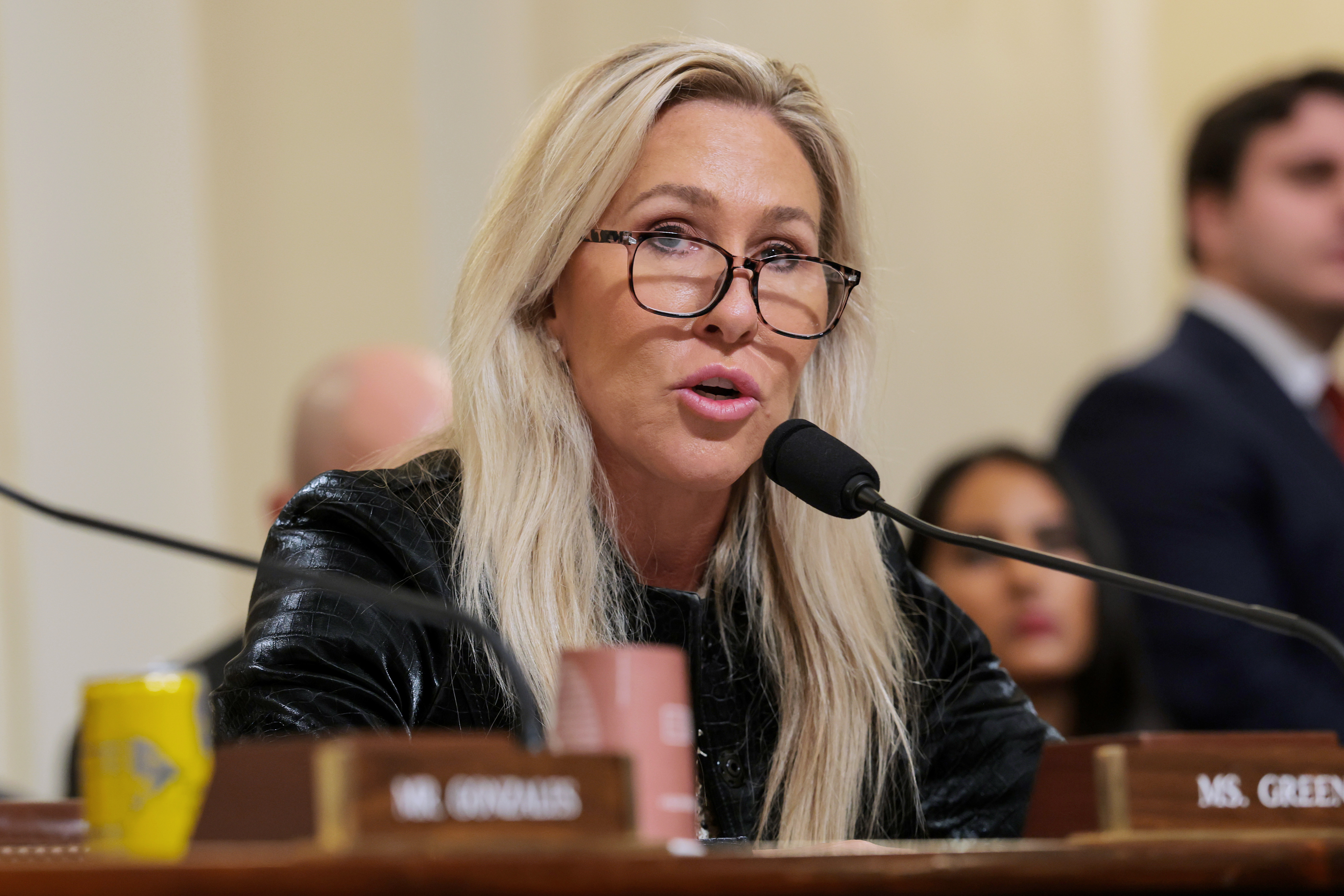
Former Congresswoman Marjorie Taylor Greene criticized President Trump for launching airstrikes on Iran, which she claims breaks his "America First" promises. The United States and Israel carried out these strikes, and Iran has begun to respond with its own actions.
Key Facts
Marjorie Taylor Greene is a former Congresswoman who criticized President Trump for attacking Iran.
The U.S. and Israel launched airstrikes against Iran, which occurred on a Saturday.
President Trump warned Iranians with a video message about the airstrikes.
Iran’s Supreme National Security Council stated they are responding to these attacks.
Greene claims the strikes contradict President Trump’s earlier "America First" campaign promises.
She argues that the conflict does not solve domestic issues like inflation or healthcare in the U.S.
Greene mentions civilian casualties in Iran and criticizes the administration's approach to American families.
Read the Original
Want the full story? Tap a source to open the original
article.
President Donald Trump announced that the U.S. and Israel have launched joint military operations against Iran. Key targets reportedly included important government and military sites in Iran. Iran has responded with its own strikes on U.S. military targets in several nearby countries.
Key Facts
The U.S. and Israel carried out joint military operations against Iran.
President Trump confirmed the operations are targeted at important sites in Iran.
Targets reportedly included the office of Iran's supreme leader and the presidential office in Tehran.
Military sites across Iran were also targeted.
Iran responded by launching strikes on U.S. military locations.
Damage was reported in Qatar, the UAE, and Kuwait from Iran's response.
Read the Original
Want the full story? Tap a source to open the original
article.
A woman in Australia found out that a mark on her nose, which she thought was a pimple, was actually a type of skin cancer called basal cell carcinoma (BCC). She had the cancer removed through a surgical procedure after a biopsy confirmed the diagnosis. Her experience raised awareness on TikTok about the importance of regular skin checks.
Key Facts
Jackie Bowker, 34, from Brisbane, Australia, noticed a persistent mark on her nose in early 2025.
Initially thought to be a pimple, the mark did not disappear after six months, prompting Bowker to investigate further.
Bowker's research suggested the mark could be basal cell carcinoma (BCC), a type of skin cancer.
A doctor confirmed the possibility of BCC after an annual skin check and sent a sample for biopsy.
The biopsy confirmed the mark was BCC, known to be caused by long-term sun exposure.
Bowker underwent Mohs surgery to remove the cancer, requiring two procedures to fully clear it.
She shared her story on TikTok to raise awareness, resulting in over 1.8 million views.
Bowker's story emphasizes the importance of regular skin checks and protection from sun exposure.
Read the Original
Want the full story? Tap a source to open the original
article.
The article discusses strategies for parents feeling overwhelmed and guilty about balancing their responsibilities and self-care. Dr. Becky Kennedy provides psychological advice to help caregivers manage stress and prioritize rest. The focus is on reframing rest, renaming guilt as discomfort with new habits, and externalizing mental load.
Key Facts
Dr. Becky Kennedy offers tips for caregivers to handle stress better.
80% of caregivers are mostly focused on others every day, according to Care.com's 2026 Cost of Care Report.
67% of caregivers feel guilty when taking personal time.
Dr. Becky suggests treating rest as necessary, not as a reward.
Renaming guilt as discomfort with new habits can help manage emotions.
Listing all household tasks makes it easier to share responsibilities.
Small changes, like taking micro-rests, can help reduce stress.
Read the Original
Want the full story? Tap a source to open the original
article.
There is a mixed response in Iran to the joint attacks by the United States and Israel, with panic in some areas and relief in others. Some people are fleeing Tehran while others are celebrating a potential regime change through military action. Communication is difficult due to an internet blackout, but there are reports of people preparing for war and expressing concerns for their safety.
Key Facts
The U.S. and Israel launched attacks on Iran, causing mixed reactions among its people.
Loud explosions were reported in several Iranian cities around 09:40 local time.
Some residents are fleeing Tehran, heading north to areas they consider safer.
Videos show people running in panic, but others are celebrating the possibility of regime change.
Iran is experiencing an almost total internet blackout, making communication difficult.
Despite the blackout, some people are accessing the internet using alternative methods like SpaceX's Starlink.
There are reports of people preparing for conflict by stocking up on supplies like canned food.
Some Iranians are expressing fear about the potential impacts on their lives and families, using social media when possible.
Read the Original
Want the full story? Tap a source to open the original
article.
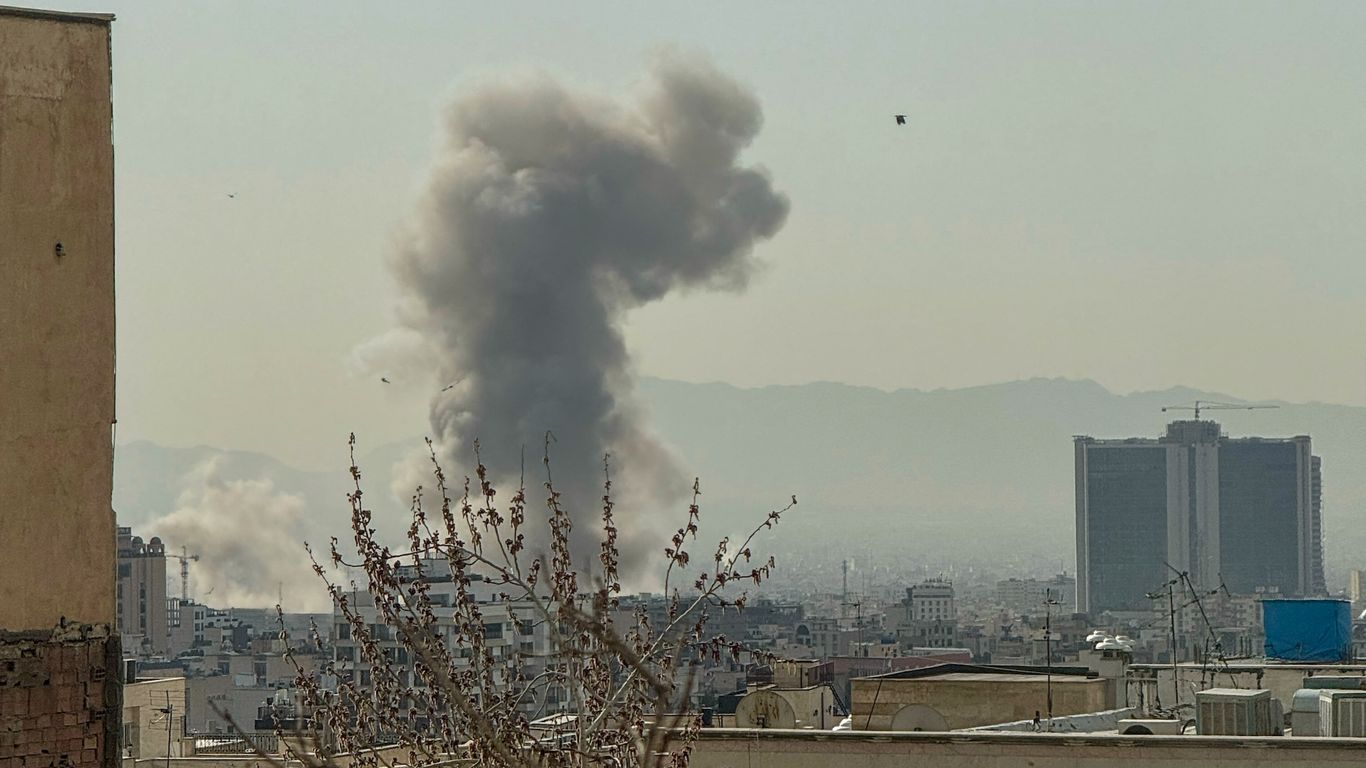
Video from Tehran, Iran, reveals significant damage, including burned cars and destroyed buildings, after strikes from the United States and Israel. The footage also shows large plumes of smoke and a huge crater in the affected area.
Key Facts
Strikes took place in Iran's capital, Tehran.
Both the United States and Israel carried out the strikes.
Images show burned vehicles and damaged buildings.
There are large plumes of smoke visible in the footage.
A massive crater is present in the area affected by the strikes.
Read the Original
Want the full story? Tap a source to open the original
article.
The U.S. military strikes on Iran could cause oil prices to rise due to concerns about the region that produces a large portion of the world's oil. Potential disruptions in oil supply routes like the Strait of Hormuz and retaliation against other Middle Eastern oil producers are key concerns. Market analysts are watching the situation closely to see how it affects global oil supply and prices.
Key Facts
U.S. and Israel conducted military strikes on Iran.
The Strait of Hormuz is a critical route for global oil trade, moving about a quarter of the world's oil by sea.
Iran produces about 1.5 million barrels of oil per day, mostly sent to China.
The conflict could lead to a temporary rise in oil prices.
Analysts suggest any price increases might be short-lived.
The U.S. gas prices are currently around $3 per gallon and might rise slightly.
OPEC+ is meeting soon to discuss potential changes in oil production levels.
Some oil tankers are already avoiding the Strait of Hormuz due to safety concerns.
Read the Original
Want the full story? Tap a source to open the original
article.
The United States and Israel launched military attacks on Iran, with President Donald Trump stating that major combat operations are ongoing. Iran has responded by attacking a US naval base in Bahrain and other areas. Israel's defense minister confirmed a pre-emptive strike on Iran, and explosions were reported in the country.
Key Facts
The US and Israel conducted military strikes against Iran.
President Donald Trump announced major combat operations involving the US.
Iran retaliated by attacking a US naval base in Bahrain and other locations.
Israel's defense minister stated they carried out a pre-emptive strike against Iran.
Explosions were reported throughout Iran following the attacks.
BBC's chief international correspondent Lyse Doucet is reporting on the situation from Iran.
Read the Original
Want the full story? Tap a source to open the original
article.
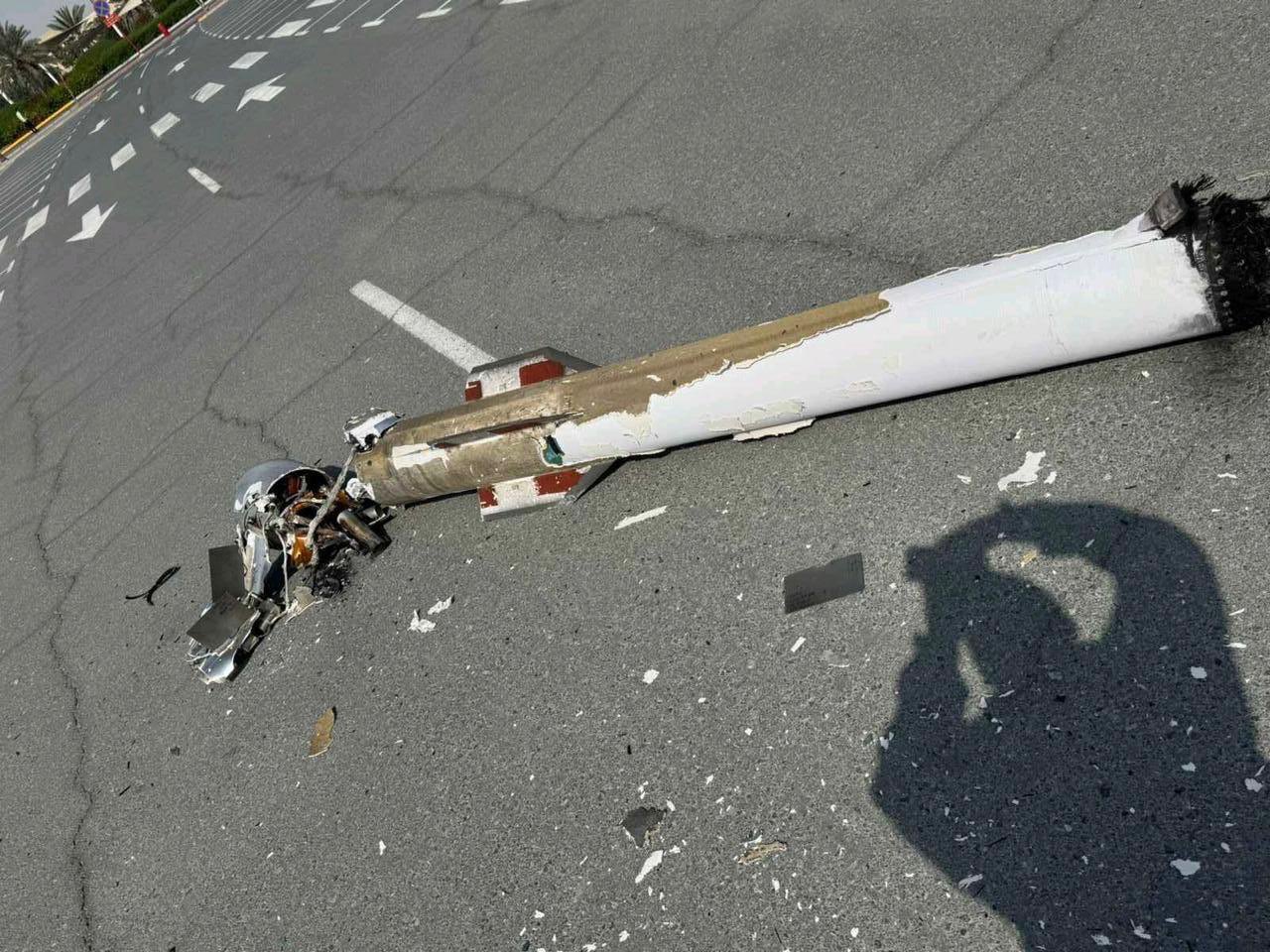
The United Arab Emirates (UAE) defense ministry shared images of missile debris after intercepting Iranian missiles. These attacks followed U.S. and Israeli airstrikes on targets in Iran. The UAE and other Gulf nations have criticized Iran's actions and expressed unity against these attacks.
Key Facts
The UAE defense ministry intercepted a second wave of missiles from Iran.
No damage was reported during this interception, unlike during the first attack.
A Pakistani national was killed by debris during the first wave of attacks.
The UAE is a close ally of the United States and President Donald Trump.
The UAE's defense ministry expressed readiness to respond to threats.
Dubai airport operations were suspended due to the Iranian missile attacks.
Gulf nations strongly criticized Iran's actions as a violation of sovereignty.
The missile attacks were a response to U.S. and Israeli strikes on Iran.
Read the Original
Want the full story? Tap a source to open the original
article.
A father reported finding burn marks on his child's stroller after retrieving it from baggage claim at an airport. The stroller was gate-checked on a Delta flight, and the father shared photos of the damage online. He is waiting to hear back from the airline about how the incident might have happened.
Key Facts
The stroller, belonging to a 4-month-old, showed burn marks after a Delta flight.
Photos showed damage to the stroller's fabric canopy and seat.
The father questioned the safety implications of the damage.
Delta's policy allows passengers to report baggage damage immediately upon arrival.
U.S. Department of Transportation states airlines must repair or reimburse for baggage damage.
Possible causes of damage include friction and mechanical stress during transport.
The father is waiting for an explanation from Delta and shared the incident on Reddit.
Read the Original
Want the full story? Tap a source to open the original
article.
That's the point of this site, and readers keep it that way. Support for any amount and the daily digest lands in your inbox every morning at 7am Eastern.
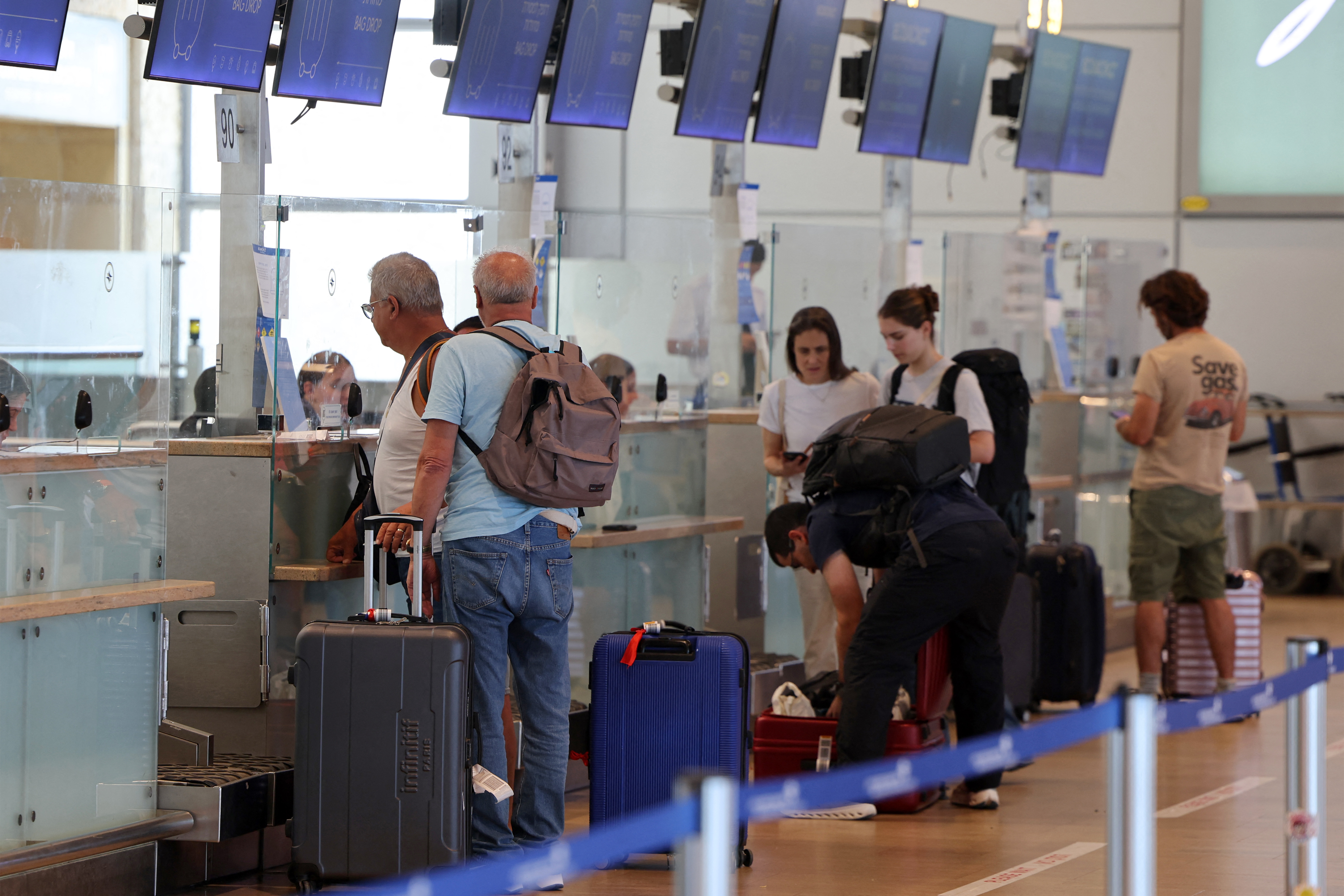
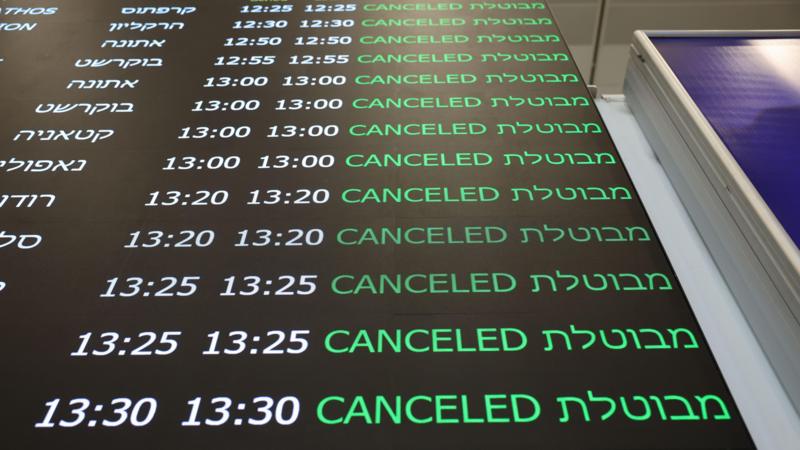
Airlines around the world have canceled many flights to the Middle East after U.S. attacks on Iran and Iran's response. This has affected flights to countries like Dubai, Qatar, Israel, and more. Airlines are closely watching the situation and have suspended many services for safety reasons.
Key Facts
Dubai International Airport has stopped flights, impacting many airline services.
The airspace over Iran, Iraq, Kuwait, Israel, and Bahrain is mostly empty following the U.S. and Iran exchange.
Emirates, the main airline in Dubai, apologized for the inconvenience caused by the flight disruptions.
Qatar Airways stopped all flights to and from Doha.
Turkish Airlines and Pegasus canceled flights to several Middle East countries.
Other airlines like Virgin Atlantic, KLM, Wizz Air, and Lufthansa also suspended certain routes.
Countries like Pakistan, Spain, Russia, India, Germany, Bulgaria, Kuwait, Greece, Switzerland, and the U.K. have all seen flight cancellations affecting the region.
Airlines are monitoring the security situation closely following the U.S. and Iran tensions.
Read the Original
Want the full story? Tap a source to open the original
article.
The U.S. and Israel conducted military strikes on Iran, leading to a variety of responses from world leaders. European countries urged caution and continued negotiations, while some allies supported the action, and U.S. rivals criticized it. President Trump defended the strikes, linking them to ongoing tensions over Iran's actions.
Key Facts
The U.S. and Israel launched military strikes on Iran.
European leaders called for diplomacy and restraint to prevent further escalation.
French President Macron and other European leaders emphasized regional stability and necessary negotiations.
Canada and Australia showed support for the U.S. action, criticizing Iran's government.
Russia and China condemned the strikes, calling them aggressive and provocative.
President Trump linked military action to Iran's past actions and nuclear program issues.
Omani Foreign Minister expressed concern, urging the U.S. not to escalate further.
Read the Original
Want the full story? Tap a source to open the original
article.
Israel and the United States recently launched joint attacks on Iran, escalating tensions in the region. In Israel, life continues with a mix of calm and heightened alertness as leaders and citizens react to the conflict. Iran responded with its own missile and drone attacks on Israeli and US targets.
Key Facts
Israel and the US conducted joint attacks on Iran, citing Iran as a longstanding threat.
Israeli Prime Minister Netanyahu and US leaders framed the attacks as necessary to counter threats from Iran.
Iran retaliated against Israel and US assets with missiles and drones.
Israeli defense and political leaders expressed a sense of unity and strength, emphasizing their readiness.
Alerts and returns to shelters have become part of daily life for many Israelis during this conflict.
Israeli opposition leader Yair Lapid echoed calls for Iranian regime change.
The situation is reminiscent of previous regional escalations, with some in Israel expressing a sense of relief despite the ongoing conflict.
Read the Original
Want the full story? Tap a source to open the original
article.
The United States and Israel have launched military strikes on Iran, including near the offices of Iran's Supreme Leader. President Donald Trump announced these actions in response to Iran's nuclear program. Flights are disrupted in the region, and various international officials have reacted.
Key Facts
The U.S. and Israel carried out strikes on Iran targeting military sites.
Iranian media reported strikes across the country, with visible smoke in Tehran.
President Trump stated that the operations began due to Iran's nuclear developments.
Oman's Foreign Minister warned the U.S. against further involvement, emphasizing ongoing negotiations over Iran's nuclear program.
Canada expressed support for the U.S. actions, citing concerns about Iran's regional influence.
Airspace closures and flight disruptions occurred across the Middle East, impacting travel.
Israeli strikes targeted members of Iran's leadership, but their success is unconfirmed.
Russia condemned the strikes as aggressive against a U.N. member nation.
Read the Original
Want the full story? Tap a source to open the original
article.
U.S. Democrats have called for Congress to vote on a war powers resolution after President Trump ordered military strikes on Iran without Congress's approval. The strikes aim to weaken Iran's military and push for a change in leadership. Some lawmakers, including those from Trump's party, have criticized the strikes, while others have supported the decision.
Key Facts
President Trump ordered military strikes on Iran without Congress's permission.
The strikes are part of a plan to weaken Iran's military abilities and encourage a change in government.
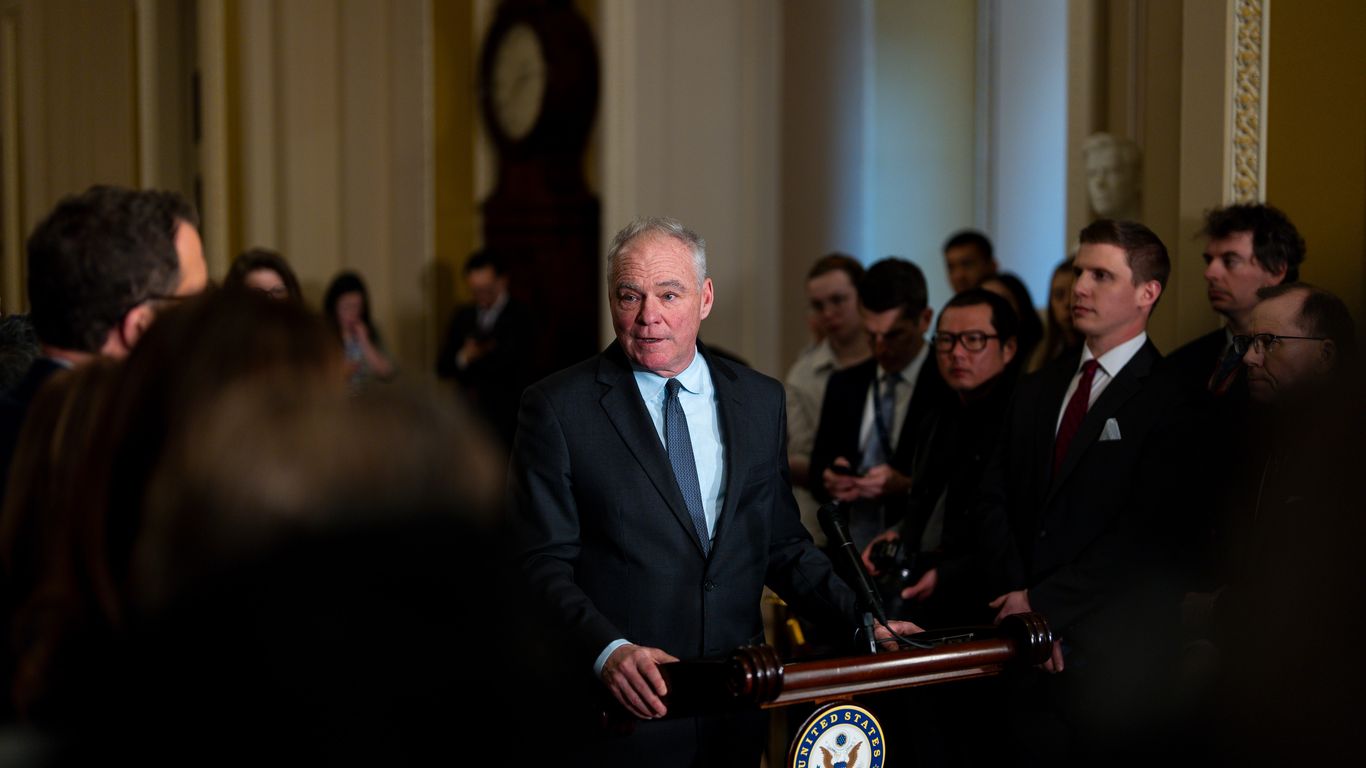
Some Democrats, like Senator Tim Kaine, have urged Congress to vote on a war powers resolution to limit Trump's military actions.
Congress is expected to discuss the resolution, with the Senate returning on Monday and the House on Wednesday.
Secretary of State Marco Rubio informed key lawmakers about the strikes before they happened.
Some lawmakers criticized the strikes, saying they could lead to prolonged conflict.
Others, like Senator Lindsey Graham, supported the strikes, calling them a necessary action to protect American interests.
Senate Majority Leader John Thune backed Trump's decision, citing threats from Iran's military capabilities.
Read the Original
Want the full story? Tap a source to open the original
article.
A conflict has erupted between the United States, Israel, and Iran, involving joint attacks by the US and Israel on Iran, leading to Iran's retaliation. These events have prompted international calls for calm and condemnation, particularly as the US is still negotiating with Iran on nuclear issues. Various countries and organizations have urged restraint and adherence to international law.
Key Facts
The US and Israel conducted joint strikes on Iran, which led to Iran retaliating with missile attacks on sites in Gulf states.
President Trump stated the operation aims to eliminate threats from Iran and encouraged the Iranian people to overthrow their government.
Israeli officials confirmed the attacks were planned for months, citing an "existential threat" from Iran.
Iran accused the US and Israel of violating the UN charter and declared US and Israeli assets in the Middle East as legitimate targets.
The European Union called for restraint and respect for international law.
The International Red Cross warned of a military escalation and urged adherence to war rules.
Oman expressed concern, warning the violence doesn't help US interests or global peace.
France called for a UN Security Council meeting and stressed the need for Iran to join negotiations on its nuclear and missile programs.
Qatar and the United Arab Emirates condemned Iran's attacks on their territories, labeling them as violations of sovereignty.
Read the Original
Want the full story? Tap a source to open the original
article.
Airlines canceled or diverted flights to the Middle East after the U.S. and Israel launched attacks on Iran. The attacks were reportedly in response to Iran's nuclear activities and regime change efforts. The UK and other governments advised citizens to seek shelter following explosions and missile activity in the region.
Key Facts
U.S. and Israeli military operations targeted locations in Iran, including Tehran.
Iran allegedly launched counter-attacks on Israeli and U.S. facilities.
Airlines like British Airways, Virgin Atlantic, and Wizz Air reduced flights to Middle Eastern destinations for safety reasons.
The UK Foreign Office advised British citizens in several Gulf countries to shelter in place.
Iranian and other regional airspace closures led to rerouting and delays of international flights.
Qatar and UAE reported intercepting Iranian missiles and took measures for public safety.
Prime Minister Sir Keir Starmer led a UK government emergency meeting to discuss the situation.
President Trump cited reasons related to Iran's nuclear program and the push for regime change for the attacks.
Read the Original
Want the full story? Tap a source to open the original
article.