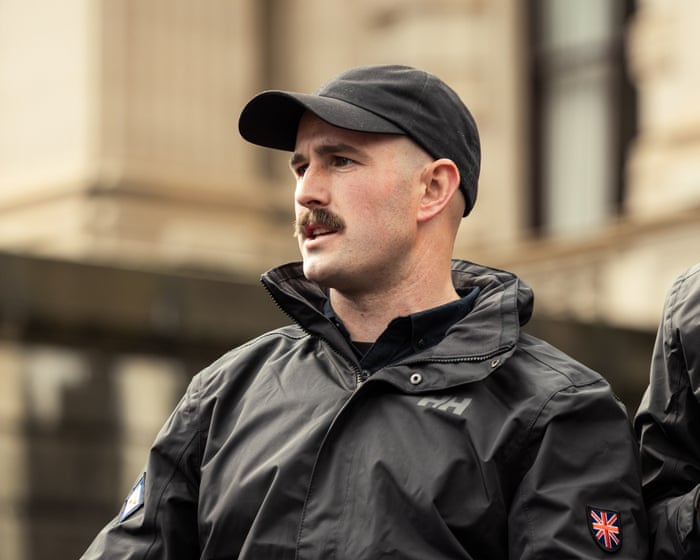
The White Australia party, which is linked to neo-Nazi views, is challenging a ban on their group in Australia’s high court. The party’s lawyers argue that the law banning them is unfair because it gives too much power to a politician rather than a judge, and that it breaks rules about political freedom.
Key Facts
The White Australia party was previously called the National Socialist Network (NSN).
The party was banned in May after a security agency recommended it to the home affairs minister, Tony Burke.
Supporting or joining the group is now a crime punishable by up to 15 years in prison.
The party is arguing that the law banning them violates freedom of political communication and concentrates too much power in one minister.
Lawyers say the ban based on a politician’s opinion is “authoritarian” and lacks proper judicial review.
The party’s lawyers refer to a 1951 high court case where banning a political party (Communist Party of Australia) was overturned.
The government says the group is not a normal political party but an extension of a banned hate group.
The party’s leader, Tom Sewell, has a criminal record for offensive behavior using racist language.
Read the Original
Want the full story? Tap a source to open the original
article.
The U.S. military sank another Ecuadorian boat in the Pacific, accusing it of supporting drug trafficking activities of the criminal group Los Choneros. The people on board were taken off and handed to Ecuadorian authorities. This is the fifth boat targeted by U.S. forces in less than two weeks in the region.
Key Facts
The U.S. Southern Command sank an Ecuadorian vessel tied to the group Los Choneros.
The vessel acted as a floating refueling station to help drug trafficking boats in the Eastern Pacific.
Military personnel removed everyone on board before sinking the boat.
This is the fifth vessel sunk by U.S. forces in under two weeks.
Another fishing boat, María Candelaria, was sunk last week and its 26 crew members returned to Ecuador.
Two other vessels identified as drug trafficking refueling stations, OM2 and Los Tres Hermanos, were also sunk.
Ecuadorian authorities have not commented yet on the latest sinking.
Families of crew members from some vessels are seeking information about their loved ones.
Read the Original
Want the full story? Tap a source to open the original
article.
A small plane carrying four family members went missing off the coast of the Bahamas while flying to Florida. The U.S. Coast Guard joined Bahamas authorities in the search, but bad weather forced them to pause the efforts.
Key Facts
The plane carried pilot Mario Lamar, his wife Lily Lamar, and their two grandchildren.
It took off from Great Harbour Cay in the Bahamas, heading to Miami Executive Airport.
Contact with the plane was lost about 13 miles west of Andros Island.
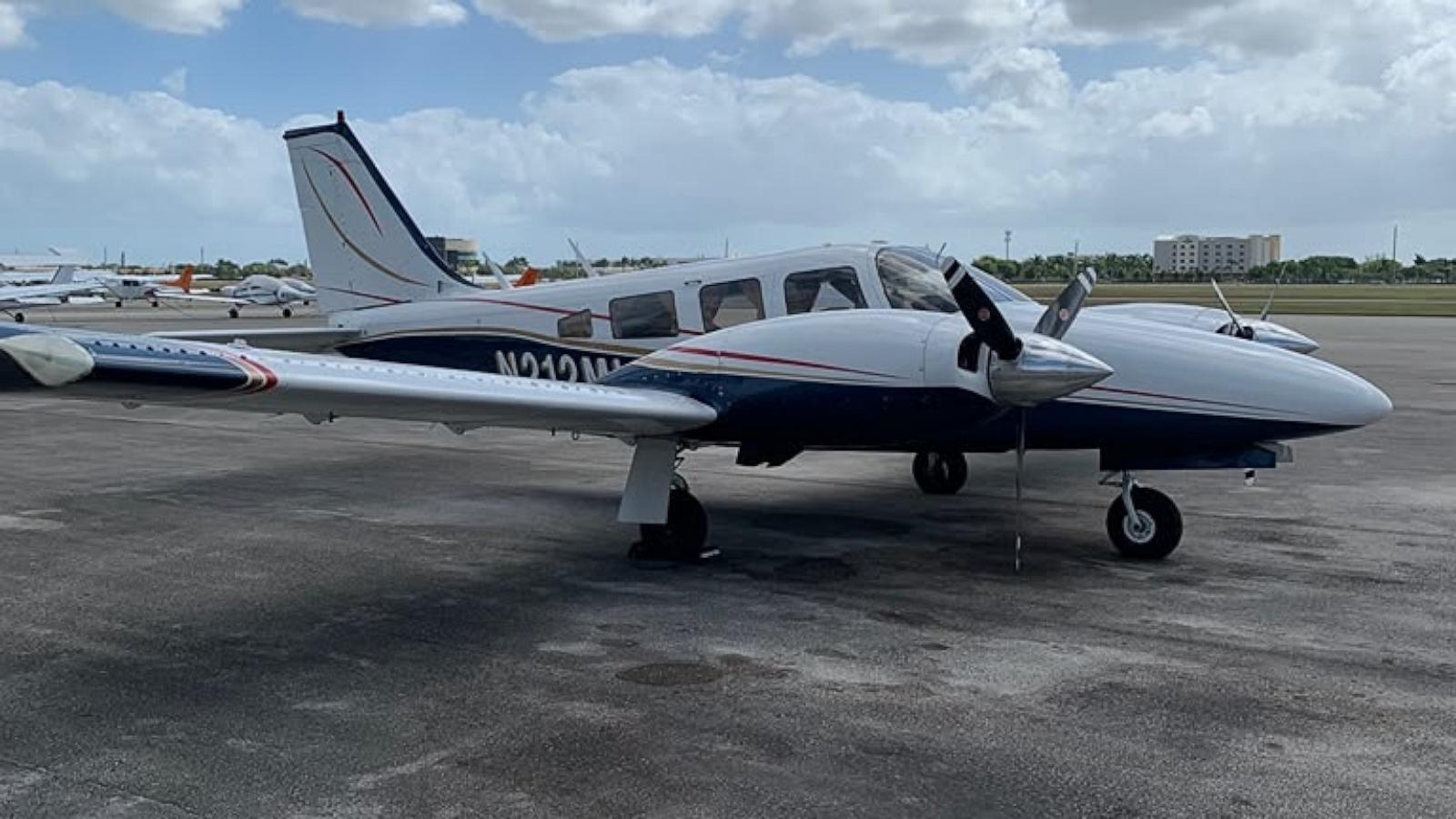
The plane is identified as a PA-34 Piper five-seater, tail number N212ML.
Bahamas police and the U.S. Coast Guard are coordinating the search.
The search includes a U.S. Coast Guard HC-144 Ocean Sentry aircraft.
The search was paused due to bad weather, with no set time to resume.
Family members have asked for any help or information to find the missing plane.
Read the Original
Want the full story? Tap a source to open the original
article.
Thirty years after the death of Argentine singer Gilda in a bus crash, she remains a popular folk saint in Argentina. Fans visit a memorial site where they pray for healing and help, treating her as a spiritual figure outside official church recognition.
Key Facts
Gilda’s real name was Miriam Alejandra Bianchi; she died at age 34 in a bus accident.
She was a famous singer of cumbia, a popular style of Latin dance music in Argentina.
After her death, her music continued to sell well, and her songs became culturally significant.
Many fans believe she performs miracles and pray to her for protection and healing.
A memorial with the crashed bus is a pilgrimage site filled with offerings like flowers and candles.
A nearby chapel holds items left by people who believe Gilda helped them with wishes like marriage or recovery from illness.
Gilda is not officially recognized as a saint by the Catholic Church but is honored as a folk saint by followers.
Her story shows how cultural figures can become important spiritual symbols for communities.
Read the Original
Want the full story? Tap a source to open the original
article.
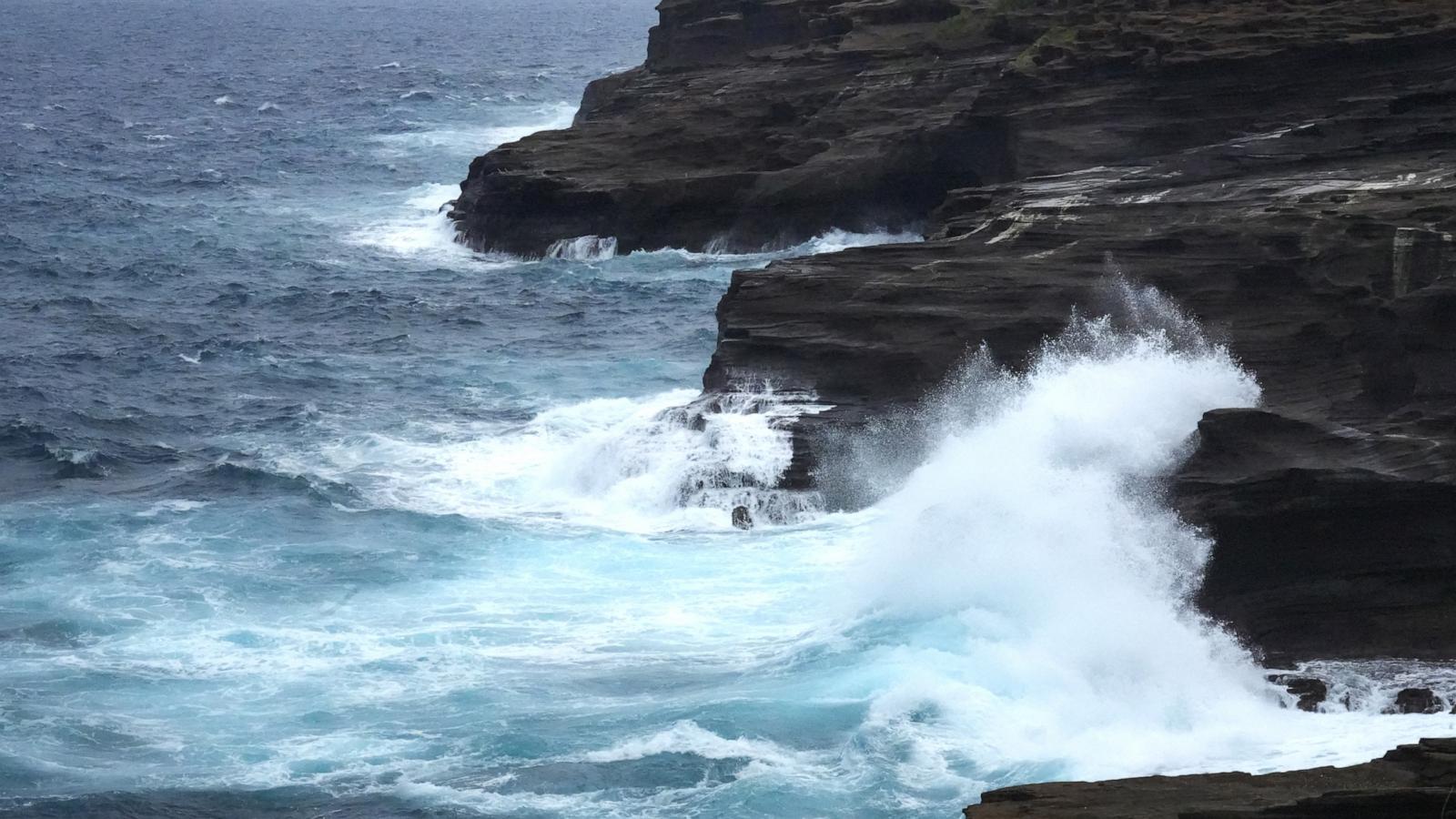
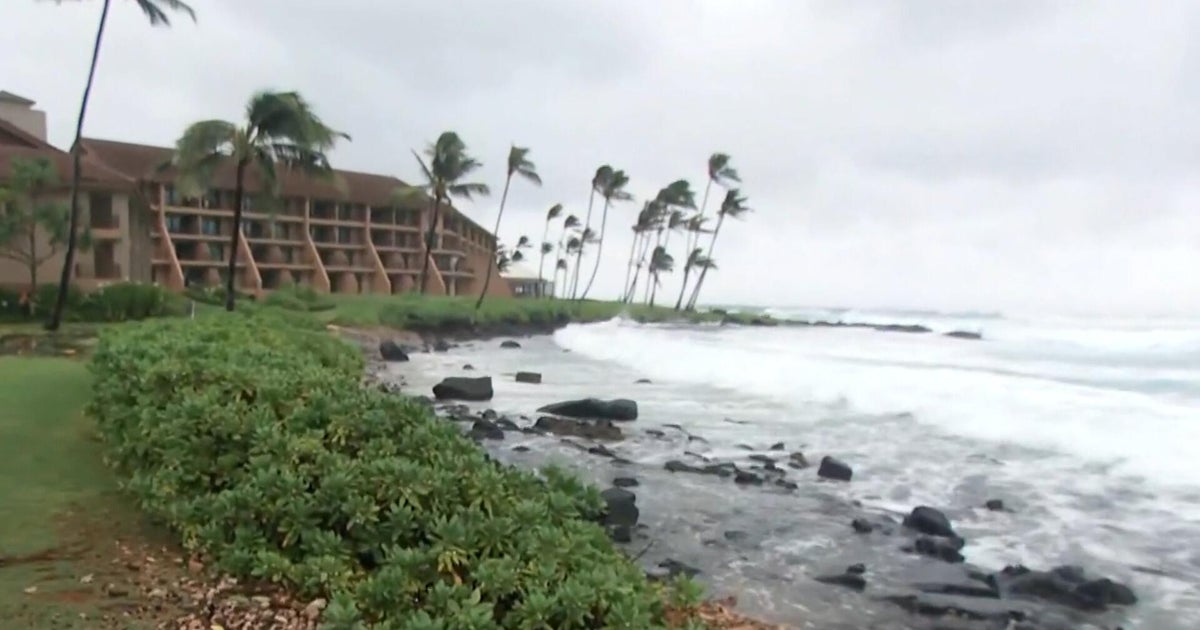
Hurricane Lowell is approaching the western Hawaiian islands, mainly Kauai and Niihau, with strong winds and heavy rain expected. Officials have closed schools and government offices on Kauai and warned residents to prepare for potential flooding, mudslides, and power outages.
Key Facts
Hurricane Lowell is a Category 2 storm moving near Kauai and Niihau.
The hurricane warning is in effect for Kauai County, and a tropical storm warning for Oahu, including Honolulu.
Rainfall could reach up to 16 inches on Kauai and 12 inches on the Big Island, causing flash floods and mudslides.
Wind gusts may reach 74 mph in Kauai County and 40 mph on Oahu.
Officials closed public schools and government offices on Kauai for September 8.
Residents in low-lying and coastal areas have been advised to prepare for evacuation.
Campgrounds and parks on Kauai are closed, and tourists have been urged to shelter in place.
People are advised to secure property, fill gas tanks, charge devices, and stock water, food, and medications.
Read the Original
Want the full story? Tap a source to open the original
article.
Canada has started applying tariffs on about C$28 billion worth of American products in response to U.S. tariffs on Canadian goods. Both countries want to make a trade deal, but talks have stalled, and tensions remain high between the two neighbors.
Key Facts
Canada’s tariffs affect U.S. goods like steel, furniture, and cotton T-shirts, with some tariffs as high as 50%.
Fresh fish and lobster were initially included but later removed from Canada’s tariffs due to pressure from Canadian seafood businesses.
U.S. and Canadian officials say they want a trade deal, but no talks have happened since August.
President Donald Trump threatened to stop U.S. business with Canadian plane maker Bombardier unless it moves production to the U.S.
The U.S. has 25% tariffs on Canadian cars, trucks, steel, aluminum, and lumber, plus new 50% tariffs on items like dairy and hockey sticks.
Canada’s tariffs are meant to match U.S. tariffs in value, targeting hundreds of American products.
The trade conflict risks higher prices for consumers in both countries on everyday items.
Most Canadians support Canada’s tariffs, but businesses worry about ongoing escalation and economic impact.
Read the Original
Want the full story? Tap a source to open the original
article.
Australia will introduce new laws that let social media users over 16 choose to turn off algorithms that show content automatically. These laws aim to improve online safety and protect young users from harmful content, with heavy fines for companies that do not comply.
Key Facts
Users over 16 can opt out of algorithm-driven feeds, seeing only content from people or groups they follow.
Social media platforms face fines over A$100 million if they do not follow the new rules.
The new laws also protect users under 18 from harmful content like pornography, eating disorder promotion, and bullying.
Australia’s eSafety commissioner will be able to demand removal of harmful content from platforms.
Users will set their default feed through a pop-up message when using social media.
Prime Minister Anthony Albanese will speak about these laws at the United Nations General Assembly.
The laws require support from the Greens party and face opposition from the Liberals and Nationals.
Other countries like France, Britain, and New Zealand are creating similar laws for children's online safety.
Read the Original
Want the full story? Tap a source to open the original
article.
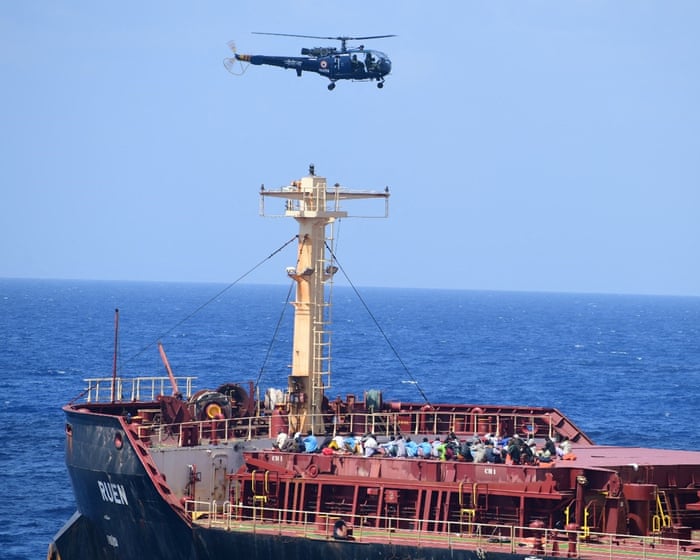
Somali piracy has increased recently, with eight hijackings reported since April, driven by regional conflicts and political instability in Somalia. The rise in pirate attacks is linked to disruptions caused by the US-Israeli war against Iran and reduced international anti-piracy efforts.
Key Facts
Somali pirates have hijacked eight vessels since April 2024, including an oil tanker and a military equipment ship.
Piracy off Somalia was widespread from 2005, with over 1,000 attacks and millions paid in ransoms before international naval forces reduced incidents.
The recent hijacking of the Cameroonian-flagged ship Lutuf ended after a joint Turkish-Somali action destroyed four pirate boats.
A $2.5 million ransom was reportedly paid for the Lutuf’s release.
Naval focus has shifted toward the US-Israeli war against Iran, allowing Somali pirates more freedom due to fewer patrols.
About 70% of ships that used to pass the Red Sea now detour around South Africa to avoid attacks by Iran’s Houthi proxies.
Somalia's weak government and lack of resources make it hard to secure its long coastline.
Higher oil prices make oil tankers more attractive targets for pirates.
Read the Original
Want the full story? Tap a source to open the original
article.
A UK survey shows most people, including Conservative and Reform party voters, do not want to cut disability benefits, with many supporting increased spending. Upcoming government reviews may seek to reduce disability benefit costs, but public support for such cuts is low and politically sensitive.
Key Facts
Only 7% of people surveyed back cuts to disability benefits, while 49% want more spending.
Among Conservative and Reform voters, 40% support more spending on disability benefits, and just 10% support cuts.
Labour voters showed even stronger support, with 57% wanting increased benefits and just 5% supporting cuts.
The survey included 4,656 people across the UK and was conducted from August to October 2025.
Disability benefit spending has increased recently, but total welfare spending has remained steady.
Two official reviews are expected to propose changes to disability benefits and support for unemployed young people.
Previous government plans to cut £5 billion in disability benefits were reversed after public opposition and political pushback.
The report warns that public opinion on cuts could vary depending on who is affected and how clearly the impact is explained.
Read the Original
Want the full story? Tap a source to open the original
article.
North Korea and Russia have opened their first road bridge over the Tumen River, linking the border cities of Rason and Khasan. The bridge is intended for trade, tourism, and personal travel, but some analysts believe it could also support military logistics between the two countries.
Key Facts
The new road bridge connects Russia and North Korea across the Tumen River.
It can handle up to 300 vehicles and 2,323 people crossing daily.
Both governments describe the bridge as important for cooperation in trade, tourism, and culture.
Some groups say the bridge may be used to secretly move military supplies related to Russia’s war in Ukraine.
The bridge was completed in 495 days after construction began in 2025.
It follows a 2024 partnership treaty signed during Russian President Vladimir Putin’s visit to North Korea.
Besides the bridge, there are existing rail and air connections between the two countries.
About 10,000 North Korean workers currently work in Russia’s construction and logging industries, despite UN bans on such labor.
Read the Original
Want the full story? Tap a source to open the original
article.
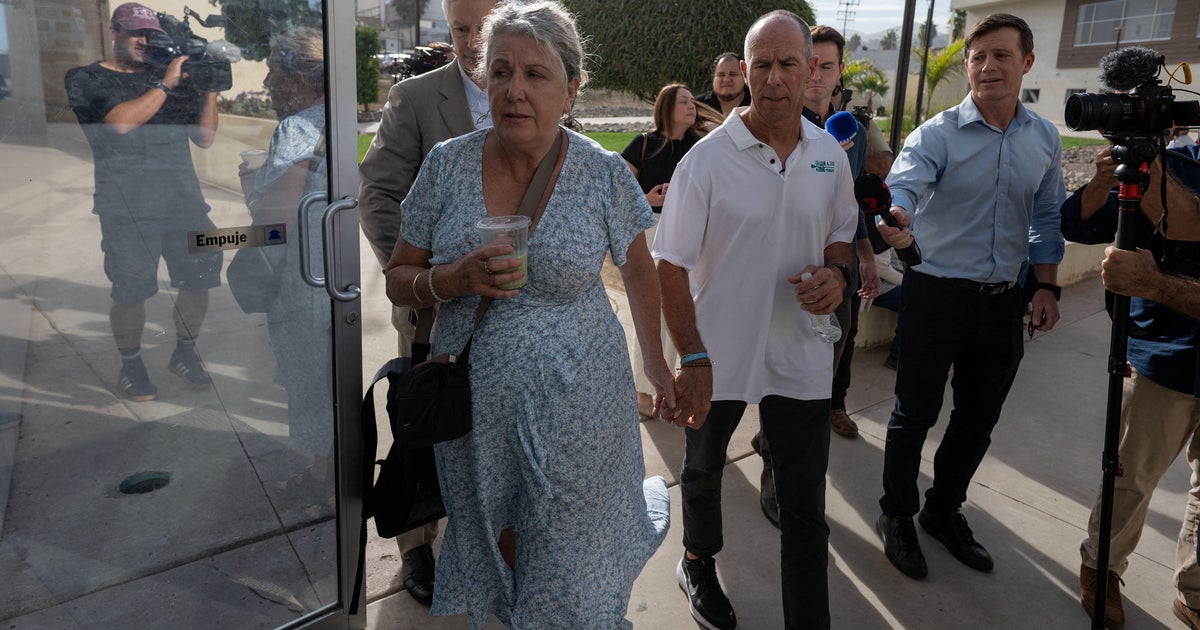
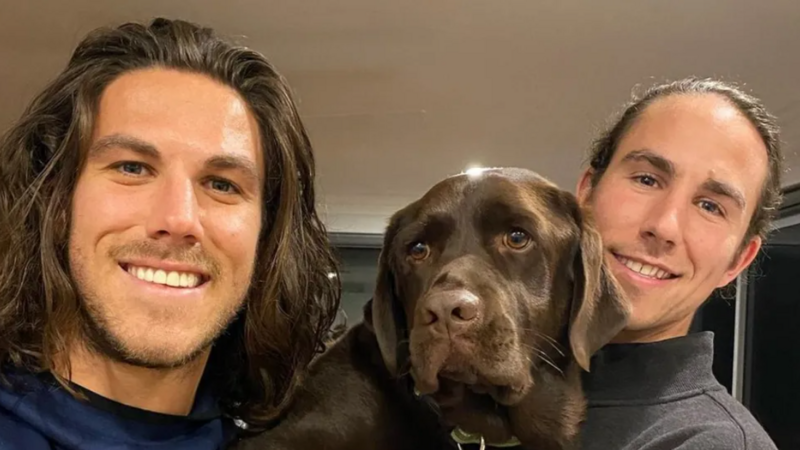
Three men have gone on trial in Mexico for killing two Australian brothers and one American surfer during a suspected robbery in 2024. The victims were shot while camping near Ensenada, Baja California, and their bodies were found days later in a cliff-top shaft.
Key Facts
The victims were Australians Jake and Callum Robinson and their American friend Jack Carter Rhoad.
They were on a surfing trip in April 2024 when they were attacked and killed.
The attackers tried to steal their pickup truck, which was later found burned.
The victims’ bodies showed gunshot wounds to the head and were discovered on May 3, 2024.
Three men are now on trial for the murders in Ensenada, Mexico.
One witness, the stepson of an accused, testified about the attack while hiding his face.
Ary Gisell Silva was previously sentenced to 20 years for encouraging the robbery to steal tires.
The case caused grief in Australia and the U.S. and drew widespread attention on social media.
Read the Original
Want the full story? Tap a source to open the original
article.
Flights to and from Jakarta, Indonesia’s capital, resumed after a two-day closure caused by ash from the eruption of Anak Krakatau volcano. Nearly 3,000 flights were canceled during the closure, which affected several airports in western Indonesia.
Key Facts
Anak Krakatau volcano erupted early Sunday, spreading ash over western Indonesia.
Soekarno-Hatta International Airport and other airports serving Jakarta reopened just after midnight Tuesday.
Three other airports remained closed until 10 a.m. due to changing wind that could carry ash.
Nearly 2,961 flights were canceled, including 622 international flights, affecting about 341,000 passengers.
Airports conducted inspections and cleaning to remove volcanic ash from runways and equipment.
Anak Krakatau’s eruption ended Sunday but the volcano remained active with eruptions reported early Tuesday.
Schools in areas affected by ash were allowed to switch to online learning temporarily.
Anak Krakatau is located in the Sunda Strait and is the "child" of the larger Krakatau volcano, famous for a massive 1883 eruption.
Read the Original
Want the full story? Tap a source to open the original
article.
Hurricane Lowell is approaching the Hawaiian islands, especially near Kauai and Niihau, bringing strong winds, heavy rain, and possible mudslides and tornadoes. Officials have closed schools and government offices to keep people safe and prepare for dangerous weather conditions.
Key Facts
Hurricane Lowell is near Kauai and Niihau and is a Category 2 hurricane as of the report.
Kauai County, including Kauai and Niihau islands, is under a hurricane warning from the National Hurricane Center.
Up to 16 inches (40 cm) of rain is expected in some areas, with risks of mudslides, tornadoes, and dangerous ocean currents.
Schools, government offices, and community colleges in Kauai County are closed to keep people off the roads.
The hurricane is predicted to pass over or just west of Niihau late Monday and early Tuesday.
Tropical storm warnings are also in effect for Oahu, Maui, and the Big Island, with heavy rains expected.
Residents are advised to stay indoors, avoid shorelines, prepare for power outages, and follow emergency instructions.
Recently, Hawaii was affected by Tropical Storm Lala, which caused landslides, home damage, and power outages.
Read the Original
Want the full story? Tap a source to open the original
article.
The UK government plans to announce new trade restrictions on goods made in Israeli settlements in the occupied West Bank. These restrictions aim to change the UK’s approach to the Israel-Palestine conflict and support a two-state solution, amid rising tensions in the region.
Key Facts
Foreign Secretary Ed Miliband is expected to announce measures limiting trade with Israeli settlements in the West Bank.
The restrictions may specifically target agricultural products and could include both goods and services.
Jewish settlements in the West Bank are considered illegal under international law.
The UK government sees this as a major change in its policy on Israel and Palestine.
Israel has warned it may respond negatively to the new UK measures.
British Prime Minister Andy Burnham has communicated with President Donald Trump about the importance of a two-state solution.
Israel recently opened tenders to build 1,200 homes in a sensitive area east of Jerusalem, drawing international condemnation.
The UK government’s move follows its official recognition of a Palestinian state nearly a year ago.
Read the Original
Want the full story? Tap a source to open the original
article.
Three men have gone on trial in Mexico for the murder of two Australian brothers and their American friend, who were killed during a surf trip in Baja California in 2024. Their bodies were found with gunshot wounds at the bottom of a well, and prosecutors are seeking long prison sentences for the accused.
Key Facts
Callum and Jake Robinson, Australian brothers, and their friend Carter Rhoad from California were found dead with gunshot wounds in Baja California.
The three men accused are Jesús "El Kekas" Gerardo, Irineo Francisco, and Ãngel Jesús.
Prosecutors want over 200 years of jail time for each defendant, plus an extra 168 years for the alleged ringleader.
The trial is judge-only and expected to last four weeks, with many witnesses testifying.
The victims were reportedly killed during a failed robbery and car theft.
The accused’s ex-girlfriend was already convicted and sentenced to 20 years for her part in the murders.
Callum was a professional lacrosse player in San Diego; Jake was about to start work as a doctor.
The deaths shocked the local and Australian communities because Baja California’s surf towns are generally peaceful despite regional cartel violence.
Read the Original
Want the full story? Tap a source to open the original
article.
Ukraine's chief prosecutor, Ruslan Kravchenko, resigned following allegations of corruption connected to illegal call centres involved in phone scams and money laundering. Despite denying the accusations, Kravchenko stepped down after Ukrainian anti-corruption agencies uncovered a scheme within his office.
Key Facts
Ruslan Kravchenko resigned as Ukraine's chief prosecutor amid corruption claims.
Investigators found a money-laundering scheme linked to call centres conducting phone scams.
The scheme reportedly used illegal money to buy property and valuables.
Kravchenko denied the allegations and said he did not want his role used for political fights.
Anti-corruption bodies Nabu and Sap led the investigation into the scandal.
Corruption has been a long-standing issue in Ukraine, affecting government trust.
President Volodymyr Zelensky has faced criticism and protests related to anti-corruption reform efforts.
A former defense minister, critical of government governance, said Zelensky should be questioned about his knowledge of corruption but offered no proof of the president’s involvement.
Read the Original
Want the full story? Tap a source to open the original
article.
Despite heavy rain in the last week of August and early September, most of England and all of Wales remain in drought. Water companies continue to enforce hosepipe bans because water levels in reservoirs are still low and more rain is needed to end the drought.
Key Facts
The week from August 28 to September 3 saw the most rain since early February, with 26mm in southeast England and up to 48mm in central England.
All of Wales and most of England remain in drought, according to the Environment Agency.
Water companies keep temporary hosepipe bans in place in ten areas to limit water use.
Reservoir levels are still falling despite recent rain.
Some parts of Scotland have had nearly half their usual September rainfall, while southern England and south Wales remain very dry.
More rain and some strong winds are expected this week, especially in northern UK regions.
Temperatures this week will be around 17 to 21 degrees Celsius, with some areas warming to the mid-20s later.
The long-term forecast shows no clear signs of enough rain to end the drought in the next month.
Read the Original
Want the full story? Tap a source to open the original
article.
Prince George, the 13-year-old son of Prince William and Catherine, is starting at Eton College, a historic and elite private school in Berkshire, England. He is following his father and other family members by attending the school as a boarder.
Key Facts
Prince George is 13 years old and second in line to the British throne.
He will board at Eton College, which charges about £65,000 a year in fees.
Eton College has educated 20 British prime ministers and many well-known figures.
Prince George's father, Prince William, and other relatives also attended Eton.
The school has 25 boarding houses, each with around 55 students and house masters who oversee them.
Eton offers private single rooms for each boarding student.
The school is known for combining historic buildings with modern facilities and approaches.
It is located near Prince George’s family home in Windsor.
Read the Original
Want the full story? Tap a source to open the original
article.
A small plane carrying two grandparents and two grandchildren went missing after apparently crashing off the coast of the Bahamas on September 7, 2026. Authorities from the U.S. Coast Guard and Bahamian police are conducting a search for the four people on board.
Key Facts
The plane was a PA-34 Piper five-seater with tail number N212ML.
It took off from Great Harbour Cay around 11:12 a.m., heading to Miami Executive Airport.
Contact with the plane was lost about 13 miles west of Andros Island.
The missing passengers are Mario Lamar Sr. (80), Lili Lamar (79), Sofi Sosa (28), and Christian Sosa (22).
Mario Lamar Sr. was an experienced pilot with over 40 years of flying experience.
The Royal Bahamian Defense Force asked for U.S. Coast Guard assistance around 2 p.m. after reports of a downed plane.
Bad weather has delayed parts of the search operation.
Families of the missing have requested all available resources be used in the search.
Read the Original
Want the full story? Tap a source to open the original
article.