Flights to and from Jakarta, Indonesia’s capital, resumed after a two-day closure caused by ash from the eruption of Anak Krakatau volcano. Nearly 3,000 flights were canceled during the closure, which affected several airports in western Indonesia.
Key Facts
Anak Krakatau volcano erupted early Sunday, spreading ash over western Indonesia.
Soekarno-Hatta International Airport and other airports serving Jakarta reopened just after midnight Tuesday.
Three other airports remained closed until 10 a.m. due to changing wind that could carry ash.
Nearly 2,961 flights were canceled, including 622 international flights, affecting about 341,000 passengers.
Airports conducted inspections and cleaning to remove volcanic ash from runways and equipment.
Anak Krakatau’s eruption ended Sunday but the volcano remained active with eruptions reported early Tuesday.
Schools in areas affected by ash were allowed to switch to online learning temporarily.
Anak Krakatau is located in the Sunda Strait and is the "child" of the larger Krakatau volcano, famous for a massive 1883 eruption.
Read the Original
Want the full story? Tap a source to open the original
article.
Hurricane Lowell is approaching the Hawaiian islands, especially near Kauai and Niihau, bringing strong winds, heavy rain, and possible mudslides and tornadoes. Officials have closed schools and government offices to keep people safe and prepare for dangerous weather conditions.
Key Facts
Hurricane Lowell is near Kauai and Niihau and is a Category 2 hurricane as of the report.
Kauai County, including Kauai and Niihau islands, is under a hurricane warning from the National Hurricane Center.
Up to 16 inches (40 cm) of rain is expected in some areas, with risks of mudslides, tornadoes, and dangerous ocean currents.
Schools, government offices, and community colleges in Kauai County are closed to keep people off the roads.
The hurricane is predicted to pass over or just west of Niihau late Monday and early Tuesday.
Tropical storm warnings are also in effect for Oahu, Maui, and the Big Island, with heavy rains expected.
Residents are advised to stay indoors, avoid shorelines, prepare for power outages, and follow emergency instructions.
Recently, Hawaii was affected by Tropical Storm Lala, which caused landslides, home damage, and power outages.
Read the Original
Want the full story? Tap a source to open the original
article.
The UK government plans to announce new trade restrictions on goods made in Israeli settlements in the occupied West Bank. These restrictions aim to change the UK’s approach to the Israel-Palestine conflict and support a two-state solution, amid rising tensions in the region.
Key Facts
Foreign Secretary Ed Miliband is expected to announce measures limiting trade with Israeli settlements in the West Bank.
The restrictions may specifically target agricultural products and could include both goods and services.
Jewish settlements in the West Bank are considered illegal under international law.
The UK government sees this as a major change in its policy on Israel and Palestine.
Israel has warned it may respond negatively to the new UK measures.
British Prime Minister Andy Burnham has communicated with President Donald Trump about the importance of a two-state solution.
Israel recently opened tenders to build 1,200 homes in a sensitive area east of Jerusalem, drawing international condemnation.
The UK government’s move follows its official recognition of a Palestinian state nearly a year ago.
Read the Original
Want the full story? Tap a source to open the original
article.
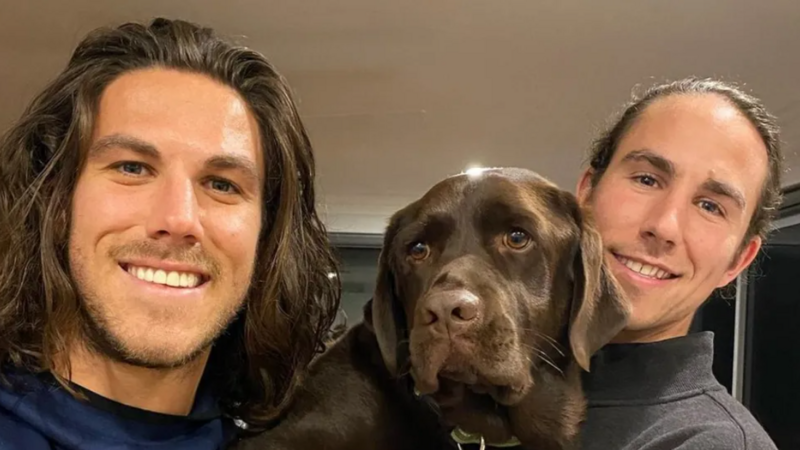
Three men have gone on trial in Mexico for the murder of two Australian brothers and their American friend, who were killed during a surf trip in Baja California in 2024. Their bodies were found with gunshot wounds at the bottom of a well, and prosecutors are seeking long prison sentences for the accused.
Key Facts
Callum and Jake Robinson, Australian brothers, and their friend Carter Rhoad from California were found dead with gunshot wounds in Baja California.
The three men accused are Jesús "El Kekas" Gerardo, Irineo Francisco, and Ãngel Jesús.
Prosecutors want over 200 years of jail time for each defendant, plus an extra 168 years for the alleged ringleader.
The trial is judge-only and expected to last four weeks, with many witnesses testifying.
The victims were reportedly killed during a failed robbery and car theft.
The accused’s ex-girlfriend was already convicted and sentenced to 20 years for her part in the murders.
Callum was a professional lacrosse player in San Diego; Jake was about to start work as a doctor.
The deaths shocked the local and Australian communities because Baja California’s surf towns are generally peaceful despite regional cartel violence.
Read the Original
Want the full story? Tap a source to open the original
article.
Ukraine's chief prosecutor, Ruslan Kravchenko, resigned following allegations of corruption connected to illegal call centres involved in phone scams and money laundering. Despite denying the accusations, Kravchenko stepped down after Ukrainian anti-corruption agencies uncovered a scheme within his office.
Key Facts
Ruslan Kravchenko resigned as Ukraine's chief prosecutor amid corruption claims.
Investigators found a money-laundering scheme linked to call centres conducting phone scams.
The scheme reportedly used illegal money to buy property and valuables.
Kravchenko denied the allegations and said he did not want his role used for political fights.
Anti-corruption bodies Nabu and Sap led the investigation into the scandal.
Corruption has been a long-standing issue in Ukraine, affecting government trust.
President Volodymyr Zelensky has faced criticism and protests related to anti-corruption reform efforts.
A former defense minister, critical of government governance, said Zelensky should be questioned about his knowledge of corruption but offered no proof of the president’s involvement.
Read the Original
Want the full story? Tap a source to open the original
article.
Despite heavy rain in the last week of August and early September, most of England and all of Wales remain in drought. Water companies continue to enforce hosepipe bans because water levels in reservoirs are still low and more rain is needed to end the drought.
Key Facts
The week from August 28 to September 3 saw the most rain since early February, with 26mm in southeast England and up to 48mm in central England.
All of Wales and most of England remain in drought, according to the Environment Agency.
Water companies keep temporary hosepipe bans in place in ten areas to limit water use.
Reservoir levels are still falling despite recent rain.
Some parts of Scotland have had nearly half their usual September rainfall, while southern England and south Wales remain very dry.
More rain and some strong winds are expected this week, especially in northern UK regions.
Temperatures this week will be around 17 to 21 degrees Celsius, with some areas warming to the mid-20s later.
The long-term forecast shows no clear signs of enough rain to end the drought in the next month.
Read the Original
Want the full story? Tap a source to open the original
article.
Prince George, the 13-year-old son of Prince William and Catherine, is starting at Eton College, a historic and elite private school in Berkshire, England. He is following his father and other family members by attending the school as a boarder.
Key Facts
Prince George is 13 years old and second in line to the British throne.
He will board at Eton College, which charges about £65,000 a year in fees.
Eton College has educated 20 British prime ministers and many well-known figures.
Prince George's father, Prince William, and other relatives also attended Eton.
The school has 25 boarding houses, each with around 55 students and house masters who oversee them.
Eton offers private single rooms for each boarding student.
The school is known for combining historic buildings with modern facilities and approaches.
It is located near Prince George’s family home in Windsor.
Read the Original
Want the full story? Tap a source to open the original
article.
A small plane carrying two grandparents and two grandchildren went missing after apparently crashing off the coast of the Bahamas on September 7, 2026. Authorities from the U.S. Coast Guard and Bahamian police are conducting a search for the four people on board.
Key Facts
The plane was a PA-34 Piper five-seater with tail number N212ML.
It took off from Great Harbour Cay around 11:12 a.m., heading to Miami Executive Airport.
Contact with the plane was lost about 13 miles west of Andros Island.
The missing passengers are Mario Lamar Sr. (80), Lili Lamar (79), Sofi Sosa (28), and Christian Sosa (22).
Mario Lamar Sr. was an experienced pilot with over 40 years of flying experience.
The Royal Bahamian Defense Force asked for U.S. Coast Guard assistance around 2 p.m. after reports of a downed plane.
Bad weather has delayed parts of the search operation.
Families of the missing have requested all available resources be used in the search.
Read the Original
Want the full story? Tap a source to open the original
article.
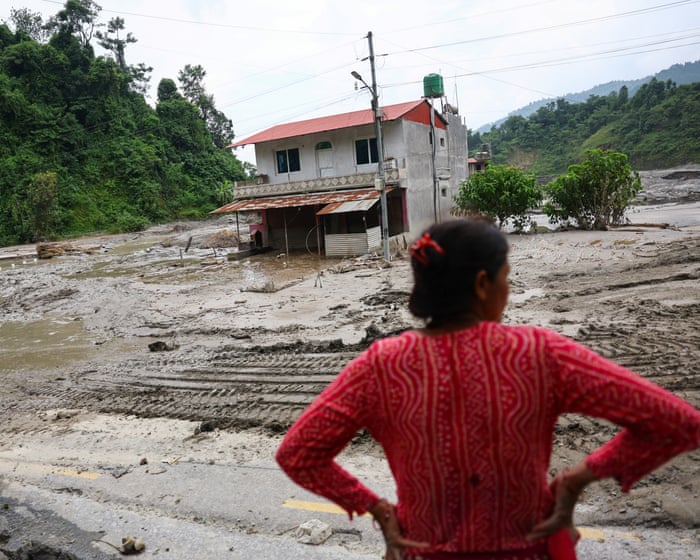
Nepal is asking for $20 million in climate compensation after floods caused by a melting glacier killed or left missing over 6,000 people. Nepal’s foreign minister said rich, polluting countries should share responsibility because climate change made the disaster worse.
Key Facts
The floods were triggered by a glacier collapse in Tibet, affecting Nepal and causing landslides and flash floods.
More than 1,300 people are confirmed dead, and over 5,500 remain missing after 12 days of rescue efforts.
Nepal contributes less than 0.1% of global greenhouse gases, while nearby countries India and China are major polluters.
The Himalayan region is warming 50% faster than the global average, causing significant ice loss over the past 30 years.
Nepal’s foreign minister compared the flood’s impact to a tsunami, with waves up to 70 feet and speeds near 180 km/h.
Nepal has formally requested $20 million from the UN’s loss and damage fund, created under the Paris climate agreement.
The total flood damage may exceed $5 billion, with tens of thousands of homes and key infrastructure damaged or destroyed.
Nepal urges global cooperation on climate action rather than blaming individual countries.
Read the Original
Want the full story? Tap a source to open the original
article.
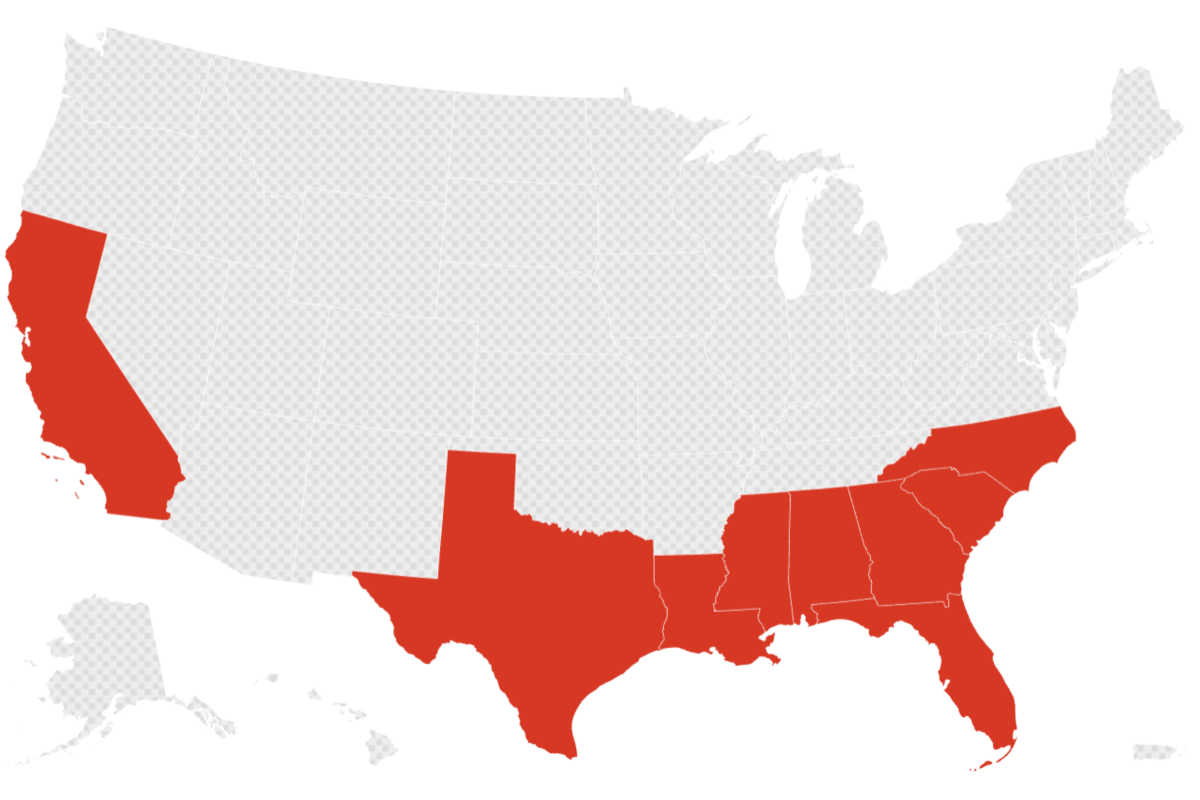
El Niño, a weather pattern caused by warm ocean temperatures in the Pacific, is getting stronger and could bring severe weather to the United States this winter and into early 2027. California, the Southeast, and other parts of the country may see more storms, heavy rain, and warmer temperatures, while some northern areas might be drier.
Key Facts
El Niño happens when the surface of the Pacific Ocean near the equator becomes warmer than usual.
This warming changes weather patterns, often causing wetter weather in the southern U.S. and drier weather in parts of the north.
NOAA says there is more than a 90% chance of a very strong El Niño this winter.
California and Southeastern states could face more intense storms and wetter conditions.
El Niño can bring a mix of weather including floods, droughts, and unusually warm temperatures.
Some Western states might experience increased snow this winter.
Historically strong El Niños have caused major weather disasters, like the 1997-98 floods in California.
The El Niño event is expected to last through early 2027 and may be stronger than any since 1950.
Read the Original
Want the full story? Tap a source to open the original
article.
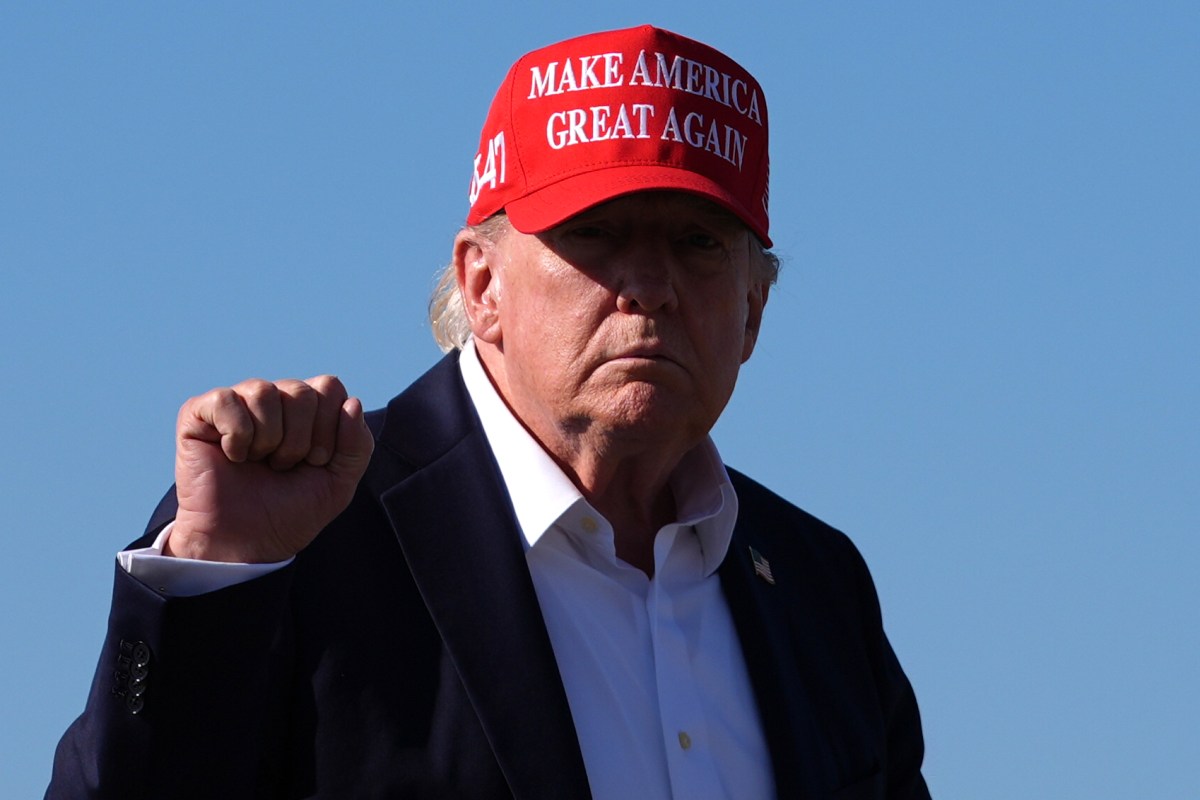
President Donald Trump shared a map on social media showing a very large United States that includes Canada, Mexico, Greenland, Cuba, and other nearby areas. The White House said nothing official about the map, and the countries shown have rejected the idea of joining the U.S.
Key Facts
The map was posted by President Trump on Truth Social and is AI-generated.
It shows the U.S. flag covering most of North America and parts of the Caribbean.
This map does not come with an official explanation or policy from the White House.
President Trump has previously suggested Canada could become a U.S. state and has tried to gain control of Greenland.
Canadian Prime Minister Mark Carney and Mexican President Claudia Sheinbaum have both refused the idea of joining the U.S. or losing sovereignty.
Cuba criticized U.S. policies, saying American sanctions cause hardships like power outages.
President Trump has also renamed U.S.-related geographic areas, like calling the Gulf of Mexico the "Gulf of America."
Experts say the map is likely political messaging, not an actual plan, but nearby countries pay attention to such moves.
Read the Original
Want the full story? Tap a source to open the original
article.
Several UK newspapers report on recent protests in Portsmouth against migrants arriving by small boats, highlighting criticism of the UK Home Office and concerns about public anger. Additionally, King Charles confirmed that Prince Harry and Meghan, Duchess of Sussex, will not return to their official royal roles after moving back to the UK.
Key Facts
Protests against migrants have occurred in Portsmouth, England.
The UK Home Office has faced criticism over how it handled the situation.
Some protesters have targeted lifeboat crews who help migrants at sea.
Conservative leader Kemi Badenoch accused the Labour Party of being indifferent to the migrant issue.
King Charles sent a letter stating Prince Harry and Meghan will not resume royal duties.
Nigel Farage proposed banning full face coverings in public after some protesters wore balaclavas.
The UK government plans to impose sanctions on goods made in Israeli settlements, aiming to support a two-state solution.
Chancellor John Healey may introduce a new ISA savings account to help older first-time homebuyers.
Read the Original
Want the full story? Tap a source to open the original
article.
A new documentary about Elizabeth Holmes, the founder of Theranos, has been released at a film festival. Elizabeth Holmes is currently serving an 11-year prison sentence for deceiving investors.
Key Facts
Elizabeth Holmes founded the health technology company Theranos.
She was convicted of defrauding investors.
Holmes is serving an 11-year prison sentence.
A new documentary featuring her story has debuted at a film festival.
The documentary was co-created by a comedian known for absurdist comedy.
CBS News reporter Lilia Luciano covered the story.
The documentary explores the events around Holmes and Theranos.
Read the Original
Want the full story? Tap a source to open the original
article.
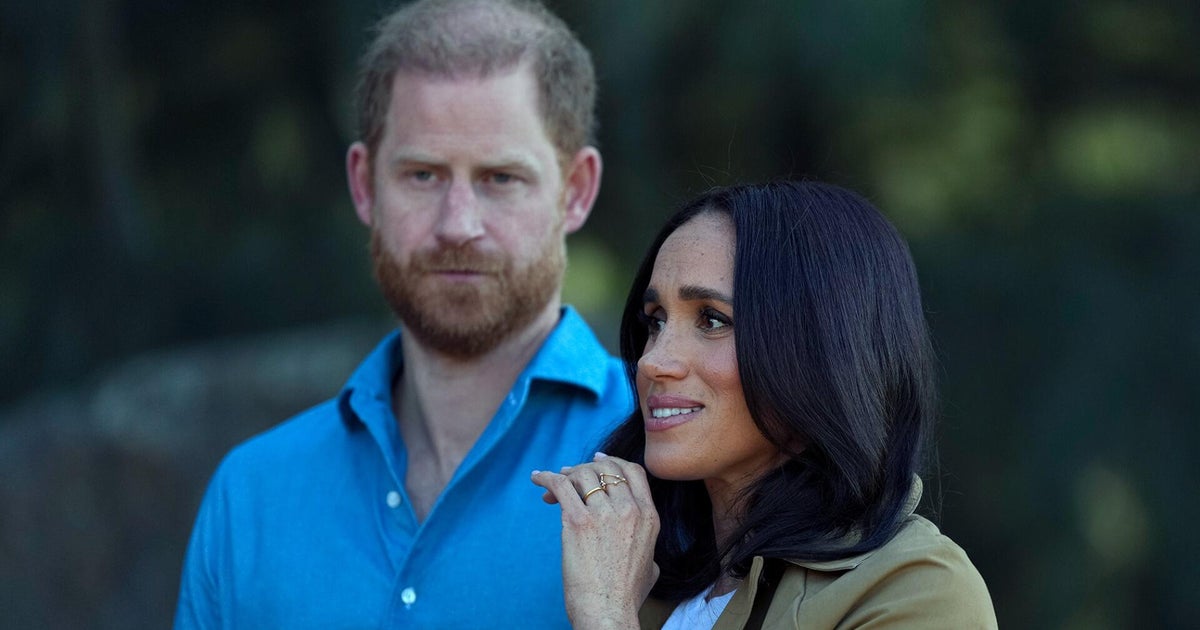
King Charles confirmed that Prince Harry and Meghan Markle will not perform official royal duties. They have returned to the UK but will not work as members of the royal family.
Key Facts
Prince Harry and Meghan Markle have come back to the United Kingdom.
They will not carry out any official duties as part of the royal family.
King Charles issued a letter to clarify their status.
The couple is no longer considered working members of the royal family.
This confirmation was reported by CBS News.
Read the Original
Want the full story? Tap a source to open the original
article.
Five years after the United States withdrew from Afghanistan, the Taliban controls the country again. Taliban fighters are now using weapons and vehicles that were originally American.
Key Facts
The 9/11 attacks happened 25 years ago and were planned inside Afghanistan when the Taliban ruled there.
The U.S. military withdrew from Afghanistan five years ago.
After the withdrawal, the Taliban regained control of Afghanistan.
Taliban fighters are carrying American guns.
They are also using American vehicles.
This shows U.S. equipment remains in use by the Taliban.
Read the Original
Want the full story? Tap a source to open the original
article.
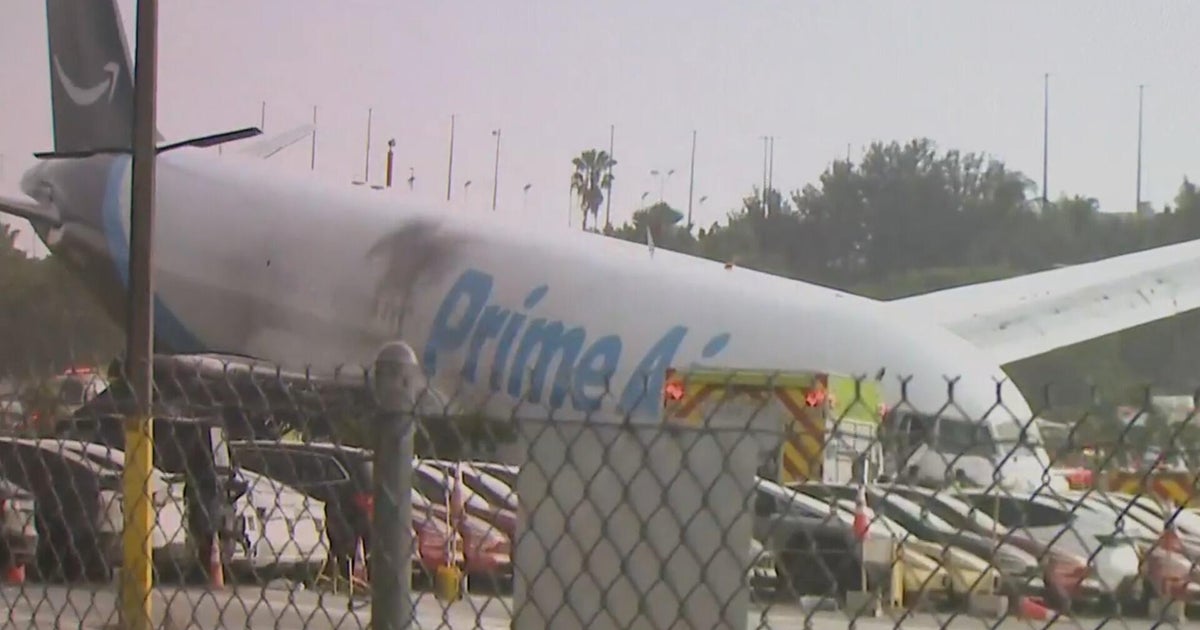
A cargo plane owned by Amazon crashed in Miami, hitting two cars. Five people died and five others were hurt. Officials are investigating why the crash happened.
Key Facts
The crash involved an Amazon cargo plane.
It occurred in Miami on a Sunday.
The plane hit two vehicles on the ground.
Five people died in the accident.
Five other people were injured.
Federal officials have started an investigation.
The cause of the crash is not yet known.
Read the Original
Want the full story? Tap a source to open the original
article.
The Eiffel Tower was closed after staff went on strike because women workers were asked to move away during a visit by a Hindu religious group. The company that runs the tower apologized and said such actions go against their values of gender equality.
Key Facts
A Hindu religious group, BAPS, visited the Eiffel Tower on Saturday.
During the visit, women workers were asked to leave their posts to make space for men.
Staff protested this action, feeling it was humiliating and unfair.
The company managing the tower, SETE, said the demand to limit interaction with women should not have been accepted.
SETE's president confirmed this practice conflicts with their commitment to gender equality.
BAPS apologized for any hurt caused and said their visit was planned to avoid disruption.
Paris officials, including the mayor, called for an investigation and stressed that equality must be respected everywhere.
Political leaders in France criticized the practice and supported workers’ rights to equality.
Read the Original
Want the full story? Tap a source to open the original
article.
Tukaram Mundhe is the food commissioner in Maharashtra, India. Since May, he has led thousands of inspections in restaurants and food businesses, exposing poor hygiene and unsafe practices. His strict actions have drawn widespread attention and increased public awareness about food safety.
Key Facts
Tukaram Mundhe became Maharashtra's food commissioner in May.
He has overseen over 4,000 inspections of food businesses in the state.
His team found many places with cockroaches, spoiled vegetables, and pest infestations.
Around 300 food-related business licenses have been suspended under his leadership.
Over 1,000 improvement notices have been issued to restaurants and shops.
A new complaints portal received more than 16,000 consumer complaints in three months.
Nearly 20% of food samples tested across India in 2025-26 were unsafe or mislabeled.
Mundhe's campaign is unusual for its public visibility and strict enforcement and has made him well-known in India.
Read the Original
Want the full story? Tap a source to open the original
article.
President Donald Trump warned the Canadian aircraft company Bombardier that it must build its planes in the United States to keep selling there. This statement came during a trade dispute between Canada and the US, with both countries imposing tariffs on goods from each other.
Key Facts
President Trump said Bombardier must build planes in the US to sell in the US market.
Bombardier is a large Canadian company based in Montreal and important to Quebec’s economy.
Bombardier already has a factory in Kansas, USA, where it builds military planes and employs 3,500 Americans.
About half of Bombardier’s 5,100 aircraft are used by customers in the US.
The company builds jets in Canada, the US, and Mexico, following a North American trade agreement known as USMCA (CUSMA in Canada).
Canada and the US are in a trade conflict, with Canada planning tariffs on $20 billion of US goods.
Canadian officials say the US made unfair demands during trade talks, leading Canada to end negotiations.
Quebec’s premier supports Bombardier and rejects the idea that companies must produce in certain places to access markets.
Read the Original
Want the full story? Tap a source to open the original
article.
Canada will start applying new tariffs on billions of dollars of goods from the United States early Tuesday, increasing a trade conflict between the two countries. These tariffs are a response to recent US tariffs on Canadian products, and the dispute has also led to tensions between their leaders.
Key Facts
Canada’s tariffs will begin at 12:01 a.m. Tuesday and range from 15% to 50%.
The tariffs cover about C$27.6 billion worth of US imports, including steel, dairy, appliances, farming equipment, paper, and electronics.
These measures respond to the US imposing a 50% tariff on $27.6 billion of Canadian goods starting August 22.
Canada’s tariffs will not apply to US goods already on their way to Canada when the tariffs begin.
US President Donald Trump criticized Canada and put a 50% tariff on Canadian cars and raw materials last month.
The trade disagreement has increased diplomatic tensions between President Trump and Canadian Prime Minister Mark Carney.
A major issue in talks is Quebec’s French-language laws, which the US says may unfairly affect American businesses.
Some US officials, including Vice President JD Vance, have publicly mocked Canadian leadership during the dispute.
Read the Original
Want the full story? Tap a source to open the original
article.