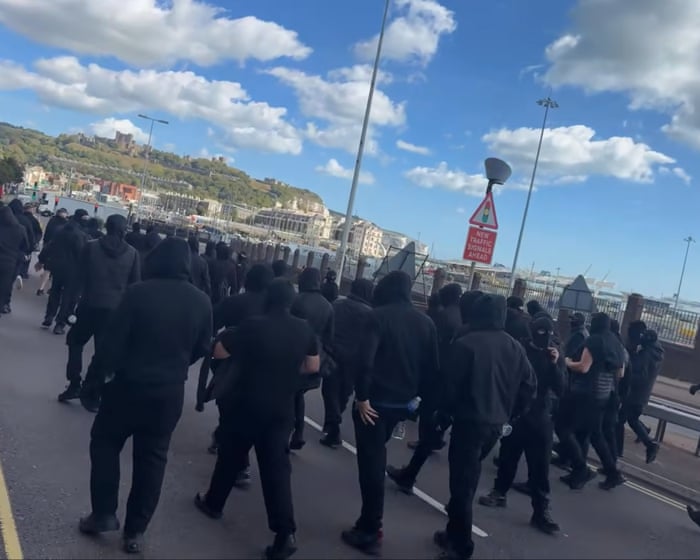
A group of black-clad protesters blocked roads near the Port of Dover, causing traffic delays and disruption on Saturday. A government minister and local MP criticized the protest for disrupting daily life, while police managed the situation without making arrests.
Key Facts
Dozens of protesters dressed in black and wearing masks blocked the A20 road near Dover.
Protesters chanted slogans like “stop the boats” and “England till I die.”
The protest was linked to Patriot Platform, an anti-immigration group with far-right connections.
Traffic was delayed by up to 45 minutes, with congestion stretching about four miles.
Kent police attended the protest, which ended by lunchtime with no arrests.
Business Secretary Jonathan Reynolds said peaceful protest is important but criticized the disruptive tactics and costumes.
Labour MP Mike Tapp raised concerns about police preparedness and called for more officers if similar protests occur again.
The Port of Dover is important for UK trade, handling about one-third of goods moving between the UK and the EU.
Read the Original
Want the full story? Tap a source to open the original
article.
Palestinians in northern Gaza held funerals for about 100 people, including 60 children, whose remains were found in rubble from destroyed buildings. Rescue teams have recovered these remains after weeks of digging, but many more bodies are still believed to be trapped under the ruins, with recovery efforts slowed by a lack of equipment.
Key Facts
Around 100 people’s remains, including 60 children, were recovered in Gaza’s Zeitoun neighborhood.
The remains were carried by families to a central cemetery for burial.
Many victims were from the Malaka family, which lost 55 members.
Recovery crews face delays due to limited heavy machinery and protective gear.
About 8,000 bodies are estimated to still be under rubble in Gaza.
Rescue teams rely on local families to help identify remains and document findings.
Some areas with bodies are under Israeli military control, making access difficult.
Gaza’s Health Ministry says over 73,000 Palestinians have died since the conflict began in October 2023.
Read the Original
Want the full story? Tap a source to open the original
article.
The Royal Navy's aircraft carrier HMS Queen Elizabeth has left Portsmouth to take part in a three-month training mission around the UK and northern Europe. This is the first time the ship will serve as NATO's command ship for the Allied Response Force, practicing how allied navies would work together during a crisis.
Key Facts
HMS Queen Elizabeth weighs 65,000 tonnes and was commissioned in 2017.
The ship left Portsmouth Naval Base at about 18:20 BST on a Saturday evening.
More than 800 sailors are on board for the training mission.
The deployment will last around three months and focus on intensive training exercises.
HMS Queen Elizabeth is now NATO’s command ship for the Allied Response Force, a role it received in July 2025.
The training will prepare the ship and crew to work effectively with allied naval forces in emergencies.
The carrier will soon replace its sister ship HMS Prince of Wales as the Royal Navy’s high-readiness aircraft carrier.
Families and friends waved goodbye to the ship, and the Navy supports personnel and their families during deployments.
Read the Original
Want the full story? Tap a source to open the original
article.
Dogs are very good at noticing changes in their owner's mood, even if the owner tries to hide it. Research shows dogs can sense stress through changes in breath, sweat, and behavior, which can affect how dogs act around their owners.
Key Facts
Dogs notice subtle changes in facial expressions, voice, scent, and body language.
Dogs may become clingy, restless, fearful, or hard to handle when they sense their owner's stress.
Veterinary surgeon Mathieu Glassman sees dogs behave differently when separated from stressed owners during exams.
A 2022 study found dogs can detect stress from human breath and sweat with about 94% accuracy.
Dogs’ physiological responses, like heart rate and hormone levels, can be linked to their owners' stress levels.
Dogs respond to physical and behavioral signals, not necessarily the owner's emotions themselves.
Changes in a dog's normal behavior may indicate it is reacting to owner stress but could also signal illness or other factors.
Owners should observe behavior changes in the context of overall health and timing with stressful events.
Read the Original
Want the full story? Tap a source to open the original
article.
Hundreds of masked protesters blocked roads and access to the Port of Dover for several hours, chanting against migrants arriving by boat. Local council leader Kevin Mills said the police were slow to respond, while a government minister said officers acted quickly and condemned the protest as intimidating.
Key Facts
The protest at the Port of Dover lasted from about 7:00 AM to 11:30 AM.
Hundreds of masked men chanted slogans such as "stop the boats."
The protest caused long traffic jams and blocked port access.
Dover District Council leader Kevin Mills said police were slow to keep roads open.
The police have not publicly identified who organized the protest.
Anti-hate group Hope Not Hate said a network called Patriot Platform arranged the event.
Government minister Jonathan Reynolds said the protest was not peaceful and criticized far-right figures supporting it.
The protest aimed to stop small boats carrying migrants to the UK.
Read the Original
Want the full story? Tap a source to open the original
article.
Israeli settlers have been placing many Israeli flags along roads in the occupied West Bank, especially near Jenin, as a way to show control over the land. This is part of a larger effort that includes setting up new settlements and changing the landscape, which affects Palestinians who live and travel there.
Key Facts
Israeli flags have been placed along major roads in the West Bank, including near Jenin and Nablus.
Palestinians feel these flags and new settler homes change the familiar landscape and highlight Israeli control.
The flag displays often happen alongside military actions that protect settlers.
Illegal Israeli settlements are being set up on Palestinian land with government support.
Since October 7, 2023, violence has increased, with over 1,100 Palestinians killed and many villages displaced.
The Israeli government reviewed plans for more settlement expansions in early 2026.
The settlements and flag displays create challenges for Palestinian movement and identity.
This expansion threatens the possibility of a future Palestinian state by dividing the West Bank.
Read the Original
Want the full story? Tap a source to open the original
article.
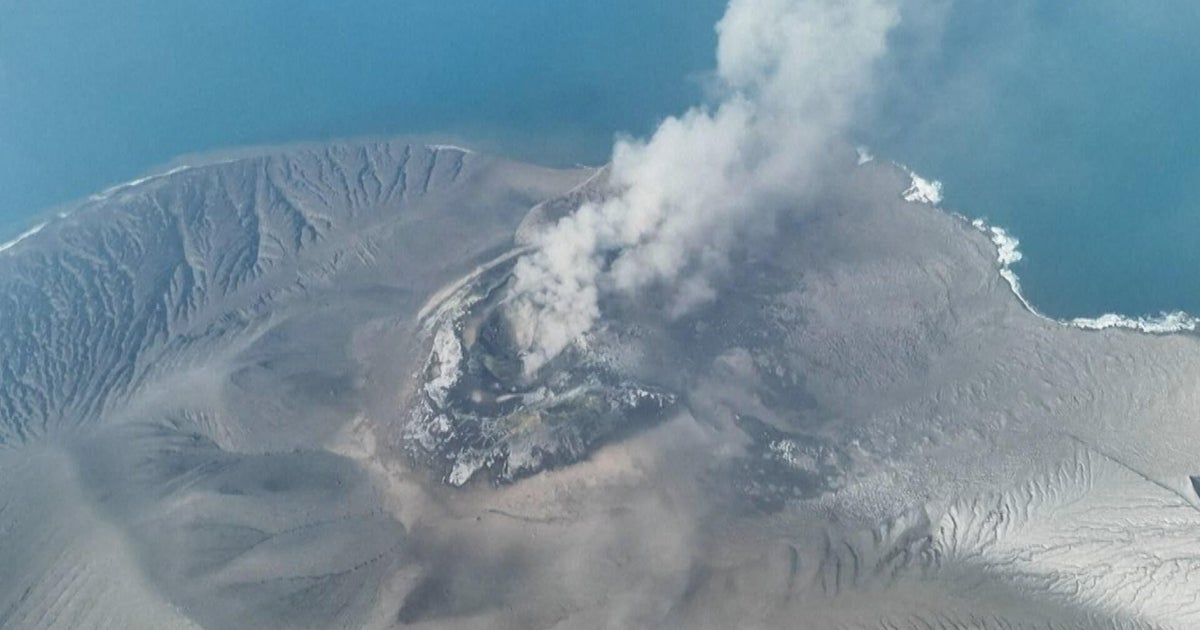
A volcano called Anak Krakatau in Indonesia erupted on Sunday, causing volcanic ash to spread over parts of the country. This made authorities close several airports and cancel many flights to keep people safe, but no injuries or evacuations were reported.
Key Facts
Anak Krakatau is a volcanic island located between Java and Sumatra islands in Indonesia.
The volcano erupted for about 30 seconds early Sunday morning after showing activity since Friday.
Volcanic ash spread over Jakarta and Lampung province, affecting air quality.
Airports in Jakarta and Lampung, including Soekarno-Hatta and Halim Perdanakusuma, were closed due to ash in the air.
More than 500 flights were canceled, impacting around 22,800 passengers at Jakarta's main airport alone.
Authorities advised people to stay at least 2 miles away from the volcano crater.
No casualties or evacuations were reported because nearby towns are more than 10 miles from the volcano.
Anak Krakatau is a "child" of the larger Krakatau volcano, which famously erupted in 1883 and caused a global climate effect.
The 2018 Anak Krakatau eruption caused a tsunami that killed over 400 people and significantly reduced the size of the island.
Read the Original
Want the full story? Tap a source to open the original
article.
Israeli air attacks on southern Lebanon killed at least four people and injured 20 despite a truce. Israel said the strikes targeted Hezbollah after the group launched drones toward Israeli forces, while Lebanon reported damage and casualties from the recent attacks.
Key Facts
Israeli air strikes hit several towns in southern Lebanon, including Nabatieh and Arab Salim.
At least four people were killed and 20 wounded in the attacks.
Israel said it attacked Hezbollah targets after drones were launched at its forces.
Lebanon’s Health Ministry and National News Agency reported damage to homes, historical buildings, and a municipal park.
Israeli forces operate inside a “security zone” about 10 km inside Lebanon.
The number of attacks decreased after US-Iran agreements in June, but strikes continue.
Israel plans to potentially pull back troops closer to its border, creating a new “Grey Line.”
Qatar is urging both sides to reduce tensions through diplomatic talks.
Read the Original
Want the full story? Tap a source to open the original
article.
Chris Nicks, the brother of Fleetwood Mac singer Stevie Nicks, died at age 72 after a private battle with cancer. He was involved in supporting Stevie’s music career and was remembered fondly by family and the Fleetwood Mac community.
Key Facts
Chris Nicks passed away on September 4 at the age of 72.
He battled cancer privately for about two and a half years.
Nicks was Stevie Nicks’ younger brother and worked behind the scenes in her solo tours.
He introduced Stevie before concerts and worked on merchandise for her tours.
Chris appeared in some of Stevie’s music videos and co-wrote a song on her 1985 album.
Mick Fleetwood and other family members paid tribute to him after his death.
Chris is survived by his daughter Nixi, son-in-law Alec, grandchildren, his former wife Lori, and sister Stevie Nicks.
He remained closely connected to Fleetwood Mac though never an official band member.
Read the Original
Want the full story? Tap a source to open the original
article.
Search teams in Nepal are working for the 12th day after severe floods hit the country. Despite difficult conditions, rescuers saved four survivors, but the floods damaged roads and other important infrastructure.
Key Facts
Floods in Nepal caused major destruction and loss of life.
Rescue operations have been ongoing for 12 days.
Four survivors have been rescued during the search efforts.
The flooding harmed roads and other infrastructure, making rescue work harder.
The situation remains challenging for rescuers due to weather and terrain.
A Chinese national was also rescued from a tunnel 10 days after a flash flood.
The floods have attracted international attention and support efforts.
Read the Original
Want the full story? Tap a source to open the original
article.
Voters in Saxony-Anhalt, a state in eastern Germany, voted in an election where the far-right party Alternative für Deutschland (AfD) is expected to do very well. The AfD, which opposes immigration and has ties to Moscow, hopes to win the state government for the first time, challenging the current ruling party, the Christian Democratic Union (CDU).
Key Facts
The AfD has been polling at over 40% in Saxony-Anhalt and aims to win an absolute majority.
The current state government is led by the CDU, allied with two smaller parties.
Major parties have agreed not to cooperate with the AfD, labeled “right-wing extremist” by German intelligence.
Ulrich Siegmund is the AfD’s leading candidate and has a strong social media presence.
The AfD’s campaign includes deporting immigrants, banning LGBTQ rainbow flags in schools, and stopping new wind farms.
Saxony-Anhalt has about 2.1 million people, with economic challenges and a shrinking population.
Opponents have protested against the AfD, fearing negative impacts on society and security.
Recent polls show AfD at 41%, CDU at 23%, and other parties with lower shares.
Read the Original
Want the full story? Tap a source to open the original
article.
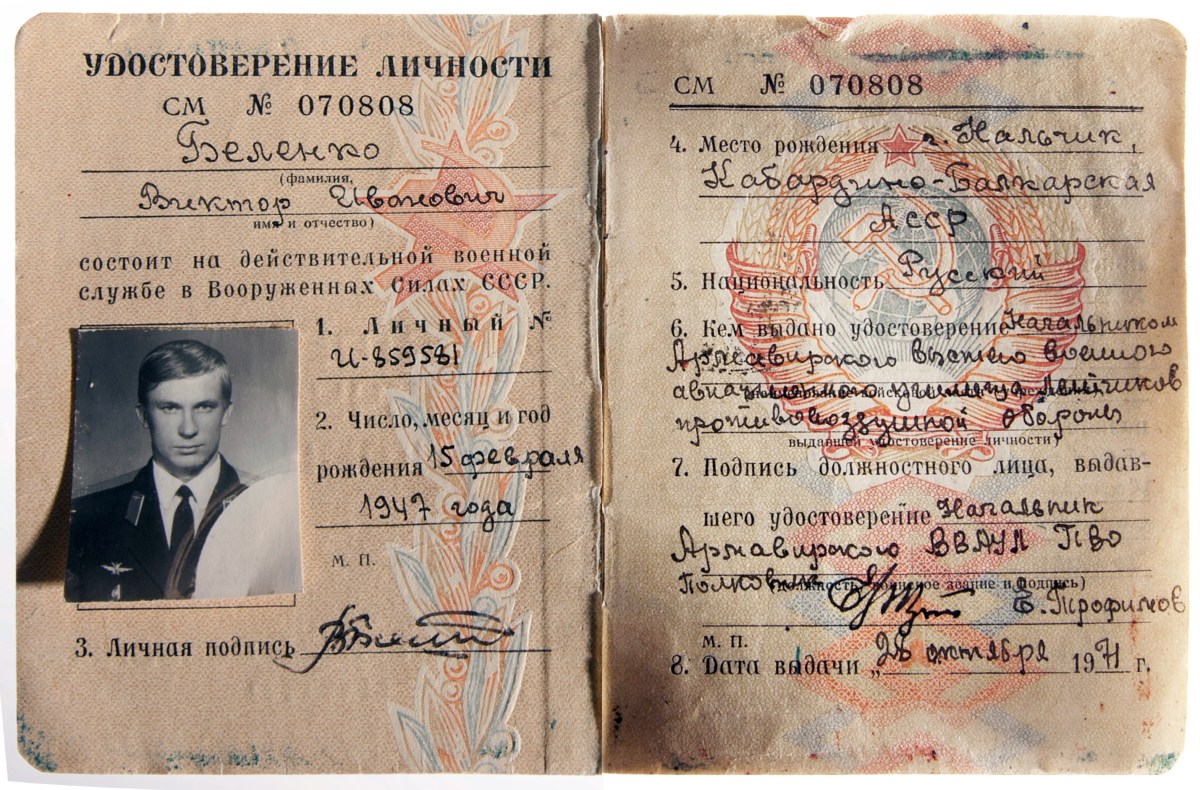
Fifty years ago, Soviet pilot Viktor Belenko defected to the United States by flying his MiG-25 jet to Japan, giving the U.S. valuable intelligence during the Cold War. Recently, several high-profile Russians, including officials and military personnel, have left Russia after Putin’s invasion of Ukraine, causing concern in Moscow about more defections.
Key Facts
Viktor Belenko defected in 1976 by flying a MiG-25 jet from the Soviet Union to Japan.
Belenko was granted political asylum in the U.S., worked for the government and aerospace companies, and died in 2023.
Since Russia’s invasion of Ukraine, several important Russian figures have left the country.
Anatoly Chubais, a former top Kremlin official and economic reformer, fled to Israel and now works at Tel Aviv University.
The Russian government has pursued legal cases against Chubais and others who left.
Gleb Karakulov, a captain in Russia’s secret protective service, defected to Turkey in 2022 after working closely with Putin.
Karakulov revealed details about Putin’s secure communications and limited access to outside information.
Young Russian drone warfare specialist Miroslav Simonov defected to Ukraine and joined a Ukrainian intelligence project.
Read the Original
Want the full story? Tap a source to open the original
article.
Al-Qaeda used multiple bank accounts and money transfers to finance the 9/11 attacks. Key organizers like Mustafa al Hawsawi and Ali Abdul Aziz Ali handled the funds to support the hijackers and muscle men traveling to and within the United States.
Key Facts
On September 6, 2001, hijacker Fayez Banihammad wired $8,055 to Mustafa al Hawsawi’s bank account in the United Arab Emirates.
Mustafa al Hawsawi and Ali Abdul Aziz Ali were the main financial facilitators for the 9/11 hijackers.
Al Hawsawi opened a bank account in Sharjah, UAE, in June 2001, and purchased airline tickets for hijackers using al-Qaeda funds.
Large money transfers to hijackers from the UAE to the U.S. occurred without triggering suspicious activity reports.
The hijackers used cash, bank cards, checking accounts, and traveler's checks to finance their activities in the U.S.
The three key pilots maintained bank accounts in Germany, helping them avoid attention.
More than two dozen money transfers totaling about $65,000 took place in the two weeks before 9/11.
Al Hawsawi also sent money to Zacarias Moussaoui, another individual connected to the attacks.
Read the Original
Want the full story? Tap a source to open the original
article.
Voters in a region of eastern Germany are taking part in an important local election. The far-right party AfD, known for its anti-immigration stance and positive views toward Russia, is the likely winner.
Key Facts
The election is happening in eastern Germany, an area with a history of communism.
The AfD party stands for far-right political views.
AfD opposes immigration.
The party is seen as friendly toward Russia.
This regional vote is considered crucial for the area.
The outcome will indicate political attitudes in eastern Germany.
The AfD is currently the clear front-runner in the election.
Read the Original
Want the full story? Tap a source to open the original
article.
Israeli air strikes hit southern Lebanon, killing four people, including two women, after Israel said Hezbollah fired drones at its troops. The strikes targeted homes and buildings as part of ongoing conflict in the region despite recent ceasefire efforts.
Key Facts
Four people died in Israeli air strikes in southern Lebanon, according to Lebanon's health ministry.
Two of the victims were women killed in the village of Arab Salim.
Israel said the strikes responded to drones launched by Hezbollah towards Israeli soldiers in the area.
The strikes damaged a hospital building, government offices, shops, and cafes in Nabatieh city.
Israel maintains a self-declared "security zone" about 10 kilometers inside Lebanon's border.
Violence has decreased since a US-Iran memorandum in June but incidents, including strikes and shelling, persist.
Israeli forces issued evacuation warnings before attacking a Hezbollah-linked building in Arab Salim.
Hezbollah has not publicly responded to Israel’s recent control of a strategic ridge near Nabatieh.
Read the Original
Want the full story? Tap a source to open the original
article.
The Israeli army attacked and destroyed several homes and villages in southern Lebanon. These attacks violated a ceasefire deal made in June and were said to be a response to a drone attack by Hezbollah beyond a security boundary called the ‘Yellow Line.’
Key Facts
Israel attacked multiple homes and villages in southern Lebanon.
These actions broke a ceasefire agreement made in June.
Israel says the attacks responded to an explosive drone launched by Hezbollah.
The drone crossed the ‘Yellow Line,’ a security boundary claimed by Israel inside Lebanon.
The ‘Yellow Line’ marks an area Israel considers important for its security.
Hezbollah is a political and military group based in Lebanon.
Read the Original
Want the full story? Tap a source to open the original
article.
U.S. envoys Steve Witkoff and Jared Kushner met with Russian President Vladimir Putin in Moscow on September 5, 2026, to discuss peace efforts amid Russia’s invasion of Ukraine. They are scheduled to visit Kyiv to continue talks as both sides have agreed to pause attacks on each other’s capitals during this diplomatic effort.
Key Facts
Steve Witkoff and Jared Kushner, envoys of President Donald Trump, met Putin in Moscow for over three hours on September 5, 2026.
The meeting was described as constructive and frank but did not result in any public agreements.
Putin and Ukraine’s President Volodymyr Zelenskyy agreed to pause attacks on their capitals while peace talks continue.
Witkoff and Kushner will visit Kyiv, marking their first trip to the Ukrainian capital during this conflict.
The war has seen increased aerial attacks, including Russia’s use of jet-powered drones along a 775-mile front line.
Washington’s efforts to mediate peace had slowed due to prior focus on the conflict involving Iran.
Discussions included Russia’s invasion of Ukraine and economic topics, including potential joint projects between Russia and the U.S.
This follows a previous visit by Witkoff and Kushner to Moscow in January 2026 for similar talks.
Read the Original
Want the full story? Tap a source to open the original
article.
Nigel Farage, leader of the Reform UK party, is facing questions about an undercover investigation showing his aides planning to bypass UK election rules on foreign donations. The party has reported these possible illegal donations to the police, and two senior aides have stepped down while an internal investigation takes place.
Key Facts
Nigel Farage is the leader of the Reform UK party.
An undercover report by Channel 4 News showed two senior aides planning to avoid election laws on foreign donations.
Accepting foreign donations or services like polling could be a crime under UK law.
The party has reported the suspected illegal donations to the police.
Two top aides, Dan Jukes and James Orr, have stepped down during the investigation.
Farage was recorded saying "it’s all above board" during a conversation with undercover reporters posing as relatives of a US donor.
Farage received £5 million from a Thailand-based cryptocurrency billionaire before announcing his 2024 election run.
The parliamentary standards commissioner is investigating if Farage broke rules by not declaring the donation.
Read the Original
Want the full story? Tap a source to open the original
article.
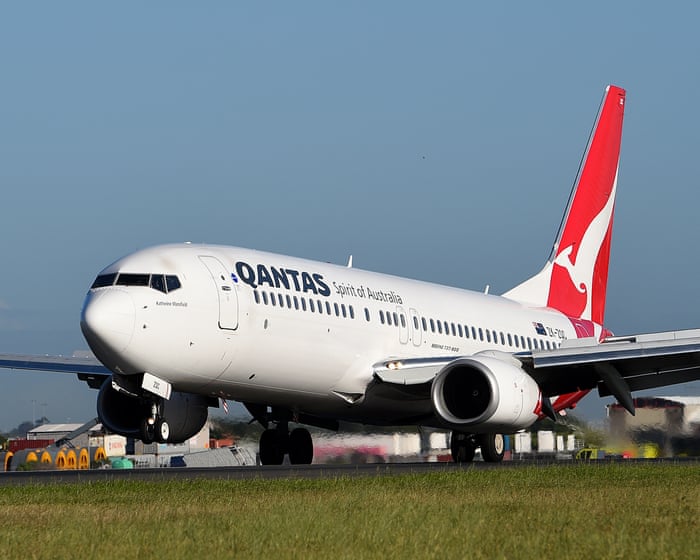
A Qantas flight from Queenstown to Sydney experienced an engine problem with visible flames coming from the left engine shortly after takeoff. The plane safely made an emergency landing in Christchurch, and no injuries were reported.
Key Facts
The incident happened on Qantas flight QF122 on Saturday afternoon.
Flames were seen coming from the plane’s left engine while climbing above New Zealand’s South Island.
Passengers reported hearing a bang and seeing the cabin lights flicker.
The aircraft landed safely in Christchurch about 52 minutes after takeoff.
Both engines were believed to be operating during the flight despite the engine issue.
Qantas sent engineers to investigate the problem on Sunday.
Passengers were offered hotel stays and a free flight to Sydney the next day.
Emergency services were ready on the ground when the plane landed.
Read the Original
Want the full story? Tap a source to open the original
article.
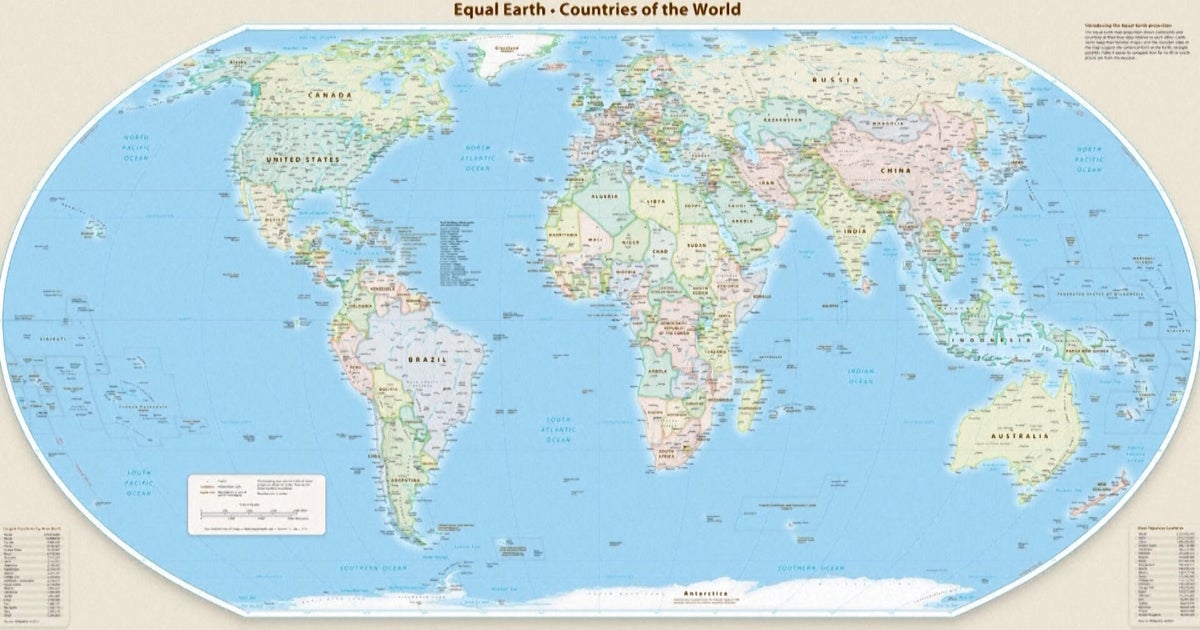
The United Nations General Assembly approved a new world map projection that shows Africa's size more accurately compared to traditional maps. This change encourages countries and organizations to use the Equal Earth map, which better reflects the true size of continents, especially Africa.
Key Facts
The UN General Assembly passed a resolution to promote the use of the Equal Earth map projection.
The vote was 164 in favor, 1 against (the U.S.), and 6 abstentions.
The new map shows Africa as much larger than on the old Mercator map, where it appeared smaller.
The Mercator map, made in the 16th century, distorts sizes, making places near the poles appear bigger and Africa smaller.
The Equal Earth map keeps the true proportions of continents by following Earth's shape more closely.
The resolution does not force anyone to stop using the Mercator map but encourages switching to the more accurate one.
African countries and groups led the campaign for this change to improve education and global understanding.
Experts say the Mercator map is mainly useful for sea navigation but not for representing real land sizes.
Read the Original
Want the full story? Tap a source to open the original
article.