France and Saudi Arabia plan to build three new theme parks near Paris, including one based on the popular Japanese manga "Dragon Ball." The project is part of a €6 billion investment deal, but the official Japanese rights holders for Dragon Ball have not yet commented on the French park plans.
Key Facts
France and Saudi Arabia agreed on a €6 billion deal to build three theme parks near Paris.
One of the parks will be themed around the Japanese manga "Dragon Ball."
French President Emmanuel Macron supports the project and is a known manga fan.
The parks may be built on the site of the old Mirapolis theme park near Paris.
The Saudi sovereign wealth fund’s company, Qiddiya Investment Company, will lead the project.
Saudi Arabia already plans a Dragon Ball theme park near Riyadh with the involvement of Japan’s Toei Animation studio.
Toei Animation, the official holder of Dragon Ball rights, has not publicly addressed the new French project.
Licensing deals in Japan are usually complicated and tightly controlled by copyright laws.
Read the Original
Want the full story? Tap a source to open the original
article.
French President Emmanuel Macron will help reveal the Bayeux Tapestry in the UK. The historic tapestry is being loaned to the British Museum, and Macron is visiting the UK for two days, where he will meet the new Prime Minister Andy Burnham.
Key Facts
The Bayeux Tapestry is being sent to the British Museum on a special loan.
President Macron will participate in the unveiling event in the UK.
This loan is described as a "once in a generation" event.
Macron’s visit to the UK lasts two days.
He will be the first EU leader to meet UK Prime Minister Andy Burnham at Downing Street.
The Bayeux Tapestry is an important historical artifact from France.
Read the Original
Want the full story? Tap a source to open the original
article.
Russian President Vladimir Putin warned Armenian Prime Minister Nikol Pashinyan that Armenia’s bid to join the European Union (EU) could harm trade relations with Russia and complicate Armenia’s membership in the Russia-led Eurasian Economic Union (EEU). Armenia, while starting the EU membership process, says it has not broken its commitments to Russia or the EEU despite tensions after the recent conflict in Nagorno-Karabakh.
Key Facts
Putin told Pashinyan that Armenia’s EU ambitions threaten Armenia’s trade ties and benefits within the EEU.
Armenia launched a law in 2023 to start the EU accession process but says it still wants to remain in the EEU.
The EEU is an economic group led by Russia that includes Armenia, Belarus, Kazakhstan, and Kyrgyzstan.
Armenia has been a close ally of Russia since the USSR ended in 1991, relying on Russian trade, military presence, and energy.
In early 2023, relations worsened after Russia did not support Armenia during Azerbaijan’s military offensive in Nagorno-Karabakh.
Russia views post-Soviet countries like Armenia as a buffer zone between itself and the EU.
Bilateral trade between Russia and Armenia was about $2.5 billion in the first half of 2024.
Armenia insists its EU path is a choice for its people and not a violation of previous agreements with Russia.
Read the Original
Want the full story? Tap a source to open the original
article.
Severe floods in Nepal have caused many deaths, and hospitals and morgues in Kathmandu are overwhelmed with bodies. Authorities have started collecting DNA from families of missing people to help identify the deceased as chances of finding survivors decrease.
Key Facts
Devastating floods hit Nepal about a week ago.
Many bodies remain unidentified in hospitals and morgues in Kathmandu.
Authorities began taking DNA samples from relatives to identify the dead.
Hope of finding more survivors is fading.
In Bharatpur, a city in Nepal, authorities have started burying unidentified bodies.
The floods have created a crisis for local health and emergency services.
Read the Original
Want the full story? Tap a source to open the original
article.
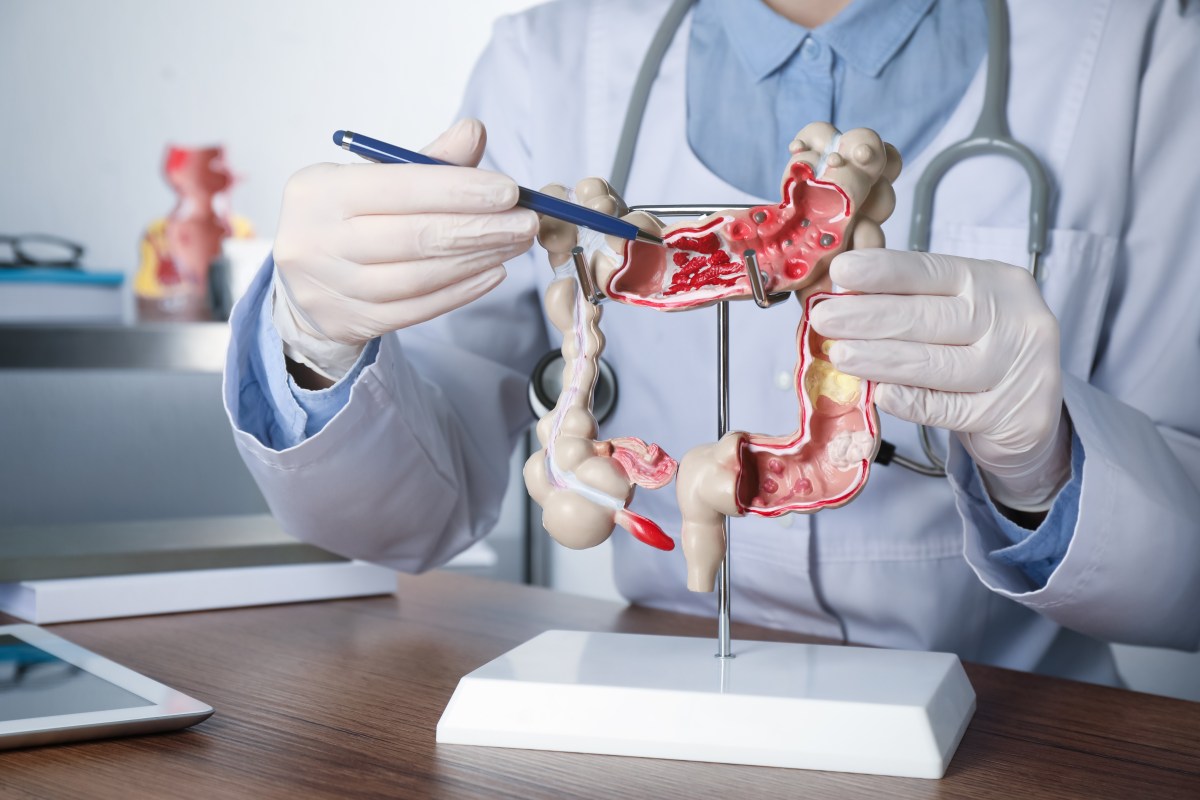
A new study from Australia found that bowel cancer diagnosed before age 50 is different from bowel cancer found in older people. Younger patients tend to have different tumor features, genetic mutations, and better survival rates, suggesting doctors may need to treat them differently.
Key Facts
The study analyzed 1,691 Australians with bowel cancer that had spread only to the liver.
People diagnosed at age 50 or younger were more often women and had tumors on the left side of the bowel.
Younger patients showed specific genetic mutations in their tumors, such as BRAF, KRAS, and NRAS.
Patients diagnosed before 50 generally lived longer after the cancer spread to the liver compared to older patients.
Tumors with BRAF or KRAS mutations were linked to worse outcomes regardless of age.
Researchers suggest doctors should use tumor biology and genetics, not just patient age, to guide treatment.
The study supports a theory that factors like smoking, alcohol, obesity, and life exposures may influence early-onset bowel cancer.
Genetic testing is becoming more important in deciding the best treatment plan for bowel cancer patients.
Read the Original
Want the full story? Tap a source to open the original
article.
The article discusses how middle-aged people often find it harder to enjoy new music compared to when they were younger. It explains that while having children can introduce adults to new artists, many adults in midlife prefer older music from their youth or other genres like jazz and classical.
Key Facts
Middle-aged adults often feel less connected to new popular music than they did in their youth.
Having children can expose parents to new music through their kids' interests.
Some older musicians, like Elton John, continue to listen to and support new music.
The author shifted from popular music to jazz and classical music in their late thirties and forties.
Younger generations sometimes rediscover older music styles, which can create moments of connection between parents and their children.
Adults often prefer listening to familiar music that brings back memories rather than following current trends.
This change in music taste reflects broader shifts in interests and priorities as people age.
The author feels honesty about changing tastes is important rather than trying to keep up with new music for appearances.
Read the Original
Want the full story? Tap a source to open the original
article.
In Hajr, a district in eastern Yemen, date farming is a key source of income for locals facing poverty and difficult living conditions. Farmers harvest, dry, and sell dates using traditional methods, which helps support their families and community despite challenges like poor infrastructure and ongoing effects of war.
Key Facts
Hajr is a district in Yemen’s Hadramout region where date palms grow in large numbers.
Farmers harvest dates, dry them in the sun, clean them, and sell them in an open-air market.
Dates are a main source of income and food for many families in Hajr.
The district lacks basic services like electricity, good roads, and clean water.
Poor sanitary conditions have caused repeated cholera outbreaks in the area.
Ongoing war and lack of stable government have worsened poverty and infrastructure problems in Hajr.
There are at least 2 million palm trees in the district, crucial to the local economy.
Some farmers struggle to sell their harvest at good prices and face debt because of it.
Read the Original
Want the full story? Tap a source to open the original
article.
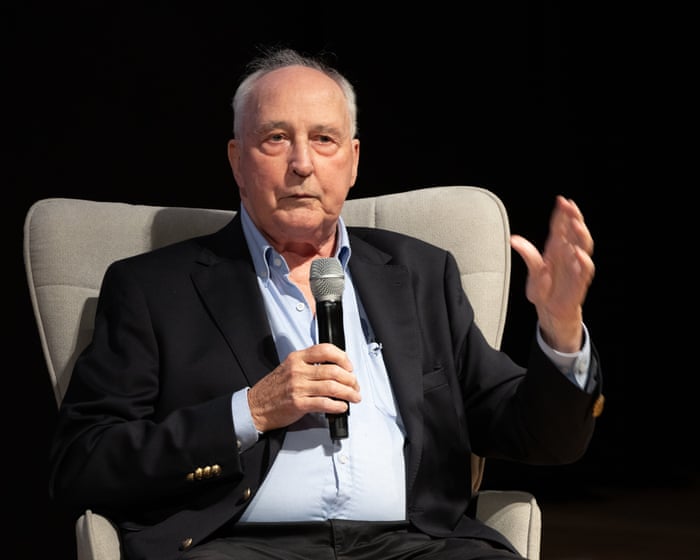
Paul Keating, Australia’s 24th prime minister, reflected on a private 1992 meeting with Queen Elizabeth II where he told her Australia no longer needed the monarchy and should become a republic. Keating continues to promote his vision for Australia as an independent republic focused on Asia and reconciliation with Indigenous people.
Key Facts
Paul Keating met Queen Elizabeth II alone in Queen Victoria’s favorite room at Balmoral Castle in 1992.
He told the Queen that Australia did not need her anymore and should become a republic.
The Queen replied that her family does their best for Australia.
Keating criticized the hereditary monarchy as outdated and lacking a contemporary mandate.
He remains convinced that Australia’s future lies in independence from the UK and stronger ties with Asia.
Keating wants Australia to reconcile with its Indigenous history.
His leadership years coincided with major events like the end of the Cold War and the fall of the Soviet Union.
He believes Australian leaders have become too timid and busy with short-term matters instead of big ideas.
Read the Original
Want the full story? Tap a source to open the original
article.
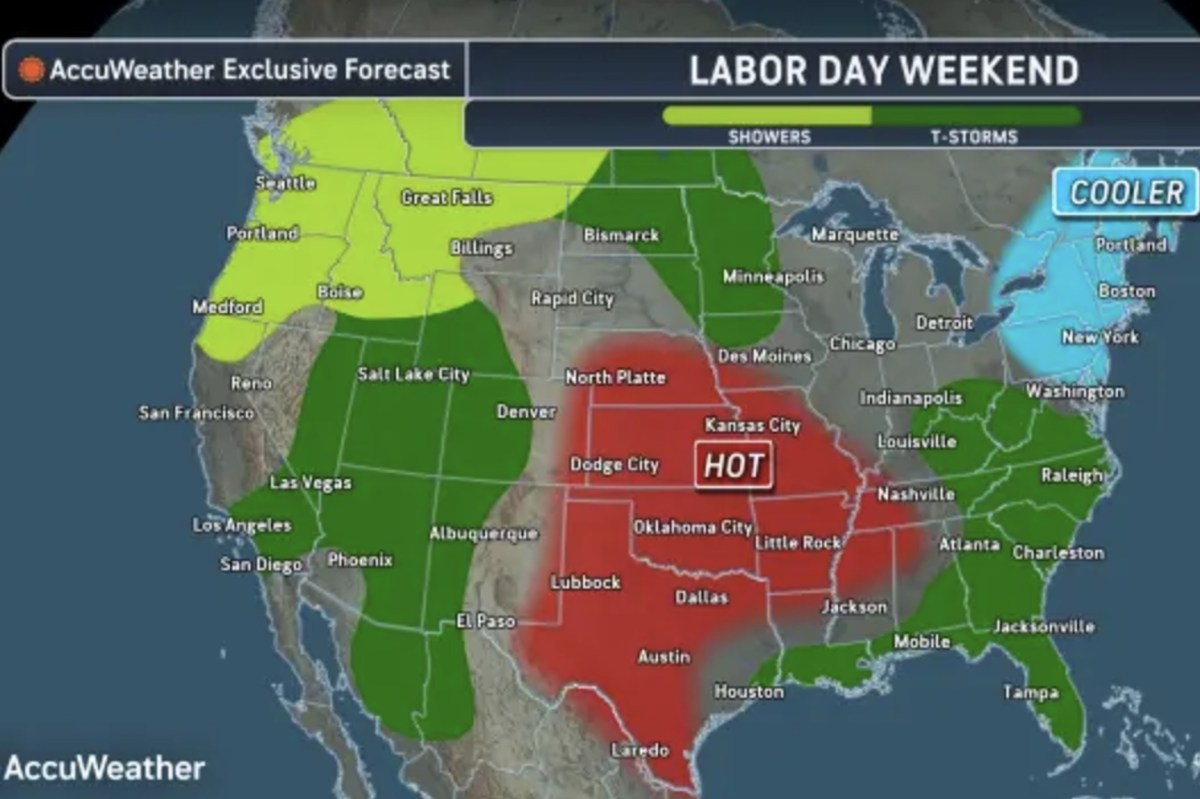
Labor Day weekend in the United States will have very different weather in different areas. Central and southern Plains and parts of the Mississippi Valley will have extreme heat due to a heat dome, while the West, Midwest, northern Plains, and Southeast will face storms that could cause heavy rain and flooding.
Key Facts
A heat dome is causing very hot weather in Texas, Oklahoma, Missouri, Tennessee, Nebraska, and other central U.S. states.
Temperatures in these areas may go above 100 degrees Fahrenheit, with high humidity making it feel even hotter.
Heat advisories are in place across the Mississippi Valley, Ohio Valley, Tennessee Valley, and mid-Atlantic regions.
Storms with heavy rain, flash flooding, and strong winds are expected around the edges of the heat dome, including parts of the West and Southeast.
The National Weather Service predicts increasing rain and thunderstorms across the Southwest, Great Basin, Rockies, and northern mid-Atlantic in the coming days.
Tropical Storm Edouard hit Texas and has weakened but will still bring heavy rain and flood risks to eastern Texas before it dissipates.
A heat dome happens when a high-pressure system traps heat and humidity, causing air to sink and warm the area for several days or more.
Heat waves linked to heat domes can last from one to two weeks or longer, especially during drought conditions.
Read the Original
Want the full story? Tap a source to open the original
article.
Travis Kelce shared details about his wedding to Taylor Swift, which took place on July 3 in New York City. He described the event as magical and intimate, held at Madison Square Garden with actor Adam Sandler officiating.
Key Facts
Travis Kelce and Taylor Swift got married on July 3 in New York City.
The wedding was held at Madison Square Garden (MSG).
Kelce described the night as unforgettable and magical.
They wanted a private and genuine setting without distractions, which MSG provided.
Actor Adam Sandler officiated the wedding after becoming officially ordained in New York.
Kelce praised Sandler for making the ceremony very special.
The wedding had to end because the venue needed to close.
Read the Original
Want the full story? Tap a source to open the original
article.
German authorities are investigating two attacks on power substations as possible sabotage, with one incident also being examined for links to terrorism. On the same day, Russia summoned Germany's diplomat after Germany blamed Russia for a recent attempted drone attack on Leipzig airport.
Key Facts
Two separate attacks damaged electricity substations in eastern Brandenburg and North Rhine-Westphalia, Germany.
The Brandenburg attack involved improvised explosives and is being investigated as possible terrorism.
The North Rhine-Westphalia incident caused a short-circuit by placing conductive material on power lines.
Neither attack caused large-scale power outages but affected nearby coal power plants.
Officials are considering foreign state involvement or left-wing extremist motives for the attacks.
Germany blamed Russia for a failed explosive drone attack at Leipzig airport last month.
Germany responded by closing Russia’s consulate in Bonn and canceling a Russian cultural center contract in Berlin.
Russia called Germany’s accusations "absurd" and summoned Germany’s charge d’affaires to protest.
German investigators identified two suspects linked to the Leipzig drone attempt, described as Russian nationals.
Read the Original
Want the full story? Tap a source to open the original
article.
President Donald Trump questioned when people in Iran would start to resist their government. He said he does not care if Iran agrees to negotiate with the U.S. as the conflict involving Iran continues.
Key Facts
President Trump spoke about Iran on a Tuesday during the ongoing conflict.
He asked when the Iranian people would rise up and fight against their government.
Trump dismissed the idea that the U.S. is trying to pressure Iran to return to negotiations.
He stated he “couldn’t care less” if Iran makes a deal with the U.S. or not.
The conflict with Iran has been ongoing for about seven months.
Read the Original
Want the full story? Tap a source to open the original
article.
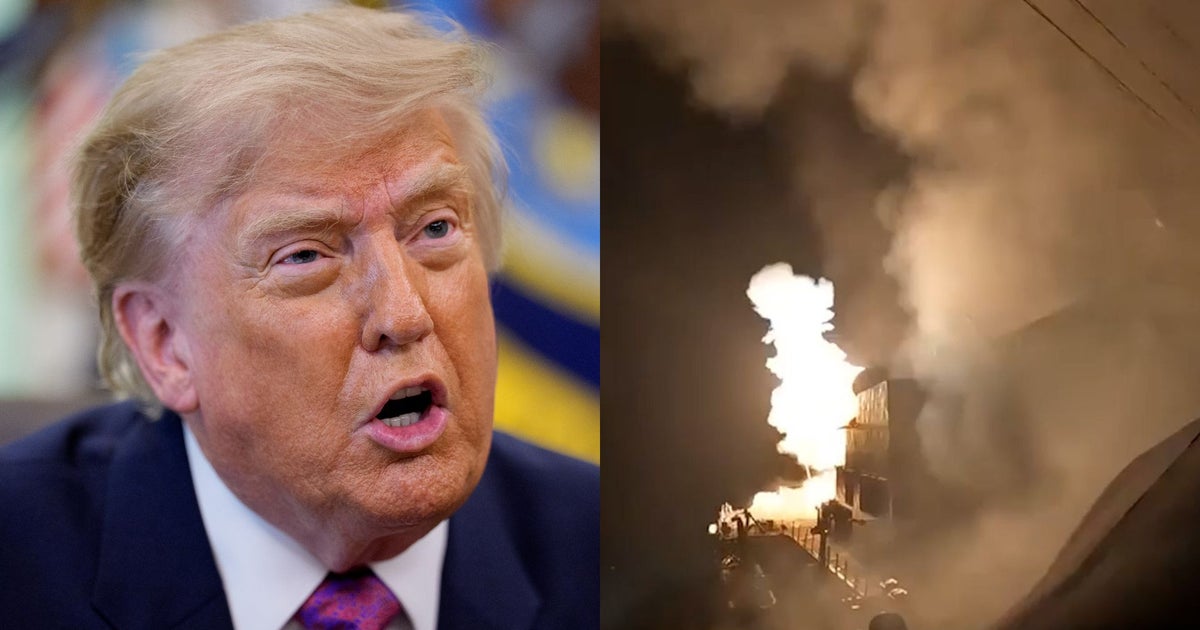
The U.S. Central Command carried out new military strikes against Iran as a response to earlier attacks on American forces in Jordan. Iran then attacked U.S. allies in the Persian Gulf. President Donald Trump said the U.S. is not using these strikes to push Iran into talks.
Key Facts
U.S. Central Command launched strikes against Iran.
These strikes were in response to earlier attacks on U.S. forces in Jordan.
Iran retaliated by attacking U.S. allies near the Persian Gulf.
President Donald Trump said the strikes are not meant to force Iran to negotiate.
The situation involves military actions in the Middle East region.
The conflict includes U.S. forces and their regional allies.
Read the Original
Want the full story? Tap a source to open the original
article.
About 700 prisoners in England and Wales will be released early on 1 October under a government plan that delays the original schedule by one month and excludes certain serious crimes. The early release program will continue in stages through June 2027, aiming to reduce overcrowding in prisons.
Key Facts
Around 700 eligible prisoners will be freed on 1 October in England and Wales.
By the end of 2026, approximately 2,550 prisoners will be released early under the revised plan.
The start of early releases was delayed from 2 September to 1 October.
Offenders convicted of serious crimes like rape, grooming, and child sexual offenses are excluded from early release.
Prison capacity is currently at 97%, with about 1,500 spaces available across male prisons.
The government plans to convert unused areas in prisons into around 200 to 900 new cells to reduce overcrowding.
Offenders serving longer sentences will be released earlier than before, at the halfway point instead of serving two-thirds of their sentence.
Victims will have a say in any restrictions placed on released offenders.
Read the Original
Want the full story? Tap a source to open the original
article.
Nato and the European Union leaders say Russia is acting more recklessly after a drone attack at Leipzig airport in Germany. Germany accused Russia of targeting a Ukrainian cargo plane with explosives, and the EU and Nato promised to increase pressure on Russia and respond more quickly to such threats.
Key Facts
A drone carrying explosives targeted a Ukrainian cargo plane at Leipzig/Halle airport on August 4.
German police and intelligence blamed Russia for the drone attack, citing the drone’s parts and explosives as known from earlier Russian hybrid operations.
Two suspects have been identified, one with Belarusian and Russian passports and another with Latvian and Russian passports.
Leipzig/Halle airport is an important Nato hub used regularly by Ukrainian transport planes.
Germany plans to close the Russian consulate in Bonn and the Russian House cultural center in Berlin, accusing them of spreading Kremlin propaganda.
Russia denies the accusations and called Germany’s response a serious mistake that harms German interests.
The EU and Nato leaders vowed to respond faster and tougher to Russia’s actions on European soil.
EU foreign ministers are considering more sanctions and restrictions on Russian visitors as part of a coordinated response.
Read the Original
Want the full story? Tap a source to open the original
article.
The United States and Iran have exchanged new military strikes, signaling a return to intense conflict between the two countries. Meanwhile, President Donald Trump has increased economic pressure on Iran through sanctions.
Key Facts
The U.S. and Iran have engaged in a new round of military attacks against each other.
This marks a return to a more intense phase of conflict.
President Donald Trump has enforced stronger economic sanctions on Iran.
These sanctions aim to pressure Iran's government financially.
The situation increases tensions between the two countries.
The article was reported by CBS News correspondent Charlie D'Agata.
The news highlights escalating conflict and economic strategies combined.
Read the Original
Want the full story? Tap a source to open the original
article.
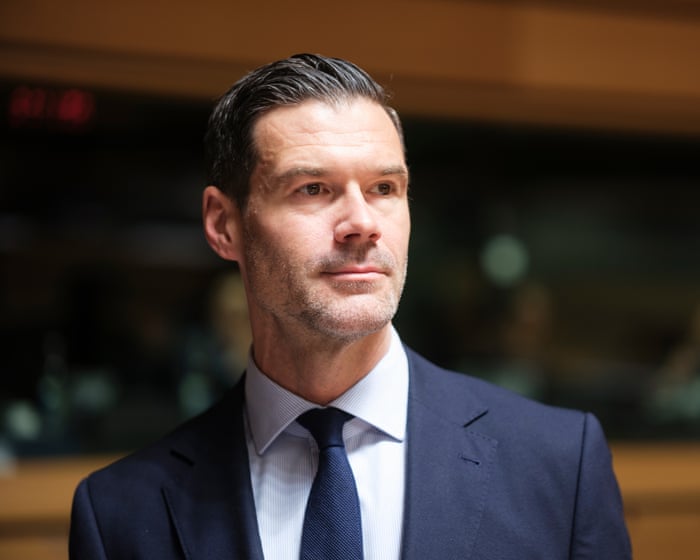
The Swedish government supports its strict policy of deporting British citizens who missed the deadline to apply for permission to stay after Brexit. The migration minister said Sweden’s actions follow the Brexit withdrawal agreement and are approved by the European Commission, despite criticism from some politicians and affected individuals.
Key Facts
Sweden requires British citizens to apply formally to stay in the country after Brexit.
Some British citizens, including a 78-year-old woman and a man deported after living in Sweden since childhood, face removal orders.
Migration Minister Johan Forssell confirmed Sweden's policy complies with the Brexit withdrawal agreement.
The European Commission agreed Sweden is fulfilling its commitments under the agreement.
Critics say Britain citizens with strong ties to Sweden are being unfairly deported.
The UK Foreign Office has raised concerns about Sweden’s strict approach in a special EU committee.
A grassroots group called Brits in Sweden says Sweden’s policy may conflict with EU law and that the United Kingdom has a more lenient system monitored by an independent body.
The Swedish government is looking into ways to improve the process for British citizens in the future.
Read the Original
Want the full story? Tap a source to open the original
article.
An explosive-laden drone incident at Leipzig airport in Germany is considered by EU officials to have the features of state-sponsored terrorism, with Germany blaming Russia. The EU has called Russia’s envoy to discuss the matter and is working on new sanctions against Russia to respond to this and other similar attacks.
Key Facts
A drone carrying explosives was involved in an incident at Leipzig airport in Germany last month.
EU foreign policy chief Kaja Kallas described the incident as resembling state-sponsored terrorism.
Germany accuses Russia of carrying out the "hybrid attack" and has closed a Russian consulate and a cultural center in response.
The EU and its member states have summoned Russian envoys for talks and are planning new sanctions targeting 1,600 people and groups linked to Russia’s military industry.
EU leaders called the incident a sign of escalating Russian attempts to destabilize Ukraine’s supporters in Europe.
The EU is considering visa bans for Russians who fought in Ukraine and more restrictions on Russian tourists.
New promises have been made to send air defense missiles to Ukraine.
EU officials warned that such hybrid attacks may become a new normal in European security challenges.
Read the Original
Want the full story? Tap a source to open the original
article.
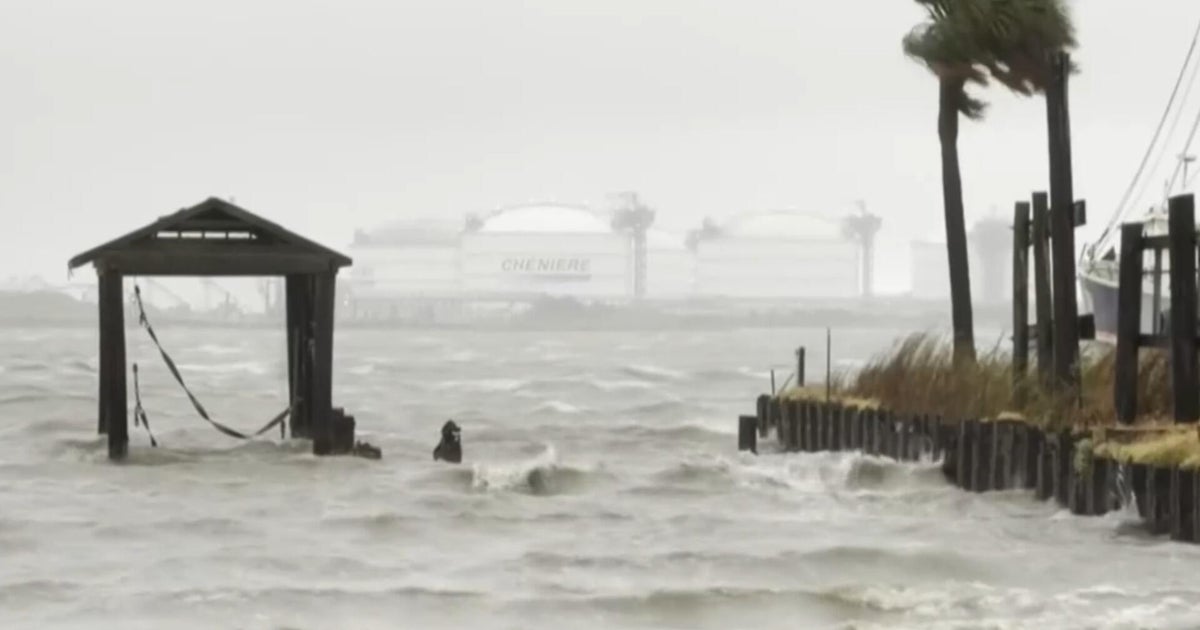
Tropical Storm Edouard made landfall on the Gulf Coast and weakened to a tropical depression. The storm caused heavy rain, which led to flooding and power outages in the area.
Key Facts
Edouard hit the Gulf Coast as a tropical storm.
After landfall, it weakened to a tropical depression, meaning it lost strength.
The storm brought heavy rain to the Gulf Coast region.
The rain caused flooding in affected areas.
Power outages occurred due to the storm’s impact.
CBS News covered the event live from Seven Oaks, Texas.
Residents and officials are responding to the storm’s effects.
The coverage is available on the CBS News app and website.
Read the Original
Want the full story? Tap a source to open the original
article.
Russian drone attacks on Ukraine have caused deaths and injuries in multiple cities, while Presidents Putin and Zelenskyy exchanged threats about the war’s next steps. The conflict’s fighting continues mainly in eastern and southern Ukraine, with no peace deal yet, and both sides report ongoing military strikes.
Key Facts
Drone attacks by Russia killed at least one person and injured more than a dozen in Ukraine, hitting Kyiv, Odesa, and Dnipro.
The conflict between Russia and Ukraine is in its fifth year, with the eastern and southern front mostly unchanged.
Presidents Putin and Zelenskyy exchanged threats; Zelenskyy warned Russian airspace might close due to Ukrainian drone strikes.
Putin called Zelenskyy a terrorist and refused to negotiate with him.
Russia launched 174 drones, two ballistic missiles, and two plane-launched missiles at Ukraine overnight.
Odesa experienced building damage, power outages, and injuries from drone attacks.
Ukrainian drones reportedly hit regions inside Russia, killing two and wounding 16 in Belgorod.
Russia’s defense shot down 130 Ukrainian drones over various regions and Crimea.
Read the Original
Want the full story? Tap a source to open the original
article.