Heavy monsoon rains have caused flooding in Islamabad, the capital of Pakistan, and the nearby city Rawalpindi. Roads are underwater, houses have flooded, and schools have been closed because of the rising water.
Key Facts
Islamabad and Rawalpindi experienced heavy monsoon rains.
Roads in both cities have been submerged under water.
Many houses have flooded due to the rains.
Authorities have closed schools to keep students safe.
The rising water levels have disrupted daily life in these cities.
Read the Original
Want the full story? Tap a source to open the original
article.
Sweden’s far-right party, the Sweden Democrats (SD), launched a large, controversial campaign at Stockholm Central Station before the country’s general election. The campaign included harsh messages about immigrants and provocations that led to protests and the removal of some ads from public transport.
Key Facts
The Sweden Democrats spent about $100,000 on campaign posters at Stockholm Central Station.
The posters included messages telling people who commit crimes or live off benefits that they are “not welcome.”
SD has neo-Nazi roots and is currently polling second in Sweden’s general election.
The party ran provocative ads on buses asking if immigrants miss their home countries and offering increased money to return.
Around 20 Somali bus drivers called in sick to protest the bus ads, which were later removed by the transport operator.
Swedish right-wing parties have recently started cooperating with SD, ending years of treating them as outsiders.
A landmark 62-page agreement signed in 2022 includes SD in Sweden’s current coalition government.
The leader of the Liberals, known for fighting racism, announced support for allowing SD to be part of future governments, shocking many in Sweden.
Read the Original
Want the full story? Tap a source to open the original
article.
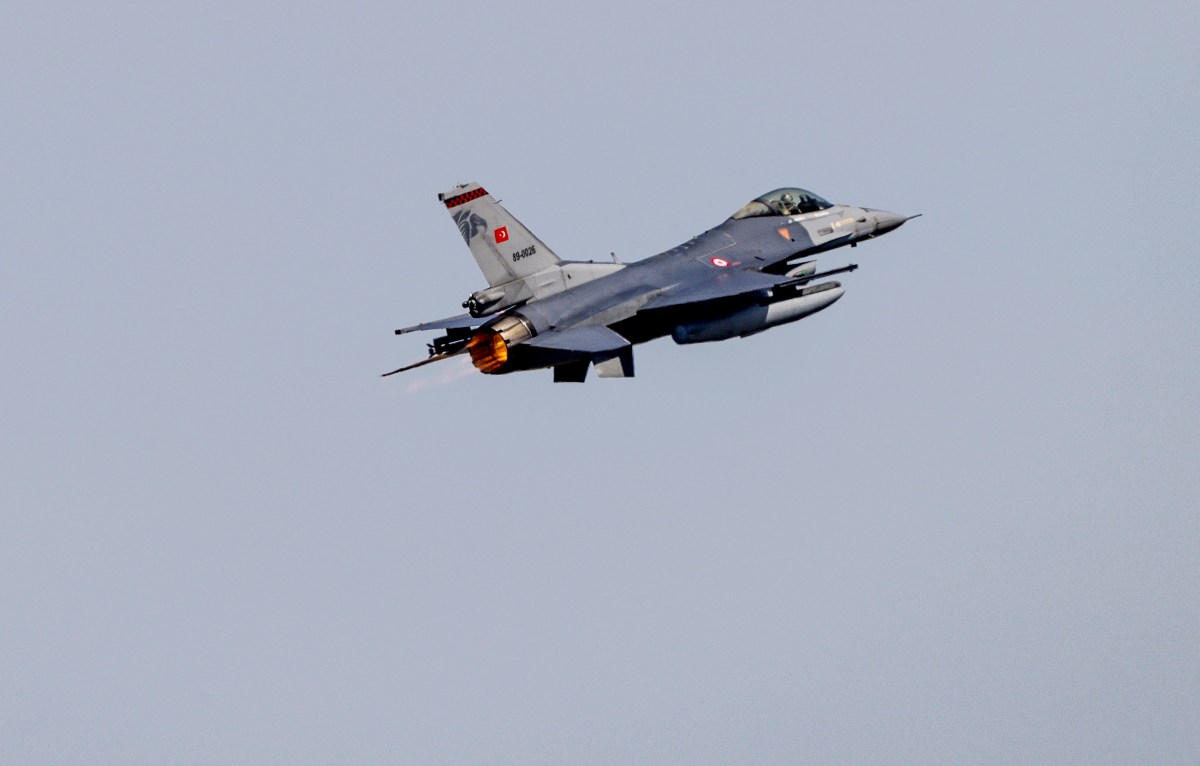
NATO scrambled fighter jets after drones entered the airspace of Estonia and Latvia on the same night. The drones flew near the borders and triggered air threat alerts, causing NATO forces to search for them.
Key Facts
NATO responded by sending fighter jets when drones entered Estonia and Latvia’s airspace early Tuesday morning.
Estonia issued air threat alerts around 3 a.m. when a drone approached near Narva, a city near the Russian border.
Another drone crossed into Estonia’s airspace in the southeast about 30 minutes later.
Latvia detected drone threats in the Ludza and Alūksne regions.
The drones flew between Latvian and Estonian airspace, prompting NATO Baltic Airspace Patrol Mission fighters to search for them.
These drone flights raised concerns about the Ukraine War affecting NATO countries.
Officials from Estonia and Latvia confirmed the incidents, and the situation is still developing.
Read the Original
Want the full story? Tap a source to open the original
article.
Australia’s largest cities, Sydney and Melbourne, had their warmest or equal warmest winters recorded, with several eastern states also setting temperature records. The Bureau of Meteorology expects warmer than usual temperatures to continue, influenced by weather patterns like high pressure systems and a developing El Niño, alongside ongoing global warming.
Key Facts
Sydney had its warmest winter on record, with an average temperature of 15.3°C, beating the previous record from 2013.
Melbourne matched its warmest winter temperature record set in 2005 at 12.2°C.
Canberra recorded its warmest winter maximum temperature at 14.7°C.
New South Wales, Victoria, and Tasmania had their warmest winters since records began in 1910.
Most other Australian states also experienced one of their top 10 warmest winters.
Australia’s national winter temperature was 1.45°C above the 1961–1990 average, ranking as the third highest since 1910.
Warm weather resulted from high pressure systems letting tropical air flow south and the influence of a developing strong El Niño.
Australia’s average annual temperature is about 1.5°C higher than in 1910 due to human-driven climate change.
Winter rainfall was generally above average, especially in southern inland Australia, but below average in parts of the east coast and southwest.
Read the Original
Want the full story? Tap a source to open the original
article.
Nepal is burying flood victims whose identities are not confirmed in temporary graves. Over 900 people have died in floods across Nepal and Tibet, and nearly 5,000 people are still missing.
Key Facts
Floods have caused more than 900 deaths in Nepal and Tibet.
Around 5,000 people remain missing after the floods.
Nepal authorities are burying unidentified victims in temporary graves.
Families of the missing are still waiting for news.
The situation spans both Nepal and parts of Tibet.
Read the Original
Want the full story? Tap a source to open the original
article.
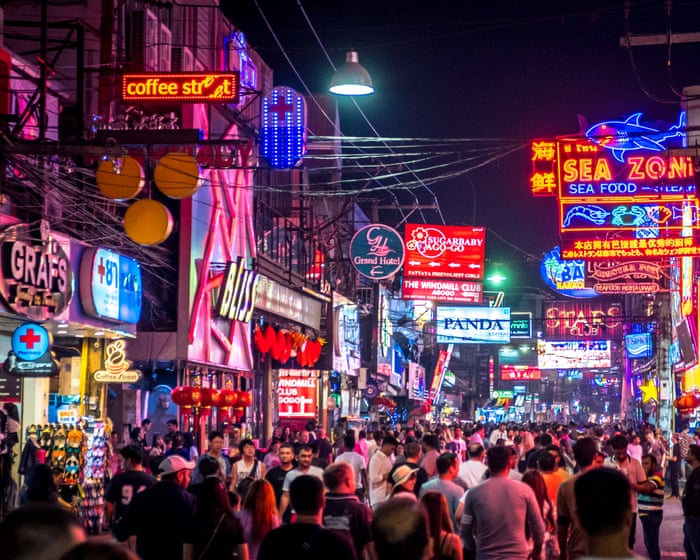
Thousands of sailors from the USS Abraham Lincoln aircraft carrier are arriving in the Thai city of Pattaya after more than 270 days at sea. Authorities have increased security and set rules for the sailors during their visit, which follows the ship’s long deployment related to the US war against Iran.
Key Facts
The USS Abraham Lincoln sailed from California in November 2025 and spent over 270 days at sea.
The ship was redirected from the South China Sea to the Middle East for US military actions against Iran.
Pattaya officials are providing about 600 security personnel to manage the sailors’ visit.
The carrier will dock at Laem Chabang port, with 40 buses transporting sailors to Pattaya in groups.
US service members are banned from activities like parasailing and using marijuana during the visit.
Pattaya has increased police presence to prevent lawbreaking and overcharging by local businesses.
The city is known for its beaches and nightlife, with a history tied to US military visitors since the 1960s.
Reports have raised concerns about poor mental health and living conditions aboard the ship during deployment.
Read the Original
Want the full story? Tap a source to open the original
article.
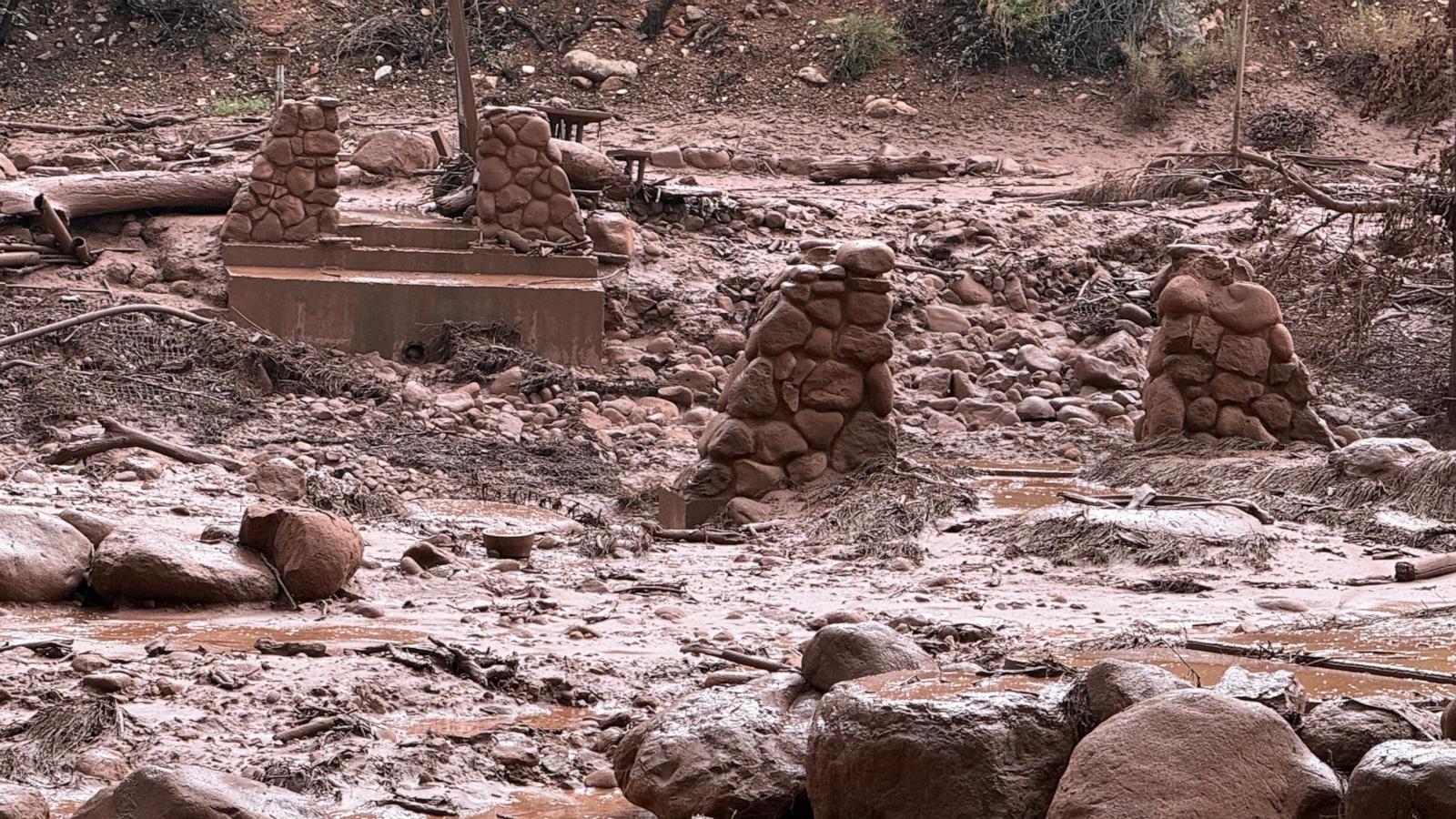
Two people died and one person is missing after a flash flood hit the Grand Canyon on August 29, 2026. Rescue teams have saved 82 people, mostly by helicopter, and continue searching the affected area with technology and a search team.
Key Facts
The flash flood occurred around 2:30 p.m. in Bright Angel Canyon and Phantom Ranch, popular hiking spots.
Two victims have been identified: a 46-year-old man found near Crystal Rapids and Dr. John Giusti, a Texas chiropractor.
Authorities rescued 82 people, many by helicopter, while some managed to hike out.
More than 20 people were initially reported missing, but now only one person remains unaccounted for.
The National Park Service and Arizona authorities are working together to evacuate and find missing individuals.
A Border Patrol technical search team, drones, and Bluetooth technology are being used in the search.
The flood destroyed camping areas, structures, trails, and important park infrastructure.
The National Park Service asks anyone with information about hikers or campers in the flood area to come forward.
Read the Original
Want the full story? Tap a source to open the original
article.
French officials found a Luger pistol at the bottom of Lake Annecy that may be linked to a 2012 murder case. The case involved the killing of a British-Iraqi family and a French cyclist in the French Alps and has been unsolved for over a decade.
Key Facts
In 2012, three members of a British-Iraqi family and a French cyclist were shot dead near Chevaline, in the French Alps.
The victims were Saad al-Hilli, his wife Iqbal, her mother Suhaila al-Allaf, and French cyclist Sylvain Mollier.
Two young daughters of the al-Hilli family survived the attack, one was hiding and the other injured.
On August 20, 2026, British tourists found a Luger pistol at the bottom of Lake Annecy.
French prosecutors say the pistol shows similarities to the weapon used in the 2012 crimes.
The murder investigation considered Saad al-Hilli’s work and past in Iraq as possible motives.
The case has remained unsolved for 14 years, and this new evidence may help investigators.
Read the Original
Want the full story? Tap a source to open the original
article.
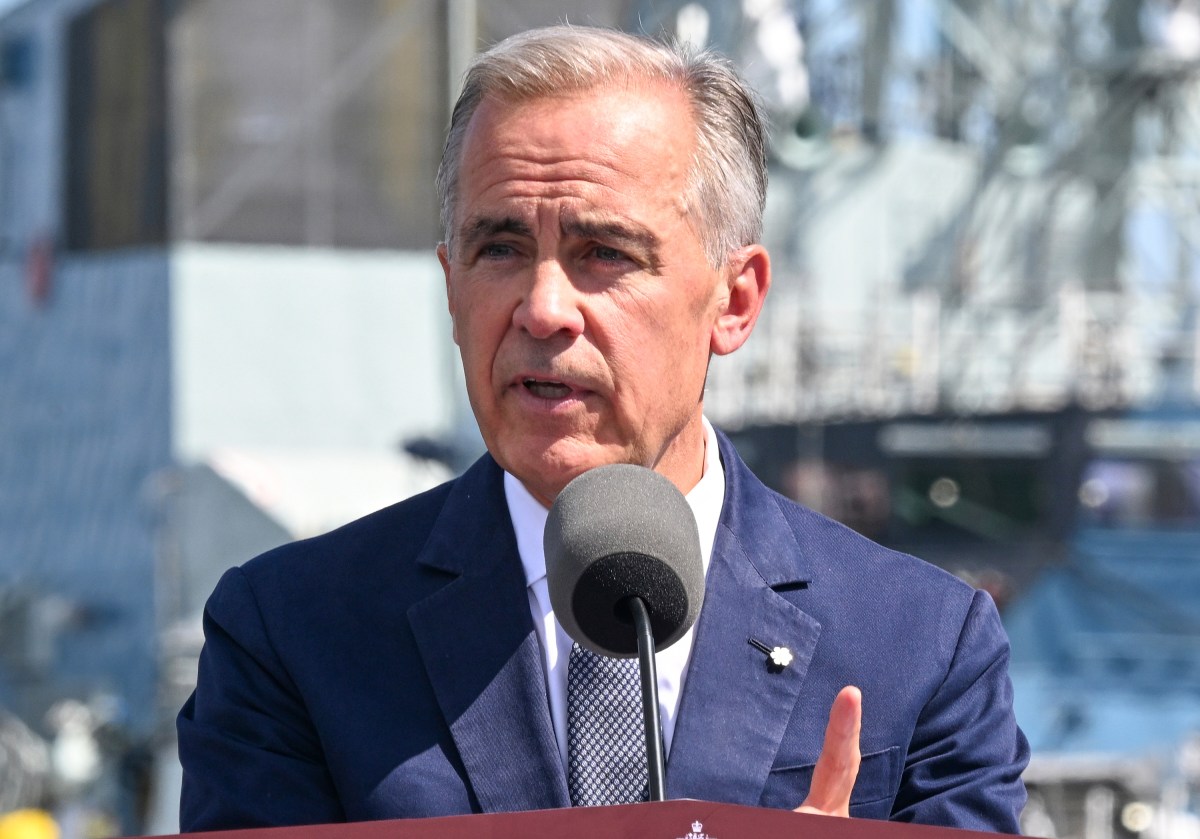
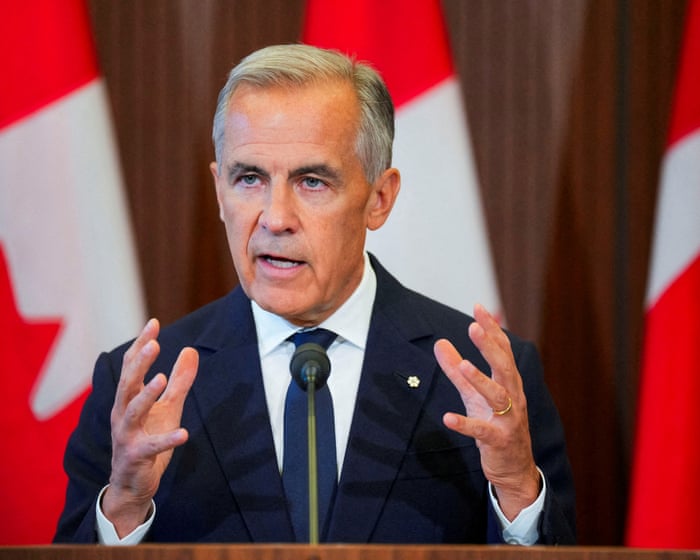
Officials in President Donald Trump’s administration made critical comments about Canada’s military and trade policies amid rising tensions between the two countries. Meanwhile, Canadian voters supported Prime Minister Mark Carney’s Liberal Party in three special elections, showing approval of his approach to the dispute.
Key Facts
Treasury Secretary Scott Bessent mocked Canada’s military, joking about its small size and submarine count.
Bessent said the trade dispute was a political issue pushed by Prime Minister Carney for his party’s gain.
Defense Secretary Pete Hegseth shared an image on social media linked to Canadian military cadets without further explanation.
Relations between the U.S. and Canada have worsened due to trade disagreements and high tariffs imposed by President Trump.
Prime Minister Carney paused trade talks in August, calling new U.S. demands unfair and harmful to Canada’s economy.
President Trump ordered renaming Lake Ontario to “Lake America,” a move opposed by Canada.
Canadian voters gave the Liberal Party a win in three special elections in Quebec, Ontario, and British Columbia.
Read the Original
Want the full story? Tap a source to open the original
article.
Singer Lionel Richie was hospitalized in St. Louis shortly after performing a concert. He is currently on tour with the band Earth, Wind & Fire and has had recent health issues during his shows.
Key Facts
Lionel Richie was hospitalized following a performance in St. Louis.
He was performing with Earth, Wind & Fire on a tour.
Richie asked for a chair while singing his last song, "All Night Long," at the concert.
Richie had to stop a concert in St. Paul, Minnesota, due to illness earlier in June.
After falling ill, he postponed two shows.
His next scheduled performance is set for September 26 in San Francisco.
The situation is still developing, with more updates expected.
Read the Original
Want the full story? Tap a source to open the original
article.
Rachel and Shane Stewart lost their 10-year-old daughter, Kenadie, to a sudden return of aggressive brain cancer. They share how their lives changed and how they cope with grief by maintaining a spiritual connection and supporting others through their For 11 Community.
Key Facts
Kenadie was first diagnosed with a brain tumor at age 2 and treated with surgery and radiation.
After eight years of remission, a more aggressive cancer returned, and Kenadie died one month after the new diagnosis.
Rachel Stewart says the person she was before Kenadie's death no longer exists; the loss changed her deeply.
The family struggled with grief and uncertainty about what happens after death.
Rachel believes her relationship with Kenadie continues, though it has transformed.
The Stewarts started the For 11 Community to help others heal after losing loved ones.
They share their journey and encourage others to find their own path to grief and connection.
Rachel emphasizes that grief and joy can exist at the same time.
Read the Original
Want the full story? Tap a source to open the original
article.
Libya’s rival political groups have signed a UN-backed agreement to create a plan aiming for presidential and legislative elections within two years. The deal tries to solve long-standing disputes that have kept the country divided since 2011, but many challenges remain due to deep mistrust and armed groups.
Key Facts
Libya has been unstable since 2011 when Muammar Gaddafi’s rule ended.
Two main political centers control Libya: the Government of National Accord in Tripoli (west) and the House of Representatives in Tobruk and Benghazi (east).
Military leader Khalifa Haftar controls eastern Libya through the Libyan National Army.
A 2020 ceasefire stopped fighting but did not unite the country politically.
The UN’s 4+4 committee agreement was signed to plan national elections within 24 months.
Previous UN efforts, like the 2015 Skhirat Agreement, failed to fully unify Libya’s government.
The 2021 planned election was cancelled two days before voting after political disagreements.
The new agreement hopes to overcome the issues of divided institutions and military influence.
Read the Original
Want the full story? Tap a source to open the original
article.
Andy Burnham became the UK Prime Minister six weeks ago and will make his first speech to Members of Parliament (MPs) in the House of Commons today. He plans to speak about his summer work and his goal to bring optimism and more public control to essential services in the UK.
Key Facts
Andy Burnham became UK Prime Minister six weeks ago.
Today is his first speech as Prime Minister in the House of Commons in over 16 years.
Burnham will chair a cabinet meeting in the morning before speaking to MPs after 3:30 pm.
His speech will focus on encouraging positivity and discussing his summer announcements.
Burnham wants to return more key services to public control to help the UK economy.
He aims to focus on solving problems rather than political fights.
Nigel Farage, Reform UK leader, will take his seat as an MP today.
Other government updates include a statement on prisoner early release changes by the Justice Secretary.
Read the Original
Want the full story? Tap a source to open the original
article.
The UK Met Office, Ireland’s Met Éireann, and the Netherlands’ KNMI have announced the list of storm names for the 2026-27 autumn and winter season. The list includes names suggested by the public, such as Shaun the Sheep, and aims to help people prepare for severe weather.
Key Facts
The 2026-27 storm names were announced by meteorological services from the UK, Ireland, and the Netherlands.
Over 40,000 name suggestions were submitted by the public.
Names on the list include Austen, Boelo, Chloe, Finn, Ivy, Shaun, and others representing the three countries.
Shaun the Sheep was added after a public vote involving the animation studio Aardman.
The naming system started in 2015 to help people recognize and prepare for serious storms.
Storms get names when expected to cause medium or high impact, mainly due to wind, but also rain or snow.
Previous storms named this year reached up to the letter D, like Storm Dave.
Names often honor people, animals, or characters with personal or cultural significance.
Read the Original
Want the full story? Tap a source to open the original
article.
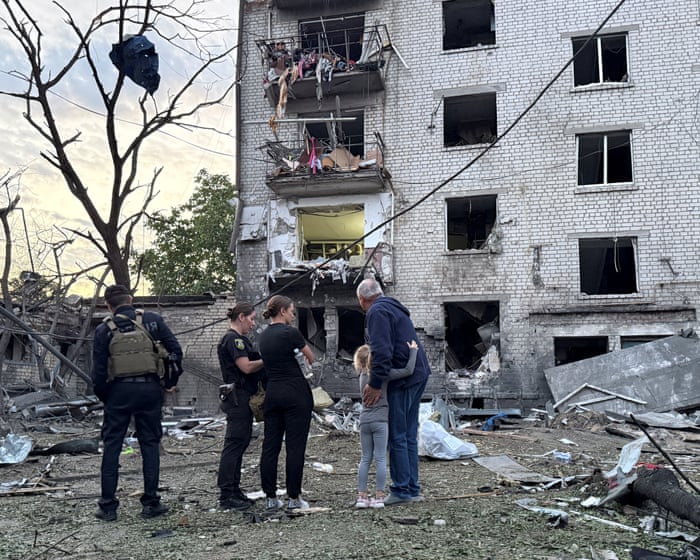
At least 12 people, including an Indian citizen, died in overnight Russian attacks on Ukraine, with many others hurt. Ukraine also suffered power outages and damage to a border crossing, while Germany plans to blame Russia for a recent drone attack on a Ukrainian plane.
Key Facts
Russian attacks overnight killed at least 12 people in Ukraine.
Dozens more were injured in these attacks, said President Volodymyr Zelenskyy.
The Odesa region lost electricity for thousands of families due to the strikes.
A border crossing with Romania was deliberately damaged during the attacks.
Kyiv has been under Russian air raids for six days in a row.
Germany is expected to officially blame Russia for a failed drone attack on a Ukrainian cargo plane in Leipzig.
Estonia and Latvia activated air alerts due to drone reports near their airspace.
EU defense ministers are meeting in Ireland to discuss support for Ukraine and security issues.
Read the Original
Want the full story? Tap a source to open the original
article.
Heavy flooding in Nepal and China has caused over 1,000 deaths and left thousands missing. Rescue teams are working to reach isolated communities, recover bodies, and help survivors after a glacier collapse triggered floods in the Himalayas.
Key Facts
At least 987 people have died in Nepal, with nearly 4,000 still missing, including hundreds of foreigners.
China reported 16 deaths and over 500 people missing from the floods.
The disaster started on August 26 after a glacier collapsed in the Himalayas, causing floods downstream.
Many workers are believed trapped in tunnels at damaged hydropower stations in Nepal.
Nepal's Prime Minister said about 279 workers have been rescued from these projects.
Over 11,000 people have been rescued across the flooded areas.
Aid worth over $42 million has been sent to Nepal, with help also coming from India and China.
Flood damage has destroyed homes, cut power and communications, but some services are now being restored.
Read the Original
Want the full story? Tap a source to open the original
article.
Canada’s Liberal party won three special elections, showing voter support for Prime Minister Mark Carney amid trade tensions with the United States. The Liberals gained a key seat in Quebec previously held by the opposition Conservatives, while maintaining other seats in Ontario and British Columbia.
Key Facts
The Liberal party won special elections in Chicoutimi-Le Fjord (Quebec), Beaches-East York (Toronto), and North Vancouver-Capilano (British Columbia).
Chicoutimi-Le Fjord was previously held by the Conservative party since 2018.
Prime Minister Mark Carney said the wins show trust in his government’s plan during challenging times.
US-Canada trade talks broke down in August after failing to reach an agreement.
President Donald Trump imposed 50% tariffs on about $20 billion of Canadian goods, and Canada responded with tariffs on US products.
Trump has criticized Canada, including renaming Lake Ontario as “Lake America” by executive order.
The Liberal party’s total now stands at 173 seats in Canada’s 343-seat House of Commons.
Political experts say the Quebec win reflects voter approval of Carney’s move to halt trade talks with the US.
Read the Original
Want the full story? Tap a source to open the original
article.
A motorcyclist crashed into the side of a bus at a busy intersection in western Colombia. The rider flew through the bus’s open doors but seemed to avoid serious injury.
Key Facts
The accident happened at a busy intersection in western Colombia.
The motorcyclist hit the side of a bus.
The motorcycle rider went through the open bus doors during the crash.
The motorcyclist appeared to escape serious harm from the accident.
The incident was captured on video.
No information was provided about other injuries or damages.
Read the Original
Want the full story? Tap a source to open the original
article.
The US government, under President Donald Trump, has imposed new sanctions on Iran targeting several civilian sectors including education, sports, and technology. These measures aim to pressure the Iranian government but also affect ordinary Iranians by limiting academic exchanges, banking services, and access to goods and services.
Key Facts
The US expanded sanctions against Iran to include aviation, digital assets, gold, shipping, and technology sectors.
These sanctions, called “Operation Economic Outcast,” target civilian and economic activities related to Iran.
The US Treasury's Office of Foreign Assets Control (OFAC) suspended licenses that allowed cooperation between US universities and Iranian educational institutions, stopping academic exchanges.
Sanctions also halted professional and amateur sports activities involving Iran.
There is a short deadline until September 8 for existing activities in affected areas to stop unless specifically authorized by OFAC.
The US has pressured Iran's neighbors to reduce trade and targeted banks connected to Iran in the UAE.
The sanctions seek to cut off economic support for the Iranian government and the Islamic Revolutionary Guard Corps (IRGC).
Previous sanctions caused issues like currency collapse, higher prices for food and medicine, and restricted access to digital services for many Iranians.
Read the Original
Want the full story? Tap a source to open the original
article.
Indonesia is increasing its aluminum production to take advantage of disrupted global supplies caused by the Iran war. To power new aluminum smelters, Indonesia is relying heavily on its coal resources, which may increase carbon emissions despite global efforts to reduce pollution.
Key Facts
The Iran war has reduced aluminum production in the Middle East by about 44% this year compared to 2025.
Prices for aluminum rose sharply due to supply disruptions, reaching $3,780 per metric ton in June before settling near $3,400.
Indonesia plans to quadruple alumina output to 32.5 million metric tons and increase aluminum production from 1 million metric tons in 2025 to 14.5 million metric tons by 2030.
Aluminum smelting uses a lot of energy and requires a supply of refined alumina from bauxite ore.
China, which produces 60% of the world’s aluminum, supports Indonesia’s expansion as it wants to reduce its own smelter pollution.
About 75% of Indonesia’s planned aluminum projects involve Chinese investment.
Indonesia is building “captive coal” power plants that provide electricity only for aluminum smelters, increasing reliance on coal and potential carbon emissions.
Limited public information exists on pollution levels from these private off-grid coal plants.
Read the Original
Want the full story? Tap a source to open the original
article.