The UK Met Office, Ireland’s Met Éireann, and the Netherlands’ KNMI have announced the list of storm names for the 2026-27 autumn and winter season. The list includes names suggested by the public, such as Shaun the Sheep, and aims to help people prepare for severe weather.
Key Facts
The 2026-27 storm names were announced by meteorological services from the UK, Ireland, and the Netherlands.
Over 40,000 name suggestions were submitted by the public.
Names on the list include Austen, Boelo, Chloe, Finn, Ivy, Shaun, and others representing the three countries.
Shaun the Sheep was added after a public vote involving the animation studio Aardman.
The naming system started in 2015 to help people recognize and prepare for serious storms.
Storms get names when expected to cause medium or high impact, mainly due to wind, but also rain or snow.
Previous storms named this year reached up to the letter D, like Storm Dave.
Names often honor people, animals, or characters with personal or cultural significance.
Read the Original
Want the full story? Tap a source to open the original
article.
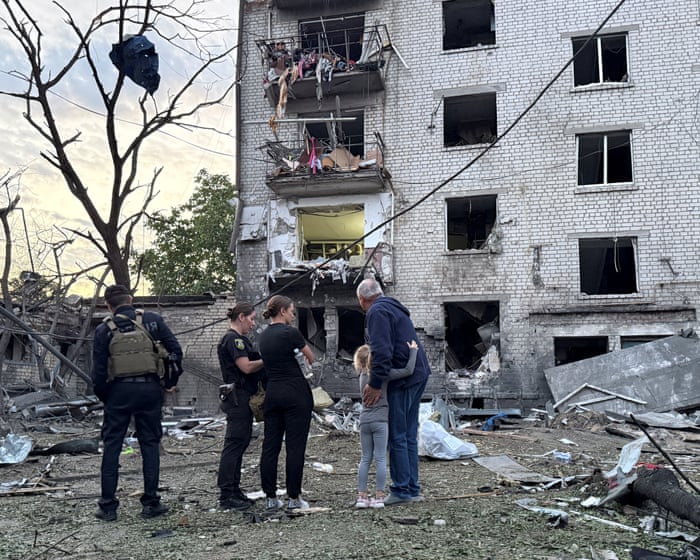
At least 12 people, including an Indian citizen, died in overnight Russian attacks on Ukraine, with many others hurt. Ukraine also suffered power outages and damage to a border crossing, while Germany plans to blame Russia for a recent drone attack on a Ukrainian plane.
Key Facts
Russian attacks overnight killed at least 12 people in Ukraine.
Dozens more were injured in these attacks, said President Volodymyr Zelenskyy.
The Odesa region lost electricity for thousands of families due to the strikes.
A border crossing with Romania was deliberately damaged during the attacks.
Kyiv has been under Russian air raids for six days in a row.
Germany is expected to officially blame Russia for a failed drone attack on a Ukrainian cargo plane in Leipzig.
Estonia and Latvia activated air alerts due to drone reports near their airspace.
EU defense ministers are meeting in Ireland to discuss support for Ukraine and security issues.
Read the Original
Want the full story? Tap a source to open the original
article.
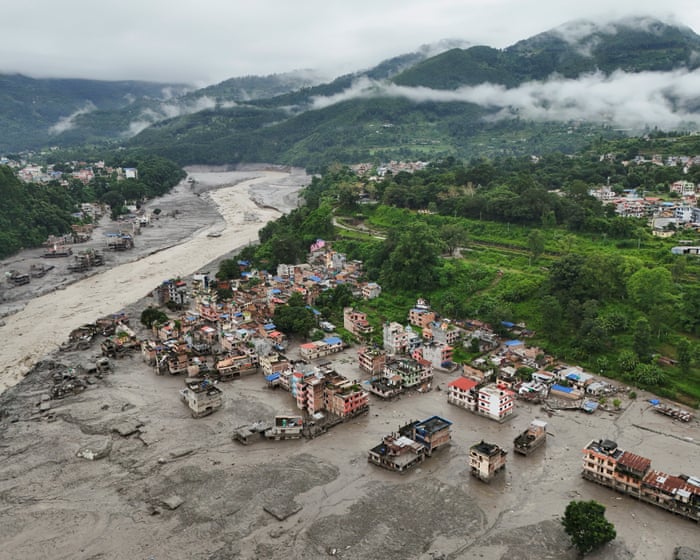
Heavy flooding in Nepal and China has caused over 1,000 deaths and left thousands missing. Rescue teams are working to reach isolated communities, recover bodies, and help survivors after a glacier collapse triggered floods in the Himalayas.
Key Facts
At least 987 people have died in Nepal, with nearly 4,000 still missing, including hundreds of foreigners.
China reported 16 deaths and over 500 people missing from the floods.
The disaster started on August 26 after a glacier collapsed in the Himalayas, causing floods downstream.
Many workers are believed trapped in tunnels at damaged hydropower stations in Nepal.
Nepal's Prime Minister said about 279 workers have been rescued from these projects.
Over 11,000 people have been rescued across the flooded areas.
Aid worth over $42 million has been sent to Nepal, with help also coming from India and China.
Flood damage has destroyed homes, cut power and communications, but some services are now being restored.
Read the Original
Want the full story? Tap a source to open the original
article.
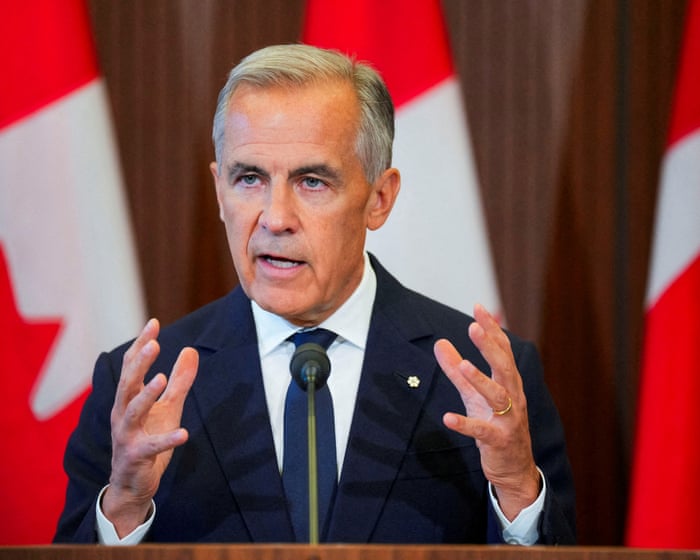
Canada’s Liberal party won three special elections, showing voter support for Prime Minister Mark Carney amid trade tensions with the United States. The Liberals gained a key seat in Quebec previously held by the opposition Conservatives, while maintaining other seats in Ontario and British Columbia.
Key Facts
The Liberal party won special elections in Chicoutimi-Le Fjord (Quebec), Beaches-East York (Toronto), and North Vancouver-Capilano (British Columbia).
Chicoutimi-Le Fjord was previously held by the Conservative party since 2018.
Prime Minister Mark Carney said the wins show trust in his government’s plan during challenging times.
US-Canada trade talks broke down in August after failing to reach an agreement.
President Donald Trump imposed 50% tariffs on about $20 billion of Canadian goods, and Canada responded with tariffs on US products.
Trump has criticized Canada, including renaming Lake Ontario as “Lake America” by executive order.
The Liberal party’s total now stands at 173 seats in Canada’s 343-seat House of Commons.
Political experts say the Quebec win reflects voter approval of Carney’s move to halt trade talks with the US.
Read the Original
Want the full story? Tap a source to open the original
article.
A motorcyclist crashed into the side of a bus at a busy intersection in western Colombia. The rider flew through the bus’s open doors but seemed to avoid serious injury.
Key Facts
The accident happened at a busy intersection in western Colombia.
The motorcyclist hit the side of a bus.
The motorcycle rider went through the open bus doors during the crash.
The motorcyclist appeared to escape serious harm from the accident.
The incident was captured on video.
No information was provided about other injuries or damages.
Read the Original
Want the full story? Tap a source to open the original
article.
The US government, under President Donald Trump, has imposed new sanctions on Iran targeting several civilian sectors including education, sports, and technology. These measures aim to pressure the Iranian government but also affect ordinary Iranians by limiting academic exchanges, banking services, and access to goods and services.
Key Facts
The US expanded sanctions against Iran to include aviation, digital assets, gold, shipping, and technology sectors.
These sanctions, called “Operation Economic Outcast,” target civilian and economic activities related to Iran.
The US Treasury's Office of Foreign Assets Control (OFAC) suspended licenses that allowed cooperation between US universities and Iranian educational institutions, stopping academic exchanges.
Sanctions also halted professional and amateur sports activities involving Iran.
There is a short deadline until September 8 for existing activities in affected areas to stop unless specifically authorized by OFAC.
The US has pressured Iran's neighbors to reduce trade and targeted banks connected to Iran in the UAE.
The sanctions seek to cut off economic support for the Iranian government and the Islamic Revolutionary Guard Corps (IRGC).
Previous sanctions caused issues like currency collapse, higher prices for food and medicine, and restricted access to digital services for many Iranians.
Read the Original
Want the full story? Tap a source to open the original
article.
Indonesia is increasing its aluminum production to take advantage of disrupted global supplies caused by the Iran war. To power new aluminum smelters, Indonesia is relying heavily on its coal resources, which may increase carbon emissions despite global efforts to reduce pollution.
Key Facts
The Iran war has reduced aluminum production in the Middle East by about 44% this year compared to 2025.
Prices for aluminum rose sharply due to supply disruptions, reaching $3,780 per metric ton in June before settling near $3,400.
Indonesia plans to quadruple alumina output to 32.5 million metric tons and increase aluminum production from 1 million metric tons in 2025 to 14.5 million metric tons by 2030.
Aluminum smelting uses a lot of energy and requires a supply of refined alumina from bauxite ore.
China, which produces 60% of the world’s aluminum, supports Indonesia’s expansion as it wants to reduce its own smelter pollution.
About 75% of Indonesia’s planned aluminum projects involve Chinese investment.
Indonesia is building “captive coal” power plants that provide electricity only for aluminum smelters, increasing reliance on coal and potential carbon emissions.
Limited public information exists on pollution levels from these private off-grid coal plants.
Read the Original
Want the full story? Tap a source to open the original
article.
Ahead of Israel's October election, right-wing Israeli ministers are using their actions in Palestinian areas as part of their campaign messages. Meanwhile, violence in Gaza has increased, with many civilians killed by Israeli airstrikes and plans for a possible ground operation to reoccupy Gaza City being discussed.
Key Facts
Israeli Finance Minister Bezalel Smotrich used AI-generated ads to promote his settlement-building actions in Palestinian areas.
National Security Minister Itamar Ben-Gvir released videos showing harsh treatment of Palestinian prisoners and planted an Israeli flag at a seized UN facility in East Jerusalem.
Illegal Israeli outposts increased, demolitions and evictions in the West Bank and East Jerusalem continued during the campaign period.
Israeli airstrikes in Gaza have recently killed many civilians, including farmers, delivery workers, children, and damaged hospitals.
Medical supplies, including cancer medicines, have run out in Gaza hospitals due to damage from airstrikes.
Israel’s military considers a ground operation to reoccupy Gaza City likely, with plans to move residents to new "humanitarian zones" after the Israeli election.
Since an October ceasefire, Gaza’s death toll has risen to at least 1,320 by August 31, with a total death toll since October 2023 reaching 73,456.
Read the Original
Want the full story? Tap a source to open the original
article.
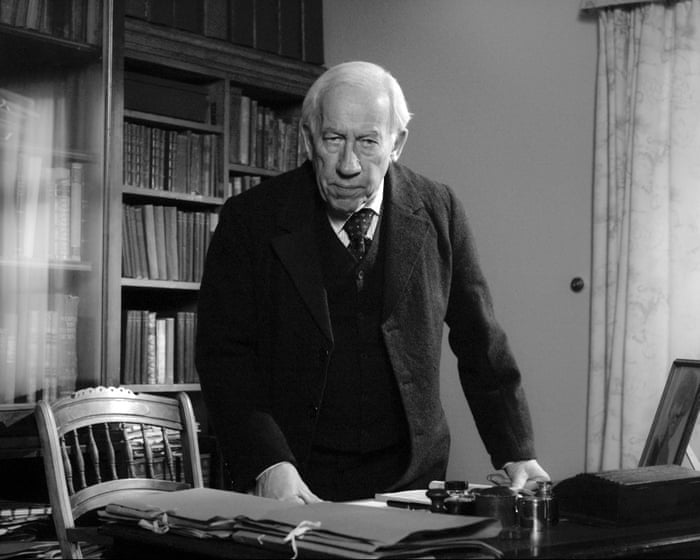
A new film called The Man With the Plan stars Simon Callow as William Beveridge, a key figure behind Britain’s postwar welfare system. The film explores Beveridge’s bold ideas to fight social problems like poverty, disease, and unemployment, and it is being shown across the UK in community spaces.
Key Facts
William Beveridge wrote a 1942 report that laid the foundation for Britain’s welfare state after World War II.
Beveridge identified five major social problems: want (poverty), disease, squalor (poor housing), idleness (unemployment), and ignorance.
More than 650,000 copies of Beveridge’s report were sold when it was published.
The film features a young character named Flea who meets people representing these social issues and their opponents.
Beveridge’s views are spoken exactly from his report by actor Simon Callow in the film.
The film was created by Christine Edzard and Olivier Stockman at Sands Films Studio in London.
Experts, including Professor Sir Michael Marmot, support Beveridge’s ideas as necessary today.
The film encourages viewers to think of the state as the people themselves, rather than distant powers or corporations.
Read the Original
Want the full story? Tap a source to open the original
article.
A report from the Institute for Public Policy Research shows that young people in England are feeling much lonelier and more isolated than before. Factors like social media, pandemic effects, and fewer youth services have led to fewer close friendships and delayed steps to independence for people aged 11 to 24.
Key Facts
The number of young people (11-24) in England with no close friends rose from 1 in 100 in 2014 to 1 in 20 now.
Among 16-21 year olds, those with at least three close friends dropped from 85% to 72% between 2012-14 and 2023-25.
Happiness with friendships among 14-15 year olds fell from 86% to 76% in the same period.
Causes include youth club closures, unaffordable housing, TikTok, and loss of self-esteem.
The average age for first-time home buyers is now 34, and nearly 20% of young renters spend half their income on rent.
More young people are not in education, employment, or training (“Neets”), slowing their move to adulthood.
Young people feel disconnected from themselves and society, with many turning to “doomscrolling” (continually browsing bad news online).
The report is based on official data and interviews with 150 young people.
Read the Original
Want the full story? Tap a source to open the original
article.
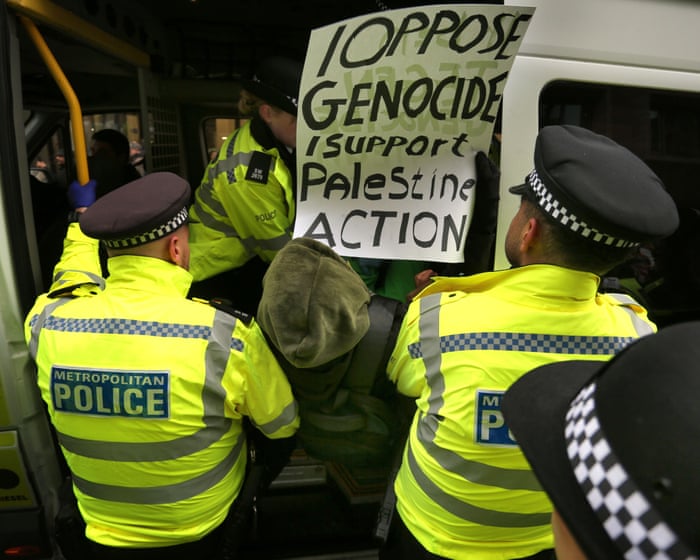
Nearly half of all terrorism-related arrests in Great Britain since 2001 happened in the year ending March 2026, according to official data. This rise is linked to a ban on the group Palestine Action, leading to thousands of arrests of people allegedly supporting the group.
Key Facts
Since 2001, there have been 6,539 terrorism arrests in Great Britain; 3,021 of these arrests happened in one year ending March 2026.
The increase follows the ban of Palestine Action in July 2025, the first group banned under the Terrorism Act.
Palestine Action is a protest group opposing what it calls genocide against Palestinians by entities linked to Israel.
Arrests related to terrorism rose by 1,434% compared to the previous year. Arrests of women and people aged 30+ also increased sharply.
Around 3,600 arrests are connected to support for Palestine Action, more than half of all terrorism arrests since 2001.
Many arrested participated in peaceful protests organized by the Defend Our Juries campaign, holding signs supporting Palestine Action.
About 2,500 people have been charged under the law banning support for terrorism groups, with penalties up to six months in prison; some face more serious charges.
The Home Office stated that showing support for banned groups is illegal and that police arrests are based on the details of each case.
Read the Original
Want the full story? Tap a source to open the original
article.
Kenyan aviation workers ended a two-day strike that disrupted flights at Nairobi’s main international airport. The strike stopped many travelers from flying because of cancellations and delays.
Key Facts
The strike began on Sunday and ended on Tuesday after an agreement was reached.
The Kenya Aviation Workers Union led the strike.
The strike affected Jomo Kenyatta International Airport, Nairobi, and other airports in Kenya.
Workers were protesting unfair hiring, low pay, and proposed airport management changes.
Many passengers were stranded and faced financial losses due to flight delays and cancellations.
The airport has experienced similar strikes before, including one in February.
The Kenya Airports Authority was part of the talks to end the strike.
The airport is a key hub for regional and international travel.
Read the Original
Want the full story? Tap a source to open the original
article.
Russia launched a large attack on Ukraine’s capital and nearby areas using missiles and more than 200 drones, killing at least 11 people and injuring many others, including children. Ukrainian forces responded by destroying many of the incoming missiles and drones during a series of strikes over several days.
Key Facts
The attack began at 6 p.m. on Monday and included ballistic, cruise, and anti-radar missiles along with 218 drones.
About one-third of the drones used were fast, jet-powered types.
The main targets were Kyiv and the Odesa regions in Ukraine.
At least 11 people died, including eight in Kyiv city and three in surrounding areas.
More than a dozen people were injured during the strikes, including children.
Significant damage occurred to civilian buildings, infrastructure, and vehicles.
Ukrainian forces destroyed or suppressed 199 aerial targets during the attack.
The strikes continued over six straight days, causing ongoing danger and disruption.
Read the Original
Want the full story? Tap a source to open the original
article.
The U.S. aircraft carrier USS Abraham Lincoln is scheduled to stop at a port near Pattaya, Thailand, on its way back to the U.S. after a long mission in the Middle East. Over 5,000 American service members on board will visit Pattaya, and local officials expect their stay to help the city’s economy while enforcing certain activity restrictions.
Key Facts
The USS Abraham Lincoln sailed past Singapore returning from the Middle East.
It will dock this week at a port in Chonburi province, near Pattaya, Thailand.
More than 5,000 U.S. service members are on board and many will visit Pattaya.
The USS Frank E. Petersen Jr. destroyer will dock at a different port nearby.
Pattaya’s mayor hopes this visit will boost the local economy and tourism.
U.S. service members will be banned from certain activities like parasailing and cannabis use.
Thai police will increase security on Pattaya Beach and Walking Street to maintain order.
Visitors breaking Thai laws will face legal action by local authorities.
Read the Original
Want the full story? Tap a source to open the original
article.
Zambia's President Hakainde Hichilema will start his second five-year term after winning the August 13 election with 60% of the vote. His main opponent, Brian Mundubile, who received 38%, was arrested on treason charges amid disputed election results.
Key Facts
President Hichilema won the latest election with 60% of the vote, while Brian Mundubile got 38%.
Mundubile claimed the election results were tampered with but could not file a legal challenge because courts were closed at the deadline.
Election observers noted some problems with how votes were counted and recorded.
After the election, security forces raided a property linked to Mundubile, resulting in the death of a former minister and arrests of opposition figures.
Authorities accused the opposition of planning armed rebellion, which they denied.
Mundubile and his running mate were arrested and charged last weekend.
Hichilema initially took office in 2021 when Zambia faced a debt crisis and high inflation.
He worked to restructure debt and improve relations with foreign creditors, helping reduce inflation but economic challenges remain.
African leaders, including Botswana’s and Tanzania’s presidents, are expected to attend Hichilema’s inauguration.
Read the Original
Want the full story? Tap a source to open the original
article.
A 23-year-old man has been charged with murder after a house fire in Grangetown killed a seven-year-old girl and her aunt. The fire also injured four others, and police continue to investigate the case.
Key Facts
The fire happened early on 26 August at a house on Birchington Avenue in Grangetown.
Two people died: Natalie McDonald, 34, and her niece Valentina Foster, aged seven.
Four other people were injured; one woman is in critical but stable condition.
The 23-year-old man faces charges including two counts of murder and charges related to causing serious injuries.
He is scheduled to appear in Teesside magistrates court.
Another 31-year-old man was arrested but later released without charges.
Police thank the community for support and ask anyone with information to come forward.
Officials stress the accused has the right to a fair trial and that public reporting should not affect legal proceedings.
Read the Original
Want the full story? Tap a source to open the original
article.
Since the Arab Spring protests began in Tunisia in 2010, the country has faced a continuing rise in the cost of living. Prices for common food items have more than doubled, and the Tunisian currency has lost almost half its value against the U.S. dollar, making everyday goods much more expensive for people.
Key Facts
The Arab Spring started in Tunisia in December 2010 after Mohamed Bouazizi's self-immolation, protesting against unemployment, corruption, and police brutality.
Tunisia's currency, the dinar, has lost 49% of its value against the U.S. dollar since 2010.
Prices for many food items have risen sharply since 2010: tomatoes by 113%, chicken by 118%, cooking oil by 129%, carrots by 428%, potatoes by 268%, and beef by 290%.
Some goods remain price-controlled and subsidized by the government, but subsidies have been reduced over time.
In 2022, the government planned to replace universal food subsidies with targeted cash help to secure an IMF loan, but President Kais Saied stopped this plan in 2023.
Subsidised goods prices stayed stable, but unsubsidised items saw major price increases.
The ongoing cost-of-living crisis remains a serious problem for Tunisians, even 15 years after the protests.
Read the Original
Want the full story? Tap a source to open the original
article.
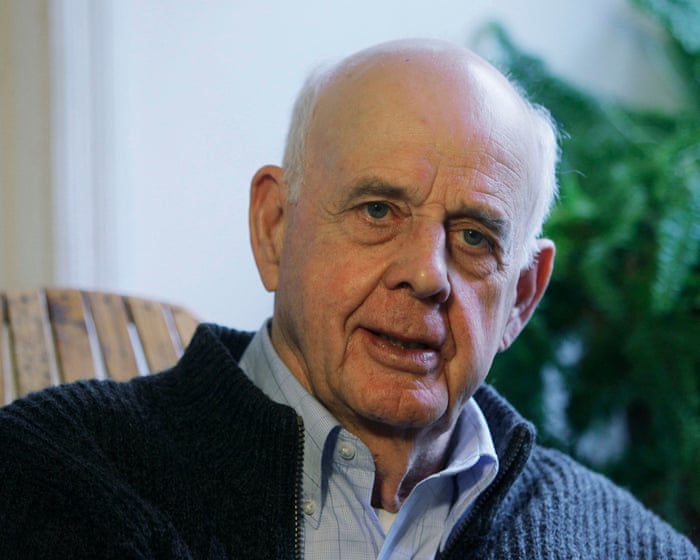
Wendell Berry, a Kentucky-born author and farmer known for writing about farming life and environmental issues, died at age 92. He wrote more than 40 books and was respected for his work promoting a close connection to the land and simple living.
Key Facts
Wendell Berry was born in 1934 in Henry County, Kentucky.
He wrote poems, stories, novels, and essays about farming and environmental topics.
Berry published over 40 books, including "Nathan Coulter" and "A Place on Earth."
He lived on a farm in Kentucky and avoided modern technology like computers and TV.
Berry supported clean energy and protested against coal mining practices in Kentucky.
He received honors like the National Humanities Medal but never won a Pulitzer Prize.
Berry influenced other writers and food activists with his ideas about farming and eating.
He died at his home in Port Royal, Kentucky, at the age of 92.
Read the Original
Want the full story? Tap a source to open the original
article.
A glacier collapse caused floods in Nepal and affected parts of India, leaving many people missing, including pilgrims and workers. Experts warn that climate change is increasing the risk of similar glacier-related disasters in the Himalayas, which could lead to more flooding and debris flows.
Key Facts
A melting glacier caused a deadly flood along the Bhote Kashi River from Tibet into Nepal.
At least 275 Indians were reported missing, including hydropower project workers and Hindu pilgrims.
149 Indian people have been rescued so far.
Glacier detachment and melting permafrost are key hazards causing floods and debris flows in the Himalayas.
Climate change is causing glaciers to retreat and glacial lakes to grow in size and number.
These changes increase the risk of sudden floods, but monitoring the vast Himalayan region is difficult.
Experts say all Himalayan states in India face risks from these hazards, but the exact impact is not yet fully studied.
Read the Original
Want the full story? Tap a source to open the original
article.
A glacier in the Himalayas collapsed, causing a massive landslide that triggered severe floods in Nepal. This disaster reflects the ongoing changes in mountain environments caused by climate change.
Key Facts
A glacier failure combined with a huge landslide caused the floods in Nepal.
The event is described as a "compound disaster," meaning two dangerous events happened together.
Climate change is warming the Himalayas and changing high mountain areas.
These environmental changes make floods and landslides more likely.
Scientists want to find early signs of these disasters to better prepare for them.
The floods have caused many deaths and large-scale destruction in Nepal and parts of China.
Many people are missing or trapped in hydropower tunnels after the floods.
The disaster highlights the need for new ways to plan cities and engineering to handle future risks.
Read the Original
Want the full story? Tap a source to open the original
article.