The UK Prime Minister Andy Burnham said Russia is using fake online accounts and websites to spread false information and harm UK society. He announced a new British center to fight this problem but did not mention that US technology platforms and some British extremists also help spread harmful false information.
Key Facts
Russia is accused of running large-scale disinformation campaigns in the UK using bots and fake websites.
The UK government plans to create a National Centre for Information Defence to stop these attacks.
Much false information spreads through US tech platforms like X (formerly Twitter).
Analysis showed many false claims about riots in the UK originated from accounts outside the country, including the US.
Elon Musk, owner of X, has shared and promoted far-right views about the UK.
Far-right activist Tommy Robinson received support from the Musk Foundation and traveled to Moscow.
Prime Minister Burnham focused on Russia’s role but did not address the role of US tech companies or British far-right groups.
Effective defense against disinformation requires addressing both foreign threats and domestic contributors.
Read the Original
Want the full story? Tap a source to open the original
article.
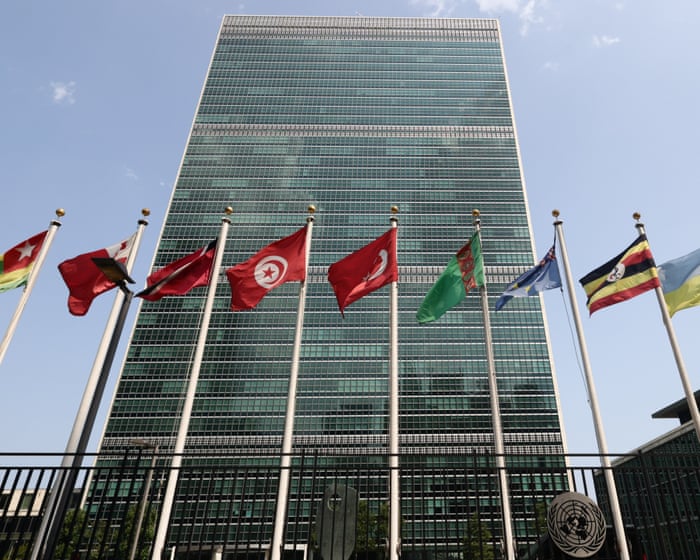
The United Nations was created to prevent war and uphold international law, but it faces serious challenges today. Many world leaders, including President Donald Trump, have criticized or distanced themselves from the UN, which is struggling with conflicts, a divided Security Council, and funding issues. Despite this, the UN remains important for global cooperation and addressing world problems.
Key Facts
The UN’s main goal is to stop wars and protect future generations.
President Donald Trump threatened Iran and criticized Venezuela during his UN speech.
Several important leaders, including Vladimir Putin, Xi Jinping, and Narendra Modi, did not attend the UN General Assembly this year.
UN Secretary-General António Guterres has faced challenges from rising global conflicts and a divided Security Council.
Guterres has called for reforms, especially to the Security Council, but progress is slow.
The US has reduced essential funding but is now paying some debts to the UN.
A new UN Secretary-General, possibly from Latin America or the Caribbean, is expected to be chosen after Guterres's term ends in December.
The UN continues to be valuable for smaller countries and global issues like climate change and landmine bans.
Read the Original
Want the full story? Tap a source to open the original
article.
The UK government’s plan to transfer the Chagos Islands to Mauritius is currently blocked because President Trump strongly opposes the deal. UK officials say progress is unlikely unless President Trump changes his mind, as the deal requires US support to move forward.
Key Facts
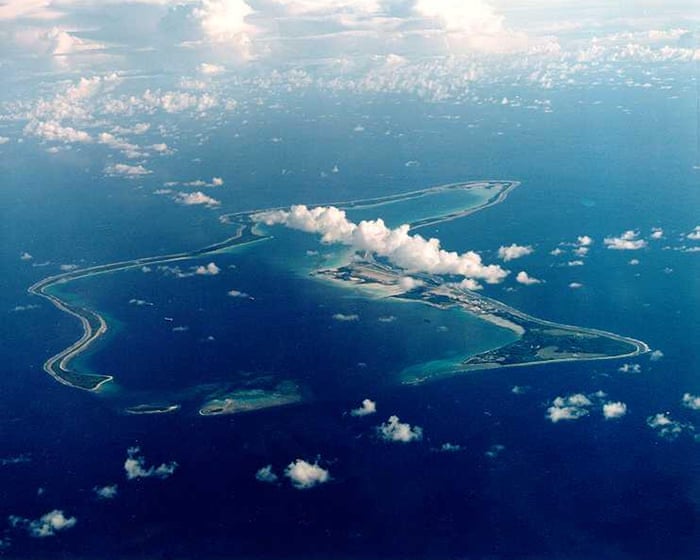
The UK signed a treaty to give control of the Chagos Islands to Mauritius while keeping a military base on Diego Garcia under a 99-year lease.
Mauritius was supposed to receive payments of £165 million for three years and then £120 million annually starting from the fourth year.
UK Defence Secretary Wes Streeting said payments to Mauritius are on hold because the US must support the deal.
President Trump called the agreement “a terrible deal” and does not support transferring the islands to Mauritius.
Trump’s opposition came amid worsening relations with UK Labour leader Keir Starmer over the UK’s stance on US actions in Iran.
UK officials say they still want to find a diplomatic solution to preserve the military base’s security while resolving the sovereignty issue.
The UK government says all sides agree a resolution is needed, but US approval is necessary for the deal to proceed.
The current situation is seen as a continuation of talks from previous UK governments, including one started under Prime Minister Rishi Sunak.
Read the Original
Want the full story? Tap a source to open the original
article.
Hurricane Polo, a very strong storm in the Pacific, is hitting Mexico’s southwestern coast. The storm has caused heavy rain and large waves, leading officials to close ports and stop school classes in the area.
Key Facts
Hurricane Polo is one of the strongest Pacific storms in many years.
The storm is affecting Mexico’s southwestern coast.
It is bringing heavy rain to the region.
Large and dangerous waves are occurring along the coast.
Authorities have closed ports to prevent accidents.
Schools have been closed to keep students safe.
The storm is still gathering strength as it moves near Mexico.
Read the Original
Want the full story? Tap a source to open the original
article.
The Netherlands will return to the Eurovision Song Contest in 2027 after boycotting the 2026 event due to concerns about the competition’s neutrality over Israel’s involvement and the Gaza war. Dutch public broadcaster NPO will air the contest and select the participant through an independent panel, replacing the previous broadcaster Avrotros which withdrew because of these issues.
Key Facts
The Netherlands last participated in Eurovision in 2025 with the singer Claude.
The Dutch broadcaster Avrotros boycotted the 2026 and 2027 contests over concerns related to Israel’s role and the Gaza conflict.
The NPO, overseeing public broadcasting, took over and will broadcast Eurovision in 2027.
An independent panel will select the Dutch Eurovision contestant to ensure neutrality.
Eurovision’s European Broadcasting Union (EBU) excluded countries involved in armed conflicts from hosting the contest.
Israel can still compete but would need another country to host if it wins, due to the conflict rule.
Other countries boycotting the 2026 contest included Iceland, Spain, Ireland, and Slovenia.
The 2027 Eurovision contest will be held in Burgas, Bulgaria, following Bulgaria’s win in 2026.
Read the Original
Want the full story? Tap a source to open the original
article.
President Donald Trump spoke at the United Nations and called himself a “peacemaker.” However, he also threatened to completely destroy Iran, referring to the country as the Islamic Republic.
Key Facts
President Trump gave a speech at the United Nations.
He described himself as a “peacemaker” during the speech.
At the same time, he threatened to “annihilate” Iran.
Iran is officially called the Islamic Republic of Iran.
The speech did not offer a clear plan to end any ongoing conflict.
The speech took place very recently, as of the day before.
Read the Original
Want the full story? Tap a source to open the original
article.
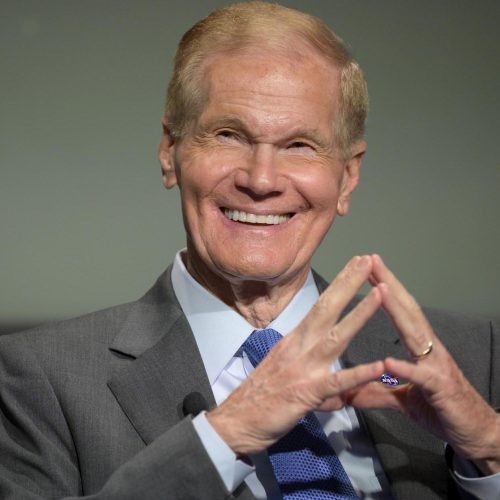
Bill Nelson, former NASA administrator, says China aims to dominate space by focusing on the Moon. He warns that the U.S. must act quickly to maintain leadership in space exploration as China works to build long-term lunar bases.
Key Facts
Bill Nelson served as NASA administrator from 2021 to 2025 under President Biden.
Nelson calls China’s space program militarized and secretive, making it untrustworthy for cooperation.
He supports strict limits on NASA-China collaboration, known as the Wolf Amendment.
In 2023, NASA helped the U.S. military with the incident involving a Chinese spy balloon over the U.S.
Nelson says future competition will focus on space, especially control over the Moon’s South Pole.
China is building infrastructure to stay long-term on the Moon where valuable resources are found.
NASA, led by Jared Isaacman, is pushing to build a Moon Base and review partnerships to beat China.
Nelson describes this space race as urgent and critical for U.S. leadership beyond Earth.
Read the Original
Want the full story? Tap a source to open the original
article.
Seven armed groups, including the Tigray People’s Liberation Front, have joined forces in northern Ethiopia to try to remove the government. Tigrayan forces have taken control of some airports, raising fears that the peace agreement from 2022 may be breaking down.
Key Facts
Seven armed groups formed an alliance against the Ethiopian government.
The alliance includes the Tigray People’s Liberation Front (TPLF).
Tigrayan forces have taken over airports controlled by the federal government.
The 2022 peace deal in Ethiopia is showing signs of falling apart.
There are growing fears that armed conflict may restart in northern Ethiopia.
The situation involves multiple groups working together to challenge the government.
Read the Original
Want the full story? Tap a source to open the original
article.
A top NATO military leader said Russian President Vladimir Putin is taking more risks and acting more recklessly as the war in Ukraine continues. He warned that Putin wants to split Western countries and might provoke NATO into responding too strongly.
Key Facts
NATO's deputy commander in Europe is Air Chief Marshal Sir John Stringer.
Stringer spoke about Putin’s behavior at a security conference in Estonia.
He described Putin as "increasingly cavalier, dangerous and risk accepting."
The war in Ukraine is ongoing and affecting Russia’s actions.
Some European leaders fear Russia may increase attacks that challenge NATO’s defense.
These attacks include sabotage (deliberate damage) and espionage (spying).
Stringer warned NATO members to be careful not to overreact to provocations.
Putin’s goal is to weaken the unity of Western allies.
Read the Original
Want the full story? Tap a source to open the original
article.
The British military has been using ground-based systems to jam or block satellites from other countries to protect its own sensitive operations. The UK recently created a new unit, the Space Effects Squadron, to defend its satellites against growing threats in space.
Key Facts
The UK Royal Air Force (RAF) has used a system for about a year to interfere with other nations’ satellites.
This system helps stop hostile satellites from tracking UK nuclear submarines and special forces.
The new Space Effects Squadron focuses on disrupting and blocking hostile threats in space.
Defence Secretary Wes Streeting said satellites are crucial for everyday life, including phones, banking, and GPS.
Losing GPS would cost the UK economy about £1.4 billion per day.
The UK faces increasing threats from countries like Russia and China in space, including satellite jamming and dangerous satellite maneuvers.
The UK works closely with the US Space Force to protect military satellites.
Space threats affect not just military security but also daily services like weather forecasts, emergency response, and transportation.
Read the Original
Want the full story? Tap a source to open the original
article.
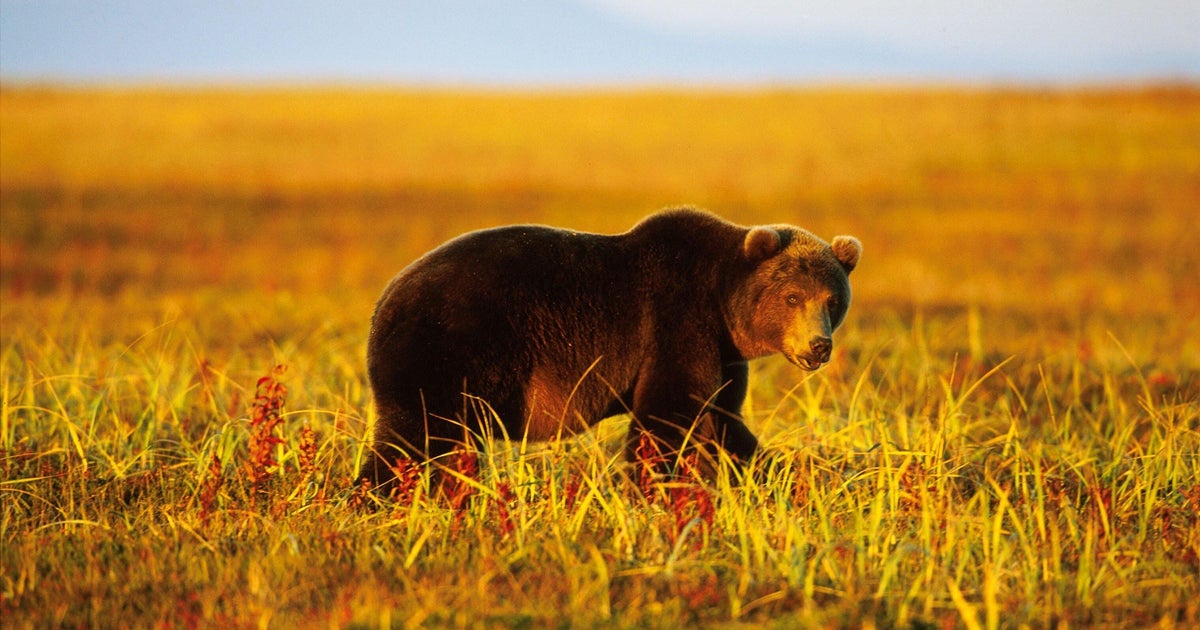
At least six people have been killed in bear attacks in Siberia’s Krasnoyarsk region in the past month. Officials have started an investigation, accusing local authorities of not controlling the growing bear population, which has more than doubled since 1990.
Key Facts
Six people were killed in bear attacks in Krasnoyarsk, Siberia, in one month.
Authorities are investigating local officials for criminal negligence related to bear control.
Russia’s brown bear population nearly doubled from about 130,000 in 1990 to nearly 308,000 in 2026.
Around 20 to 30 bear attacks happen yearly across Russia, with at least 14 deaths this year.
Victims included pensioners, a factory worker, berry pickers, and a logger.
The town of Abaza, with 10,000 residents, is reportedly surrounded by bears.
Videos showed bears near roads and swimming by the town, raising public concern.
Most bears in Russia tend to run away when encountering people, according to emergency services.
Read the Original
Want the full story? Tap a source to open the original
article.
Israeli forces have damaged homes and infrastructure in villages along the southern border of Lebanon. Many residents have been forced to leave and are unsure if they will have a place to return to.
Key Facts
Israeli military actions targeted villages in southern Lebanon near the border.
Homes and key infrastructure were destroyed during these actions.
Many people living in these villages have been displaced, meaning they had to leave their homes.
The damage has left the villages in poor condition, raising concerns about rebuilding.
The affected area is along the border between Lebanon and Israel.
The situation has created uncertainty for residents about the future of their homes.
Read the Original
Want the full story? Tap a source to open the original
article.
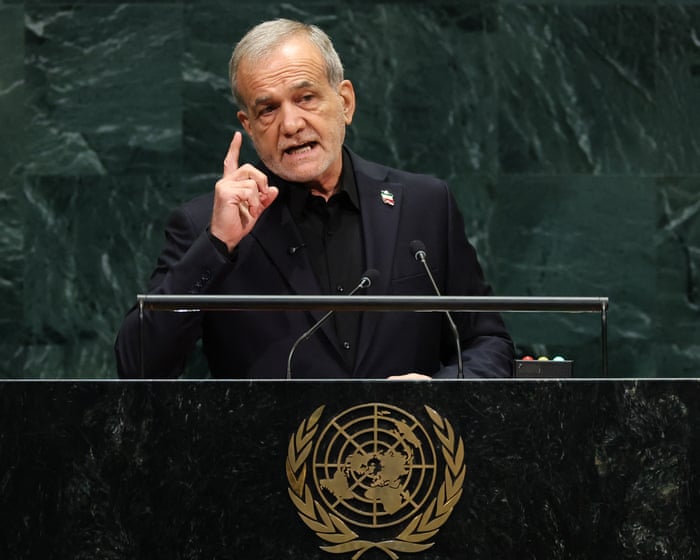
Iran’s president, Masoud Pezeshkian, spoke at the UN, calling the US the real bully in the Middle East and saying Iran wants peace talks without force. He mentioned a recent meeting with US officials but insisted Iran will not give in to pressure and wants to protect its independence and rights in the region.
Key Facts
Iran’s president called the US a bully and accused it of terrorism in the Middle East.
Pezeshkian said Iran is ready for talks but refuses to accept threats or force.
A three-hour meeting between Iran’s and US officials happened at the UN, seen as positive by both sides.
Iran wants control over the Strait of Hormuz to stop arms shipments against it.
Iran denies starting the war and says it only wants a peaceful nuclear program, not weapons.
The Iranian president criticized US allies like Israel and questioned sanctions on Iran.
The US allowed Pezeshkian to attend the UN but denied visas to some of his team.
Iran set seven conditions to return to talks and said it could reopen the Strait of Hormuz quickly if these are met.
Read the Original
Want the full story? Tap a source to open the original
article.
Syria’s President Ahmed al-Sharaa told the United Nations that Israel’s military actions harm Syria’s security and slow its recovery from civil war. He called for Israel to leave the Golan Heights, a region Syria says is its land under international law.
Key Facts
Syria’s President Ahmed al-Sharaa spoke at the UN General Assembly about Israel’s attacks on Syrian territory.
He said Israel carried out about 500 air strikes, 1,200 incursions, and 300 detentions in Syria.
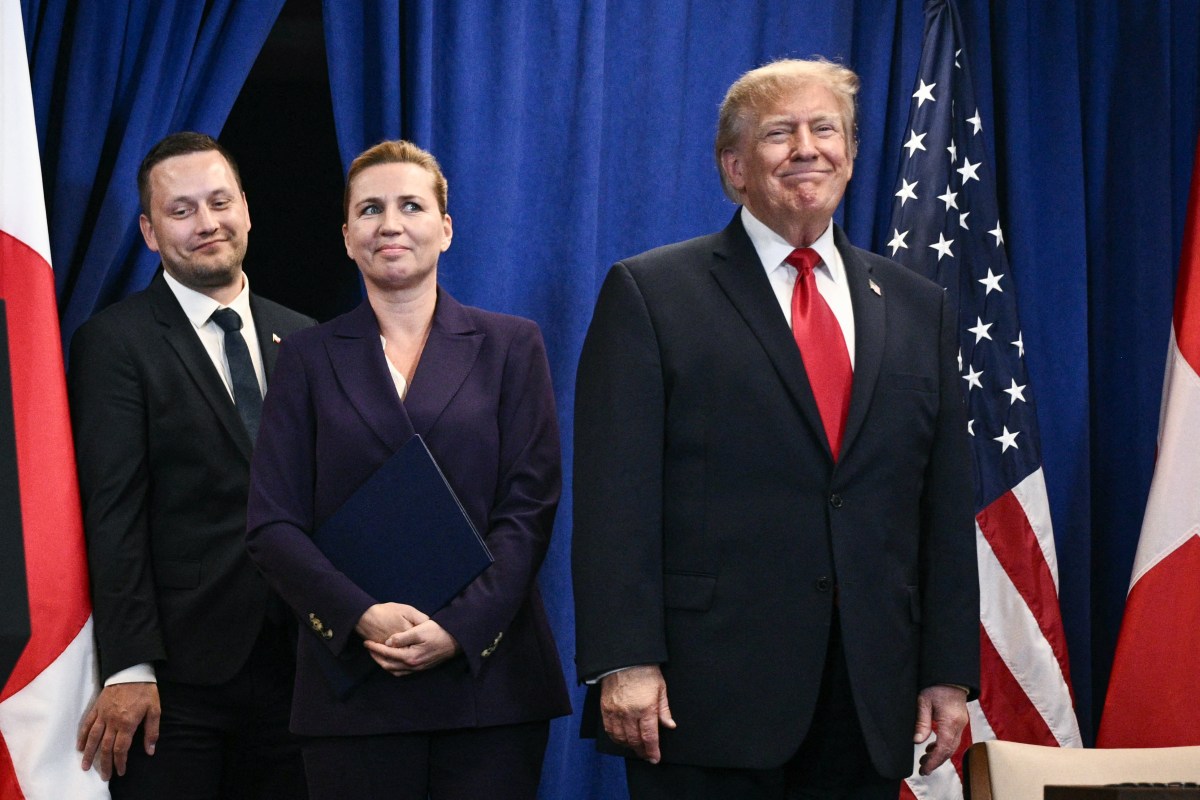
The U.S., Denmark, and Greenland signed a new security deal that gives the U.S. permanent responsibility for Greenland’s security while respecting Denmark’s and Greenland’s independence. This agreement is expected to increase U.S. military presence in Greenland and open more opportunities for businesses, especially in energy and mineral exploration.
Key Facts
The deal was announced by President Donald Trump and signed by leaders of Denmark and Greenland at the U.N. General Assembly.
It updates a 1951 security agreement between the U.S. and Denmark and includes Greenland’s government.
The deal must be approved by the Danish and Greenlandic parliaments before it takes full effect.
The U.S. will expand military bases, including the Pituffik Space Base and a new missile-defense system.
Businesses expect more stability and confidence to invest in Greenland’s energy projects.
Greenland Energy, a Texas-based company, plans to start drilling for oil in 2027 in an area estimated to hold large oil reserves.
The agreement may reduce U.S. dependence on China for critical minerals needed for technology and energy.
This deal supports Greenland’s economic growth and its goal for full independence.
Read the Original
Want the full story? Tap a source to open the original
article.
Iran’s president responded to statements made by President Donald Trump during the United Nations General Assembly. The response focused on disagreements between Iran and the U.S. regarding international policies and relations.
Key Facts
The response from Iran’s president came during the United Nations General Assembly meeting.
President Donald Trump had made remarks about Iran before the rebuttal.
The exchange highlights ongoing tensions between Iran and the United States.
The UN General Assembly is a place where countries discuss global issues.
Both leaders used this platform to share their country’s views and criticisms.
Iran’s president directly addressed concerns raised by President Trump.
Read the Original
Want the full story? Tap a source to open the original
article.
The United Nations General Assembly (UNGA) is becoming more important as the Security Council faces limits due to veto powers held by five countries. The UNGA, where each of the 193 member states has one vote, allows smaller and middle powers, especially from the Global South, to influence world politics and focus on issues like human rights and global inequality.
Key Facts
The UN Security Council’s five permanent members (China, France, Russia, the UK, and the U.S.) can veto decisions, limiting its action on global crises.
The UN General Assembly includes 193 member countries, each with an equal vote.
Since 1960, the majority of member states are from the Global South, which shapes the agenda and priorities of the UNGA.
The UNGA helped lead the creation of the UN High Commissioner for Human Rights, officially established in 1993.
The General Assembly has promoted issues such as decolonization, self-determination, inequality, and human rights.
In 2022, the UNGA used the “Uniting for Peace” resolution to act during Russia’s invasion of Ukraine when the Security Council was blocked.
The UNGA recently passed resolutions condemning Israel’s actions in Gaza with broad support from member states.
The UNGA reflects both the official positions of member states and global public opinion on many issues.
Read the Original
Want the full story? Tap a source to open the original
article.
BBC Verify investigated online disinformation campaigns linked to Russia that aim to influence public opinion in several countries. These campaigns use fake videos and websites, often created with artificial intelligence (AI), to spread false information about political events like elections and the war in Ukraine.
Key Facts
Russia-linked groups have targeted the UK, US, Germany, and other Western countries with disinformation online.
Fake videos with AI-generated voices and faces impersonate real people, including ordinary British citizens.
One campaign called Matryoshka produces dozens of fake videos daily to spread false news about Ukraine and Western countries.
Fake local news websites, like the London Crier, spread made-up stories and were shared widely on social media.
TikTok removed more than 12,000 fake accounts linked to Russian disinformation efforts aiming to influence opinions on the Ukraine war.
A leak of confidential UK-US trade deal documents during the 2019 UK election was linked to a Russian-origin disinformation effort.
These campaigns focus on political events like the 2024 US presidential election and the 2024 US midterm elections.
Some experts question how effective or widespread these disinformation campaigns truly are.
Read the Original
Want the full story? Tap a source to open the original
article.
During a speech by Iran’s president Masoud Pezeshkian at the United Nations General Assembly, a member of the United States delegation left the room. The Israeli delegation was also not present while the speech was happening.
Key Facts
Iran’s president Masoud Pezeshkian spoke at the UN General Assembly.
A US official walked out during his speech.
The Israeli delegation did not attend the speech.
The speech was critical of the war on Iran.
The event took place on a Wednesday session of the UN General Assembly.
Read the Original
Want the full story? Tap a source to open the original
article.
A report by Climate Impact Lab warns that this year’s strong "super El Nino" could cause around 451,000 extra deaths worldwide due to heat between June 2024 and February 2027. The report links rising ocean temperatures and climate change to more extreme heat, and suggests actions to protect vulnerable people from deadly heat effects.
Key Facts
The "super El Nino" causes Pacific Ocean temperatures to rise much higher than usual, pushing global heat to record levels.
This year’s El Nino reached 2.7°C above normal ocean surface temperatures and could peak at around 4°C.
Researchers predict 451,000 more heat-related deaths globally during this event compared to average years.
The number of extremely hot days could rise by 44% compared to normal years.
Climate Impact Lab studied 24,378 regions, combining local climate and health data with temperature forecasts to estimate the death toll.
The report calls for emergency responses like heat warnings, cooling centers, and extra medical staff to protect vulnerable groups.
El Nino is a natural climate cycle that warms the Pacific Ocean every few years, affecting global weather patterns.
Scientists say this super El Nino shows a glimpse of future temperature extremes made worse by climate change.
Read the Original
Want the full story? Tap a source to open the original
article.