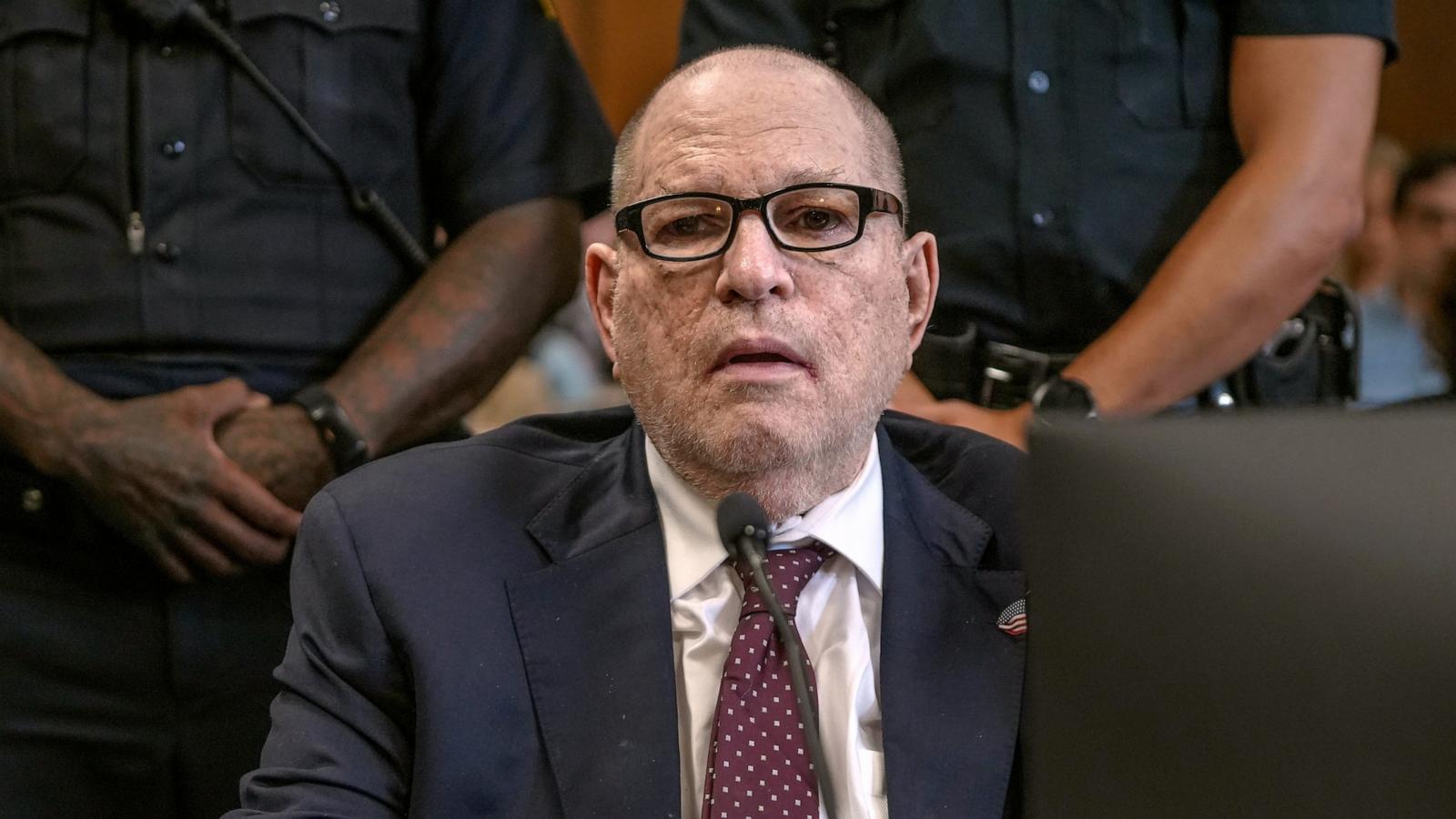
Harvey Weinstein was sentenced to 15 years in prison for sexually assaulting Miriam Haley in 2006 in New York City. Weinstein apologized, saying he regrets his actions, while the judge noted that he lost his chance at a positive legacy because of the assault.
Key Facts
Harvey Weinstein was sentenced on September 23, 2026, in Manhattan Supreme Court.
The assault occurred in 2006 and involved former production assistant Miriam Haley.
Weinstein was convicted last year for the assault.
The Manhattan District Attorney's Office had asked for a 20-year prison sentence.
Weinstein expressed that he feels mistreated in custody and wants to work on prison reform.
Judge Curtis Farber criticized Weinstein for ruining his legacy with the assault.
Miriam Haley said she felt like she had been on trial for seven years.
District Attorney Alvin L. Bragg, Jr. thanked Haley and other survivors for their courage during the legal process.
Read the Original
Want the full story? Tap a source to open the original
article.
Senator Marco Rubio said the United States limits arms sales to Taiwan because it needs to balance its military resources and production capacity. The U.S. must consider other global military priorities when deciding how much weaponry to provide to Taiwan.
Key Facts
Senator Marco Rubio spoke about U.S. arms sales to Taiwan.
He said these sales are limited by other U.S. military needs worldwide.
The industrial base, meaning factories and resources to produce weapons, also restricts sales.
The U.S. does not look at Taiwan arms sales alone but balances them with other priorities.
Arms sales decisions involve global military strategy, not just one region.
Taiwan wants more defense weapons amid tensions with China.
The U.S. supports Taiwan’s defense but faces challenges in supply and demand.
Read the Original
Want the full story? Tap a source to open the original
article.
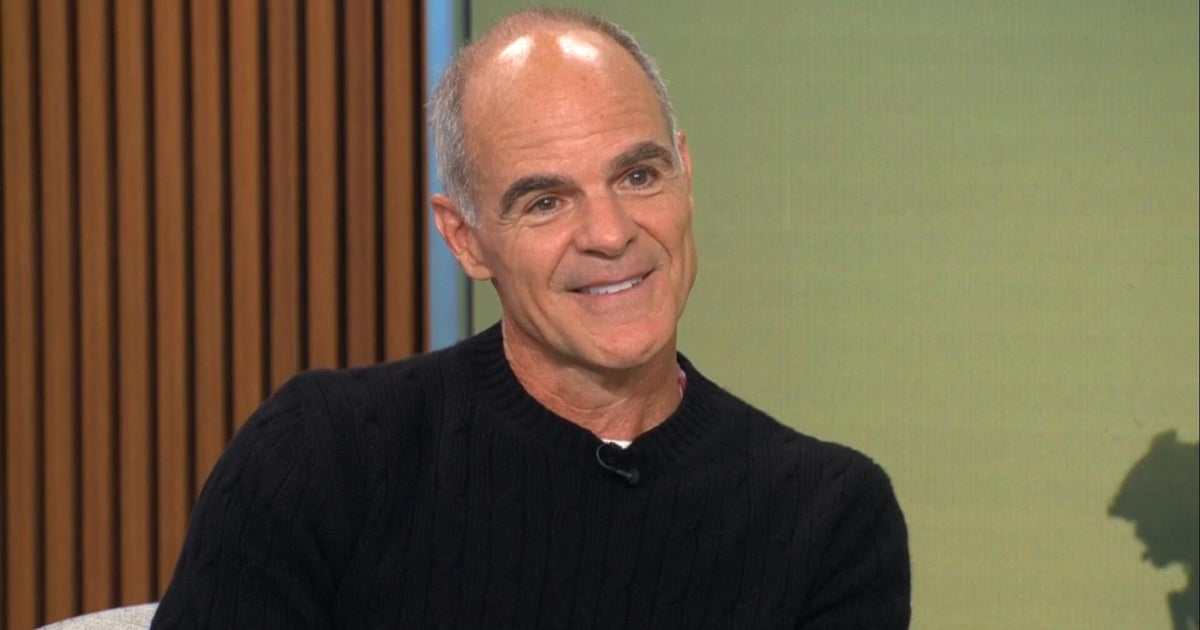
Michael Kelly, an actor in the TV series "Lioness," spoke with CBS News about the upcoming third season of the show. The interview covered details and excitement surrounding the new season.
Key Facts
Michael Kelly stars in the TV series "Lioness."
He talked about the third season of the series.
The third season is highly anticipated by fans.
The discussion took place on CBS Mornings.
Viewers can watch the interview on CBS News and the CBS News app.
Read the Original
Want the full story? Tap a source to open the original
article.
Michael Kelly, the actor from the TV series "Lioness," spoke with CBS News about the season 3 finale of the show. He shared insights about the last episode and discussed the series.
Key Facts
Michael Kelly is an actor on the TV show "Lioness."
He appeared on "CBS Mornings" to talk about the season 3 finale.
The conversation focused on the final episode of season 3.
"Lioness" is a popular TV series.
The discussion was featured on CBS News and its app.
Read the Original
Want the full story? Tap a source to open the original
article.
Sylvia Zin has not heard from her husband, Min Zin, for over 100 days. Min Zin, an American scholar, is being held in China without a trial date. Sylvia and others are working to help free Americans who are detained in China.
Key Facts
Min Zin is an American citizen and a scholar detained in China.
He has been held for more than 100 days without a scheduled trial.
His wife, Sylvia Zin, is actively trying to secure his release.
Sylvia discussed her situation on the news program "Face the Nation."
The National Committee on U.S.-China Relations is involved in the issue.
Steve Orlins, president of the committee, has commented on the situation.
The issue highlights concerns about American citizens detained abroad without clear legal processes.
Read the Original
Want the full story? Tap a source to open the original
article.
The Yemeni government is working hard both militarily and diplomatically to regain control of areas lost to the Houthi rebels, especially along the Red Sea coast. Government forces recently captured important mountain positions near Taiz and are seeking international support at the United Nations to help reverse Houthi advances.
Key Facts
The Yemeni government lost control of the Red Sea coast to the Houthis earlier this month.
Saudi-backed Yemeni forces claimed control of Mount Qarafan and Mount Zalat in southern Taiz.
Five Houthi fighters were reportedly killed and 20 wounded during recent military operations.
The Houthis tried to infiltrate the Kahboub front, which overlooks the Bab al-Mandeb strait, but were stopped by government forces.
The Bab al-Mandeb strait is strategically important for shipping and regional security.
Around 132,000 people have been displaced recently due to the fighting, including 75,000 in Taiz.
Yemeni officials are actively seeking international support at the UN General Assembly in New York.
Several world leaders have expressed concern about Yemen’s conflict and the need for a political solution.
Read the Original
Want the full story? Tap a source to open the original
article.
Singer Michael Kiwanuka has revealed he suffered a severe stroke caused by high blood pressure. He is currently recovering and announced the release of his fifth album, recorded before his stroke.
Key Facts
Michael Kiwanuka is a 39-year-old singer-songwriter from London.
He suffered a stroke a few months ago due to bleeding in his brain caused by high blood pressure.
The brain injury from the stroke is severe, and he needs extensive rehabilitation.
He had to cancel recent live shows in the US because of health problems.
Kiwanuka announced his new album, "Fudge," which was completed before his stroke.
He thanked NHS staff, medical professionals, friends, and family for their support.
Kiwanuka won the Mercury Prize in 2020 for his third album.
His song "Cold Little Heart" was featured as the theme for the US TV drama Big Little Lies.
Read the Original
Want the full story? Tap a source to open the original
article.
Harvey Weinstein has been sentenced to 15 years in prison after being found guilty of sexual assault against a former assistant. He has already spent six years in jail during multiple trials over similar charges and apologized in court while denying the allegations.
Key Facts
Weinstein was sentenced to 15 years in prison for a criminal sexual act against Miriam Haley.
The conviction followed a retrial after New York's highest court overturned his original 2020 conviction.
Weinstein has faced three trials in New York for rape and abuse allegations.
He has a separate sex crimes conviction in Los Angeles.
Weinstein spent six years in prison during the legal process.
He is a former Hollywood producer known for Miramax and films like Shakespeare in Love.
Allegations against him, which became public in 2017, helped start the #MeToo movement.
Weinstein appeared in court in a wheelchair and apologized to those he may have hurt.
Read the Original
Want the full story? Tap a source to open the original
article.
A tunic believed by some Christians to have been worn by Jesus Christ at his crucifixion will be shown to Pope Leo XIV during his visit to France. The Holy Tunic, usually kept hidden in Argenteuil, will be displayed under tight security at Stade de France for a prayer event.
Key Facts
The Holy Tunic of Christ is considered very sacred by many Christians.
It is believed to be the garment Jesus wore during his crucifixion.
The tunic is kept in Argenteuil, France, and is only shown publicly about every 50 years or on special occasions.
This tunic was last displayed to the public from April 18 to May 11, 2025, at the Basilica of Saint-Denys in Argenteuil.
It will be transported almost four miles to Stade de France under strict security with secret routes and aerial surveillance.
The tunic was stolen in December 1983 and returned in early 1984, but the details about the theft remain unknown.
Scientific studies have produced mixed results; some support its authenticity while a 2004 carbon dating suggested the fabric dates from 530-650 AD, after Jesus’ time.
Tradition says the tunic was given to Emperor Charlemagne by Byzantine Empress Irene around AD 800 and then kept in the Argenteuil monastery for safekeeping.
Read the Original
Want the full story? Tap a source to open the original
article.
Argentina’s President Javier Milei said at the United Nations that the people of the Falkland Islands do not have the right to decide their own future. Argentina claims the Falkland Islands, known locally as Las Malvinas, and does not recognize the islands’ self-rule under the United Kingdom.
Key Facts
Argentina’s President Javier Milei spoke at the UN General Assembly.
He said the “principle of self-determination” does not apply to the Falkland Islands.
The Falkland Islands are a self-governing territory of the United Kingdom.
Argentina calls the islands Las Malvinas.
Argentina claims the Falkland Islands belong to them.
The principle of self-determination means that the people living somewhere have the right to decide their political status.
This claim challenges the current British governance of the islands.
Read the Original
Want the full story? Tap a source to open the original
article.
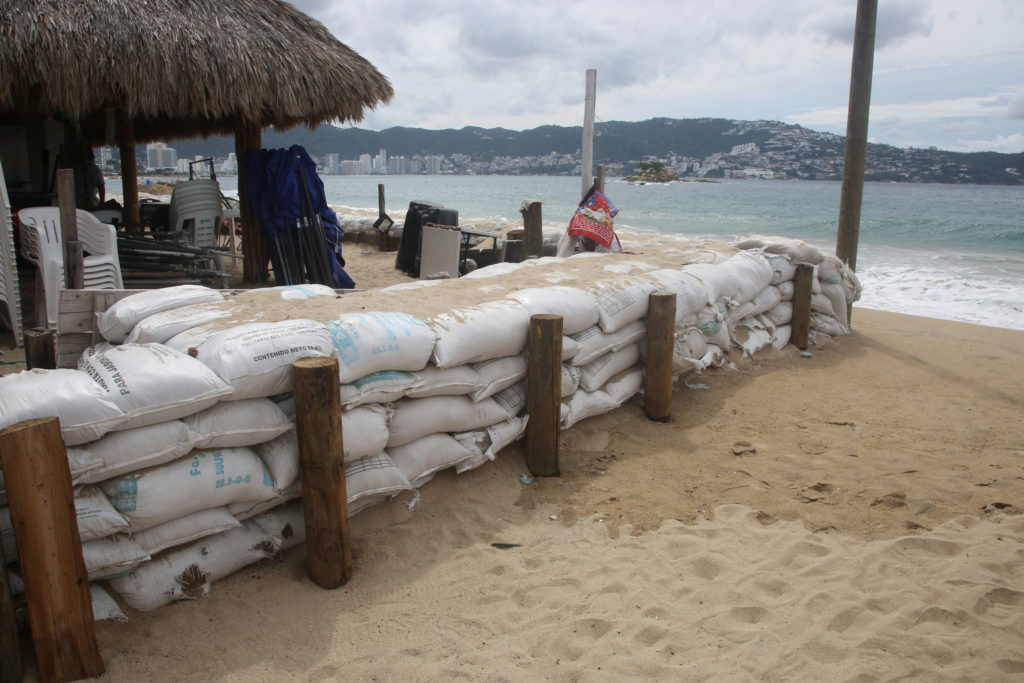
Hurricane Polo has become one of the strongest Pacific hurricanes in many years and is expected to move close to Mexico's southwestern coast. Another storm, Odalys, also grew stronger but is not expected to hit land.
Key Facts
Polo is a very powerful hurricane in the Pacific Ocean.
It has winds up to 150 mph, making it a Category 4 hurricane.
Polo was once a Category 5 hurricane, the highest category.
The storm is located south of Zihuatanejo and southeast of Manzanillo in Mexico.
Polo is moving slowly north and will turn northwest soon.
The U.S. National Hurricane Center calls Polo an "extremely dangerous" storm.
Another hurricane, Odalys, strengthened but is not expected to affect land.
Both storms are being closely tracked for potential impact.
Read the Original
Want the full story? Tap a source to open the original
article.
Germany has announced for the first time that it will stop using fossil fuels by 2045. The government plans to increase renewable energy use and reduce methane emissions as part of this effort.
Key Facts
Germany aims to phase out fossil fuels completely by 2045.
The country plans to increase renewable electricity from 55% to 80% by 2030.
Targets include adding 12 gigawatts (GW) of onshore wind power and reaching 215 GW of solar power by 2030.
Germany intends to stop using coal by 2038, possibly earlier by 2035.
Methane emissions will be cut by 30% by 2030, following a global methane reduction agreement.
There is political debate in Germany about the use of gas and heating rules, with some parties opposing strict changes.
Other countries like France and the Netherlands have also published plans to phase out fossil fuels.
The UK has not yet set a date to end fossil fuel use but will lead the G20 starting December 2024.
Read the Original
Want the full story? Tap a source to open the original
article.
Many people around the world feel lonely even though technology makes it easier to contact others. Loneliness is a serious health issue connected to many deaths each year, and it happens partly because modern life has reduced everyday face-to-face interactions that build real friendships.
Key Facts
In 2025, the World Health Organization said about 1 in 6 people globally feel lonely.
Loneliness causes around 871,000 deaths every year.
In the past, people met friends easily at places like churches, malls, and local businesses without planning.
Today, social life often requires scheduling, and work or family distance reduces regular contact.
Older adults can become more isolated due to mobility and family changes.
"Third places" like parks, libraries, and cafes help people connect outside home and work.
Digital communication can help start relationships but cannot fully replace in-person meetings.
The WHO calls social connection a global public health priority with impacts on health and well-being.
Read the Original
Want the full story? Tap a source to open the original
article.
Iran's President Masoud Pezeshkian told the United Nations that Iran will not give in to pressure from the United States despite ongoing conflict. He expressed willingness to negotiate but said any agreement must end the U.S. blockade of Iranian ships and ports.
Key Facts
Iran and the U.S. have been in conflict for nearly seven months, involving attacks and blockades in the Strait of Hormuz.
President Donald Trump threatened to "annihilate" Iran if no deal is reached soon.
Iran’s president stated the Iranian people will resist sanctions and pressure rather than surrender.
Iran demands the U.S. end its blockade of Iranian ships and ports as part of any deal.
The Strait of Hormuz is a key route for about 20% of the world’s oil and gas shipments.
The strait has been effectively closed due to Iranian attacks on ships and the U.S. blockade since February.
A preliminary agreement to end the conflict and reopen the strait collapsed after attacks resumed.
U.S. and Iranian officials held indirect talks recently in New York, but Iran says conditions for peace remain the same.
Read the Original
Want the full story? Tap a source to open the original
article.
Harvey Weinstein was sentenced to 15 years in prison for sexually assaulting Miriam Haley, a former TV production assistant, in 2006. This new sentence follows a retrial in New York after his original 23-year conviction was overturned on appeal.
Key Facts
Harvey Weinstein is a well-known Hollywood movie producer involved in many abuse allegations.
He was originally sentenced to 23 years in prison in 2020 for sexually assaulting Miriam Haley.
His original conviction was overturned by an appeals court in 2024.
A retrial took place in New York in 2025, which ended with a guilty verdict.
On September 23, 2026, Weinstein received a new sentence of 15 years in prison for this offense.
The case was part of the larger #MeToo movement that exposed many sexual abuse cases in Hollywood.
Weinstein was present in Manhattan Supreme Court when sentenced.
The case received wide international media coverage due to its impact on the film industry and social movements.
Read the Original
Want the full story? Tap a source to open the original
article.
A new study found that having a higher body mass index (BMI) in teenage years is linked to faster biological aging later in life. Researchers tracked over 3,500 people for 40 years and found that higher BMI in adolescence can increase the risk of diseases and earlier death.
Key Facts
The study was done by the University of Jyväskylä in Finland and published in the International Journal of Obesity.
Biological aging means the way cells and the body show signs of getting older, which can lead to health problems.
Teens with high BMI, whether due to genetics or other factors, may face more health issues linked to obesity as adults.
Excess body fat causes inflammation, which can harm the body's metabolism and speed up aging.
A 2023 study showed that weight control programs in children can slow biological aging.
The study suggests preventing weight gain early by improving schools, neighborhoods, and food options.
Higher BMI may also reflect other unhealthy habits like poor diet and low physical activity.
Early prevention efforts can reduce future risks of heart disease, cancer, and brain diseases.
Read the Original
Want the full story? Tap a source to open the original
article.
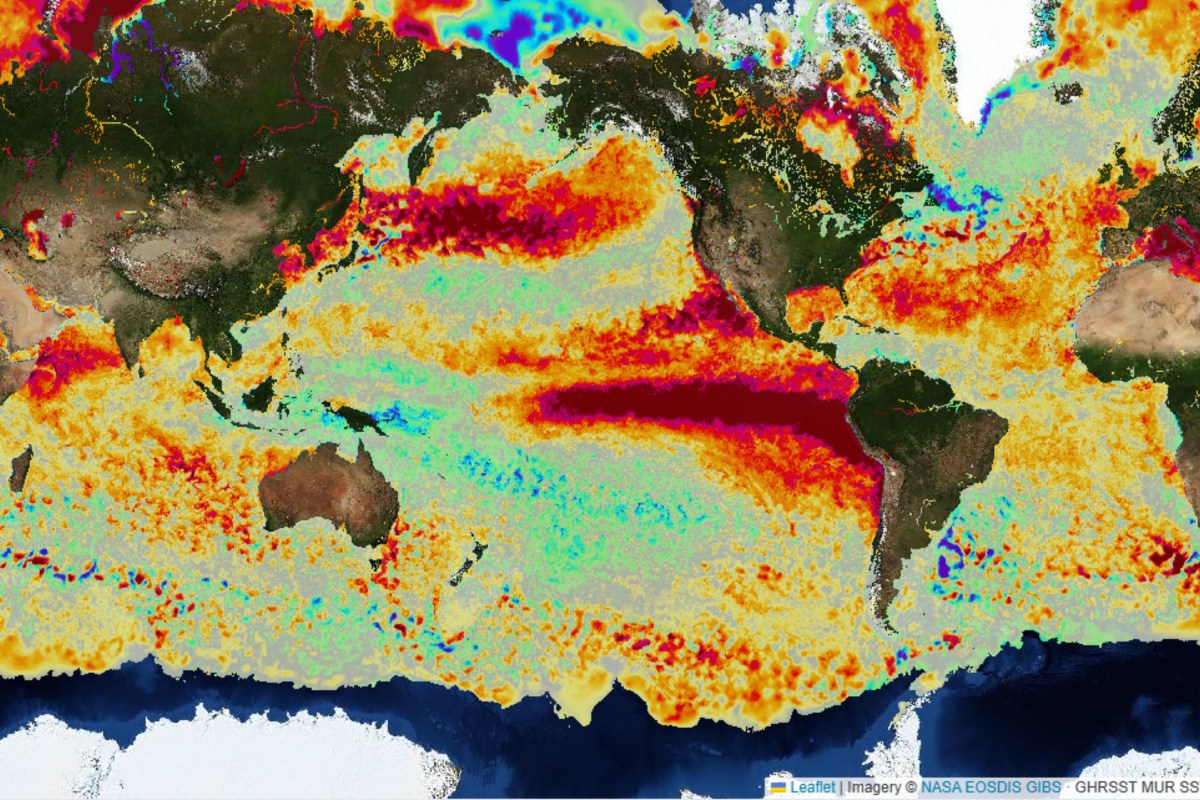
A strong El Niño weather pattern is developing across the Pacific Ocean, with unusually warm water spreading along the equator. This event is expected to become very strong this fall and winter, with potential impacts on weather worldwide.
Key Facts
El Niño is a natural climate pattern where warm water spreads across the Pacific Ocean near the equator.
Since April, the area of warm water, known as a "tongue," has grown larger and more continuous.
This year’s El Niño could be stronger than any event since at least 1950.
Warm water near South America normally stays cooler when winds push it west, but those winds are weakening, allowing warm water to move east.
Similar events in 1997–98 and 2015–16 caused extreme weather, like floods and droughts worldwide.
California’s governor declared a state of emergency to prepare for heavy rain and flooding from this El Niño.
Temperature data comes from NASA satellites and shows ocean surface temperatures 2 to 3 degrees Celsius above normal in some areas.
NOAA officials said daily sea surface temperature changes don’t fully show El Niño’s strength or effects.
Read the Original
Want the full story? Tap a source to open the original
article.
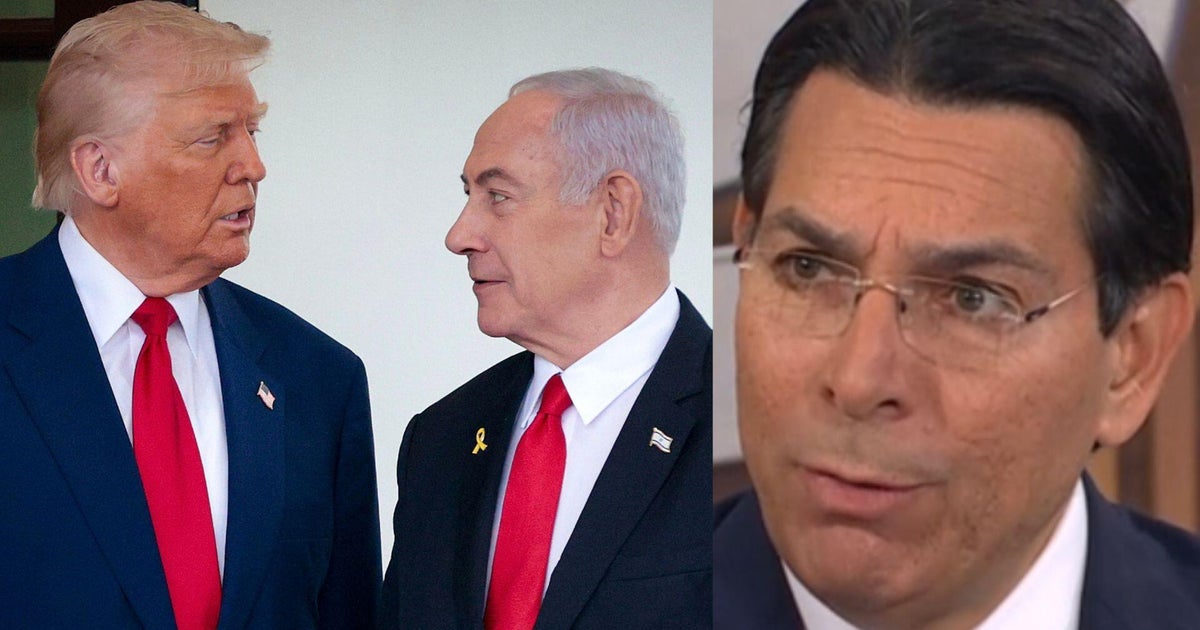
Danny Danon, Israel's ambassador to the United Nations, spoke about the rising conflicts in the Middle East, including the situation in Gaza and Iran. He also discussed the relationship between Israel and the United States during these tense times.
Key Facts
Danny Danon is Israel’s ambassador to the United Nations.
He addressed the recent conflicts in the Middle East, focusing on Gaza and Iran.
Danon talked about the current state of U.S.-Israeli relations.
The discussion came as tensions and violence in the region have increased.
The interview was featured by CBS News.
Read the Original
Want the full story? Tap a source to open the original
article.
Iranian President Masoud Pezeshkian said that Israel and the United States treat countries differently when it comes to nuclear weapons and military actions. He criticized Israel’s nuclear weapons and actions in Gaza, while Iran faces strict inspections and sanctions. He called for fairness in how international laws are applied.
Key Facts
Iranian President Masoud Pezeshkian made the statements.
He accused Israel and the US of having double standards.
Iran is subject to nuclear inspections and economic sanctions.
Israel has nuclear weapons but is not under the same inspections or sanctions.
Pezeshkian mentioned Israeli actions in Gaza as part of his criticism.
He called for equal treatment under international law for all countries.
The comments highlight ongoing tensions over nuclear policies and conflicts in the Middle East.
Read the Original
Want the full story? Tap a source to open the original
article.
Iran’s President Masoud Pezeshkian spoke at the United Nations, accusing the United States of terrorism against Iran and saying his country will not surrender or give in to pressure. He called for diplomacy but rejected using force, while President Donald Trump mentioned the possibility of destroying Iran if an agreement is not made soon. Talks between lower-level U.S. and Iranian officials took place briefly but were described by Iran as routine.
Key Facts
Iran’s President Pezeshkian accused the U.S. of carrying out terrorist acts against Iran.
He said Iran has only defended itself and denied targeting civilians, despite some civilians dying in recent attacks.
Pezeshkian emphasized that Iran will not "bow" or "bend at the knee" despite sanctions and pressure.
President Trump threatened to "annihilate" Iran if no deal is reached to end the ongoing war.
Trump’s envoys held a three-hour meeting with Iranian officials but gave few details about discussions.
Iran’s government described these talks as “nothing new” and downplayed their significance.
Secretary of State Marco Rubio said Trump might meet President Pezeshkian in New York.
The last indirect talks between the U.S. and Iran ended in June with a ceasefire that has since failed.
Read the Original
Want the full story? Tap a source to open the original
article.