Tensions between Iran and the United States are increasing as Iran warns it will consider any country joining U.S. sanctions against it as an enemy. The U.S. plans to announce its strategy on isolating Iran's economy soon.
Key Facts
Iran is responding strongly to U.S. efforts to impose economic sanctions.
Tehran says countries supporting U.S. sanctions will be treated as enemies.
The United States aims to isolate Iran’s economy through these sanctions.
A U.S. press conference will soon explain the details of this new strategy.
This conflict is part of ongoing tensions in the Middle East between Iran and the U.S.
The article mentions other related regional issues involving Israel and the West Bank.
The situation reflects wider geopolitical struggles in the Middle East.
Read the Original
Want the full story? Tap a source to open the original
article.
A woman who was pregnant with twins experienced severe chest pain, which doctors initially thought was caused by gallstones. After months of worsening symptoms and tests, she was diagnosed with pancreatic neuroendocrine tumors, a rare type of cancer that started in her pancreas.
Key Facts
The woman first felt sharp chest pain at five months pregnant with twins.
Doctors initially suspected the pain was due to gallstones and pregnancy-related pressure on organs.
The pain continued after giving birth and significantly affected her daily life.
She waited for a gallbladder removal surgery but was referred for an MRI before the operation.
Further scans, including a PET-MRI and DOTATATE PET scan, were done to investigate a possible tumor.
She was diagnosed with pancreatic neuroendocrine tumors (pNETs), a rare cancer of the pancreas.
The diagnosis came after about a year of ongoing pain and multiple medical tests.
She experienced emotional distress during the diagnosis process and after learning about the cancer.
Read the Original
Want the full story? Tap a source to open the original
article.
Recent conflicts involving Ukraine and Iran show that having nuclear weapons has not stopped these countries from attacking their adversaries. Experts now say nuclear weapons may not prevent wars as once believed, and their presence might encourage risky and aggressive behavior by nuclear-armed countries.
Key Facts
Ukraine has carried out large drone and missile attacks inside Russia, despite Russia's nuclear weapons.
Russia has not responded to Ukraine's attacks with nuclear weapons.
Past wars, like those involving Egypt, Syria, Argentina, Vietnam, India, and Pakistan, show nuclear weapons did not prevent conflicts.
The Cuban Missile Crisis nearly led to nuclear war, which was avoided by luck, not nuclear deterrence.
Iran has launched missile and drone attacks against Israel and U.S. bases despite threats from nuclear-armed countries.
Israel uses missile defenses against Iran rather than nuclear threats.
Nuclear-armed countries may act more aggressively, ignoring international laws, because of their nuclear weapons.
Some governments are considering increasing reliance on smaller, tactical nuclear weapons, but experts warn this could increase danger.
Read the Original
Want the full story? Tap a source to open the original
article.
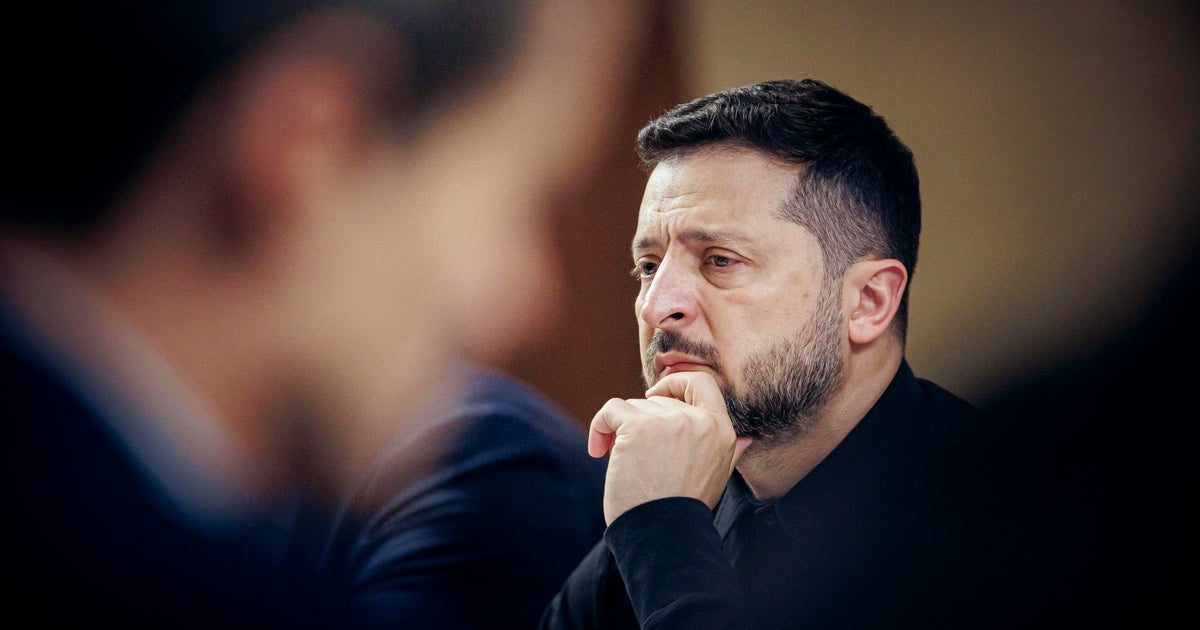
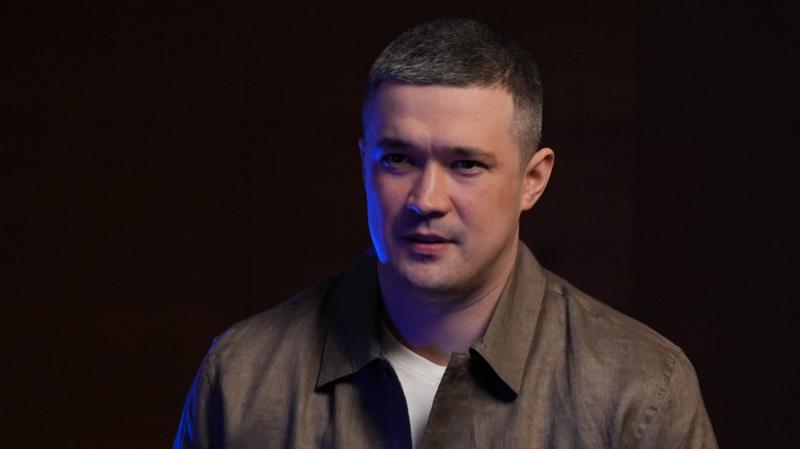
Ukrainian President Volodymyr Zelenskyy said holding elections during the ongoing war with Russia would be too dangerous and could divide the country. This statement came after Ukraine’s former defense minister, Mykhailo Fedorov, who was recently fired, called for elections to protect democracy despite the conflict.
Key Facts
President Zelenskyy said elections during war pose a big risk and could split Ukraine.
Former defense minister Mykhailo Fedorov suggested holding elections to maintain democracy.
Fedorov was fired by Zelenskyy in July due to conflicts with Ukraine’s military leadership.
Martial law in Ukraine currently stops elections from taking place.
Fedorov accused Zelenskyy’s government of corruption and asked for transparency.
Thousands protested after Fedorov’s dismissal, showing he had wide public support.
Fedorov helped improve Ukraine’s military strikes against Russia during the war.
The conflict began in February 2022 when Russia invaded Ukraine.
Read the Original
Want the full story? Tap a source to open the original
article.
An Israeli man was injured in a stabbing attack in a village in the occupied West Bank. Israeli forces responded with search operations and set up roadblocks in the area. The Palestinian group Hamas said the attack was a response to ongoing Israeli military actions and tensions in the region.
Key Facts
An Israeli man in his 20s was moderately wounded in a stabbing near the village of al-Auja in the occupied West Bank.
The attacker escaped, prompting a large-scale search by Israeli military and police forces.
Israeli forces set up roadblocks in al-Auja and surrounding areas during the search.
Hamas stated the attack was a reaction to Israeli military operations and actions at the Al-Aqsa Mosque in East Jerusalem.
There has been an increase in violence by Israeli settlers against Palestinians in the West Bank since October 2023.
United Nations data shows a rise in Israeli settler attacks from 2023 to 2026, with a 24% increase in monthly attacks in early 2026 compared to 2025.
In a separate event, Israeli forces used gas bombs and closed the western entrance to al-Mughayyir village, restricting residents’ movements and conducting interrogations.
The village of al-Mughayyir has had its eastern entrance closed since October 2023, leaving only the western entrance now blocked by Israeli forces.
Read the Original
Want the full story? Tap a source to open the original
article.
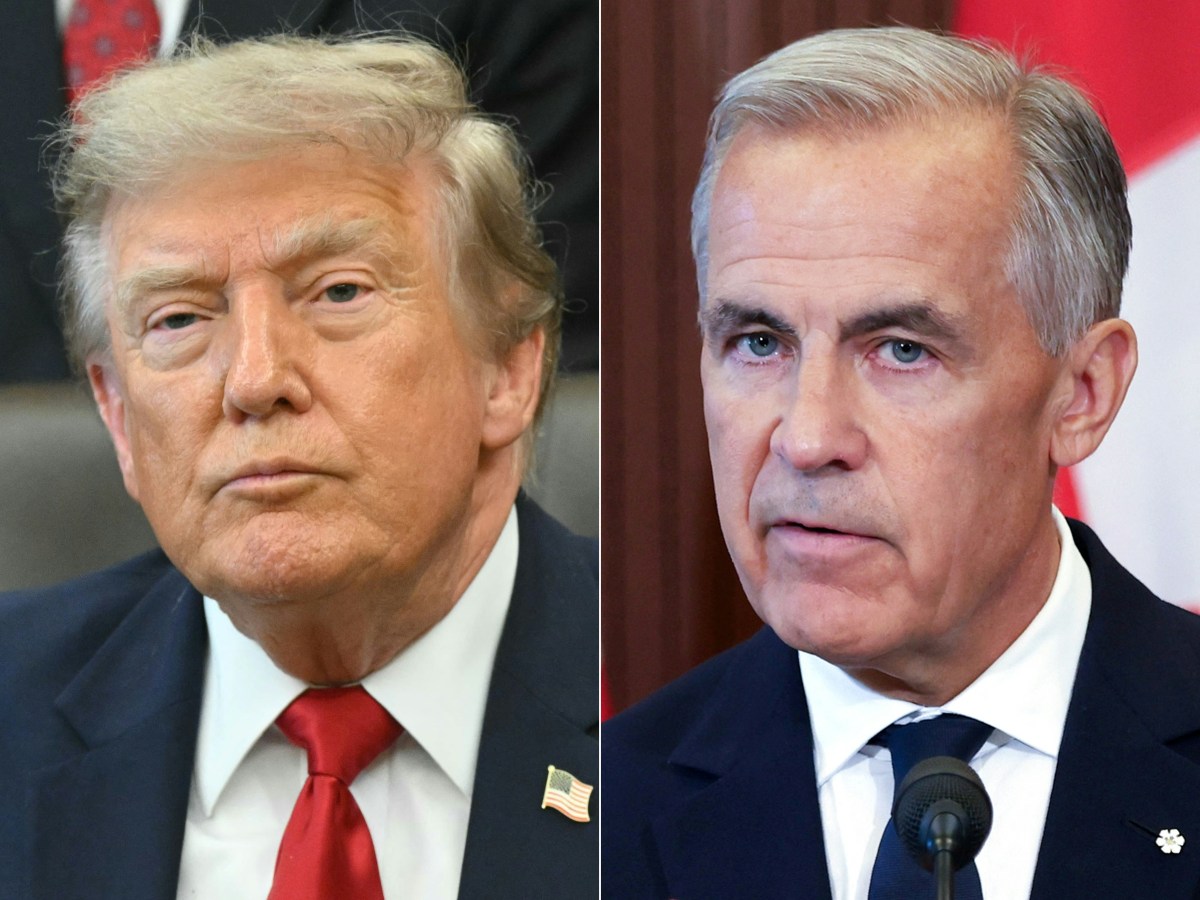
President Donald Trump criticized Canada after Canadian Prime Minister Mark Carney rejected a U.S.-Canada trade deal and promised to respond with equal tariffs on American goods. The trade talks ended because both sides disagreed over new terms and tariffs.
Key Facts
President Trump said Canada wants the benefits of being a U.S. state without actually being one.
Trump criticized Canada for charging high tariffs on American farmers’ goods for many years.
Canada’s Prime Minister Mark Carney called the U.S. tariffs on $20 billion of Canadian goods an economic attack.
Carney promised Canada would impose retaliatory tariffs starting next month.
The U.S. recently introduced 50% tariffs on some Canadian products.
Trade talks between the U.S. and Canada ended due to last-minute changes in U.S. terms.
Carney described the U.S. proposals as unfair, uneconomic, and unreliable.
President Trump has used tariffs frequently during his presidency to protect American industries.
Read the Original
Want the full story? Tap a source to open the original
article.
Iran’s President Masoud Pezeshkian says a recent agreement with the United States is the best way to end the current stalemate between the two countries. Meanwhile, Iran’s new security chief warned neighboring countries not to support U.S. sanctions against Iran, or they will face strong retaliation.
Key Facts
Iran’s president supports a memorandum of understanding with the U.S. as the best way to move past the current “neither war nor peace” situation.
The memorandum includes a 60-day deadline set by President Donald Trump in June to end the war and reach a deal on Iran’s nuclear program, but no agreement has been reached.
Iran’s economy is struggling due to sanctions and a naval blockade that limit its ability to export oil.
The memorandum is seen by Iranian leaders as protecting the country’s dignity and national interests.
Mohsen Rezaei, the new head of Iran’s Supreme National Security Council, threatened to retaliate strongly if neighboring countries support U.S. economic measures against Iran.
Rezaei suggested Iran might target alternative oil shipping routes in the Persian Gulf if sanctions continue.
Violence continues in the Middle East, including attacks in the occupied West Bank, with Israeli forces searching for suspects after separate incidents.
Iran’s leaders emphasize that the supreme leader sets the country’s policies, which they will follow.
Read the Original
Want the full story? Tap a source to open the original
article.
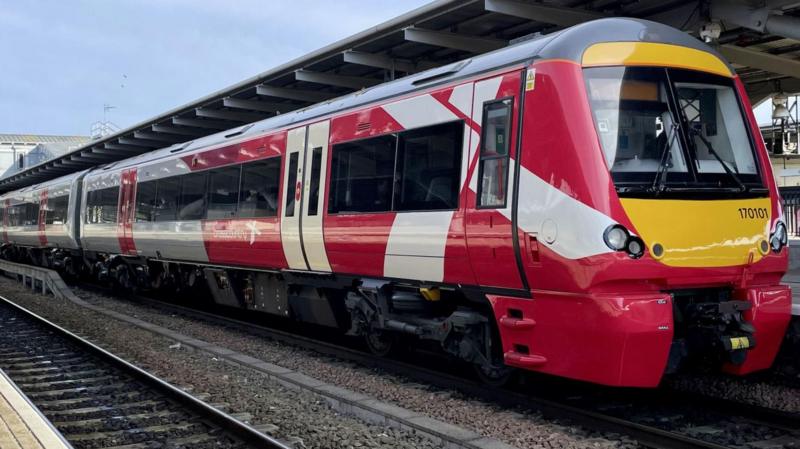
Train services operated by CrossCountry across much of the UK were canceled due to a power outage at their control center in Birmingham. The disruption affected almost all routes and continued until further notice, with only one route operating near normal service.
Key Facts
A power cut at CrossCountry's control center in Birmingham caused widespread train cancellations.
Most CrossCountry routes, including major ones like Manchester to Birmingham and Leeds to York, were canceled.
The only route with near-normal service was between Peterborough, Cambridge, and Stansted Airport.
CrossCountry is working with partners to resolve the issue and provide updates.
Passengers can use tickets on other train operators and may claim refunds or compensation for delays over 30 minutes.
The disruption was described as significant and unforeseen by the train operator.
CrossCountry usually serves over 100 stations across the UK.
The company apologized to passengers for the inconvenience caused.
Read the Original
Want the full story? Tap a source to open the original
article.
Heavy rains caused the El Valle River in Caracas, Venezuela, to overflow, leading to flooding in the city. The flooding submerged parts of a main highway and affected nearby areas, prompting authorities to send emergency teams to help stranded drivers and deal with damage.
Key Facts
Heavy rains caused the El Valle River to overflow in Caracas.
Floodwaters covered parts of a major highway and surrounding areas.
Rising waters trapped some motorists in their vehicles.
Trees and power lines were damaged by the flooding.
Emergency teams were sent by authorities to respond to the situation.
Read the Original
Want the full story? Tap a source to open the original
article.
Russia held official events to celebrate National Flag Day, showing the country’s flag in public ceremonies and activities. This celebration comes during Russia’s war in Ukraine and its tense relations with Western countries.
Key Facts
National Flag Day in Russia honors the white, blue, and red tricolour flag.
The day was created in the 1990s after the Soviet Union ended.
Russia replaced the old Soviet hammer-and-sickle flag with the current tricolour.
The government uses the flag in rallies, school events, and military ceremonies.
These celebrations aim to increase public support during difficult times like war and sanctions.
State media showed volunteers handing out ribbons with the flag’s colors.
The flag symbolizes unity and strength according to Russian officials.
Analysts say the government uses patriotic symbols to promote loyalty amid challenges.
Read the Original
Want the full story? Tap a source to open the original
article.
The Democratic Republic of the Congo (DRC) and the M23 rebel group have agreed on a detailed plan to start peace talks after recent meetings in Switzerland. Despite the agreement, fighting continues in eastern DRC, and the security situation remains unstable.
Key Facts
DRC and M23 rebels agreed on a step-by-step plan for peace talks under a deal signed in Doha, Qatar, in November.
Talks took place in Switzerland from August 17 to 21, with representatives from the U.S., Qatar, Togo, Switzerland, and the African Union.
Both sides agreed on a system to report violations of the ceasefire and to create a way to solve problems in following the agreement.
A mission to check the ceasefire and report on it is set to arrive soon in Minembwe, an area in eastern DRC.
Fighting and air raids using drones have reportedly continued, causing civilian harm and damage, though some claims have not been independently confirmed.
The conflict in eastern DRC started again in 2021 with the M23 group capturing major towns like Goma and Bukavu by early 2025.
The conflict is linked to ethnic tensions and past regional violence, including the 1994 genocide in Rwanda.
Rwanda and DRC accuse each other of supporting armed groups linked to the conflict, a key cause of the ongoing violence.
An Ebola outbreak in the region has added to the crisis, with over 2,500 deaths since May.
Read the Original
Want the full story? Tap a source to open the original
article.
Mykhailo Fedorov, Ukraine’s former defence minister, said President Volodymyr Zelensky has questions to answer about corruption within his government after a money laundering investigation was announced. Fedorov, who was recently fired, also called for political reform and discussions about elections despite martial law suspending them.
Key Facts
Mykhailo Fedorov was sacked as Ukraine’s defence minister last month after disagreements with military leadership.
Fedorov told the BBC that a money laundering investigation involving lawmakers and bankers raises questions about President Zelensky’s knowledge of corruption.
The investigation revealed a scheme misappropriating over $3 million to pay bail for a former energy minister.
A senior official close to Zelensky was fired in connection with the investigation.
Fedorov says democracy should not be held hostage by Russia and wants to start conversations about elections.
Ukraine has been under martial law since Russia's 2022 invasion, which suspended elections.
Supporters of Fedorov protested in Kyiv, urging Zelensky to reinstate him.
Fedorov said he never received any orders from Zelensky to break laws or act corruptly and has no evidence the president is personally corrupt.
Read the Original
Want the full story? Tap a source to open the original
article.
Two crew members were rescued after a cargo ship flying the Panama flag sent a distress alert off India’s eastern coast. The ship sank in the Bay of Bengal while carrying iron ore and 24 crew members, with a search ongoing for the others.
Key Facts
The cargo ship is named MV Ocean Winner and flies the Panama flag.
It sent a distress alert and then lost contact near India’s eastern coast.
Two crew members were rescued and are receiving medical treatment.
The ship had 24 crew members: 20 from China, 3 from Myanmar, and 1 from Bangladesh.
The Indian Coast Guard and Navy are leading the rescue with three ships searching.
A commercial ship, MT Aisopos, was called to assist in the search.
The ship was carrying iron ore from Paradip Port in Odisha, India, headed to China.
The sinking happened about 276 miles (444 km) from the Paradip coast in the Bay of Bengal.
Read the Original
Want the full story? Tap a source to open the original
article.
Israeli politicians are focusing their election campaigns on security and regional threats, but they are not addressing the rising national debt caused by ongoing conflicts. Defense spending and war costs have significantly increased Israel’s debt, which reached about $480 billion in 2025, putting pressure on the country’s economy.
Key Facts
Israel’s parliament is preparing for elections in October 2025.
Politicians focus on threats from neighboring countries rather than economic issues.
Israel spent about 350 billion shekels ($118 billion) on wars between 2023 and 2026, excluding the Iran conflict.
Defense spending alone rose from 5.2% of GDP in 2023 to over 8% in 2024.
National debt increased from 1.07 trillion shekels ($365 billion) before October 2023 to around 1.4 trillion shekels ($480 billion) in 2025.
Tax revenues reached a record 509.3 billion shekels ($172.6 billion) in 2025, but expenses for defense and debt servicing are growing faster.
More wealthy Israelis are leaving the country, which may hurt tax revenue.
The ultra-Orthodox population, which receives substantial government welfare and often does not serve in the military, is growing and poses fiscal challenges.
Read the Original
Want the full story? Tap a source to open the original
article.
Kazakhstan is holding a new parliamentary election to choose members of a single-chamber legislature. The election is expected to strengthen the power of President Kassym-Jomart Tokayev and features only parties approved by the state.
Key Facts
Voting started at 7am and will end at 8pm local time.
Over 12 million people out of 20 million can vote.
The new parliament has 145 seats and replaces the previous two-chamber system.
Only seven parties loyal to President Tokayev could field candidates.
Constitutional changes let Tokayev run for president again in 2029.
Tokayev became president in 2019, succeeding Nursultan Nazarbayev.
Tokayev has promoted reforms after protests in 2022 that caused many deaths.
Kazakhstan is rich in oil and exports mainly to Europe through Russia.
Read the Original
Want the full story? Tap a source to open the original
article.
FIFA President Gianni Infantino attended a youth football event in the Caribbean despite requests to stay away during a controversy involving his plan to sell future World Cup profits. The plan was withdrawn after backlash, but Infantino faces opposition from FIFA vice presidents and seeks re-election in 2025.
Key Facts
Gianni Infantino attended an Under-14 football event in the Caribbean amid controversy.
Victor Montagliani, a FIFA vice president, asked Infantino not to attend to avoid distractions from the games.
Infantino posted photos of his meeting with officials from the Dominican Republic at the event.
Infantino proposed selling future World Cup profits to private investors but withdrew the plan after criticism.
The controversy led to the firing of FIFA’s chief operating officer, Kevin Lamour.
Some FIFA vice presidents accuse Infantino of deception and want to end his presidency.
Infantino aims to be re-elected for a fourth term as FIFA president in 2025.
FIFA’s election for president will be held in March 2025 in Morocco, with a November deadline for candidates to enter.
Read the Original
Want the full story? Tap a source to open the original
article.
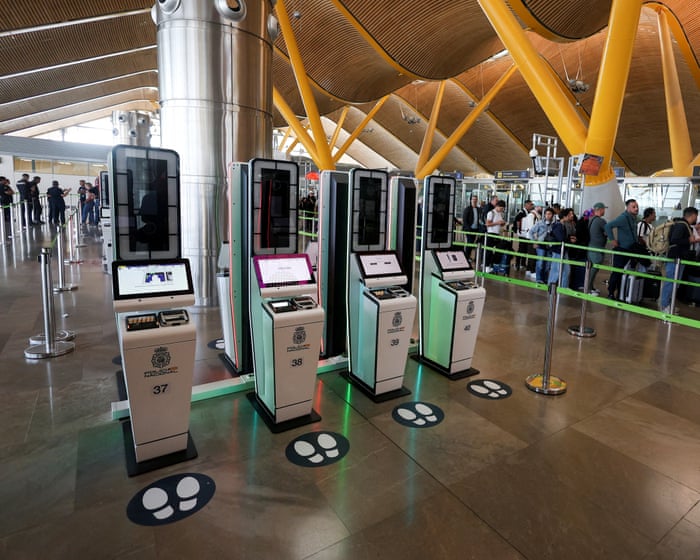
The European Union introduced a new digital system called the Entry and Exit System (EES) to register non-EU travelers when they enter and leave the Schengen area. This system has caused long waits and confusion for travelers from the UK this summer, with some facing delays and errors in their travel records.
Key Facts
The EES requires non-EU citizens to register with their photo and fingerprints when entering and leaving the Schengen zone.
The system has been fully active since April but faced technical problems and caused long queues.
Some travelers have experienced delays up to three hours and missed connecting flights.
Authorities allowed border police to ease rules if queues became too long, but the opt-out expires soon.
A traveler named Martin Farrall had his exit from the Schengen zone not properly recorded, causing errors in his allowed travel days.
Another traveler, Nadia, found the system confusing and experienced very long lines at Frankfurt airport.
The EU has declined calls to pause the system during the busy summer travel season.
Problems include lack of communication between member states and unclear instructions for travelers.
Read the Original
Want the full story? Tap a source to open the original
article.
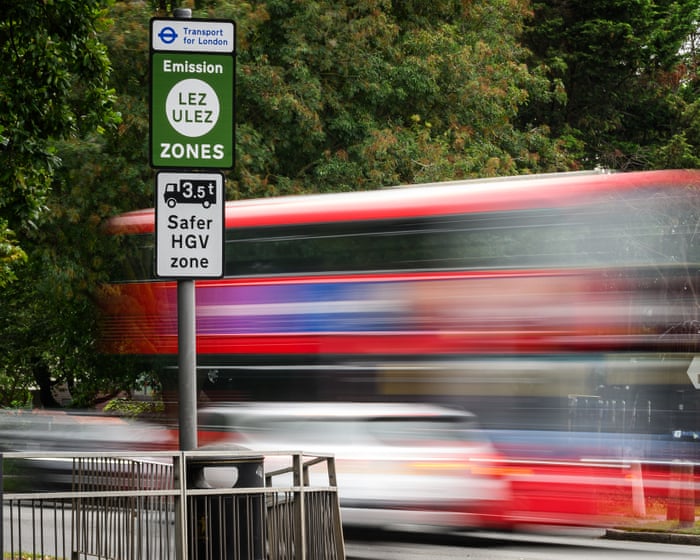
London’s low emission zone (Ulez), which charges fees to polluting vehicles, has improved air quality and children's lung health since its introduction in 2019. Despite clear health benefits, many cities worldwide hesitate to adopt similar policies because of political opposition and different pollution causes.
Key Facts
London introduced the ultra-low emission zone (Ulez) in 2019, expanding it in 2021 and 2023.
Ulez charges £12.50 daily for vehicles that emit high pollution levels.
The Ulez has significantly reduced nitrogen dioxide, a harmful air pollutant.
A study found children's lungs in London have grown stronger since Ulez started.
Air pollution causes millions of deaths yearly and contributes to many health problems, including heart disease, stroke, cancer, and developmental issues.
Different regions have varied air pollution sources, such as coal in China and India and agricultural burning in Southeast Asia.
Effective technology and policies exist to reduce pollution, including renewable energy, electric vehicles, public transport, and city redesign.
Political resistance and cultural factors slow the adoption of clean air policies in many cities.
Read the Original
Want the full story? Tap a source to open the original
article.
Trade talks between the United States and Canada ended without a deal, leading to new tariffs on goods traded between the two countries. President Donald Trump criticized Canada for wanting benefits like a U.S. state but not being one, while Canadian Prime Minister Mark Carney announced tariffs targeting U.S. steel and dairy products.
Key Facts
U.S. tariffs of 50% on about $20 billion of Canadian goods, including hockey sticks and cement, took effect after talks failed.
Canada responded with retaliatory tariffs on U.S. steel and dairy, starting September 8.
President Trump said Canada had charged high tariffs on U.S. farmers and claimed Canada wants “the benefits of being a State, without being one.”
Canadian Prime Minister Carney called the U.S. trade offer unfair and said new U.S. conditions were unacceptable.
U.S. Trade Representative Jamieson Greer said the U.S. had offered to reduce some tariffs to give Canada favorable treatment.
Canada is seeking relief from U.S. tariffs on autos, steel, and aluminum that have hurt its economy and caused job losses.
Talks broke down partly due to late U.S. demands on Canada’s trade deals with other countries and alleged threats to Quebec’s French language and culture.
The White House accused Canada of discriminatory treatment against U.S. alcohol, autos, and dairy products.
Read the Original
Want the full story? Tap a source to open the original
article.
Kazakhstan held early parliamentary elections to form a new single-chamber parliament, the Kurultai, expected to increase President Kassym-Jomart Tokayev’s power. The election follows a constitutional change that lets the president appoint key officials and could allow Tokayev to run for another term.
Key Facts
The election took place on August 23, 2026.
Kazakhstan moved from a two-chamber parliament to a single-chamber body called the Kurultai.
President Tokayev has been in power since 2019 and was previously a Soviet official and UN diplomat.
A March 2026 referendum, supported by 87% of voters, approved constitutional changes strengthening presidential powers.
These changes allow the president to appoint key officials with parliament's approval and reestablish the vice presidency.
The Constitutional Court ruled that the amendments reset Tokayev’s previous terms, allowing him to seek another seven-year term.
The election comes during economic difficulties, including 10.2% inflation and public discontent from tax increases.
Authorities aim to avoid unrest similar to January 2022 protests that turned violent.
Read the Original
Want the full story? Tap a source to open the original
article.