Neutral summaries of your favorite news sources — just the facts.
Your favorite news sources, one neutral feed — we distill their reporting into fact-first
summaries and always link to the original story. How it works
World News
Comprehensive coverage of international news and global events
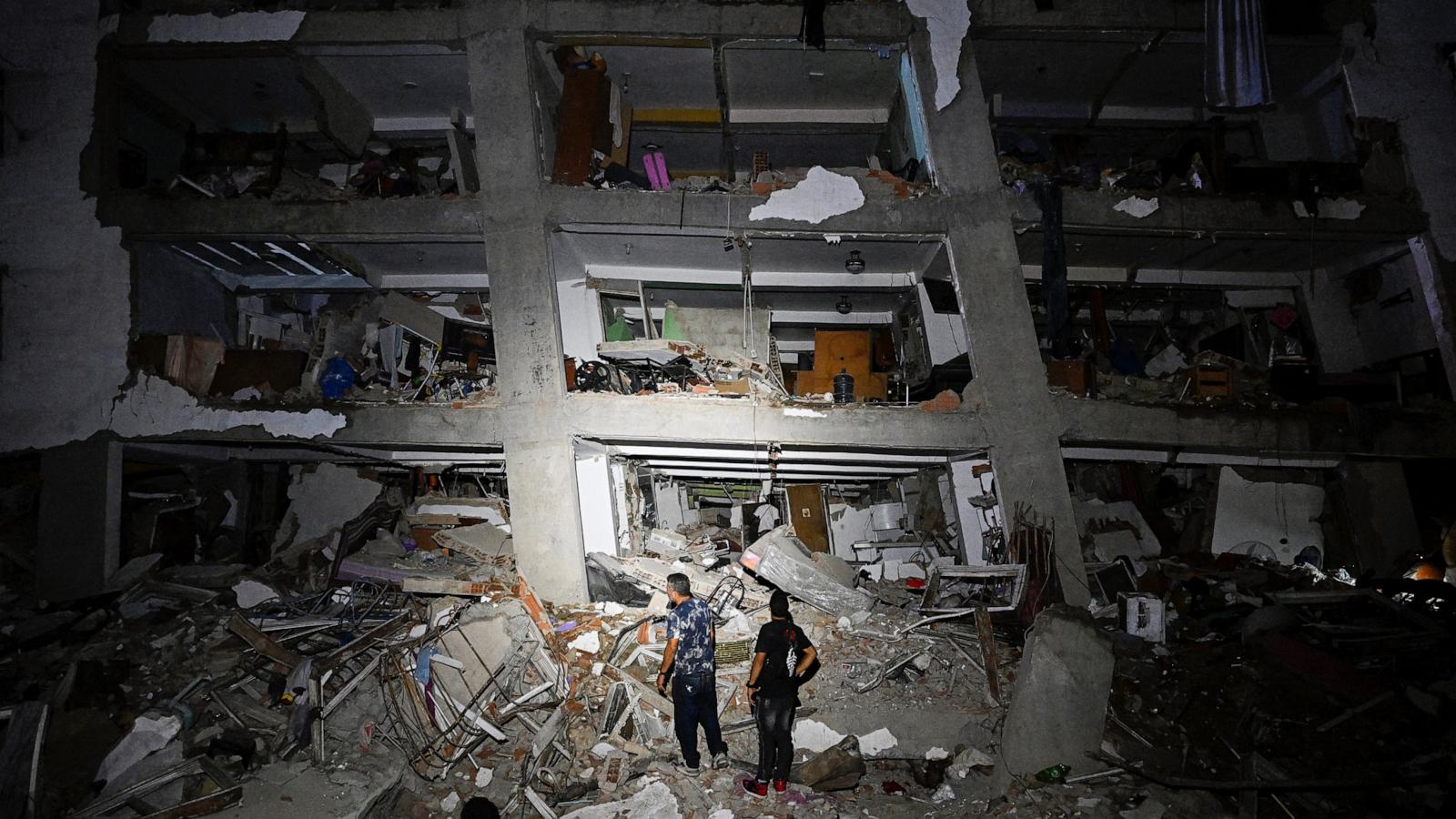
Two strong earthquakes struck near Caracas, Venezuela, killing nearly 200 people and injuring more than 1,000. Many people are still trapped under the rubble, so the death toll may increase.
Key Facts
Two earthquakes happened close together in Venezuela near Caracas.
About 200 people have died because of the earthquakes.
Over 1,000 people were hurt in the disaster.
Rescue teams are still searching for people trapped under collapsed buildings.
The situation is ongoing, and more help is needed for those affected.
The earthquakes caused significant damage to homes and infrastructure.
Humanitarian aid is expected to be sent to assist survivors.
Officials warn that casualty numbers could rise as rescue efforts continue.
Read the Original
Want the full story? Tap a source to open the original
article.
Two strong earthquakes hit Venezuela near Caracas, killing at least 164 people and injuring 971. Central America is very prone to earthquakes because it sits where several large pieces of the Earth's crust meet and move.
Key Facts
Two earthquakes with magnitudes 7.2 and 7.5 struck west of Caracas on Wednesday evening.
Venezuelan officials declared a state of emergency after many buildings collapsed.
The US Geological Survey (USGS) warned the death toll could rise to thousands.
Venezuela lies along the boundary of the Caribbean and South American tectonic plates.
Earthquakes there are caused by movement along faults where Earth's plates slide past each other.
Central America has many tectonic plates interacting, including a plate moving under another, called a subduction zone.
Many buildings in Central America are old or not strong enough to handle big earthquakes.
The region has experienced several deadly earthquakes recently, such as in Guatemala, Honduras, and Costa Rica.
Read the Original
Want the full story? Tap a source to open the original
article.
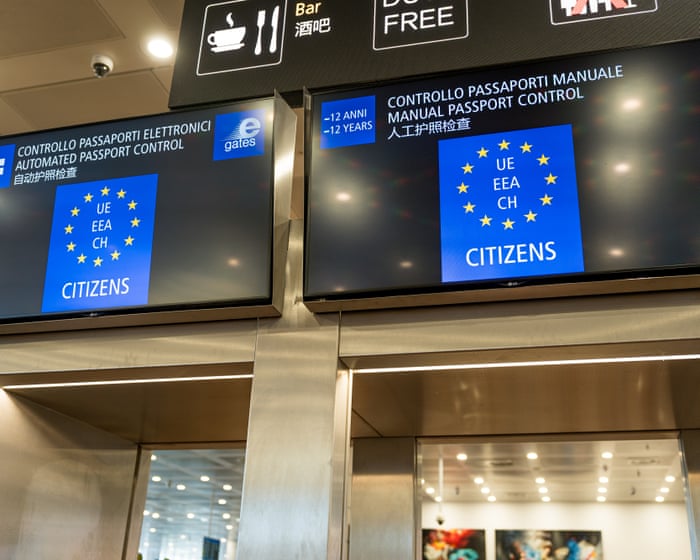
Rome’s airports may stop using the EU’s new digital system for non-EU travelers this summer to avoid long delays. The system, which checks fingerprints and facial images, has caused long wait times and travel problems since it started fully working in April.
Key Facts
The EU’s new entry-exit system (EES) requires non-EU citizens to give biometric data (fingerprints and facial images) when entering.
The system was fully implemented in mid-April after some delays and technical problems.
Rome’s airport chief says the system cannot handle the high number of summer travelers without causing chaos.
Some passengers face waits up to three hours or more, leading to missed flights.
Other countries, like France and Greece, have paused or delayed biometric checks for UK travelers.
Airport and airline groups warn that queue times could reach six hours at some airports during peak times.
EU officials say the system may take up to two years to work smoothly.
The European Commission allows some flexibility to suspend parts of the system if needed.
Read the Original
Want the full story? Tap a source to open the original
article.
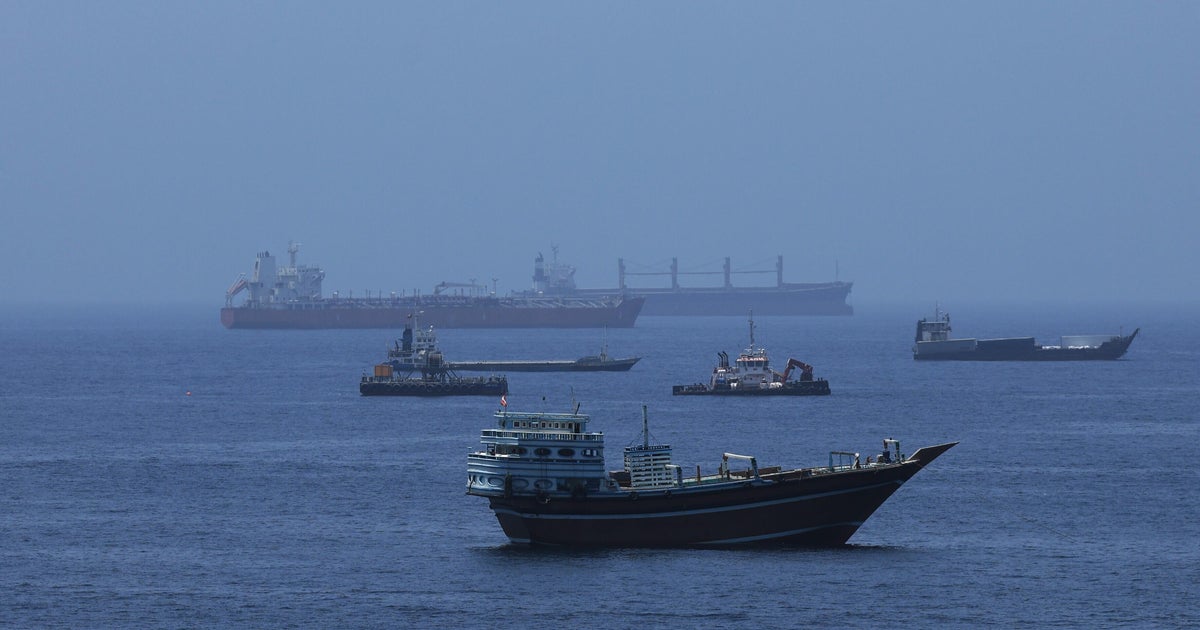
Oil prices have dropped close to the levels seen before the Middle East war began, as more ships have started using the Strait of Hormuz because of a new U.S.-Iran agreement. U.S. Secretary of State Marco Rubio is visiting Gulf countries to assure them their concerns will be included in ongoing talks with Iran.
Key Facts
Brent crude oil price fell to $73.87 a barrel, near the $70 level before the war started.
U.S. crude oil prices also fell to about $70.34 a barrel.
Shipping through the Strait of Hormuz has increased following a new U.S.-Iran memorandum of understanding.
The Strait of Hormuz is a key waterway for global oil shipments.
Senator Rubio warned that allowing Iran to charge fees for ships passing through the Strait could cause problems worldwide.
Rubio says the U.S. wants a peace deal with Iran that is real, verifiable, and fair.
The U.S. Senate recently rejected a measure to limit President Trump's power to wage war against Iran.
Secretary Rubio is meeting with Gulf Cooperation Council countries to coordinate U.S. and regional actions in the Iran talks.
Read the Original
Want the full story? Tap a source to open the original
article.
Shiite Muslims worldwide observed Ashoura, a holy day remembering the martyrdom of Imam Hussein in 680 A.D. This year’s observance follows months of conflict in Iran and Lebanon, where fighting has involved Iran, Hezbollah, and Israel. The day included traditional mourning rituals amid war and political tensions.
Key Facts
Ashoura commemorates the death of Imam Hussein, grandson of Prophet Muhammad, at the Battle of Karbala in 680 A.D.
The event is important for Shiite Muslims and symbolizes resistance to oppression.
Iran and Lebanon have seen months of war involving Israel, Iran, and the Hezbollah group.
Iran’s Supreme Leader Ayatollah Ali Khamenei was killed recently in an Israeli airstrike; his funeral is imminent.
Hezbollah has fired rockets into northern Israel, prompting Israeli air and ground attacks on southern Lebanon.
Many Lebanese displaced by the war are trying to return to damaged villages and cities.
Ashoura rituals include chest-beating, lamentations, and prayers, observed publicly in Iran with shops closing and large gatherings.
Iranian officials took part in Ashoura ceremonies, highlighting religious and political significance during the conflict.
Read the Original
Want the full story? Tap a source to open the original
article.
The article provides advice on how to keep babies cool during heatwaves. It offers practical tips to help parents protect their young children from high temperatures.
Key Facts
The article focuses on caring for babies during very hot weather.
It gives suggestions to keep babies comfortable and safe from overheating.
The content includes steps parents can take at home.
It highlights the importance of monitoring babies in heat.
The article is part of a series covering babies, toddlers, and heatwaves.
Read the Original
Want the full story? Tap a source to open the original
article.
A couple named Sydney and Joe created a viral video of their marriage proposal. Joe chose not to propose in a common way during their trip to Italy to keep it surprising, which led to millions of views online.
Key Facts
Sydney and Joe are a couple whose proposal video became very popular on the internet.
Joe felt that proposing in Italy on vacation would be too obvious.
They looked for a less expected way for Joe to propose marriage.
Their video has received millions of views.
The story has attracted attention over the past few weeks.
The proposal took place during a vacation abroad, specifically in Italy.
The video went viral, meaning it spread quickly through social media and online platforms.
Read the Original
Want the full story? Tap a source to open the original
article.
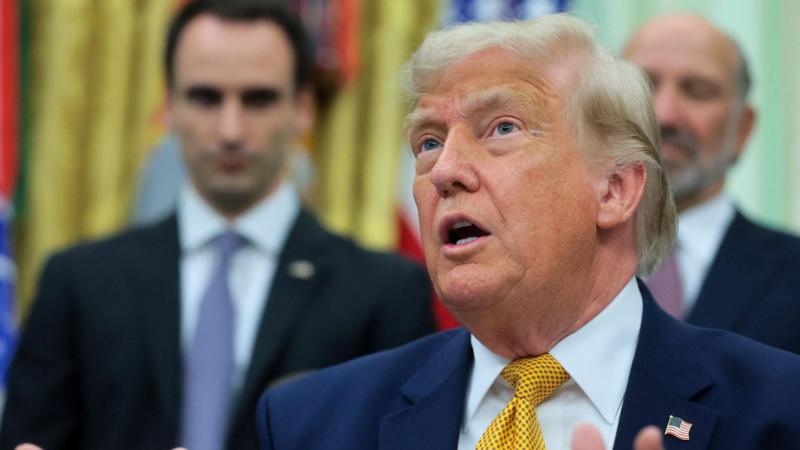
President Donald Trump described Andy Burnham as an "extremely liberal" politician unlikely to allow more oil and gas drilling in the North Sea. He also referred to Burnham as "the mayor of a town," highlighting his previous role as Greater Manchester mayor and suggesting potential challenges in UK-US relations if Burnham becomes prime minister.
Key Facts
President Trump called Andy Burnham "extremely liberal" and doubted he would support North Sea oil and gas drilling.
Burnham is the likely next prime minister of the UK and was formerly the mayor of Greater Manchester.
Burnham has historically focused on domestic issues and avoided foreign policy comments.
Trump described Burnham as "the mayor of a town," a comment that may upset residents of Manchester.
The UK will host the G20 summit next year and the G7 the year after, which President Trump would attend.
Burnham has criticized President Trump before, saying in 2017 he would refuse to meet him during a state visit.
There is debate in the UK Labour Party about continuing or changing energy policies, including approval of new North Sea oil and gas fields.
Rachel Reeves, a Labour figure, supports expanding North Sea energy exploration, contrasting with Burnham’s expected position.
Read the Original
Want the full story? Tap a source to open the original
article.
Oil prices have fallen to levels seen before the start of the Iran war due to expectations of more oil supply from the Middle East. A new agreement has helped restart shipping through the Strait of Hormuz, easing fears about supply disruptions.
Key Facts
August Brent crude oil dropped to $72.68 per barrel; US West Texas Intermediate fell to $69.58 per barrel.
These prices are the lowest since February 27, before the Iran war began on February 28.
The Strait of Hormuz, a key route for oil ships, is seeing nearly normal oil flows again after being disrupted by conflict.
Clearing mines from the strait will take a few weeks to fully return to normal.
Iran plans to increase oil sales following a temporary pause in US sanctions.
An initial agreement between the US, Israel, and Iran has allowed traffic through the strait to resume, starting a two-month negotiation period on broader issues.
Oman opened new temporary shipping routes to help tankers leave the strait.
Iran’s Revolutionary Guards warned ships not to use the strait without permission and opposed the new shipping routes.
Read the Original
Want the full story? Tap a source to open the original
article.
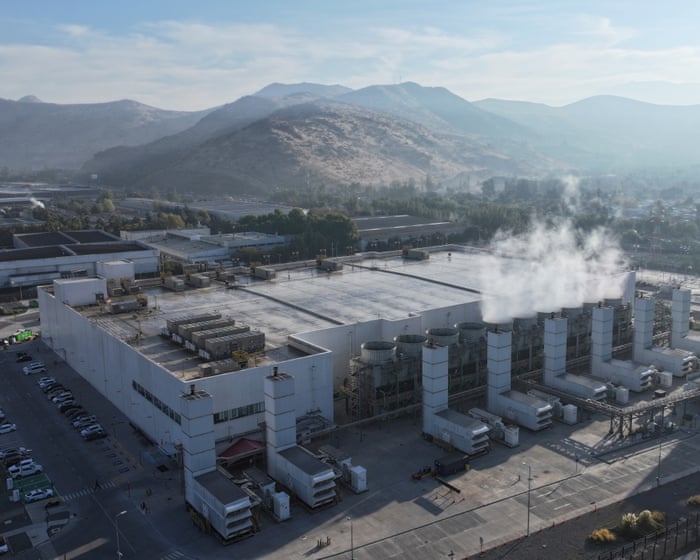
A report by the London School of Economics shows that legal cases related to climate change are increasingly targeting datacentres worldwide, focusing on their energy use, water consumption, and pollution. Countries like Chile, Ireland, the US, and the UK have seen lawsuits that challenge how datacentres operate and push for cleaner, renewable energy sources.
Key Facts
About 3,600 climate-related legal cases since 2015 include many against datacentres.
In Santiago, Chile, a lawsuit stopped Google’s datacentre project due to concerns over water supply and climate impacts.
Ireland uses over 20% of its electricity on datacentres, and groups are legally challenging government decisions to allow fossil fuel use in this sector.
US cities like Pittsburg require datacentres to use renewable energy and recycled water, and lawsuits exist in Georgia, Pennsylvania, and Mississippi related to fossil fuel use and pollution.
In Mississippi, a lawsuit alleges Elon Musk’s xAI company violates air pollution laws by using methane gas generators without permits.
In the UK, legal action halted a large datacentre project in Buckinghamshire over concerns about its environmental impact; the government admitted process flaws.
The report says litigation helps reveal environmental impacts and can push datacentres to switch to renewable energy, even if cases don’t always stop projects.
The lawsuits aim to prevent long-term reliance on fossil fuels in energy-intensive datacentres.
Read the Original
Want the full story? Tap a source to open the original
article.
Iran is involved in Lebanon and supports the group Hezbollah, which causes disagreement in talks between Israel and Lebanon. These two countries are meeting in Washington, D.C., for the fifth time to discuss their issues, with Iran’s influence being a main concern.
Key Facts
Iran supports Hezbollah, a military group active in Lebanon.
Hezbollah’s presence is a key problem in talks between Israel and Lebanon.
Israeli and Lebanese officials are meeting directly in Washington, D.C.
These meetings are part of ongoing negotiations that began in April.
The Trump administration shows unclear signals about Iran’s role in Lebanon.
Iran wants to keep its influence in Lebanon through Hezbollah.
Read the Original
Want the full story? Tap a source to open the original
article.
A severe heatwave is affecting over 100 million people across Europe, with temperatures above 35°C in many areas from Spain to Germany. This extreme weather, worsened by climate change, is causing health risks and deaths, including a child found dead in a hot car near Paris.
Key Facts
At least 101 million Europeans faced temperatures over 35°C on Thursday.
Over 380 million people across Europe faced temperatures above 30°C.
France, Spain, Germany, Italy, and the UK are among the hardest-hit countries.
Heat led to over 200 deaths in Spain from Sunday to Wednesday, and several deaths in northern France, including a 3-year-old boy.
The heatwave is caused by a "heat dome" trapping hot air from North Africa.
Climate experts say human-caused climate change is making heatwaves hotter and more frequent.
Paris authorities opened the Canal Saint-Martin for swimming to help people cool off.
Temperatures are expected to drop in western Europe soon, but eastern Europe will stay hot over the weekend.
Read the Original
Want the full story? Tap a source to open the original
article.
Two strong earthquakes hit Venezuela on Wednesday evening, causing many buildings to collapse and resulting in dozens of deaths and hundreds of injuries. Emergency teams are searching through the rubble to find survivors, and the government declared a state of emergency, especially in the worst-affected area of La Guaira.
Key Facts
Two earthquakes struck Venezuela’s coast with magnitudes of 7.2 and 7.5.
At least 32 people have died from the earthquakes.
More than 700 people have been injured.
The earthquakes caused buildings to fall in Caracas and nearby areas.
La Guaira state has been declared a disaster zone by the government.
Rescue workers are conducting intensive operations to find survivors.
Acting President Delcy Rodriguez made the announcement in a televised address.
The quakes happened just seconds apart on Wednesday evening.
Read the Original
Want the full story? Tap a source to open the original
article.
New research shows that how much you sleep may affect your risk of Alzheimer’s disease, especially if you have certain genes linked to the illness. The study found that poor sleep and specific gene variants can work together to cause brain changes years before any symptoms appear.
Key Facts
The study focused on the AQP4 gene, which helps clear waste from the brain during sleep.
Researchers studied 351 adults in their mid-70s who showed early signs of Alzheimer’s-related protein buildup.
People with some AQP4 gene variants lost brain volume faster if they slept less or had poor sleep quality.
Sleep problems, like taking longer to fall asleep, were linked to changes in brain structure and thinking abilities.
The study suggests sleep can change how genetic risk affects Alzheimer’s development over time.
Experts say this research supports the idea that both genes and lifestyle play roles in disease risk.
The research was published in the June 2026 issue of Alzheimer’s & Dementia.
Scientists caution that genetic testing for Alzheimer’s based on these findings is not yet ready for medical use.
Read the Original
Want the full story? Tap a source to open the original
article.
The United States has proposed a plan to use $12 billion of Iran’s frozen assets to buy American agricultural products, which would then be sent to Iran. Negotiations between the US and Iran are ongoing, but Iran has not agreed to conditions that limit how it can spend the funds.
Key Facts
The US wants Iran’s frozen money to be used to buy food like corn, wheat, and soybeans from American farmers.
The money will be kept in a controlled account overseen by the US and used only for food and medical supplies.
Iran’s officials say they have not agreed to US conditions and want the freedom to decide how to spend their funds.
Iran’s foreign ministry insists purchases will be based on fair prices and not terms dictated by the US.
The two countries have had a difficult relationship for decades, with very limited trade mostly for humanitarian needs.
Any agreement over how Iran’s money is spent may require long and complex negotiations.
Some US lawmakers and companies are cautious about restarting trade with Iran due to political risks.
President Donald Trump stated that the deal would help American farmers and address a humanitarian crisis in Iran.
Read the Original
Want the full story? Tap a source to open the original
article.
A UK report has revealed a major scandal in maternity care within the National Health Service (NHS), called the Nottingham maternity care scandal. The report found long-term failures in care that caused serious harm or death to over 500 mothers and babies, especially affecting women of color and teenagers.
Key Facts
The report reviewed 2,500 childbirth cases from 2012 to 2025.
There were “deeply rooted and systemic” failures in the NHS maternity services.
Women and families raising concerns were often ignored.
Women of color and teenage mothers were particularly affected.
Chronic understaffing was a key problem contributing to poor care.
More than 500 babies and mothers died or suffered serious harm.
NHS leaders knew about the problems but did not take action for over ten years.
Calls are being made for a public inquiry to hold those responsible accountable.
Read the Original
Want the full story? Tap a source to open the original
article.
US Secretary of State Marco Rubio visited Gulf countries to reassure them that the United States will protect their interests while negotiating a peace deal with Iran. The Gulf states have been concerned because Iran attacked them with missiles and drones during a recent conflict and blocked important oil and gas routes.
Key Facts
Marco Rubio is the US Secretary of State.
He is on a tour in the Gulf region to meet with local governments.
The talks with Iran aim to end the Middle East war.
Iran used missiles and drones against Gulf states during the conflict.
Iran blocked the Strait of Hormuz, a key path for oil and gas transport.
Gulf countries rely heavily on oil and gas shipments through this area.
The US wants to assure Gulf allies that their safety and interests are a priority during the negotiations with Iran.
Read the Original
Want the full story? Tap a source to open the original
article.
A car drove into a crowd of people celebrating Mexico's 3-0 World Cup win over Czechia in Los Cabos, Mexico. At least 17 people were hurt, including the driver, who is now in custody.
Key Facts
The incident happened around 9:05 p.m. local time in Cabo San Lucas, on Lázaro Cárdenas Boulevard.
A black car accelerated into a crowd of Mexican soccer fans celebrating the win.
At least 17 people were injured and taken to local hospitals, including the driver.
The driver is in custody, and the reasons for the incident are not yet known.
The Mexican Football Federation expressed support for the injured and their families.
Local authorities are handling the investigation and medical care.
This incident occurred during celebrations for Mexico’s victory over Czechia in the World Cup.
Read the Original
Want the full story? Tap a source to open the original
article.
Two strong earthquakes, measuring 7.2 and 7.5 in magnitude, hit northern Venezuela near Caracas on June 24, 2026. The quakes caused many deaths and injuries, destroyed homes and buildings, and led to rescue efforts and a state of emergency declaration.
Key Facts
The earthquakes struck Yaracuy state, west of Caracas.
The first quake was magnitude 7.2 at a depth of 22 km (14 miles).
The second quake followed less than a minute later, magnitude 7.5 at about 10 km (6 miles) deep.
Nearly two dozen aftershocks happened after the main quakes.
Many buildings collapsed, especially in Caracas and La Guaira.
At least dozens of people were killed and hundreds injured.
Acting President Delcy Rodriguez declared a state of emergency.
La Guaira, a port city on the Caribbean coast, was called a “disaster zone” with ongoing rescue efforts.
Read the Original
Want the full story? Tap a source to open the original
article.
Two strong earthquakes struck western Venezuela, killing at least 32 people and causing widespread damage. Many countries have expressed condolences and offered help as Venezuela deals with this disaster.
Key Facts
Two earthquakes measured magnitude 7.2 and 7.5 hit near Moron, Venezuela, about 168 km west of Caracas.
The US Geological Survey warned of likely high casualties and extensive damage.
Venezuelan authorities declared a state of emergency and closed the Simon Bolivar International Airport.
Argentina, Bolivia, Brazil, Colombia, Cuba, Ecuador, El Salvador, Italy, Mexico, Panama, and Pakistan have all offered support or aid.
Colombia confirmed no damage in its capital after feeling the earthquake.
Cuba’s health workers in Venezuela are providing medical help to those affected.
Several countries are sending or preparing to send humanitarian aid and rescue teams to Venezuela.
Read the Original
Want the full story? Tap a source to open the original
article.