Neutral summaries of your favorite news sources — just the facts.
Your favorite news sources, one neutral feed — we distill their reporting into fact-first
summaries and always link to the original story. How it works
World News
Comprehensive coverage of international news and global events
The United States has proposed a plan to use $12 billion of Iran’s frozen assets to buy American agricultural products, which would then be sent to Iran. Negotiations between the US and Iran are ongoing, but Iran has not agreed to conditions that limit how it can spend the funds.
Key Facts
The US wants Iran’s frozen money to be used to buy food like corn, wheat, and soybeans from American farmers.
The money will be kept in a controlled account overseen by the US and used only for food and medical supplies.
Iran’s officials say they have not agreed to US conditions and want the freedom to decide how to spend their funds.
Iran’s foreign ministry insists purchases will be based on fair prices and not terms dictated by the US.
The two countries have had a difficult relationship for decades, with very limited trade mostly for humanitarian needs.
Any agreement over how Iran’s money is spent may require long and complex negotiations.
Some US lawmakers and companies are cautious about restarting trade with Iran due to political risks.
President Donald Trump stated that the deal would help American farmers and address a humanitarian crisis in Iran.
Read the Original
Want the full story? Tap a source to open the original
article.
A UK report has revealed a major scandal in maternity care within the National Health Service (NHS), called the Nottingham maternity care scandal. The report found long-term failures in care that caused serious harm or death to over 500 mothers and babies, especially affecting women of color and teenagers.
Key Facts
The report reviewed 2,500 childbirth cases from 2012 to 2025.
There were “deeply rooted and systemic” failures in the NHS maternity services.
Women and families raising concerns were often ignored.
Women of color and teenage mothers were particularly affected.
Chronic understaffing was a key problem contributing to poor care.
More than 500 babies and mothers died or suffered serious harm.
NHS leaders knew about the problems but did not take action for over ten years.
Calls are being made for a public inquiry to hold those responsible accountable.
Read the Original
Want the full story? Tap a source to open the original
article.
US Secretary of State Marco Rubio visited Gulf countries to reassure them that the United States will protect their interests while negotiating a peace deal with Iran. The Gulf states have been concerned because Iran attacked them with missiles and drones during a recent conflict and blocked important oil and gas routes.
Key Facts
Marco Rubio is the US Secretary of State.
He is on a tour in the Gulf region to meet with local governments.
The talks with Iran aim to end the Middle East war.
Iran used missiles and drones against Gulf states during the conflict.
Iran blocked the Strait of Hormuz, a key path for oil and gas transport.
Gulf countries rely heavily on oil and gas shipments through this area.
The US wants to assure Gulf allies that their safety and interests are a priority during the negotiations with Iran.
Read the Original
Want the full story? Tap a source to open the original
article.
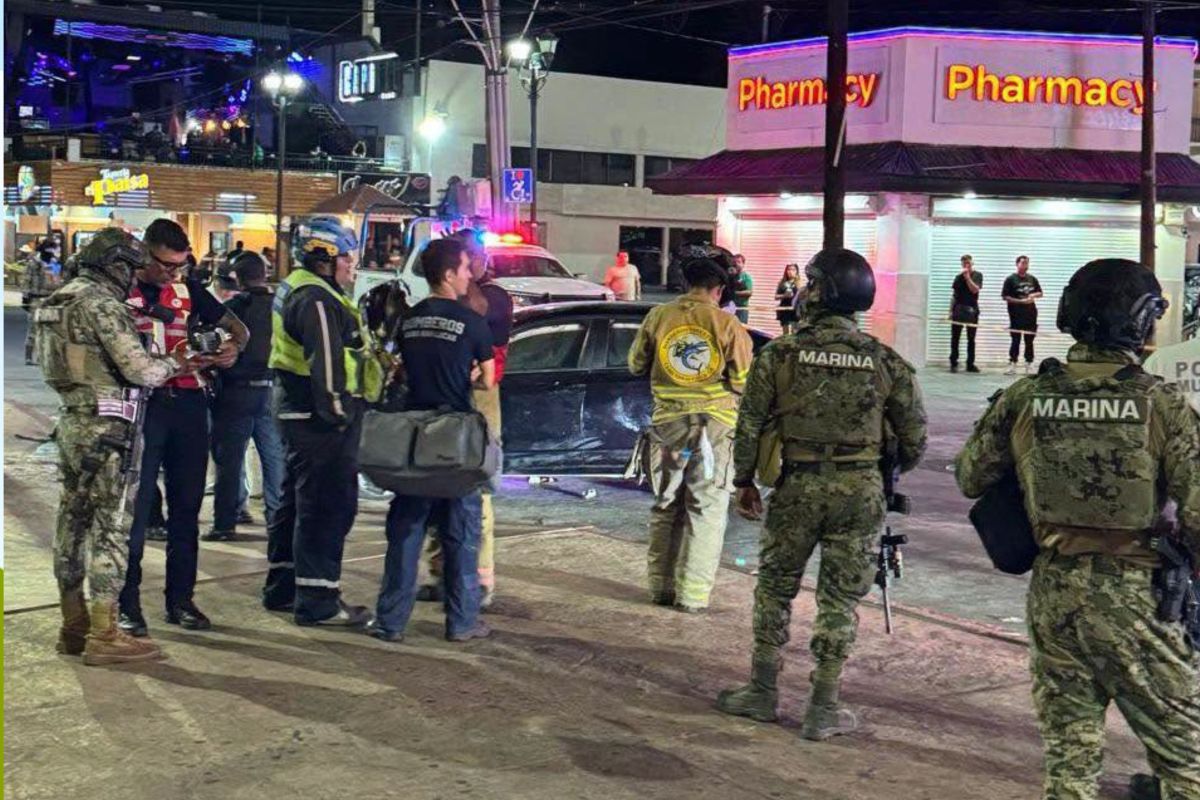
A car drove into a crowd of people celebrating Mexico's 3-0 World Cup win over Czechia in Los Cabos, Mexico. At least 17 people were hurt, including the driver, who is now in custody.
Key Facts
The incident happened around 9:05 p.m. local time in Cabo San Lucas, on Lázaro Cárdenas Boulevard.
A black car accelerated into a crowd of Mexican soccer fans celebrating the win.
At least 17 people were injured and taken to local hospitals, including the driver.
The driver is in custody, and the reasons for the incident are not yet known.
The Mexican Football Federation expressed support for the injured and their families.
Local authorities are handling the investigation and medical care.
This incident occurred during celebrations for Mexico’s victory over Czechia in the World Cup.
Read the Original
Want the full story? Tap a source to open the original
article.
Two strong earthquakes, measuring 7.2 and 7.5 in magnitude, hit northern Venezuela near Caracas on June 24, 2026. The quakes caused many deaths and injuries, destroyed homes and buildings, and led to rescue efforts and a state of emergency declaration.
Key Facts
The earthquakes struck Yaracuy state, west of Caracas.
The first quake was magnitude 7.2 at a depth of 22 km (14 miles).
The second quake followed less than a minute later, magnitude 7.5 at about 10 km (6 miles) deep.
Nearly two dozen aftershocks happened after the main quakes.
Many buildings collapsed, especially in Caracas and La Guaira.
At least dozens of people were killed and hundreds injured.
Acting President Delcy Rodriguez declared a state of emergency.
La Guaira, a port city on the Caribbean coast, was called a “disaster zone” with ongoing rescue efforts.
Read the Original
Want the full story? Tap a source to open the original
article.
Two strong earthquakes struck western Venezuela, killing at least 32 people and causing widespread damage. Many countries have expressed condolences and offered help as Venezuela deals with this disaster.
Key Facts
Two earthquakes measured magnitude 7.2 and 7.5 hit near Moron, Venezuela, about 168 km west of Caracas.
The US Geological Survey warned of likely high casualties and extensive damage.
Venezuelan authorities declared a state of emergency and closed the Simon Bolivar International Airport.
Argentina, Bolivia, Brazil, Colombia, Cuba, Ecuador, El Salvador, Italy, Mexico, Panama, and Pakistan have all offered support or aid.
Colombia confirmed no damage in its capital after feeling the earthquake.
Cuba’s health workers in Venezuela are providing medical help to those affected.
Several countries are sending or preparing to send humanitarian aid and rescue teams to Venezuela.
Read the Original
Want the full story? Tap a source to open the original
article.
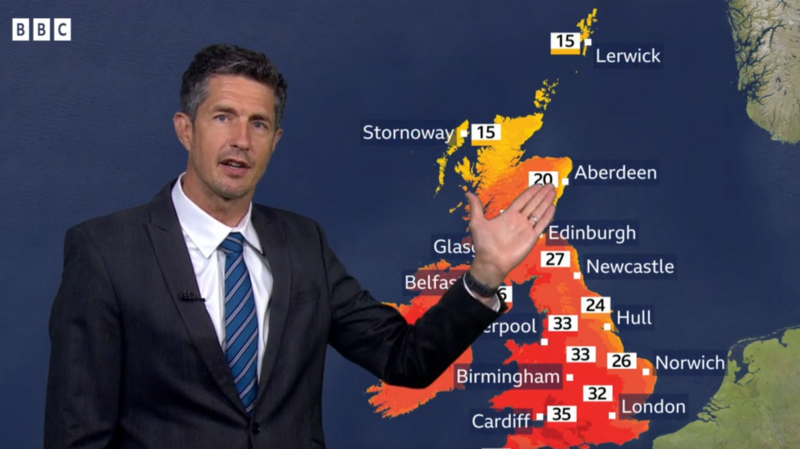
A strong heatwave is hitting Europe, with over 100 million people experiencing very high temperatures above 35°C (95°F). In France, tourists on the Champs-Élysées and workers are seeking ways to stay cool as the heat records continue to break.
Key Facts
More than 101 million people in Europe will face temperatures over 35°C on Thursday.
Around 50 million people in France will experience these high temperatures.
The heatwave is described as intense and is affecting many parts of the continent.
Tourists in Paris are going into air-conditioned shops to avoid the heat.
Workers are adjusting their routines to cope with the extreme temperatures.
France recently had its hottest day since weather records began in 1947.
The Champs-Élysées, a famous street in Paris, is one of the places affected by the heat.
The weather situation is causing concern and changes in daily life across Europe.
Read the Original
Want the full story? Tap a source to open the original
article.
Kenya is marking two years since protests against the 2024 Finance Bill turned violent, resulting in over 60 deaths and many injuries due to police crackdowns. As groups prepare new protests, there are concerns about potential further violence from government forces.
Key Facts
The protests began in 2024 in response to the Finance Bill.
Police used force against demonstrators, causing more than 60 deaths.
Hundreds of people were injured during the crackdown.
Two years later, civil society groups plan to hold new protests.
There are fears the government may respond with violence again.
Violence in Kenya has been increasing in recent years.
The event is being marked on June 25, 2026.
Read the Original
Want the full story? Tap a source to open the original
article.
Maritime traffic in the Strait of Hormuz has increased recently, helping ease oil price drops. However, uncertainty remains due to ongoing disagreements between the US and Iran over potential toll fees for ships passing through the strait.
Key Facts
The Strait of Hormuz is a key shipping route for oil transport.
Oil prices have been falling as more ships pass through the strait.
Iran and Oman are discussing charging fees for using the maritime route.
The US and Iran are in talks about these possible tolls, but no agreement has been reached yet.
The shipping industry remains uncertain about future rules and costs.
Recent peace negotiations include a temporary waiver of US sanctions on Iran’s oil.
The situation affects global oil markets and international trade.
Security concerns remain due to the strategic importance of the strait.
Read the Original
Want the full story? Tap a source to open the original
article.
Research shows that younger generations, like millennials and Gen Z, may be aging faster inside their bodies than older generations, which could increase their risk of certain cancers diagnosed before age 55. Factors like obesity, poor diet, lack of exercise, and bad sleep habits may speed up this biological aging process.
Key Facts
Biological age means how “worn out” the body is internally, not just how many years a person has lived.
Faster biological aging is linked to a higher risk of early-onset cancers, especially lung, digestive, and uterine cancers.
Studies analyzed health data from over 154,000 adults in the UK and 10,000 in the US.
People born more recently show bigger gaps between biological and actual age, indicating faster aging.
Faster aging in certain body parts can be tied to specific cancers, like older immune systems linked to lung cancer.
Key causes of faster biological aging include obesity, unhealthy diets, inactivity, and disrupted sleep cycles.
Exercise, good sleep, a Mediterranean diet, avoiding processed foods, and not smoking can slow biological aging.
Measuring biological aging may help doctors identify cancer risks earlier in younger adults.
Read the Original
Want the full story? Tap a source to open the original
article.
Iran’s Revolutionary Guards have warned that ships crossing the Strait of Hormuz without Iran’s permission will face consequences. The strait is a crucial route for oil shipments, and Iran wants control over the passage and plans to charge fees, while the US says the waterway should remain free for all to pass.
Key Facts
Iran’s Revolutionary Guards say only the route they announce through the Strait of Hormuz is allowed.
Any ship crossing without Iran’s approval is considered dangerous and unacceptable by Iran.
A Liberian oil tanker recently used a route close to Oman’s coast, causing concern for Iran.
Oman and the International Maritime Organization have suggested a new shipping route around Oman’s Musandam Peninsula.
The Strait of Hormuz is a narrow passage that carries about 20% of the world’s oil and gas.
Iran and the US agreed on a temporary 60-day period allowing free passage of commercial ships as part of their ceasefire.
Iran wants to keep control of the strait even after the ceasefire ends and plans to charge fees for maritime services.
The US rejects any tolls or fees on ships passing through this international waterway.
Read the Original
Want the full story? Tap a source to open the original
article.
Two strong earthquakes hit Venezuela, causing buildings to collapse and people to panic. Videos showed people running away to stay safe during the shaking.
Key Facts
Two powerful earthquakes occurred in Venezuela.
The earthquakes caused some buildings to fall down.
People were scared and ran away to find safety.
Videos recorded the first moments during the earthquakes.
The events created panic among the local population.
Read the Original
Want the full story? Tap a source to open the original
article.
The article talks about today’s weather forecast, saying it will be sunny and hot in many places. It briefly mentions a video that explains the forecast but requires JavaScript to play.
Key Facts
Today’s weather will be sunny.
It will be hot in many areas.
A video about the forecast is available.
The video needs JavaScript enabled in the browser to play.
The article was published 23 minutes ago.
Read the Original
Want the full story? Tap a source to open the original
article.
Two large earthquakes have hit Caracas, the capital city of Venezuela, causing severe damage and killing at least 32 people. The situation is serious, and damaged buildings and roads are making it hard for rescue teams to help those affected.
Key Facts
Two major earthquakes struck Caracas, Venezuela.
At least 32 people have died due to the earthquakes.
Many more casualties are feared but not yet confirmed.
The city’s infrastructure, such as buildings and roads, has been badly damaged.
The damage is slowing down rescue and relief efforts.
The local government has declared a state of emergency.
The report was given by journalist Noris Argotte Soto from Caracas.
The earthquake event happened around June 25, 2026.
Read the Original
Want the full story? Tap a source to open the original
article.
Two strong earthquakes hit Venezuela near the capital city, Caracas, causing buildings to collapse. At least 32 people died and 700 were injured, leading the government to declare a state of emergency.
Key Facts
The first earthquake measured magnitude 7.2 and struck about 160 km west of Caracas.
Less than a minute later, a second earthquake of magnitude 7.5 occurred.
At least 32 people lost their lives due to the earthquakes.
Around 700 people were injured in the disaster.
Many buildings in and around Caracas collapsed from the tremors.
The Venezuelan government declared a state of emergency following the earthquakes.
The information about the earthquakes and magnitudes comes from the U.S. Geological Survey (USGS).
Read the Original
Want the full story? Tap a source to open the original
article.
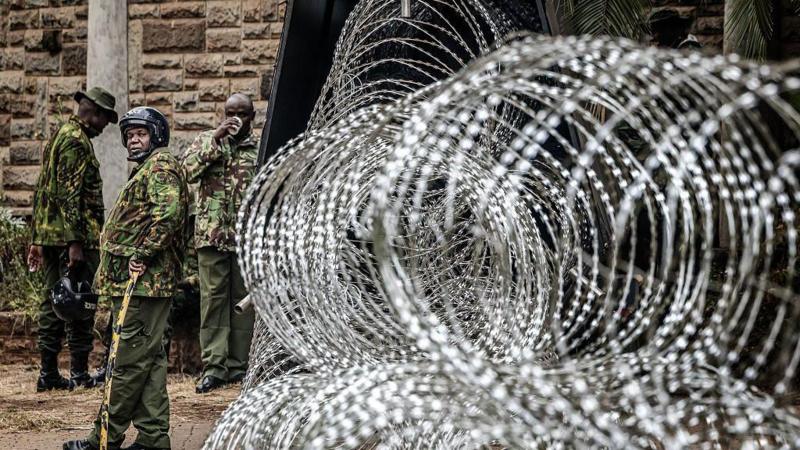
Police in Kenya have blocked major roads into Nairobi to stop nationwide protests planned to mark the second anniversary of the 2024 anti-government demonstrations. The protests, led mostly by young people, demand justice for over 80 people killed during those demonstrations and have caused clashes between police and protesters.
Key Facts
Police have set up roadblocks on major routes into Nairobi to prevent access to the city center.
The protests are organized mainly through social media and expected in Nairobi, Mombasa, and central Kenya.
Protesters demand justice for more than 80 people killed during anti-tax protests in 2024 and related anniversary protests.
Security forces used tear gas and arrested several people trying to access Nairobi for protests.
Some families of victims want peaceful remembrance of their lost loved ones without violence.
Opposition leaders joined families to lay wreaths at parliament honoring those who died in 2024 protests.
President William Ruto supports peaceful protests but warns against violence and destruction.
Human rights groups criticized a government compensation fund for victims of protest-related abuses, saying it excludes some victims and lacks transparency.
Read the Original
Want the full story? Tap a source to open the original
article.
US Secretary of State Marco Rubio is meeting Gulf Cooperation Council leaders in Bahrain to assure them of US protection as talks continue over Iran’s nuclear program. Iran’s Revolutionary Guard has warned ships not to use a new shipping route in the Strait of Hormuz without its permission. Tensions also remain high in Lebanon after an Israeli strike killed two people.
Key Facts
Marco Rubio is visiting Gulf countries to reassure them about their security in talks with Iran.
Iran’s Islamic Revolutionary Guard Corps warned ships to avoid a new shipping lane in the Strait of Hormuz if it is not approved by Iran.
Oman created new guidelines for ships passing through the Strait of Hormuz with UN coordination.
Iran accused NATO members of supporting what it called an unlawful war involving US and Israeli attacks.
South Korea reported that more of its ships safely passed through the Strait of Hormuz, easing shipping concerns.
Three judges from the International Criminal Court sued President Donald Trump’s administration over US sanctions against them.
An Israeli strike near Nabatieh, Lebanon, killed two people amid ongoing Lebanese-Israeli talks about troop withdrawals.
Israeli Defense Minister said Israeli forces would remain in southern Lebanon regardless of US calls for withdrawal.
Read the Original
Want the full story? Tap a source to open the original
article.
Rachel Reeves supports Andy Burnham becoming the next prime minister, even though reports suggest she might leave her chancellor role if he wins Labour leadership. She has not ruled out taking a lower position in Burnham’s cabinet and praised the stronger economy she helped build.
Key Facts
Rachel Reeves backs Andy Burnham for prime minister.
Reports suggest Reeves may lose the chancellor position if Burnham leads.
Reeves is open to accepting a more junior cabinet role under Burnham.
She praised her work with outgoing prime minister Keir Starmer and the improved economy.
One of Reeves’s top advisers asked big companies to lobby Burnham to keep her as chancellor.
Labour supporters are divided on who Burnham should appoint as chancellor, between Wes Streeting and Ed Miliband.
Some Labour members worry Miliband might push too many radical policies.
Darren Jones, a Labour official, said the new chancellor must support the prime minister and reassure markets and the public.
Read the Original
Want the full story? Tap a source to open the original
article.
A heatwave is affecting large parts of Europe, with over 100 million people experiencing temperatures above 35°C. The extreme heat has caused disruptions such as UK universities canceling open days and an increase in health emergencies and deaths in Paris.
Key Facts
At least 101 million people in Europe are expected to face temperatures above 35°C on Thursday.
Around 380 million Europeans (about two-thirds of the population) are expected to have temperatures over 30°C.
UK universities like University College London and Imperial College London canceled student open days to protect visitors and staff.
Paris has seen a rise in deaths and emergency calls due to the heatwave.
Extreme heat warnings are in place across the UK, France, and Italy, covering many regions.
Some cities will reach temperatures near or above 39°C, including Paris and Cologne.
Temperatures are expected to rise even more in Central European cities such as Bratislava, Budapest, Prague, and Warsaw over the weekend.
The heatwave is moving eastwards but continues to impact millions of people across the continent.
Read the Original
Want the full story? Tap a source to open the original
article.