Neutral summaries of your favorite news sources — just the facts.
Your favorite news sources, one neutral feed — we distill their reporting into fact-first
summaries and always link to the original story. How it works
World News
Comprehensive coverage of international news and global events
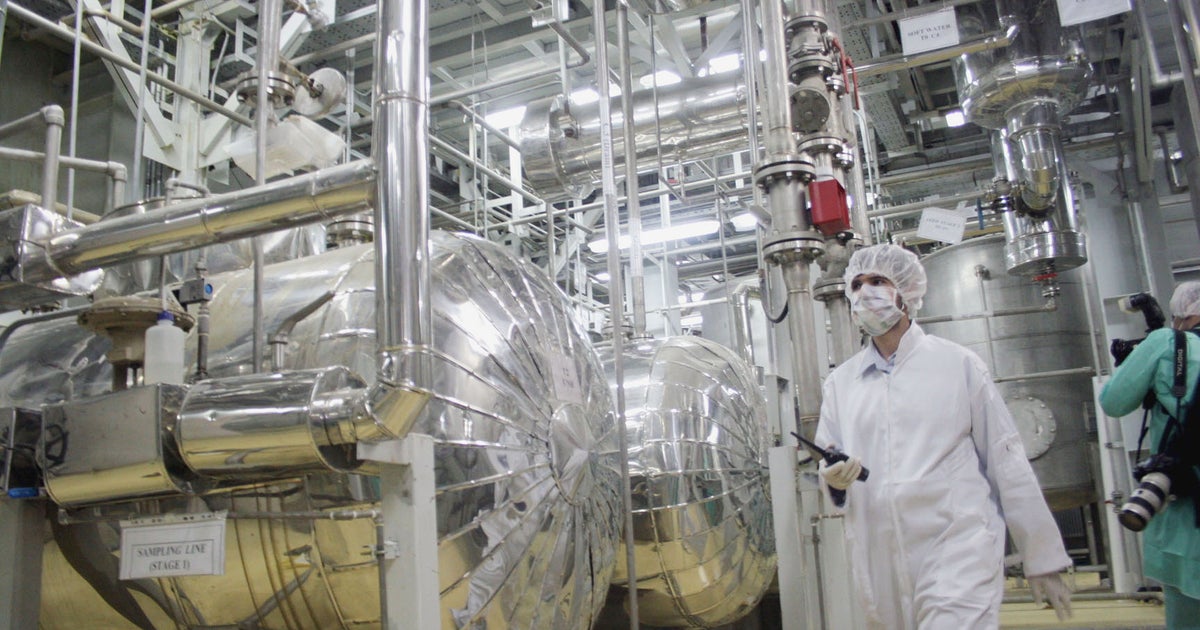
Iran's foreign ministry said there are no plans for United Nations nuclear inspectors to visit its nuclear sites, despite statements from U.S. Vice President JD Vance suggesting inspections could happen soon. The Strait of Hormuz, a key shipping route, saw its busiest day since the war started, with increased but still reduced ship traffic.
Key Facts
Iran denies any current plans for IAEA nuclear inspections at sites damaged by U.S. and Israeli strikes.
Vice President JD Vance had stated that Iran agreed to allow inspections soon, creating conflicting reports.
Iran's Isfahan nuclear facility, damaged in airstrikes, is of particular interest as it may hold highly enriched uranium.
Iran’s foreign ministry spokesman said they have not met with the IAEA Director General about inspections.
The Strait of Hormuz experienced 35 commercial vessel transits on Monday, the most since the war began.
Typical pre-war traffic through the strait was around 120 ships per day, about three times the current level.
Some ships may hide their location to avoid detection while crossing the strait.
Vice President Vance described Iranian negotiators as sometimes confusing during talks.
Read the Original
Want the full story? Tap a source to open the original
article.
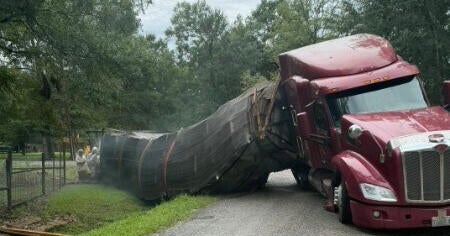
A truck carrying about 400 beehives crashed in a rural neighborhood in Orange County, Texas, causing millions of bees to escape. Officials closed roads and advised people to stay indoors while beekeepers worked to recover the hives and protect the community.
Key Facts
The crash happened in a rural area of Orange County, Texas, near Houston and the Louisiana border.
The truck was carrying around 400 beehives and tipped over after the driver took a wrong turn on narrow roads.
Emergency services warned residents to stay inside due to the large number of freed bees.
Local beekeepers and volunteers helped to salvage the hives and gather stray bees.
Experts said the survival of the hives depends mostly on how many queen bees remain alive.
A quarter of the 408 hives might survive the crash according to one beekeeper.
Large beekeeping businesses move hives across the country for pollination and honey collection.
There were no reports of serious injuries or bee stings from the incident so far.
Read the Original
Want the full story? Tap a source to open the original
article.
Europe is experiencing a severe heatwave with temperatures reaching up to 39 degrees Celsius. This weather is causing problems in schools, trains, and sports, and the year 2026 is on track to be the hottest in European history.
Key Facts
Europe faces very high temperatures, with heatwaves causing heat-related health risks.
Temperatures are expected to reach as high as 39 degrees Celsius.
The year 2026 may be the warmest year ever recorded in Europe.
Disruptions have occurred in schools, train services, and sports events due to the heat.
According to the World Health Organization, over 200,000 people died from heat-related causes in Europe in the last four years.
Officials have issued warnings as the heat poses serious health concerns.
The heatwave is described as exceptional and arrived unusually early in the year.
Read the Original
Want the full story? Tap a source to open the original
article.
Keir Starmer has announced he will step down as UK Prime Minister. Andy Burnham is the main candidate to succeed him but must be officially voted in by Labour party members. Starmer wants the new leader chosen by September 1, when Parliament returns from break.
Key Facts
Keir Starmer plans to resign as Prime Minister of the UK.
Andy Burnham is the leading candidate to become the next Prime Minister.
Burnham recently became a Member of Parliament in a by-election.
The Labour party members will vote to confirm the next leader.
Starmer aims to have a new Prime Minister by September 1, 2026.
Parliament is currently on recess and will return on September 1.
The leadership change occurs amid ongoing political discussions in the UK.
Read the Original
Want the full story? Tap a source to open the original
article.
France is experiencing a record heatwave, with very high temperatures causing concern across the country. So far, at least 18 people have died due to the heat, and many areas are struggling with hot nights where temperatures stay above 22 degrees Celsius.
Key Facts
France is facing a heatwave with 54 departments on high alert.
At least 18 people have died from heat-related causes.
Night temperatures are not falling below 22 degrees Celsius in many places.
In some areas, night temperatures remain around 30 degrees Celsius.
The government is working to manage the effects of the extreme heat.
High temperatures and heatwaves are linked to climate change.
Public health and safety are major concerns during this heatwave.
Read the Original
Want the full story? Tap a source to open the original
article.
French investigators found serious mistakes in how an earlier complaint against the main suspect in 11-year-old Lyhanna’s killing was handled. The Interior Minister wants disciplinary action against two police officers, and the Prime Minister said the system meant to protect failed.
Key Facts
Lyhanna, an 11-year-old girl, was found dead after disappearing from Fleurance, France.
Authorities had received an earlier complaint about the main suspect but did not act properly.
The investigation revealed significant errors in handling the earlier complaint.
Two police officers are facing possible disciplinary action from the Interior Minister.
The French Prime Minister stated that the protective system did not work as it should.
This case has raised concerns about how complaints related to child safety are managed.
The article was issued on June 23, 2026, by France 24.
Read the Original
Want the full story? Tap a source to open the original
article.
People in Albania have been protesting for over three weeks against building luxury resorts connected to President Donald Trump's family. The resorts are being built on an island where protected flamingo birds live, and locals are concerned about the impact on wildlife and the environment.
Key Facts
The protests are called the "Flamingo Revolution."
They are happening in the city of Tijana, Albania.
The protests began because of luxury resorts linked to President Trump's family.
The resorts are located on an island that is home to protected flamingo birds.
Protesters include local citizens worried about the environmental damage.
The issue has also raised concerns about corruption in Albania.
Jared Kushner and Ivanka Trump are connected to the resort project.
Reporters from France 24 covered the protests and spoke with participants.
Read the Original
Want the full story? Tap a source to open the original
article.
Scientists have discovered a new species of spider in northern Australia that uses a spring-loaded silk trap to catch a specific type of aggressive green tree ant. The spider flings the ant into its web with great speed and force, a unique hunting method to safely capture dangerous prey.
Key Facts
The spider lives in the rainforests of northern Queensland, Australia.
It hunts a single ant species called the green tree ant (Oecophylla smaragdina).
The spider creates a catapult-like silk snare that launches ants into a larger web.
The force exerted on the ants is much stronger than what jet pilots experience in a plane.
Scientists named the spider "ballista," after an ancient weapon that hurls stones.
The spider uses pheromones (chemical signals) to attract only green ants to its trap.
This spider’s hunting method is the only known example where a web targets one prey species and is triggered by the prey itself.
The research was done by Macquarie University and published in the journal Current Biology.
Read the Original
Want the full story? Tap a source to open the original
article.
Marc Bloch, a historian and French Resistance fighter during World War II, will be honored by being inducted into the Panthéon in Paris. He was the first historian to receive this recognition and was executed by the Gestapo in 1944.
Key Facts
Marc Bloch was a leading historian in the 20th century.
He co-founded the French academic journal "Les Annales."
Bloch served as a soldier in both World War I and World War II.
He was Jewish and joined the French Resistance against Nazi occupation.
Bloch was captured, tortured, and killed by the Gestapo in 1944.
The Panthéon in Paris is a mausoleum honoring important French figures.
Bloch is the first historian to be inducted into the Panthéon.
His life represented a mix of intellectual work and strong support for the French Republic.
Read the Original
Want the full story? Tap a source to open the original
article.
Protests have started in Colombia as the far-right candidate Abelardo de la Espriella is close to winning the presidential election. The left-wing candidate Ivan Cepeda is behind by about 250,000 votes and plans to challenge the election results.
Key Facts
Abelardo de la Espriella is a far-right lawyer and businessman supported by President Donald Trump.
The election results are nearly complete but official winners have not been declared yet.
Ivan Cepeda, the left-wing senator, trails by approximately 250,000 votes.
Cepeda and his team plan to challenge the vote counts from many voting stations.
Protests have broken out in Colombia due to the anticipated victory of de la Espriella.
The election has attracted international attention because of de la Espriella’s political stance and U.S. connections.
Read the Original
Want the full story? Tap a source to open the original
article.
The United States and Iran have been negotiating for 60 days and have reached a temporary agreement. The U.S. is waiving sanctions on Iranian oil exports, allowing Iran to sell oil on the global market again. In return, the U.S. expects Iran to allow nuclear inspections, but Iran denies agreeing to this.
Key Facts
The U.S. has had sanctions on Iranian oil exports for many years.
These sanctions cut Iran off from the main global oil markets.
Because of sanctions, Iran was only able to sell oil cheaply to China.
The U.S. has temporarily lifted sanctions on Iranian oil exports as part of peace talks.
The peace talks between the U.S. and Iran have lasted 60 days.
The U.S. expects Iran to allow international inspectors to check its nuclear program.
Iran denies agreeing to allow these nuclear inspections.
The negotiations also include discussions on a ceasefire in Lebanon.
Read the Original
Want the full story? Tap a source to open the original
article.
President Donald Trump repeatedly declared victory during the conflict with Iran, even as the situation worsened. His actions led to increased Iranian power in the region and strained alliances with countries such as Israel and European nations.
Key Facts
President Trump declared victory multiple times during the Iran conflict, despite ongoing problems.
He signed a ceasefire deal on June 17 at the Palace of Versailles.
The deal and war efforts were criticized by Israeli leaders and media.
Iran gained control over the Strait of Hormuz, an important global oil route, early in the conflict.
Trump’s military actions did not achieve clear strategic success.
The conflict increased Iran’s regional influence and pushed Gulf states to doubt US protection.
China’s influence in the region also grew amid the conflict.
The war strained US relations with Israel and European allies.
Read the Original
Want the full story? Tap a source to open the original
article.
President Trump and Vice President Vance are leading talks to improve relations between the U.S. and Iran. Despite progress in the first round, the peace deal faces challenges from Lebanon, Israel, and political pressures within the U.S.
Key Facts
The U.S.-Iran negotiations are underway with initial talks showing some progress.
Vice President Vance described the first talks as having created a strong foundation.
Iran has agreed to extend an invitation related to the peace talks (specific details not fully stated).
There are concerns about interference from Lebanon and Israel affecting the peace process.
Political challenges involving President Trump could influence the success of the deal.
The talks are part of efforts to reduce tensions and improve peace in the region.
The situation remains complex with multiple countries involved and differing interests.
Read the Original
Want the full story? Tap a source to open the original
article.
Peter Murrell, the former chief executive of the Scottish National Party (SNP), was jailed for more than five years for stealing £400,000 from the party over 12 years. Police released new pictures showing the expensive items he bought illegally with the stolen money, including a motorhome, luxury bags, watches, and pens.
Key Facts
Peter Murrell embezzled £400,000 from the SNP over a 12-year period.
He used the stolen money to buy over 1,000 items, such as jewelry, cosmetics, two cars, and a £124,550 motorhome.
The police took hundreds of pictures of these items during their investigation.
The published photos show goods found at several locations, including the former Glasgow home of Murrell and his estranged wife, Nicola Sturgeon.
Murrell admitted to the crimes last month and has been sentenced to more than five years in prison.
Only some of the stolen goods have been recovered and photographed.
The Crown Office and Procurator Fiscal Service released the new images after the case concluded.
A police search of Murrell and Sturgeon’s property took place in 2023 as part of the investigation.
Read the Original
Want the full story? Tap a source to open the original
article.
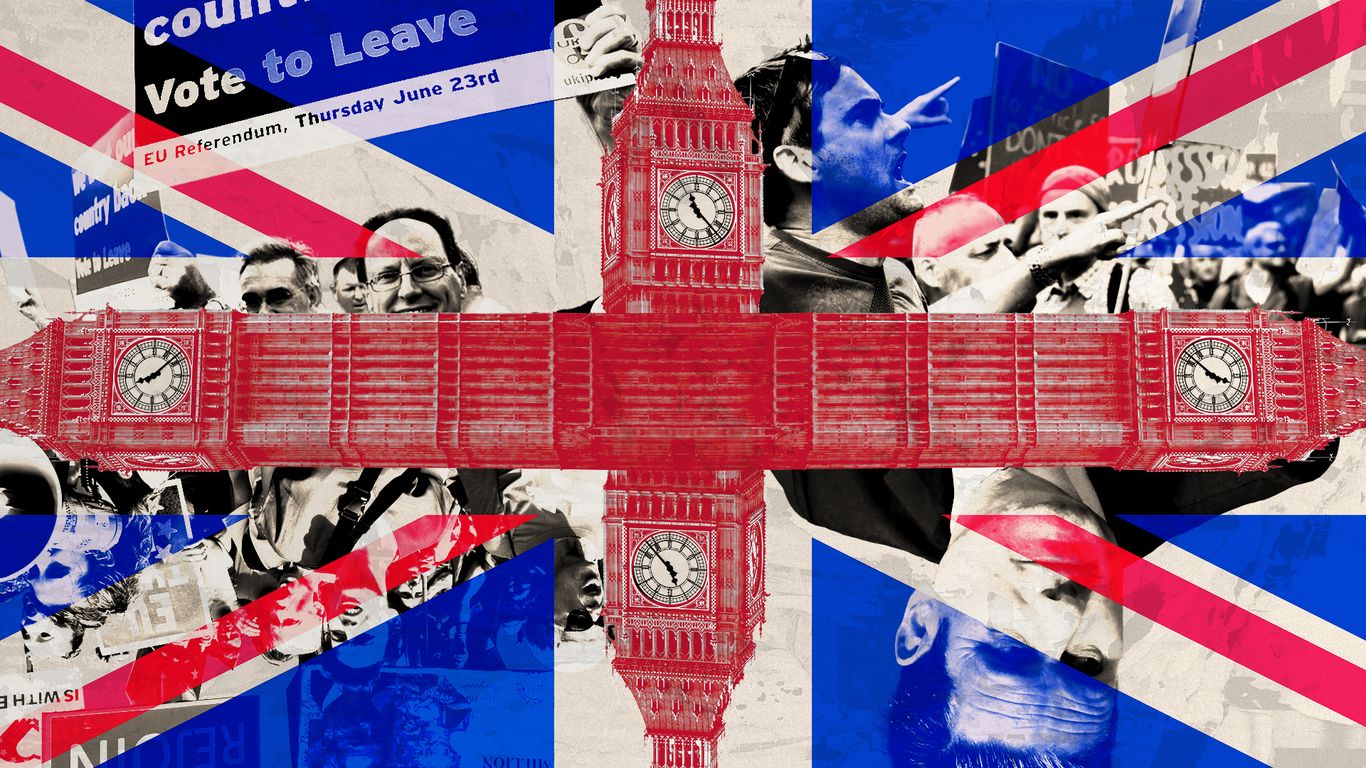
Ten years after Britain voted to leave the European Union in the Brexit referendum, public opinion in the UK has shifted, with most people now viewing Brexit as a mistake. Brexit has caused not only economic problems but also political instability and increased social divisions in Britain.
Key Facts
The Brexit referendum took place on June 23, 2016.
Initially, 64% of Britons believed leaving the EU was the right choice; now only 30% do.
57% currently think Brexit was a wrong decision, and 60% consider it a failure.
The UK economy has shrunk by about 6% due to Brexit, according to the Bank of England.
Brexit has led to political instability, with Britain having seven prime ministers in ten years.
The referendum intensified debates about immigration and increased negative attitudes toward minorities.
Rhetoric once seen as extreme, such as fears about immigration and challenges to human rights, has become more common in political discussions.
Successive governments have introduced stricter immigration policies influenced by the Brexit debate.
Read the Original
Want the full story? Tap a source to open the original
article.
Ten years after the UK voted to leave the European Union in 2016, many promises made during the Brexit campaign have not been fulfilled. The UK economy has grown slower than the EU average, migration levels are still high, and the country faces challenges compared to other European nations.
Key Facts
On June 23, 2016, 51.9% of UK voters chose to leave the EU, while 48.1% voted to remain.
England and Wales mostly voted to leave; Scotland and Northern Ireland mostly voted to remain.
Britain joined the European Economic Community (EEC) in 1973 due to economic reasons but became skeptical about European integration over the years.
Political pressure from conservative MPs and the rise of the UK Independence Party pushed Prime Minister David Cameron to call the referendum.
After the Leave vote, Cameron resigned, Theresa May tried but failed to pass a withdrawal deal, and Boris Johnson completed Brexit in January 2020.
Since the referendum, UK economic growth per person has been slower than the EU average, with a projected growth of only 1.3% per year through 2030.
Trade barriers introduced by Brexit have contributed to the slower economic growth.
Migration to the UK remains high despite government efforts to reduce it.
Read the Original
Want the full story? Tap a source to open the original
article.
France is experiencing a heatwave with record high temperatures affecting most of its population. The extreme heat has caused disruptions at schools, trains, and sports events, and has been linked to around 20 drowning deaths since the weekend.
Key Facts
Millions of people in France are experiencing very hot weather.
The heatwave is causing unusual and extreme temperatures across the country.
Many places in France lack widespread air conditioning.
Schools, train services, and sports events are being affected by the heat.
About 20 drowning deaths have been reported since the weekend.
The government held a crisis meeting to address the heatwave situation.
Some public restrictions, like banning alcohol in public spaces during events, have been introduced due to the heat.
The heatwave is a repeated event, with another early heatwave occurring less than a month ago.
Read the Original
Want the full story? Tap a source to open the original
article.
British Prime Minister Keir Starmer resigned less than two years after winning a large election victory in 2024. The United Kingdom is preparing to have its seventh prime minister since the Brexit vote ten years ago, highlighting ongoing political changes.
Key Facts
Keir Starmer became UK Prime Minister after a big election win in 2024.
Starmer resigned following his party's poor results in local elections.
The resignation comes on the tenth anniversary of the Brexit vote in 2016.
Since Brexit, the UK has had six different prime ministers before the upcoming new leader.
The UK’s future relationship with the European Union is a key issue for the new prime minister.
Andy Burnham is seen as a likely candidate to succeed Starmer.
There is discussion about whether the UK government can stay stable given frequent leadership changes.
An early general election is considered unlikely despite the political shifts.
Read the Original
Want the full story? Tap a source to open the original
article.
Ten years after the Brexit vote, the United Kingdom faces political instability, slow economic growth, and ongoing challenges with trade and public services. The country is preparing for its seventh prime minister since the referendum, while broader Western democracies also struggle with anti-establishment political forces.
Key Facts
The Brexit referendum occurred on June 23, 2016, promising a "Global Britain" with more control over borders and budgets.
Since then, the UK has seen seven prime ministers, including Theresa May, Boris Johnson, Liz Truss, and Rishi Sunak.
Britain is experiencing low economic growth, trade difficulties, rising prices, and strained public services.
Labour leader Keir Starmer recently resigned less than two years after a historic Labour election win.
Right-wing parties like Nigel Farage’s Reform UK have made gains by appealing to working-class voters concerned about migration and the cost of living.
Andy Burnham, a former mayor with strong regional support, is positioned to become the next Labour leader and possibly prime minister.
Similar anti-incumbent and populist trends are evident in other Western countries, including France, Germany, Hungary, and the United States.
President Trump, once an anti-establishment figure, now faces challenges as a sitting leader with declining approval ratings.
Read the Original
Want the full story? Tap a source to open the original
article.
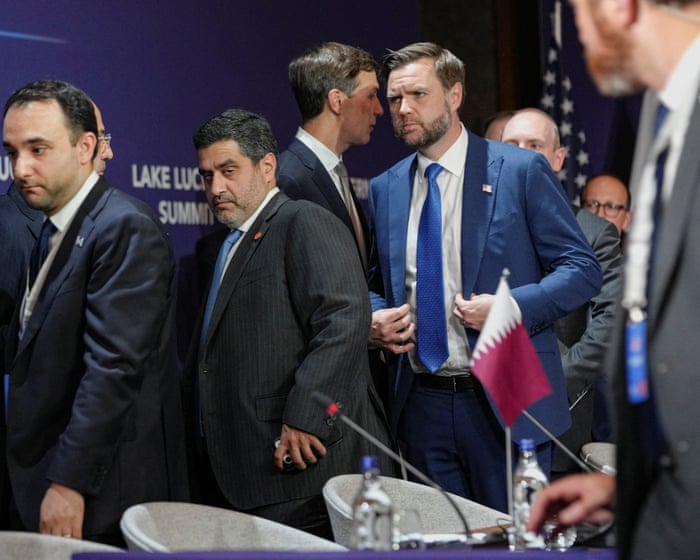
The United States and Iran held talks in Switzerland on June 22, 2026, to create a plan to end the war in Lebanon and lift sanctions on Iranian oil. Both sides called the negotiations a positive start but left some details, such as control of the Strait of Hormuz, unresolved.
Key Facts
The talks took place in Switzerland on June 22, 2026.
The main goals were to agree on a ceasefire in Lebanon and lift U.S. sanctions on Iranian oil.
U.S. Vice President JD Vance described the talks as a good foundation for peace.
Both sides agreed to set up ways to open the Strait of Hormuz for shipping and trade.
It is unclear who will control the Strait of Hormuz after the agreement.
The Lebanon war has caused an estimated $1.3 billion in damage.
Some details still remain unsettled, meaning the full peace deal is not completed yet.
Read the Original
Want the full story? Tap a source to open the original
article.