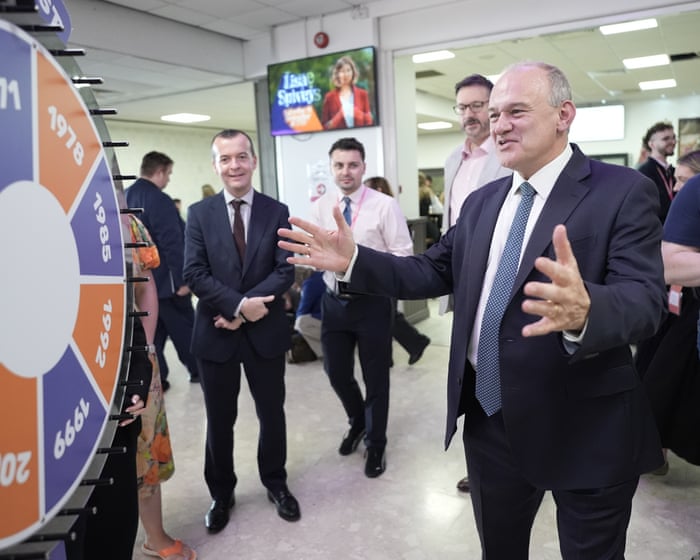
The Liberal Democrat party is debating its strategy at a conference in Brighton. The leaders favor a cautious approach focusing on winning specific seats rather than a wide national campaign, aiming to stop Reform UK from gaining power in future elections.
Key Facts
The Lib Dems are choosing to focus on target seats instead of running a full national campaign.
This strategy helped them win 72 seats in the 2024 election with about 12% of the vote.
Party leaders, including Ed Davey, believe they could increase their seats to around 140 in the next election.
The approach depends on tactical voting and vote splitting on the right side of politics.
Some party members feel this cautious strategy makes the party less bold and less distinctive.
There is concern over balancing policies that attract both right-leaning and left-leaning voters.
Despite frustrations, no leadership challenge to Ed Davey exists, and he is committed to preventing a Reform UK government.
The conference showed tension between ambition and caution in the party’s future direction.
Read the Original
Want the full story? Tap a source to open the original
article.
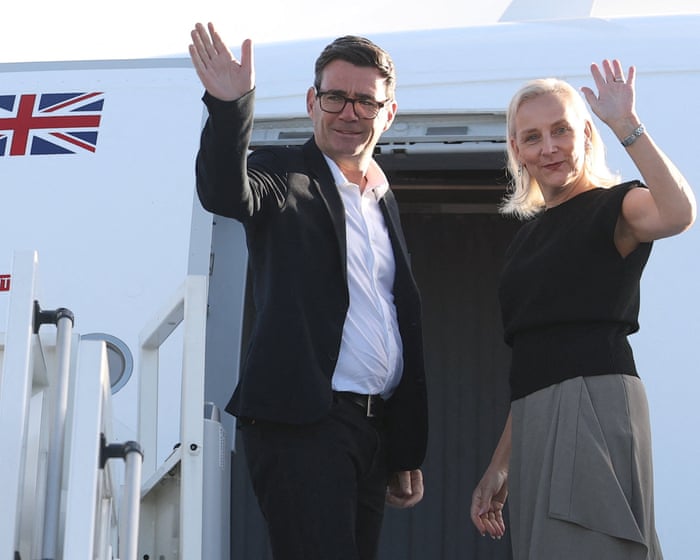
UK Prime Minister Andy Burnham said he is focused on improving trade relations with the European Union but did not rule out including Brexit reversal in the next Labour Party election plan. He plans to discuss concerns about EU laws that could affect UK businesses during a meeting with the European Commission president.
Key Facts
Andy Burnham is the UK Prime Minister and a member of the Labour Party.
He is meeting Ursula von der Leyen, president of the European Commission, to discuss UK-EU relations.
Burnham has not ruled out putting Brexit reversal in Labour’s next election manifesto but wants to prioritize better trade ties first.
Some ministers are worried progress on EU relations has slowed since Burnham took office.
The EU’s “made in Europe” law aims to limit China’s influence but may affect British industry and supply chains.
Burnham said he would share UK concerns about this law in a cooperative way.
The UK and many EU countries face similar challenges, especially in steel production.
Burnham warned that problems with the EU could damage important supply chains between the UK and Ireland.
At the UN, Burnham will speak about the effects of Brexit on UK democracy and warn against outside forces trying to influence politics.
Read the Original
Want the full story? Tap a source to open the original
article.
The far-left Die Linke party, led by Elif Eralp, won the recent municipal elections in Berlin, focusing on affordable housing issues like rent freezes and public ownership of private real estate. This shift to the left in Berlin mirrors a similar political change in New York, while other parts of Germany show gains for the far-right party AfD, reflecting growing political divides in the country.
Key Facts
Elif Eralp, leader of Die Linke, helped the party win in Berlin’s state election.
Affordable housing was a key issue in the campaign, including promises to freeze rents and nationalize private housing companies.
The Christian Democrats, Germany's traditional center-right party, lost seats in Berlin and failed to enter the regional parliament for the first time since World War II.
In other regions, like Mecklenburg-West Pomerania, far-right party AfD increased their votes.
The Social Democrats limited far-right gains but still faced challenges.
The political shifts may be linked to factors like globalization’s winners and losers, a generation gap, and voting differences between young men and women.
The election results illustrate a broader pattern of cities moving left while some rural or industrial regions move right in Germany.
Read the Original
Want the full story? Tap a source to open the original
article.
The United Nations General Assembly is starting while the UN faces financial and political problems. The United States, led by President Donald Trump, has withdrawn from many UN agencies and stopped paying its full dues, continuing a long history of using financial pressure to influence the UN. This tension includes disagreements over Israel, US support there, and the UN’s future leadership.
Key Facts
The UN General Assembly session begins amid challenges like traffic issues and expensive hotels.
Antonio Guterres is giving his final speech as UN Secretary-General after leading for 10 years.
The UN is near financial collapse and losing influence globally.
The US, under President Trump, withdrew from several UN agencies and stopped paying most of its dues in 2023.
The US currently owes around $4.2 billion to the UN, about 120% of the UN’s 2026 regular budget.
The US has a long history of withholding UN payments, starting in the 1980s under President Reagan.
US political support for Israel and actions toward Iran have increased tensions within the UN.
The choice of the next UN Secretary-General is a major topic behind the scenes.
Read the Original
Want the full story? Tap a source to open the original
article.
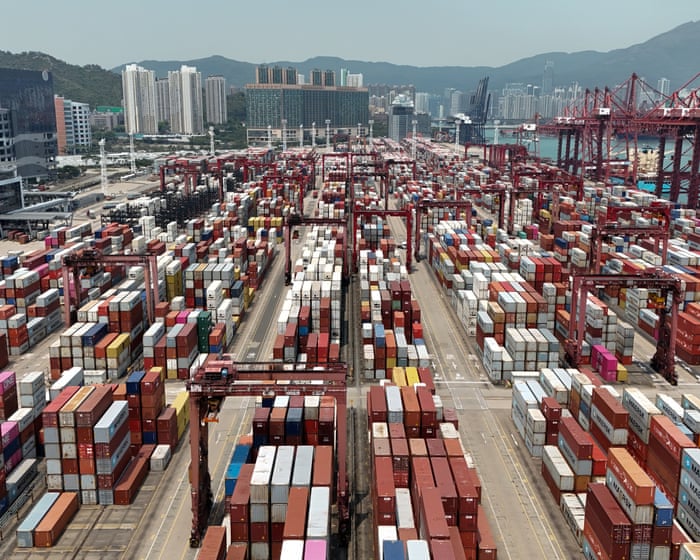
Australia is investigating how parts of F-35 fighter jets, which were supposed to be sent to the US, went missing after being diverted to Hong Kong. The parts have not been found, raising concerns over possible exposure of military technology, but Australian officials say the parts were not sensitive.
Key Facts
F-35 fighter jet parts meant for the US from Australia were diverted to Hong Kong and remain missing.
The parts were transported by an unknown third party for Lockheed Martin, the jets' manufacturer.
Acting Prime Minister Richard Marles said the parts are not considered sensitive technology.
Some media reports claim the shipment included a canopy with stealth technology.
Experts warn that adversaries like China could use these parts to copy or attack the jets.
The F-35 program involves multiple countries, including Australia, which contributes many parts.
Australian companies have contracts worth over $5.2 billion supplying F-35 components.
The missing parts may create vulnerabilities for all countries operating F-35 jets.
Read the Original
Want the full story? Tap a source to open the original
article.
Berlin held a state election where the Left party won the most votes, led by Elif Eralp, who may become the city’s first mayor with an immigrant background. At the same time, the far-right AfD party also gained support, especially in eastern German states.
Key Facts
The Left party won 25.7% of the vote in Berlin, the highest share among all parties.
Elif Eralp, the Left party leader in Berlin, is of Turkish descent and may become the city’s first immigrant-background mayor.
The Left party supports policies such as rent caps, taking homes from large landlords, and expanding social programs.
Nearly half of Berlin’s 3.6 million residents have an immigration background, with large Turkish and Arab communities.
The far-right AfD party received 16% of the vote in Berlin and won state elections in the eastern state of Mecklenburg-Vorpommern.
Young voters under 30 formed a significant part of the Left party’s support base, attracted by policies promising affordability.
The election highlights a political divide, with Berlin’s diverse population supporting the Left, while the AfD grows stronger in less urban, eastern areas.
Read the Original
Want the full story? Tap a source to open the original
article.
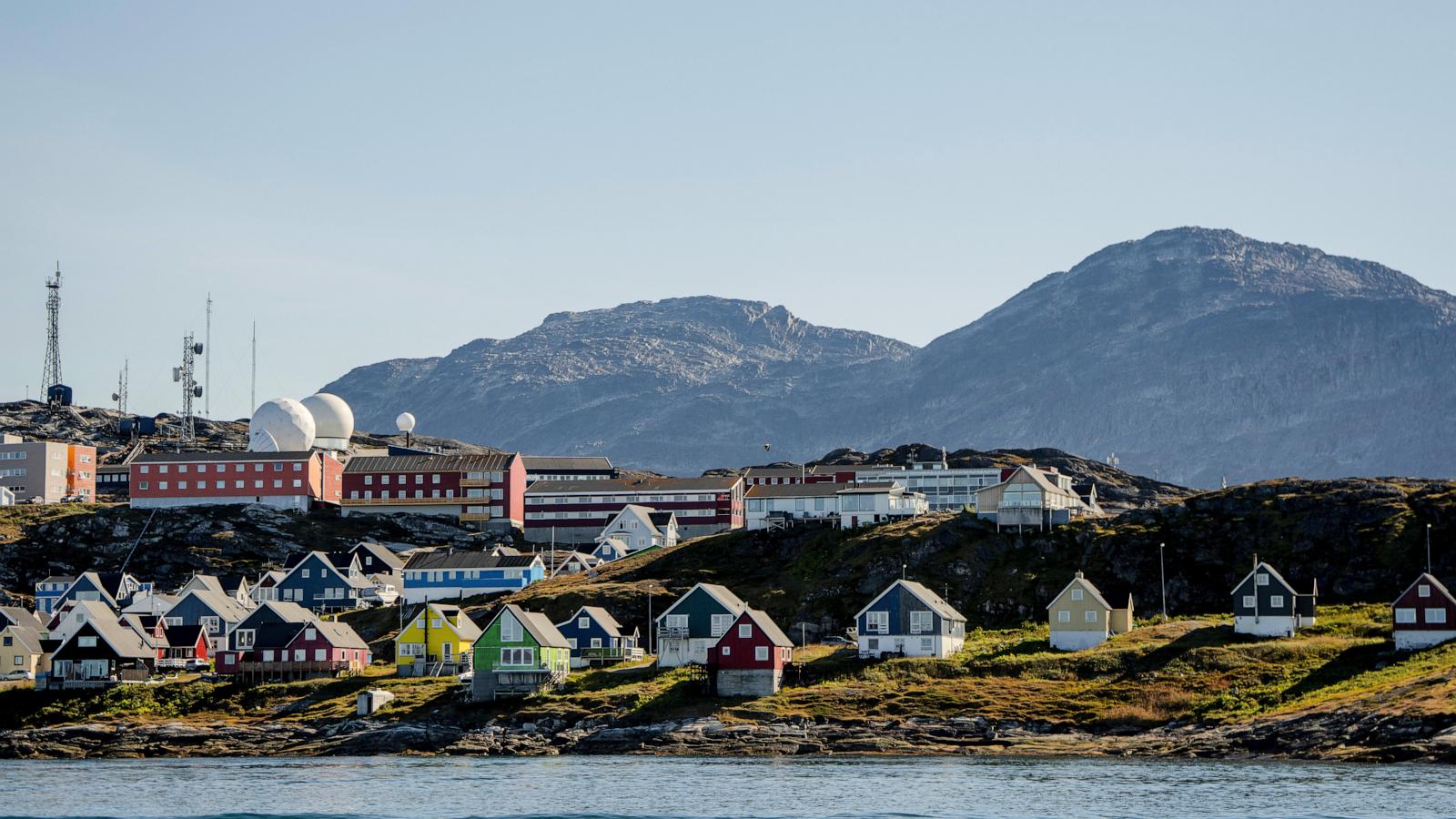
President Donald Trump has shown ongoing interest in the United States acquiring Greenland, a semiautonomous territory controlled by Denmark, starting in 2019. This idea caused tensions between the U.S., Denmark, Greenland, and other European allies, with Greenlandic and Danish leaders firmly rejecting any sale or takeover.
Key Facts
In 2019, President Trump expressed interest in buying Greenland but called the idea "not No. 1 on the burner."
Denmark's Prime Minister Mette Frederiksen dismissed the idea as absurd and criticized Trump’s comments.
Before starting his second term, President Trump renewed his interest, saying controlling Greenland was "an absolute necessity."
Greenland’s leaders clearly stated they are not for sale and rejected U.S. control.
Trump's son visited Greenland in early 2025, and Trump did not rule out using military force to gain control.
Greenland’s parliament and all political parties firmly opposed any U.S. takeover.
Denmark criticized the U.S. for underinvesting in Greenland’s security and condemned covert U.S. influence efforts on the island.
Several high-level meetings took place between U.S., Danish, and Greenlandic officials to address the tensions without agreement on U.S. ownership of Greenland.
Read the Original
Want the full story? Tap a source to open the original
article.
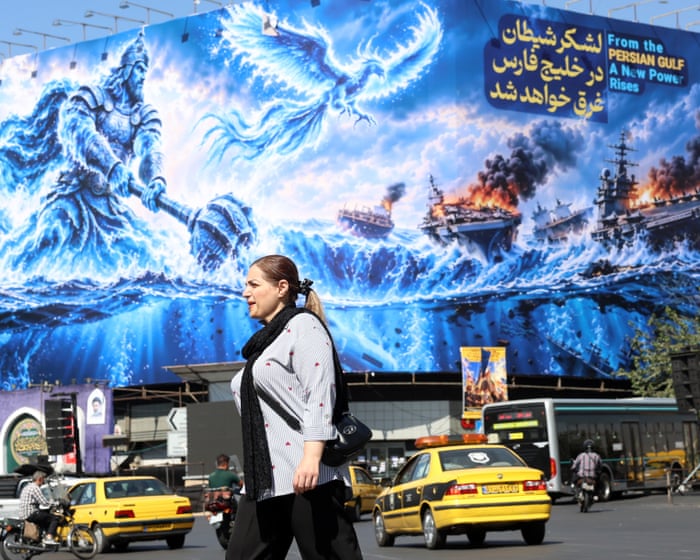
Iran’s President Masoud Pezeshkian met with Pakistan’s Interior Minister Mohsin Naqvi in Tehran to discuss stronger ties amid rising tensions with the United States. Qatar is working with Pakistan to mediate talks between Iran and the U.S., while Iran’s officials continue diplomatic efforts at the United Nations General Assembly.
Key Facts
Iranian President Pezeshkian and Pakistani Interior Minister Naqvi met in Tehran to strengthen relations.
Naqvi’s visit to Iran was his sixth since the war between the U.S. and Israel against Iran began in February.
Iran says it received intelligence that the U.S. plans new attacks on the country.
Qatar is trying to help Iran and the U.S. start dialogue, coordinating with Pakistan.
Iran’s Foreign Minister Abbas Araghchi traveled to New York for the UN General Assembly and stopped in Qatar for talks.
The U.S. gave visas to Iranian officials Pezeshkian and Araghchi but restricted travel and purchases for others in the delegation.
President Donald Trump said he is considering various options for dealing with Iran, including economic pressure or talks.
Iran’s security chief said Iran sent new conditions to the U.S. for restarting negotiations after a previous 60-day agreement failed.
Two tankers were attacked in the Strait of Hormuz, a key shipping route, which Iran controls and monitors.
Read the Original
Want the full story? Tap a source to open the original
article.
Many families in Gaza are using communal ovens to bake bread for free because fuel and food are very expensive and scarce due to ongoing conflict. Women like Azza Ashour and Randa Adwan are managing households and working at these ovens to feed their children and earn a small income.
Key Facts
Azza Ashour, a mother of five, uses a communal oven in a school shelter to bake bread for her children.
Azza’s husband has been detained by the Israeli army since May 2024 without trial.
Food aid from the World Food Programme is irregular, arriving only once every one or two months.
Cooking fuel and firewood have become too expensive for many displaced families.
The communal ovens are supported by the International Committee of the Red Cross (ICRC) and allow free baking.
Randa Adwan, a mother of seven with a college degree, bakes bread at the communal oven to earn about $23 a day.
Jobs in Gaza are very limited, so baking at the oven is assigned by a lottery system.
Due to war and displacement, women like Azza and Randa have taken on full responsibility for their families’ care and income.
Read the Original
Want the full story? Tap a source to open the original
article.
The UN General Assembly (UNGA) has seen many notable moments over the years. These include strong speeches, controversial comments, and dramatic actions by world leaders.
Key Facts
The UN General Assembly is a yearly meeting where leaders from almost all countries discuss global issues.
Memorable moments at UNGA include powerful speeches that have drawn worldwide attention.
Some meetings have involved controversial or heated remarks by leaders.
There have been instances when leaders walked out or made dramatic gestures during sessions.
These events often highlight important global conflicts, diplomatic disputes, or international cooperation efforts.
The article looks back at these moments as highlights of the UNGA’s history.
Read the Original
Want the full story? Tap a source to open the original
article.
Iran’s Revolutionary Guard Corps (IRGC) warned it would change the areas of conflict if the US increases attacks against Iran. This warning followed President Donald Trump’s statement about possible actions against Iran, including economic pressure, military strikes, or making a deal.
Key Facts
President Trump said big events involving Iran could happen soon, with options like economic sanctions, military action, or negotiation.
IRGC spokesperson Hossein Mohebbi warned that new US attacks would lead Iran to use different weapons and fight in new locations.
Iran claims it has targets that have not been attacked before.
The warning came after attacks on Riyadh, Saudi Arabia, by Yemen’s Houthi rebels, who are supported by Iran but act independently.
Houthis control areas near the Bab al-Mandab Strait, a key shipping route between Asia and Europe.
Iran benefits from the Houthis fighting Saudi Arabia because it could reduce US pressure on Iran.
The Strait of Hormuz remains closed to shipping until Iran’s conditions are met, disrupting global trade.
The US is maintaining a naval blockade of Iranian ports and increasing economic sanctions.
Read the Original
Want the full story? Tap a source to open the original
article.
An auction in Paris sold nearly €1 million worth of personal items belonging to French actress and animal rights activist Brigitte Bardot. The money raised will support her animal welfare foundation and her only child, despite some family disagreement about the sale.
Key Facts
The auction raised almost €1 million, about 20 times higher than the original estimate.
285 items were sold, including hats, sunglasses, furniture, dog collars, guitars, and personal belongings.
Brigitte Bardot, who died in December at age 91, was a famous actress turned animal rights campaigner.
Proceeds will go to the Brigitte Bardot Foundation, which helps animals through shelters and partner groups in France and other countries.
About 3,000 buyers from France and abroad registered for the auction.
Bardot’s last husband criticized the sale, calling it disrespectful and saying Bardot would not have approved.
The foundation stated the auction was approved by its board and is part of continuing Bardot’s animal rights work.
Bernard d’Ormale, Bardot’s widower, was removed recently as head of the foundation after disagreements about the auction.
Read the Original
Want the full story? Tap a source to open the original
article.
The Roj camp in northeast Syria holds over 2,300 women and children linked to ISIL, many detained without a legal process. Recently, reports say camp conditions have worsened, with night raids, violence, and extortion by security forces. Control of the camp shifted from the Kurdish-led Syrian Democratic Forces to the Syrian government, but tensions and violence continue inside.
Key Facts
Roj camp holds more than 2,300 detained women and children, many linked to ISIL.
Detainees have been held for nearly ten years without individual legal cases.
Reports describe escalating violence, including night raids, stone-throwing, and injuries.
The Kurdish-led Syrian Democratic Forces controlled Roj until August 2024, then turned control over to the Syrian government.
The security staff at the camp are divided between those integrated into the government and those who refused.
United Nations experts say conditions in the camp may qualify as torture under international law.
Around 52,000 people are detained in camps like Roj and al-Hol, including about 12,000 foreigners.
The UN calls Roj the world’s largest site of mass arbitrary detention of women and children on security grounds.
Read the Original
Want the full story? Tap a source to open the original
article.
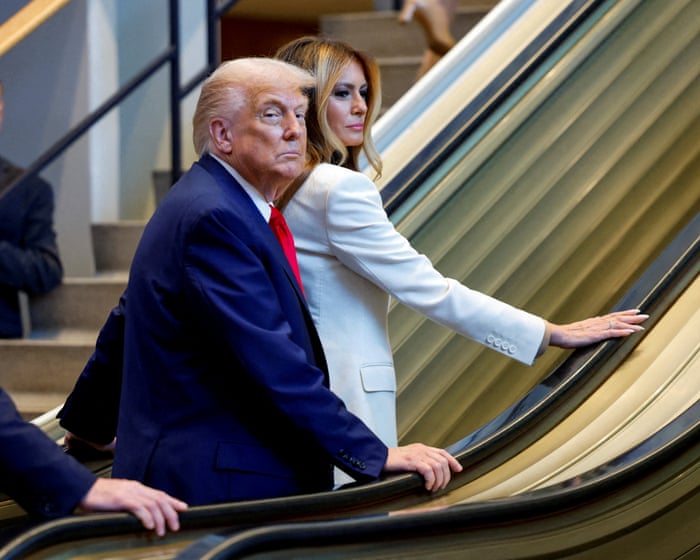
President Donald Trump is preparing to speak at the United Nations General Assembly amid a busy period of social media posts on topics like a military facility plan and artificial intelligence. His past speeches at the UN have been controversial, and his recent tweets suggest he might continue his strong and unusual style during this year's address.
Key Facts
The UN General Assembly is a yearly event where world leaders speak on global issues.
Many US presidents have used this platform to share positive messages about the country and the world.
President Trump has previously made controversial remarks at the UN, including criticizing other countries and the UN itself.
Recently, Trump tweeted about turning a planned arch in Washington DC into a military storage site, claiming the military requested it without proof.
Trump also announced plans for an “AI force” to promote artificial intelligence, calling it a major future economic driver.
His social media posts include warnings against fears of AI and criticism of political opponents.
Trump’s upcoming UN speech comes during ongoing conflict involving Iran, which he predicted would end quickly but still continues.
He released a “Top 25 Trump Achievements” list just days before his UN speech.
Read the Original
Want the full story? Tap a source to open the original
article.
More than 500 children in Nepal are living in temporary shelters after losing their parents in deadly floods. These children, many separated from their families, face uncertain futures as the government and organizations try to reunite them with relatives or provide care.
Key Facts
Floods in Nepal killed over 1,400 people and left at least 5,000 missing.
More than 500 children today live in temporary shelters without their parents.
Nepali law requires a person to be missing for 12 years before they can be declared dead, but there is a special exemption during disasters if approved by a court.
Many children like 9-year-old Ram Thakur were separated from their parents during the floods and are waiting to be reunited.
Over 32,000 children were displaced by the floods across Nepal.
Only 18 children have been reunited with their families so far.
Local nonprofits provide bedding, toys, and food in shelters to support the children.
Authorities and organizations are working to find the children’s families or arrange longer-term care.
Read the Original
Want the full story? Tap a source to open the original
article.
A large concrete ring on the Suffolk coast, built during the Cold War, has been identified as part of a radar system designed to detect nuclear explosions and rocket launches. Researchers confirmed the ring was part of the U.S. Air Force’s R-System radar, used in the 1960s and later replaced by satellites.
Key Facts
The concrete ring is 50 meters (164 feet) wide and is located at Orford Ness, Suffolk.
It was built by the U.S. Air Force in the early 1960s.
The ring supported a steerable helical transmitter to detect nuclear explosions and rocket launches from thousands of miles away.
The radar system is called the R-System and was part of Cold War intelligence gathering.
Only about eight similar concrete rings were made worldwide.
Researchers Steve Clifton and Olaf Kirchner met Ed Lyon, the creator of the R-System, who confirmed the ring’s purpose.
The R-System was eventually replaced by satellite technology by the end of the 1960s.
Orford Ness was a secret military testing site used during both World Wars and the nuclear age, now managed by the National Trust.
Read the Original
Want the full story? Tap a source to open the original
article.
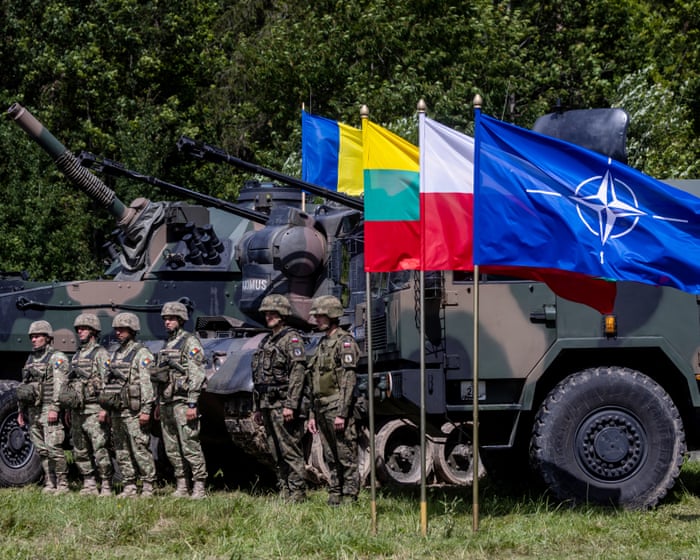
European intelligence officials warn that Russia may soon try to test NATO’s strength with an attack on European soil, possibly using drones or missiles. These warnings come amid ongoing conflicts in Ukraine and concerns about Russia’s hybrid tactics to disrupt support for Ukraine without sparking full military war.
Key Facts
The UN General Assembly is focusing on conflicts in Iran, Ukraine, and the Gulf.
European countries have seen sabotage acts believed to be from Russia, aiming to disrupt support for Ukraine.
Russia’s recent elections tightened Vladimir Putin’s control, and far-right parties like Germany’s AfD gained ground.
Intelligence sources from the Czech Republic, Latvia, and Sweden say a Russian attack on NATO territory could happen soon.
Polish Prime Minister Donald Tusk mentioned intelligence pointing to possible missile or drone attacks from Russia.
French President Emmanuel Macron is holding emergency talks due to these warnings.
Experts note uncertainty about how concrete the intelligence is, compared to clear evidence before Russia’s 2022 invasion of Ukraine.
The situation is described as a “shadow war” or “hybrid war,” with actions just below the level that would normally trigger military retaliation.
Read the Original
Want the full story? Tap a source to open the original
article.
The foreign ministers of the G7 countries have condemned recent attacks by Yemen’s Houthi group against Saudi Arabia. They called for the Houthis to stop all military actions and urged Iran to end its support for the group.
Key Facts
The G7 includes the UK, Canada, France, Germany, Italy, Japan, and the United States.
The ministers condemned continued strikes by the Houthis on Saudi Arabia as unacceptable.
They called on the Houthis to stop attacks on civilians and shipping and to return to peaceful talks.
The statement accused Iran of arming and supporting the Houthis, breaking UN rules.
The support from Iran was described as escalating the conflict and threatening global trade and stability.
This escalation follows a period of calm after a ceasefire agreed in 2022.
The conflict involves the Houthis, who are aligned with Iran, and the Saudi-backed Yemeni government.
The meeting took place informally during the United Nations General Assembly in New York.
Read the Original
Want the full story? Tap a source to open the original
article.
The 81st United Nations General Assembly (UNGA) will hold its main debate from September 22 to 28, 2026, in New York. Nearly 130 world leaders, including President Donald Trump, will speak on global issues such as climate change, wars, and nuclear weapons.
Key Facts
The UNGA session began on September 8, with Khalilur Rahman of Bangladesh as president.
The main debate starts on September 22 and runs until September 26, then resumes on September 28.
Brazil traditionally speaks first, followed by the host country, the United States. President Donald Trump will speak second.
The UN Secretary-General Antonio Guterres will open the debate with his final report.
The UN headquarters in New York, an international territory, hosts the event.
Palestinian leader Mahmoud Abbas will give his speech via prerecorded video due to US visa denial.
The 2026 theme is “Restoring trust, managing transformation: a United Nations that delivers for all.”
Topics include climate action, pandemic preparedness, nuclear disarmament, racism, and conflicts in the Middle East and Ukraine.
Read the Original
Want the full story? Tap a source to open the original
article.
The United States plans to sell $2.8 billion in weapons to Israel, including 40,000 bombs. Experts are discussing if this large arms deal matches the threat Israel faces or if it might increase harm to civilians in Gaza.
Key Facts
The US is planning a $2.8 billion arms deal with Israel.
The deal includes 40,000 bombs.
Experts like David Hale and Daryl Kimball have commented on the deal.
There is concern about whether the deal is balanced with Israel’s security needs.
Some worry this weapons supply could increase civilian casualties in Gaza.
The discussion focuses on the impact of such a large arms deal in the ongoing Israel-Gaza conflict.
The deal highlights the US support for Israel’s defense capabilities.
Read the Original
Want the full story? Tap a source to open the original
article.