Neutral summaries of your favorite news sources — just the facts.
Your favorite news sources, one neutral feed — we distill their reporting into fact-first
summaries and always link to the original story. How it works
World News
Comprehensive coverage of international news and global events
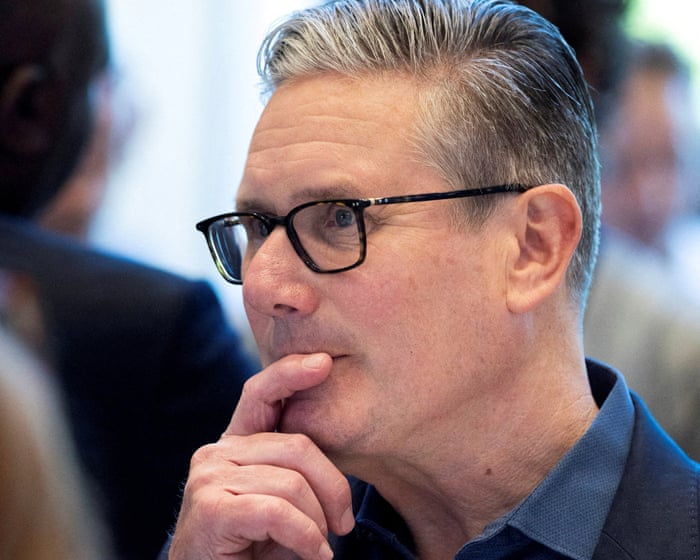
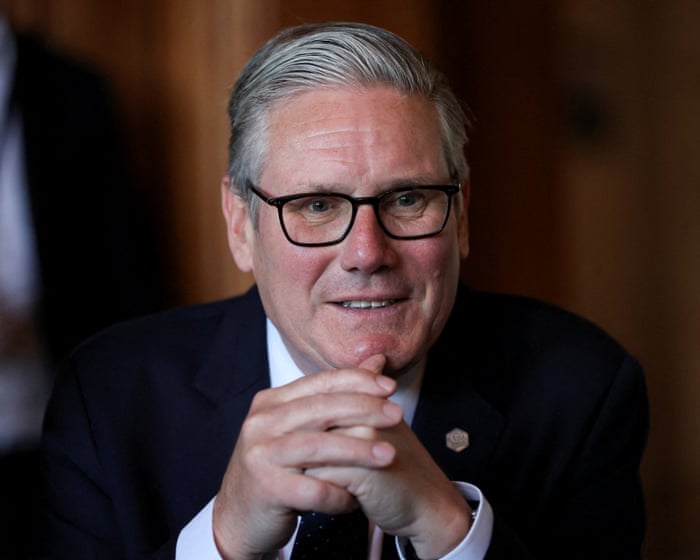
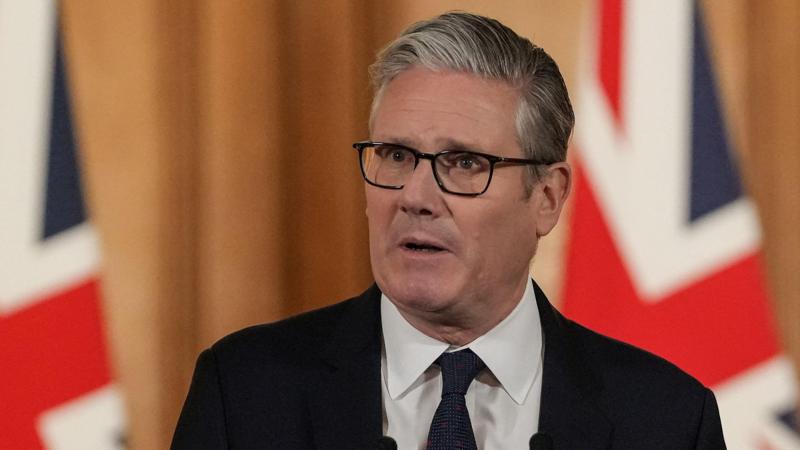
Keir Starmer is expected to announce that he will step down as the UK prime minister, following growing pressure from Labour MPs who support Andy Burnham as the new Labour leader. Burnham won a recent election, boosting his chances to take over leadership, while Starmer's position has weakened amid political challenges.
Key Facts
Keir Starmer may announce his resignation as prime minister on Monday.
Labour MPs are pressuring Starmer to let Andy Burnham become leader.
Andy Burnham won the Makerfield by-election by a large margin.
Burnham’s supporters claim to have backing from about half of Labour MPs.
Starmer had said he would run if there was a leadership contest.
Some ministers loyal to Starmer urged him to decide quickly or risk being forced out.
Any leadership challenger needs support from at least 20% (81) of Labour MPs.
Starmer’s time as prime minister included controversies and falling popularity.
Read the Original
Want the full story? Tap a source to open the original
article.
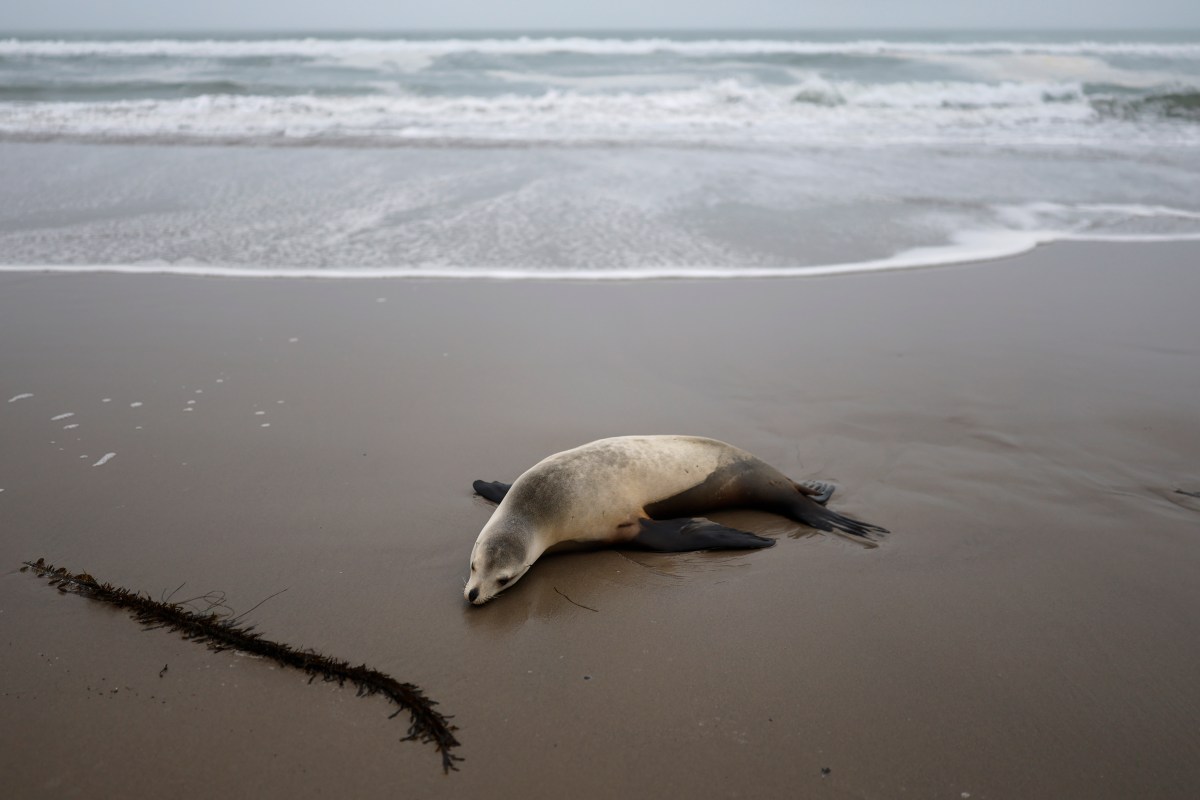
Marine animals like seabirds, sea lions, and whales are at higher risk due to rising ocean temperatures linked to El Niño and marine heatwaves. These warm conditions reduce food supply, increase disease, and cause harmful algal blooms that can poison marine life, threatening their survival.
Key Facts
El Niño is a natural climate cycle that warms parts of the Pacific Ocean every 2 to 7 years and changes weather patterns.
Warm ocean waters during El Niño reduce the rise of nutrient-rich cold water, lowering the amount of microscopic plants (phytoplankton) that support marine food chains.
Fish and marine species may move to new areas as the water gets warmer, disrupting normal ecosystems.
Scientists warn that longer exposure to marine heatwaves worsens harm to marine animals’ survival and reproduction.
Harmful algal blooms produce toxins like domoic acid, which accumulate in the food chain and cause poisoning in top predators like sea lions and whales.
Recent tests found this toxin in dead juvenile humpback whales in Monterey Bay, indicating ongoing risks.
Past heatwave events caused mass starvation and strandings of various marine animals along the US West Coast.
Researchers are watching for increased conflicts between humans and wildlife as animal movements change with ocean conditions.
Read the Original
Want the full story? Tap a source to open the original
article.
Iranian and US officials are meeting in Switzerland to continue talks about the Memorandum of Understanding. The discussions aim to strengthen the agreement, but important disagreements still need to be solved.
Key Facts
The talks are happening in Switzerland.
Officials from Iran and the US are involved.
The goal is to reinforce the Memorandum of Understanding (an agreement framework).
Diplomatic efforts have helped keep the talks moving forward.
Some key issues have not yet been resolved.
The discussions are considered very important and high stakes.
Al Jazeera reporter Osama Bin Javaid is covering the talks.
Read the Original
Want the full story? Tap a source to open the original
article.
U.S. Vice President JD Vance has arrived in Switzerland to meet with Iranian officials for talks aimed at implementing a recent deal to stop the war between the U.S. and Iran. The talks come as tensions remain high, with ongoing conflicts in Lebanon and Iran closing the Strait of Hormuz, an important route for global oil shipping.
Key Facts
Vice President JD Vance arrived in Switzerland early Sunday for talks with Iranian officials.
An Iranian delegation including parliamentary speaker Mohammad Bagher Ghalibaf and Foreign Minister Abbas Araghchi also arrived in Switzerland.
Pakistan is acting as a mediator, with its Prime Minister and army chief participating in the talks.
The talks follow an interim deal signed by President Trump and Iran’s President Masoud Pezeshkian to extend a ceasefire and discuss Iran’s nuclear program.
Despite the ceasefire deal, Israel continued attacks in Lebanon, causing dozens of deaths.
Iran’s Islamic Revolutionary Guard Corps closed the Strait of Hormuz, a key passage for oil shipments.
The U.S. military stated commercial ships are still allowed through the strait and will protect their passage.
Iran demands full implementation of the ceasefire and wants U.S. sanctions lifted and frozen Iranian assets released.
Read the Original
Want the full story? Tap a source to open the original
article.
Keir Starmer is expected to announce on Monday that he will resign as the leader of the UK Labour Party and prime minister amid growing support for Andy Burnham to take over. Starmer has been reflecting on political challenges after Burnham won a recent election and gained backing from many MPs.
Key Facts
Keir Starmer is likely to resign as Labour leader and prime minister on Monday.
Labour MPs are increasingly supporting Andy Burnham to become the new leader.
Burnham recently won the Makerfield by-election, boosting his political standing.
Starmer spent the weekend at Chequers, reflecting on his political situation.
Business Secretary Peter Kyle described Starmer as focused on the country's interests during a private conversation.
Burnham plans to ask Starmer to step down and present a list of up to 200 supporters.
No 10 officials denied immediate plans for Starmer's resignation and said he is continuing his work.
The story shows unrest and leadership challenges within the UK Labour Party.
Read the Original
Want the full story? Tap a source to open the original
article.
The United States and Iran are holding high-level talks in Switzerland to discuss a deal aimed at ending the war involving the US, Israel, and Iran. The talks come amid ongoing violence in Lebanon and efforts by Pakistan and Qatar to mediate peace.
Key Facts
US Vice President JD Vance leads the US delegation in Switzerland for talks with Iran.
Iran’s delegation includes parliament Speaker Mohammad Bagher Ghalibaf and Foreign Minister Abbas Araghchi.
The meeting aims to implement a recent memorandum of understanding (MoU) signed by President Trump and an Iranian official.
The talks focus on Iran’s nuclear program and stopping violence in Lebanon.
Pakistan and Qatar are mediating the negotiations and supporting the deal’s implementation.
Iran’s Islamic Revolutionary Guard Corps announced it was closing the Strait of Hormuz, blaming Israel for breaking a ceasefire.
Iran demands full US commitment and Israeli compliance with the agreement before moving forward.
Egypt, Saudi Arabia, Turkiye, and Pakistan are holding related regional meetings to support diplomatic efforts.
Read the Original
Want the full story? Tap a source to open the original
article.
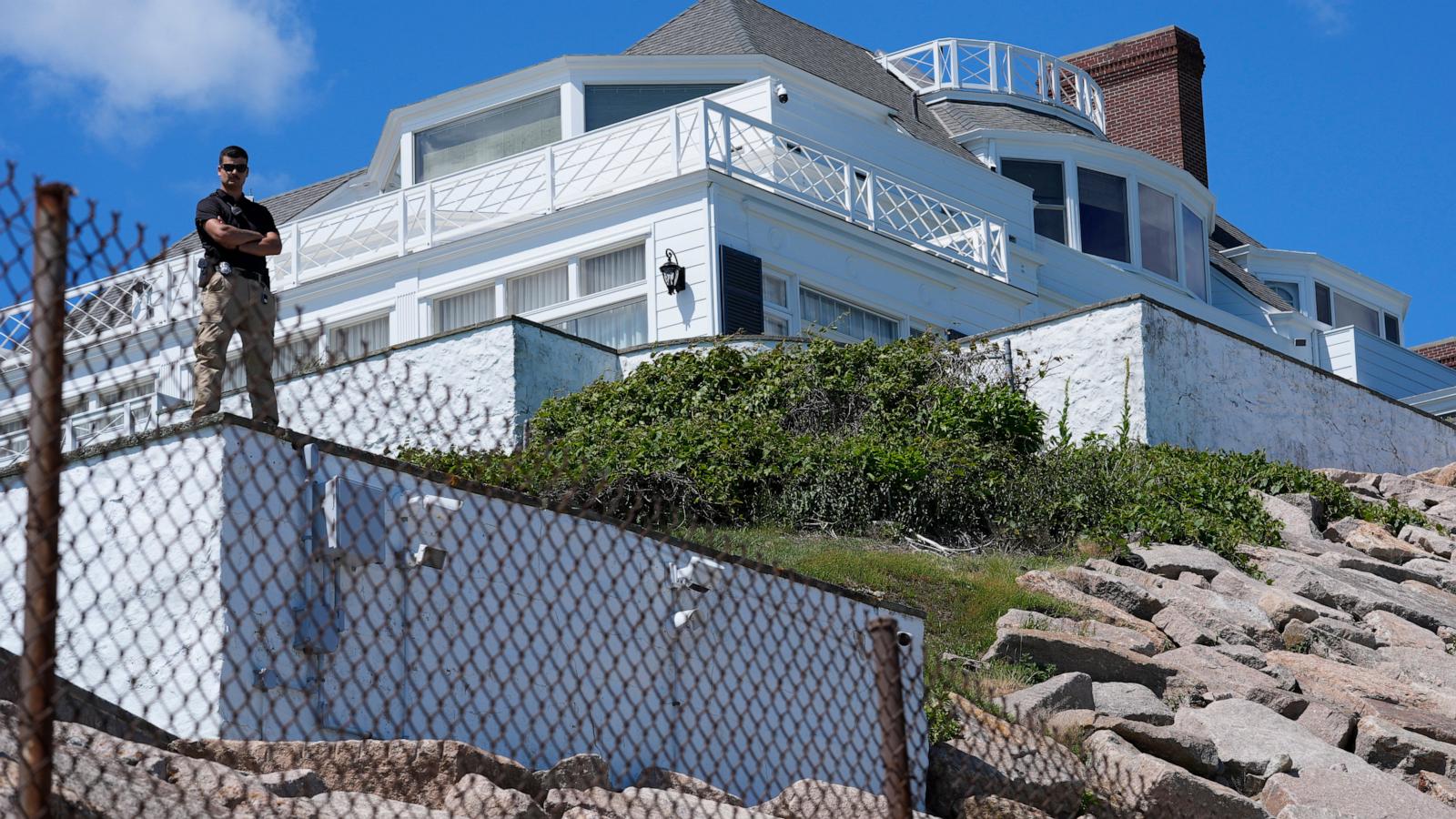
Rumors spread that Taylor Swift was getting married at her Rhode Island home after a large tent appeared nearby, attracting fans and photographers. However, local wedding planners and officials said no such wedding was planned, and the tent was for other events.
Key Facts
A large tent appeared near Taylor Swift’s estate in Watch Hill, Rhode Island, sparking wedding rumors.
Fans and photographers gathered hoping to see or learn about the rumored wedding.
Wedding planner Nicole Simeral confirmed she was working other weddings that weekend, not for Swift.
Watch Hill has limited luxury lodging, making it unlikely to host a large wedding event.
Taylor Swift’s spokesperson has not released any details about Swift and Travis Kelce’s wedding.
Westerly police officers often answer fans’ questions about Swift near the estate and have seen many fan reactions.
The tent is a common sight for various local events, not necessarily connected to Swift.
Speculations also included a possible celebration at Madison Square Garden but remain unconfirmed.
Read the Original
Want the full story? Tap a source to open the original
article.
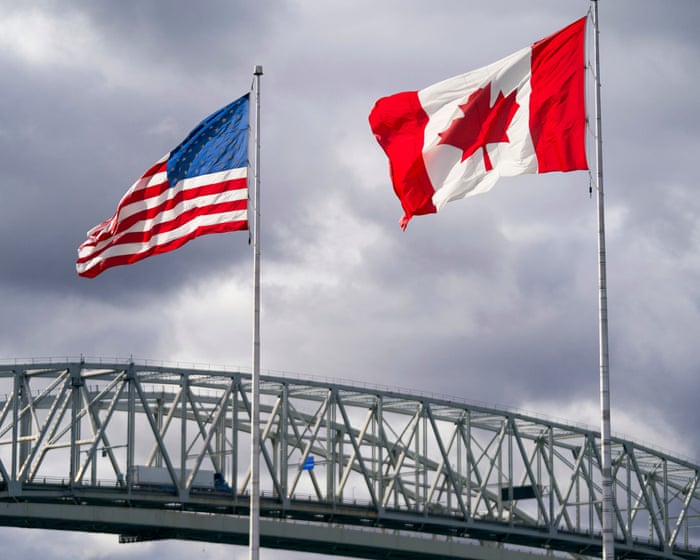
A family from Honduras fleeing gang violence tried to claim asylum in Canada but were sent back to the US under a deal called the Safe Third Country Agreement (STCA). Critics say Canada’s policies force asylum seekers to return to the US, where they risk detention or deportation, and that the US should not be considered a safe country for refugees.
Key Facts
Carlos and Antonia fled Honduras in 2021 with their child due to gang violence.
They traveled through Guatemala and Mexico, hoping to reach safety in the US.
When they arrived in the US, migration policies made it hard for them to claim asylum there.
They tried to claim asylum in Canada because Carlos had family there.
Canadian border agents forced the family to either separate or return to the US together.
The family chose to stay together and was sent back to the US, then deported to Honduras.
The Canadian Council for Refugees and Amnesty International Canada challenge Canada’s use of the STCA.
Critics say the US is unsafe for asylum seekers due to long detentions and risk of being sent back to dangerous places.
Canada’s Supreme Court ruled the STCA is constitutional but allows some exceptions for humanitarian reasons.
Advocacy groups say these exceptions rarely happen in practice, causing many asylum seekers to face harm.
Read the Original
Want the full story? Tap a source to open the original
article.
Colombians are voting for a new president between Abelardo de la Espriella, a hard-right lawyer supported by President Trump, and Ivan Cepeda, a leftist senator. The election will affect Colombia’s peace process with armed groups and its relationship with the United States.
Key Facts
The vote will be held on June 21, 2026, with up to 41 million Colombians eligible to vote.
Abelardo de la Espriella won the first round and supports strong military action against drug-producing guerrilla groups.
De la Espriella wants US support for airstrikes against armed groups linked to cocaine production.
Ivan Cepeda supports peace talks and negotiating with armed groups to achieve "total peace."
De la Espriella is a dual US-Colombian citizen and has the backing of President Donald Trump.
The current president, Gustavo Petro, a leftist, cannot run again and critics say his government allowed armed groups to expand.
The campaign has seen violence, including bomb attacks and the killing of a conservative candidate.
The election is part of a larger regional pattern where several Latin American countries have recently elected right-wing leaders.
Read the Original
Want the full story? Tap a source to open the original
article.
PhotoEspaña 2026 is Spain's major photography festival, showcasing nearly 100 exhibitions by more than 300 artists across Spain until September. The festival features work on themes like identity and borders, including Mexican photographer Alejandro Cartagena’s series on the US-Mexico border, and portraits by Laia Abril illustrating the effects of endometriosis.
Key Facts
PhotoEspaña 2026 opened in Madrid and will run until September with about 100 exhibitions.
Over 300 visual artists from Spain and around the world are participating.
Alejandro Cartagena’s work focuses on the US-Mexico border, highlighting its impact on identity and separation.
Cartagena describes the border wall as a powerful symbol of division between cultures.
Laia Abril’s photo series shows life-size portraits of people managing pain from endometriosis.
Dutch photographer Viviane Sassen’s retrospective explores themes like death and sexuality through a mix of styles.
Polish photographer Rafał Milach’s exhibition examines public protests and the role of documentary photography.
Exhibitions are spread throughout Madrid and other parts of Spain, covering different social and artistic themes.
Read the Original
Want the full story? Tap a source to open the original
article.
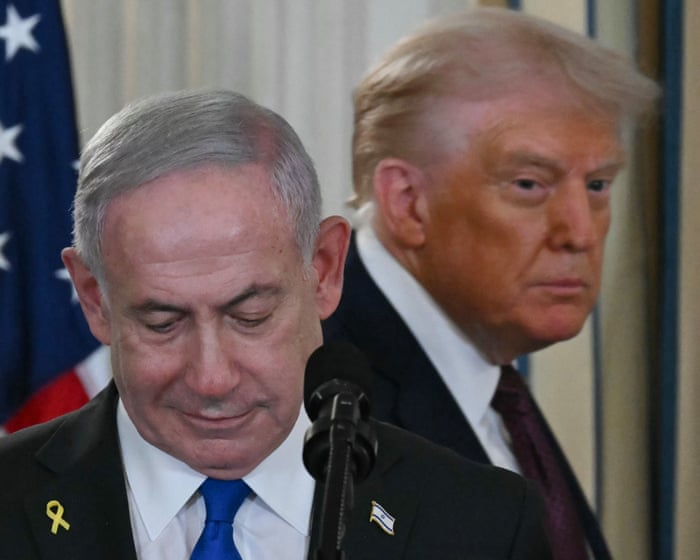
Israeli Prime Minister Benjamin Netanyahu has faced political setbacks following a recent preliminary US-led deal aimed at ending conflict involving Iran and Israel. The deal has strained Netanyahu’s relationship with the US and his political standing, partly due to his aggressive policies and actions in the region. Meanwhile, President Donald Trump supports the ceasefire agreement despite international skepticism.
Key Facts
Netanyahu has used strong military force against various groups in the Middle East, including Hamas and Hezbollah.
He opposed a two-state solution with the Palestinians and supported settlements in contested areas.
Netanyahu’s policies contributed to breaking the 2015 Iran nuclear deal, leading to increased conflict this year.
The US-Israel relationship is strained, with Netanyahu and President Trump having poor communication.
Many in the US blame Netanyahu for involving America in a difficult and costly conflict.
President Trump defends the ceasefire deal signed in Versailles, despite global doubts.
Netanyahu’s political future looks uncertain as criticism grows and upcoming elections approach.
US public opinion about Israel has shifted, with some losing support due to the ongoing violence and political divisions.
Read the Original
Want the full story? Tap a source to open the original
article.
South Africa is increasing its enforcement against employers who hire undocumented foreign workers as part of an effort to protect local jobs and labor laws. This crackdown happens amid rising anti-immigrant sentiment and economic challenges, including high unemployment rates, especially among young people.
Key Facts
Many small businesses in Johannesburg hire foreign nationals because local workers are more expensive due to South Africa’s minimum wage and strong labor protections.
Anti-immigrant vigilante groups have conducted raids and sometimes violence against businesses employing foreign workers.
President Cyril Ramaphosa condemned vigilante actions and promised to hire 10,000 labor inspectors to enforce laws.
The government distinguishes between documented and undocumented foreign workers, focusing on stopping illegal employment.
South Africa’s overall unemployment rate is about 33%, with youth unemployment over 60%.
The government argues that hiring undocumented workers lets employers avoid legal wages and responsibilities, creating unfair advantages.
Undocumented workers may face exploitation and are less likely to report abuses because of their status.
Critics question whether stricter immigration enforcement alone can solve South Africa’s deep unemployment problems.
Read the Original
Want the full story? Tap a source to open the original
article.
An Israeli strike in Gaza’s Bureij refugee camp killed Al Jazeera cameraman Ahmed Wishah and two other people. Ahmed’s brother, Mohammed Wishah, who was also a cameraman for Al Jazeera, died in a similar attack two months earlier.
Key Facts
Ahmed Wishah worked as a cameraman for the news organization Al Jazeera.
He was killed in an Israeli strike on a house in the Bureij refugee camp in Gaza.
Two other people died alongside Ahmed in the strike.
Ahmed’s brother, Mohammed Wishah, was also an Al Jazeera cameraman.
Mohammed was killed in a targeted attack two months before Ahmed’s death.
Both incidents involved targeted strikes by the Israeli military.
The strikes occurred within the Gaza Strip, a densely populated area under conflict.
Read the Original
Want the full story? Tap a source to open the original
article.
US Vice President JD Vance arrived in Switzerland to begin new talks with Iranian leaders aimed at ending the war in the Middle East. These negotiations focus on controlling Iran’s nuclear program and building on a recent interim agreement, amid tensions including Iran’s move to close the Strait of Hormuz again.
Key Facts
Vice President JD Vance traveled to Switzerland for peace talks with Iran.
The discussions aim to limit Iran’s nuclear activities and finalize details of a recent framework agreement.
Negotiators have 60 days to reach a detailed agreement.
Iran said it was closing the Strait of Hormuz after Israeli attacks in Lebanon.
Talks were delayed earlier due to Israeli strikes following combat losses.
US President Donald Trump warned of possible tolls on the Strait of Hormuz if no agreement is made.
Iran accused the US of acting in bad faith and not ending the war as promised.
The negotiation outcome could affect global security and the world economy.
Read the Original
Want the full story? Tap a source to open the original
article.
Simon Case, a former top UK civil servant, said that uncertainty about government leadership causes big problems and costs the country money. His comments came after Andy Burnham won a by-election, increasing pressure on Prime Minister Keir Starmer to plan his departure.
Key Facts
Simon Case was the UK Cabinet Secretary from 2020 to 2024 and advised four prime ministers.
Leadership uncertainty raises government borrowing costs and creates financial challenges.
Andy Burnham won the Makerfield by-election and became a Member of Parliament.
Burnham’s win has led to calls for Prime Minister Keir Starmer to set a timetable for leaving office.
Some Labour ministers have urged Starmer to announce when he will depart.
Starmer says he will fight any leadership challenge and remains focused on governing.
Leadership changes cause delays in important decisions like defense spending.
Case advised Burnham to prepare well and rely on good people to face UK’s challenges.
Read the Original
Want the full story? Tap a source to open the original
article.
Colombia is holding a presidential runoff election amid rising violence, the worst since the 2016 peace deal with the rebel group Farc. The main candidates are Abelardo de la Espriella, a far-right businessman wanting a tough military response to crime, and Iván Cepeda, a left-wing senator supporting continued peace efforts with adjustments.
Key Facts
The election involves over 41 million eligible voters in Colombia.
Abelardo de la Espriella admires President Trump and opposes the current government’s peace plan.
Iván Cepeda is President Gustavo Petro’s chosen successor and supports modifying the peace process.
De la Espriella promises to regain control over territories controlled by armed groups quickly and to target major crime leaders aggressively.
Violence in Colombia has increased, reaching the highest levels since the 2016 peace agreement.
De la Espriella presents himself as an outsider offering fast solutions to violence.
Cepeda’s supporter, Petro, achieved lower poverty rates and expanded social programs during his presidency.
The election is part of a broader trend of far-right candidates gaining support in Latin America.
Read the Original
Want the full story? Tap a source to open the original
article.
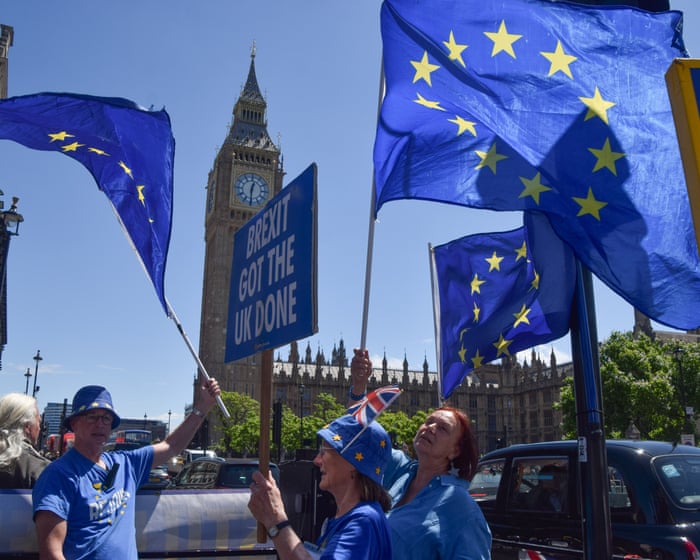
A recent survey shows that about two-thirds of people in European Union countries support the United Kingdom rejoining the EU. In the UK, many voters believe Brexit has harmed important issues like the economy and trade, and most want closer ties with the EU, including free movement of people.
Key Facts
66% of EU citizens in 15 countries think the UK rejoining the EU is a good or neutral idea.
Support for the UK rejoining ranges from 56% in Bulgaria to 75% in the Netherlands and Denmark.
Even some voters of far-right parties in countries like Poland, Germany, and France support closer UK-EU relations.
European leaders including France’s Macron and Spain’s Sánchez have said they support the UK returning to the EU.
In the UK, most voters feel Brexit has negatively affected issues such as the cost of living, the economy, youth opportunities, immigration, and trade.
75% of UK respondents want a closer relationship with the EU and 66% want closer trade and economic ties.
A majority of UK voters, including many who supported leaving the EU, now accept free movement of people if it leads to better trade relations.
The survey identifies three groups of UK voters: “optimists” wanting strong EU ties, “realists” wanting balanced EU and US relations, and “loners” prioritizing national sovereignty.
Read the Original
Want the full story? Tap a source to open the original
article.
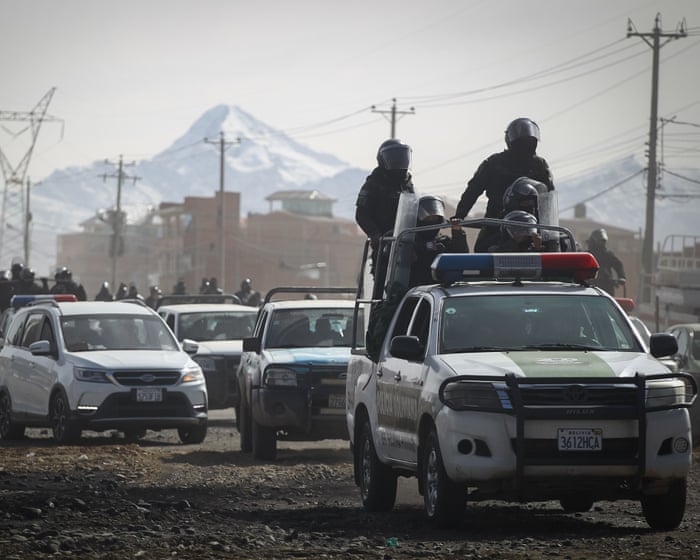
Bolivia’s President Rodrigo Paz declared a 90-day state of emergency and sent military forces to clear roadblocks set up by protest groups. The protests have lasted over six weeks, causing shortages and economic losses, as unions, Indigenous groups, and coca farmers oppose the government’s economic policies.
Key Facts
President Rodrigo Paz declared a state of emergency on Saturday to stop protests blocking roads.
Soldiers and bulldozers were used to remove barricades in cities like El Alto.
Protests have caused shortages of fuel, food, and medicine and hurt the economy.
The state of emergency limits the right to protest and allows the military to act inside the country.
Protesters want Paz to reverse economic reforms and resign.
Paz made a deal with one major union to end protests, but many Indigenous groups continue protesting.
Paz accused former President Evo Morales and his supporters of causing the protests.
Morales is in hiding and faces legal charges, while his supporters block police efforts to arrest him.
Read the Original
Want the full story? Tap a source to open the original
article.
A man carrying a machete was arrested by police in Edinburgh, Scotland, after a series of stabbings believed to be directed against Muslims. The UK Prime Minister, Keir Starmer, strongly condemned the attacks.
Key Facts
The incident took place in Edinburgh, Scotland.
A man armed with a machete was arrested by the police.
The attacks were suspected to target Muslim individuals.
Bystanders recorded the arrest on video.
UK Prime Minister Keir Starmer called the attacks "absolutely appalling."
Police are investigating the motive behind the stabbings.
No further details on victims or casualties were provided.
Read the Original
Want the full story? Tap a source to open the original
article.
King Charles III will publicly share his personal tax payments for the first time as part of efforts to make royal finances clearer to the public. Although British monarchs do not have to pay some taxes by law, Charles will continue the practice begun by Queen Elizabeth II of voluntarily paying income and capital gains taxes.
Key Facts
King Charles III plans to reveal his personal tax bill to improve transparency.
British monarchs are legally exempt from income tax, capital gains tax, and inheritance tax.
Queen Elizabeth II started voluntarily paying income and capital gains taxes in 1993.
King Charles III began disclosing his tax payments when he was Prince of Wales.
The decision to share tax information reflects an effort to modernize the monarchy since Charles became king in 2022.
Royal income includes private earnings from the Duchy of Lancaster estate, which gave Charles about 26.8 million pounds in 2024-25.
The UK government provides the royal family payments called the Sovereign Grant for official duties.
Recent public interest in royal finances has increased due to controversies involving Prince Andrew.
Read the Original
Want the full story? Tap a source to open the original
article.