Neutral summaries of your favorite news sources — just the facts.
Your favorite news sources, one neutral feed — we distill their reporting into fact-first
summaries and always link to the original story. How it works
World News
Comprehensive coverage of international news and global events
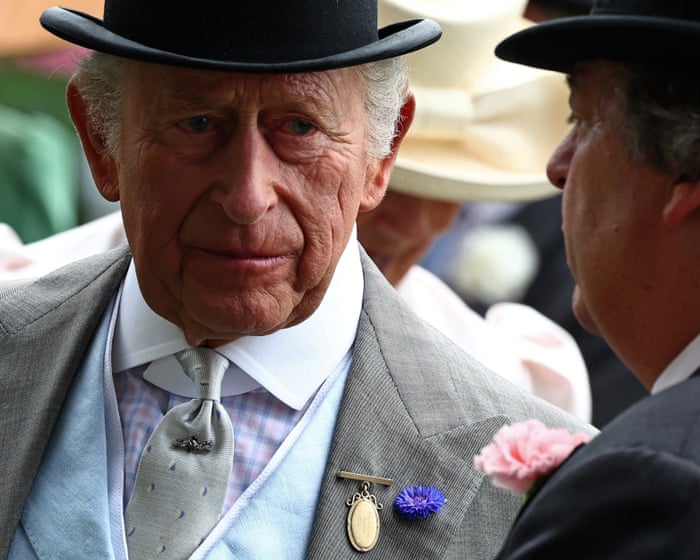
King Charles III will be the first British monarch to publicly share his personal tax information to increase transparency. This decision follows recent public scrutiny of royal finances and aims to modernize how the monarchy shares financial details.
Key Facts
King Charles III will release his personal tax bill, a first for a British monarch.
British monarchs do not have to pay income, capital gains, or inheritance tax by law.
Since 1993, monarchs have voluntarily paid income and capital gains taxes.
The decision to disclose the tax bill was made by King Charles himself after he became sovereign in 2022.
The release of Charles's tax information will happen alongside the annual royal financial accounts.
The royal family’s finances have been closely examined following scandals involving Prince Andrew’s private income and ties to Jeffrey Epstein.
The sovereign receives income from the Duchy of Lancaster, a large estate with land and investments, which gave Charles about 26.8 million pounds in 2024-25.
The UK government pays the royal family through the Sovereign Grant to cover official duties.
Read the Original
Want the full story? Tap a source to open the original
article.
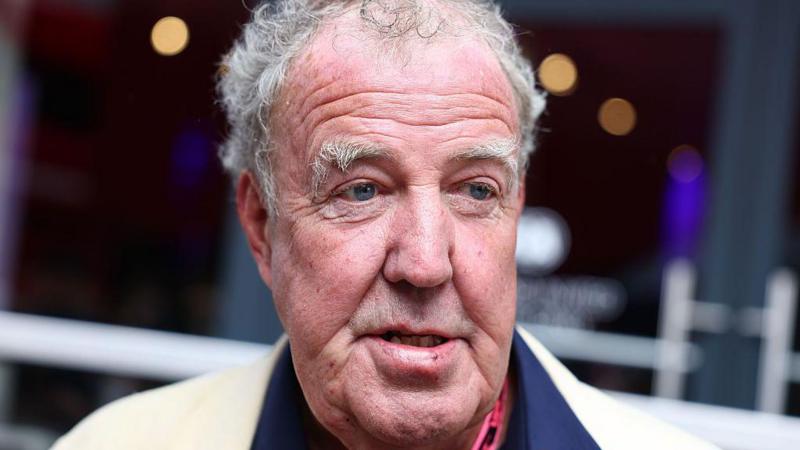
Jeremy Clarkson announced he is in remission from an aggressive form of prostate cancer, which was diagnosed in 2025. He credits early testing for catching the cancer and encourages others to get checked regularly.
Key Facts
Jeremy Clarkson was diagnosed with an aggressive prostate cancer in 2025.
Recent tests show no sign of cancer, and he is officially in remission.
Clarkson had part of his prostate removed as treatment.
He stresses the importance of early testing to catch prostate cancer.
Prostate cancer causes about 12,000 deaths annually in the UK.
Clarkson has regular blood tests to monitor his health and a 40% chance cancer could return.
Before this, he had a heart procedure in October 2024 to fit two stents.
Clarkson shared his cancer journey on his show Clarkson’s Farm during its fifth season.
Read the Original
Want the full story? Tap a source to open the original
article.
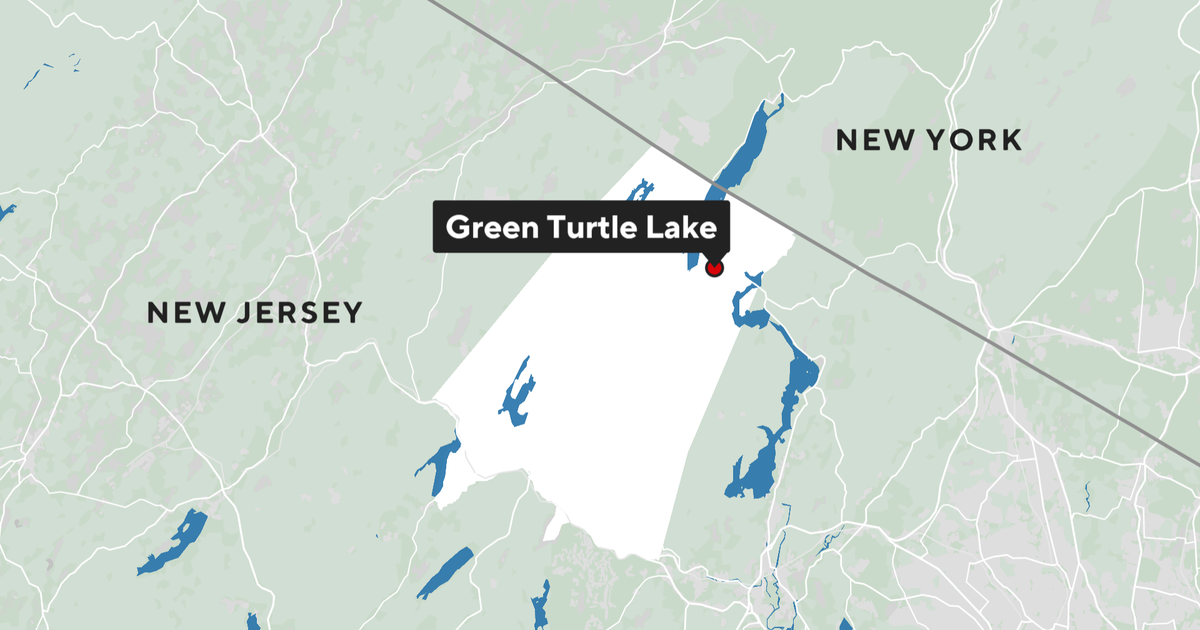
A small jet crashed into Green Turtle Lake in West Milford, New Jersey, on Saturday evening. The pilot escaped without injury, and authorities are investigating the cause.
Key Facts
The crash happened around 6:30 p.m. on a Saturday.
The jet involved was a SubSonex JSX-2 model.
The pilot was the only person on board and left the jet safely.
The pilot refused medical treatment after the crash.
The Federal Aviation Administration (FAA) and New Jersey State Park Police are investigating.
The jet is owned by Mini Jet Airshows LLC.
The jet was reportedly involved in the New Jersey Air Show, which was taking place nearby.
It is not confirmed if the jet was performing at the air show when it crashed.
Read the Original
Want the full story? Tap a source to open the original
article.
The Grand Canyon is expecting extreme heat with temperatures possibly reaching 110 degrees Fahrenheit (43°C) early next week. Recently, three hikers died from heat-related illnesses while hiking in the inner canyon, prompting warnings for visitors to avoid hiking during the hottest parts of the day.
Key Facts
An extreme heat watch is in effect at the Grand Canyon from Monday to Tuesday next week.
Temperatures at Phantom Ranch in the canyon could reach or exceed 110°F (43°C).
Three hikers aged 67, 68, and 72 died recently of heat-related illnesses on difficult inner canyon trails.
The North Kaibab Trail is the toughest major trail in the inner canyon.
Temperatures at the canyon rim are usually 20-25 degrees cooler than at the bottom.
Hikers must climb thousands of feet back up to the rim in extreme heat, increasing the risk of heat illness.
A wildfire near Oak Creek Canyon led to evacuations and is being fought by multiple firefighting agencies.
The hot, dry weather increases fire risk across the Western U.S.
Read the Original
Want the full story? Tap a source to open the original
article.
Gorillaz performed their first ever stadium show at Tottenham Hotspur Stadium to celebrate their 29th anniversary. The concert featured over 30 musicians from 15 countries and combined live music with visuals of the band’s cartoon characters.
Key Facts
The concert lasted two and a half hours and covered songs from Gorillaz’ career.
Damon Albarn, the band’s frontman, was relaxed and friendly backstage.
There were many guest artists from different musical styles and countries.
The show's visuals included LED screens displaying cartoon characters singing along.
The band’s co-creator, Jamie Hewlett, was filming a documentary during the event.
The backstage atmosphere was described as friendly and without ego.
Food offered to performers included honey-glazed lime chicken and passion fruit meringue.
This was a unique event blending live musicians with animated band members on stage.
Read the Original
Want the full story? Tap a source to open the original
article.
France has banned drinking alcohol at some music festival events during a severe heatwave that is causing record high temperatures. The government took this step to reduce strain on emergency and healthcare services amid warnings of extreme heat affecting much of the country.
Key Facts
A major national music festival called Fête de la Musique takes place every year on the summer solstice and attracts millions of people.
Due to a heatwave raising temperatures up to 41°C (around 106°F), the French government banned alcohol in public at state-organized events under red alert areas.
The heatwave is affecting about 75% of France's population and has disrupted transportation and schools.
Temperatures are forecast to peak on Monday, potentially matching the highest recorded temperatures.
The ban aims to help emergency and healthcare workers focus on vulnerable people during the heatwave.
Parks and gardens in Paris will stay open overnight to help people cope with the heat.
The heatwave is unusual because temperatures are 10 to 15 degrees Celsius above normal for this time of year.
The duration of the heatwave is uncertain, according to France’s weather service Météo-France.
Read the Original
Want the full story? Tap a source to open the original
article.
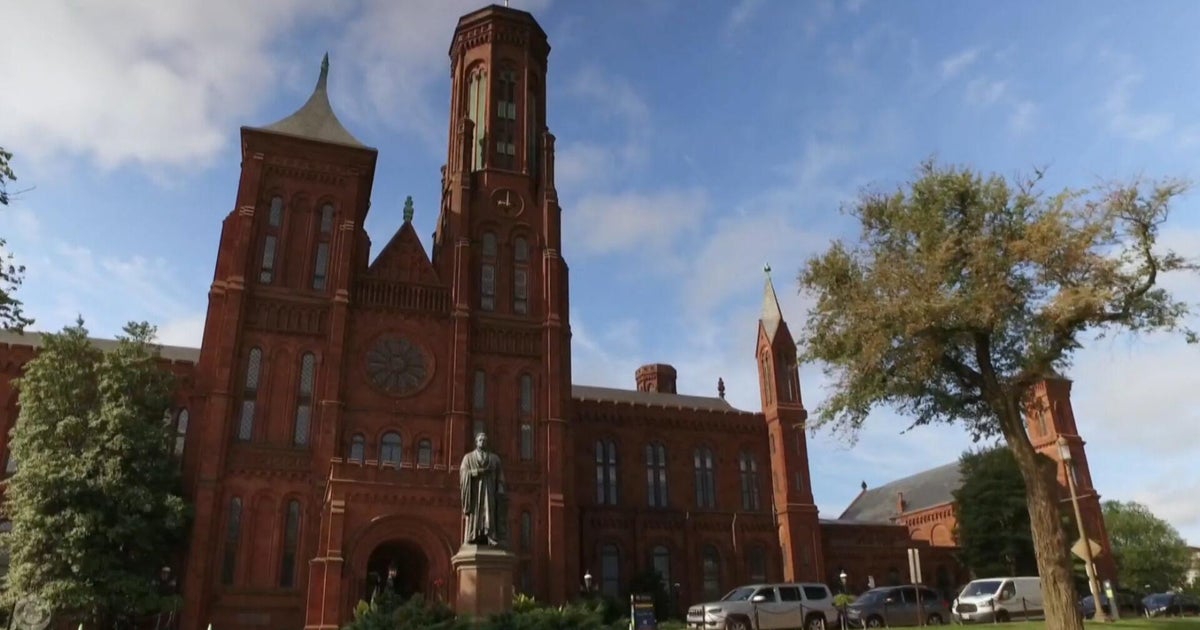
The Smithsonian Castle in Washington, D.C., has reopened temporarily after being closed for several years for renovation. The reopening coincides with the celebration of America's 250th anniversary.
Key Facts
The Smithsonian Castle is a historic building in Washington, D.C.
It was closed for a multi-year renovation.
The renovation was extensive, meaning many repairs and updates were made.
The Castle has now reopened for visitors for a limited time.
This reopening is part of the events marking America's 250th anniversary.
The Castle is part of the Smithsonian Institution, which hosts museums and cultural sites.
The reopening allows people to see the restoration work and visit the site again.
Read the Original
Want the full story? Tap a source to open the original
article.
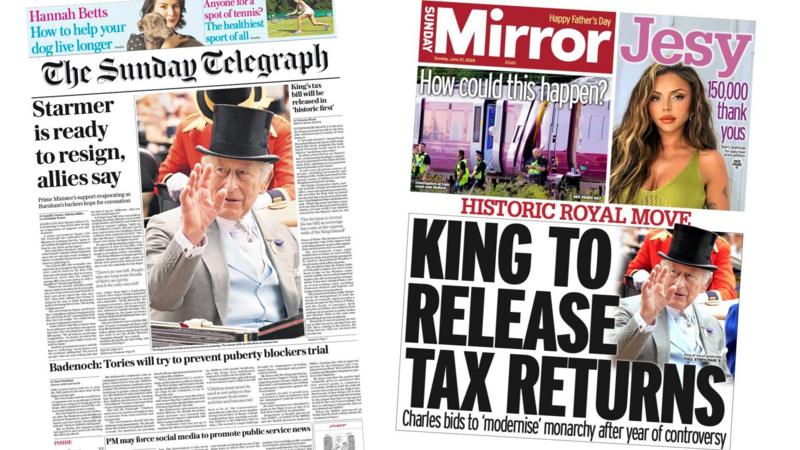
Labour Party leader Sir Keir Starmer may announce his resignation soon amid leadership struggles. Meanwhile, King Charles plans to release his personal tax return for the first time to modernize the monarchy.
Key Facts
Sir Keir Starmer might reveal his departure date as early as Monday.
Labour MP Andy Burnham is supported by many Labour members to take over leadership.
Burnham recently won a by-election, boosting his chance to lead the Labour Party.
The Sunday Times reports Burnham may remove Rachel Reeves as chancellor if he becomes prime minister.
King Charles will release his personal tax return on Thursday, a first for a British monarch in modern times.
This tax release is seen as a move to make the monarchy more transparent.
Tory politician Kemi Badenoch ruled out working with Nigel Farage’s Reform UK party after its poor election results.
TV presenter Jeremy Clarkson announced he is in remission from aggressive prostate cancer.
Read the Original
Want the full story? Tap a source to open the original
article.
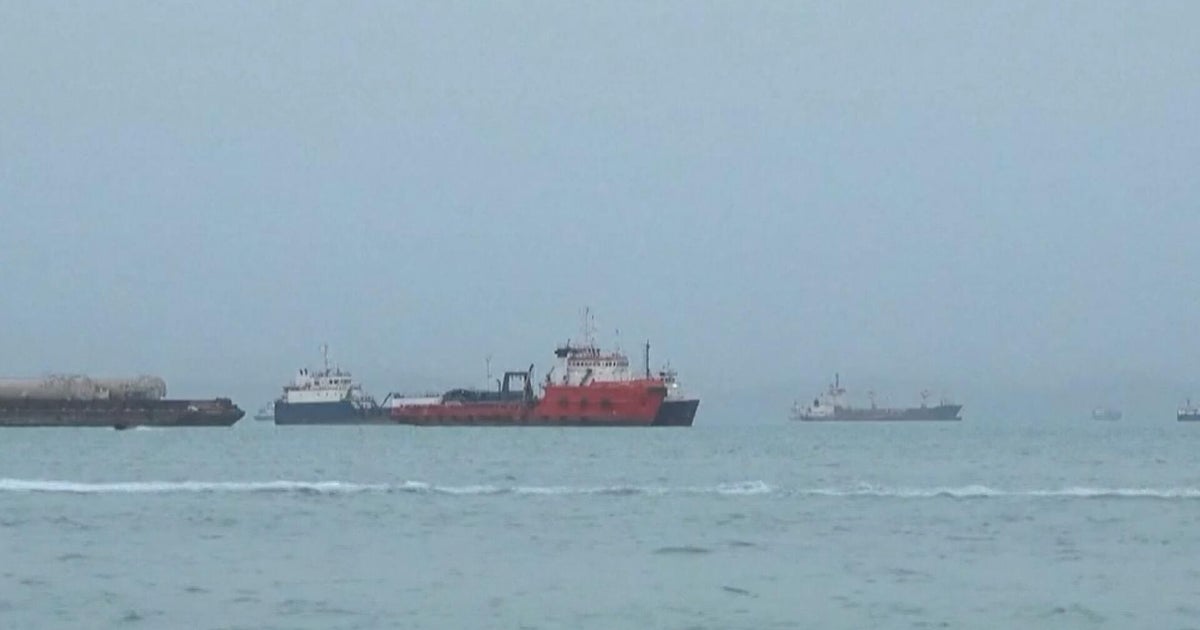
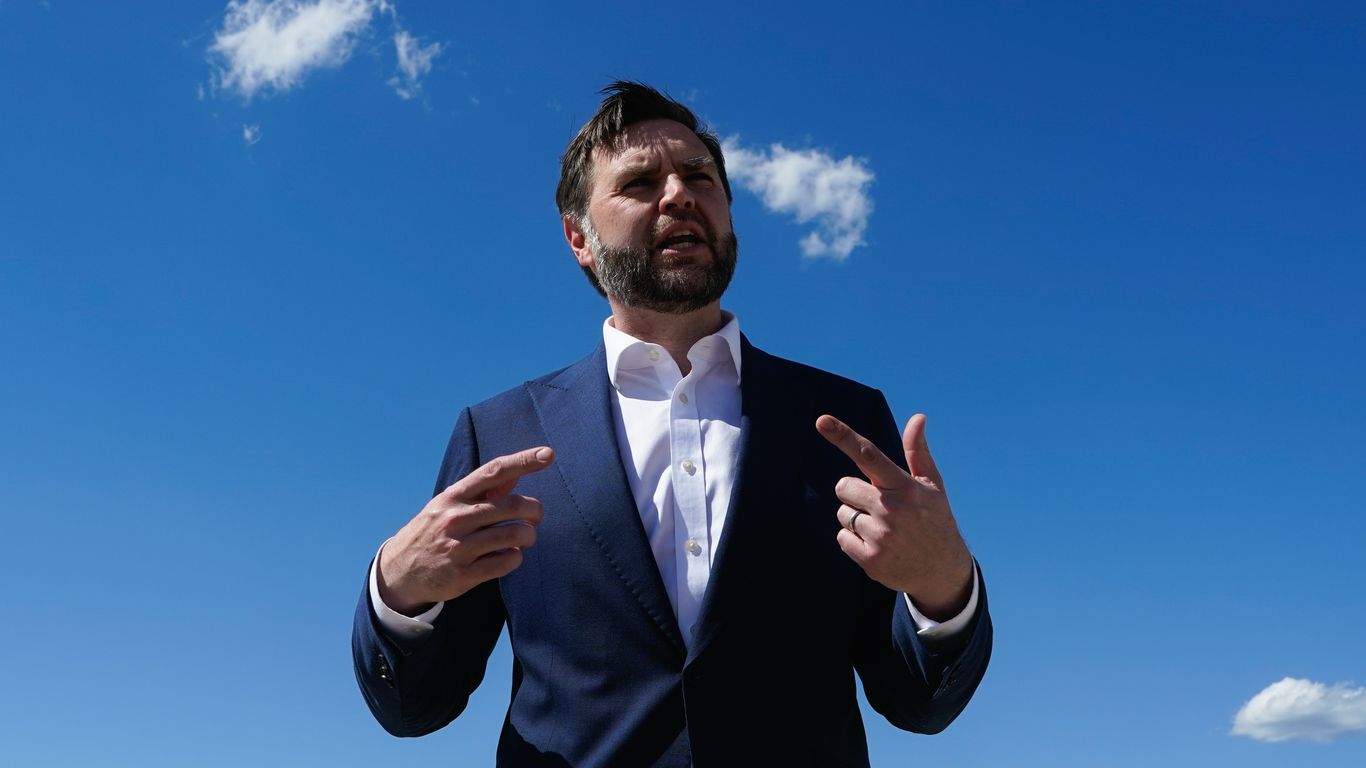
Vice President JD Vance traveled to Switzerland to start direct peace talks with Iran. This trip happens amid new problems in the Strait of Hormuz, where Iran announced it would close the waterway used for shipping.
Key Facts
Vice President JD Vance went to Switzerland for peace negotiations with Iran.
The talks aim to find a long-term peace agreement.
Iran said it is closing the Strait of Hormuz, a key shipping route.
The closure has caused disruptions in shipping traffic.
The negotiations are described as direct talks between the U.S. and Iran.
The trip took place on a Saturday.
The situation in the Strait of Hormuz is a significant issue for global trade.
Read the Original
Want the full story? Tap a source to open the original
article.
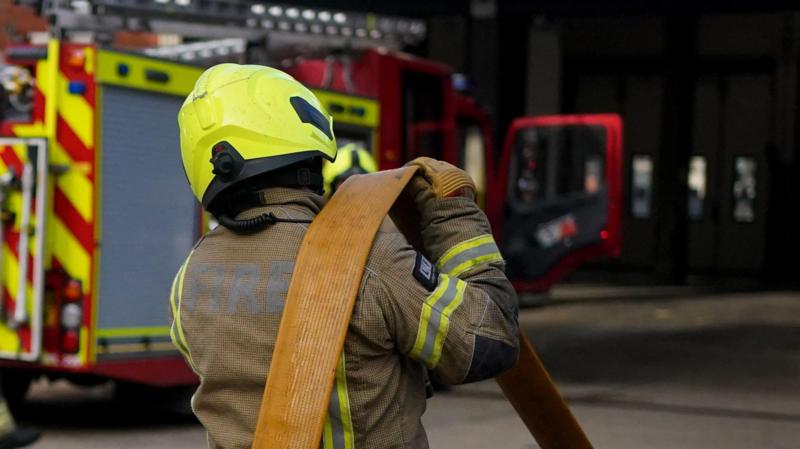
Three men died after a fire broke out in a single-storey pavilion on New Zealand Way in west London. Firefighters rescued the men, but two died at the scene and the third died later in hospital. The fire destroyed more than half of the building, and its cause is under investigation.
Key Facts
The fire happened shortly before 7:00 p.m. on Saturday in west London.
The building affected was a single-storey pavilion on New Zealand Way.
Firefighters rescued three men from the fire.
Two men died at the scene; the third died later in hospital.
About 100 firefighters and 15 fire engines responded to the fire.
More than half of the pavilion was damaged by the fire.
The fire was controlled by 9:25 p.m. the same day.
Authorities are investigating what caused the fire.
Read the Original
Want the full story? Tap a source to open the original
article.
CrimeCon is an annual event in Las Vegas where true crime fans, law enforcement, and victims' families come together to share stories and raise awareness. The event grew from 800 attendees in 2017 to 6,500 in 2026 and includes advocates promoting victims' rights alongside content creators and investigators.
Key Facts
CrimeCon started in 2017 with 800 attendees and grew to 6,500 by 2026.
The event hosts true crime enthusiasts, podcasters, prosecutors, victims' families, and advocates.
Dr. Maggie Zingman attends to share her murdered daughter's unsolved case.
Some families use CrimeCon to raise awareness and promote advocacy, like Gabby Petito’s parents.
Critics say true crime can focus too much on criminals and exploit victims.
Organizers aim to balance education and respect for victims while building a large audience.
Many charities participate to support missing people and victims' rights.
CrimeCon was bought by Fox News’s Red Seat Ventures in 2025.
Read the Original
Want the full story? Tap a source to open the original
article.
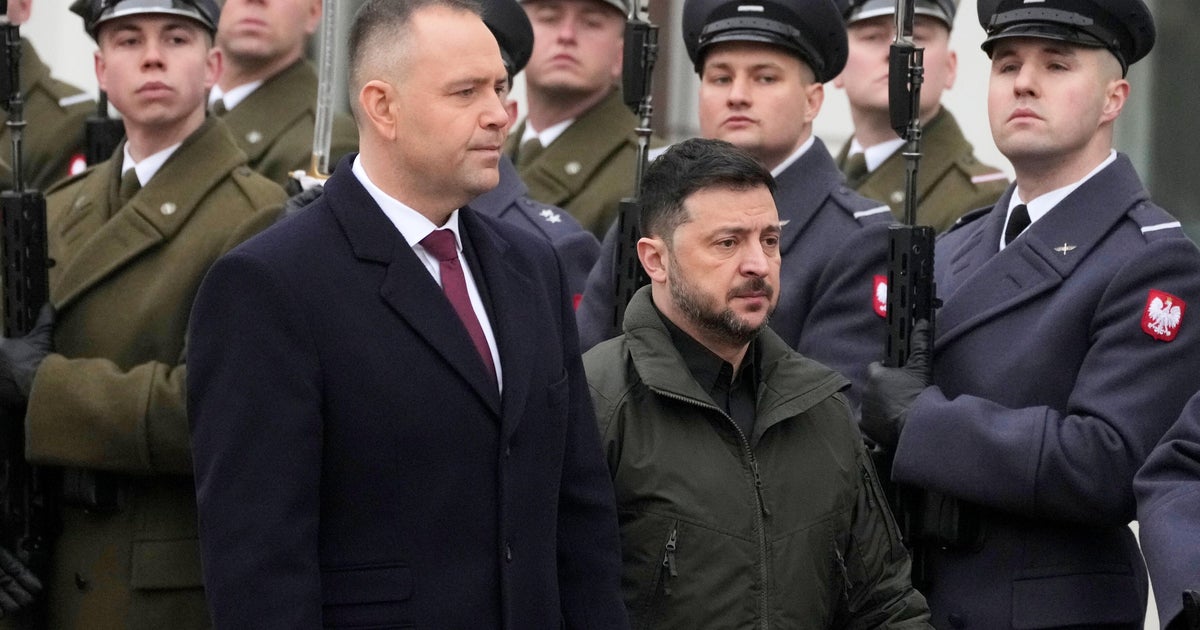
Ukrainian President Volodymyr Zelenskyy returned Poland's highest state honor after the Polish president took it back due to a disagreement about World War II history. The controversy arose because Zelenskyy named a Ukrainian military unit after a group accused of killing Poles during the war, which Poland sees as offensive.
Key Facts
Polish President Karol Nawrocki revoked the Order of the White Eagle from President Zelenskyy over naming a military unit after the Ukrainian Insurgent Army (UPA).
The UPA is accused by Poland of committing mass killings of Polish citizens during World War II.
Zelenskyy had received the award in 2023 from former Polish President Andrzej Duda for contributions to security and human rights.
Zelenskyy said the award was meant for the Ukrainian people and returned it respectfully.
Poland remains a key supporter of Ukraine's fight against Russia despite the dispute.
Some Ukrainian officials also returned Polish state honors in protest of the revocation.
Polish Prime Minister Donald Tusk called for calmer relations and warned that the dispute benefits Russia.
The UPA fought against both Nazi and Soviet forces but is remembered in Poland mainly for the attacks on Poles during the 1940s.
Read the Original
Want the full story? Tap a source to open the original
article.
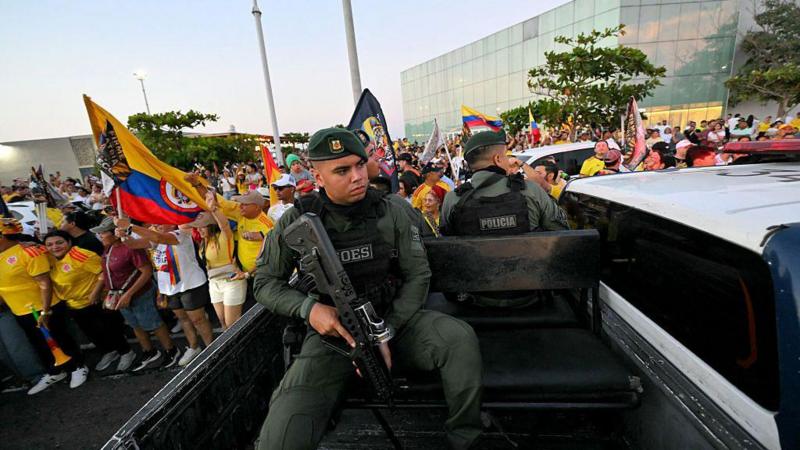
Colombia’s presidential election is strongly influenced by growing violence linked to armed groups involved in drug trafficking and illegal mining. The two main candidates have very different plans: one supports negotiating peace deals, while the other wants a strict military approach.
Key Facts
Colombia has faced over 60 years of conflict involving armed groups, the state, and drug cartels, causing hundreds of thousands of deaths.
Illegal armed groups like FARC dissidents, ELN, and Clan del Golfo have increased their numbers and expanded control in rural areas.
Violence has forced many people to flee their homes, with some areas experiencing bombings and threats.
Left-wing senator Iván Cepeda supports negotiations and peace talks based on the 2016 FARC peace deal but admits changes are needed.
Conservative candidate Abelardo de la Espriella wants to build big prisons and use strong military actions to stop armed groups, rejecting further negotiations.
De la Espriella is endorsed by U.S. President Donald Trump and is also a U.S. citizen.
Forced displacement in Colombia surged by 300% between 2024 and 2025, reaching levels not seen in two decades.
Critics say the current peace strategy allows armed groups to grow, while supporters believe it reduces overall loss of life.
Read the Original
Want the full story? Tap a source to open the original
article.
U.S. and Iranian negotiators are meeting in Switzerland to discuss details of an interim agreement aimed at stopping the war. Iran said it closed the Strait of Hormuz due to fighting in Lebanon, while President Trump warned of U.S. tolls on the waterway if a final deal is not reached soon.
Key Facts
Talks between the U.S. and Iran are taking place in Switzerland to finalize details of a 60-day interim agreement to halt conflict.
Iran closed the Strait of Hormuz, a key oil shipping route, citing U.S. failure to stop fighting in Lebanon.
President Donald Trump threatened to impose tolls on the Strait of Hormuz if no full deal with Iran is made in 60 days.
U.S. Vice President JD Vance and top negotiators Jared Kushner and Steve Witkoff are in Switzerland for the talks.
Iran’s delegation includes parliamentary speaker Mohammad Bagher Qalibaf and foreign minister Abbas Araghchi.
The agreement allows Iran to freely sell its oil and unfreeze billions of dollars in assets.
The U.S. disputes Iran’s claim about closing the Strait of Hormuz, saying traffic continues normally.
Fighting in Lebanon recently killed at least 16 people, complicating peace efforts.
Read the Original
Want the full story? Tap a source to open the original
article.
Three men died after a fire broke out in a single-story building in west London on Saturday evening. Firefighters rescued the men, but two died at the scene and one later died in the hospital. Fire crews controlled the fire within a few hours, and the cause is under investigation.
Key Facts
The fire happened in New Zealand Way, White City, west London.
The London Fire Brigade received reports of the fire at 6:52 pm on Saturday.
Three men were rescued from the building and treated on site by paramedics.
Two men died at the scene; the third died later in hospital.
About 100 firefighters and 15 fire engines responded to the fire.
The fire involved a single-story pavilion building with over half of it damaged.
The fire was under control by 9:25 pm the same evening.
The cause of the fire is being investigated by fire officers and the Metropolitan Police.
Read the Original
Want the full story? Tap a source to open the original
article.
King Charles will be the first British monarch to publicly share his personal tax details as part of efforts to make royal finances more open. The king’s tax information for 2024-25 will be released soon, with details for 2025-26 to follow after auditing.
Key Facts
King Charles will publish his personal tax bill for the 2024-25 financial year next week.
This is the first time a UK monarch has made their personal tax details public.
The king previously shared his tax information when he was Prince of Wales.
His income comes from private estates like Balmoral and Sandringham, investments, and the Duchy of Lancaster, which provided £26.8 million in 2024-25.
King Charles voluntarily pays income tax and capital gains tax on his private income and assets.
Prince William earns income from the Duchy of Cornwall estate but does not disclose the exact tax he pays.
Additional reports on royal finances, including the sovereign grant and Duchy of Lancaster accounts, will also be published soon.
Buckingham Palace says these steps aim to improve transparency and public understanding of royal money.
Read the Original
Want the full story? Tap a source to open the original
article.
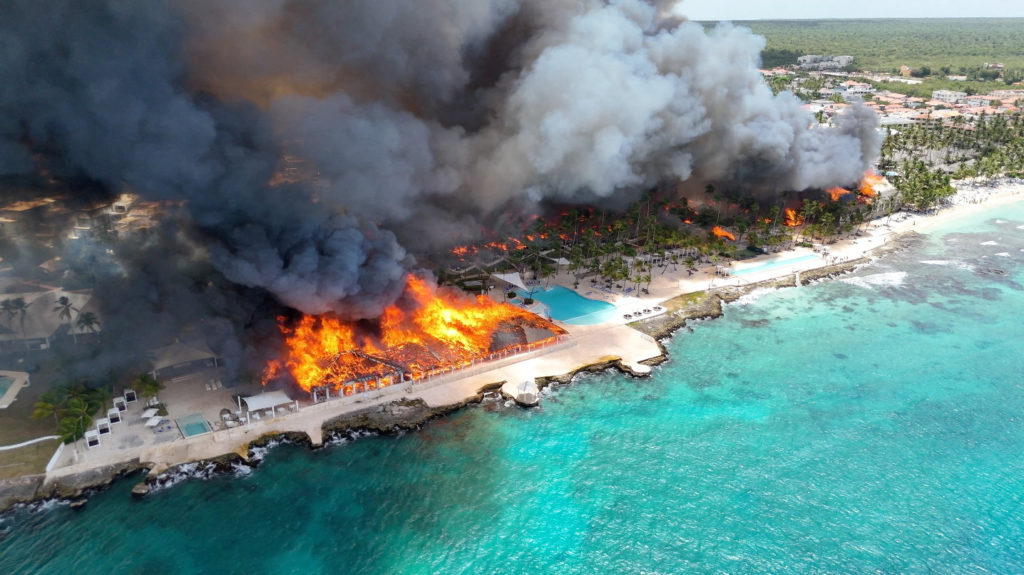
A large fire destroyed most of the Viva Dominicus Beach resort in the Dominican Republic, forcing nearly 1,700 tourists to evacuate. One Italian tourist died, and authorities are helping visitors replace lost passports and return home.
Key Facts
The fire happened at the Viva Dominicus Beach by Wyndham resort in Bayahibe.
Around 1,700 tourists were evacuated from the resort.
An Italian woman died in the fire; investigators are looking into the cause.
Many tourists lost their passports and identity documents in the fire.
Hotel and police officials are helping guests get new reports and documents online.
Displaced tourists were moved to hotels in Punta Cana and Bayahibe.
The fire spread quickly due to wind and the resort having a thatch roof.
Tourism activities in the area continued as normal after the fire.
Read the Original
Want the full story? Tap a source to open the original
article.
Vice President Vance traveled to Switzerland to begin direct nuclear talks with Iran, the first since April 2025. The negotiations aim to address nuclear inspections and a ceasefire in Lebanon, with international mediators attending.
Key Facts
The talks are happening at the Burgenstock ski resort in Switzerland.
This is the first direct U.S.-Iran nuclear negotiation since April 2025.
The negotiations are expected to last a couple of days.
Iran claims it closed the Strait of Hormuz over Israel-Lebanon ceasefire issues.
U.S. wants Iran to invite UN inspectors to visit nuclear sites damaged by past bombings.
The U.S. may allow Iran access to $6 billion in frozen funds for humanitarian use.
Pakistan and Qatar leaders, plus Pakistan’s top general, are mediators in the talks.
The International Atomic Energy Agency director will also take part in the talks.
Read the Original
Want the full story? Tap a source to open the original
article.
British Prime Minister Keir Starmer is reported to be preparing to resign soon, following pressure from political allies and party members. He plans to announce a timeline for his departure, which could lead to a leadership contest or temporary replacement.
Key Facts
Keir Starmer might resign as British Prime Minister as early as Monday.
He has spoken with senior Cabinet members, party donors, advisers, and trade union leaders.
Starmer is concerned about his ability to keep authority in the Labour Party.
Labour lost over 1,100 council seats recently, increasing calls for his resignation.
The resignation would be orderly to avoid disrupting the government's work.
Andy Burnham, Mayor of Greater Manchester, is seen as a possible successor.
Burnham has criticized U.S.-style polarized politics and President Trump’s impact on international stability.
Labour’s rules require a leadership contest if Starmer leaves, with possible temporary leadership in the short term.
Read the Original
Want the full story? Tap a source to open the original
article.
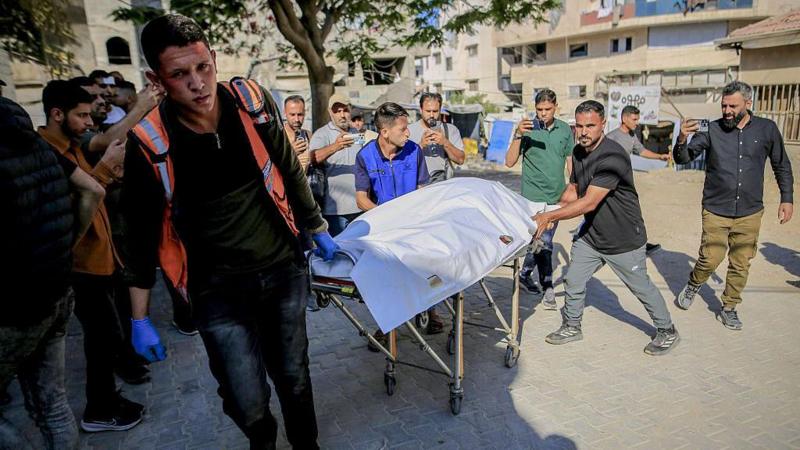
Israeli air strikes in Gaza killed six people, including an Al Jazeera cameraman and at least one child, according to health officials. The Israel Defense Forces (IDF) claimed the cameraman was involved with Hamas, while Al Jazeera condemned the killing and said it violated international laws.
Key Facts
Six people died in Israeli strikes in Gaza, including Al Jazeera cameraman Ahmed Wishah.
The IDF accused Wishah of being part of Hamas’s military wing and involved in sniper operations.
Two others were killed with Wishah in a strike in the Bureij refugee camp; the IDF also linked them to Hamas.
Four family members, including children, were killed in a separate strike in Gaza City’s Sabra neighborhood.
The ceasefire between Israel and Hamas took effect last October but both sides have accused each other of violating it.
Since the ceasefire, over 1,000 people have been killed by Israeli military actions, according to Gaza’s Hamas-run health ministry.
The ceasefire promised humanitarian aid and a new governance structure for Gaza, but many needs remain unmet.
Israel’s Prime Minister said Israel had expanded military control over 70% of Gaza’s territory since May 2024.
Read the Original
Want the full story? Tap a source to open the original
article.