Finding the cells that put our brain to sleep
Summary
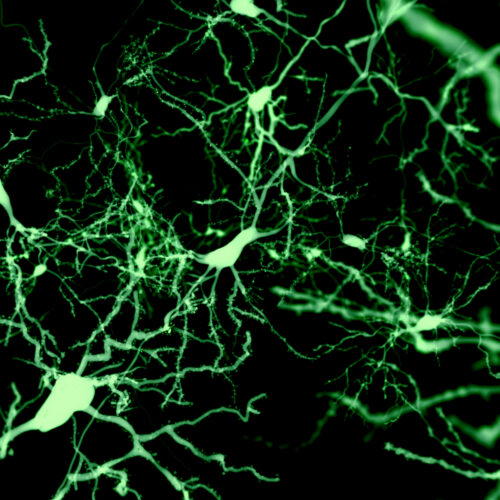
Scientists discovered a special type of brain cell in the cortex that can start the slow rhythms of deep sleep on its own. These cells, called Sst-Chodl neurons, make up about 0.1% of cortical neurons and have a wide network of connections, influencing many brain areas.Key Facts
- Sleep rhythms were thought to come from deep brain parts, with the cortex just reacting.
- Sst-Chodl neurons in the cortex can trigger slow-wave sleep when activated in mice.
- These neurons are a tiny group, about one in a thousand neurons in the cortex.
- The neurons have large branching networks connecting to areas for vision, touch, hearing, memory, movement, and navigation.
- They behave differently from other neurons, being active during deep sleep and quiet wakefulness but silent during running and REM sleep.
- Researchers used a method that targets both genes active in these cells to study them accurately.
- Discovering these neurons was difficult and seen as risky because of their rarity.
- The study changes the understanding of how the brain controls sleep rhythms.
Read the Full Article
This is a fact-based summary from The Actual News. Click below to read the complete story directly from the original source.